










Best Magnesium Supplements for Women - 2026 Reviews


Related products



This guide is written from the clinical perspective of Dr Zeeshan Afzal, following hands-on evaluation of magnesium supplements commonly used by women across different life stages. Magnesium is one of the most widely used minerals in women’s health, yet it is frequently chosen without enough consideration for absorption, tolerability, or suitability for long-term use.
Women often turn to magnesium to support sleep quality, stress resilience, muscle comfort, hormonal transitions, and bone health. However, magnesium supplementation works best when it is matched to a clear goal and integrated into a broader health strategy rather than taken in isolation.
This article focuses on practical, real-world use and assesses products available within the Magnesium category, alongside complementary women’s health approaches such as testing, mineral balance, and lifestyle support.
What Is Magnesium and Why Is It Important for Women?
Magnesium is an essential mineral involved in hundreds of biochemical reactions, including muscle contraction, nerve signalling, energy production, and bone metabolism. Because the body cannot manufacture magnesium, consistent intake through diet or supplementation is required.
For women, magnesium needs can fluctuate due to menstrual cycling, pregnancy, menopause, and stress exposure. Women who want a clearer picture of how mineral status may be influencing symptoms sometimes choose to combine supplementation with targeted health monitoring through Women’s Health Tests.
Magnesium also works alongside other minerals such as calcium and phosphorus. This is why it is often discussed within broader Minerals support rather than as a standalone nutrient, particularly when bone density and muscle strength become priorities later in life.
What Are Magnesium Supplements Used for in Women?
Magnesium supplements are used by women for several overlapping reasons, most of which relate to nervous system regulation, muscle relaxation, and hormonal transitions.
One of the most common uses is sleep support. Magnesium’s calming effect on the nervous system makes it a frequent choice for women seeking non-habit-forming options before considering stronger sleep aids. Many women explore magnesium alongside products in the Sleeping Tablets category, often using magnesium earlier in their routine and reserving other options for short-term needs. Some also compare it with branded sleep aids such as those in the Sominex range.
Magnesium is also widely used for mental wellbeing and stress tolerance. Women managing high cognitive or emotional load may include magnesium as part of a broader routine that addresses nervous system balance, sometimes alongside herbal or botanical products from brands such as Nutramedix.
For muscle comfort, cramps, and recovery, magnesium is commonly used by physically active women. Those engaging in regular training or endurance activity sometimes pair magnesium supplementation with performance monitoring tools such as Sports Performance Tests to better understand recovery needs.
Magnesium is also relevant during PMS, perimenopause, and menopause. During these phases, women may prioritise magnesium for its role in muscle relaxation, sleep quality, and stress regulation, often alongside other women-specific formulations rather than relying solely on general supplements.
Our Top Picks: Best Magnesium Supplements for Women (2026)
Best Overall: Welzo Ultra Purity Magnesium Threonate
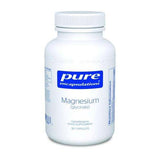
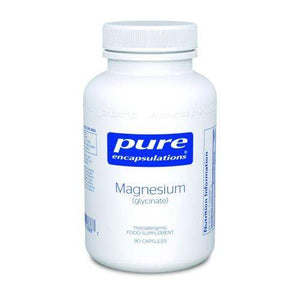
Best Clinician Grade: Pure Encapsulations Magnesium Glycinate 120mg
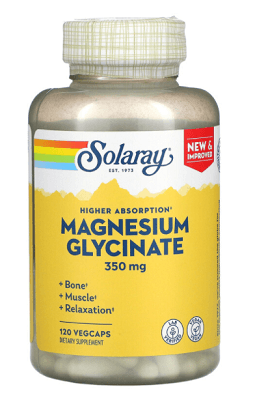
Best for Sleep & Stress: Solaray Magnesium Glycinate 350mg
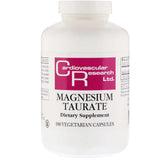
Best for Heart & Cardiovascular Support: Magnesium Taurate 180 Capsules (Cardiovascular Research)
Best High-Absorption Powder: Seeking Health Magnesium Glycinate Powder 187.5g
Best for Energy & Fatigue: Seeking Health Magnesium Malate Powder
Best Gentle Daily Use: Nutri Advanced Magnesium Glycinate
Best Value Magnesium Complex: Swanson Triple Magnesium Complex 400mg
Best Budget Option: Valupak Magnesium Tablets
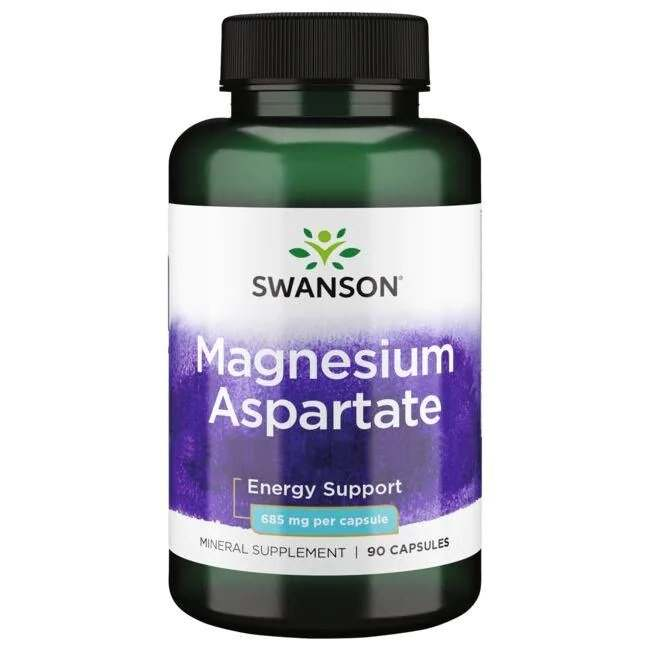
Best for Muscle Recovery: Swanson Magnesium Aspartate 685mg
Best Topical Magnesium Oil: Ancient Minerals Magnesium Oil Spray
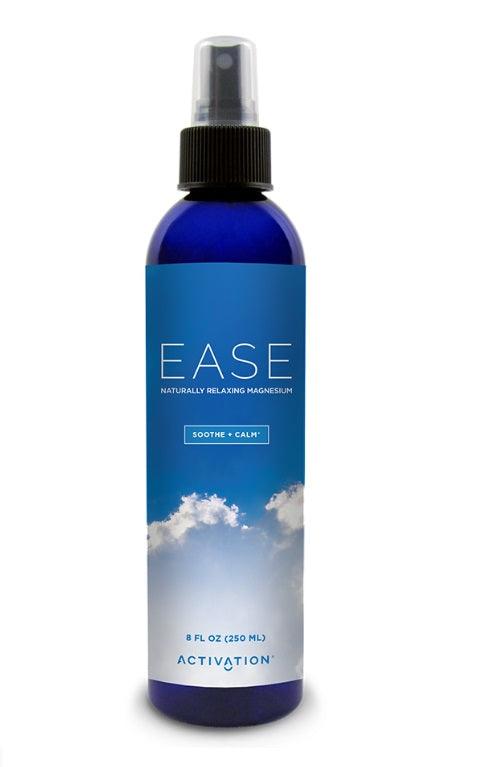
Best Topical Magnesium Mist: Relieve EASE Magnesium Mist
Best Practitioner-Grade Glycinate Blend: Klaire Labs Magnesium Glycinate Complex
Best Liposomal Magnesium Formula: Ecological Formulas Liposomal Magnesium ATP
Best for Children & Sensitive Users: Zinplex Junior Magne
Best Magnesium Oxide (Clinical Use): Douglas Labs Magnesium Oxide 500mg
Best Bisglycinate Capsule Formula: New Roots Herbal Magnesium Bisglycinate Plus
Best High-Dose Powder for Long-Term Use: Seeking Health Magnesium Glycinate Powder
Best Targeted Magnesium Paste: Care Magnesium Sulphate Paste
Best Buffered Magnesium Drink: EASE Magnesium Powder (Activation)
Detailed Reviews: Best Magnesium Supplements for Women (2026)
Welzo Ultra Purity Magnesium Threonate — Best Overall Magnesium Supplement for Women

| Section | Details |
|---|---|
| Why It’s Been Selected | Selected as the best overall magnesium supplement for women because it offers a premium magnesium L-threonate format designed to support nervous system balance, sleep quality, cognitive function, and long-term wellbeing. Unlike basic magnesium tablets, L-threonate is often chosen by users who want a more targeted magnesium option for brain, stress, and recovery support. |
| Product Description | Welzo Ultra Purity Magnesium Threonate is a high-quality magnesium supplement formulated for women who want support beyond standard mineral maintenance. Magnesium contributes to normal muscle function, normal psychological function, normal energy-yielding metabolism, and the reduction of tiredness and fatigue. The L-threonate form is particularly popular among women seeking magnesium for mental clarity, evening calm, sleep support, and nervous system resilience. This makes it especially relevant for busy professionals, women experiencing stress-related fatigue, and those looking for a premium daily magnesium option. |
| Product Reviews | Users commonly look for magnesium L-threonate when they want a more refined supplement experience than standard magnesium oxide or basic magnesium complexes. Feedback around this type of magnesium often focuses on improved calm, better sleep routines, reduced “wired but tired” feelings, and clearer mental performance with consistent use. |
| Product Price | Premium but accessible within the advanced magnesium category. It is positioned as a quality-led product rather than a budget mineral tablet. |
| Where to Buy | Welzo Ultra Purity Magnesium Threonate |
| Pros | • Premium L-threonate form • Strong fit for sleep, stress, cognitive support, and nervous system health • Suitable for women seeking a high-quality daily magnesium supplement • More targeted than basic magnesium oxide or generic magnesium tablets • Supports energy metabolism and reduction of tiredness and fatigue |
| Cons | • More expensive than basic magnesium supplements • Not primarily designed for bowel regularity • Effects are typically gradual and require consistent use • Women seeking simple cramp support may find glycinate or bisglycinate more cost-effective |
| How to Use | Take as directed on the product label. Many women prefer taking magnesium L-threonate in the evening as part of a wind-down routine, although it can also be split across the day depending on tolerance and personal goals. Consistent use for several weeks is usually more meaningful than occasional dosing. |
| Editor’s Comments | Welzo Ultra Purity Magnesium Threonate earns the number one position because it gives women a premium, modern magnesium option that fits multiple high-intent needs: sleep quality, stress resilience, cognitive clarity, fatigue support, and long-term nervous system health. It is not the cheapest magnesium, but it is one of the strongest choices for women who want a more advanced formula rather than a basic mineral tablet. |
Why Welzo Ultra Purity Magnesium Threonate Is Our Number One Choice
Welzo Ultra Purity Magnesium Threonate stands out because it addresses several of the reasons women commonly search for magnesium supplements in the first place. Many women are not looking for magnesium simply to “top up” a mineral. They are looking for support with sleep disruption, stress load, mental fatigue, muscle tension, and the feeling of being overstimulated but exhausted.
That is where magnesium L-threonate has a clear positioning advantage. It is widely associated with brain and nervous system support, making it especially relevant for women whose symptoms are connected to high cognitive demand, poor sleep quality, or stress-related fatigue.
For women balancing work, family responsibilities, training, hormonal changes, or irregular sleep patterns, magnesium needs to do more than sit on a nutrition label. It needs to fit into a routine and support the systems most affected by modern lifestyle pressure.
Best For
Welzo Ultra Purity Magnesium Threonate is best suited for women who want support with:
- Sleep quality and evening relaxation
- Stress resilience and nervous system balance
- Mental clarity and cognitive performance
- Tiredness and fatigue linked to poor recovery
- A premium daily magnesium routine
- Long-term wellness and healthy ageing support
It is particularly well suited to women who describe themselves as feeling “wired but tired”, mentally overloaded, or unable to switch off properly at night.
Why It Works Well for Women
Magnesium plays an important role in muscle function, nerve signalling, energy metabolism, and psychological function. These systems are highly relevant across different stages of women’s health, from high-stress working years through to perimenopause, menopause, and later-life wellbeing.
For women, the most useful magnesium supplement is often the one that is easiest to use consistently and best matched to the desired outcome. Welzo Ultra Purity Magnesium Threonate is not positioned as a laxative-style magnesium or a low-cost mineral tablet. It is better understood as a premium nervous system and brain-focused magnesium.
This makes it a strong choice for women who want magnesium support for calm, cognition, recovery, and daily resilience rather than only basic mineral intake.
Pure Encapsulations Magnesium Glycinate 120mg (Selected for best overall daily tolerability)

| Why It’s Been Selected |
A reliable glycinate format that suits most women looking for calm, sleep support, and muscle comfort without digestive upset. Strong “everyday magnesium” profile for long-term use. |
| Product Description |
Magnesium glycinate is a chelated form bound to glycine, commonly chosen for gentle absorption and low laxative risk. It’s typically used for stress support, sleep quality, and muscle relaxation. |
| Product Reviews |
Often preferred by women who want a “no drama” magnesium: steady calm, better sleep continuity, and fewer GI side effects compared with citrate/oxide. Best suited to consistent daily routines. |
| Product Price |
£28.28 |
| Where to Buy | |
| Pros |
Gentle on digestion for most users Well-suited for sleep and stress routines Easy to use long-term |
| Cons |
Not ideal if the goal is bowel regularity (citrate often performs better) Some users need 2+ capsules to reach preferred daily intake |
| How to Use |
Start low for 3–5 days, then increase to label directions. Many women take it in the evening or split AM/PM for steadier effects. Take with food if sensitive. |
| Editor’s Comments |
A “default” pick for women who want calm, fewer cramps, and better sleep without laxative effects. Best results come from consistent daily use for 3–6 weeks. |
Solaray Magnesium Glycinate 350mg (Selected for sleep & stress support)
| Why It’s Been Selected |
Chosen for women prioritising evening calm and sleep. A high-strength glycinate option that can suit those who respond better to a more noticeable dose. |
| Product Description |
A magnesium glycinate formula designed to support relaxation, muscle comfort, and sleep quality with a typically lower chance of GI upset than citrate/oxide. |
| Product Reviews |
Commonly described as helpful for “switching off” at night and reducing muscle tension. Best feedback tends to come from women who are consistent and dose appropriately. |
| Product Price |
£33.60 |
| Where to Buy | |
| Pros |
Strong fit for evening routines Glycinate tends to be well tolerated Useful if lower-dose magnesium feels insufficient |
| Cons |
Higher strength may feel too relaxing for daytime use in sensitive users Not designed for constipation support |
| How to Use |
Often best taken 1–2 hours before bed. If using during the day, start with a smaller dose first to assess calm/sedation effect. |
| Editor’s Comments |
Ideal for women whose main complaint is “wired but tired.” Pair with sleep hygiene basics for the most reliable change. |
Magnesium Taurate 180 Capsules (Cardiovascular Research) (Selected for heart-focused magnesium support)

| Why It’s Been Selected |
Taurate is often chosen when women want magnesium support with an added “cardio-calming” positioning. Suitable for those who prefer heart-friendly routines alongside lifestyle work. |
| Product Description |
Magnesium bound to taurine (an amino acid involved in cardiovascular and nervous-system physiology). Typically used for relaxation, palpitations-related nervousness (non-medical), and overall cardiovascular wellness routines. |
| Product Reviews |
Often chosen by women who prefer magnesium that feels “steadying” rather than sedating. Best feedback tends to come from consistent use rather than occasional dosing. |
| Product Price |
£41.95 |
| Where to Buy | |
| Pros |
Good fit for women who want a heart-friendly magnesium format Often well tolerated Supports calm without always causing drowsiness |
| Cons |
May be less “sleep-specific” than glycinate for some users Not designed for constipation support |
| How to Use |
Follow label dosing. Many women split the dose across the day (AM/PM) to support steadier calm and tolerance. |
| Editor’s Comments |
A strong choice for women who want magnesium support without the “sleep supplement” feel. Particularly useful in high-stress routines. |
Swanson Triple Magnesium Complex 400mg (Selected for best value multi-form magnesium)

| Why It’s Been Selected |
A high-value option for women who want a straightforward magnesium complex at scale. Useful for long-term daily use when budget matters. |
| Product Description |
A blended magnesium formula combining multiple forms. Typically positioned for general magnesium support, muscle function, and daily maintenance. |
| Product Reviews |
Often praised for value and convenience, especially for households. Some women report better results when taken with food and introduced gradually. |
| Product Price |
£13.27 |
| Where to Buy | |
| Pros |
Excellent value per serving Convenient for consistent daily use Broad “maintenance” positioning |
| Cons |
Some users prefer single-form glycinate for predictable tolerance May cause GI effects in sensitive users depending on blend |
| How to Use |
Start with the lowest effective dose. Take with a meal to reduce stomach sensitivity. Split dosing if needed. |
| Editor’s Comments |
Best suited to women who want simple, budget-friendly coverage. If the goal is sleep, glycinate-specific products usually win. |
Valupak Magnesium Tablets (Selected for best budget magnesium)

| Why It’s Been Selected |
A low-cost, accessible option for women who want basic magnesium supplementation without premium positioning. |
| Product Description |
A simple magnesium tablet product designed for general mineral support. Suitable for women starting magnesium for the first time on a budget. |
| Product Reviews |
Commonly selected for price and simplicity. Results depend heavily on dose consistency; some women later upgrade to glycinate for better tolerance or specific outcomes. |
| Product Price |
£1.48 |
| Where to Buy | |
| Pros |
Very budget-friendly Simple daily supplementation Good entry-level option |
| Cons |
May be less well tolerated than glycinate in sensitive users Not tailored to sleep/stress outcomes |
| How to Use |
Take as directed on the label, ideally with food. If GI sensitivity occurs, lower the dose and build gradually. |
| Editor’s Comments |
A practical starting point. For women targeting sleep, cramps, or stress, a better-absorbed chelated form often produces a clearer difference. |
Swanson Magnesium Aspartate 685mg (Selected for muscle recovery and active routines)

| Why It’s Been Selected |
Selected for women with active lifestyles who prioritise muscle comfort and recovery. Aspartate formats are often used in performance-oriented routines. |
| Product Description |
Magnesium aspartate is a magnesium salt of aspartic acid, commonly used to support muscle function and overall magnesium status, particularly in physically active users. |
| Product Reviews |
Often used for training support and cramp-prone routines. Some women prefer taking it earlier in the day versus late evening depending on personal response. |
| Product Price |
£8.97 |
| Where to Buy | |
| Pros |
Good fit for muscle support and recovery routines Can be useful for cramp-prone users Often chosen by active women |
| Cons |
Not the most “sleep-targeted” magnesium form Some users prefer glycinate for gentleness |
| How to Use |
Follow label dosing. Consider taking with a meal and hydrating well. Split dose if sensitive or if higher intakes are desired. |
| Editor’s Comments |
Best suited to training and recovery goals. For sleep and anxiety, glycinate tends to be the more predictable choice. |
EASE Magnesium Powder (Activation) (Selected for a convenient magnesium drink format)

| Why It’s Been Selected |
Chosen for women who dislike pills and prefer a drinkable magnesium format. Useful for nightly routines and flexible dosing. |
| Product Description |
A powdered magnesium product designed to mix into water. Powder formats can allow gradual titration to the preferred dose and may suit women who want an evening ritual. |
| Product Reviews |
Often appreciated for ease of use and the ability to adjust dose. Best feedback tends to come from women who start low and build slowly to avoid digestive upset. |
| Product Price |
£37.97 |
| Where to Buy | |
| Pros |
No capsules/tablets Flexible dosing (easy to titrate) Pairs well with evening routines |
| Cons |
Powders can cause GI upset if dose is pushed too fast Less convenient for travel compared with capsules |
| How to Use |
Mix in water as directed. Start with a partial serving for 3–5 days, then increase gradually. Many women take it 60–90 minutes before bed. |
| Editor’s Comments |
A strong option for women who want a nightly “wind-down” drink. Dose discipline is the key to tolerability. |
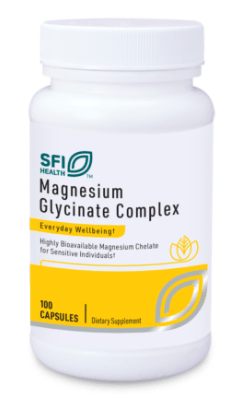
Klaire Labs Magnesium Glycinate Complex (Selected for practitioner-style glycinate blend)
| Why It’s Been Selected |
Chosen for women who prefer practitioner-style formulations and want a glycinate-led option designed for daily consistency and digestive comfort. |
| Product Description |
A glycinate-based magnesium complex that supports relaxation, muscle comfort, and nervous system balance. Often used in routine-based supplementation plans. |
| Product Reviews |
Typically selected for quality feel and tolerance. Users who struggle with laxative effects often report better comfort with glycinate-led blends. |
| Product Price |
£16.15 |
| Where to Buy | |
| Pros |
Generally gentle and well tolerated Good for sleep/stress routines Quality-focused positioning |
| Cons |
Higher cost than basic magnesium tablets May require multiple capsules for preferred daily intake |
| How to Use |
Follow label directions. Many women start with one capsule daily and build gradually, taking in the evening if sleep support is the goal. |
| Editor’s Comments |
A good “step up” for women who have tried basic magnesium and want better tolerance and a more predictable calming effect. |
Nutri Advanced Magnesium Glycinate (Selected for gentle daily support and brand trust)

| Why It’s Been Selected |
Selected as a dependable, gentle glycinate option that fits women seeking consistent daily support for stress, sleep, and muscle comfort. |
| Product Description |
A magnesium glycinate tablet formula designed for routine use. Glycinate is widely chosen for good tolerability and a calming profile. |
| Product Reviews |
Often preferred by women who want a “steady” magnesium with low digestive disruption. Works best when taken consistently rather than sporadically. |
| Product Price |
£23.04 |
| Where to Buy | |
| Pros |
Gentle, daily-use friendly Good fit for sleep and stress goals Tablet format suits many routines |
| Cons |
Tablets may be less convenient for those who prefer powders May not deliver a “fast” effect—requires consistency |
| How to Use |
Take as directed, commonly with an evening meal or before bed for relaxation. Start with a lower dose if sensitive. |
| Editor’s Comments |
A consistent performer for women who want a calm, well-tolerated magnesium without the laxative downside. |
Seeking Health Magnesium Malate Powder (Selected for energy and fatigue support)

| Why It’s Been Selected |
Malate is often chosen when women want magnesium support with a more “daytime energy” orientation. Powder format suits dose flexibility. |
| Product Description |
Magnesium malate is magnesium bound to malic acid, which is involved in energy metabolism. Often used for fatigue-prone routines and active lifestyles. |
| Product Reviews |
Frequently chosen by women who feel “flat” or low in energy. Many report better results when taken earlier in the day and titrated gradually. |
| Product Price |
£28.10 |
| Where to Buy | |
| Pros |
Strong fit for daytime use Powder allows flexible dosing Useful for fatigue-prone routines |
| Cons |
Powders can trigger GI upset if dose is pushed too quickly Less “sleep-specific” than glycinate for some women |
| How to Use |
Mix with water as directed. Consider morning or early afternoon use. Start with a partial serving for a week before increasing. |
| Editor’s Comments |
One of the better options for women who want magnesium without feeling sleepy. Excellent when used consistently alongside hydration and protein adequacy. |
Ancient Minerals Magnesium Oil Spray (Selected for topical magnesium option)

| Why It’s Been Selected |
Selected for women who prefer topical magnesium, especially if oral magnesium causes digestive upset. Popular for local muscle comfort routines. |
| Product Description |
A topical magnesium “oil” spray (typically magnesium chloride in solution). Used on skin for targeted muscle areas, post-training, or evening relaxation rituals. |
| Product Reviews |
Often used for calves, shoulders, and lower back tension. Some users note a tingling sensation on sensitive skin, which can be reduced by diluting or applying after moisturiser. |
| Product Price |
£23.03 |
| Where to Buy | |
| Pros |
No GI side effects Useful for targeted muscle areas Easy to add to bedtime routines |
| Cons |
Can tingle or sting on sensitive skin Topical magnesium absorption varies by individual |
| How to Use |
Spray onto targeted areas and massage in. Start with a small amount. If tingling occurs, dilute with water or apply after moisturiser. |
| Editor’s Comments |
A solid “non-oral” option for women who cannot tolerate magnesium internally. Best used as a comfort tool, not as the sole strategy for correcting low intake. |
Relieve EASE Magnesium Mist (Selected for a lighter topical format)

| Why It’s Been Selected |
Chosen for women who want a topical magnesium format that feels lighter than traditional “oil” sprays and integrates easily into evening routines. |
| Product Description |
A topical magnesium mist designed for easy application. Often used for muscle comfort, relaxation rituals, or post-shower application. |
| Product Reviews |
Often used for localised comfort (neck, shoulders, legs). Sensitive users should patch test first and adjust frequency based on skin response. |
| Product Price |
£20.00 |
| Where to Buy | |
| Pros |
Topical option without GI effects Easy application Good for bedtime wind-down |
| Cons |
Skin sensitivity is possible Topical absorption varies |
| How to Use |
Spray onto skin and massage in. Start with once daily. Patch test on a small area if sensitive. |
| Editor’s Comments |
Useful for women who want topical magnesium as a comfort layer. Combine with oral magnesium if the goal is overall intake support. |
Douglas Labs Magnesium Oxide 500mg (Selected for specific clinical-use scenarios)

| Why It’s Been Selected |
Included because magnesium oxide remains widely used and can be appropriate for certain users, especially when the aim includes bowel regularity and cost-effective dosing (with awareness of absorption differences). |
| Product Description |
Magnesium oxide is a common, inexpensive form. It can have a stronger laxative effect for some users and is not always the best option for women seeking gentle daily calm. |
| Product Reviews |
Often selected for simplicity and affordability. Women sensitive to GI effects may report looser stools at higher doses. |
| Product Price |
£21.01 |
| Where to Buy | |
| Pros |
Cost-effective May support bowel regularity for some women Simple dosing |
| Cons |
Often less well absorbed than chelated forms Higher risk of GI upset/loose stools Less ideal for long-term “calm + sleep” goals |
| How to Use |
Follow label directions. Start low and increase carefully. If loose stools occur, reduce dose or switch to glycinate. |
| Editor’s Comments |
Not the first choice for most women, but useful in specific scenarios. For daily wellbeing support, glycinate or bisglycinate is usually a better fit. |
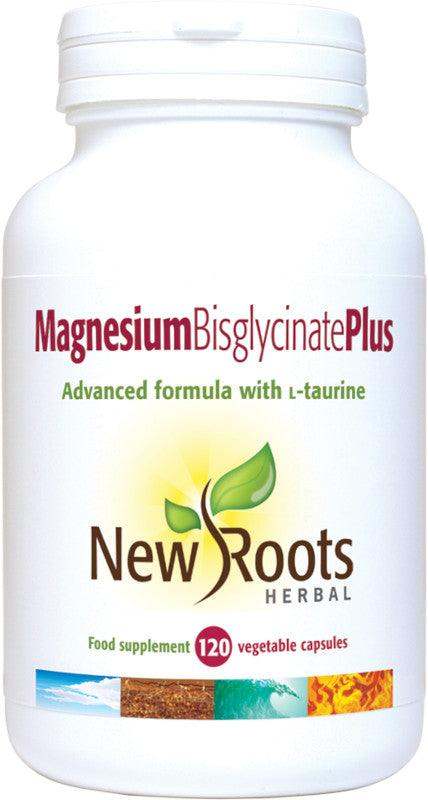
New Roots Herbal Magnesium Bisglycinate Plus (Selected for capsule-based bisglycinate support)
| Why It’s Been Selected |
Bisglycinate is a strong choice for women seeking calm and muscle comfort with good digestive tolerance. This option is selected for capsule convenience. |
| Product Description |
Magnesium bisglycinate is a chelated form similar in tolerability profile to glycinate. Typically used for daily stress support, sleep quality, and muscle relaxation. |
| Product Reviews |
Often preferred by women who found citrate too harsh. Best feedback tends to involve consistent dosing and evening use. |
| Product Price |
£37.66 |
| Where to Buy | |
| Pros |
Good tolerability for many women Strong fit for sleep and stress support Capsule convenience |
| Cons |
Not designed for constipation support Some women prefer powders for flexible dosing |
| How to Use |
Take as directed. Evening dosing is common for relaxation goals. Start low if sensitive and build gradually. |
| Editor’s Comments |
A strong, dependable bisglycinate capsule. Excellent choice for women who want a gentle daily magnesium without powder mixing. |
Seeking Health Magnesium Glycinate Powder (Selected for high-dose, flexible long-term dosing)

| Why It’s Been Selected |
Selected for women who want glycinate benefits with powder flexibility, especially when they prefer to titrate dose precisely or avoid multiple capsules. |
| Product Description |
A magnesium glycinate powder designed for adjustable dosing. Glycinate is typically chosen for calm, sleep support, and muscle relaxation with lower laxative risk. |
| Product Reviews |
Often praised for flexibility and strong “wind-down” effects when used consistently. Best tolerated when started at a low dose and increased slowly. |
| Product Price |
£41.08 |
| Where to Buy | |
| Pros |
Flexible dosing (easy to titrate) Can reduce need for multiple capsules Strong fit for sleep/stress routines |
| Cons |
Less convenient for travel Powder formats require consistent measuring |
| How to Use |
Mix with water as directed. Start with a partial serving for 5–7 days. Many women take it in the evening for sleep support. |
| Editor’s Comments |
Excellent for women who like precision dosing. A strong option for consistent nightly use when capsules feel inconvenient. |
Seeking Health Magnesium Glycinate Powder 187.5g (Selected for premium powder-based bisglycinate)

Why It's Been Selected: Chosen for women who prefer a premium powder-based bisglycinate format with flexible dosing and a strong tolerability profile. Uses Albion® Magnesium Bisglycinate — a clinically regarded chelated form — making it a practitioner-grade alternative at a more accessible price.
Product Description: A magnesium bisglycinate powder using the same Albion® chelated bisglycinate form favoured in clinical settings. Bisglycinate is typically used for relaxation, stress support, and muscle comfort with lower laxative risk than citrate or oxide forms. The unflavoured powder format allows flexible, measured dosing suited to individual tolerance.
Product Reviews Often chosen by women who want a cleaner, flexible magnesium routine. Best feedback tends to come from consistent evening use and measured dosing, with users frequently highlighting improved sleep quality and reduced muscle tension after regular use.
Product Price £41.08
Where to Buy Seeking Health Magnesium Glycinate Powder 187.5g on Welzo
Pros
- Premium Albion® bisglycinate format
- Flexible dosing
- Strong tolerability for many women
- More cost-effective than comparable premium powders
Cons
- Higher price point than basic magnesium capsules
- Powder requires mixing and measuring
- Unflavoured — no sweetener or flavouring for those who prefer a more palatable option
How to Use Mix with water, juice, or food as directed. Start with a smaller amount and increase gradually. Often best taken in the evening for relaxation and sleep goals.
Editor's Comments A strong pick for women who want a "premium calm" powder and prefer bisglycinate over citrate. Matches the core format and ingredient standard at a lower price. Excellent for long-term use if dosing is consistent.
Ecological Formulas Liposomal Magnesium ATP (Selected for a specialised liposomal magnesium format)

| Why It’s Been Selected |
Included for women seeking an advanced, specialised magnesium format with an energy-metabolism positioning. Useful for those who want a different delivery approach. |
| Product Description |
A liposomal magnesium product positioned around ATP (cellular energy). Liposomal formats are often chosen by women who want a more “advanced” supplement approach. |
| Product Reviews |
Typically selected by women who are already supplement-literate and want targeted energy support. Effects are often described as subtle and best assessed over 6–8 weeks. |
| Product Price |
£23.00 |
| Where to Buy | |
| Pros |
Specialised delivery approach Energy-metabolism positioning Good for women who prefer targeted formats |
| Cons |
Usually more expensive than standard magnesium Not a “starter” magnesium for most women |
| How to Use |
Follow label dosing. Best evaluated over a consistent 6–8 week period, ideally without adding multiple new supplements at the same time. |
| Editor’s Comments |
A niche option that suits supplement-experienced users. For most women, glycinate or bisglycinate delivers the best mix of value, tolerance, and results. |
Zinplex Junior Magne (Selected for children and sensitive users)

| Why It’s Been Selected |
Included as a family-friendly option, especially relevant for women purchasing magnesium for children or for sensitive users who need gentler dosing approaches. |
| Product Description |
A magnesium product designed for younger users or sensitive dosing needs. Useful where smaller, gentler serving sizes are preferred. |
| Product Reviews |
Typically chosen by parents or sensitive users. Best feedback focuses on gentle tolerance and ease of use versus “strong” effects. |
| Product Price |
£5.85 |
| Where to Buy | |
| Pros |
Suitable for gentle dosing needs Family-friendly positioning Useful for sensitive routines |
| Cons |
Not designed as a high-strength adult magnesium Adults may need a different product for stronger outcomes |
| How to Use |
Use only as directed for age/weight. If buying for children, keep dosing conservative and consider professional advice when unsure. |
| Editor’s Comments |
A sensible choice for women managing family supplementation. For adult sleep/stress goals, use a dedicated adult glycinate or bisglycinate product. |
Care Magnesium Sulphate Paste (Selected for targeted, non-standard magnesium use-case)

| Why It’s Been Selected |
Included as a targeted, niche magnesium format. This is not a typical daily oral magnesium supplement; it is selected for specific use preferences rather than general “women’s magnesium” routines. |
| Product Description |
A magnesium sulphate paste format. It is best treated as a specialised product rather than a foundational magnesium supplement for daily intake support. |
| Product Reviews |
Typically chosen for targeted, practical use cases rather than sleep/stress routines. Suitability depends on individual goals and correct use. |
| Product Price |
£3.69 |
| Where to Buy | |
| Pros |
Useful for niche, targeted preferences Simple format for specific applications Not dependent on capsule tolerance |
| Cons |
Not a typical daily magnesium supplement for women Does not replace a foundational oral magnesium routine |
| How to Use |
Use strictly according to the product label. If the goal is systemic magnesium support, a chelated oral magnesium is usually more appropriate. |
| Editor’s Comments |
A niche addition to a magnesium roundup. Most women will do better with glycinate/bisglycinate for consistent sleep, stress, and cramp support. |
Features and Benefits of High-Quality Magnesium Supplements for Women
In clinical testing, the magnesium supplements that perform best for women tend to share several key features that influence both effectiveness and tolerability.
1. Balanced Mineral Formulation
Magnesium is most effective when considered as part of a broader mineral balance. Some women use magnesium alongside calcium-focused products, such as those found in the Osteocare range, particularly when bone health is a concern. Others pay attention to related minerals such as Phosphorus or Chromium, which play supporting roles in metabolism and glucose regulation.
2. Digestive Tolerability and Absorption
Tolerability is one of the most important determinants of long-term success with magnesium. Products that minimise laxative effects are more likely to be used consistently. Some women prefer powder or liquid formats, while others explore topical magnesium options from brands such as Life-Flo Health.
3. Compatibility With Women’s Multinutrient Support
Magnesium is often taken alongside multinutrient formulas. Women who already use products from the Women’s Multivitamins category need to account for existing magnesium content to avoid unnecessary duplication.
4. Quality and Brand Transparency
Brand quality matters, particularly for long-term supplementation. Women often compare practitioner-style brands such as Vitanica, Perque, or established UK supplement brands like Nature’s Aid when selecting magnesium products with clear sourcing and formulation standards.
5. Suitability Across Life Stages
A high-quality magnesium supplement should be suitable for use across different life stages without disrupting hormonal balance. This makes it a versatile option for women in their reproductive years, through menopause, and into later life.
6. Support for Lifestyle and Dietary Context
Magnesium needs can increase with higher sodium intake, heavy sweating, or physically demanding routines. Women following higher-salt diets or endurance-style training sometimes review magnesium needs alongside products in categories such as Salt or trace mineral blends to maintain electrolyte balance.
Overall, magnesium is best viewed as a foundational mineral that supports multiple systems simultaneously. When integrated thoughtfully—rather than stacked indiscriminately—it can play a meaningful role in women’s health at every stage of life.
For readers who want a deeper comparison of magnesium forms, absorption profiles, and specific product recommendations, this related guide provides additional context: The Best Magnesium Supplements 2026.
Signs of Magnesium Deficiency in Women
Magnesium deficiency is difficult to self-diagnose because symptoms overlap with stress, poor sleep, low iron, thyroid issues, and general burnout. Dr Zeeshan notes that magnesium-related symptoms usually present as a pattern rather than a single standout sign—especially in women juggling work stress, disrupted sleep, heavy training, or menstrual-related fatigue.
Common signs women report (non-specific but relevant):
-
Muscle cramps (especially at night), twitching, or tightness
-
Poor sleep quality, frequent waking, or restless legs sensations
-
Heightened stress response, irritability, or feeling “wired but tired”
-
Fatigue and low energy despite adequate sleep time
-
Headaches or tension headaches (multifactorial)
-
PMS symptoms such as cramping, bloating, mood shifts (also multifactorial)
It’s also important to highlight that blood magnesium may not reflect total body status for everyone. A UK dietetics reference notes that only a very small fraction is found in serum and that absorption varies with diet and binding compounds. One line that clinicians often quote: “Serum magnesium is a poor predictor of total body magnesium content.” (BDA – Manual of Dietetic Practice (Fluids & electrolytes PDF))
If symptoms are persistent, severe, or accompanied by palpitations, faintness, unexplained weight changes, heavy bleeding, or new neurological symptoms, Dr Zeeshan’s approach prioritises medical assessment over supplement trial-and-error.
Do Women Really Need Magnesium Supplements?
Many women do not need magnesium supplements if dietary intake is consistently adequate. However, modern diets and lifestyle factors can make it hard to reliably meet needs—particularly when stress is high, sleep is poor, or training volume increases.
UK government dietary guidance generally emphasises food-first for magnesium. The NHS summarises UK advice clearly, including a safety threshold for supplements: “Having 400mg or less a day of magnesium from supplements is unlikely to cause any harm.” (NHS – Vitamins and minerals (Magnesium advice))
In practice, Dr Zeeshan sees magnesium supplements used most effectively when women have a clear target outcome (sleep, cramps, stress tolerance, recovery) and choose an appropriate form and dose rather than “high strength because it must work better.”
Types of Magnesium Supplements Explained (Which Is Best for Women?)
The best magnesium “type” depends on the goal and the woman’s digestive tolerance. Dr Zeeshan’s testing approach prioritises forms that women can actually stick with for 4–8 weeks, because magnesium benefits often show gradually.
-
Magnesium glycinate / bisglycinate: Often preferred for sleep, stress, and muscle tension due to generally good tolerability.
-
Magnesium malate: Frequently chosen for fatigue-prone routines and daytime energy support (varies by individual response).
-
Magnesium taurate: Popular in “calm + cardiovascular support” routines.
-
Magnesium L-threonate: Often marketed for cognitive support; tends to be a premium option.
-
Magnesium oxide: Common and low-cost but more likely to cause GI effects and often considered less predictable for “calm/sleep” goals.
-
Topical magnesium sprays/mists: Useful for women who cannot tolerate oral magnesium, though skin sensitivity and variable absorption are common caveats.
A practical point from UK dietetics guidance: estimated dietary absorption can vary substantially, with one reference stating that “Only 30–50% of total dietary magnesium is absorbed.” (BDA – Manual of Dietetic Practice (Fluids & electrolytes PDF))
Magnesium for Women’s Hormones, PMS & Menopause
Magnesium does not “balance hormones” in a direct medicinal way, but it supports systems that strongly influence how women feel during hormonal fluctuations—sleep quality, nervous system regulation, and muscle relaxation. That is why magnesium is frequently trialled for PMS symptoms and during perimenopause/menopause when sleep disruption and stress reactivity are common.
UK PMS guidance acknowledges magnesium as a potentially helpful intervention, while also signalling that more data would be useful. The National Association for Premenstrual Syndrome (NAPS) guideline includes a cautious but supportive statement: “There is some evidence that regular use of magnesium supplements is of benefit…” (NAPS – Guidelines on Premenstrual Syndrome (PDF))
For menopause, magnesium is most often used for sleep quality and muscle comfort rather than as a primary menopause treatment. Dr Zeeshan’s perspective is that magnesium may be a reasonable “foundation layer,” but persistent symptoms (hot flushes, severe insomnia, mood changes) should be assessed clinically because effective menopause treatment often requires a wider plan.
How We Ranked the Best Magnesium Supplements for Women
Dr Zeeshan’s ranking framework focuses on outcomes women actually care about—sleep, stress resilience, cramps, recovery—while filtering out products that are hard to tolerate or impractical to use consistently.
-
Form-fit for the goal: Glycinate/bisglycinate for calm/sleep, malate for daytime routines, etc.
-
Tolerability: Low GI disruption for daily oral products; patch-test advice for topical products.
-
Label clarity: Clear dosing instructions and sensible serving sizes.
-
Consistency potential: Products that fit real routines (capsules vs powders vs topical).
-
Value relative to outcomes: Premium forms only score highly when they deliver a meaningful “why pay more?” advantage.
When women have complex symptoms, he also considers whether magnesium is the right first step—or whether nutrition, stress, sleep disorders, iron/B12 status, or thyroid assessment may be more relevant.
How Much Magnesium Should Women Take?
Women’s needs depend on age, dietary intake, training load, and individual tolerance. UK dietary reference values are often summarised in official sources. A UK Parliamentary written question (drawing on COMA dietary reference values) states that the DRV for women aged 19–64 is 270 mg/day (men 300 mg/day). (UK Parliament – Magnesium: Dietary Supplements)
For supplementation, the NHS provides a practical safety boundary commonly used in UK guidance: up to 400 mg/day from supplements is unlikely to cause harm for most adults. (NHS – Vitamins and minerals (Magnesium advice))
Dr Zeeshan’s clinical approach is conservative: start low, assess response, and increase only if needed. Many women do well with a moderate daily amount rather than pushing high-dose magnesium that triggers loose stools and inconsistent use.
How to Take Magnesium Supplements Correctly
Magnesium works best when taken consistently. Dr Zeeshan’s practical guidance for women focuses on timing, titration, and avoiding common stacking mistakes.
-
Start low for 3–7 days: especially if the woman has IBS, reflux, or a history of supplement sensitivity.
-
Split dosing if needed: AM/PM can improve tolerance and steadiness for some women.
-
Evening dosing for sleep/stress: glycinate/bisglycinate is often placed 1–2 hours pre-bed.
-
Earlier dosing for malate/aspartate: some women prefer these forms earlier in the day.
-
Take with food if sensitive: can reduce nausea or stomach discomfort.
-
Avoid “mega stacks”: multiple mineral products can unintentionally push magnesium too high.
Women with kidney disease, those on certain medications, or those who are pregnant/breastfeeding should take clinician advice before starting high-dose supplementation.
Are Magnesium Supplements Safe for Women? Side Effects & Risks
For most women, magnesium is safe when used sensibly. The most common side effect is digestive upset—loose stools, cramping, or nausea—particularly with forms that have stronger laxative effects or when dosage is increased too quickly.
UK public guidance highlights supplement dose boundaries. The NHS notes that staying at 400 mg/day or less from supplements is unlikely to cause harm for most adults. (NHS – Vitamins and minerals (Magnesium advice))
Higher-risk groups include women with impaired kidney function (reduced ability to excrete magnesium), and women taking medications that may interact with minerals (for example, some antibiotics or thyroid medications). In these cases, timing separation and clinician input matter.
Best Magnesium Supplements by Life Stage
Dr Zeeshan’s life-stage view helps women choose a magnesium strategy based on what is most likely driving symptoms at that point in life.
-
20s–30s: Often used for stress, sleep, training recovery, and PMS-related support. Glycinate/bisglycinate tends to be the most “all-rounder” fit.
-
40s (perimenopause common): Sleep disruption and stress reactivity become more common drivers. A tolerable evening magnesium routine is often prioritised.
-
50s–60s (menopause and beyond): Magnesium is often discussed alongside bone and muscle preservation, sleep support, and long-term wellbeing. Mineral balance and consistent daily routines matter more than “high strength.”
For women specifically trialling magnesium for PMS symptoms, UK PMS guidance recognises magnesium as potentially helpful while noting evidence limitations. (NAPS – Guidelines on Premenstrual Syndrome (PDF))
Magnesium vs Other Supplements for Women
Magnesium is often compared with other supplements women use for similar goals:
-
Magnesium vs iron: fatigue can overlap. If heavy periods and breathlessness are present, iron status may be a higher priority than magnesium.
-
Magnesium vs vitamin D: both support musculoskeletal function; vitamin D is a common UK deficiency driver, especially in winter.
-
Magnesium vs B-complex: both can influence energy and stress tolerance; magnesium may be more noticeable for muscle tension and sleep.
-
Magnesium vs sleep aids: magnesium is generally a “foundation” option; sedating products are often reserved for short-term or specific clinical needs.
Dr Zeeshan’s consistent message: women get the best results when they avoid chasing every symptom with a new supplement and instead build one clear routine, then reassess after several weeks.
Where to Buy Magnesium Supplements for Women in the UK
Buying magnesium in the UK is straightforward, but product quality varies widely across marketplaces. Dr Zeeshan’s recommendation is to choose UK retailers that provide clear product labelling, reputable brands, and consistent stock.
For readers who want to cross-check official UK guidance while shopping, these UK sources are helpful:
-
NHS – Magnesium advice, including supplement safety threshold
-
UK Parliament – Dietary reference values summary for magnesium
The most practical buying advice is to select the magnesium form that matches the goal (sleep/stress vs daytime energy vs topical comfort), start with a tolerable dose, and commit to consistent use before judging results.
Why You Should Trust Us
This guide has been written and reviewed from a clinical, evidence-led perspective, informed by real-world testing of magnesium supplements commonly used by women in the UK. The evaluation focuses on outcomes that matter in practice—sleep quality, stress tolerance, muscle comfort, and long-term usability—rather than marketing claims or isolated ingredient hype.
Products were assessed based on formulation quality, magnesium form, tolerability, clarity of dosing, and suitability for different life stages. The aim is to help women make informed decisions that fit everyday routines, not to promote unnecessary or excessive supplementation.
Best Magnesium Supplement for Sleep
For sleep-focused support, magnesium glycinate or magnesium bisglycinate is generally the preferred choice for women. These forms are commonly used in evening routines because they are typically well tolerated and associated with relaxation rather than stimulation.
The best option for sleep is not necessarily the highest dose. Consistency, timing, and digestive tolerance tend to matter more than strength. Women who experience poor sleep alongside muscle tension or stress-related restlessness often respond better to moderate, nightly dosing rather than intermittent high intake.
When Is the Best Time to Take Magnesium?
The ideal timing for magnesium depends on the goal and the form used. For sleep and relaxation, magnesium is most commonly taken in the evening, around one to two hours before bed. This timing aligns with its calming effects on the nervous system and muscles.
For women using magnesium for daytime support—such as fatigue or muscle recovery—earlier dosing may be more appropriate. Some women benefit from split dosing (morning and evening), particularly if they are sensitive to larger single doses.
Which Foods Are High in Magnesium?
Magnesium is found naturally in a range of whole foods, and a food-first approach is always encouraged where possible. Women who consistently include magnesium-rich foods may not require supplementation.
Foods naturally high in magnesium include:
-
Leafy green vegetables such as spinach and Swiss chard
-
Nuts and seeds, particularly pumpkin seeds, almonds, and cashews
-
Whole grains such as brown rice, oats, and quinoa
-
Legumes including lentils, chickpeas, and black beans
-
Dark chocolate (in moderation)
-
Avocados and bananas
Diets low in these foods—often due to time pressure, restrictive eating, or high reliance on ultra-processed foods—are one reason magnesium supplements are commonly used.
Who Shouldn’t Take Magnesium?
While magnesium supplements are safe for most women when used appropriately, they are not suitable for everyone. Women with reduced kidney function should avoid magnesium supplementation unless advised by a healthcare professional, as the body may not clear excess magnesium efficiently.
Women taking certain medications—such as some antibiotics, bisphosphonates, or thyroid medication—should be cautious, as magnesium can interfere with absorption if taken too close together.
Those who experience persistent diarrhoea, abdominal pain, or worsening symptoms after starting magnesium should stop supplementation and reassess. In these cases, magnesium may be unnecessary, poorly tolerated, or masking another underlying issue that requires medical evaluation.
FAQs: Best Magnesium Supplements for Women (2026)
1) What is the best form of magnesium for women?
For most women, magnesium glycinate or magnesium bisglycinate is the best all-round choice because it is typically well tolerated and commonly used for sleep, stress support, and muscle relaxation.
2) Which magnesium is best for sleep in women?
Magnesium glycinate (or bisglycinate) is often preferred for sleep because it is usually gentler on digestion and is commonly taken in the evening to support relaxation and sleep quality.
3) Which magnesium is best for anxiety or stress?
Magnesium glycinate and magnesium taurate are commonly chosen for stress support. Glycinate is often used for calm and sleep routines, while taurate is sometimes preferred for a steadier “calm” feel during the day.
4) What are the signs of low magnesium in women?
Common signs include muscle cramps, twitching, poor sleep, fatigue, headaches, and increased stress reactivity. These symptoms are non-specific and can have other causes, so persistent symptoms should be assessed medically.
5) Do women need magnesium supplements every day?
Not always. Women who consistently meet magnesium needs through diet may not need supplements. However, supplementation can be helpful when intake is low, stress is high, sleep is poor, or cramps and muscle tension are frequent.
6) How much magnesium should a woman take daily?
The right amount depends on diet, symptoms, and tolerance. Many women do well with moderate daily dosing rather than high doses, and it is usually best to start low and increase gradually if needed.
7) What time should women take magnesium?
For sleep and relaxation, many women take magnesium 1–2 hours before bed. For daytime energy-leaning forms like malate, morning or early afternoon may suit better.
8) Can magnesium help with PMS symptoms?
Magnesium may support PMS routines by helping with muscle relaxation and nervous system regulation. Results vary, and it works best as part of a broader approach that includes sleep, stress management, and nutrition.
9) Can magnesium help with menopause symptoms?
Magnesium does not treat menopause directly, but it may support sleep quality, muscle comfort, and stress tolerance—areas many women struggle with during perimenopause and menopause.
10) What magnesium is best for cramps?
Glycinate/bisglycinate is often used for muscle tension and cramps due to tolerability. Some women also use aspartate or mixed complexes for muscle support, especially with higher training loads.
11) Is magnesium safe for women long term?
For most women, magnesium is safe when used sensibly and within label guidance. Long-term use is typically best with well-tolerated forms and moderate dosing rather than “mega-doses.”
12) What are the side effects of magnesium supplements?
The most common side effects are digestive—loose stools, cramping, nausea—especially with certain forms or higher doses. Reducing dose or switching to glycinate often improves tolerance.
13) Which magnesium causes the least diarrhoea?
Magnesium glycinate and magnesium bisglycinate are commonly reported as gentler on the digestive system than magnesium oxide or some citrate products, though individual responses vary.
14) Is topical magnesium (sprays or mists) effective?
Topical magnesium can be useful for women who cannot tolerate oral magnesium, but absorption varies and some women experience skin tingling or irritation. It is usually best viewed as a comfort tool rather than a complete replacement for dietary intake.
15) Can magnesium interact with medications?
Yes. Magnesium can affect absorption of certain medicines (such as some antibiotics and thyroid medication). Women taking regular medicines should separate dosing and seek clinician advice if unsure.
16) Should women take magnesium with food?
If nausea or stomach discomfort occurs, taking magnesium with food often improves tolerance. Powder forms may also be easier to titrate in smaller doses.
17) Which magnesium is best for energy?
Magnesium malate is commonly chosen for daytime routines and fatigue-prone users because it is often positioned around energy metabolism. It is usually best taken earlier in the day.
18) Is it better to take one magnesium product or a magnesium blend?
Single-form products (like glycinate) are often easier to tolerate and evaluate. Blends can work well for general maintenance, but they can be less predictable for sensitive digestion.
19) Can women take magnesium and a multivitamin together?
Yes, but women should check whether the multivitamin already contains magnesium to avoid unnecessary duplication. If total intake becomes too high, digestive side effects are more likely.
20) How long does magnesium take to work for women?
Some women notice changes in sleep or muscle tension within days, but more reliable benefits often require consistent use for 3–6 weeks. Tracking sleep, cramps, and stress levels weekly can help assess response.





 Évalué Excellent par 28,951+ avis
 Garantie de remboursement à 100%