
Your cart is empty
Cette quantité d'élément ne peut pas être ajoutée au chariot
Continue shopping
Corde de bataille
4.8on Trustindex
browsing now
Order before 2pm for same-day dispatch
2766+ orders this week
-
 Quick view
JORDAN
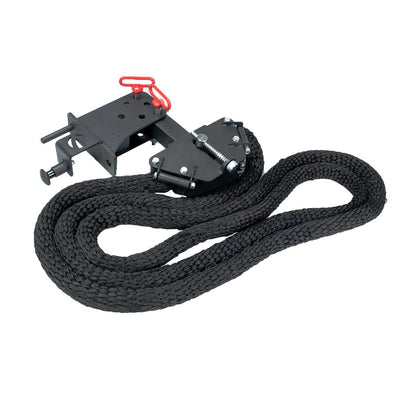
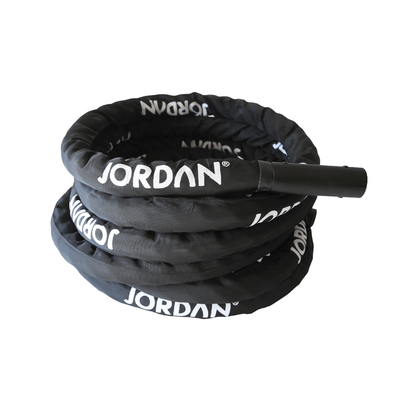
Jordan Helix Corde pour attachement de traction de corde
Produits de sport- 50 pieds de longu...€ 48,95UK delivery soon
Order within 2h 14m
In Stock
Authentic 30-day returns 12 viewing -
 Quick view
JORDAN
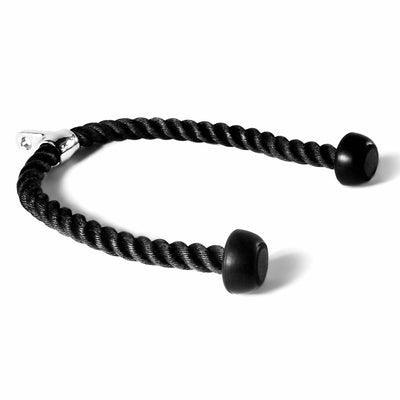
Corde Jordan Tricep (noir)
Produits de sport- Construction de c...€ 23,95UK delivery soon
Order within 2h 14m
In Stock
Authentic 30-day returns 12 viewing -
 Quick view
JORDAN
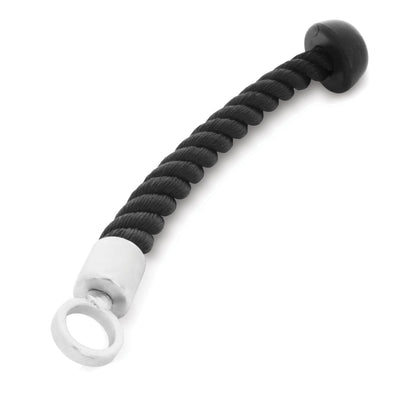
Corde triceps unique Jordan
Produits de sport- Construction de c...€ 17,95UK delivery soon
Order within 2h 14m
In Stock
Authentic 30-day returns 12 viewing -
 Quick view
JORDAN
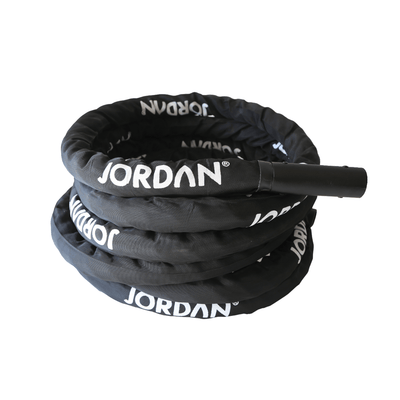
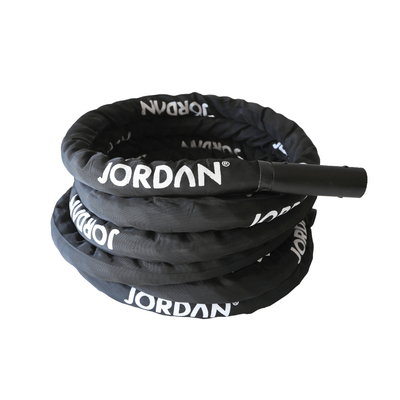
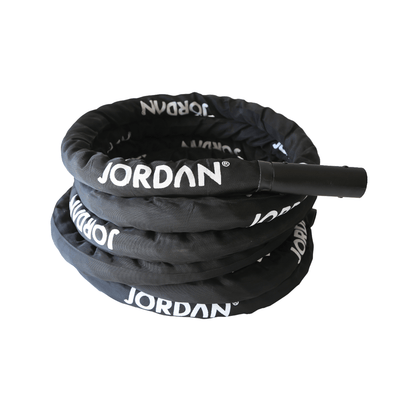
Jordan 38 mm de diamètre, env. Corde de bataille noire de 30 pieds / 9m
Produits de sport- Corde de diamètre...€ 167,95UK delivery soon
Order within 2h 14m
In Stock
Authentic 30-day returns 12 viewing -
 Quick view
JORDAN
Jordan Corde / Suspension Mur de l'entraîneur / ancre de sol - Gray
Produits de sport- Construction en a...€ 70,95UK delivery soon
Order within 2h 14m
In Stock
Authentic 30-day returns 12 viewing -
 Quick view
JORDAN
Jordan Corde / Suspension Mur de l'entraîneur / ancre de sol - noir
Produits de sport- Construction en a...€ 25,95UK delivery soon
Order within 2h 14m
In Stock
Authentic 30-day returns 12 viewing -
 Quick view
JORDAN
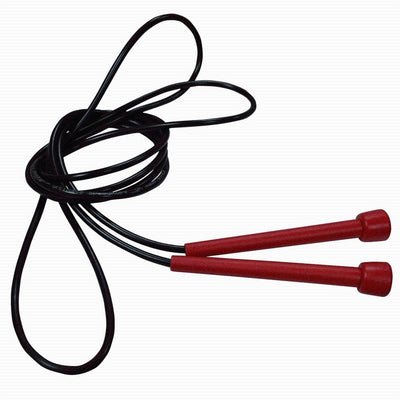
Jordan Speed Rope - 8715 - 9 pieds adultes moyens
Produits de sport- longueur de 9 pie...€ 21,95UK delivery soon
Order within 2h 14m
Out of stock
Authentic 30-day returns 12 viewing -
 Quick view
JORDAN
Kit de bracelet d'ancrage de la corde Jordan
Produits de sport- Straps d'ancrage ...€ 9,95UK delivery soon
Order within 2h 14m
Out of stock
Authentic 30-day returns 12 viewing
Corde de bataille
Battle ropes are a high-intensity training tool used for conditioning, strength endurance, and full-body athletic performance. By creating waves, slams, circles, and alternating patterns, battle rope workouts recruit the arms, shoulders, back, core, hips, and legs while elevating heart rate for serious metabolic training. They are commonly used in functional fitness, boxing-style conditioning, team sport preparation, and home gym circuits because they combine resistance with continuous movement.
The Welzo Battle Rope collection brings together durable, grip-friendly ropes designed for repeat sessions—whether you’re building power, improving work capacity, or adding a low-impact conditioning option to your routine. You can purchase battle ropes online through Welzo and build a complete training setup around your goals, available for convenient home delivery.
What is a Battle Rope?
A battle rope is a long, thick rope (often braided polyester) anchored at the midpoint to a fixed point. You train by moving the rope ends in different patterns to generate waves and force through the rope. Because the rope resists acceleration and deceleration, it challenges muscular endurance and coordination while also providing a cardiovascular stimulus.
Battle ropes are popular because they scale easily: you can adjust intensity by changing rope thickness, length, wave speed, stance, or work-to-rest intervals—making them suitable for beginners through advanced athletes.
Benefits and Features of the Welzo Battle Rope Collection
Battle ropes are best known for combining strength and conditioning in one tool. When used consistently, they support improved upper-body endurance, stronger grip and forearms, and better core stability as you brace against rotational forces. They’re also excellent for interval training because you can ramp intensity quickly without needing complex equipment.
To build a balanced conditioning toolkit, many customers pair battle rope sessions with other functional equipment such as Sandbags for loaded carries and ground-to-shoulder work, or Medicine Balls for throws, slams, and rotational power.
Why is Battle Rope Important?
Battle rope training is useful because it targets “repeatable power”—the ability to produce force repeatedly under fatigue. That matters for sport, for high-output gym conditioning, and for everyday fitness where stamina and resilience often determine progress. Because the movements are continuous and self-paced, battle ropes can also be a joint-friendlier conditioning option than high-impact running or jumping for some people.
If your goal is to improve overall training quality, pairing rope intervals with foundational strength work (for example using Dumbbells) can help you build strength while using ropes to raise conditioning capacity and recovery between efforts.
Best Products in Battle Rope
The “best” battle rope depends on your space, anchor setup, and training focus:
- Beginners & general fitness: Often prefer a manageable thickness and moderate length that allows fast wave mechanics without early grip failure.
- Conditioning & fat-loss circuits: Benefit from a rope that supports continuous intervals and varied patterns (waves, slams, circles) without fraying.
- Strength endurance & power: Often choose thicker, heavier ropes that demand more force to move and stop.
For a complete training environment at home, many users also add stability and safety essentials like Gym Flooring & Mats to protect floors, reduce rope wear, and improve traction during aggressive intervals.
How to Use Battle Rope?
Start with a secure anchor point and enough clearance so the rope can move freely. Adopt an athletic stance (soft knees, hips back, ribs down) and brace your core as you move the rope. Begin with simple patterns:
- Alternating waves: Move one arm up as the other goes down, keeping shoulders controlled.
- Double waves: Both arms move together; aim for consistent wave height.
- Slams: Raise arms and drive down with full-body tension (avoid over-arching the lower back).
- Circles: Make outward circles to challenge shoulders and coordination.
Programming tip: use intervals such as 15–30 seconds work with 30–60 seconds rest, for 6–12 rounds. If you’re combining rope work with strength training, you may run ropes after lifts like Kettlebells or as a conditioning finisher at the end of a session.
Are there any side effects or interactions of Battle Rope?
Battle rope training is generally safe when technique and volume are appropriate, but it can cause overuse irritation if you progress too fast—especially in the shoulders, elbows, wrists, and lower back. Common issues include tendon strain from excessive gripping, shoulder discomfort from poor scapular control, or back fatigue if bracing is weak during slams.
To reduce risk, keep shoulders “packed” (avoid shrugging), maintain a neutral spine, and build volume gradually. If you have existing shoulder, elbow, or spinal conditions, consider a lighter rope, shorter intervals, or alternative conditioning tools such as Exercise Bikes while you rebuild capacity.
What Are the Different Types of Battle Rope Available?
Battle ropes vary mainly by:
- Length: Longer ropes increase workload and allow larger waves; shorter ropes suit smaller spaces.
- Thickness/weight: Thicker ropes demand more force and grip strength; thinner ropes enable faster speed.
- Material & weave: Braided or coated designs can affect durability and handling.
- Handles: Some have reinforced grips for comfort and reduced slippage.
If you want a conditioning-heavy setup, ropes pair well with other high-output tools such as a Plyo Jump Box for step-ups and jumps, or Weight Sleds for pushing work that complements rope intervals.
What Are the Most Popular Battle Rope Products Available?
Most customers choose battle ropes based on their training goal and available space. Popular picks typically include:
- All-around ropes that support alternating waves, slams, and circles for general conditioning
- Heavier ropes used for strength endurance, and shorter, more intense intervals
- Home-gym friendly options that work well with compact anchors and floor protection
Many users also add complementary strength staples like Barbells & Lifting Bars to structure training days (strength first, conditioning second) and progress performance over time.
Statistics, Research, Expert Information and Quotes on Battle Rope
High-intensity interval training (HIIT) is consistently associated with improvements in cardiovascular fitness and metabolic health when performed appropriately. Battle ropes fit naturally into HIIT programming because they allow rapid changes in intensity while keeping the body in an athletic position that promotes full-body engagement.
From a coaching perspective, battle ropes are particularly useful for improving upper-body work capacity without needing heavy joint loading. They also reinforce bracing and posture under fatigue—skills that transfer well to strength work and sport conditioning.
How We Select Our Battle Rope Collection on Welzo
When selecting battle ropes for the collection, we prioritise practical performance: durability for repeated high-tension waves, comfortable handling, and training versatility across different fitness levels. We also consider suitability for home setups (space constraints, anchoring needs, and floor protection) and the ability to integrate into structured training plans.
To support complete programme design, we also look at how well battle ropes complement adjacent training categories such as Weight Gym Benches for strength training and structured conditioning finishers.
Trusted by Experts and Verified Battle Rope Quality on Welzo
Battle ropes are simple tools, but quality matters: a rope that frays early, slips in the hand, or fails under repeated slams disrupts training consistency. Welzo focuses on options designed to withstand frequent use and maintain reliable handling session after session.
If you train with performance goals, pairing ropes with structured nutrition support can be helpful for recovery and energy availability. Popular complementary categories include Pre-Workout for training intensity and Recovery Supplements to support post-training replenishment.
Customer Reviews
Read verified customer feedback and shopping experiences here: Welzo Reviews.
Internal Links to Trust Pages
- Welzo Staff
- Ingredient Quality & Purity Certifications
- Supplement Quality Standards & Certifications
Related Categories You May Find Useful
If you’re building a full training setup around battle ropes, these related categories can help you round out strength, conditioning, and recovery—without overcomplicating your routine:
- Punching Bags for boxing-style conditioning and power work
- Strength & Conditioning Equipment (pair ropes with steady-state or interval cardio)
- Weight Plates & Bars for progressive resistance training
- Protein to support muscle repair and training consistency
- Electrolytes for hydration support during high-sweat sessions
- Creatine to support repeated high-output performance
FAQs (Frequently Asked Questions)
What length battle rope should I buy for a home gym?
Choose based on space and intensity. Longer ropes increase workload and wave size, while shorter ropes suit smaller rooms and faster cadence. If you’re unsure, pick a length that allows full waves without the rope hitting walls or furniture.
Are thicker battle ropes better for strength?
Thicker ropes usually require more force to accelerate and stop, which can build strength endurance. However, they can also fatigue grip and shoulders faster, so they’re not automatically “better” for everyone.
How often should I do battle rope workouts per week?
Most people do 2–4 sessions weekly, depending on overall training load. Start conservatively, especially if you’re new to high-intensity intervals, and increase volume as recovery improves.
Do battle ropes build muscle, or are they only cardio?
They primarily build muscular endurance and conditioning, but they can support hypertrophy when used with sufficient volume and progressive overload—especially in the shoulders, arms, upper back, and core—alongside strength training.
What are the best battle rope exercises for beginners?
Alternating waves and double waves are ideal to learn mechanics. Once you can maintain posture and consistent waves, add slams and circles for variety.
How long should a battle rope interval workout be?
Many effective sessions last 10–20 minutes of interval work. For example, 10 rounds of 20 seconds on / 40 seconds off is a strong starting point.
Can battle ropes help with fat loss?
They can contribute by increasing calorie expenditure and improving fitness, particularly when used as HIIT. Fat loss still depends on overall energy balance, consistency, and recovery.
Are battle ropes safe for bad knees?
Often yes, because you can keep the movement low-impact. Use a stable stance, avoid deep knee angles if uncomfortable, and prioritise posture and bracing. If pain persists, consult a clinician.
How do I stop my shoulders hurting during battle ropes?
Reduce intensity, keep your shoulders down and back, brace your core, and use shorter intervals. Poor scapular control and excessive shrugging are common causes of discomfort.
Do I need an anchor to use a battle rope?
Yes—an anchor is strongly recommended for safety and consistent performance. A secure fixed point prevents rope movement and allows clean wave mechanics.
What’s the best way to programme battle ropes with strength training?
Commonly, lift first (strength work), then finish with battle rope intervals 8–15 minutes. Alternatively, use ropes in circuits on conditioning days and keep strength days separate for better recovery.
 Évalué Excellent par 28,951+ avis
 Garantie de remboursement à 100%