

 Instagram

Related collections
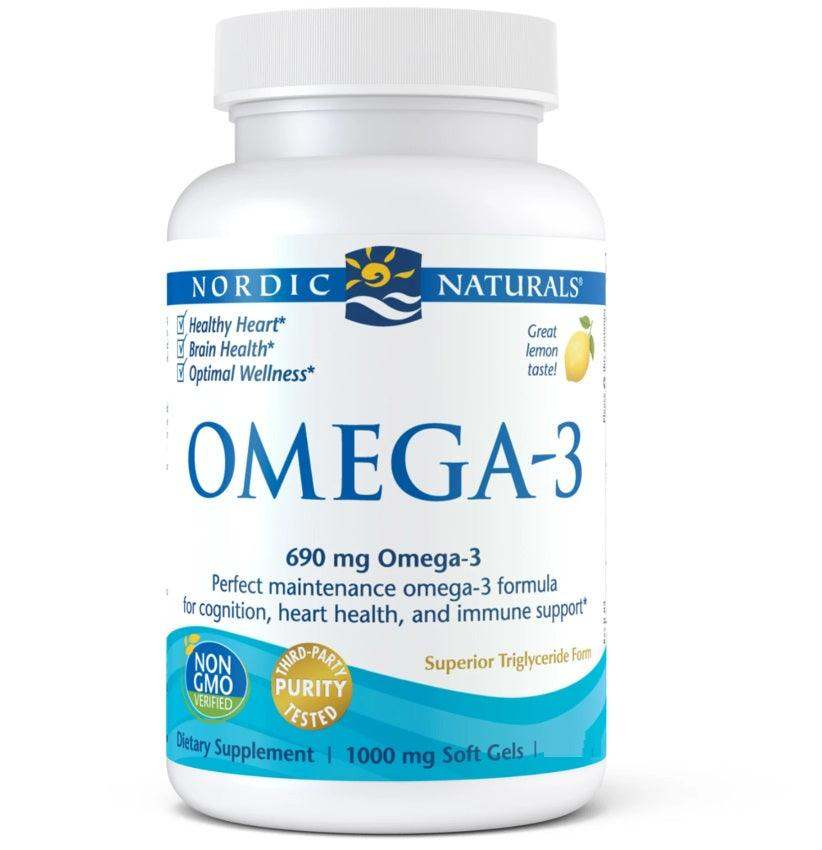





Best EPA & DHA Supplements Available


Related products

EPA (eicosapentaenoic acid) and DHA (docosahexaenoic acid) have become central to modern preventative health strategies, yet they remain widely misunderstood. In clinical practice, Dr Zeeshan increasingly sees patients taking generic fish oil products without clarity on whether they are achieving meaningful EPA and DHA intake. This is particularly relevant in the UK, where dietary omega-3 consumption is often low despite growing awareness of cardiovascular and cognitive health.
This guide to the best EPA & DHA supplements available is written by Dr Zeeshan following hands-on evaluation of leading omega-3 formulations available through the omega-3 supplements category. The focus is not on marketing claims, but on clinical relevance: how much EPA and DHA a product actually delivers, how well it is absorbed, and how consistently it supports long-term health outcomes.
People searching for terms such as “best EPA and DHA supplements”, “high EPA DHA fish oil”, or “where to buy EPA DHA supplements in the UK” are usually trying to support specific health goals. These commonly include heart health, brain performance, joint comfort, immune balance, and healthy ageing. This article explains what EPA and DHA are, what they are used for, and which supplement features genuinely matter when choosing a product.
What Are EPA & DHA?
EPA and DHA are long-chain omega-3 fatty acids primarily obtained from marine sources such as oily fish and algae. While omega-3s are often discussed as a single group, EPA and DHA are distinct compounds with different biological roles and clinical applications.
EPA is best understood as a functional omega-3. It plays a role in inflammatory balance, cardiovascular function, and cellular signalling pathways that influence immune and mood-related processes. DHA, by contrast, is a structural omega-3. It is a major component of cell membranes, particularly in the brain, nervous system, and retina, where it supports membrane fluidity and signal transmission.
From a nutritional standpoint, EPA and DHA are difficult to obtain in sufficient quantities from diet alone. Although some plant foods contain alpha-linolenic acid (ALA), the body’s ability to convert ALA into EPA and DHA is very limited. This is why direct intake from oily fish or supplementation is often required to support optimal health.
In clinical terms, Dr Zeeshan treats EPA and DHA as conditionally essential nutrients, particularly for individuals focused on long-term cardiovascular health, cognitive resilience, and inflammatory control.
What Are EPA & DHA Used For?
EPA and DHA are used to support a wide range of physiological systems rather than a single isolated function. Their most established role is in heart health, where they are commonly incorporated into routines alongside other heart health supplements. Clinically, EPA and DHA are associated with lipid metabolism, vascular function, and inflammatory balance.
Brain and cognitive support represent another major use case. DHA is a key structural component of brain tissue, while EPA contributes to functional processes linked to mood and mental clarity. This makes EPA and DHA relevant for individuals using brain supplements, nootropics, or targeted formulations such as phosphatidylserine and neural balance supplements.
Joint comfort and mobility are also common reasons for EPA and DHA supplementation. EPA’s role in inflammatory modulation makes omega-3s a useful complement to joint-focused products found in the joints, bones & muscles category, including traditional compounds such as glucosamine and chondroitin.
Additional applications include eye health, where DHA supports retinal structure and visual processing. For individuals experiencing eye strain or irritation, EPA and DHA are often used alongside products from the eye health and allergy eye drops collections.
EPA and DHA are also widely used to support immune balance and recovery, particularly when combined with foundational nutrients such as vitamin D and magnesium, or broader immunity supplements.
From a life-stage perspective, omega-3 intake is relevant across genders and ages. EPA and DHA are commonly included in routines supporting women’s health, men’s health, and developmental nutrition through children’s vitamins.
Our Top Picks: Best EPA & DHA Supplements Available
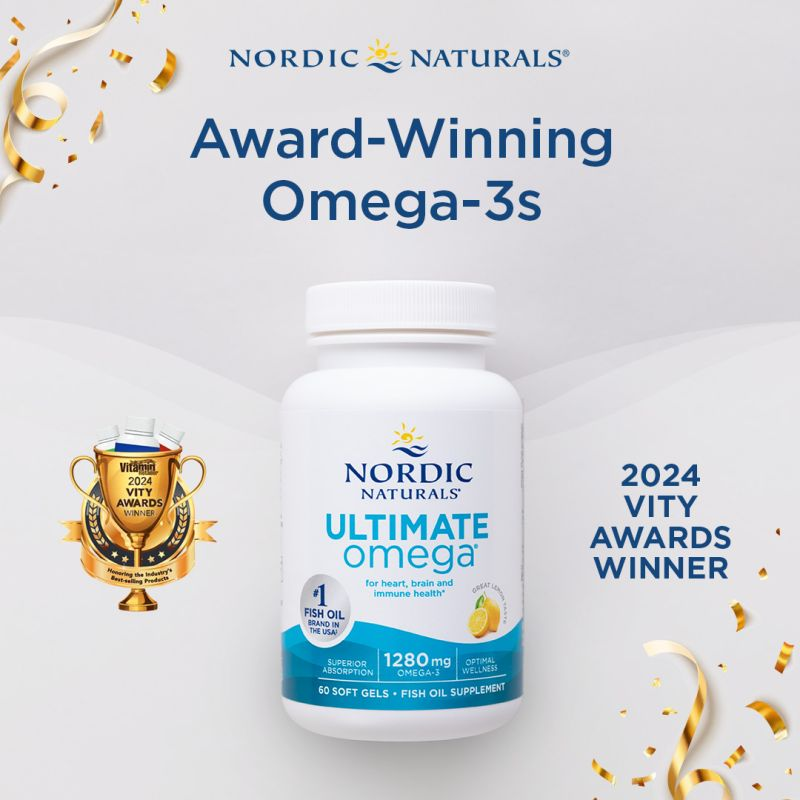
Best Overall: Nordic Naturals Ultimate Omega 1280mg
Also Great: Lamberts Fish Oil 1100mg Capsules – 180 Capsules
Best High-EPA Formula: Olimp Nutrition Gold Omega-3 Sport Edition – 120 Capsules
Best Cod Liver Oil: Nordic Naturals Arctic Cod Liver Oil – Unflavoured 237ml
Best Liquid Omega-3: Nordic Naturals Ultimate Omega Xtra Lemon – 237ml
Best Budget Option: Valupak Omega-3 Fish Oil 1000mg – 30 Capsules
Best Long-Term Value: Lamberts Fish Oil 1100mg Capsules – 180 Capsules
Best Balanced Omega Formula: Allnutrition Omega-3 Strong – 90 Capsules
Best Omega-3 with Vitamins A, D, E & K: Allnutrition ADEK Omega-3 Strong – 90 Capsules
Best Traditional Cod Liver Oil Blend: Seven Seas Original Cod Liver Oil Plus Omega-3 – 300ml
Best Premium Softgel Formula: Nordic Naturals Omega-3 Lemon – 180 Soft Gels
Best Wild-Sourced Fish Oil: Natural Factors Wild Alaskan Salmon Oil 1000mg – 180 Softgels
Best Omega-3-6-9 Blend: Trec Nutrition Omega 3-6-9 – 90 Capsules
Best for Children: Haliborange Kids Multivitamin & Omega-3 Softies – 30 Pack
Best Omega-3 Liquid Alternative: Nourish Life Speak’d Smooth Omega-3 – 450ml
Best Testing Option: Omega-3 & 6 Essential Fatty Acids Blood Test
Best for Pets: Nordic Naturals Omega-3 Pet
Detailed Reviews: Best EPA & DHA Supplements Ranked (Product Card Tables)
Nordic Naturals Ultimate Omega 1280mg (High-Potency EPA & DHA for Daily Heart & Brain Support)

| Why It’s Been Selected | Chosen for its strong EPA/DHA dose per serving and “high-strength daily” positioning, making it suitable for people who want fewer capsules for meaningful omega-3 intake. |
|---|---|
| Product Description | A concentrated omega-3 fish oil formula designed to deliver high levels of EPA and DHA in a single daily routine, commonly used for cardiovascular and cognitive support. |
| Product Reviews | Feedback typically highlights the “high-strength” feel, good tolerability for a concentrated oil, and strong value for people prioritising potency over budget. |
| Product Price | £25.21 |
| Where to Buy | Nordic Naturals Ultimate Omega 1280mg |
| Pros | High EPA/DHA per serving Good option for reduced capsule load Strong “everyday high-potency” fit |
| Cons | Not the lowest-cost option per bottle May be unnecessary for people already eating oily fish regularly |
| How to Use | Take as directed on the label, ideally with a meal that contains fat for better absorption. |
| Editor’s Comments | This is a sensible “go-to” when the priority is a robust EPA/DHA intake without building a complex supplement stack. |
Lamberts Fish Oil 1,100mg Capsules (180 Capsules) (Best for Long-Term Use & Value per Capsule)

| Why It’s Been Selected | Selected for its large capsule count and long-term practicality, making it a strong choice for consistent, ongoing omega-3 supplementation. |
|---|---|
| Product Description | A high-volume fish oil option aimed at people who want a steady supply for daily EPA/DHA support over months rather than weeks. |
| Product Reviews | Reviews commonly describe it as reliable and “easy to stick with,” especially for people who value repeat-purchase consistency and larger pack sizing. |
| Product Price | £38.80 |
| Where to Buy | Lamberts Fish Oil 1,100mg Capsules Pack of 180 |
| Pros | Large pack size supports long-term routines Good for household/shared use Useful baseline omega-3 option |
| Cons | More capsules overall may not suit those who dislike swallowing capsules Potency per capsule can vary by preference vs “ultra-strength” formats |
| How to Use | Take as directed on the label with food; splitting dose across meals can improve tolerance for some people. |
| Editor’s Comments | For many people, consistency beats complexity — this is a strong “keep it simple, keep it going” option. |
Olimp Nutrition Gold Omega 3 Sport Edition (120 Caps) (Best for Active Lifestyles)

| Why It’s Been Selected | Chosen for its sport-focused positioning and balanced everyday suitability for people training regularly who want omega-3 support alongside recovery routines. |
|---|---|
| Product Description | A premium fish oil supplement formulated to support EPA/DHA intake for general cardiovascular, cognitive, and performance-adjacent wellbeing needs. |
| Product Reviews | Customers often frame it as a “training staple,” appreciating a straightforward omega-3 product that fits neatly into sports nutrition habits. |
| Product Price | £21.12 |
| Where to Buy | Olimp Nutrition Gold Omega 3 Sport Edition 120 Caps |
| Pros | Sport-friendly positioning Good all-rounder for active routines Convenient capsule format |
| Cons | Not the cheapest option per serving Not ideal for those wanting liquid oils |
| How to Use | Use as directed on the label, ideally with meals; consistency matters more than timing. |
| Editor’s Comments | A sensible pick when someone wants a “clean, no-fuss” omega-3 to complement training and recovery habits. |
Nordic Naturals Arctic Cod Liver Oil (Unflavoured) 237ml (Best Cod Liver Oil Option)

| Why It’s Been Selected | Selected as a cod liver oil format for those who prefer liquid oils and want a traditional omega-3 approach. |
|---|---|
| Product Description | An unflavoured cod liver oil delivering omega-3 fatty acids in liquid form, commonly used by people who prefer non-capsule dosing. |
| Product Reviews | Feedback typically highlights the “classic” cod liver oil experience and suitability for people who don’t tolerate large capsules well. |
| Product Price | £33.03 |
| Where to Buy | Arctic Cod Liver Oil (Unflavoured) 237ml – Nordic Naturals |
| Pros | Liquid dosing flexibility Good capsule alternative Traditional cod liver oil format |
| Cons | Taste can be challenging for some (unflavoured) Requires measuring and refrigeration/storage habits depending on label guidance |
| How to Use | Take as directed on the label, ideally with food; measure carefully and store as instructed. |
| Editor’s Comments | Best suited to people who actively prefer liquids or who want a more traditional cod-liver approach. |
Valupak Omega 3 Fish Oils 1000mg (30 Capsules) (Best Budget-Friendly Starter)

| Why It’s Been Selected | Chosen as the low-cost entry point for people who want to start omega-3 supplementation without a big upfront spend. |
|---|---|
| Product Description | A simple, budget-friendly fish oil capsule option designed for everyday omega-3 intake in a straightforward format. |
| Product Reviews | Reviews often describe it as “good enough for basics,” especially for first-time users testing whether omega-3 suits their routine. |
| Product Price | £2.66 |
| Where to Buy | Valupak Omega 3 Fish Oils Capsules 1000mg Pack of 30 |
| Pros | Very affordable Easy “trial” size Simple formulation |
| Cons | May require more capsules to match high-strength products Not ideal if the goal is maximum EPA/DHA concentration |
| How to Use | Take as directed on the label with meals for better tolerance. |
| Editor’s Comments | This is best treated as a “starter” rather than a high-potency clinical-style omega-3. |
Omega 3 & 6 Essential Fatty Acids Blood Test (Best for Personalised Targeting)

| Why It’s Been Selected | Included for people who want to quantify omega status rather than guess—useful when choosing an EPA/DHA dose and tracking progress. |
|---|---|
| Product Description | An at-home test designed to measure omega-3 and omega-6 fatty acid markers, supporting more informed supplement decisions. |
| Product Reviews | Customers often mention that the main value is clarity—having a result to guide whether supplementation is needed and how aggressive dosing should be. |
| Product Price | £79.00 |
| Where to Buy | Omega 3 and 6 (Essential Fatty Acids) Blood Test |
| Pros | Data-led supplementation decisions Useful for baseline + re-test comparisons Supports dose personalisation |
| Cons | Higher upfront cost than capsules Not necessary for casual users who just want a basic omega-3 |
| How to Use | Follow the kit instructions exactly; take samples at the recommended time and return promptly as directed. |
| Editor’s Comments | If someone is spending on premium omega-3, testing can be the difference between “expensive guessing” and “targeted dosing.” |
Allnutrition Omega 3 Strong (90 Caps) (Best Mid-Range Everyday Strength)

| Why It’s Been Selected | Chosen as a strong everyday capsule option that sits between entry-level fish oil and premium ultra-strength products. |
|---|---|
| Product Description | A concentrated omega-3 capsule product designed for routine EPA/DHA intake for heart and brain support. |
| Product Reviews | Customers typically describe it as an “easy daily” omega-3, often praised for fitting into consistent routines without feeling overly expensive. |
| Product Price | £9.35 |
| Where to Buy | Allnutrition Omega 3 Strong 90 Caps |
| Pros | Good balance of cost and strength Simple daily capsule routine Approachable mid-range option |
| Cons | May not satisfy those seeking “clinical high-dose” EPA/DHA Capsule format not ideal for everyone |
| How to Use | Use as directed on the label with food. |
| Editor’s Comments | A practical “default” choice when someone wants a stronger omega-3 than budget lines without premium pricing. |
Allnutrition ADEK + Omega 3 Strong (90 Caps) (Best Combo Formula: Omega-3 + Fat-Soluble Vitamins)

| Why It’s Been Selected | Selected for people who want omega-3 plus an added fat-soluble vitamin blend in a single product for convenience. |
|---|---|
| Product Description | A combined formula pairing omega-3 with vitamins A, D, E, and K, designed for a more “all-in-one” approach. |
| Product Reviews | Reviews often focus on convenience—people like reducing the number of separate products in their daily supplement routine. |
| Product Price | £9.66 |
| Where to Buy | Allnutrition ADEK + Omega 3 Strong 90 Caps |
| Pros | Convenient combo approach Good for “stack simplification” Useful for routine-based users |
| Cons | Not ideal if someone already takes A/D/E/K separately Less flexible than choosing omega-3 and vitamins independently |
| How to Use | Take as directed on the label with meals. |
| Editor’s Comments | This is best for people who value convenience and are not already committed to a separate vitamin regimen. |
Seven Seas Original Cod Liver Oil Plus Omega-3 (450ml) (Best Traditional Family Cod Liver Option)

| Why It’s Been Selected | Included as a recognisable, traditional cod liver oil style product for those who prefer classic liquids and familiar brands. |
|---|---|
| Product Description | A cod liver oil plus omega-3 liquid designed for general wellbeing routines, often used as a family-style staple. |
| Product Reviews | People commonly describe it as a “trusted classic,” appreciated for being familiar and easy to integrate into habitual daily use. |
| Product Price | £17.66 |
| Where to Buy | Seven Seas Original Cod Liver Oil Plus Omega-3 450ml |
| Pros | Traditional liquid format Recognisable brand and approach Good for people who dislike capsules |
| Cons | Liquid taste can be a barrier for some Dosing requires consistency and careful measurement |
| How to Use | Use the serving guidance on the label; take with food if preferred. |
| Editor’s Comments | Best for “traditionalists” who want cod liver oil as part of a daily wellbeing routine. |
Seven Seas Simply Timeless Omega 3 Fish Oil + CLO (120) (Best Mature-Audience Routine Option)

| Why It’s Been Selected | Chosen as a cod liver oil + omega-3 capsule option designed for those who want the cod liver format without taking liquids. |
|---|---|
| Product Description | A capsule-based blend of fish oil omega-3 with cod liver oil, aimed at everyday maintenance support. |
| Product Reviews | Customers often mention it feels “easy to keep up,” particularly for people who want cod liver oil benefits but prefer capsules over liquids. |
| Product Price | £15.00 |
| Where to Buy | Seven Seas Simply Timeless Omega 3 Fish Oil + CLO Pack of 120 |
| Pros | Capsule convenience Cod liver oil + omega-3 in one routine Good for consistent daily use |
| Cons | Less flexible than choosing separate oils Not ideal for those seeking very high-dose EPA/DHA |
| How to Use | Take as directed on the label, typically with a cold drink and a meal. |
| Editor’s Comments | A strong “daily maintenance” pick for capsule users who prefer the cod-liver style approach. |
Nordic Naturals Omega-3 (Lemon) 180 Soft Gels (Best for Taste & Aftertaste)

| Why It’s Been Selected | Selected for people sensitive to fishy aftertaste; lemon-flavoured softgels tend to be more tolerable and easier to stay consistent with. |
|---|---|
| Product Description | A lemon-flavoured fish oil softgel product designed to deliver EPA and DHA in a palatable format. |
| Product Reviews | Many users describe it as noticeably easier to take than standard fish oils, particularly when taste is a compliance barrier. |
| Product Price | £47.48 |
| Where to Buy | Omega-3 (Lemon) 180 Soft Gels - Nordic Naturals |
| Pros | Better palatability for many people Supports consistent daily compliance Softgel format is easy to dose |
| Cons | Higher price point Not a liquid option for those preferring oils |
| How to Use | Take as directed on the label with food. |
| Editor’s Comments | For many patients, the “best” omega-3 is the one they can take consistently—this is a strong option when taste is the issue. |
Nordic Naturals Ultimate Omega Xtra (Lemon) 237ml (Best Premium Liquid High-Dose Option)

| Why It’s Been Selected | Chosen for people targeting a high EPA/DHA intake in a liquid format, often used when a stronger daily dose is the goal. |
|---|---|
| Product Description | A premium lemon-flavoured liquid omega-3 designed to provide a high-intensity EPA/DHA dose with flexible measuring. |
| Product Reviews | Users often describe it as a “serious” omega-3 option—praised by those who want liquids and prefer fewer capsules or no capsules at all. |
| Product Price | £85.67 |
| Where to Buy | Ultimate Omega Xtra (Lemon) 237 ml - Nordic Naturals |
| Pros | High-dose liquid flexibility Lemon flavour improves tolerability Useful for tailored dosing |
| Cons | Premium price Liquid format requires measuring and consistent storage habits |
| How to Use | Measure and take as per label directions, ideally with food. |
| Editor’s Comments | Best reserved for people who are intentional about higher intakes and prefer liquids to capsules. |
Haliborange Kids Multivitamin & Omega-3 Softies (Best Child-Friendly Omega Option)

| Why It’s Been Selected | Selected for families who want a child-friendly omega product that prioritises ease of use and routine adherence. |
|---|---|
| Product Description | A children’s soft chew supplement combining a vitamin blend with a plant-based omega source, designed to be easy to take. |
| Product Reviews | Parents commonly mention good acceptability and routine fit—especially for children who struggle with capsules or liquids. |
| Product Price | £7.44 |
| Where to Buy | Haliborange Kids Multivitamin & Omega 3 Softies Pack of 30 |
| Pros | Child-friendly chew format Supports consistent use in families Good “starter” option for kids’ routines |
| Cons | Not a high-dose EPA/DHA product Not designed for adult therapeutic dosing |
| How to Use | Use exactly as directed on the label for the child’s age group. |
| Editor’s Comments | This is mainly about adherence—getting a child to take omega-related support consistently is the real win here. |
Omega Factors Wild Alaskan Salmon Oil 1000mg (180 Softgels) (Best Whole-Profile Salmon Oil)

| Why It’s Been Selected | Chosen for people who prefer salmon oil as a “whole profile” style omega option, often used as a daily staple. |
|---|---|
| Product Description | A salmon oil softgel supplement providing omega fatty acids in a format suited to long-term daily use. |
| Product Reviews | Customers commonly describe it as a dependable long-term omega product, often chosen by people who specifically prefer salmon oil sources. |
| Product Price | £37.69 |
| Where to Buy | Omega Factors Wild Alaskan Salmon Oil 1000mg 180 Softgels - Natural Factors |
| Pros | Large bottle for longer routines Salmon oil preference option Softgel convenience |
| Cons | May not match the EPA/DHA concentration of “ultra” fish oil concentrates Not ideal for people who want liquid oils |
| How to Use | Take as directed on the label with meals. |
| Editor’s Comments | Best for those who prefer salmon oil specifically and want an easy long-term product. |
Lamberts Omega 3 Ultra (60 Capsules) (Best One-Capsule High-Strength Option)

| Why It’s Been Selected | Chosen for its “one capsule” high-strength positioning, suited to people who want meaningful EPA/DHA without multiple capsules. |
|---|---|
| Product Description | A high-concentration fish oil capsule designed to deliver a robust omega-3 intake in fewer capsules. |
| Product Reviews | Users typically mention that it feels “strong” and convenient—often selected by those who want potency without increasing pill burden. |
| Product Price | £37.01 |
| Where to Buy | Omega 3 Ultra - 60 Capsules - Lamberts |
| Pros | High-strength daily option Fewer capsules needed for many routines Good fit for potency-first users |
| Cons | Not a budget choice May be more than needed for light supplement users |
| How to Use | Take as directed on the label, ideally with meals. |
| Editor’s Comments | This is best when “strong dose with minimal capsules” is the deciding factor. |
Lamberts Omega 3 Ultra Capsules (Pack of 60) (Best for Purified, Ultra-Concentrated Fish Oil)

| Why It’s Been Selected | Selected for its purified, ultra-concentrated positioning and strong brand trust among UK supplement users. |
|---|---|
| Product Description | A concentrated omega-3 capsule product designed for heart, brain, and everyday inflammation-support routines. |
| Product Reviews | Reviews commonly highlight perceived quality and consistency, often chosen by repeat-buyers who want a dependable purified fish oil. |
| Product Price | £38.80 |
| Where to Buy | Lamberts Omega 3 Ultra Capsules Pack of 60 |
| Pros | Purified, concentrated positioning Strong UK brand recognition Good for daily consistency |
| Cons | Higher cost than entry-level fish oil Capsules may not suit those who prefer liquids |
| How to Use | Take as directed on the label with food. |
| Editor’s Comments | A strong option when brand trust and concentration are the top priorities. |
Nordic Naturals Omega-3 Pet (Best for Dogs & Cats)

| Why It’s Been Selected | Included for households specifically seeking an omega-3 formulated for pets, with flexible volume options. |
|---|---|
| Product Description | A pet-focused omega-3 liquid designed to support omega fatty acid intake in dogs and cats. |
| Product Reviews | Pet owners commonly mention ease of use with food and routine-friendly dosing, especially for picky animals when introduced gradually. |
| Product Price | £16.00 |
| Where to Buy | Nordic Naturals Omega-3 Pet |
| Pros | Pet-specific dosing guidance Liquid format mixes with food Multiple bottle sizes available |
| Cons | Not for human use Some pets need a slow “taste introduction” |
| How to Use | Administer with food as per label guidance for pet weight and species. |
| Editor’s Comments | Useful when a household wants omega support for pets without improvising human products. |
Trec Nutrition Omega 3-6-9 (90 Caps) (Best Blend Option for Mixed Fatty Acid Intake)

| Why It’s Been Selected | Chosen for users specifically seeking a blended 3-6-9 approach rather than EPA/DHA-only products. |
|---|---|
| Product Description | A mixed fatty acid supplement designed to provide omega 3, 6, and 9 in capsule form for routine daily intake. |
| Product Reviews | Users often choose it for “all-in-one fatty acids,” describing it as a simple way to cover multiple omegas in one product. |
| Product Price | £8.88 |
| Where to Buy | Trec Nutrition Omega 3-6-9 90 Caps |
| Pros | Blended omega approach Simple capsule routine Good for users who prefer “one product” coverage |
| Cons | Not targeted purely to EPA/DHA optimisation May not suit users focusing specifically on high EPA/DHA dosing |
| How to Use | Take as directed on the label with water and meals. |
| Editor’s Comments | Best for people who intentionally want a blended omegas product—not for those trying to maximise EPA/DHA specifically. |
Speak+D Smooth Omega 3 Supplement 450ml (Best Premium Liquid for Specialist Needs)

| Why It’s Been Selected | Selected as a premium liquid omega option aimed at people with more specific routine requirements where format and tolerance matter. |
|---|---|
| Product Description | A liquid omega-3 blend designed to support consistent omega intake with a flavour-forward approach and flexible dosing. |
| Product Reviews | Buyers typically describe it as a “specialist” product—often chosen when standard capsules don’t work well for the household routine. |
| Product Price | £110.05 |
| Where to Buy | Speak+D Smooth Omega 3 Supplement 450ml - Nourish Life |
| Pros | Liquid flexibility Routine-friendly for those avoiding capsules Premium formulation positioning |
| Cons | Very high price Not necessary for general omega users |
| How to Use | Measure and take as directed on the label; use with food if preferred. |
| Editor’s Comments | This is a niche pick—best reserved for households where format and compliance are the main issue. |
Features and Benefits of EPA & DHA Supplements That Matter
Not all EPA and DHA supplements deliver the same benefits. Dr Zeeshan’s evaluation focuses on features that translate into measurable, real-world outcomes rather than superficial claims.
Clinically Relevant EPA & DHA Content
One of the most important features is transparency around EPA and DHA dosage. Many products advertise total fish oil content without clearly stating how much EPA and DHA they provide. High-quality supplements list these values clearly, allowing users to match intake to specific goals such as heart, brain, or joint support.
Targeted EPA:DHA Ratios
Different ratios suit different needs. Higher-EPA formulas are often chosen for inflammation, joint comfort, and mood-related goals, while DHA-dominant products are more relevant for brain, eye, and prenatal support. Balanced formulas are suitable for general wellbeing and everyday use.
Absorption and Bioavailability
EPA and DHA must be absorbed efficiently to be effective. Supplements delivered in triglyceride or re-esterified triglyceride forms are generally better absorbed than ethyl ester forms, particularly when taken with meals that contain fat. Improved absorption supports consistent benefits without requiring excessive dosing.
System-Wide Health Benefits
The benefits of EPA and DHA extend beyond a single system. Over time, consistent intake supports cardiovascular resilience, cognitive function, joint comfort, skin barrier health, and metabolic balance. This explains why omega-3s are frequently used alongside collagen for connective tissue support, hair, skin & nails vitamins, and broader multivitamin routines.
EPA and DHA may also complement lifestyle-focused goals, including stress management and sleep quality. In practice, Dr Zeeshan often sees omega-3s used alongside stress relief supplements, sleep & relaxation supplements, and botanical options such as Bacopa monnieri or Ginkgo biloba.
Finally, EPA and DHA are increasingly incorporated into holistic wellbeing approaches that include metabolic and lifestyle support, such as weight management, adaptogens, and digestive-support compounds like artichoke extract. When used consistently, omega-3 supplementation contributes to overall general health rather than acting as a single-purpose intervention.
For readers looking to deepen their understanding of how to choose omega-3 products, a detailed breakdown of sourcing, dosing, and quality considerations is available in the related guide: Omega-3 Buyer’s Guide: What to Look For and What to Avoid.
EPA vs DHA: What’s the Difference?
EPA (eicosapentaenoic acid) and DHA (docosahexaenoic acid) are the two long-chain omega-3 fats most often studied in human health. Clinically, the distinction matters because EPA is more commonly discussed in relation to blood lipids and inflammatory signalling, while DHA is more commonly discussed as a structural fat in cell membranes, especially in nervous system and visual tissues. The British Dietetic Association explains that the body can convert plant omega-3 (ALA) into long-chain omega-3s, but it “happens slowly and only small amounts are formed,” which is one reason EPA/DHA intake from diet or supplements becomes relevant when oily fish intake is low (British Dietetic Association omega-3 guidance).
What EPA Does in the Body
EPA is often framed as the omega-3 that influences inflammatory mediators and triglyceride handling. In practical terms, this is why higher-EPA products are frequently chosen when the goal is cardiovascular-leaning support (particularly when triglycerides are part of the conversation). HEART UK notes that EPA and DHA can support heart and blood vessel health and highlights triglycerides as a key mechanism people commonly target with omega-3 intake (HEART UK: omega-3 fats). In clinician-led supplement selection, EPA content is therefore reviewed alongside the person’s objective (general wellness vs lipid-focused goals) and the practicality of the dose.
What DHA Does in the Body
DHA is best understood as a structural omega-3 that is incorporated into cell membranes, especially in tissues such as the brain and retina. That “structural” role is one reason DHA is repeatedly highlighted during pregnancy and breastfeeding. The NHS states that long-chain omega-3 is important in pregnancy and breastfeeding because it “can help a baby’s nervous system to develop,” reflecting DHA’s particular relevance for neurodevelopment (NHS: fish and shellfish nutrition). In adults, DHA is still widely selected when the intended emphasis is cognitive and visual support, rather than purely lipid-focused support.
EPA:DHA Ratios Explained
Ratios are not just marketing shorthand; they can reflect different supplement intentions. A higher-EPA ratio is often selected when the goal is more triglyceride/cardiovascular-leaning, whereas a higher-DHA ratio is often selected when the goal is more brain/eye structural support. One way to understand why “EPA-only” formulations exist is to look at regulated, indication-based use: NHS Dorset’s summary document notes that icosapent ethyl (Vazkepa) “is a stable ethyl ester” of EPA, and its cardiovascular benefit mechanisms are considered multi-factorial (NHS Dorset: icosapent ethyl (TA805) summary). For everyday supplements, ratios should be interpreted as a practical guide for alignment with a person’s goal, not as a guarantee of a specific clinical outcome.
How Much EPA & DHA Do You Actually Need?
In UK public health messaging, the starting point is food intake rather than capsules. SACN’s advice on fish consumption reinforces the population message to eat at least two portions of fish each week, including one oily portion, as the most straightforward route to meaningful long-chain omega-3 intake (SACN advice on fish consumption (GOV.UK PDF)). From a clinical perspective, supplements become most relevant when oily fish intake is low, when someone avoids fish, or when there is a specific clinical rationale (for example, raised triglycerides) that should be discussed with a clinician.
Natural Food Sources of EPA & DHA
When patients ask what “counts” as EPA/DHA sources, the most important point is that oily fish provides the highest concentrations of the long-chain omega-3s most associated with outcomes. The British Heart Foundation lists oily fish (such as mackerel, salmon, trout, sardines and anchovies) as the best food source of EPA and DHA, and also notes that if someone does not eat fish, plant foods provide omega-3 in ALA form rather than EPA/DHA (BHF: omega-3 foods and your heart). Clinically, this is why “food first” is usually advised: it bundles omega-3 intake with broader nutritional value, while supplements are used to fill a specific gap.
Fish Oil vs Algae Oil: Which Is Better?
There is no universal winner; the better option is the one that matches diet preference, tolerance, and intended use, and can be taken consistently. Fish oil provides EPA and DHA directly from marine sources. Algae oil can provide EPA and/or DHA directly from microalgae (the original source in the marine food chain), which can make it a logical choice for vegans, vegetarians, or anyone avoiding fish. The Vegan Society notes that vegans can obtain EPA and DHA from a microalgae supplement, which is the most direct way to “bridge” the usual dietary gap in long-chain omega-3s for fish-free diets (The Vegan Society: omega-3 fat). Clinically, adherence matters: the right product is the one a person can realistically keep taking and tolerate.
Fish Oil Supplements
For fish oil supplements, clinician-led selection prioritises (1) the stated EPA and DHA per serving, (2) dose practicality (how many capsules or how much liquid per day), and (3) tolerability (reflux, aftertaste, nausea). It is also important to differentiate fish oil from fish liver oil products because liver oils can contain meaningful vitamin A, which is not appropriate for everyone (especially in pregnancy). The British Heart Foundation advises that if someone is considering an omega-3 supplement, they should “choose fish oil rather than fish liver oil supplements,” and notes algae oils as an option for vegetarians or vegans (BHF: what counts as oily fish). In clinic, a simple practical tip is to take omega-3 with a meal to reduce reflux and improve day-to-day tolerance.
Algae Oil Supplements
Algae oil supplements are most often selected when a person wants DHA/EPA without fish, or when fish oil is poorly tolerated. From a UK NHS dietetic perspective, algae-based omega-3 supplements are also explicitly referenced as an option in vegan dietary guidance. University Hospitals Birmingham’s NHS leaflet on vegan diets states that “vegan omega-3 supplements made from algae can also be used to help meet omega-3 requirements,” positioning algae supplements as a practical tool when dietary intake is limited (UHB NHS: Healthy Eating on a Vegan Diet (PDF)). Clinically, algae oils can be especially helpful for people who want a fish-free approach without relying on limited conversion from ALA.
Summary: Which EPA & DHA Supplement Is Right for You?
A clinically grounded decision framework can be kept simple. If the person eats oily fish regularly, supplementation may be optional and used only when dietary consistency drops. If the person rarely eats fish (or avoids it entirely), a standard EPA/DHA supplement can be a practical baseline, with algae oil favoured for fish-free diets. For people with raised triglycerides or cardiovascular risk factors who are considering higher-strength omega-3 strategies, decisions should be clinically informed rather than self-directed. Hertfordshire & West Essex NHS prescribing guidance notes that if increasing omega-3 through diet is difficult, supplements can be purchased over the counter, but positioning them within appropriate context remains important (HWE NHS: omega-3 patient information leaflet).
How We Evaluated the Best EPA & DHA Supplements
Evaluation should be transparent and clinically relevant. The non-negotiables are label clarity (EPA and DHA stated), dose practicality, tolerability, dietary suitability (fish vs algae), and alignment with UK clinical messaging (food first, targeted supplementation where relevant). It also matters to separate everyday supplements from regulated medicinal omega-3 products used for defined indications. PrescQIPP’s Bulletin 343 notes omega-3 fatty acid compounds and other fish oils are considered low priority for prescribing and not cost-effective in most cases, with an explicit exception for icosapent ethyl when prescribed in line with NICE guidance (PrescQIPP Bulletin 343). In a “best supplement” review, this pushes evaluation toward real-world usefulness: clear EPA/DHA dosing, credible brand standards, and practicality for long-term adherence.
Triglyceride vs Ethyl Ester Omega-3 Forms
“Form” describes the chemical packaging of omega-3s. Many supplements use triglyceride or re-esterified triglyceride forms, while some medicinal omega-3 products use ethyl ester forms. The clinically important point is not internet debates about “best form,” but rather that ethyl ester omega-3 medicines sit within regulated, indication-based prescribing and have specific safety communications at higher doses. The MHRA Drug Safety Update reports a dose-dependent increased risk of atrial fibrillation with omega-3-acid ethyl ester medicines, with the highest risk observed at 4 g/day, leading to updated safety information for these medicines (MHRA: omega-3 ethyl esters and atrial fibrillation). In clinician-led practice, this is why form, dose, and indication should be considered together rather than in isolation.
Are EPA & DHA Supplements Safe?
For most healthy adults using typical over-the-counter doses, EPA/DHA supplements are generally well tolerated, but “safe” depends on dose, comorbidities, and concurrent medicines (particularly anticoagulants or antiplatelet therapy). For medicinal omega-3 products and higher-dose contexts, UK prescribing references provide structured safety information. The BNF entry for omega-3-acid ethyl esters includes UK-specific guidance on cautions, side effects, and prescribing considerations (BNF (NICE): omega-3-acid ethyl esters). A clinician-led approach therefore recommends staying within label guidance for supplements unless there is a clear clinical reason and appropriate oversight for higher dosing.
Side Effects of EPA & DHA Supplements
Most supplement-level side effects are gastrointestinal: reflux, nausea, loose stools, and aftertaste. These often improve when omega-3 is taken with a substantial meal or when the dose is divided across the day. For regulated medicinal omega-3 products, the patient information leaflet provides the most direct and UK-specific description of adverse effects and cautions. The UK electronic Medicines Compendium patient leaflet for Omacor includes standard side-effect wording and practical advice relevant to omega-3-acid ethyl esters (emc: Omacor 1000 mg PIL). Clinically, persistent symptoms are often a signal to adjust dose timing, switch format (capsule vs liquid), or reassess whether supplementation is needed at all.
EPA & DHA Supplements vs Diet: Do You Need Both?
In most cases, diet is the foundation and supplements are the tool for gaps. Oily fish provides EPA/DHA alongside a wider nutrient package, while supplements provide a more controlled dose when fish intake is low or dietary preferences limit intake. UK prescribing policy also reflects the broader evidence nuance: NHS England’s “items not routinely prescribed in primary care” guidance includes omega-3 fatty acid compounds within low-value prescribing discussions, reinforcing that routine use is not generally supported without a clear indication (NHS England: items not routinely prescribed (PDF). Clinically, the balanced position remains: prioritise oily fish where possible, consider supplementation when diet cannot meet needs, and use clinician-guided approaches for higher-risk contexts.
Why You Should Trust This Guide
This guide is written from a clinical evaluation perspective, focusing on how EPA and DHA function in the body rather than marketing claims. Dr Zeeshan’s approach prioritises evidence-aligned dosing, real-world tolerance, and suitability for long-term use. Products are assessed based on composition, clarity of labelling, and relevance to common health goals seen in clinical practice.
Where Do Omega-3 Fats Come From?
Omega-3 fats originate primarily from marine ecosystems. EPA and DHA are synthesised by microalgae and accumulate up the food chain into oily fish. Humans obtain meaningful amounts either by consuming these fish directly or by using supplements derived from fish oil or algae oil.
Sustainability
Sustainability has become an important consideration in omega-3 supplementation. Responsible sourcing focuses on controlled fisheries, traceability, and minimising environmental impact. Algae-based omega-3 supplements are increasingly used as a sustainable alternative, as they bypass fishing altogether while still delivering EPA and DHA.
How Much Should We Eat?
Omega-3 requirements are influenced by overall diet, health status, and life stage. In general dietary terms, regular intake of omega-3-rich foods helps maintain baseline levels, while supplementation is often used to bridge gaps when intake is inconsistent or insufficient.
Is Eating Fish Safe?
For most people, consuming oily fish as part of a balanced diet is considered safe and beneficial. Concerns around contaminants tend to relate to excessive intake of certain species rather than moderate, varied consumption. This is why dietary guidance typically recommends variety rather than reliance on a single fish source.
What If I Don’t Like or Eat Fish?
Dislike of fish, dietary preferences, allergies, or ethical considerations are common reasons people avoid fish. In these cases, supplements provide a practical way to obtain EPA and DHA without changing dietary habits. Liquid or capsule formats can be selected based on tolerance and convenience.
Why Are Omega-3 Supplements Important?
Omega-3 supplements are important because modern diets often provide far less EPA and DHA than historical dietary patterns. Reduced fish intake, increased consumption of processed foods, and higher omega-6 exposure all contribute to lower omega-3 status in many individuals.
What Causes Omega Deficiency?
Omega-3 deficiency is typically driven by low intake of oily fish, reliance on plant-based fats alone, and high consumption of omega-6-rich vegetable oils. Limited conversion of plant omega-3 (ALA) into EPA and DHA further contributes to inadequate tissue levels.
Can I Get Enough Omega Fats From My Diet?
It is possible to meet omega-3 needs through diet alone if oily fish is consumed regularly and consistently. However, many people do not meet this threshold in practice, which is why supplements are often used as a reliable and measurable source.
What About Vegetarian Omega-3?
Vegetarian and vegan diets rely primarily on ALA from foods such as flaxseed, chia, and walnuts. Because conversion of ALA into EPA and DHA is limited, algae-derived omega-3 supplements are often used to provide direct DHA, and in some formulations, EPA.
Should I Supplement Omega-6?
Most modern diets already contain ample omega-6 fats from vegetable oils, nuts, and processed foods. Supplementation with omega-6 is rarely necessary and, in many cases, maintaining a healthier omega-6 to omega-3 balance is a more relevant nutritional consideration.
Brain and Mood Support
DHA plays a structural role in brain tissue, while EPA contributes to signalling processes that influence mood regulation. Together, they are commonly included in nutritional strategies aimed at supporting cognitive performance and emotional balance across adulthood.
Fertility and Pregnancy
During fertility planning and pregnancy, DHA demand increases due to its role in foetal neural and visual development. Adequate omega-3 intake during this period supports both maternal health and early developmental processes.
Joints, Bones, and Menopause
EPA’s role in inflammatory modulation makes omega-3 intake relevant for joint comfort and mobility. During menopause, omega-3s are often used alongside broader nutritional strategies aimed at musculoskeletal support and long-term joint health.
Skin and Hormones
Omega-3 fats contribute to skin barrier integrity and may influence hormonal signalling pathways. Adequate intake supports skin hydration, elasticity, and resilience, particularly during periods of hormonal change.
Eye Health
DHA is a major structural component of the retina. Consistent intake supports visual function and is commonly included in eye-focused nutritional routines, particularly for individuals experiencing prolonged screen exposure or age-related visual changes.
How Much Omega-3 Do Women Need?
Omega-3 requirements for women vary by life stage. Needs may increase during pregnancy, breastfeeding, and later life. Rather than a single fixed dose, intake should be considered in the context of diet, health goals, and whether supplementation is being used to support specific outcomes.
Frequently Asked Questions About EPA & DHA Supplements
What are EPA and DHA supplements used for?
EPA and DHA supplements are primarily used to support heart health, brain function, eye health, joint comfort, and overall inflammatory balance. They are most often taken when dietary intake of oily fish is low.
What is the difference between EPA and DHA?
EPA mainly supports inflammatory regulation and blood lipid balance, while DHA is a structural fatty acid essential for brain, nervous system, and eye tissue. Most supplements contain both, but in varying ratios.
Which is better: EPA or DHA?
Neither is universally better. EPA is often prioritised for cardiovascular and triglyceride-related goals, while DHA is more relevant for cognitive, visual, and developmental support. The best choice depends on individual health goals.
How much EPA and DHA should I take daily?
There is no single dose suitable for everyone. Many UK adults aim to meet needs through diet, but supplements often provide a combined EPA and DHA intake ranging from a few hundred milligrams to over one gram per day, depending on the product.
Can I get enough EPA and DHA from food alone?
It is possible if oily fish is eaten regularly, typically at least one to two portions per week. Supplements are most useful for people who rarely eat fish or follow plant-based diets.
Are EPA and DHA the same as omega-3?
EPA and DHA are specific types of omega-3 fatty acids. Omega-3 is a broader category that also includes ALA, a plant-based fatty acid that converts poorly into EPA and DHA in the body.
Is fish oil the best source of EPA and DHA?
Fish oil is the most common source and provides EPA and DHA directly. However, algae oil is an effective alternative, especially for vegans, vegetarians, or those who avoid fish.
What is algae oil and how does it compare to fish oil?
Algae oil is derived from marine microalgae, the original source of omega-3s in the food chain. It can provide DHA and sometimes EPA without using fish, making it suitable for plant-based diets.
Do EPA and DHA supplements help with heart health?
EPA and DHA are widely associated with cardiovascular support, particularly in relation to triglycerides and overall heart function. Their role is supportive rather than a replacement for medical treatment.
Can EPA and DHA support brain health?
DHA is a major structural component of brain tissue, while EPA supports functional processes. Together, they are commonly included in routines aimed at cognitive and neurological support.
Are EPA and DHA supplements safe to take long term?
For most healthy adults using standard supplement doses, EPA and DHA are generally well tolerated. Long-term or high-dose use should be considered carefully, especially alongside other medications.
What are the common side effects of EPA and DHA supplements?
The most common side effects are mild digestive issues such as reflux, nausea, or a fishy aftertaste. These effects often improve when supplements are taken with meals.
Can EPA and DHA supplements interact with medications?
They may interact with blood-thinning or antiplatelet medications at higher doses. Anyone on regular medication should consult a healthcare professional before starting supplementation.
Do I need EPA and DHA if I already take a multivitamin?
Most multivitamins contain little or no EPA and DHA. Omega-3 supplements are usually taken separately when additional intake is needed.
How long does it take for EPA and DHA supplements to work?
EPA and DHA build up gradually in tissues. Some people notice benefits within weeks, but meaningful changes often require consistent intake over several months.
Are EPA and DHA supplements suitable for children?
Yes, age-appropriate omega-3 products are available for children. Dosage and formulation should be appropriate for age and developmental needs.
Should EPA and DHA be taken with food?
Yes, taking EPA and DHA supplements with meals, particularly those containing fat, can improve absorption and reduce digestive discomfort.
Are higher-dose EPA and DHA supplements always better?
Higher doses are not always necessary or appropriate. The most suitable dose depends on diet, health goals, and individual tolerance rather than a “more is better” approach.






 Ocijenjeno izvrsno s 28,951+ recenzija
 100% jamstvo povratka novca