

 Instagram




Butyrate Supplements Explained: Benefits and Uses


Related products


Medically reviewed by Dr Zeeshan Afzal (MBBS, General Practitioner) — Medical Content Reviewer, Welzo.
Written by: The Welzo Longevity Editorial Team | Last updated: July 2026
Declared interest: Welzo sells butyrate supplements. Food supplements are not medicines and cannot treat, cure or prevent disease. Where clinical trials below involved people with diagnosed conditions receiving butyrate alongside prescribed therapy, we say so explicitly, because that is not the same as self-treating. See our editorial policy.
Butyrate is one of the few supplements in this longevity supplements guide series — and across the anti-ageing and longevity supplements range — where the research has an unusually clean answer, provided you ask the right question.
Ask "does butyrate help healthy people age better?" and the evidence is thin. Ask "does butyrate help people with ulcerative colitis when added to their existing treatment?" and you find randomised, placebo-controlled, endoscopically verified trials with statistically significant results. Almost all the confusion about butyrate comes from collapsing those two questions into one.
That distinction — clinical population versus healthy person — is the one we drew for NAD⁺ precursors in NMN benefits, side effects and dosage, the NMN supplements range and NMN Pro 1000. It determines where anything belongs in a longevity stack.
The short answer
Butyrate is a short-chain fatty acid your gut bacteria make by fermenting fibre. It fuels the cells lining your colon and supports barrier function. Its strongest evidence is as an add-on to conventional therapy in mild-to-moderate ulcerative colitis, where a multi-centre randomised placebo-controlled trial of microencapsulated sodium butyrate found benefits for clinical improvement, clinical remission, endoscopic improvement and biochemical remission [1]. There is a weaker signal in IBS [2] and early work in metabolic and liver conditions [3,4]. In healthy people seeking general wellness, the evidence is poor — a 12-week trial found no fat-loss benefit [2]. And most UK adults have a fibre gap upstream of all of this [5].

Table of contents
- What butyrate is and what it does
- The two very different questions people ask
- Where the evidence is strongest: ulcerative colitis
- IBS: the second-best case
- Metabolic and liver health: early days
- Where the evidence is weakest: healthy people
- Why more is not better
- Which form to choose
- The fibre question that comes first
- UK buying guide and dosage
- Who might benefit — and who should skip it
- When to speak to a doctor
- Frequently asked questions
- References
What butyrate is and what it does
Butyrate is a short-chain fatty acid produced when gut bacteria ferment dietary fibre in the colon. It is not primarily something you eat — it is manufactured on site by your microbiome, from the material you supply.
Butyrate is typically found in the lumen of the human colon at concentrations of 10–25 mmol, with higher levels in the proximal colon where most dietary fibre fermentation occurs. Production depends on how much and what type of fibre you eat, which butyrate-producing bacteria you host, and the cross-feeding interactions between them [6].
Its established roles
- Fuel for colonocytes. The cells lining your colon derive a large share of their energy directly from butyrate rather than from circulating glucose.
- Barrier function. Butyrate supports the integrity of the intestinal epithelial barrier [7].
- Immune regulation. It modulates immune function and inflammatory signalling in the gut [7].
- Intestinal homeostasis. It is central to the normal functioning of the colon rather than an optional extra.
None of that is disputed. The question is what happens when you supply it as a capsule instead — the same question we put to microbial metabolites generally in longevity supplements that probably don't work.
The two very different questions people ask

Two people search "butyrate supplement" for entirely different reasons, and the evidence answers them differently.
| Person A | Person B | |
|---|---|---|
| Situation | Diagnosed ulcerative colitis, on prescribed therapy | Healthy, interested in gut health and longevity |
| Relevant evidence | Randomised placebo-controlled add-on trials [1,6,10] | Small studies, largely null [2] |
| Endpoints measured | Endoscopic improvement, remission, calprotectin [1] | Stool bacteria ratios, body fat [2] |
| Honest verdict | Worth discussing with your IBD team | Weak case; fix fibre first |
Most butyrate marketing borrows Person A's evidence to sell to Person B. That is the single most important thing to understand about this category.
Where the evidence is strongest: ulcerative colitis
Read this before the section that follows
Inflammatory bowel disease is a serious medical condition requiring specialist management. The trials described below tested butyrate as an add-on to conventional therapy — not as a replacement for it. Food supplements are not medicines and cannot treat, cure or prevent disease. Never stop, reduce or delay prescribed IBD treatment in favour of a supplement. If you have IBD and are considering butyrate, raise it with your gastroenterologist or IBD nurse first — it may be reasonable, but that is a clinical decision.
The randomised add-on trial
A multi-centre, double-blind, randomised, placebo-controlled study examined microencapsulated sodium butyrate as add-on therapy for inducing remission in patients with mild-to-moderate ulcerative colitis.
The main findings were that it was beneficial for clinical improvement (p = 0.005), clinical remission (p = 0.004), endoscopic improvement (p = 0.006) and biochemical remission (p = 0.009) [1].
Endoscopic improvement matters particularly. That is a clinician looking directly at the bowel lining, not a patient questionnaire or a stool marker. Very few supplements in any category have randomised evidence against an endpoint that objective.
A second randomised trial in active disease
A separate double-blind randomised controlled trial examined short-chain fatty acid butyrate supplementation in patients with active ulcerative colitis, assessing disease severity, inflammation and psychological factors [10]. That it exists at all is notable — this is a compound with more than one randomised trial in a defined clinical population, which is more than most of the longevity category can say.
The larger IBD trial
A further randomised, double-blind, placebo-controlled trial enrolled 140 IBD patients — 60 with Crohn's disease and 80 with ulcerative colitis — giving microencapsulated butyrate alongside conventional therapy, and assessing stool samples by 16S sequencing and faecal calprotectin, with disease activity measured using the Harvey-Bradshaw Index and partial Mayo Score [6].
There is also a prospective observational study of 42 UC patients in clinical remission, of whom 39 completed 12 months of follow-up, comparing microencapsulated sodium butyrate add-on therapy against standard mesalamine alone [8].
What the reviewers conclude
A literature review in Nutrients searching the evidence to March 2023 concluded that most preclinical and clinical studies show a positive effect of oral butyrate supplements in reducing inflammation and maintaining remission in colitis animal models and IBD patients, while butyrate enemas showed mixed effects. Butyrogenic diets — including germinated barley foodstuff and oat bran — increased faecal butyrate concentrations and reduced disease activity index in both animals and IBD patients [7].
Their conclusion is carefully worded and worth quoting in substance: butyrate is a potential add-on therapy to reduce inflammation and maintain IBD remission, and further clinical studies are needed to determine whether butyrate administration alone is an effective therapeutic treatment [7].
Note also the honest caveat from the trial authors themselves: oral sodium butyrate has been evaluated in only a limited number of clinical studies in adults with IBD, with varying methodologies [1].
IBS: the second-best case
Two small studies suggest butyrate may reduce pain and urgency of bowel movements, and may reduce symptoms such as abdominal pain and bloating in some people with IBS — though larger, better-designed studies are needed to prove a benefit [2].
IBS is also the situation where the usual "just eat more fibre" advice runs into trouble. Some people with IBS find that fermentable fibre in larger amounts causes bloating, gas and diarrhoea, which is a legitimate reason to consider the end product rather than the substrate.
If you have IBS, this is worth discussing with your GP or a dietitian rather than self-managing, particularly if you are following a low-FODMAP approach where fermentable fibre is deliberately restricted.
Metabolic and liver health: early days

A randomised clinical trial enrolled 181 patients with metabolic dysfunction-associated steatotic liver disease (MASLD), comparing sodium butyrate (n = 121) with calcium butyrate (n = 60) at 1,000 mg daily, with the primary endpoint being change in liver steatosis measured by controlled attenuation parameter on FibroScan [3].
Separately, a review of sodium butyrate in type 2 diabetes concluded that emerging clinical evidence suggests benefits — particularly when combined with prebiotic fibres — in improving glycaemic control and reducing inflammatory markers, while noting that the bulk of the supporting work remains preclinical [4].
Both are worth watching. Neither is established, and both involve people with diagnosed conditions under medical care.
Where the evidence is weakest: healthy people
This is the market most butyrate products are actually sold into, and it is where the evidence runs out.
Weight and body composition — a clear negative
An Italian study of 46 overweight or obese adults following a low-calorie diet gave 625 mg of sodium butyrate three times daily — 1,875 mg per day — for 12 weeks. It did not produce greater fat loss than placebo [2].
Microbiome in healthy adults — not significant
A preliminary study of 32 men and women, average age 29, gave 300 mg of tributyrin for 21 days. It modestly altered the ratio of certain potentially beneficial and butyrate-producing bacteria in stool, but these changes were not statistically significant compared with placebo, and the study measured no clinical outcomes [2].
General wellness and "leaky gut"
Butyrate is frequently marketed for intestinal permeability — "leaky gut" — in people without a diagnosed condition. Intestinal permeability is a real physiological phenomenon and butyrate does support barrier function [7]. But "leaky gut syndrome" as a standalone diagnosis in otherwise well people is not an established clinical entity in UK practice, and no trial has shown that butyrate supplementation improves outcomes in healthy adults on that basis.
The pattern: butyrate looks best where there is a documented problem to correct and a clinician monitoring it. It looks weakest as general wellness insurance — which is precisely the inverse of how it is marketed.
Why more is not better
This deserves its own section because it contradicts the instinct that drives most supplement dosing.
The literature review notes that the effects of butyrate on intestinal barrier function are dose-dependent, and that high concentrations may induce apoptosis of epithelial cells and interrupt barrier function [7].
In other words, the same compound that supports the gut lining at physiological concentrations may damage it at excessive ones. That is not a reason for alarm at normal supplemental doses, but it is a specific, mechanistic reason not to assume that doubling the dose doubles the benefit.
Follow product directions, and treat "more must be better" as the assumption it is — the same drift we documented on NMN dosing in is NMN a scam?
Which form to choose

A brief summary — the full comparison is in sodium butyrate vs tributyrin.
| Form | Key point |
|---|---|
| Microencapsulated sodium butyrate | This is the form used in the positive UC trials [1,6,8]. If you are following that evidence, this is what was tested. |
| Plain sodium butyrate | Largely absorbed in the upper gut before reaching the colon; strong unpleasant odour [2] |
| Calcium or magnesium butyrate | Similar behaviour without added sodium; used in the MASLD comparison [3] |
| Tributyrin | Better delivery theory and tolerability; human evidence very limited [2] |
The point about microencapsulation is the most practically useful thing in this article. The trials that produced significant results in ulcerative colitis used microencapsulated sodium butyrate, not tributyrin and not uncoated capsules.
The fibre question that comes first
Butyrate supplements attempt to deliver, in a capsule, something your microbiome produces continuously from fibre — in the colon, at the right site, alongside the other short-chain fatty acids.
NHS guidance sets dietary fibre intake at 30 g a day for adults, notes most adults manage only around 20 g, and states that eating plenty of fibre is associated with lower risk of heart disease, stroke, type 2 diabetes and bowel cancer [5]. The British Heart Foundation puts the UK average nearer 17 g [9].
Notably, the IBD literature found that butyrogenic diets — germinated barley foodstuff and oat bran — increased faecal butyrate and reduced disease activity index in both animals and patients [7]. Feeding the system works, not only supplementing the output.
Increase fibre gradually and with plenty of fluid, since a sudden jump causes bloating and wind. See the Welzo fibre supplements, psyllium husk, inulin and prebiotics ranges — after food sources.
UK buying guide and dosage
| Question | Answer |
|---|---|
| Doses used in trials | 1,000 mg/day in the MASLD trial [3]; 1,875 mg/day in the obesity trial [2]; microencapsulated formulations in the UC trials [1] |
| Typical capsule strength | 500–600 mg |
| With food? | Usually with or after a meal |
| Form to prefer | Microencapsulated or enteric-coated, if following the UC evidence [1] |
| Timeline | Weeks to months — see how long supplements take to work |
Welzo options
| Product | Notes |
|---|---|
| BodyBio Butyrate (Sodium), 60 capsules | From £25.01, with multi-buy pricing down to £22.51 for four or more. Combines butyrate with magnesium and calcium. |
| Allnutrition Sodium Butyrate, 100 capsules | One capsule daily with or after a meal. Note: gelatin capsule shell, so not suitable for vegans. |
What to check before buying
- Form and coating — microencapsulated or enteric-coated matters, given the delivery problem [2].
- Dose per capsule and per day, so you can calculate cost per studied dose — method in how much a longevity stack costs.
- Capsule material — gelatin is common here. See vegan longevity supplements.
- Sodium content if you are managing blood pressure.
- A batch-specific certificate of analysis — see how to read a certificate of analysis and third-party testing.
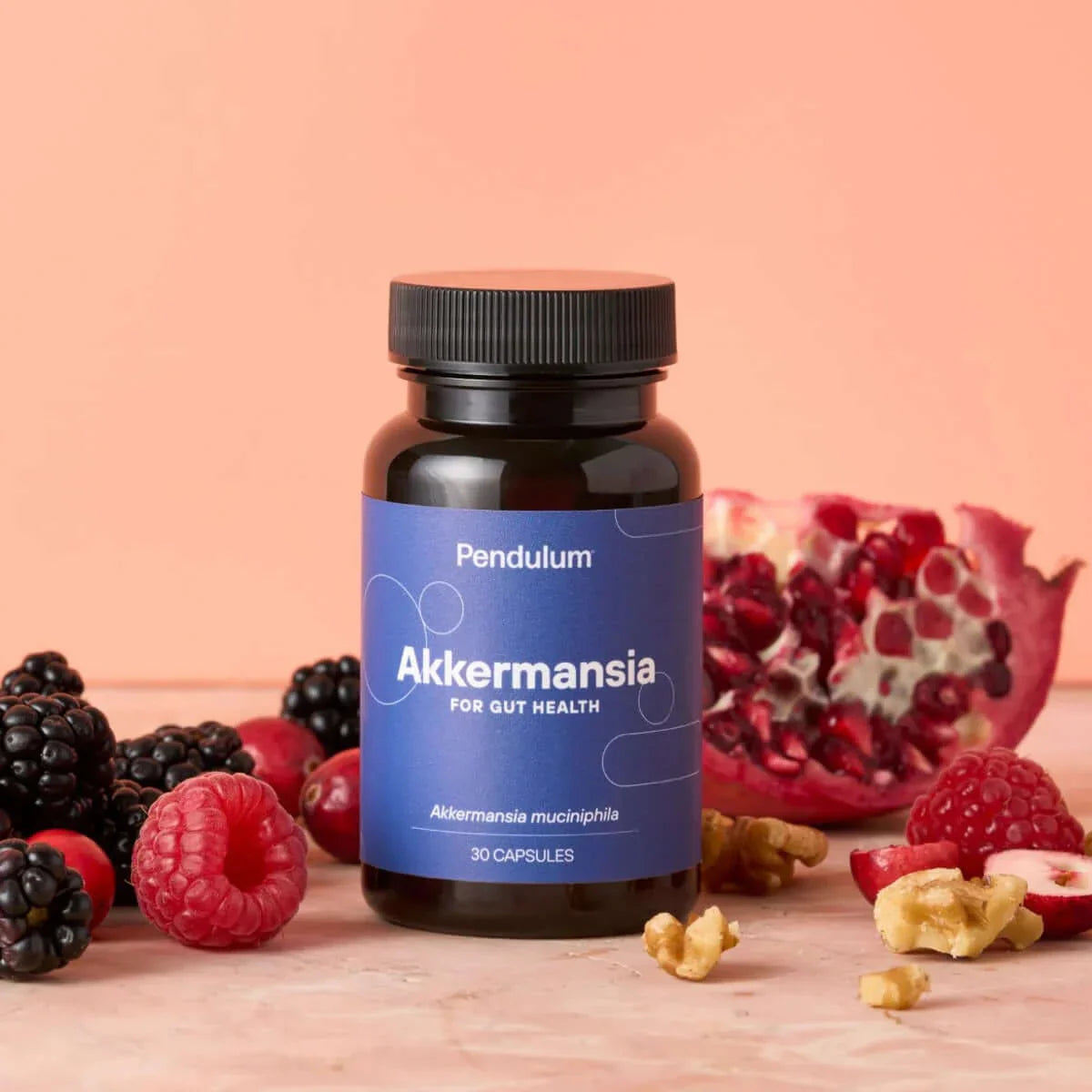
Wider gut range: gut health, probiotics, Akkermansia, Ultra Purity L-Glutamine and digestive enzymes. Related: Akkermansia UK, glutamine vs collagen for gut health and modified citrus pectin.
Who might benefit — and who should skip it

Reasonable candidates
- People with mild-to-moderate ulcerative colitis, as a possible add-on discussed with their IBD team — this is where the randomised evidence sits [1,7,10].
- People with IBS, particularly those who cannot tolerate increased fermentable fibre, after discussion with a GP or dietitian [2].
- People already meeting the 30 g fibre target who want to experiment further with realistic expectations.
Who should skip it
- Anyone below the fibre target — most UK adults [5,9]. Closing that gap is cheaper and has real outcome evidence.
- Anyone buying it for weight loss — a 12-week trial at 1,875 mg/day found nothing [2].
- Anyone buying it as general wellness insurance, where the evidence is weakest.
- Anyone with IBD considering it instead of prescribed treatment. The trials tested it as an addition, never a replacement [1,7].
- Anyone pregnant or breastfeeding, or on a sodium-restricted diet, without medical advice.
When to speak to a doctor
Speak to your GP, gastroenterologist or IBD nurse before starting butyrate if you have inflammatory bowel disease, IBS or any diagnosed digestive condition, are on a sodium-restricted diet or managing blood pressure, take prescription medication, or are pregnant or breastfeeding.
Seek medical assessment promptly — do not self-treat — if you have: a persistent change in bowel habit lasting three weeks or more, blood in your stool, unexplained weight loss, persistent abdominal pain or bloating, or extreme tiredness alongside bowel symptoms. These can indicate conditions requiring investigation, including bowel cancer, and early assessment matters. A supplement is never the right first response to new or changing bowel symptoms.
If you have IBD, never stop, reduce or delay prescribed treatment in order to try a supplement.
Frequently asked questions
What does a butyrate supplement do?
Butyrate is a short-chain fatty acid that fuels the cells lining the colon, supports intestinal barrier integrity and modulates immune and inflammatory activity in the gut [7]. Supplements aim to supply it directly rather than relying on your gut bacteria to produce it from fibre. Whether that works depends heavily on why you are taking it.
Does butyrate help ulcerative colitis?
The evidence here is the strongest in the category. A multi-centre, double-blind, randomised, placebo-controlled study of microencapsulated sodium butyrate as add-on therapy in mild-to-moderate UC found benefits for clinical improvement, clinical remission, endoscopic improvement and biochemical remission [1], and a separate double-blind RCT has examined it in active disease [10]. Reviewers describe butyrate as a potential add-on therapy, with more research needed on whether it works alone [7]. This is a conversation for your IBD team, and never a substitute for prescribed treatment.
Is butyrate good for IBS?
Possibly. Two small studies suggest it may reduce pain, urgency, abdominal pain and bloating in some people with IBS, with reviewers calling for larger and better-designed trials [2]. It is also relevant for people with IBS who cannot tolerate increased fermentable fibre. Discuss with a GP or dietitian, particularly if you follow a low-FODMAP approach.
Does butyrate help with weight loss?
No, on current evidence. A study of 46 overweight or obese adults on a low-calorie diet taking 1,875 mg of sodium butyrate daily for 12 weeks found no greater fat loss than placebo [2]. Products marketed for weight loss on the basis of butyrate are going beyond what the research supports.
What dose of butyrate should I take?
Trials have used a range: 1,000 mg daily in the MASLD study [3] and 1,875 mg daily in the obesity trial [2], with the ulcerative colitis studies using microencapsulated formulations [1]. Follow product directions. Importantly, effects on barrier function are dose-dependent and high concentrations may harm epithelial cells [7] — so more is not automatically better.
Which form of butyrate is best?
For following the UC evidence, microencapsulated sodium butyrate is the form that was actually tested [1,6,8]. Plain uncoated sodium butyrate is largely absorbed before reaching the colon and smells strongly [2]. Tributyrin has better delivery theory and tolerability but very limited human data. Full comparison in sodium butyrate vs tributyrin.
Can I get butyrate from food?
Indirectly, and this is the better route for most people. Your gut bacteria produce butyrate by fermenting dietary fibre in the colon. NHS guidance recommends 30 g of fibre daily while most UK adults manage around 20 g [5]. Notably, butyrogenic foods such as oat bran and germinated barley increased faecal butyrate and reduced disease activity in IBD research [7].
Does butyrate fix leaky gut?
Butyrate genuinely supports intestinal barrier function [7], but "leaky gut syndrome" as a standalone diagnosis in otherwise healthy people is not an established clinical entity in UK practice, and no trial has shown butyrate supplementation improves outcomes in healthy adults on that basis. Where intestinal permeability is documented alongside a diagnosed condition, that is a different and more evidenced situation.
Are butyrate supplements safe?
At typical doses they are generally well tolerated, and they have been used as add-on therapy in IBD trials alongside conventional treatment [1,6,8]. The specific caution is that barrier effects are dose-dependent, with high concentrations potentially harmful to epithelial cells [7]. Salt forms also contribute sodium, which matters on a restricted diet. Anyone with a diagnosed gut condition should seek medical advice first.
Butyrate or probiotics — which should I choose?
They do different things. Probiotics supply live bacteria; prebiotics feed them; butyrate is a postbiotic — the metabolite those bacteria produce. If you have ulcerative colitis, butyrate has the more specific randomised add-on evidence [1]. For general gut health, more fibre beats both for most people [5]. See our Akkermansia guide for the probiotic side.
References
- Efficacy of Microencapsulated Sodium Butyrate as Add-On Therapy in Inducing Remission in Patients with Mild-To-Moderate Ulcerative Colitis: Results From a Multi-Center, Double-Blind, Randomized, Placebo-Controlled Study. https://pmc.ncbi.nlm.nih.gov/articles/PMC12777404/
- ConsumerLab. Butyrate Supplements for Gut Health: Does butyric acid really work and is it safe? Independent review summarising trial evidence including the tributyrin microbiome study, the Italian sodium butyrate obesity trial and IBS studies. https://www.consumerlab.com/answers/butyrate-supplements-for-gut-health/butyrate-supplements/
- Exploring the Potential of Oral Butyrate Supplementation in Metabolic Dysfunction-Associated Steatotic Liver Disease: Subgroup Insights from an Interventional Study. https://www.ncbi.nlm.nih.gov/pmc/articles/PMC12192885/
- Effect of Sodium Butyrate Supplementation on Type 2 Diabetes — Literature Review. https://www.ncbi.nlm.nih.gov/pmc/articles/PMC12156991/
- NHS. How to get more fibre into your diet. Live Well — Eat Well, Digestive Health. https://www.nhs.uk/live-well/eat-well/digestive-health/how-to-get-more-fibre-into-your-diet/
- Impact of oral butyrate on clinical and biochemical parameters in IBD: A randomized placebo-controlled study targeting gut microbiota. Publisher version | PubMed record
- Gut Microbial Metabolite Butyrate and Its Therapeutic Role in Inflammatory Bowel Disease: A Literature Review. Nutrients. 2023;15(10):2275. https://www.ncbi.nlm.nih.gov/pmc/articles/PMC10221771/
- The Usefulness of Microencapsulated Sodium Butyrate Add-On Therapy in Maintaining Remission in Patients with Ulcerative Colitis: A Prospective Observational Study. https://www.ncbi.nlm.nih.gov/pmc/articles/PMC7762036/
- British Heart Foundation. High fibre foods: how much fibre should you eat per day? https://www.bhf.org.uk/informationsupport/heart-matters-magazine/nutrition/fibre
- Effects of Short Chain Fatty Acid-Butyrate Supplementation on the Disease Severity, Inflammation, and Psychological Factors in Patients With Active Ulcerative Colitis: A Double-Blind Randomized Controlled Trial. https://pmc.ncbi.nlm.nih.gov/articles/PMC11930386/
Medical disclaimer
This article is for general information and does not constitute medical advice, diagnosis or treatment. Food supplements are not medicines and cannot treat, cure or prevent any disease, including inflammatory bowel disease or irritable bowel syndrome. Clinical trials described here evaluated butyrate as an add-on to conventional prescribed therapy under medical supervision — never as a replacement for it. Do not stop, reduce or delay prescribed treatment in order to take a supplement. A persistent change in bowel habit lasting three weeks or more, blood in the stool, unexplained weight loss or persistent abdominal pain requires prompt medical assessment. Always consult a qualified healthcare professional before starting any new supplement, particularly if you have a gastrointestinal condition, take prescription medication, are on a sodium-restricted diet, or are pregnant or breastfeeding. Reviewed for medical accuracy by Dr Zeeshan Afzal. See the full Welzo medical disclaimer.
All product photography in this article is owned by Welzo and served from the Welzo media library. Prices and availability correct at the time of publication and subject to change.


 Ocijenjeno izvrsno s 26,523+ recenzija
 100% jamstvo povratka novca