


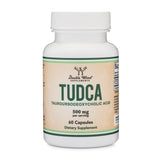

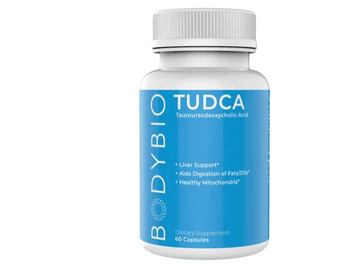


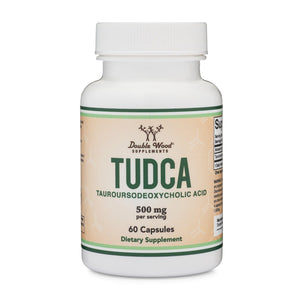
TUDCA: Liver Support in Longevity Protocols


Related products

Medically reviewed by Dr Zeeshan Afzal, MBBS — Welzo Medical Content Team. Last updated: July 2026. This article is for general information and is not a substitute for advice from your GP, pharmacist or hepatologist.
TUDCA (tauroursodeoxycholic acid) has moved from hepatology clinics into mainstream longevity stacks over the last five years. Search interest in TUDCA UK has grown alongside NAD+ precursors and senolytics, largely because TUDCA does something most longevity supplements do not: it acts directly on the liver and on the cellular stress machinery that underpins several recognised hallmarks of ageing.
For where TUDCA sits among the alternatives, start with our pillar guide to longevity supplements and browse the wider anti-ageing and longevity range. For the NAD+ side of a typical protocol, see our NMN benefits, side effects and dosage pillar and the NMN supplements range.
This guide explains what TUDCA actually is, what the human evidence does and does not show, how it is regulated in the UK, how people use it inside a broader longevity protocol, and what to look for before you buy. We have been deliberate about separating strong evidence from mechanistic speculation — because a great deal of TUDCA marketing blurs the two.
Table of Contents
- What Is TUDCA?
- How TUDCA Works: Four Mechanisms That Matter
- Why TUDCA Appears in Longevity Protocols
- The Human Evidence: What Trials Actually Show
- Liver Health in the UK: Why This Matters Now
- TUDCA Dosage, Timing and Cycling
- Safety, Side Effects and Who Should Avoid TUDCA
- TUDCA UK Regulation: Supplement vs Prescription Medicine
- Buying TUDCA in the UK: A Quality Checklist
- Stacking TUDCA With Other Longevity Supplements
- Is TUDCA Worth It? An Honest Verdict
- Frequently Asked Questions
- References
If you are building a longevity protocol from scratch, start with the foundations: our complete guide to NMN benefits, side effects and dosage, our curated NMN supplements collection, and our highest-strength option, NMN Pro 1000. TUDCA is best understood as a supporting player in that wider system, not a replacement for it.
What Is TUDCA?
TUDCA is the taurine-conjugated form of ursodeoxycholic acid (UDCA), a secondary bile acid. Your body produces UDCA in small quantities when gut bacteria act on primary bile acids; a fraction of that is then conjugated with the amino acid taurine in the liver to form TUDCA before being recycled through enterohepatic circulation.

That taurine conjugation matters more than it sounds. It makes the molecule considerably more water-soluble than UDCA, improves absorption in the distal ileum, and extends its dwell time in the biliary system. In humans with primary biliary cholangitis, tauroursodeoxycholate has been shown to achieve greater biliary enrichment than unconjugated ursodeoxycholate at the same dose.
TUDCA and Bear Bile: Clearing Up a Common Myth
TUDCA is frequently described as "the active component of bear bile", which is historically accurate and practically irrelevant. Bear bile has been used in traditional Chinese medicine since roughly the seventh century, and it was analysis of bear bile that led Japanese scientists to synthesise UDCA chemically in 1955. Every legitimate TUDCA supplement sold in the UK today is produced synthetically or by microbial fermentation. The molecule is chemically identical to the TUDCA that occurs naturally in human bile. No reputable UK retailer sources from bears, and you should treat any product implying otherwise as a red flag.
TUDCA vs UDCA: Not the Same Thing
| Feature | UDCA (ursodeoxycholic acid) | TUDCA (tauroursodeoxycholic acid) |
|---|---|---|
| UK regulatory status | Prescription-only medicine (POM) | Sold as a food supplement |
| Licensed uses | Primary biliary cholangitis, gallstone dissolution, cholestasis of pregnancy | None — no UK medicinal licence |
| Solubility | Less water-soluble | More water-soluble (taurine conjugate) |
| Absorption site | More proximal ileum | Distal ileum, active transport |
| Typical study doses | 13–15 mg/kg/day | 250–1,750 mg/day |
This distinction is the single most important thing to understand before buying. TUDCA is not a legal substitute for prescribed UDCA. If you have been prescribed ursodeoxycholic acid for a diagnosed liver or biliary condition, do not swap it for a supplement.
How TUDCA Works: Four Mechanisms That Matter

1. Chemical Chaperone Activity (ER Stress Reduction)
This is the mechanism that put TUDCA on the longevity map. The endoplasmic reticulum (ER) is where cells fold newly made proteins. When misfolded proteins accumulate — a state called ER stress — the cell triggers the unfolded protein response (UPR). Chronic, unresolved ER stress drives inflammation, insulin resistance and apoptosis.
TUDCA acts as a chemical chaperone: it helps stabilise protein folding and dampens the UPR. A comprehensive 2019 review in Cells concluded that TUDCA's cytoprotective effects across models of diabetes, obesity and neurodegeneration are attributable mainly to alleviation of ER stress and stabilisation of the UPR, with additional antioxidant, anti-apoptotic and anti-inflammatory activity.
2. Bile Flow and Bile Pool Composition
Hydrophobic bile acids are hepatotoxic at high concentrations. Hydrophilic bile acids such as UDCA and TUDCA dilute and displace them, shifting the bile acid pool toward a less cytotoxic profile and improving bile solubility and flow. This is the classic hepatology mechanism, and it is why bile acid therapy has been used in cholestatic liver disease for decades.
3. Bile Acid Receptor Signalling
Bile acids are not just detergents — they are signalling molecules. TUDCA interacts with the membrane receptor TGR5 and with sphingosine-1-phosphate receptor 2 (S1PR2), both of which influence glucose metabolism, insulin clearance and intestinal barrier function. In weaned piglets, dietary TUDCA improved intestinal barrier integrity via a TGR5-dependent pathway; knocking down TGR5 abolished the effect. That is animal data, but it establishes a plausible mechanism relevant to gut barrier and microbiome-focused longevity approaches.
4. Anti-Apoptotic and Mitochondrial Effects
.jpg?width=1000)
TUDCA has been shown to reduce apoptosis and oxidative stress in a wide range of preclinical models, including retinal detachment, spinal cord injury and neurodegeneration. Mechanistically this involves stabilisation of mitochondrial membranes and inhibition of the mitochondrial pathway of programmed cell death. If you are interested in the mitochondrial angle specifically, our comparisons of Urolithin A in the UK and Mitopure cover compounds with more direct mitophagy data.
Why TUDCA Appears in Longevity Protocols
The rationale is mechanistic rather than outcome-based, and it is worth being precise about that.
Loss of proteostasis — the progressive failure of the systems that fold, maintain and dispose of proteins — is one of the recognised hallmarks of ageing. ER stress rises with age in multiple tissues, and the capacity of the UPR to resolve it declines. A molecule that reduces ER stress is therefore, in theory, targeting an upstream ageing process rather than a downstream symptom.
Three further arguments are commonly made:
- Liver-centric ageing. The liver handles drug metabolism, lipid handling, glucose regulation and detoxification. Hepatic function is a plausible rate-limiting factor for how well the rest of a supplement stack performs.
- Metabolic overlap. Insulin resistance sits upstream of most age-related disease. TUDCA has human data on insulin sensitivity (covered below).
- Stack tolerance. People running high-dose, multi-ingredient protocols often add TUDCA as hepatic support, particularly alongside compounds with a heavier metabolic load. Our guide to building a longevity stack and our longevity supplements guide put this in context.
To be clear: there is no human trial showing that TUDCA extends lifespan or healthspan. Anyone claiming otherwise is overselling. What exists is a coherent mechanistic case plus clinical data on intermediate markers.
The Human Evidence: What Trials Actually Show
Insulin Sensitivity: The Strongest Human Signal
The most-cited human trial is Kars and colleagues, published in Diabetes in 2010. Obese men and women took 1,750 mg of TUDCA daily for four weeks in a placebo-controlled design, with insulin sensitivity assessed by hyperinsulinaemic-euglycaemic clamp — the reference-standard method.
Hepatic and skeletal muscle insulin sensitivity increased by approximately 30% with TUDCA and did not change on placebo. Muscle insulin signalling improved as well. Two caveats deserve equal billing: adipose tissue insulin sensitivity did not improve, and markers of ER stress in muscle and adipose tissue were unchanged — meaning the mechanism behind the benefit was not confirmed in that study.
It is a small, short trial at a dose roughly three to seven times what most UK supplements deliver per serving. It is nonetheless real human data showing a meaningful metabolic effect. For readers weighing metabolic interventions more broadly, our comparison of berberine vs metformin is a useful companion piece.
Liver Enzymes in Chronic Liver Disease
| Study | Population | Dose & duration | Key finding |
|---|---|---|---|
| Crosignani et al., multicentre dose-response | 155 patients, chronic hepatitis | 250, 500 or 1,000 mg/day for 6 months | Aminotransferases and GGT fell at all doses vs control; 1,000 mg outperformed 250 mg; doses of at least 500 mg/day recommended |
| Multicentre placebo-controlled trial | 150 patients, HCV-related chronic hepatitis | 500 or 750 mg/day or placebo, 6 months | Assessed TUDCA in necroinflammatory liver disease with cholestatic features |
| Double-blind RCT vs UDCA | 23 randomised, liver cirrhosis | 750 mg/day of TUDCA or UDCA, 6 months | ALT, AST and ALP significantly reduced from baseline in the TUDCA group; very small sample |
The pattern is consistent: in people with elevated liver enzymes from established disease, TUDCA lowers those enzymes. What has never been established is whether it does anything measurable in a healthy adult with normal liver function — which describes most people buying it as a longevity supplement.
The ALS Trial: An Important Negative Result
Honest coverage of TUDCA has to include this. Encouraging phase 2 data prompted a European Commission-supported phase 3 trial (TUDCA-ALS, NCT03800524) across 25 sites in seven countries, testing TUDCA as an add-on to riluzole in people with recently diagnosed amyotrophic lateral sclerosis.
Top-line results released in March 2024 covered 336 participants over 18 months. The trial failed to meet its primary endpoint on the ALS Functional Rating Scale-Revised, and no statistically significant differences were seen in survival time or in biomarkers including neurofilament light chain.
This does not mean TUDCA is inert — it means a specific, high-dose, high-stakes hypothesis in a devastating neurodegenerative disease did not pan out. But it is a well-powered negative result from the largest TUDCA trial ever run, and it should temper enthusiasm about the neuroprotective claims that appear on supplement labels. Our article on longevity supplements that don't work applies the same standard to other popular compounds.
Liver Health in the UK: Why This Matters Now

Interest in TUDCA in the UK is not happening in a vacuum. Fatty liver disease — now more accurately termed MASLD (metabolic dysfunction-associated steatotic liver disease) — is estimated by the British Liver Trust to affect up to one in five people in the UK.
A population-based study published in The Lancet Gastroenterology & Hepatology, drawing on the ALSPAC birth cohort and using FibroScan, found that around one in five young adults at approximately age 24 already had hepatic steatosis, and one in 40 had evidence of fibrosis. Among British Liver Trust survey respondents living with MASLD, 68% were overweight or obese and 35% had type 2 diabetes.
The clinical point is unglamorous but important: the interventions with the strongest evidence for MASLD are weight management, dietary change and physical activity. No supplement outperforms them. TUDCA does not treat fatty liver disease, and buying it instead of addressing metabolic drivers is a poor trade. If you have persistently abnormal liver function tests, that is a conversation for your GP, not a supplement purchase. Tracking progress objectively — via biological age testing and standard bloods — is more useful than adding another capsule.
TUDCA Dosage, Timing and Cycling
Typical Supplemental Doses
- 250–500 mg/day — the most common range in UK supplements, usually one or two capsules.
- 500–1,000 mg/day — the range supported by the chronic hepatitis dose-response data, where at least 500 mg/day was recommended.
- 1,750 mg/day — the dose used in the Kars insulin sensitivity trial. This is a research dose, used for four weeks under supervision, and is not a self-directed recommendation.
A Note on Dose Honesty
Many products sold at 250 mg per serving are marketed with claims drawn from studies using 500–1,750 mg. Check the milligrams of actual TUDCA per daily serving, not per capsule, and not the total blend weight.
Timing: With Food or Empty Stomach?
TUDCA is a bile acid, and bile release is triggered by dietary fat. Taking it with a meal containing fat aligns it with normal physiology and tends to reduce gastrointestinal side effects. Several of the clinical trials dosed it in two divided doses with meals. This is one of the clearer cases where the general rule about taking supplements on an empty stomach does not apply — and our supplement timing chart covers how to slot it into an existing routine.
Cycling
There is no trial evidence establishing an optimal cycling pattern for TUDCA. Clinical studies have run continuously for three to six months without a signal of cumulative harm. Some users cycle 8–12 weeks on, 4 weeks off, largely by analogy with practices around cycling NMN. That is convention, not evidence. If you are taking TUDCA specifically for liver markers, repeat liver function tests at 8–12 weeks give you something objective to act on — and our piece on how long supplements take to work sets realistic expectations for timelines.
Safety, Side Effects and Who Should Avoid TUDCA
Across clinical trials TUDCA has a reasonable tolerability record. Reported side effects are predominantly gastrointestinal.
Commonly Reported Effects
- Loose stools or diarrhoea — the most frequently reported effect, and dose-related
- Abdominal discomfort or bloating
- Nausea, particularly when taken without food
Who Should Not Take TUDCA Without Medical Advice
- Anyone with known or suspected bile duct obstruction — stimulating bile flow against an obstruction is potentially dangerous
- Anyone with gallstones or a history of biliary colic
- Anyone with diagnosed liver disease, including cirrhosis, PBC or PSC — these require specialist management, and high-dose bile acid therapy has been associated with harm in certain conditions
- Pregnant or breastfeeding women — safety has not been established for supplemental TUDCA
- Under-18s
- Anyone taking prescription medication, particularly immunosuppressants, or drugs with significant hepatic metabolism
Interactions
Bile acid sequestrants such as colestyramine and colestipol bind bile acids in the gut and will reduce TUDCA absorption; separate dosing by several hours. Aluminium-containing antacids may do the same. Because TUDCA affects bile composition and fat absorption, it can theoretically alter the absorption of fat-soluble vitamins and lipophilic drugs. If you run a complex regimen, our guide to whether you can take supplements together is a sensible starting point — but a pharmacist review is better.
TUDCA UK Regulation: Supplement vs Prescription Medicine
This trips up a lot of UK buyers, so it is worth stating plainly.
UDCA is a prescription-only medicine in the UK. It is licensed under brand names including Ursofalk and Urso, with a published Summary of Product Characteristics, and is prescribed for primary biliary cholangitis, gallstone dissolution in selected patients and cholestasis of pregnancy.
TUDCA is sold in the UK as a food supplement. It has no UK medicinal licence and no authorised health claims. That has three practical consequences:
- No UK retailer may lawfully claim TUDCA treats, prevents or cures any disease — including fatty liver disease. Marketing that does so is non-compliant, and is a signal about the seller's standards generally.
- Supplements are not subject to the same pre-market efficacy testing as medicines. Quality verification falls to the manufacturer and, ultimately, to you.
- Regulatory status can change. Novel food and borderline-medicine classifications are periodically reviewed, so check current guidance if you are buying in quantity.
Buying TUDCA in the UK: A Quality Checklist
TUDCA is an expensive raw material, which makes it a target for under-dosing and adulteration. Apply the same scrutiny you would to any premium longevity ingredient.
What to Verify Before You Buy
| Check | What good looks like | Red flag |
|---|---|---|
| Purity testing | Batch-specific third-party certificate of analysis, ideally from an ISO 17025 lab, showing ≥98% TUDCA | "Lab tested" with no document available |
| Dose transparency | Milligrams of TUDCA per capsule and per daily serving stated clearly | Proprietary blends hiding the actual TUDCA content |
| Manufacturing | GMP-certified facility; UK or EU manufacturing declared | No manufacturer information anywhere on site |
| Sourcing | Explicitly synthetic or fermentation-derived | Any suggestion of animal bile sourcing |
| Heavy metals & microbials | Tested and reported on the CoA | Absent from testing documentation |
| Claims | Structure/function language, compliant with UK rules | Disease treatment claims |
We cover the underlying quality principles in more depth in our guides to reading a supplement certificate of analysis, third-party tested supplements, and what supplement fillers actually do. You can browse verified options in the Welzo TUDCA collection.
What TUDCA Costs in the UK
At the time of writing, quality UK TUDCA typically runs £30–£60 for a month at 500 mg/day. That places it among the more expensive per-day ingredients in a longevity stack — comparable to Urolithin A and well above NMN on a cost-per-day basis. Our breakdowns of what a longevity stack costs in the UK and why supplements are expensive are worth reading before committing to a long run.
Stacking TUDCA With Other Longevity Supplements
TUDCA is rarely taken alone. Common pairings, and the logic behind each:
TUDCA + NAC
NAC supports glutathione synthesis; TUDCA works on bile flow and ER stress. The mechanisms are complementary rather than overlapping, which is why the two frequently appear in combination formulas. See our guide to NAC supplements in the UK and our overview of GlyNAC.
TUDCA + NMN or NR
NAD+ precursors target a different hallmark of ageing entirely — cellular energy metabolism and sirtuin activity. There is no known interaction, and no reason not to run both. If you are new to NAD+ precursors, start with our NMN pillar guide, then compare formats in the NMN collection or go straight to NMN Pro 1000.
TUDCA + Autophagy-Targeting Compounds
Proteostasis is the shared theme. TUDCA reduces the burden of misfolded proteins upstream; autophagy inducers help clear damaged components downstream. Our explainer on autophagy covers the biology, and spermidine is the most commonly paired compound.
A Word on Stack Discipline
Adding TUDCA to an eleven-ingredient stack makes it impossible to attribute any change to any ingredient. If you are starting out, our advice on how to start longevity supplements and building a minimal supplement stack will serve you better than adding another bottle.
Is TUDCA Worth It? An Honest Verdict
The case for: TUDCA has a genuinely well-characterised mechanism as a chemical chaperone, decades of clinical use of its parent molecule in hepatology, human data showing roughly 30% improvement in hepatic and muscle insulin sensitivity at high dose, and consistent liver enzyme reductions in people with chronic liver disease. Its safety profile in trials is good.
The case against: Nearly all of the human efficacy data comes from people with diagnosed disease, at doses two to seven times what most supplements provide. There is no evidence it does anything measurable in a healthy adult with normal liver function. The largest and best-powered trial ever conducted on TUDCA — the phase 3 ALS study — was negative. It is expensive. And it has no lifespan or healthspan data in any human population.
Where it reasonably fits: TUDCA is a defensible addition for someone with a specific rationale — documented insulin resistance, a history of gallbladder removal affecting fat digestion, or a demanding supplement regimen where hepatic support is a considered priority — who has already covered the foundations and can afford it without displacing better-evidenced interventions. It is a poor first purchase for someone who has not yet sorted out diet, sleep, zone 2 training and the basics.
Frequently Asked Questions
Is TUDCA legal in the UK?
Yes. TUDCA is legally sold in the UK as a food supplement. Its parent molecule, ursodeoxycholic acid (UDCA), is a prescription-only medicine and is a separate regulatory category. TUDCA carries no authorised UK health claims, so any product marketed as treating a liver condition is non-compliant.
What is the best TUDCA dosage for liver support?
Most UK supplements provide 250–500 mg per day. Clinical trials in chronic hepatitis found that daily doses of at least 500 mg produced the most consistent reductions in liver enzymes, with 1,000 mg outperforming 250 mg. The 1,750 mg dose used in the insulin sensitivity trial is a supervised research dose and not a self-directed recommendation. Discuss dosing with your GP or pharmacist, particularly if you take other medication.
Should TUDCA be taken with food or on an empty stomach?
With food, ideally a meal containing some fat. Bile release is triggered by dietary fat, so taking TUDCA with a meal matches normal physiology and reduces the chance of loose stools. Several clinical trials used two divided doses taken with meals.
How long does TUDCA take to work?
TUDCA does not usually produce a noticeable subjective effect. In clinical trials, measurable reductions in liver enzymes appeared within the first month of treatment and continued over three to six months. If you are taking it for a specific reason, blood tests at 8–12 weeks give a far more meaningful read than how you feel.
Is TUDCA the same as UDCA?
No. TUDCA is the taurine-conjugated form of UDCA. Conjugation makes it more water-soluble, improves absorption in the distal ileum and lengthens its dwell time in the biliary system. Crucially, UDCA is a licensed prescription medicine in the UK and TUDCA is not. TUDCA must never be used as a replacement for prescribed UDCA.
Does TUDCA come from bear bile?
Not in any legitimate modern supplement. TUDCA was originally identified in bear bile, which has a long history in traditional Chinese medicine, but all commercially available TUDCA sold in the UK is produced synthetically or through microbial fermentation. The synthetic molecule is chemically identical to the TUDCA found in human bile.
Can TUDCA reverse fatty liver disease?
There is no evidence that it can, and no UK retailer may lawfully make that claim. Fatty liver disease (MASLD) affects up to one in five people in the UK, and the interventions with the strongest evidence are weight management, dietary change and increased physical activity. If you have been told you have fatty liver or have abnormal liver function tests, speak to your GP rather than self-treating.
What are the side effects of TUDCA?
Diarrhoea or loose stools are the most commonly reported effects and are dose-related. Some people experience abdominal discomfort, bloating or nausea, particularly if taking it without food. TUDCA should be avoided without medical advice by anyone with bile duct obstruction, gallstones, diagnosed liver disease, or who is pregnant, breastfeeding or under 18.
Can I take TUDCA with NMN and other longevity supplements?
There is no known interaction between TUDCA and NAD+ precursors such as NMN or NR, and they target different biological mechanisms. Bile acid sequestrants such as colestyramine will reduce TUDCA absorption and should be separated by several hours. If you take prescription medication, ask a pharmacist to review your full regimen.
Is TUDCA proven to extend lifespan?
No. There is no human trial demonstrating that TUDCA extends lifespan or healthspan. Its inclusion in longevity protocols is based on mechanism — specifically its role as a chemical chaperone reducing endoplasmic reticulum stress, which relates to loss of proteostasis as a hallmark of ageing — plus human data on intermediate markers such as insulin sensitivity and liver enzymes. That is a reasonable rationale, not proof of a longevity benefit.
References
- Kars M, Yang L, Gregor MF, et al. Tauroursodeoxycholic acid may improve liver and muscle but not adipose tissue insulin sensitivity in obese men and women. Diabetes. 2010;59(8):1899–1905.
- Kusaczuk M. Tauroursodeoxycholate — bile acid with chaperoning activity: molecular and cellular effects and therapeutic perspectives. Cells. 2019;8(12):1471.
- Crosignani A, Battezzati PM, Setchell KDR, et al. Tauroursodeoxycholic acid for the treatment of chronic hepatitis: a multicentre dose-response study. Hepatology Research. 1998.
- Angelico M, Tisone G, Baiocchi L, et al. Tauroursodeoxycholic acid for the treatment of HCV-related chronic hepatitis: a multicenter placebo-controlled study. Hepato-Gastroenterology. 1998.
- Pan XL, Zhao L, Li L, et al. Efficacy and safety of tauroursodeoxycholic acid in the treatment of liver cirrhosis: a double-blind randomized controlled trial. Journal of Huazhong University of Science and Technology (Medical Sciences). 2013;33(2):189–194.
- TUDCA-ALS Consortium. Top-line results from the phase 3 randomised placebo-controlled trial of TUDCA in ALS (press release, March 2024).
- Lombardo FL, Albanese A, et al. Statistical analysis plan of the TUDCA-ALS trial. Trials. 2023;24:792.
- ClinicalTrials.gov. Safety and efficacy of tauroursodeoxycholic acid as add-on treatment in patients affected by amyotrophic lateral sclerosis (NCT03800524).
- MND Association / ALS-MND. TUDCA trial background and outcome summary.
- British Liver Trust. Liver disease in numbers — UK statistics.
- British Liver Trust. Urgent action needed as new research reveals gaps in fatty liver disease diagnosis and care. 2025.
- Abeysekera KWM, Fernandes GS, Hammerton G, et al. Prevalence of steatosis and fibrosis in young adults in the UK: a population-based study. The Lancet Gastroenterology & Hepatology. 2020;5(3):295–305.
- Electronic Medicines Compendium. Ursodeoxycholic acid 300 mg tablets — Summary of Product Characteristics.
- Song M, Ye J, Zhang F, et al. Tauroursodeoxycholic acid improves intestinal barrier function associated with the TGR5-MLCK pathway in weaned piglets. Journal of Animal Science and Biotechnology. 2022;13:73.
- Mantopoulos D, Murakami Y, Comander J, et al. Tauroursodeoxycholic acid (TUDCA) protects photoreceptors from cell death after experimental retinal detachment. PLoS ONE. 2011;6(9):e24245.
- Examine.com. TUDCA research breakdown — independent evidence summary.
- Alzheimer's Drug Discovery Foundation, Cognitive Vitality. Tauroursodeoxycholic acid — report for researchers.
Image Credits
- TUDCA chemical structure — Wikimedia Commons, public domain.
- Liver, gallbladder and pancreas location — Blausen Medical Communications, via Wikimedia Commons, CC BY 3.0.
- Digestive system diagram — Blausen Medical Communications, via Wikimedia Commons, CC BY 3.0.
- Cell with mitochondria — via Wikimedia Commons, Creative Commons licence.
Medical Disclaimer
This article is provided for general information only and does not constitute medical advice, diagnosis or treatment. TUDCA is sold in the UK as a food supplement and is not licensed to treat, prevent or cure any disease. Food supplements should not replace a varied and balanced diet or a healthy lifestyle. Do not use TUDCA as a substitute for prescribed ursodeoxycholic acid or any other prescribed medication. If you are pregnant, breastfeeding, under 18, taking prescription medication, or have any liver, gallbladder or biliary tract condition, speak to your GP, hepatologist or pharmacist before starting any new supplement. If you have symptoms of liver disease or persistently abnormal liver function tests, seek medical assessment.
Reviewed for clinical accuracy by Dr Zeeshan Afzal, MBBS. Welzo content is reviewed against primary literature and updated as new evidence is published.



 Valutazione eccellente da 28,951+ recensioni
 Garanzia di rimborso al 100%