

Gut Health on a Vegan Diet
Posted on:
Aug 05, 2026
Authored by


Written and medically reviewed by Dr Zeeshan Afzal (MBBS), Medical Content Lead at Welzo.
Last updated: July 2026 · Next review: July 2027 · Reading time: 13 minutes
Going vegan is one of the biggest changes you can make to your gut. Within days of removing meat, fish, eggs and dairy — and adding beans, wholegrains, nuts and vegetables in their place — the trillions of microbes living in your large intestine begin to shift. For most people that shift is favourable. For a minority, the first few weeks bring bloating, wind and unpredictable stools that make them wonder whether a plant-based diet really suits them. This guide explains what the evidence actually shows about vegan gut health: how a vegan diet reshapes the microbiome, why fibre matters more than any supplement, what to do when plants cause symptoms, which nutrients need attention, and how to build a plate that keeps your digestion comfortable long term. If you want the broader picture first, start with our pillar guide to gut health in the UK and browse the full Welzo gut health range.
"Gut health" is a loose term, so it helps to define what we are actually aiming for. In practice, four things matter:
A vegan diet has structural advantages on the first two points. It has no automatic advantage on the last two, which is why some long-term vegans still deal with bloating or irregularity.
In January 2025, researchers published an analysis of 21,561 people across five cohorts in the UK, US and Italy — including 656 vegans, 1,088 vegetarians and 19,817 omnivores — in Nature Microbiology. Stool samples underwent shotgun metagenomic sequencing, and the diet patterns could be told apart from the microbiome alone with a mean area under the curve of 0.85.
The vegan signature was dominated by species specialised in fibre degradation and butyrate production, including members of the Lachnospiraceae family, Butyricicoccus species and Roseburia hominis. The omnivore signature featured species linked to meat intake — Alistipes putredinis, Bilophila wadsworthia and Ruminococcus torques — which correlated unfavourably with cardiometabolic markers. Notably, omnivores who ate more plant foods carried more of the "vegan" microbes too, which suggests the benefit tracks plant intake rather than the vegan label itself.
An earlier review in Nutrients reached a similar conclusion from a different angle: the vegan gut profile tends to show fewer pathobionts and more protective species, with lower inflammatory markers proposed as the mechanism linking the two.
Plants are the only meaningful dietary source of fermentable fibre. When that fibre reaches the colon, resident bacteria ferment it into short-chain fatty acids — mainly acetate, propionate and butyrate. Butyrate is used directly by colonocytes as fuel, helps lower luminal pH and is closely studied for its role in barrier function and immune regulation.
This is the core mechanism behind vegan gut health. It is also why the quality of a vegan diet matters so much: white pasta, vegan sausages and dairy-free chocolate are technically vegan but supply very little of the fermentable substrate that drives the effect.
Going vegan does not, on its own, resolve IBS, SIBO, reflux or dysbiosis. In some cases a sudden jump in fermentable carbohydrate makes symptoms temporarily worse. The distinction worth holding onto is that a vegan diet reliably changes which microbes thrive; it does not reliably change how sensitive your gut is to the gas they produce.
The UK Scientific Advisory Committee on Nutrition set the adult dietary reference value at 30 g of fibre per day in its 2015 Carbohydrates and Health report, up from the previous 18 g figure (which used a different measurement method). Recommendations scale down for children: 25 g for ages 11–15, 20 g for ages 5–10 and 15 g for ages 2–4.
Actual intakes fall well short. National Diet and Nutrition Survey data put UK adults at roughly 19–20 g a day, with only around 9% meeting the 30 g target. Vegans typically do better than the national average — but "typically better" is not the same as "automatically enough", particularly for people whose plant-based diet leans on refined grains and meat-alternative products.
| Food | Typical portion | Approx. fibre |
|---|---|---|
| Cooked lentils | 150 g | ~7–8 g |
| Chickpeas | 150 g cooked | ~7 g |
| Baked beans | ½ x 400 g tin | ~7 g |
| Wholewheat pasta | 180 g cooked | ~7 g |
| Chia seeds | 15 g (1 tbsp) | ~5 g |
| Raspberries | 80 g | ~5 g |
| Wholemeal bread | 2 slices | ~5 g |
| Jacket potato (skin on) | 180 g | ~4–5 g |
| Almonds | 30 g | ~4 g |
| Porridge oats | 40 g dry | ~3–4 g |
| Broccoli | 80 g | ~2 g |
Values are approximate and vary by brand, variety and cooking method. Check the label for packaged foods.
Two of the entries above will get most people to 30 g when combined with normal meals. If you are starting from a low base, our guides to increasing fibre safely and high-fibre foods in the UK set out a stepwise approach.
Extra gas is a predictable consequence of feeding your bacteria more fermentable material. Beans and pulses contain oligosaccharides such as raffinose and stachyose that human enzymes cannot break down, so colonic bacteria ferment them — producing hydrogen, carbon dioxide and methane.
The reassuring part is how quickly this settles. Across three feeding trials published in Nutrition Journal, participants ate half a cup of beans daily for 8–12 weeks. Fewer than 50% reported increased wind in the first week on pinto or baked beans, and only 19% did on black-eyed peas. By the second week, reports had dropped to around 6% for pinto beans. Roughly 3–11% of participants reported increased wind even on control diets containing no gas-producing ingredients at all — a useful reminder that expectation shapes perception.
If wind is your main complaint, our guide to trapped wind relief and the list of foods that cause bloating are practical next reads.
People with irritable bowel syndrome often react to fermentable oligosaccharides, disaccharides, monosaccharides and polyols (FODMAPs) — and many high-FODMAP foods are plant-based staples: onions, garlic, wheat, pulses, cashews, apples and stone fruit. A vegan diet and a strict low-FODMAP diet overlap awkwardly, which is why the elimination phase should be short and dietitian-supervised.
Practical adjustments that usually help without removing whole food groups: choose tinned and thoroughly rinsed pulses over dried, keep pulse portions to around 40–60 g cooked at first, use firm tofu and tempeh rather than large amounts of legume flour, and lean on lower-FODMAP options such as oats, quinoa, carrots, courgette, spinach, blueberries and kiwi. See our guides to the low-FODMAP diet in the UK and FODMAP reintroduction.
The plant-based aisle has grown quickly, and a lot of it is ultra-processed: meat analogues, dairy-free cheeses, refined snack bars and sweetened plant milks. These often combine low fibre with emulsifiers, sweeteners and salt. Our articles on ultra-processed food and the gut and sweeteners and gut health cover the evidence in detail. A simple rule works well: let processed vegan products be the convenience option, not the foundation.
| Symptom | Likely driver | First-line adjustment |
|---|---|---|
| Wind and bloating in weeks 1–3 | Rapid rise in fermentable fibre | Increase fibre by ~5 g per week; keep pulse portions small at first |
| Loose, urgent stools | High insoluble fibre, high fruit sugar or caffeine | Shift towards soluble fibre (oats, psyllium, peeled root veg) |
| Constipation despite eating plants | Low fluid intake, low soluble fibre, low magnesium | Fluids with fibre; see magnesium for constipation |
| Reflux or upper-gut discomfort | Larger meal volumes, fizzy drinks, fat from nuts and oils | Smaller, more frequent meals; review with your GP if persistent |
| Fatigue with normal digestion | Possible B12, iron or iodine shortfall | Blood test and targeted supplementation |
The NHS is explicit that a vegan diet can be healthy and nutritionally adequate — but only with planning, and it flags calcium, iron, vitamin B12, iodine and selenium as the nutrients most likely to fall short. Several of these have direct or indirect relevance to digestion.
| Nutrient | Why it matters | Vegan sources |
|---|---|---|
| Vitamin B12 | Not reliably present in plant foods; deficiency causes anaemia and neurological symptoms | Fortified foods plus a supplement — the NHS advises vegans may need one |
| Iron | Non-haem iron is less well absorbed; low iron worsens fatigue | Pulses, tofu, fortified cereal, dark leafy greens; pair with vitamin C |
| Zinc | Supports mucosal repair; phytates reduce absorption | Pumpkin seeds, tahini, oats, tempeh; soaking and sprouting improve uptake |
| Iodine | Mainly from dairy and fish in the UK diet | Fortified plant milks or a supplement; seaweed is variable and can overshoot |
| Calcium | Bone health; dairy is the usual UK source | Calcium-set tofu, fortified plant milks, kale, tinned pulses |
| Vitamin D | Low sunlight exposure in UK autumn and winter | 10 µg daily supplement is advised for the general UK population in winter |
| Omega-3 (EPA/DHA) | Conversion from plant ALA is limited | Flax, chia, walnuts for ALA; algal oil for EPA and DHA |
| Protein | Supports mucosal turnover and satiety | Pulses, tofu, tempeh, seitan, quinoa, nuts and seeds across the day |
If you are unsure where you stand, a baseline blood panel is more useful than guesswork — see our overview of the gut health blood test and gut microbiome testing in the UK.
The widely quoted "30 plants a week" target comes from the American Gut Project, published in mSystems in 2018. Analysing thousands of citizen-science stool samples, researchers found that people eating more than 30 different plant types per week had more diverse gut microbiomes than those eating 10 or fewer — regardless of whether they identified as vegan, vegetarian or omnivore.
Vegans have a natural advantage here, because pulses, nuts, seeds, herbs, spices and wholegrains all count. A single lentil dhal with onion, garlic, ginger, turmeric, cumin, tomato, spinach and coriander is eight plant points. Our 30 plants a week guide and diversity guide show how to track it without turning meals into a spreadsheet.
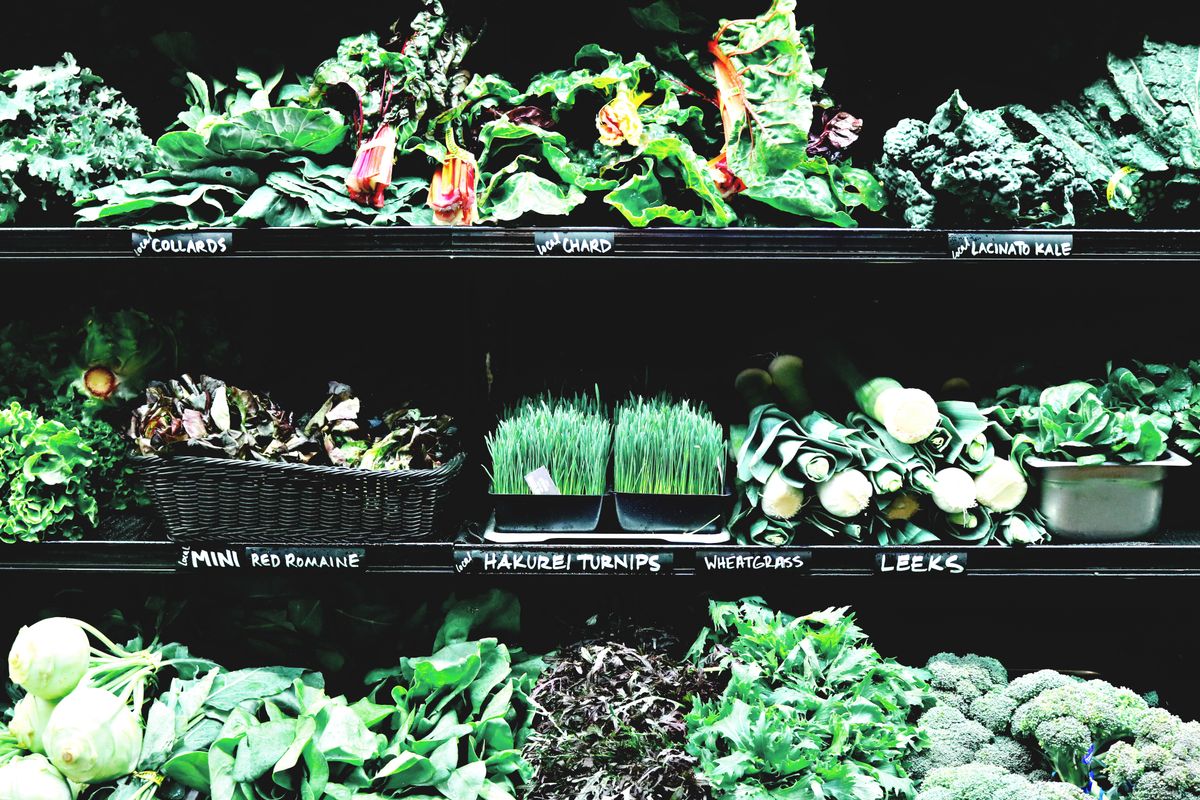
Prebiotics are the fibres your beneficial bacteria preferentially ferment. On a vegan diet, the best sources are leeks, onions, garlic, chicory root, Jerusalem artichoke, asparagus, slightly green bananas, oats, barley, rye and pulses. Start with modest amounts — these are also the highest-FODMAP foods, so tolerance builds gradually. See our list of prebiotic foods and the difference between prebiotics and probiotics.
A 10-week randomised trial at Stanford, published in Cell in 2021, assigned 36 healthy adults to either a high-fermented-food diet or a high-fibre diet. The fermented-food group showed increased overall microbial diversity and reductions across 19 inflammatory proteins; the high-fibre group showed neither over that timeframe, suggesting fibre alone may need longer, or a more receptive starting microbiome, to shift diversity.
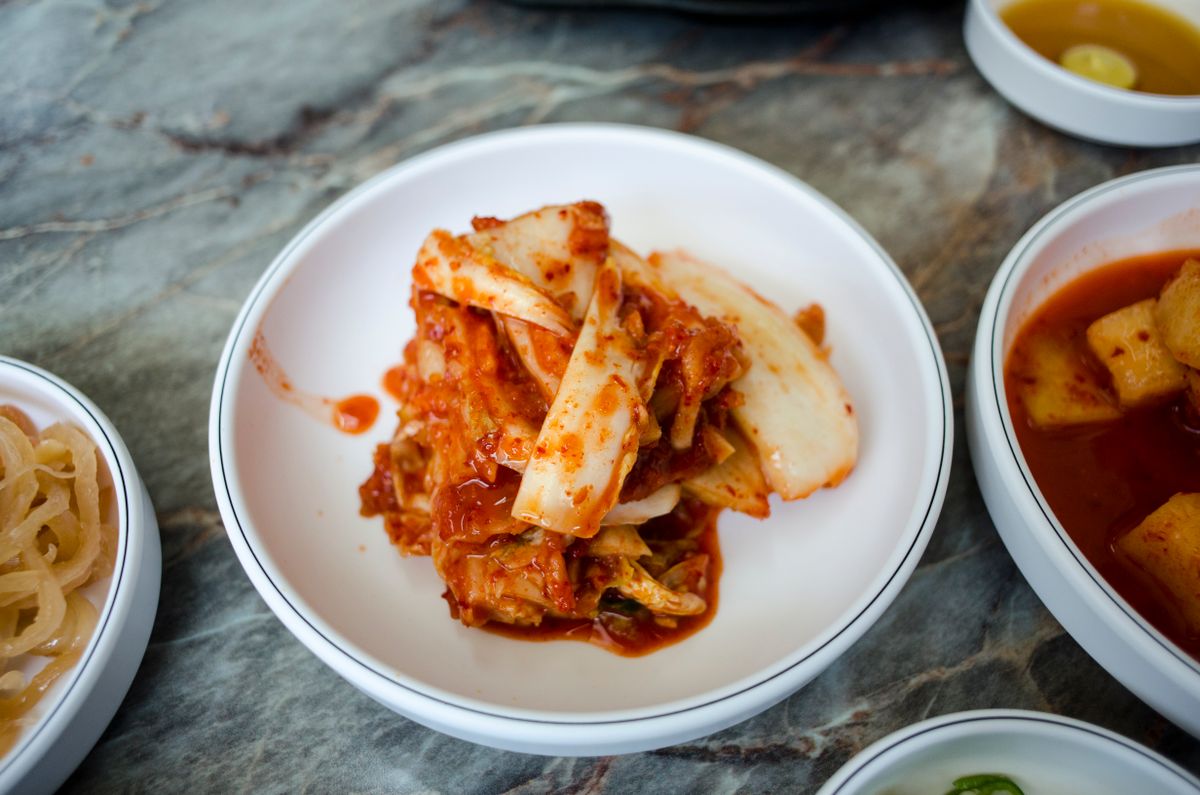
Vegan-suitable fermented foods include sauerkraut, kimchi (check for fish sauce), tempeh, miso, water kefir, kombucha and live coconut or soya yoghurt. Look for unpasteurised, refrigerated products — shelf-stable jars have usually been heat-treated. More in our guides to fermented foods in the UK and fermented food versus probiotics.
Cooking and then cooling potatoes, rice, pasta and pulses converts some starch into resistant starch, which behaves like fibre and is a strong butyrate substrate. Reheating does not undo the effect. Meanwhile, polyphenols from berries, cocoa, olives, green tea, herbs and spices act as an additional food source for beneficial species — another area where plant-based eating naturally scores well.
| Meal | Example | Plant points |
|---|---|---|
| Breakfast | Oats with soya milk, ground flaxseed, blueberries, walnuts, cinnamon | 6 |
| Lunch | Cooled quinoa and chickpea salad with rocket, tomato, cucumber, red onion, pumpkin seeds, tahini | 8 |
| Snack | Apple with almond butter; small glass of water kefir | 2 |
| Dinner | Lentil and vegetable dhal with brown rice, spinach, garlic, ginger, turmeric, coriander; side of sauerkraut | 9 |
That day lands around 35–40 g of fibre and roughly 25 plant points. For more meal ideas, see the best foods for gut health and our dedicated vegan gut health hub.
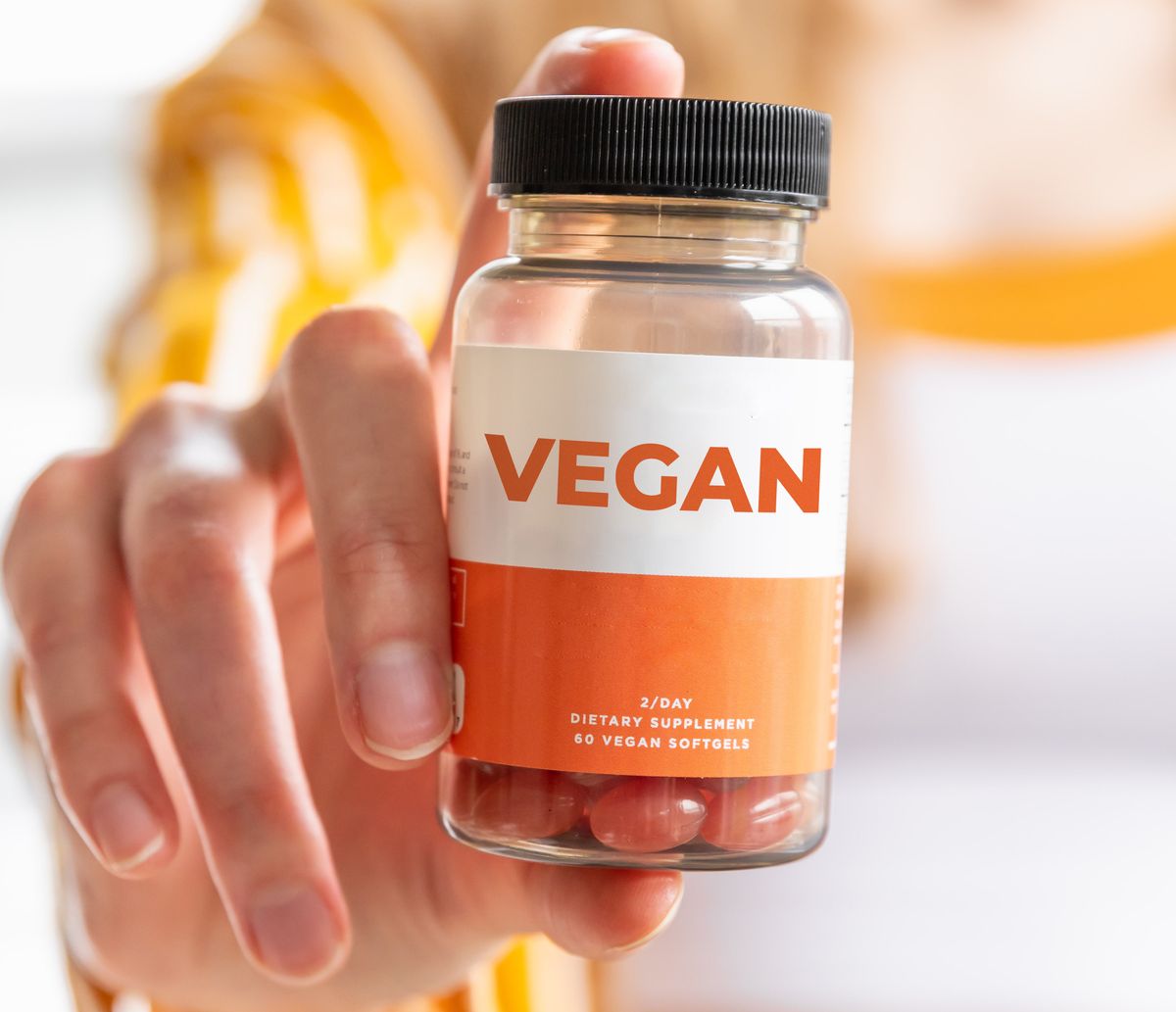
Supplements sit on top of a good diet, not in place of one. That said, several categories are reasonable to consider, and most are straightforward to source in vegan-suitable form.
Probiotic effects are strain-specific, so the strain matters more than the CFU count on the front of the box. Many capsules use gelatin or dairy-derived carriers, so check the label — our guides to vegan probiotics and dairy-free probiotics cover what to look for, and how to choose a probiotic explains strain selection. You can browse the full Welzo probiotics collection, and if you are new to them, read how long probiotics take to work and when to take them first.
If you struggle to reach 30 g of fibre from food alone, a supplemental fibre can bridge the gap. Psyllium is generally gentler than inulin for people with sensitive guts — see psyllium versus inulin — and citrus pectin powder is a soluble, well-tolerated option that mixes into water or smoothies. Our best prebiotic supplement guide compares the main types.
Akkermansia muciniphila is a mucin-associated species that has attracted considerable research interest for its relationship with the gut lining and metabolic markers. Human trial data are still developing, so treat it as an emerging option rather than an established one. Welzo stocks a pasteurised Akkermansia supplement, and our comparison of Akkermansia versus conventional probiotics explains how it differs.
Some people use berberine for metabolic support and TUDCA for bile-related and liver support. Both are physiologically active compounds with genuine interaction potential — berberine in particular affects several drug-metabolising pathways, as covered in our guide to berberine interactions. Speak to a pharmacist or your GP before starting either if you take prescription medication.
| Week | Focus | Actions |
|---|---|---|
| 1 | Baseline | Log fibre for three days; count plant points for one week; note symptoms and stool type |
| 2 | Fibre | Add ~5 g fibre per day (one extra portion of pulses or two tablespoons of seeds); increase fluid |
| 3 | Diversity and ferments | Add five new plants; introduce one fermented food daily, starting with a tablespoon |
| 4 | Consolidate | Reach 30 g fibre and 30 plants; review B12, iron, iodine, vitamin D; consider a targeted supplement if needed |
Most people notice a difference in stool consistency and regularity within two to four weeks. Changes in microbial composition can begin within days, but the more meaningful shifts are measured over months of consistent eating.
Digestive symptoms are common and usually benign, but some warrant prompt medical assessment. Contact your GP if you experience:
Do not assume symptoms are simply "the vegan diet settling in". Our guide on when to see a GP about stomach symptoms covers this in more detail, and coeliac disease should be excluded before removing gluten — see coeliac testing in the UK.
For most people, yes. Vegan diets are consistently associated with more fibre-fermenting and butyrate-producing bacteria, and the largest study to date found vegan microbial signatures correlated with more favourable cardiometabolic markers. The benefit tracks plant intake rather than the label — omnivores eating plenty of plants showed similar patterns.
Almost always because your bacteria are suddenly receiving far more fermentable fibre than before, producing more gas. Feeding-trial data show most people report it settling within two to three weeks. Increase fibre gradually, rinse tinned pulses, cook them thoroughly and keep portions modest at first.
Microbial composition starts shifting within days, but symptom adaptation typically takes two to four weeks and full stabilisation can take a few months. If symptoms are worsening rather than improving after four to six weeks, get assessed rather than persisting.
Not by default. A varied, high-fibre vegan diet with fermented foods covers most of the ground. Probiotics are more useful in specific situations — after antibiotics, during travel, or for particular IBS subtypes — and effects are strain-specific. Check labels carefully, as many products use non-vegan carriers.
Pulses, oats, barley, rye, nuts, seeds, berries, leafy greens, alliums, cooled cooked potatoes and rice, and unpasteurised fermented foods such as sauerkraut, kimchi, tempeh and miso. Variety matters as much as any single food.
No — a vegan diet does not cause IBS, but it can unmask or aggravate existing sensitivity because many staple plant foods are high in FODMAPs. A short, supervised low-FODMAP elimination followed by structured reintroduction is the usual approach.
The UK recommendation is 30 g a day for adults, the same as for everyone else. Many vegans naturally exceed this. Going far beyond 40–50 g without a gradual build-up often causes discomfort rather than added benefit.
Yes. Vitamin B12 is not reliably found in plant foods, and the NHS advises that vegans may need a supplement alongside fortified foods. Deficiency can take years to appear because the body stores B12, which is exactly why it is easy to miss.
Not inherently, but many are ultra-processed and low in fibre, and some contain emulsifiers and sweeteners under active research for their effects on the gut lining and microbiome. They work best as an occasional convenience rather than a dietary foundation.
For most people, no. Whole and minimally processed soya foods — tofu, tempeh, edamame, unsweetened soya milk — are well tolerated and provide protein plus fermentable fibre. Fermented forms such as tempeh and miso are often the easiest to digest.
Dr Zeeshan Afzal (MBBS) is a practising doctor and the Medical Content Lead at Welzo, where he writes and reviews clinical content across digestive health, nutrition and preventive medicine. He reviews all Welzo gut health articles against current UK guidance and peer-reviewed evidence.
Medical disclaimer: This article is for general information only and does not constitute medical advice, diagnosis or treatment. It is not a substitute for a consultation with a qualified healthcare professional. Always speak to your GP, pharmacist or a registered dietitian before starting a new supplement, particularly if you are pregnant or breastfeeding, taking prescription medication, or living with a diagnosed digestive condition. If you have red-flag symptoms such as rectal bleeding, unexplained weight loss or a persistent change in bowel habit, seek medical assessment promptly.
Image credits: free-licence photography via Pexels (Pexels Licence — free for commercial use, no attribution required).
 Valutazione eccellente da 28,951+ recensioni
 Garanzia di rimborso al 100%
La nostra garanzia di rimborso ti assicura di ricevere i tuoi articoli o di ottenere un rimborso completo.