

 Instagram



Do Probiotics Actually Work? What the Trials Show


Related products


Medically reviewed and written by Dr Zeeshan Afzal, MBBS — Medical Content Lead, Welzo. Last reviewed: August 2026. This article is for general information and is not a substitute for personalised medical advice.
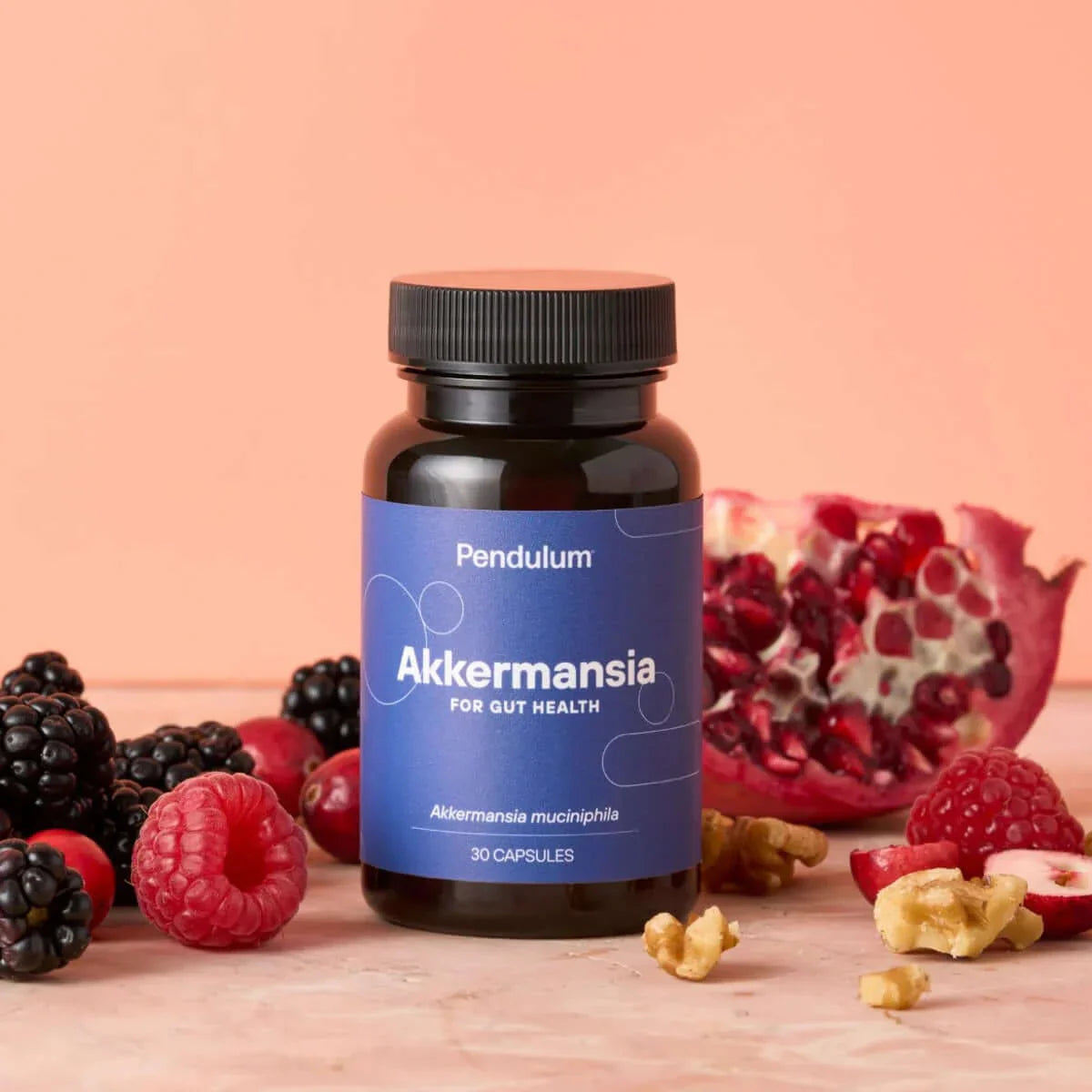
Ask ten people whether probiotics work and you will get ten different answers. Ask the clinical trial literature the same question and you get something more useful, if less satisfying: probiotics work for some specific things, in some specific people, at some specific doses — and do very little for everything else. The evidence is not uniformly weak, and it is not uniformly strong. It is uneven, and knowing where it is strong is the difference between spending money well and spending it badly. This guide walks through what the randomised controlled trials, Cochrane reviews and national guidelines actually found, condition by condition. If you are new to the subject, our overview of gut health in the UK sets the scene, and you can browse the full Welzo gut health range or the dedicated Welzo probiotics collection if you already know what you are looking for. For people whose interest is in newer, more targeted microbiome ingredients rather than traditional strains, we also stock Akkermansia muciniphila, modified citrus pectin powder, Welzo Ultra Purity Berberine and Welzo Ultra Purity TUDCA. Before you buy anything, though, it is worth understanding what the trials do and do not support.
Table of Contents
- What "do probiotics work" actually means
- How probiotics are supposed to work
- What the trials show, condition by condition
- Evidence summary: where probiotics earn their place
- Why trials disagree with each other
- What UK and international guidelines recommend
- How to run a fair 12-week trial on yourself
- Safety, side effects and who should avoid probiotics
- When probiotics are the wrong answer
- What works better than a capsule for most people
- The bottom line
- Frequently asked questions
- References
What "do probiotics work" actually means
The question sounds simple. It is not, and that is the single biggest reason people come away confused.
A probiotic is a definition, not a product category
The internationally accepted definition, reaffirmed by an expert panel from the International Scientific Association for Probiotics and Prebiotics (ISAPP) in 2014, is that probiotics are live microorganisms which, when administered in adequate amounts, confer a health benefit on the host. Three words in that sentence carry all the weight: live, adequate amounts, and benefit. A product that fails any one of them is not really a probiotic, whatever the label says.
That definition also makes clear that "probiotic" describes a function, not a family of bacteria. Lactobacillus rhamnosus GG and Saccharomyces boulardii are as different from one another as an antihistamine is from an antibiotic. Asking whether probiotics work is closer to asking whether "tablets" work.
Why the same question gets opposite answers
Two reviews can examine the same field and reach different conclusions because they asked different questions. A review that pools every strain, dose and condition together will usually find a small, statistically fragile average effect. A review that asks "does this specific strain, at this dose, prevent this specific outcome?" will sometimes find a clear answer — and that answer may be an emphatic yes or an emphatic no.
The American Gastroenterological Association took the second approach in its 2020 guideline, deliberately analysing individual strains and combinations rather than lumping them together, and drew on evidence from hundreds of randomised controlled trials. That is why its conclusions are simultaneously more positive than the headlines suggest in a few areas, and considerably more negative in most.

The human digestive tract. Most probiotic activity occurs in the small and large intestine, after the bacteria have survived stomach acid and bile. Image: Mariana Ruiz (LadyofHats), public domain, via Wikimedia Commons.
How probiotics are supposed to work
Understanding the proposed mechanisms explains why probiotics help in some situations and not others.
The four main mechanisms
1. Competitive exclusion
Introduced bacteria compete with pathogens for nutrients and attachment sites on the gut lining. This is the most plausible mechanism for the conditions where probiotics have the best trial evidence — situations involving an acute microbial disturbance, such as antibiotic use. Our article on gut dysbiosis explains this imbalance in more detail.
2. Production of short-chain fatty acids and other metabolites
Some strains ferment carbohydrates into short-chain fatty acids such as butyrate, which are the preferred fuel for colon cells and help regulate inflammation. This is also why prebiotics rather than probiotics are often the more efficient lever.
3. Support of the intestinal barrier
Certain strains upregulate tight-junction proteins in laboratory models, which relates to the wider debate covered in our piece on gut barrier function and whether "leaky gut" is a real diagnosis.
4. Immune signalling
Roughly 70% of immune tissue sits around the gut, and probiotic bacteria interact with it directly. This is discussed further in our guide to gut health and the immune system.
The colonisation myth
Here is the finding most probiotic marketing quietly ignores: swallowed probiotic bacteria mostly do not take up permanent residence. Detailed work published in Cell in 2018, using endoscopic sampling of the gut lining rather than stool samples, found person-specific colonisation resistance — some people's guts were permissive to the supplemented strains, others' actively resisted them, and stool testing was a poor proxy for what was happening at the mucosa.
The practical implication is important. Probiotics behave more like a drug that must be taken continuously than a garden you plant once. When you stop, the effect generally stops. This is covered in more depth in our articles on whether probiotics survive stomach acid and whether you should take probiotics every day.

Lactobacillus acidophilus under the microscope. Image: Bob Blaylock, CC BY-SA 3.0, via Wikimedia Commons.
What the trials show, condition by condition
This is the section that answers the question properly. The evidence is presented strongest-first.
Preventing necrotising enterocolitis in very preterm infants
This is arguably the strongest evidence base in the whole field, and it concerns a hospital population rather than healthy adults. A 2023 Cochrane review pooled data from 57 trials involving 10,918 very preterm or very low birth weight infants and concluded that probiotics may reduce the risk of necrotising enterocolitis and probably reduce the risk of death compared with placebo or no treatment.
The review authors were careful, though: many included trials were small and had design flaws, the overall certainty of evidence was graded low, and funnel plot analysis showed asymmetry consistent with publication bias favouring probiotics. This is neonatal intensive care, not something to replicate at home — but it demonstrates that in the right population, with the right strains, probiotics can move hard clinical endpoints.
Preventing antibiotic-associated diarrhoea in children
A 2019 Cochrane review of paediatric antibiotic-associated diarrhoea found a clear effect. Diarrhoea occurred in 8% of children given probiotics compared with 19% of controls, which works out at roughly one case prevented for every nine children treated. Adverse event rates were low and no serious adverse events were attributed to probiotics in otherwise healthy children.
This is the clearest "yes" in the general population. If you or your child are taking a course of antibiotics, see our detailed guide to probiotics after antibiotics and our overview of children's probiotics in the UK.
Preventing antibiotic-associated diarrhoea in older adults — where it falls apart
The same intervention, tested in a different population, produced nothing. The PLACIDE trial, published in The Lancet in 2013, was a large UK multicentre randomised controlled trial in 2,941 hospital inpatients aged 65 and over. A high-dose lactobacilli and bifidobacteria preparation given for 21 days produced no reduction in antibiotic-associated diarrhoea (10.8% with probiotic versus 10.4% with placebo) and no reduction in Clostridioides difficile diarrhoea (0.8% versus 1.2%).
PLACIDE is the single most instructive trial in this field. It shows that a positive meta-analysis in one age group does not transfer to another, and it is why guidance for gut health in older adults differs from advice for younger people.
Preventing Clostridioides difficile infection
The AGA's 2020 guideline does recommend specific probiotic preparations for adults and children on antibiotic treatment for the prevention of C. difficile infection — including Saccharomyces boulardii, and named two-, three- and four-strain combinations of Lactobacillus and Bifidobacterium species. This is a conditional recommendation and the panel emphasised that the choice of preparation matters. Read more in our article on probiotics and C. diff and our guide to Saccharomyces boulardii in the UK.
Irritable bowel syndrome
IBS is where guidelines openly disagree, which tells you something about the underlying data.
The British Society of Gastroenterology's 2021 IBS guideline concluded that probiotics as a group may be an effective treatment for global symptoms and abdominal pain in IBS, but that it is not possible to recommend a specific species or strain. Its practical advice is to try them for up to 12 weeks and discontinue if there is no improvement. Crucially, the BSG graded this as a weak recommendation based on very low quality evidence.
The AGA reached a more conservative position, concluding there was insufficient evidence to recommend probiotics for IBS outside the context of a clinical trial. Both panels looked at broadly the same literature. The difference lies in how much weight each gave to a large number of small, heterogeneous, often industry-funded trials.
If IBS is your reason for reading this, our articles on IBS types, the best supplements for IBS in the UK, peppermint oil capsules for IBS and the low FODMAP diet cover the alternatives, some of which have better evidence than probiotics do.
Acute infectious diarrhoea and gastroenteritis — a clear negative
This is the field's most striking reversal. An earlier Cochrane review had suggested probiotics shortened acute infectious diarrhoea. The 2020 update, which added new trials including two large well-conducted ones, applied GRADE assessment and identified substantive publication bias, concluded that probiotics probably make little or no difference to the number of people whose diarrhoea lasts 48 hours or longer, and that the effect on duration is uncertain. No differences were found in the number of people with diarrhoea lasting 14 days or more.
That conclusion is backed by trial-level data. A 2018 New England Journal of Medicine trial randomised 971 children aged 3 months to 4 years presenting to US emergency departments with gastroenteritis to either Lactobacillus rhamnosus GG at 1×10¹⁰ CFU twice daily for five days, or placebo. Those receiving the probiotic did not have better outcomes.
If you are recovering from a stomach bug, our stomach bug recovery guide covers what actually helps. For travel, see probiotics for traveller's diarrhoea, where the evidence differs again.

Bifidobacterium animalis, commonly added to fermented dairy drinks. Image: Bob Blaylock, CC BY-SA 3.0, via Wikimedia Commons.
Pouchitis
For adults and children with pouchitis following surgery for ulcerative colitis, the AGA guideline recommends a specific eight-strain combination of named Lactobacillus, Bifidobacterium and Streptococcus thermophilus strains. This is one of the few areas where a defined multi-strain formulation carries a positive guideline recommendation. Related reading: our ulcerative colitis diet guide.
Mood, anxiety and the gut–brain axis
This is the fastest-growing area of marketing and one of the weakest areas of evidence. Reviews of probiotics for mental health consistently note that while individual trials are promising, weak study designs and low statistical power leave the results inconclusive. It is a plausible mechanism with an immature evidence base. Our articles on the gut–brain connection, probiotics for anxiety and the vagus nerve and the gut discuss what is and is not established.
Bloating and constipation
Evidence here is mixed and strain-dependent, and for constipation specifically there are interventions with better evidence — fibre and, where appropriate, magnesium. See our guides to supplements for bloating, constipation relief and foods that cause bloating.
Evidence summary: where probiotics earn their place
| Use case | Strength of trial evidence | What the data show |
|---|---|---|
| Preventing necrotising enterocolitis in very preterm infants | Moderate (low GRADE certainty, large volume) | 57 trials, 10,918 infants; may reduce NEC and probably reduces death. Hospital setting only. |
| Preventing antibiotic-associated diarrhoea in children | Moderate | 8% vs 19% incidence; roughly 1 case prevented per 9 children treated. |
| Preventing C. difficile infection during antibiotics | Moderate, strain-specific | Conditional AGA recommendation for named strains and combinations only. |
| Pouchitis | Moderate, formulation-specific | Positive AGA recommendation for one defined eight-strain combination. |
| Irritable bowel syndrome | Weak and contested | BSG: may help, try 12 weeks, no strain recommendation, very low quality evidence. AGA: trial settings only. |
| Antibiotic-associated diarrhoea in older inpatients | Negative | PLACIDE: no benefit in 2,941 patients aged 65+. |
| Treating acute infectious diarrhoea | Negative | Cochrane 2020: probably little or no difference. Large NEJM trial of LGG in children: no benefit. |
| Mood, anxiety, skin, weight, immunity in healthy adults | Insufficient | Plausible mechanisms, inconclusive trials, no guideline support. |
Why trials disagree with each other
Strain specificity is not a marketing detail
Effects are strain-specific. Lactobacillus rhamnosus GG is a different intervention from Lactobacillus rhamnosus HN001, even though both share a species name. A product that lists only genus and species is not telling you enough to match it to any trial. See Lactobacillus rhamnosus GG, Bifidobacterium longum and Lactobacillus plantarum for strain-level detail, and our guide to single versus multi-strain probiotics.
Dose, viability and delivery
A capsule that lists 50 billion CFU at time of manufacture may deliver far fewer live organisms by the time you swallow it, and fewer still past the stomach. Our articles on CFU versus AFU, whether probiotics need refrigeration and shelf-stable probiotics explain what to check on a label.
Publication bias
Both the 2020 Cochrane review of acute infectious diarrhoea and the 2023 Cochrane review of preterm infants explicitly flagged evidence of publication bias favouring probiotics. Trials that find nothing are less likely to be published, which inflates pooled estimates across the whole field. This is why an updated review can reverse a previous positive conclusion without any new mechanism being disproved.
Responders and non-responders
The Cell 2018 endoscopic work suggests part of the inconsistency is biological rather than methodological: individuals differ in whether their gut mucosa permits colonisation at all. That research also raised a genuine caution — in that study, probiotic supplementation after antibiotics delayed the return of the person's own native microbiome, whereas reintroducing the person's own pre-antibiotic microbiota restored it rapidly.
This does not overturn the paediatric antibiotic-associated diarrhoea data, which measures a symptom rather than microbiome composition. But it is a reminder that "restoring your gut flora" is a marketing claim, not a demonstrated outcome. Our articles on microbiome diversity and gut microbiome testing in the UK explore what can and cannot currently be measured.
What UK and international guidelines recommend
| Body | Position |
|---|---|
| NHS | States there is some evidence probiotics may be helpful in some cases, such as easing some IBS symptoms, but that evidence for many other claims is limited. Advises anyone with an existing health condition or weakened immune system to speak to a doctor first. |
| British Society of Gastroenterology (2021) | Probiotics may help global IBS symptoms and abdominal pain; no specific strain recommended; trial for up to 12 weeks and stop if no benefit. Weak recommendation, very low quality evidence. |
| American Gastroenterological Association (2020) | Recommends named preparations for C. difficile prevention during antibiotics, pouchitis, and preterm infants. Recommends against routine use for most other GI conditions outside clinical trials. |
| Guts UK (charity) | Provides balanced patient information emphasising that effects are strain-specific and that dietary diversity matters. |
How to run a fair 12-week trial on yourself
Because response is individual, the most rational approach for a symptom-based problem like IBS is a structured personal trial. The BSG's 12-week framing is a good template.
Step 1: Define one measurable outcome before you start
Choose a single primary outcome — for example, number of days per week with abdominal pain, or stool consistency scored against the Bristol Stool Chart. Record two weeks of baseline data before taking anything.
Step 2: Choose one product and change nothing else
Pick a product that names its strains, states CFU at end of shelf life, and ideally matches a strain used in published trials. Our guides on how to choose a probiotic and the best probiotics in the UK walk through this, and reviews such as Symprove and Optibac versus Bio-Kult compare popular options. Do not simultaneously start a new diet — you will not know what caused any change.
Step 3: Take it consistently and give it long enough
The NHS suggests taking probiotics daily for at least four weeks before judging them. Twelve weeks is the BSG's upper limit for an IBS trial. See when to take probiotics and how long probiotics take to work.
Step 4: Have a stopping rule
Decide in advance what counts as success. If your primary outcome has not meaningfully improved by 12 weeks, stop. Continuing indefinitely with no measured benefit is the most common and most expensive mistake in this category.
Safety, side effects and who should avoid probiotics
In generally healthy people, probiotics are well tolerated. Cochrane reviews across several conditions have consistently reported low adverse event rates with no serious events attributable to probiotics in otherwise healthy participants. Transient bloating, wind or changes in stool pattern in the first week or two are common — see probiotic side effects and whether you can take too many probiotics.
The picture is different in vulnerable groups. Serious infections including bacteraemia and fungaemia have been reported in observational studies involving severely debilitated or immunocompromised patients, particularly those with central venous catheters or conditions associated with bacterial translocation. Speak to your GP or specialist before taking probiotics if you:
- are significantly immunocompromised, including during chemotherapy or after transplantation
- have a central venous catheter or other indwelling line
- have short bowel syndrome, severe acute pancreatitis, or a critically ill condition
- have a prosthetic heart valve or structural heart disease
- are pregnant or breastfeeding — see probiotics in pregnancy
- are giving them to a newborn or very young infant — see baby probiotics
Our full guide to probiotic safety covers this in detail.
When probiotics are the wrong answer
Probiotics are a supplement, not a diagnostic tool, and self-treating can delay a diagnosis that matters. Contact your GP promptly, rather than trying a supplement, if you have any of the following:
- bleeding from the back passage or blood in your stool
- unexplained weight loss
- a persistent change in bowel habit lasting more than three weeks, particularly if you are over 50
- a lump or swelling in your abdomen
- difficulty or pain on swallowing, or persistent vomiting
- unexplained iron deficiency anaemia
- a family history of bowel cancer, coeliac disease or inflammatory bowel disease alongside new symptoms
Our guides on when to see a GP about stomach symptoms, bowel cancer screening, coeliac testing and faecal calprotectin testing explain what investigations may be appropriate.

Lactobacillus bulgaricus, a traditional yoghurt culture. Image: Bob Blaylock, CC BY-SA 3.0, via Wikimedia Commons.
What works better than a capsule for most people
For a healthy adult with no specific diagnosis, the interventions with the most consistent evidence for microbiome health are dietary rather than supplemental.
Plant diversity
Increasing the number of different plant foods you eat each week is associated with greater microbial diversity. See 30 plants a week and the best foods for gut health.
Fibre
Most UK adults fall well short of the recommended 30g of fibre a day. See how to increase fibre and high fibre foods.
Fermented foods
Fermented foods are not identical to probiotics — most contain uncharacterised microbes and are not tested for defined health benefits — but they are a reasonable, low-cost addition. See fermented foods and kefir versus probiotic supplements.
Prebiotics
Feeding the bacteria you already have is often more efficient than adding new ones. See the best prebiotic supplements and prebiotic foods.
The bottom line
Do probiotics work? Yes — narrowly, and conditionally.
They have a defensible, guideline-backed role in preventing antibiotic-associated diarrhoea in children, in reducing C. difficile risk during antibiotic courses using named preparations, in pouchitis, and in neonatal intensive care. They have a weak, contested, but not unreasonable role as a 12-week trial in IBS. They have essentially no demonstrated role in treating acute gastroenteritis, and no established role in improving mood, skin, immunity or weight in healthy adults.
The honest summary is that probiotics are a legitimate but modest tool with a marketing budget vastly larger than its evidence base. Buy them for the indications that hold up, judge them against a pre-set outcome over a fixed period, and stop if they do not deliver.
Frequently asked questions
Do probiotics work, according to actual clinical trials?
They work for specific indications and not for others. Trial evidence supports probiotics for preventing antibiotic-associated diarrhoea in children, reducing C. difficile risk during antibiotics with named strains, pouchitis, and reducing necrotising enterocolitis in very preterm infants. Evidence for IBS is weak and contested, and evidence for treating acute infectious diarrhoea is negative.
How long do probiotics take to work?
For antibiotic-associated diarrhoea, benefit is measured over the antibiotic course itself. For symptom-based conditions such as IBS, the NHS advises taking them daily for at least four weeks before judging, and the British Society of Gastroenterology suggests trialling for up to 12 weeks and stopping if there is no improvement.
Do probiotics permanently change your gut microbiome?
Generally no. Research using endoscopic sampling found that colonisation is person-specific, with some people's guts resistant to supplemented strains. Effects typically fade once you stop taking the product, which is why probiotics behave more like an ongoing treatment than a one-off reset.
Are probiotics worth taking if I have no symptoms?
There is no strong trial evidence that probiotics improve outcomes in healthy adults with no specific condition. For general gut health, increasing plant diversity, fibre intake and fermented food consumption has better supporting evidence than a supplement.
Should I take probiotics with antibiotics or after?
Trials in children have generally given probiotics alongside the antibiotic course rather than afterwards, and that is where the benefit was seen. Taking them a couple of hours apart from the antibiotic dose is a common practical approach. Note that one study found post-antibiotic probiotic supplementation delayed recovery of the native microbiome, so this remains an area of active debate.
Which probiotic strain is best?
There is no single best strain, because effects are strain-specific to the condition. The British Society of Gastroenterology explicitly declined to recommend a species or strain for IBS. The AGA named specific strains and combinations for C. difficile prevention and pouchitis. Match the strain to the indication rather than choosing by CFU count.
Do more CFUs mean a better probiotic?
Not reliably. Dose matters, but only within the range tested for that strain and indication, and a high CFU count at manufacture does not guarantee live organisms at the point of consumption. Look for CFU guaranteed at end of shelf life rather than at time of manufacture.
Can probiotics make symptoms worse?
Some people experience transient bloating, wind or looser stools in the first one to two weeks. If symptoms worsen persistently, stop and reassess. Certain conditions, including small intestinal bacterial overgrowth, may not respond well to some probiotic formulations.
Are probiotics safe for everyone?
They are well tolerated in most healthy people, but serious infections have been reported in severely immunocompromised or critically ill patients, particularly those with central lines. The NHS advises anyone with an existing health condition or weakened immune system to speak to a doctor before taking probiotic supplements.
Is yoghurt as good as a probiotic supplement?
Live yoghurt contains beneficial bacteria and is a worthwhile part of the diet, but it usually does not contain the specific strains at the specific doses used in clinical trials. For a defined clinical indication, a product matching a trialled strain and dose is more appropriate. For general gut health, dietary fermented foods are a sensible low-cost option.
References
- Hill C, Guarner F, Reid G, et al. Expert consensus document: The International Scientific Association for Probiotics and Prebiotics consensus statement on the scope and appropriate use of the term probiotic. Nature Reviews Gastroenterology & Hepatology. 2014;11(8):506–514. https://www.nature.com/articles/nrgastro.2014.66
- NHS. Probiotics. https://www.nhs.uk/tests-and-treatments/probiotics/
- Su GL, Ko CW, Bercik P, et al. AGA Clinical Practice Guidelines on the Role of Probiotics in the Management of Gastrointestinal Disorders. Gastroenterology. 2020;159(2):697–705. https://www.gastrojournal.org/article/S0016-5085(20)34729-6/fulltext
- Vasant DH, Paine PA, Black CJ, et al. British Society of Gastroenterology guidelines on the management of irritable bowel syndrome. Gut. 2021;70(7):1214–1240. https://pubmed.ncbi.nlm.nih.gov/33903147/
- Guo Q, Goldenberg JZ, Humphrey C, El Dib R, Johnston BC. Probiotics for the prevention of pediatric antibiotic-associated diarrhea. Cochrane Database of Systematic Reviews. 2019;4:CD004827. https://www.cochranelibrary.com/cdsr/doi/10.1002/14651858.CD004827.pub5/full
- Allen SJ, Wareham K, Wang D, et al. Lactobacilli and bifidobacteria in the prevention of antibiotic-associated diarrhoea and Clostridium difficile diarrhoea in older inpatients (PLACIDE): a randomised, double-blind, placebo-controlled, multicentre trial. The Lancet. 2013;382(9900):1249–1257. https://www.thelancet.com/article/S0140-6736(13)61218-0/fulltext
- Collinson S, Deans A, Padua-Zamora A, et al. Probiotics for treating acute infectious diarrhoea. Cochrane Database of Systematic Reviews. 2020;12:CD003048. https://www.cochranelibrary.com/cdsr/doi/10.1002/14651858.CD003048.pub4/full
- Schnadower D, Tarr PI, Casper TC, et al. Lactobacillus rhamnosus GG versus Placebo for Acute Gastroenteritis in Children. New England Journal of Medicine. 2018;379(21):2002–2014. https://www.nejm.org/doi/full/10.1056/NEJMoa1802598
- Sharif S, Meader N, Oddie SJ, Rojas-Reyes MX, McGuire W. Probiotics to prevent necrotising enterocolitis in very preterm or very low birth weight infants. Cochrane Database of Systematic Reviews. 2023;7:CD005496. https://www.cochranelibrary.com/cdsr/doi/10.1002/14651858.CD005496.pub6/full
- Suez J, Zmora N, Zilberman-Schapira G, et al. Post-Antibiotic Gut Mucosal Microbiome Reconstitution Is Impaired by Probiotics and Improved by Autologous FMT. Cell. 2018;174(6):1406–1423. https://www.cell.com/cell/fulltext/S0092-8674(18)31108-5
- National Center for Complementary and Integrative Health (NIH). Probiotics: Usefulness and Safety. https://www.nccih.nih.gov/health/probiotics-usefulness-and-safety
- Guts UK. Prebiotics & Probiotics. https://gutscharity.org.uk/advice-and-information/health-and-lifestyle/prebiotics-probiotics/
- Cochrane. Probiotics for the prevention of antibiotic-associated diarrhoea in children (plain language summary). https://www.cochrane.org/evidence/CD004827_probiotics-prevention-antibiotic-associated-diarrhea-children
- Cochrane. Probiotics for prevention of necrotising enterocolitis in very preterm or very low birth weight infants (plain language summary). https://www.cochrane.org/evidence/CD005496_probiotics-prevention-necrotising-enterocolitis-very-preterm-or-very-low-birth-weight-infants
About the author
Dr Zeeshan Afzal, MBBS is a practising doctor and Medical Content Lead at Welzo. He reviews Welzo's digestive health content for clinical accuracy and alignment with current UK guidance from the NHS, NICE and the British Society of Gastroenterology.
Medical disclaimer: This article is intended for general information only and does not constitute medical advice, diagnosis or treatment. Food supplements are not medicines and should not replace a varied, balanced diet or prescribed treatment. Always consult your GP, pharmacist or another qualified healthcare professional before starting a new supplement, particularly if you are pregnant, breastfeeding, immunocompromised, taking prescription medication or living with a diagnosed medical condition. If you have red-flag symptoms such as rectal bleeding, unexplained weight loss or a persistent change in bowel habit, contact your GP without delay. In an emergency, call 999 or attend your nearest A&E.



 Beoordeeld uitstekend door 28,951+ beoordelingen
 100% geld -terug -garantie