

 Instagram


Is Leaky Gut Real? Separating Evidence From Hype


Related products


Written by Dr Zeeshan Afzal, MBBS — Medical Content Lead, Welzo
Last reviewed: August 2026 | Reading time: approximately 13 minutes | Evidence-based, referenced, and updated in line with current gastroenterology literature
"Leaky gut" is one of the most searched and most argued-about phrases in gut health. One side of the internet insists it is the hidden root cause of almost every modern illness. The other insists it is pure invention. Both are wrong, and the honest answer sits in between — which is exactly why so many people finish reading an article on this topic more confused than when they started. So, is leaky gut real? Increased intestinal permeability is a genuine, measurable, well-documented phenomenon studied for decades in mainstream gastroenterology. "Leaky gut syndrome" — the idea that this single mechanism independently causes dozens of unrelated diseases and can be diagnosed by a home test kit — is not an accepted medical diagnosis and is not supported by high-quality human evidence. Below, I separate the two carefully. Along the way you'll find links to our deeper guides on gut barrier function, gut health in the UK, and the supplements most often marketed for leaky gut, plus our clinically formulated ranges including probiotics, Akkermansia muciniphila, modified citrus pectin powder, Ultra Purity Berberine and Ultra Purity TUDCA.
Key takeaways
- The biology is real. Intestinal permeability is a measurable property of the gut lining, regulated by tight junction proteins, and it changes in response to infection, medicines, alcohol, stress and disease.
- The "syndrome" is not a diagnosis. No UK, US or European medical body recognises "leaky gut syndrome" as a standalone condition, and no guideline recommends treating it as one.
- Direction of causation is the crux. In most conditions studied, increased permeability appears alongside or downstream of disease rather than clearly causing it.
- Home "leaky gut tests" are unreliable. The most widely sold blood and stool zonulin assays have been shown not to measure what they claim to measure.
- Some interventions have real trial data — notably glutamine in post-infectious IBS, and dietary fibre for barrier-supporting short-chain fatty acid production. Most others are plausible but unproven.
- Persistent gut symptoms deserve a diagnosis, not a label. Coeliac disease, inflammatory bowel disease, infection and bowel cancer all cause "leaky gut symptoms" and all need proper investigation.
Table of contents
- The short answer: is leaky gut real?
- What intestinal permeability actually means
- Solid, contested and unsupported: an evidence map
- What genuinely increases intestinal permeability
- Conditions linked to a leakier gut barrier
- Is there a real "leaky gut symptom" list?
- Can you actually test for leaky gut?
- What the evidence says actually helps
- Claims that do not hold up
- A sensible, evidence-led 8-week approach
- When to see a doctor
- The verdict
- Frequently asked questions
- References
The short answer: is leaky gut real?
Yes and no — and the distinction matters more than any other point in this article.
Real: the gut lining varies in how permeable it is. Gastroenterologists call this intestinal permeability or intestinal hyperpermeability. It can be measured in research settings, it changes measurably after things like non-steroidal anti-inflammatory drugs or heavy alcohol intake, and it is demonstrably abnormal in coeliac disease, Crohn's disease and a subgroup of people with irritable bowel syndrome. A 2019 review in Gut, the journal of the British Society of Gastroenterology, was written specifically to give clinicians a rigorous account of the mechanisms, measurement and clinical implications of "leaky gut" in humans.1
Not established: "leaky gut syndrome" as a discrete illness that explains fatigue, brain fog, joint pain, eczema, anxiety, thyroid disease and autoimmunity all at once, and that can be diagnosed with a finger-prick test and reversed with a 30-day protocol. Cleveland Clinic states plainly that while intestinal permeability is real, it is not currently a recognised medical diagnosis and it is not established that it causes other diseases.2 The Gastrointestinal Society makes an even blunter point: the symptom list attributed to leaky gut overlaps with many serious, treatable illnesses, so a quick self-diagnosis risks leaving the real problem untreated.3
Put simply: the door is real, and it does open wider under certain conditions. What is not proven is that a wide-open door is the origin story for most chronic disease.

What intestinal permeability actually means
Your intestinal lining is a single layer of cells — roughly one cell thick — separating everything inside your gut from your bloodstream. It is not a wall. It is a highly selective gate, and its job is to let the right things through while holding the wrong things back.
The gut barrier is several layers, not one
A 2014 consensus review in BMC Gastroenterology, produced by a group of European gastroenterologists and barrier researchers, defines the barrier as a functional entity with mechanical, chemical, immunological and microbial components.4 In practical terms:
- The mucus layer — a physical gel coating produced by goblet cells, thickest in the colon, and the layer that Akkermansia muciniphila lives within and helps regulate.
- The epithelial cell layer — the enterocytes themselves, replaced roughly every three to five days.
- Tight junctions — protein complexes (claudins, occludin, ZO-1) that seal the gaps between neighbouring cells and open or close in a regulated way.
- Immune tissue — secretory IgA and the gut-associated lymphoid tissue, the largest concentration of immune cells in the body. Our guide to the gut and the immune system covers this in depth.
- The microbiome — the bacteria that ferment fibre into short-chain fatty acids, particularly butyrate, which is the preferred fuel of colonocytes.
When people say "leaky gut", they are almost always talking about only the third item on that list. That is a narrow slice of a much more interesting system, and it is one reason the popular version of the concept is misleading. If you want the full picture of how the barrier is built and maintained, read our detailed explainer on gut barrier function.

Two routes across the barrier
Substances cross the gut lining by two routes. The transcellular route goes through the cells themselves via specific transporters — this is how most nutrients are absorbed. The paracellular route goes between cells, through the tight junctions, and is tightly size-restricted.
"Leaky gut" refers to the paracellular route becoming less restrictive. Camilleri's Gut review notes that epithelial permeability can increase through three distinct mechanisms: increased paracellular transport, cell death (apoptosis), and altered transcellular permeability.1 This is a more nuanced picture than "gaps open up and toxins pour through".
Why a perfectly sealed gut would be a disaster
This is the point most wellness content misses entirely. Permeability is not a fault to be eliminated — it is a regulated feature. You need controlled permeability to absorb water and electrolytes, and you need controlled antigen sampling so the immune system can learn tolerance to food proteins and harmless bacteria. A gut sealed shut would cause malabsorption and immune dysregulation.
The goal, therefore, is never "zero permeability". It is appropriate, well-regulated permeability — which is why the marketing phrase "seal your leaky gut" is biologically incoherent.

Solid, contested and unsupported: an evidence map
Rather than argue in generalities, here is where each specific claim currently sits.
| Claim | Evidence status | Notes |
|---|---|---|
| Intestinal permeability exists and varies | Established | Measurable by dual-sugar probe testing; decades of published research |
| Permeability increases in coeliac disease and IBD | Established | Consistent finding across studies and reviews |
| NSAIDs, alcohol and acute stress increase permeability | Established | Demonstrated in controlled human studies |
| A subgroup of IBS-D patients has increased permeability | Established | Highest prevalence in post-infectious IBS-D |
| Permeability drives systemic inflammation via bacterial fragments | Plausible, incomplete | Mechanistically supported; human causal data limited |
| Leaky gut causes autoimmune disease | Contested hypothesis | Actively researched; not proven in humans |
| Leaky gut causes fatigue, brain fog, eczema, anxiety, thyroid disease | Unsupported | No validated causal evidence |
| Home zonulin tests diagnose leaky gut | Unsupported | Assay validity formally challenged in the literature |
| "Gut healing protocols" reverse chronic disease | Unsupported | No controlled trials demonstrating this |
What genuinely increases intestinal permeability
This is where the research is strongest, and where you can actually do something useful.
Medicines
Non-steroidal anti-inflammatory drugs are the single best-documented pharmacological cause of increased small intestinal permeability in humans. Regular ibuprofen, naproxen and diclofenac damage the mucosal barrier through a well-characterised mechanism, and the effect can be demonstrated within days of starting them. Our article on ibuprofen and stomach damage covers the practical implications. Long-term proton pump inhibitors alter the gastric acid barrier and downstream microbial composition — see long-term effects of omeprazole.
Alcohol
Ethanol and its metabolite acetaldehyde disrupt tight junction proteins directly. This is one of the clearer dose-dependent relationships in the barrier literature and is central to how alcohol-related liver disease develops.
Acute psychological and physiological stress
Human experimental work has shown that acute stress and corticotropin-releasing hormone increase small intestinal permeability through a mast-cell-dependent mechanism.5 This is not vague "stress is bad for you" advice — it is a specific, replicable physiological pathway, and it partly explains the gut–brain connection and the role of the vagus nerve.
Gastrointestinal infection
Enteric infections transiently increase permeability, and in a proportion of people this does not fully normalise — the basis of post-infectious IBS. If you're recovering from gastroenteritis, our guide to stomach bug recovery is a practical starting point.
Diet pattern
Low fibre intake reduces short-chain fatty acid production and thins the protective mucus layer. Some emulsifiers and non-nutritive sweeteners alter barrier and microbial function in experimental models — see ultra-processed food and the gut and sweeteners and gut health. Reduced microbiome diversity and gut dysbiosis are associated with poorer barrier function.
Environmental exposures
A 2020 review in the Journal of Allergy and Clinical Immunology examined environmental drivers of epithelial barrier dysfunction across the gut, airway and skin, including detergents, particulate pollution and dietary emulsifiers.6 This is an emerging and genuinely interesting research area — and it is worth noting that it is being pursued in mainstream immunology journals, not fringe outlets.
Intense endurance exercise and heat
Prolonged strenuous exercise, particularly in heat, redirects blood flow away from the gut and transiently increases permeability. This is the mechanism behind runner's trots and is relevant to gut health in athletes.
Conditions linked to a leakier gut barrier
| Condition | Permeability finding | Likely direction |
|---|---|---|
| Coeliac disease | Consistently increased, improves on gluten-free diet | Both — gluten triggers it; disease sustains it |
| Crohn's disease | Increased, including in some unaffected first-degree relatives | Possibly contributory; under active study |
| Ulcerative colitis | Increased in active disease | Largely consequence of inflammation |
| Post-infectious IBS-D | Highest prevalence of hyperpermeability among IBS subtypes | Plausibly contributory |
| Non-alcoholic fatty liver disease | Increased in several cohorts | Bidirectional; gut–liver axis |
| Type 2 diabetes and obesity | Associations reported, results inconsistent | Unclear |
| Critical illness, sepsis, major burns | Markedly increased | Consequence, clinically significant |
The chicken-and-egg problem
This table is the crux of the whole debate. Finding increased permeability in a disease tells you the two things travel together. It does not tell you which came first. For most conditions on that list, the more parsimonious explanation is that inflammation damages the barrier, not that a spontaneously leaky barrier caused the inflammation.
The exception that keeps the hypothesis alive is Crohn's disease, where increased permeability has been reported in some healthy first-degree relatives before disease onset. That is genuinely intriguing, and it is why Guts UK — the UK's national digestive health research charity — has funded work at King's College London specifically to understand barrier dysfunction in inflammatory bowel disease.7 UK research institutes including the Quadram Institute are also investigating whether barrier dysfunction plays a role in ME/CFS.8 Serious scientists are working on this. That is not the same as it being settled.
Related reading: Crohn's disease diet, ulcerative colitis diet, coeliac disease vs gluten intolerance and gut health and autoimmune conditions.
Is there a real "leaky gut symptom" list?
No — and this is the most clinically important section of this article.
The symptoms attributed to leaky gut online are bloating, fatigue, brain fog, food sensitivities, skin problems, joint aches and low mood. None of these is specific to intestinal permeability. There is no symptom, or combination of symptoms, that reliably indicates a leaky gut barrier, because permeability itself produces no sensation.
What those symptoms do reliably indicate is that something is worth investigating. That list is also the presenting picture of coeliac disease, inflammatory bowel disease, iron deficiency, thyroid disease, SIBO, lactose intolerance, bile acid malabsorption and, in some cases, bowel cancer.
Self-labelling as "leaky gut" and buying a supplement protocol is precisely the pathway that delays those diagnoses. If bloating is your dominant symptom, start with foods that cause bloating and evidence-based bloating supplements — but get the serious causes excluded first.
Symptoms that always warrant medical assessment
- Unintentional weight loss
- Blood in the stool or black, tarry stools
- A persistent change in bowel habit lasting more than three weeks
- Iron deficiency anaemia without an obvious cause
- Difficulty or pain on swallowing
- Persistent vomiting, or an abdominal or rectal mass
- A first onset of significant bowel symptoms over the age of 50
- Night-time symptoms that wake you from sleep
See our guide on when to see a GP about stomach symptoms and, for anyone in the eligible age range, NHS bowel cancer screening.
Can you actually test for leaky gut?
In a research laboratory, yes. Commercially, at home, in a way that gives you clinically actionable information — no.
Dual and multi-sugar probe tests: the research standard
The reference method involves drinking a solution of sugars that cross the gut by different routes — typically lactulose and mannitol, sometimes with sucralose and rhamnose added to distinguish small intestinal from colonic permeability — then measuring their recovery in urine. A validated protocol for this was published in Gastroenterology in 2021.9
The important caveats: results vary substantially between individuals and between laboratories, there is no agreed cut-off defining "abnormal" for a general population, and a result does not change management for most people. It is a research tool.
Zonulin tests: the problem
Zonulin is the protein most often marketed as the leaky gut biomarker in blood and stool test kits. There is a substantial problem with this. A 2018 study in Frontiers in Endocrinology — with Alessio Fasano, who discovered zonulin, among its authors — investigated a widely used commercial zonulin ELISA and found it did not detect pre-haptoglobin 2, the protein it was supposed to be measuring. Instead it appeared to be detecting structurally related proteins, most likely properdin.10
In other words: the leading commercial zonulin assay was not reliably measuring zonulin. That finding has not been adequately addressed by most companies still selling these tests. Our full breakdown is in is the zonulin test worth it?
Tests that genuinely help
| Test | What it tells you | Worth doing? |
|---|---|---|
| Coeliac serology (tTG-IgA with total IgA) | Screens for coeliac disease — must be done while still eating gluten | Yes, if you have persistent symptoms. More on coeliac testing |
| Faecal calprotectin | Distinguishes inflammatory bowel disease from IBS | Yes, where IBD is a possibility. Calprotectin explained |
| Full blood count, ferritin, CRP, B12, folate | Detects anaemia, deficiency and inflammation | Yes — see our gut health blood test guide |
| Faecal immunochemical test (FIT) | Detects hidden blood in stool | Yes, where red flags are present |
| Hydrogen/methane breath test | Assesses small intestinal bacterial overgrowth | Sometimes. SIBO testing |
| Microbiome sequencing | Describes bacterial composition; not diagnostic | Interesting, not clinical. Microbiome tests reviewed |
| Serum/faecal zonulin | Assay validity formally challenged | No |
| IgG "food intolerance" panels | IgG indicates exposure, not intolerance | No. Why these tests mislead |

What the evidence says actually helps
Here is the honest hierarchy, strongest evidence first.
1. Remove the driver — the highest-yield step
If you are taking daily NSAIDs, drinking heavily, or under sustained acute stress, addressing that will do more for your barrier than any supplement. This is unglamorous and it is also the best-supported intervention on this page.
2. Fibre and plant diversity
Fermentable fibre feeds bacteria that produce butyrate, the primary fuel for colonocytes and a regulator of tight junction expression. UK adults average well under the recommended 30 g of fibre per day. Increasing it is one of the few dietary interventions with broad, consistent benefit across gut, cardiovascular and metabolic outcomes.
Practical guides: how to increase fibre without bloating, the 30 plants a week target, high fibre foods, prebiotic foods and resistant starch. If you want to supplement the end product directly, see butyrate supplements.
3. Glutamine — the strongest single-supplement evidence
This is the one intervention with a genuinely well-designed randomised controlled trial behind it. Published in Gut in 2019, the trial recruited adults with post-infectious diarrhoea-predominant IBS and confirmed increased intestinal permeability, and randomised them to 5 g of glutamine three times daily or placebo for eight weeks.11 The primary endpoint — a 50-point reduction in IBS symptom severity — was reached by 79.6% of the glutamine group versus 5.8% of the placebo group, alongside significant improvements in stool frequency, stool form and measured intestinal permeability.12
Two important caveats. First, this was a single-centre trial in a very specific population — post-infectious IBS-D with documented hyperpermeability — and results in that group should not be extrapolated to everyone with bloating. Second, glutamine is not appropriate for people with liver cirrhosis or significant renal impairment. Compare the options in glutamine vs collagen for gut health.
4. Probiotics and live cultures
Certain strains have been shown to influence barrier markers and tight junction proteins in experimental and clinical settings, though effects are strain-specific and the human permeability data are less consistent than the marketing suggests. Saccharomyces boulardii and Lactobacillus rhamnosus GG have the most substantial evidence bases overall, largely for diarrhoea-related indications.
Explore the Welzo probiotics range, and read do probiotics actually work?, how to choose a probiotic, the best probiotics in the UK and Saccharomyces boulardii.
5. Akkermansia muciniphila
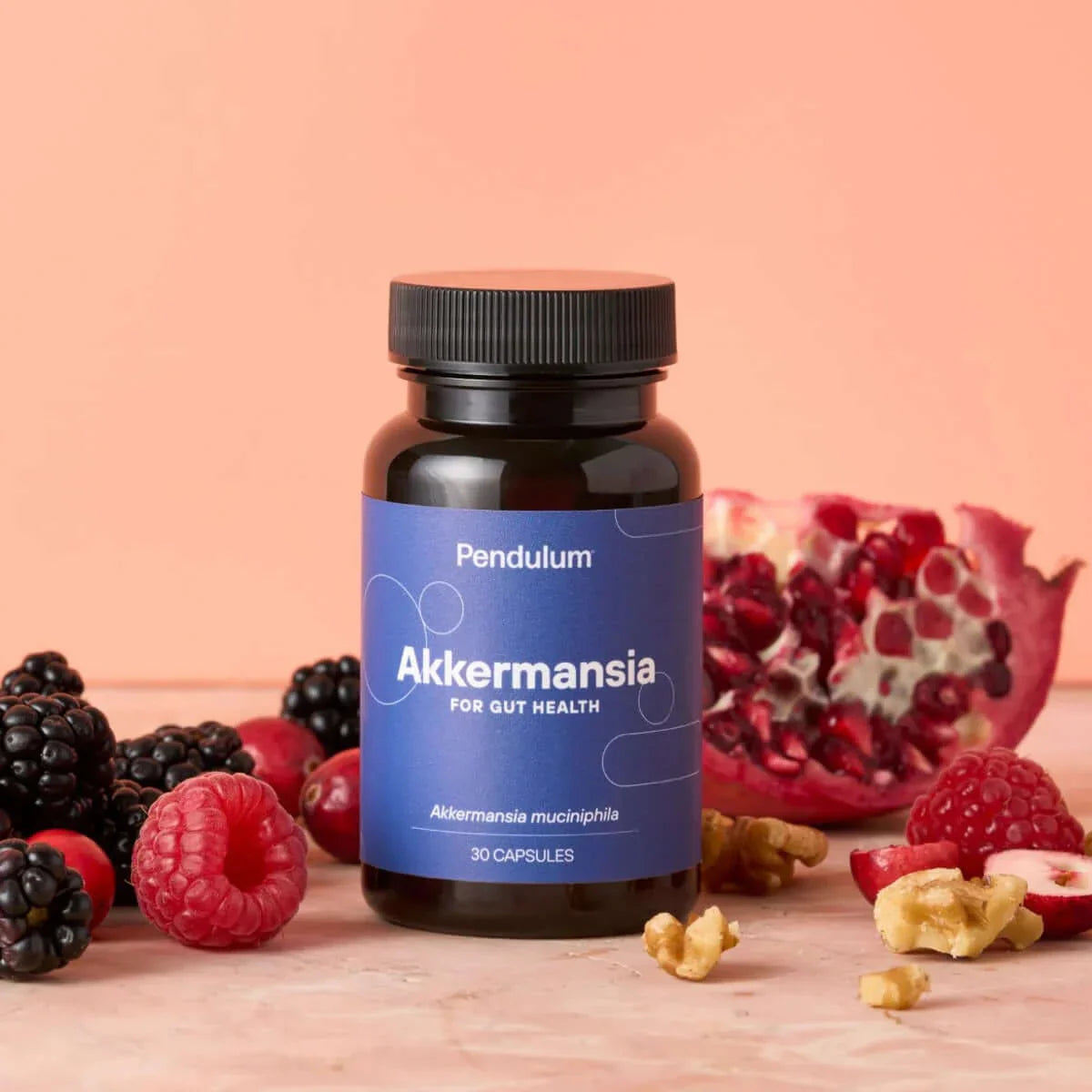
Akkermansia muciniphila is a mucin-degrading species that paradoxically supports mucus layer thickness, and it is one of the more interesting targets in barrier research. Human data remain early-stage but the mechanistic rationale is stronger than for most next-generation probiotics. See Welzo Akkermansia, plus Akkermansia vs conventional probiotics and pasteurised vs live Akkermansia.
6. Polyphenols and pectin
Polyphenol-rich foods and soluble fibres such as pectin are fermented into short-chain fatty acids and modulate microbial composition. See polyphenols and gut health, Welzo citrus pectin powder and modified citrus pectin vs standard pectin.
7. Mucosal support ingredients with limited human data
Zinc carnosine, colostrum, slippery elm, aloe vera and collagen peptides all have mechanistic rationale and some small studies, but none has the trial weight of glutamine. They are reasonable adjuncts, not foundations. See zinc carnosine, colostrum, slippery elm, collagen for gut health and our full review of supplements marketed for leaky gut.
8. Metabolic and bile-related support
Where metabolic health or bile flow is part of the picture, berberine and TUDCA are sometimes used. Both have meaningful interaction profiles and should be used knowledgeably — see Ultra Purity Berberine alongside berberine interactions, and Ultra Purity TUDCA alongside TUDCA side effects.
Claims that do not hold up
- "Leaky gut causes 90% of chronic disease." No evidence base. The direction of causation is unresolved even in the conditions where the association is strongest.
- "This test will diagnose your leaky gut." Not with current commercial assays.
- "Heal your gut in 21 days." The epithelium turns over in days, but the microbial and immune environment does not reorganise on a marketing timeline.
- "Cut out gluten, dairy, grains, legumes and nightshades." Broad elimination without a diagnosis reduces dietary diversity, which is itself associated with poorer microbiome health. Structured, temporary approaches like the low FODMAP diet should be dietitian-supervised and always followed by systematic reintroduction.
- "Candida overgrowth is causing your leaky gut." Widely claimed, poorly supported in otherwise healthy people — see candida overgrowth.
A sensible, evidence-led 8-week approach
If you have non-alarming gut symptoms and serious causes have been excluded by your GP, this is a rational sequence.
| Phase | Focus | Actions |
|---|---|---|
| Weeks 1–2 | Exclude and baseline | GP review; coeliac serology, FBC, ferritin, CRP, calprotectin if indicated. Track symptoms and stool form using the Bristol stool chart. |
| Weeks 1–8 | Remove drivers | Reduce or replace regular NSAIDs with GP guidance; reduce alcohol; address sleep and stress load. |
| Weeks 2–6 | Build the foundation | Increase fibre gradually toward 30 g/day; work toward 30 different plants weekly; include fermented foods. |
| Weeks 3–8 | Targeted supplementation | Add one intervention at a time so you can attribute effects. A strain-specific probiotic is a reasonable first choice; glutamine is reasonable in post-infectious IBS-D. |
| Week 8 | Review honestly | No meaningful improvement means the working hypothesis is wrong. Return to your GP rather than adding more supplements. |
For a more structured version, see our gut reset protocol and guidance on increasing gut bacteria diversity.
When to see a doctor
Contact your GP promptly if you have any red flag symptom listed earlier, and always if symptoms are new, worsening, or affecting your ability to eat, sleep or work. NHS guidance on irritable bowel syndrome and coeliac disease is a reliable starting point.
Important: do not start a gluten-free diet before coeliac testing. Removing gluten first can produce a false negative result and complicate diagnosis for months.
The verdict
Is leaky gut real? Increased intestinal permeability is real, measurable and clinically relevant in defined situations. "Leaky gut syndrome" as popularly sold — a single hidden cause of widespread illness, diagnosable by home test and fixable by protocol — is not supported by the evidence and is not recognised as a diagnosis by any major medical body.
The useful position is neither dismissal nor credulity. Your gut barrier matters. It responds to alcohol, medication, stress, infection and what you eat. Supporting it with fibre, dietary diversity, sensible medication use and — where indicated — targeted supplementation is rational. Believing it is the secret cause of every symptom you have, and treating it instead of getting a diagnosis, is not.
If you want a broader foundation, start with our pillar guide to gut health in the UK and browse the full Welzo gut health range.
Frequently asked questions
Is leaky gut real, or is it a myth?
Both parts of the phrase need separating. Increased intestinal permeability is real, measurable and studied in mainstream gastroenterology. "Leaky gut syndrome" — a distinct disease causing widespread unrelated symptoms — is not a recognised medical diagnosis and lacks supporting evidence.
Do doctors believe in leaky gut?
Doctors accept intestinal permeability as a real physiological phenomenon. Most are sceptical of "leaky gut syndrome" as a diagnosis, primarily because there is no validated test, no agreed definition, and the symptom list overlaps with serious conditions that need excluding first.
What are the symptoms of leaky gut?
There are no specific symptoms. Increased permeability produces no sensation of its own. Symptoms commonly attributed to it — bloating, fatigue, brain fog, loose stools — are non-specific and can indicate coeliac disease, IBD, infection, thyroid disease or other conditions that need proper assessment.
Can you test for leaky gut at home?
Not reliably. Home kits typically measure zonulin, but the most widely used commercial zonulin assay was shown in a 2018 study not to detect the protein it claims to measure. Research-grade dual-sugar urine testing exists but lacks standardised cut-offs and does not usually change management.
What causes a leaky gut?
The best-documented human causes are non-steroidal anti-inflammatory drugs, significant alcohol intake, acute psychological stress, gastrointestinal infection, and active inflammatory or coeliac disease. Low fibre intake and prolonged endurance exercise in heat also contribute.
How long does it take to heal a leaky gut?
There is no established timeline because there is no validated way to confirm you had it or that it resolved. Intestinal cells turn over every three to five days, but microbial and immune recovery takes longer. The 2019 glutamine trial in post-infectious IBS used an eight-week treatment period.
Does leaky gut cause autoimmune disease?
This is an active research hypothesis, not an established fact. Increased permeability is found in several autoimmune conditions, but in most cases it is unclear whether it precedes the disease or results from it. Research funded by UK charities including Guts UK is examining this in inflammatory bowel disease.
What is the best supplement for leaky gut?
Glutamine has the strongest single randomised controlled trial evidence, but specifically in post-infectious diarrhoea-predominant IBS with confirmed increased permeability. It is not appropriate in liver cirrhosis or significant kidney disease. For most people, increasing dietary fibre and plant diversity has broader supporting evidence than any supplement.
Can probiotics fix a leaky gut?
Certain probiotic strains influence barrier markers in studies, but effects are strain-specific and human permeability data are inconsistent. Probiotics are a reasonable, low-risk adjunct rather than a fix, and the strain matters far more than the CFU count on the label.
Should I cut out gluten if I think I have leaky gut?
Not before coeliac testing. Removing gluten first can cause a false negative coeliac result. If coeliac disease is excluded and gluten genuinely triggers symptoms, that is worth exploring with a dietitian — but broad self-directed elimination reduces dietary diversity, which is associated with poorer microbiome health.
References
- Camilleri M. Leaky gut: mechanisms, measurement and clinical implications in humans. Gut. 2019;68(8):1516–1526. PubMed
- Cleveland Clinic. Leaky Gut Syndrome: Symptoms, Diet, Tests and Treatment. my.clevelandclinic.org
- Gastrointestinal Society. Leaky Gut Syndrome. badgut.org
- Bischoff SC, Barbara G, Buurman W, et al. Intestinal permeability — a new target for disease prevention and therapy. BMC Gastroenterology. 2014;14:189. Full text
- Vanuytsel T, van Wanrooy S, Vanheel H, et al. Psychological stress and corticotropin-releasing hormone increase intestinal permeability in humans by a mast cell-dependent mechanism. Gut. 2014;63(8):1293–1299. Gut
- Celebi Sözener Z, Cevhertas L, Nadeau K, et al. Environmental factors in epithelial barrier dysfunction. Journal of Allergy and Clinical Immunology. 2020;145(6):1517–1528. PubMed
- Guts UK. Understanding 'leaky gut syndrome' in people with Inflammatory Bowel Disease — Prof. Christer Hogstrand, King's College London. gutscharity.org.uk
- Quadram Institute Bioscience. Leaky gut research. quadram.ac.uk
- Khoshbin K, Khanna L, Maselli D, et al. Development and validation of test for "leaky gut" small intestinal and colonic permeability using sugars in healthy adults. Gastroenterology. 2021;161(2):463–475. Full text
- Scheffler L, Crane A, Heyne H, et al. Widely used commercial ELISA does not detect precursor of haptoglobin2, but recognizes properdin as a potential second member of the zonulin family. Frontiers in Endocrinology. 2018;9:22. Full text
- Zhou Q, Verne ML, Fields JZ, et al. Randomised placebo-controlled trial of dietary glutamine supplements for postinfectious irritable bowel syndrome. Gut. 2019;68(6):996–1002. PubMed Central
- ClinicalTrials.gov. Glutamine for the Treatment of Patients With Irritable Bowel Syndrome (NCT01414244). clinicaltrials.gov
- Van Wijck K, Verlinden TJM, et al. Biomarkers for assessment of intestinal permeability in clinical practice. American Journal of Physiology – Gastrointestinal and Liver Physiology. Full text
- Nebraska Medicine. Is leaky gut syndrome real? nebraskamed.com
- NHS. Irritable bowel syndrome (IBS). nhs.uk
- NHS. Coeliac disease. nhs.uk
About the author
Dr Zeeshan Afzal, MBBS is a qualified medical doctor and Medical Content Lead at Welzo. He reviews Welzo's digestive health content for clinical accuracy and alignment with current UK guidance and peer-reviewed evidence.
Medical disclaimer
This article is for general information and education only. It is not medical advice and does not replace assessment by a qualified healthcare professional. Do not use it to diagnose or treat any condition, and do not delay seeking medical advice because of something you have read here. If you take prescription medication, are pregnant or breastfeeding, or have an existing medical condition, speak to your GP or pharmacist before starting any supplement. If you have red flag symptoms such as rectal bleeding, unintentional weight loss or a persistent change in bowel habit, contact your GP promptly.


 Beoordeeld uitstekend door 28,951+ beoordelingen
 100% geld -terug -garantie