



Best Multivitamins For Women
Posted on:
Feb 06, 2026
Authored by


Modern women's health needs are rarely about one nutrient at a time. In the UK, busy schedules, inconsistent meal patterns, limited daylight exposure, dietary choices such as vegetarian or vegan diets, and life-stage changes including menstruation, pregnancy planning, and peri-menopause can all increase the likelihood of micronutrient gaps. This is why many people actively search for the best multivitamins for women in the UKlooking for a reliable, everyday nutritional baseline that supports energy metabolism, immune function, skin and hair health, and overall wellbeing.
Depending on individual needs, women may also explore targeted nutritional support alongside a multivitamin. For example, vitamin D supplements are commonly used in the UK due to limited sunlight exposure, while iron supplements may be relevant for women with menstrual blood loss. Others focus on hair and skin support through nutrients found in hair, skin and nails supplements, or broader wellbeing routines supported by vitamins and supplements for women as part of a balanced, long-term approach to nutrition.
Multivitamins for women are used as nutritional support tools, designed to help fill common vitamin and mineral gaps that can arise from diet, lifestyle, life stage, or increased physiological demands. They are not treatments or cures, but are often used to support everyday health when consistent, optimal nutrient intake from food alone is difficult.
In practical terms, women's multivitamins are commonly used to support:
Baseline nutritional adequacy
Many women do not consistently meet recommended intakes for key nutrients such as iron, iodine, vitamin D, folate, magnesium, and B vitamins. A multivitamin can act as a daily nutritional safety net, helping to maintain adequate intake alongside a balanced diet.
Energy metabolism and fatigue support
B vitamins (including B6, B12, and folate) contribute to normal energy-yielding metabolism and reduction of tiredness and fatigue. Women with busy schedules, restricted diets, or increased stress often use multivitamins to support these foundational processes.
Hormonal and reproductive health support
Certain nutrients commonly included in women's multivitaminssuch as vitamin B6, iodine, selenium, and zinccontribute to normal hormonal regulation and thyroid function. Folate is particularly important for women of childbearing age, as it supports normal cell division and is relevant before and during early pregnancy.
Bone and musculoskeletal health
Women are at higher lifetime risk of reduced bone density. Multivitamins often include vitamin D, calcium, magnesium, and vitamin K to support normal bone maintenance, particularly when sun exposure or dietary intake is limited.
Iron support (where appropriate)
Some womenparticularly those with menstrual blood lossmay have higher iron requirements. Women's multivitamins are often formulated with iron or iron-free options, depending on life stage and individual needs. This allows users to choose based on tolerance and clinical advice.
Immune system support
Vitamins such as A, C, D, B12, folate, zinc, and selenium contribute to normal immune function. Multivitamins are commonly used to support immune resilience during periods of stress, seasonal illness, or dietary inconsistency.
Life-stage specific needs
Different formulations exist for different stages of life, including women under 40, women over 50, pregnancy-specific formulas, and menopause-focused multivitamins. These are designed to better match changing nutrient requirements rather than providing a one-size-fits-all approach.
Multivitamins work best when used consistently and as part of a broader health routine that includes a balanced diet, physical activity, and appropriate medical care. They are not a substitute for a varied diet or for medical treatment where deficiencies or health conditions have been diagnosed.
For women with medical conditions, restricted diets, pregnancy, or those taking medication, multivitamin choice and dosing should be considered carefully, ideally with guidance from a healthcare professional.
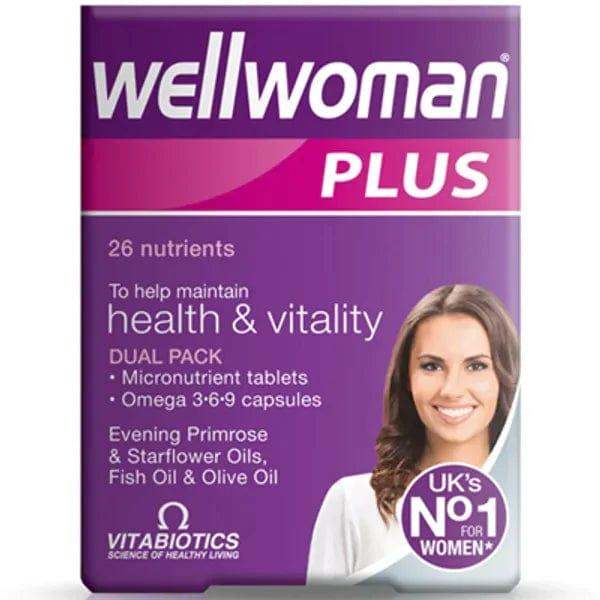
Best Overall Women's Multivitamin: Wellwoman Original (Vitabiotics)
Best Women's 50+ Formula: Wellwoman 50+ (Vitabiotics)
Best Food-Based, Practitioner-Style Option: Women's Multi Essentials (Metagenics)
Best Premium 50+ Multi (High-Strength): Thorne Women's Multi 50+
Best Performance Lifestyle Women's Multi: PEScience TruMulti Women's Formula
Best Iron-Free Women's Multi: NOW Foods EVE Superior Women's Multi (Iron-Free)
Best Women's Multi for Hormonal/Monthly Balance Focus: Premtesse Women's Multivitamin (Lamberts)
|
Wellwoman Original (Vitabiotics) Best Overall Women's Multivitamin
|
|
|---|---|
| Why it has it been selected |
|
| Product description |
|
| Product reviews |
|
| Product price |
|
| Where to buy | |
| Pros |
|
| Cons |
|
| How to use |
|
| Editor's comments |
|
|
Wellwoman 50+ (Vitabiotics) Best Women's 50+ Multivitamin
|
|
|---|---|
| Why it has been selected |
|
| Product description |
|
| Product reviews |
|
| Product price |
|
| Where to buy | |
| Pros |
|
| Cons |
|
| How to use |
|
| Editor's comments |
|
|
Women's Multi Essentials (Metagenics) Best Food-Based, Practitioner-Style Option
|
|
|---|---|
| Why it has it been selected |
|
| Product description |
|
| Product reviews |
|
| Product price |
|
| Where to buy | |
| Pros |
|
| Cons |
|
| How to use |
|
| Editor's comments |
|
|
Thorne Women's Multi 50+ Best Premium 50+ Multivitamin
|
|
|---|---|
| Why has it been selected |
|
| Product description |
|
| Product reviews |
|
| Product price |
|
| Where to buy | |
| Pros |
|
| Cons |
|
| How to use |
|
| Editor's comments |
|
|
PEScience TruMulti Women's Formula Best Performance Lifestyle Women's Multi
|
|
|---|---|
| Why it has been selected |
|
| Product description |
|
| Product reviews |
|
| Product price |
|
| Where to buy | |
| Pros |
|
| Cons |
|
| How to use |
|
| Editor's comments |
|
|
NOW Foods EVE Superior Women's Multi (Iron-Free) Best Iron-Free Women's Multi
|
|
|---|---|
| Why it has been selected |
|
| Product description |
|
| Product reviews |
|
| Product price |
|
| Where to buy | |
| Pros |
|
| Cons |
|
| How to use |
|
| Editor's comments |
|
|
Premtesse Women's Multivitamin (Lamberts) Best for Monthly/Hormonal Balance Focus
|
|
|---|---|
| Why it has been selected |
|
| Product description |
|
| Product reviews |
|
| Product price |
|
| Where to buy | |
| Pros |
|
| Cons |
|
| How to use |
|
| Editor's comments |
|
| Product | Best For | Life Stage | Notable Format | Budget Level |
|---|---|---|---|---|
| Wellwoman Original | All-round daily baseline | 1849 (general) | Tablets/capsules | BudgetMid |
| Wellwoman 50+ | Simple 50+ daily multi | 50+ | Tablets + capsules | BudgetMid |
| Metagenics Women's Multi Essentials | Premium practitioner-style foundation | General | Tablets | Premium |
| Thorne Women's Multi 50+ | High-strength premium 50+ multi | 50+ | Capsules | Premium |
| PEScience TruMulti Women's | Active women / training lifestyle | General | Capsules | Mid |
| NOW Foods EVE (Iron-Free) | Women who prefer to avoid iron | Often 50+ / iron-sensitive users | Softgels | Mid |
| Lamberts Premtesse | Female-focused daily baseline | General | Tablets | Mid |
The references below are UK-focused, so you can cross-check official guidance, particularly around nutrients that commonly matter for women's health routines (vitamin D, folic acid, and safe supplement use).
For most women, a reliable daily baseline like Wellwoman Original works well. If you're 50+, a 50+ formula can be a better fit, and if you prefer to avoid iron, choose an iron-free women's multi.
Often, yeswomen's multis commonly reflect life-stage needs (iron for menstruating women, folate for pregnancy planning, and different 50+ priorities).
Menstruating women may benefit from iron if dietary intake is low, but many women do not need extra iron. If you're unsure, consider blood tests and clinician guidance.
Gummies can improve consistency because they're easy to take, but tablets/capsules often allow more comprehensive formulas. The best choice is the one you'll take consistently.
Most people do best taking a multivitamin with a meal to improve tolerability and absorption (especially for fat-soluble vitamins).
You can, but it's often better with food. If your multi contains iron, coffee/tea may reduce absorptionseparating can help.
It depends on the dose in your multivitamin and your personal needs. NHS guidance is a helpful benchmark, especially in low-sunlight months.
They can support normal skin/hair health when your diet is missing key nutrients, but results are usually subtle and take time. Many women also pair nutrition with consistent routines using categories like Hair Dye (for cosmetic goals) rather than expecting supplements to replace styling or care.
Pregnancy has specific requirementsuse pregnancy-appropriate supplements and follow NHS guidance. Avoid high-dose vitamin A unless advised clinically.
Many women shop for themselves and their householdif you're also supporting children's wellbeing, categories like Baby & Child Health, Teething, Colic, and Nits & Lice can help keep routine purchases organised in one place.
Browse more women's options here: Women's Health Supplements.
If you're also upgrading home health routines, you may find it helpful to explore Respiratory Devices for seasonal support, or browse the wider catalogue via All Collections.
Note: Supplements support normal health and should not replace medical care. If you have symptoms of deficiency (e.g., fatigue, hair shedding, dizziness), consider speaking to a pharmacist or GP and using blood tests where appropriate.
 Оценено отлично от 26,523+ отзива
 100% гаранция за връщане на парите
Нашата гаранция за връщане на парите гарантира, че получавате артикулите си или ще получите пълно възстановяване.