Related products




Bile Acid Malabsorption: The Overlooked Cause of Chronic Diarrhoea
Posted on:
Aug 05, 2026
Автор от


Written and medically reviewed by Dr Zeeshan Afzal (MBBS) — Medical Doctor & Medical Content Lead, Welzo
Evidence-based · Aligned with Guts UK & peer-reviewed research
Last updated: January 2026 · Reading time: ~14 minutes
If you've lived with unexplained, watery diarrhoea for months or years — often striking urgently after meals — and been told it's "just IBS," there may be a specific, treatable cause that's frequently missed: bile acid malabsorption (BAM), also called bile acid diarrhoea (BAD). It's one of the most under-recognised problems in digestive health, and the difference matters, because BAM responds to a targeted treatment that's very different from standard IBS advice — and one that no gut health supplement can provide.
The scale of the problem is striking. Studies using the specialist SeHCAT scan have found that roughly a third of people diagnosed with diarrhoea-predominant IBS (IBS-D) actually have bile acid malabsorption, and its estimated prevalence in the general population is over 1% (Pathophysiology and clinical management of bile acid diarrhoea, 2022). Yet many people wait years for the right diagnosis. This guide explains what BAM is, why it's overlooked, how it's diagnosed and treated, and where diet and supplements do — and don't — fit in.
Table of contents
To understand BAM, it helps to know what bile acids do. Bile acids are made in the liver from cholesterol, stored in the gallbladder, and released into the small intestine after you eat to help digest and absorb fats. Normally, around 95% of these bile acids are reabsorbed at the end of the small bowel (the terminal ileum) and recycled back to the liver — a process called the enterohepatic circulation.
In bile acid malabsorption, that recycling breaks down. Either the terminal ileum can't reabsorb bile acids properly, or the liver simply overproduces them. Either way, excess bile acids spill into the large bowel (colon), where they irritate the lining and trigger the secretion of salt and water. The result is watery, urgent diarrhoea — often pale, greasy and hard to flush (Guts UK: bile acid diarrhoea). Because it disrupts the gut environment and the normal handling of bile, it's very different from ordinary loose stools.
BAM is overlooked for two main reasons. First, its symptoms look almost identical to diarrhoea-predominant IBS, so many people are given an IBS label and never investigated further. A systematic review found that among patients meeting the criteria for IBS-D, about 32% had moderate bile acid malabsorption on SeHCAT testing, and around a quarter had milder forms (Wedlake et al., 2009). A later meta-analysis reached a similar conclusion: in excess of one quarter of IBS-D patients have BAM (Slattery et al., 2015).
Second, the specialist test isn't available everywhere and isn't always requested. Many clinicians don't consider BAM in the first place. In one study of patients with chronic diarrhoea referred for SeHCAT, around half turned out to have bile acid malabsorption — including nearly 40% of those with no obvious risk factors (Kurien et al., 2012). The takeaway is simple: if you have ongoing watery diarrhoea and standard IBS approaches like the low-FODMAP diet haven't helped, it's reasonable to ask whether BAM has been considered. It's also worth reading about the different types of IBS to see how BAM can be mistaken for IBS-D.
The hallmark of BAM is chronic, watery diarrhoea, but there are patterns that can help distinguish it. Symptoms commonly include:
| Symptom | What it looks like |
|---|---|
| Watery diarrhoea | Loose, frequent stools — sometimes more than 10 times a day |
| Urgency | A sudden, hard-to-control need to go, often soon after eating |
| Pale, greasy stools | Fatty, oily and hard to flush away |
| Night-time symptoms | Diarrhoea that wakes you — less typical of ordinary IBS |
| Bloating & cramps | Abdominal pain, wind and bloating alongside the diarrhoea |
| Faecal urgency & anxiety | Constant awareness of the nearest toilet; impact on work and social life |
The impact on quality of life is significant and often underestimated — many people restructure their days around toilet access. Tracking your stools using the Bristol Stool Chart can help you describe the pattern clearly to your doctor. Two clues that point away from simple IBS are diarrhoea that wakes you at night and pale, greasy stools, both of which deserve investigation.
Doctors group bile acid malabsorption into three types based on the underlying cause:
| Type | Cause |
|---|---|
| Type 1 | Disease or surgery affecting the terminal ileum — for example Crohn's disease, or surgical removal (resection) of that part of the bowel |
| Type 2 | Primary or "idiopathic" — no structural problem; the liver overproduces bile acids. This is the type most often mislabelled as IBS-D |
| Type 3 | Secondary to other conditions — gallbladder removal, coeliac disease, chronic pancreatitis, SIBO, microscopic colitis, or after radiotherapy/chemotherapy |
Some causes are more common than people realise. Around 13 in 100 people develop diarrhoea after gallbladder removal, which can be due to BAM and may appear up to a few months after surgery. Terminal ileal resection for Crohn's dramatically raises the risk (Kurien et al., 2012), and more than half of people undergoing pelvic radiotherapy may develop bile acid diarrhoea (Guts UK). It's also worth noting that SIBO and coeliac disease can drive Type 3 BAM — see our guide on the coeliac test.
The gold-standard test in the UK is the SeHCAT scan (23-seleno-25-homotaurocholic acid test). You swallow a capsule containing a small, safe amount of a radiolabelled bile acid, and a scan measures how much your body retains after seven days. Low retention (typically under 15%, with under 5% indicating severe BAM) confirms that bile acids are being lost into the colon rather than recycled.
Where SeHCAT isn't available, doctors may use blood tests such as serum C4 (a marker of bile acid production) or FGF19, or measure faecal bile acids. Some clinicians also use a therapeutic trial — prescribing a bile acid sequestrant and seeing whether symptoms improve, which can be both a treatment and a practical diagnostic clue. Before reaching BAM, though, it's essential that other causes of chronic diarrhoea are excluded, which usually means blood tests, a coeliac screen, a faecal calprotectin test to look for inflammation, and often a stool test.
The main treatment is a class of prescription medicines called bile acid sequestrants (or bile acid binders), which include colestyramine (cholestyramine), colesevelam and colestipol. These bind the excess bile acids in the gut so they can no longer irritate the colon and draw in water, which reduces the diarrhoea. They're taken by mouth and are the cornerstone of BAM management.
The response can be excellent, particularly in more severe disease. In pooled data, around 96% of people with severe BAM responded to cholestyramine, compared with about 70% of those with milder disease (bile acid diarrhoea review, 2022). Sequestrants can be fiddly to take — they may affect the absorption of other medicines and fat-soluble vitamins, so timing and monitoring matter — which is exactly why they need to be prescribed and supervised by a doctor rather than self-sourced. Because these are prescription medicines, this article does not provide dosing; your GP or gastroenterologist will guide that.
Alongside prescribed treatment, diet and a few well-chosen supplements can support symptom control. The most established dietary step is a lower-fat diet: because bile acids are released in response to fat, reducing dietary fat can lessen the trigger for symptoms. This is best done with guidance from a dietitian, so it doesn't compromise nutrition.
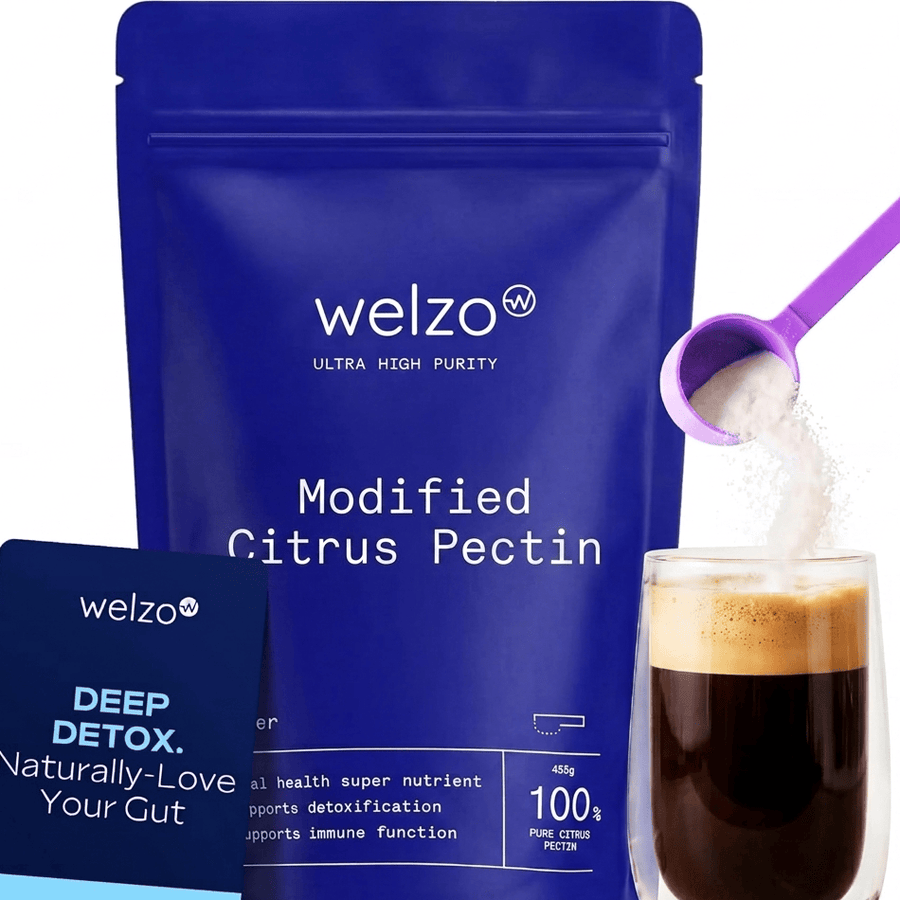
Soluble fibre is the most relevant supplement category here. Soluble, gel-forming fibres such as pectin and psyllium can bind some bile acids and add form to loose stools, which is why they're sometimes used as gentle support alongside medical treatment. Welzo's Citrus Pectin Powder is a soluble fibre option; introduce any fibre slowly and with plenty of water. Compare fibre types in our guide to psyllium vs inulin.
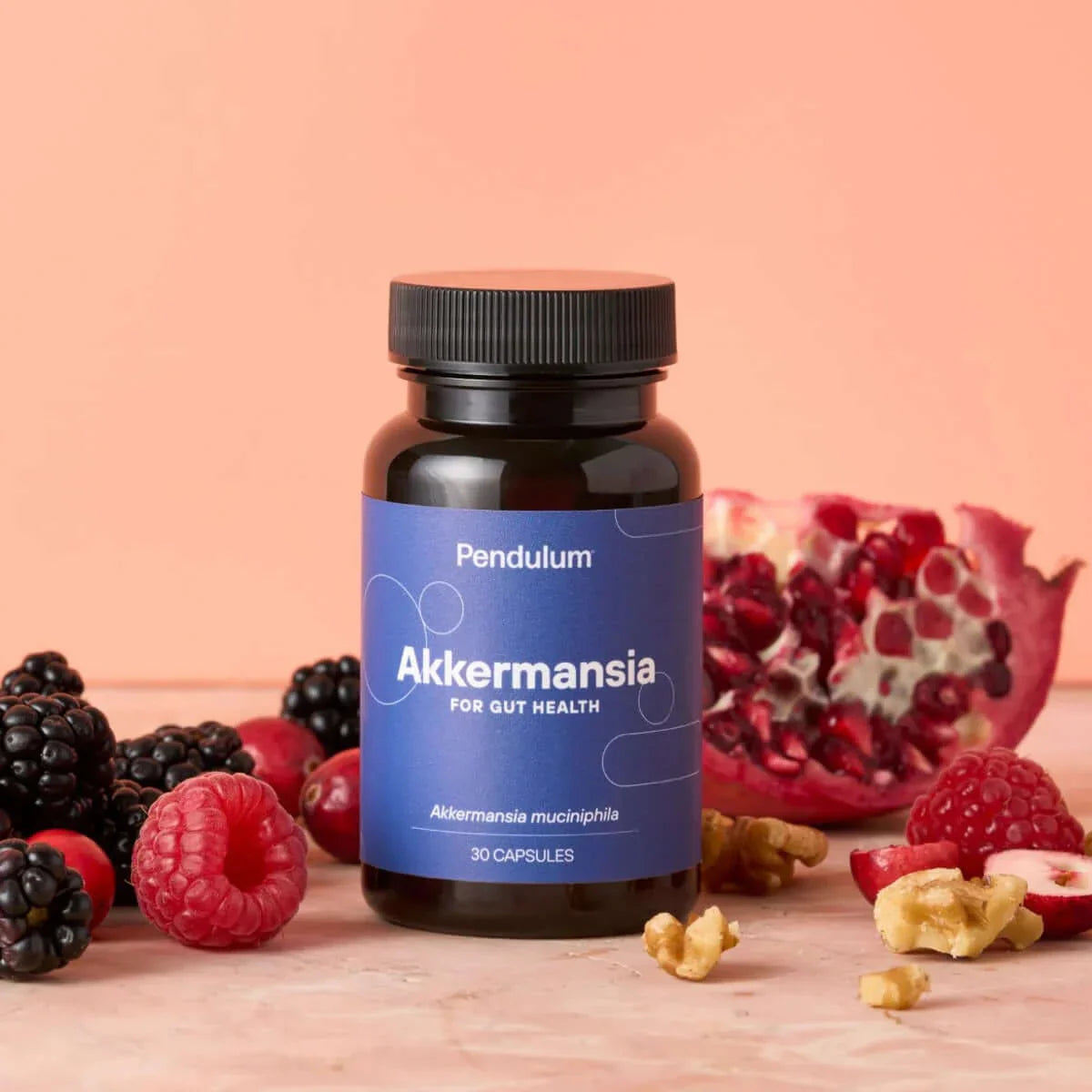
Probiotics may help general gut health and stool consistency for some people, though they don't treat BAM directly. The yeast Saccharomyces boulardii in particular has evidence for various forms of diarrhoea — see our guides to Saccharomyces boulardii and the best probiotics, and browse the Welzo probiotics collection. A keystone-strain formula such as Akkermansia supports the wider microbiome and gut lining as part of overall gut health.
Fat-soluble vitamins deserve a mention: when fat absorption is impaired, levels of vitamins A, D, E and K can drop, so your doctor may check and, if needed, recommend replacing them. This is a medical decision based on testing, not something to guess at.
This is an important point that's easy to get wrong. Because BAM involves bile acids, people sometimes assume a bile acid supplement might help — but the opposite is true. In bile acid malabsorption, the problem is too much bile acid reaching the colon. Taking a supplemental bile acid such as TUDCA (tauroursodeoxycholic acid) would add to the bile acid pool, not reduce it, so it is not a treatment for BAM and could make symptoms worse. TUDCA has its own uses for bile and liver support in other contexts — see TUDCA vs milk thistle and TUDCA side effects — but it should not be used to self-treat bile acid diarrhoea.
The logic is the same for other "digestive" products marketed broadly: the treatment for BAM is to bind and remove excess bile acids (sequestrants), not to add more. For interest, berberine is studied for blood sugar and gut microbes and is part of Welzo's wider range, but it is not a treatment for BAM either. The reliable path is proper diagnosis and prescribed sequestrant therapy, with supplements playing only a supportive role.
Chronic diarrhoea should always be assessed by a doctor rather than self-managed, because it can have many causes — some of them serious — and because BAM itself needs proper diagnosis to treat effectively. Never assume watery diarrhoea is "just IBS" without investigation.
See a GP — and mention BAM — if you have:
Blood in the stool, weight loss or a new persistent change in bowel habit always need prompt assessment to exclude other conditions. See Guts UK and our guide on when to see a GP about stomach symptoms.
Bile acid malabsorption means excess bile acids reach your large bowel instead of being recycled in the small intestine. There, they irritate the lining and make it release water, causing watery, urgent diarrhoea. It happens when the end of the small bowel can't reabsorb bile acids properly, or when the liver overproduces them. It's a common but often overlooked cause of chronic diarrhoea.
The symptoms overlap heavily, which is why BAM is often mislabelled as IBS-D. Clues pointing to BAM include diarrhoea that wakes you at night, pale greasy stools, urgency soon after eating, and a history of gallbladder removal or bowel surgery. The only way to confirm it is testing, usually a SeHCAT scan, so ask your doctor to consider BAM if standard IBS approaches haven't worked.
It's more common than many people realise. Studies suggest around a third of people diagnosed with diarrhoea-predominant IBS actually have bile acid malabsorption, and its estimated prevalence in the general population is over 1%. It's also frequent after gallbladder removal, bowel resection for Crohn's disease, and pelvic radiotherapy. Under-recognition, not rarity, is the main reason it's missed.
SeHCAT is the UK's gold-standard test for BAM. You swallow a capsule containing a tiny, safe amount of a radiolabelled bile acid, and a scan measures how much your body retains after seven days. Low retention shows that bile acids are being lost into the colon rather than recycled, confirming bile acid malabsorption. Where it's unavailable, blood tests like C4 or FGF19 may be used.
The main treatment is a prescription medicine called a bile acid sequestrant, such as colestyramine or colesevelam, which binds excess bile acids so they no longer irritate the colon. Response rates are high, especially in more severe cases. A lower-fat diet and, where needed, replacement of fat-soluble vitamins can support treatment. Management should always be guided by a doctor.
Supplements can only play a supportive role, not replace medical treatment. Soluble fibre such as pectin or psyllium may help bind some bile acids and firm stools, and probiotics may support general gut health. But the core treatment is a prescribed bile acid sequestrant. Importantly, bile acid supplements themselves are not appropriate for BAM and could worsen it.
No. TUDCA is a bile acid supplement, and in bile acid malabsorption the problem is already too much bile acid reaching the colon. Adding more would not help and could make symptoms worse. TUDCA has other uses for bile and liver support, but it is not a treatment for BAM. The correct approach binds and removes excess bile acids rather than adding to them.
Yes, a lower-fat diet is the most established dietary step, because bile acids are released in response to fat, so reducing fat lessens the trigger for symptoms. This is best done with a dietitian's guidance to protect nutrition. Soluble fibre may also help firm stools. Diet supports, but does not replace, prescribed treatment.
It's usually a long-term condition rather than something that's cured, but it's very manageable. Bile acid sequestrants control symptoms effectively for most people, and treating any underlying cause — such as a related bowel condition — can help. With the right diagnosis and treatment, many people regain good control over their symptoms and quality of life.
BAM is frequently missed because its symptoms mimic IBS-D, the specialist SeHCAT test isn't available everywhere, and many clinicians don't consider it. As a result, people are often labelled with IBS for years. If you have ongoing watery diarrhoea that hasn't responded to standard measures, it's reasonable to ask your doctor specifically about bile acid malabsorption and testing.
Medical disclaimer: This article is for general information and education only and does not constitute medical advice, diagnosis or treatment. It should not replace consultation with a qualified healthcare professional. Bile acid malabsorption requires medical diagnosis and prescribed treatment; supplements are supportive only and are not a substitute for it. Chronic diarrhoea, or any of the warning symptoms described above, should be assessed by a doctor. Always seek advice before starting new supplements, particularly if you are pregnant, breastfeeding, taking medication, or have an existing condition.
About the author
Dr Zeeshan Afzal (MBBS) is a practising medical doctor and Welzo's Medical Content Lead. He writes and reviews Welzo's health content to ensure it is accurate, evidence-based and aligned with current UK clinical guidance, translating complex research into practical advice patients can trust.
 Оценено отлично от 26,523+ отзива
 100% гаранция за връщане на парите
Нашата гаранция за връщане на парите гарантира, че получавате артикулите си или ще получите пълно възстановяване.