Related products





Diverticular Disease: Fibre, Flares and Daily Management
Posted on:
Aug 05, 2026
Автор от


Written and medically reviewed by Dr Zeeshan Afzal (MBBS) — Medical Doctor & Medical Content Lead, Welzo
Evidence-based · Aligned with NICE and NHS guidance
Last updated: January 2026 · Reading time: ~15 minutes
Diverticular disease is one of the most common conditions in digestive health — small pouches called diverticula form in the wall of the large intestine in around a third of people by age 60 and two-thirds by 85. For most people they cause no trouble at all. For others they lead to bouts of pain, bloating and changed bowel habits, or occasionally flare into the acute inflammation known as diverticulitis. The condition sits at the crossroads of diet and gut health, which is why fibre, flares and sensible daily habits are the three things worth understanding well — far more than any gut health supplement.
This doctor-reviewed guide explains the difference between diverticulosis, diverticular disease and diverticulitis, then focuses on the practical questions people actually ask: how much fibre to eat (and whether nuts and seeds are really off-limits), how to handle a flare, and how to manage the condition day to day. Throughout, the advice follows current UK guidance — and is clear about when a flare needs urgent medical care rather than self-management.
The short version: Diverticula are common pouches in the colon; most cause no symptoms. A high-fibre diet with plenty of fluids is the cornerstone of long-term management, and the old advice to avoid nuts, seeds and popcorn has been debunked. Acute flares (diverticulitis) may need medical care, and severe pain with fever is an emergency. Explore Welzo's gut health range, and always see a doctor for a suspected flare.

Table of contents
The terms can be confusing, so it helps to separate them:
Exactly why diverticula form isn't fully understood, but it involves an interplay of the colon's structure and pressure, the gut microbiome, genetics and lifestyle. A low-fibre diet has long been implicated, and while the science is more nuanced than once thought, a good fibre intake remains central to keeping the condition quiet.
Understanding what makes diverticular disease and its flares more likely helps you focus your efforts where they matter. The influences are a mix of things you can't change and several you can:
The reassuring message is that several of the strongest modifiable factors — fibre, weight, activity, smoking and painkiller use — overlap neatly with general good health. Improving them benefits your whole body, not just your colon, which makes the effort doubly worthwhile.
Because plain diverticulosis is usually silent, symptoms generally appear only with diverticular disease or a flare. Typical features include:
A flare of diverticulitis feels different: the pain becomes more constant and severe, usually localised to the lower-left abdomen, and may come with fever, feeling generally unwell, nausea, or a marked change in bowel habit. Significant rectal bleeding can also occur. These features signal that medical assessment is needed, as covered in the red-flag section below — a flare is not something to push through at home.
For long-term management of diverticular disease, a high-fibre diet is the single most important dietary step. Fibre softens and bulks the stool, helps it move smoothly through the colon, and reduces the pressure thought to contribute to diverticula and their complications. Higher intakes of fibre, fruit and vegetables are associated with a lower risk of diverticulitis (Ma et al., 2019), and UK guidance recommends a fibre-rich diet as core management for symptomatic diverticular disease.
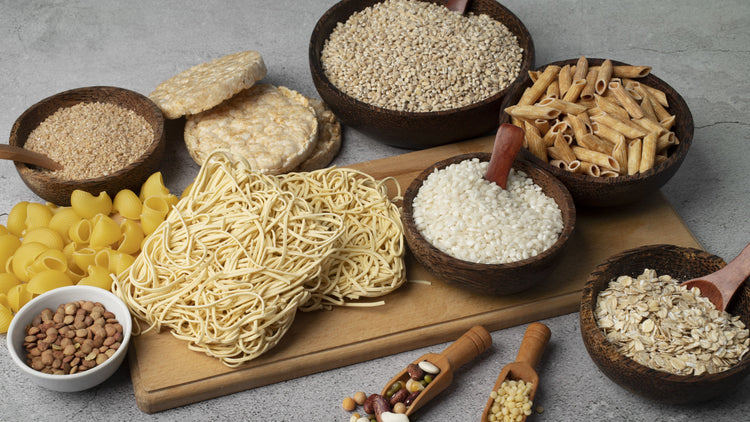
Most UK adults fall well short of the recommended 30g of fibre a day. Building up steadily matters, because increasing fibre too quickly can cause bloating and wind — our guide on how to increase fibre explains the gradual approach, and high-fibre foods lists good sources. Key principles:

Soluble prebiotic fibres such as citrus pectin can also contribute to overall fibre and feed beneficial gut bacteria, complementing a food-first approach rather than replacing it.
For decades, people with diverticular disease were told to avoid nuts, seeds, corn and popcorn, on the theory that fragments could lodge in the pouches and trigger inflammation. It's one of the most persistent pieces of dietary advice — and the evidence simply doesn't support it.
A large prospective study following more than 47,000 men over 18 years found no link between eating nuts, corn or popcorn and the risk of diverticulitis or diverticular bleeding. If anything, the association ran the other way: men who ate nuts or popcorn most often had a lower risk of diverticulitis, likely because these foods are nutritious and fibre-rich (Strate et al., 2008). On the strength of this and later evidence, routine avoidance of nuts and seeds is no longer recommended. For most people with diverticular disease, these foods can be part of a healthy, high-fibre diet — which is welcome news, since they're exactly the sort of foods that help.
An acute flare is handled quite differently from everyday management, and the right response depends on how severe it is. Mild, uncomplicated diverticulitis in someone who is otherwise well is sometimes managed conservatively at home with rest, fluids and close monitoring, whereas more severe or complicated flares need hospital care, and occasionally surgery if a serious complication develops.
During an acute flare, the usual high-fibre advice is temporarily reversed: many clinicians suggest resting the bowel with clear fluids or a low-fibre diet for a few days while symptoms are at their worst, then gradually reintroducing fibre as things settle and returning to a high-fibre diet once recovered. This is the opposite of long-term management, which is exactly why knowing which phase you're in matters.
An important shift in recent guidance is that antibiotics are no longer given automatically. UK guidance advises against antibiotics for ordinary (non-acute) diverticular disease, and for uncomplicated acute diverticulitis in someone who is systemically well, the need for antibiotics is reviewed rather than assumed (NICE NG147). Complicated flares, by contrast, do need antibiotics and hospital assessment. This is a clinical judgement for your doctor — not a reason to avoid seeking care.
After a first episode of diverticulitis, a colonoscopy is often arranged a few weeks later, once the inflammation has settled, to confirm the diagnosis and rule out other causes. If you've recently taken antibiotics for a flare, supporting recovery with a probiotic afterwards is reasonable, though it isn't a treatment for the flare itself.
Between flares, the aim is to keep the colon working smoothly and reduce the chance of future problems. UK guidance frames this around straightforward lifestyle measures, and they genuinely add up:
Beyond diet and lifestyle, some people ask about supplements. The evidence for gut supplements in diverticular disease is still emerging: probiotics are being studied for symptomatic uncomplicated disease with some promising but not definitive results, so they may be worth a considered trial rather than a certainty — you can compare options in the Welzo probiotics collection. Others target unrelated goals — berberine is studied for blood sugar and gut microbes, bile-focused TUDCA targets bile flow, and mucin-associated Akkermansia supports the broader microbiome — none is a diverticular treatment, so treat them as general gut-health options rather than solutions for this condition.
The overall outlook is genuinely encouraging. Most people with diverticula never develop symptoms, and among those who do, the great majority manage the condition well with diet and lifestyle and never need surgery. Even after a flare of diverticulitis, most recover fully, and consistent daily habits substantially reduce the chance of another. Recurrence is possible, particularly if the underlying habits slip, which is why the "boring" fundamentals — fibre, fluids, activity, a healthy weight and not smoking — are worth treating as a long-term routine rather than a short-term fix. Think of diverticular disease as a condition to live alongside sensibly rather than one to fear.
Everyday symptoms can usually be discussed with your GP, but a flare of diverticulitis — and especially any sign of a complication such as an abscess or perforation — needs prompt medical attention. Do not try to manage these at home.
Seek same-day or emergency care (call 999 / go to A&E) if you have:
See a GP if you have:
Read more on when to see a GP about tummy symptoms, and see NHS — Diverticular disease and diverticulitis.
Diverticulosis means having diverticula (small pouches in the colon), usually without symptoms. Diverticular disease is when those pouches cause symptoms such as pain and bloating without acute infection. Diverticulitis is when diverticula become inflamed or infected, causing an acute flare with more constant, often severe pain and sometimes fever.
A diverticulitis flare typically causes constant, often severe pain in the lower-left abdomen, frequently with fever, feeling unwell, nausea, or a change in bowel habit. Significant rectal bleeding can also occur. These symptoms differ from the milder, intermittent discomfort of diverticular disease and warrant prompt medical assessment.
A high-fibre diet is the cornerstone of long-term management, and most UK adults benefit from working towards around 30g of fibre a day from wholegrains, fruit, vegetables, beans and pulses. Increase fibre gradually over several weeks and drink plenty of fluids, since a sudden jump can cause bloating and wind.
Yes. The long-standing advice to avoid nuts, seeds, corn and popcorn has been debunked. A large study of over 47,000 men found no increased risk of diverticulitis from these foods — if anything they were protective, thanks to their fibre. For most people they can be part of a healthy, high-fibre diet.
During an acute flare, the usual high-fibre advice is temporarily reversed. Many clinicians suggest resting the bowel with clear fluids or a low-fibre diet for a few days while symptoms are worst, then gradually reintroducing fibre as things settle. Always follow the specific advice of the clinician managing your flare.
Between flares, there are few strict restrictions — nuts and seeds are no longer off-limits. It's sensible to limit red and processed meat, which is linked to higher diverticulitis risk, and to moderate anything that worsens your symptoms. During an acute flare, high-fibre foods are temporarily reduced on medical advice.
Not always. UK guidance advises against antibiotics for ordinary diverticular disease, and for uncomplicated acute diverticulitis in someone who is otherwise well, the need for antibiotics is reviewed rather than assumed. Complicated flares do need antibiotics and hospital care. Whether you need them is a decision for your doctor.
Diverticula themselves don't disappear, so the condition can't be "cured", but it can be managed very effectively. A high-fibre diet, good hydration, regular activity and a healthy weight keep symptoms quiet and reduce the risk of flares. Most people live comfortably with diverticular disease by maintaining these habits.
The evidence is still emerging. Probiotics are being studied for symptomatic uncomplicated diverticular disease, with some promising but not yet definitive results, so they may be worth a considered trial rather than a guaranteed benefit. They're also reasonable to support recovery after antibiotics for a flare, but they don't treat a flare itself.
Seek emergency care for severe or worsening abdominal pain, especially with a fever, a hard or rigid abdomen, significant rectal bleeding, feeling faint, or persistent vomiting. These can indicate a complication such as a perforation or abscess, which need urgent hospital treatment rather than management at home.
Medical disclaimer: This article is for general information and education only and does not constitute medical advice, diagnosis or treatment. It should not replace consultation with a qualified healthcare professional. A suspected diverticulitis flare requires proper medical assessment; supplements are not intended to diagnose, treat, cure or prevent any disease. Seek urgent care for any warning signs described above. Always seek advice before starting new supplements or making significant dietary changes, particularly during an acute flare or if you have an existing condition.
About the author
Dr Zeeshan Afzal (MBBS) is a practising medical doctor and Welzo's Medical Content Lead. He writes and reviews Welzo's health content to ensure it is accurate, evidence-based and aligned with current UK clinical guidance, translating complex research into practical advice patients can trust.
 Оценено отлично от 26,523+ отзива
 100% гаранция за връщане на парите
Нашата гаранция за връщане на парите гарантира, че получавате артикулите си или ще получите пълно възстановяване.