




Nicole Kidman Skincare & Supplements: What Works
Posted on:
Aug 05, 2026
Authored by


Written by Dr Zeeshan Afzal (MBBS) — Medical Doctor & Medical Content Lead, Welzo
Medically reviewed · Evidence-based · Aligned with UK clinical guidance
Last updated: July 2026 · Reading time: ~13 minutes
Everything attributed to Nicole Kidman comes from her own interviews with Forbes, Byrdie, W Magazine and others. We do not speculate about cosmetic procedures, and we make no claims about anything she has not discussed publicly.
Of everyone in this series, Nicole Kidman has the routine most firmly grounded in real evidence — and it rests on one habit that is free, unglamorous, and prevents cancer as well as wrinkles. There is also one quietly clever detail in it that almost nobody copying her gets right.
Nicole Kidman, born in 1967, is an Academy Award-winning actor raised in Sydney. She is fair-skinned and freckled — what dermatologists would classify as Fitzpatrick skin type I or II, the phototypes at highest risk of sun damage and skin cancer.
That combination — very fair skin, an Australian childhood spent at the beach, and a career under studio lighting — is why her approach to sun protection is the most interesting thing about her routine, and why it is unusually well evidenced.
She has been a global ambassador for Neutrogena, and later for the CBD skincare brand Sera Labs. Several products she has praised are ones she has been paid to represent. That does not make the underlying advice wrong — but it is worth knowing which parts are principles and which are placements. The principles are what this article is about.
Kidman is unambiguous about this. Asked by Forbes about her skincare, she answered with sunscreen three times over, adding that as someone with very fair skin she has been "very serious about sun protection" since childhood, and crediting her parents for it.
The specifics she has described are worth noting because they are the parts people skip:
Ultraviolet radiation is the dominant cause of extrinsic skin ageing — the wrinkling, laxity and pigmentation people spend fortunes trying to reverse. It is also a direct cause of basal cell carcinoma, squamous cell carcinoma and melanoma.
Daily broad-spectrum sunscreen has randomised evidence behind both outcomes: it slows visible skin ageing, and it reduces the incidence of skin cancer. Very few interventions in the wellness world can claim a randomised trial for a cosmetic benefit and a cancer-prevention benefit. This one can.
British readers routinely underestimate this because our sun feels mild. UVA passes through cloud and window glass year-round, and melanoma incidence in the UK has risen substantially over recent decades. The advice does not only apply on holiday.
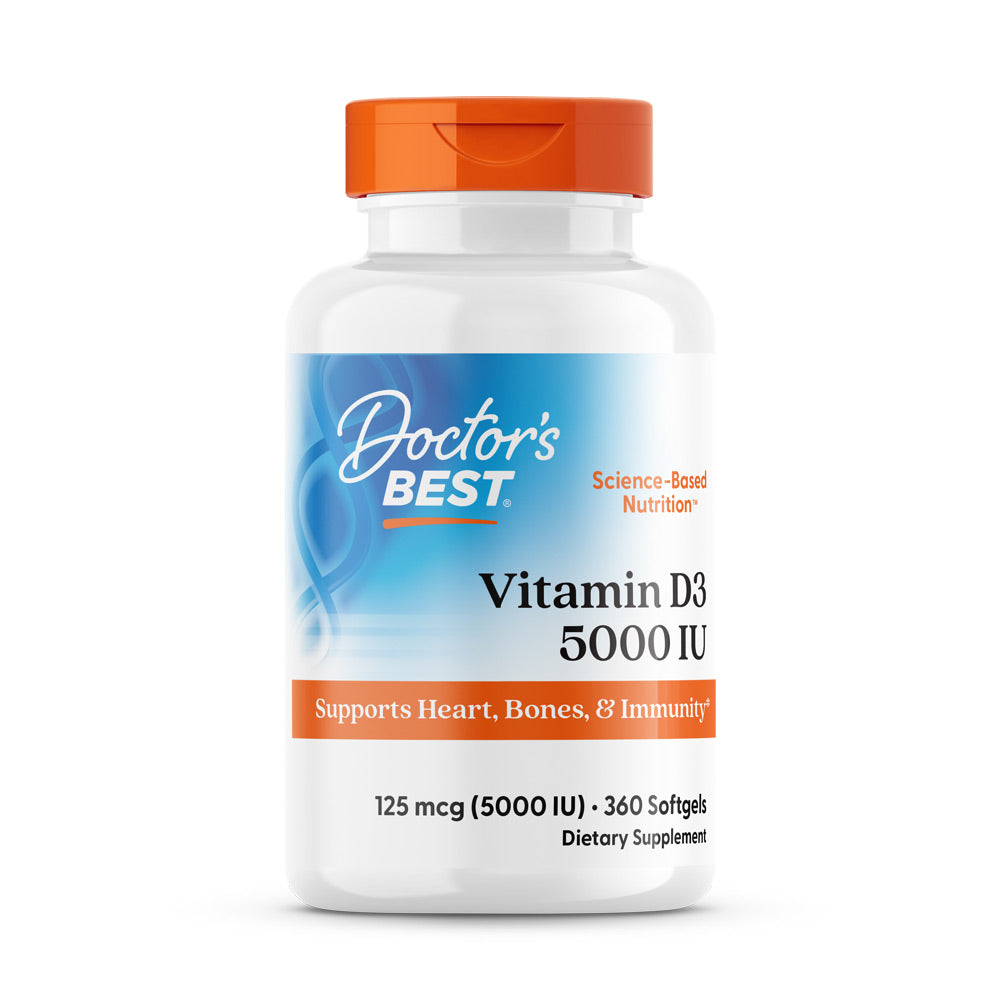
Her disclosed routine is short. Speaking to W Magazine, she described taking a vitamin C effervescent tablet daily and a vitamin D supplement, along with regularly drinking matcha green tea.
That is the whole publicly stated list. No collagen protocol, no adaptogen stack, no longevity compounds. It is one of the shortest supplement routines in this series, which is itself informative.
Vitamin C is a required cofactor for collagen synthesis, so the link to skin is real rather than invented. Most people in the UK get enough from diet, so supplementation is a gap-filler rather than a transformation. Topical vitamin C serums have their own separate, reasonable evidence for pigmentation and photoprotection support — the oral and topical cases are not the same case, and marketing often blurs them.
This is the part almost nobody copying her routine thinks about, and it is the reason her list has vitamin D on it.
Your skin makes vitamin D when UVB reaches it. Rigorous, genuinely consistent sun protection — SPF 50+, reapplied, plus hats and shade — reduces that synthesis. Someone practising the highest standard of photoprotection has a correspondingly higher risk of low vitamin D.
Kidman appears to have covered exactly that gap. Whether by design or advice, taking a vitamin D supplement alongside rigorous sun avoidance is the correct pairing.
Why this matters more in the UK than in Australia. At British latitudes, sunlight is too weak to produce meaningful vitamin D from roughly October to March regardless of what you do. UK guidance therefore recommends that everyone consider a daily 10 microgram (400 IU) vitamin D supplement through autumn and winter, and that people with limited sun exposure or darker skin consider it year-round. In other words: the UK version of Kidman's routine needs the vitamin D part even more than hers does.
She has spoken warmly about using a retinol cream at night, and has pushed back on the idea that retinol necessarily dries the skin.
Retinoids are among the few topical ingredients with genuinely good evidence for photoageing — fine lines, texture and pigmentation. But the sequencing matters, and this is where her routine is quietly correct:
Retinoids are not suitable in pregnancy or when trying to conceive. Speak to a pharmacist or GP first.
Kidman has been direct that she is not strict with her diet, which is refreshing in this genre. Her documented pattern leans on seafood — oysters, prawns, crab, fish — along with fruit and vegetables, and a strong emphasis on drinking enough water.
The seafood element is genuinely relevant. Oily fish provides long-chain omega-3, which has reasonable evidence for skin barrier function and, more importantly, for cardiovascular health.
She has described herself as outdoorsy: running, swimming, tennis and outdoor workouts. Note the interaction with everything above — she does not avoid the outdoors, she protects herself in it. That is a more sustainable model than staying inside, and a better one for cardiovascular and mental health.
She has credited sleep, massage and deliberately minimising stress. Sleep is when skin repair largely happens, and chronic stress and poor sleep have measurable effects on barrier function and healing. Unglamorous, free, well evidenced — the pattern this whole series keeps arriving at.
One thing rarely said plainly in celebrity skincare coverage: skin changes substantially around and after menopause. Falling oestrogen is associated with reduced collagen density, thinner skin, drier skin and slower wound healing. Collagen loss in the years immediately following menopause is significant.
This matters for expectation-setting. A routine that works well for someone in their fifties is not failing if it does not produce the skin of someone in their thirties. The realistic goals are comfort, barrier function, protection from further damage and slowing the rate of change.
It also means the boring interventions matter more with age, not less: sun protection, sleep, not smoking, adequate protein, and resistance training for bone and muscle. If you are noticing significant changes around menopause, that is a conversation worth having with your GP, including about HRT, which has its own evidence base and is a medical decision rather than a cosmetic one.
Daily broad-spectrum SPF. Randomised evidence for both reduced visible skin ageing and reduced skin cancer incidence. The single most effective thing in this article.
Topical retinoids for photoageing, used consistently with sunscreen.
Vitamin D supplementation through the UK autumn and winter, per UK guidance — and particularly if you practise rigorous sun avoidance.
Not smoking — the second biggest extrinsic driver of skin ageing after UV.
Collagen peptides for skin elasticity and hydration, at 2.5–15 g daily over eight to twelve weeks. Omega-3. Topical vitamin C for pigmentation. Adequate sleep and hydration.
Oral vitamin C beyond correcting a dietary shortfall. "Detox" framing. At-home red light devices for systemic skin claims — the evidence is stronger for specific dermatological uses than for general anti-ageing. And any product implying it can replace sunscreen.
Serums and supplements are easier to buy than habits are to keep. If your budget is finite, spend it on a sunscreen you will genuinely reapply before anything else.
Vitamin D is fat-soluble and stored. UK guidance suggests 10 micrograms (400 IU) daily for most adults; higher doses are better guided by a blood test than assumed. Adults should not exceed 100 micrograms (4,000 IU) daily without medical advice.
See your GP promptly about any new mole, a mole that changes in size, shape or colour, one that itches or bleeds, or any lesion that does not heal. Skin cancer is common and highly treatable when caught early. No skincare routine substitutes for getting something checked.
Analytical studies summarised in a 2023 review of supplement adulteration found that between 14% and 50% of sampled sports supplement products contained undeclared substances. Third-party batch testing with a published certificate of analysis is the minimum standard.
What to look for on a label
A single named ingredient rather than a proprietary blend. The dose stated plainly — then compared against the amount used in the studies the marketing points to. And third-party batch testing you can actually read. This applies to every brand, ours included.
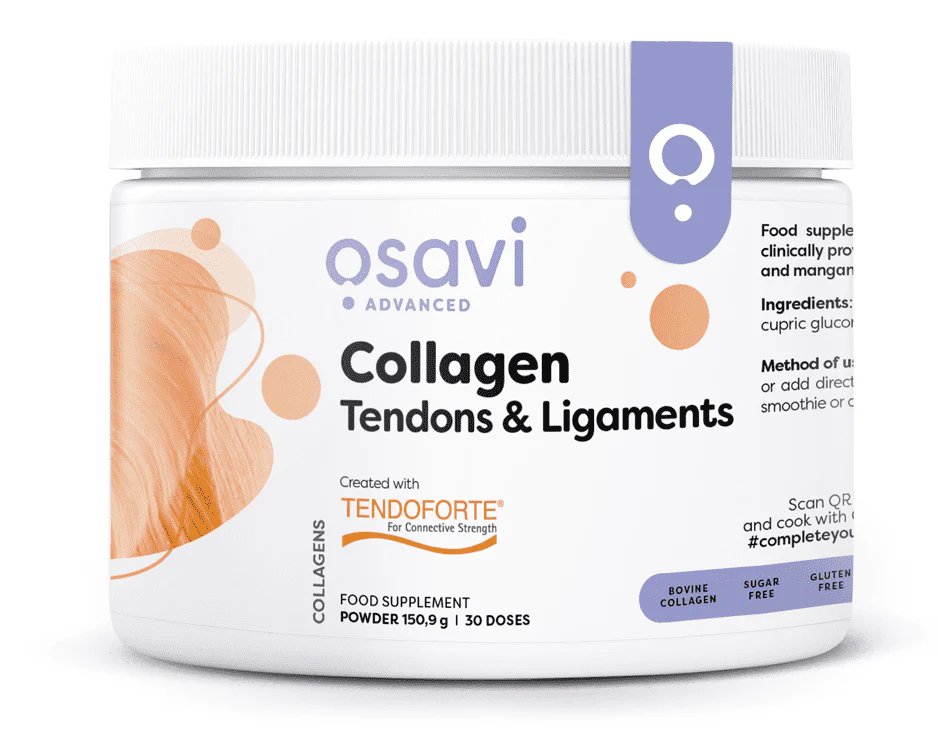
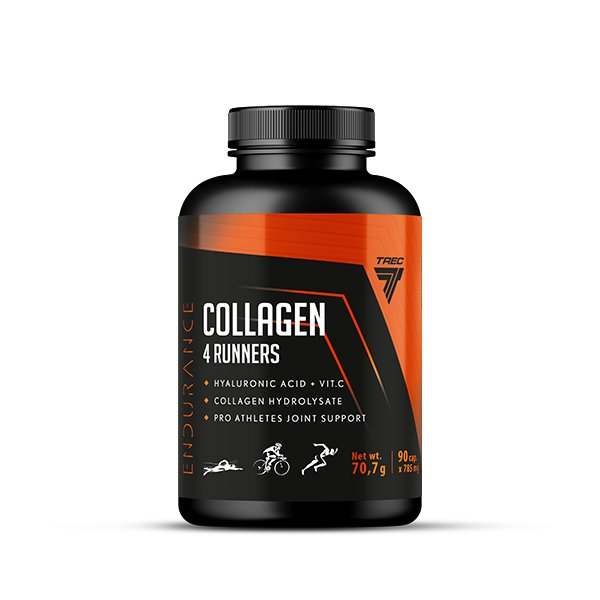
For skin specifically, collagen peptides have the clearest dose-to-evidence relationship: trials generally used 2.5–15 g daily over eight to twelve weeks. A powder makes it far easier to reach that range than a capsule or gummy does.

Welzo Ultra Purity Pure Bovine Collagen Peptides
5 g hydrolysed Type I & III collagen peptides per serving · 80 servings · single ingredient, no fillers, flavourings or flow agents · third-party tested with a published certificate of analysis
View product →Broad-spectrum SPF 30 or higher, applied generously every morning and reapplied when outdoors. Most people apply roughly half the amount used in testing, which means a nominal SPF 50 behaves far weaker in practice. Include ears, neck and the backs of your hands.
Start twice weekly, build gradually, and always pair with morning SPF.
10 micrograms (400 IU) daily through the UK autumn and winter for most adults, and year-round if your sun exposure is limited. A vitamin D blood test takes the guesswork out, particularly if you are rigorous about sun avoidance.
Sleep, not smoking, a diet with plenty of plants and oily fish, and collagen if skin elasticity is a specific goal. Our guide to supporting skin ageing from the inside covers what holds up.
The habit itself. She has done the same simple thing every day since childhood. Consistency over decades is doing more work here than any individual product.
She has said she never uses below SPF 50+ and favours zinc-based formulas because she runs and swims outdoors. She has named Cancer Council Sensitive SPF 50+ and Neutrogena Sheer Zinc among others, and applies it to face and hands, reapplying through the day.
She has described a vitamin C effervescent tablet daily and a vitamin D supplement, alongside regularly drinking matcha green tea. That is the extent of her publicly stated routine — one of the shortest in this series.
Because rigorous sun protection reduces the skin's ability to make vitamin D. Taking a supplement alongside consistent SPF use is the correct pairing, and it is the detail most people copying her routine miss.
UK guidance suggests considering 10 micrograms (400 IU) daily through autumn and winter for everyone, and year-round for people with limited sun exposure or darker skin. Do not exceed 100 micrograms (4,000 IU) daily without medical advice, and consider testing before taking high doses.
Yes. Ultraviolet radiation is the dominant cause of extrinsic skin ageing, and daily broad-spectrum sunscreen has randomised evidence for slowing visible skin ageing — as well as for reducing skin cancer incidence.
UVA passes through cloud and glass year-round and contributes to ageing, so daily use remains sensible. The UVB that causes burning and drives vitamin D synthesis is weak in British winter, which is precisely why supplementing vitamin D over those months is advised.
At night, starting a couple of times a week and building gradually, always paired with sunscreen in the morning since retinoids increase photosensitivity. Avoid retinoids in pregnancy or when trying to conceive, and speak to a pharmacist or GP first.
Modestly. Trials of hydrolysed collagen peptides have generally used 2.5–15 g daily over eight to twelve weeks and shown real but moderate improvements in skin elasticity and hydration. It is an addition to a routine, not a replacement for sun protection.
Falling oestrogen is associated with reduced collagen density, thinner and drier skin and slower healing, with notable collagen loss in the years immediately after menopause. If changes are significant, discuss them with your GP — including HRT, which is a medical decision with its own evidence base.
Promptly, for any new mole, a mole changing in size, shape or colour, one that itches or bleeds, or any lesion that does not heal. Skin cancer is common and highly treatable when caught early.
Medical disclaimer. This article is for general information and is not medical advice. Nicole Kidman has no connection to Welzo and does not endorse Welzo or any product mentioned. Nothing here should be taken as a claim that any supplement prevents, treats or cures disease.
See your GP promptly about any new or changing mole or any skin lesion that does not heal. Speak to your GP or pharmacist before starting a supplement or a retinoid if you take prescription medication, are pregnant, breastfeeding or trying to conceive, or have liver or kidney disease. Do not exceed 100 micrograms (4,000 IU) of vitamin D daily without medical advice.
 Hodnoceno výborně o 28,951+ recenzí
 100% záruka vrácení peněz
Naše záruka vrácení peněz zajišťuje, že obdržíte své položky nebo získáte plnou náhradu.


