



The Best Magnesium Supplements 2026, According to Doctors


Související produkty


The best magnesium supplements in 2026 are chosen by matching the form of magnesium to your goal, not by picking the highest milligram number on the label. For sleep and stress, doctors most often recommend magnesium glycinate (bisglycinate). For energy and muscle recovery, magnesium malate. For cognitive support, magnesium L-threonate. For digestion and constipation, magnesium citrate. And for anyone whose stomach reacts badly to capsules, topical magnesium sprays and pastes are a practical alternative.
In this doctor-reviewed guide, we compare the leading magnesium supplements available in the UK for 2026 — across glycinate, malate, threonate, citrate, blends, powders, sprays and pastes — and explain the dose, timing and elemental magnesium content behind each one, so you can pick the right product first time.
Key Takeaways
- Form matters more than dose. Glycinate and L-threonate are best tolerated; oxide is cheapest but poorly absorbed.
- UK guidance: the NHS recommends 300 mg/day for men and 270 mg/day for women aged 19–64, and advises keeping supplemental magnesium to 400 mg/day or less.
- Check elemental magnesium, not the compound weight. A 500 mg glycinate capsule may deliver only ~70 mg of usable magnesium.
- Evidence is strongest for blood pressure in people who are hypertensive or magnesium-deficient, and for glucose metabolism. Evidence for sleep is promising but low quality.
- Give it 4–8 weeks. Cramps and sleep may respond within days; blood pressure and energy changes take longer.
- Speak to a GP first if you have kidney disease, take antibiotics, bisphosphonates, levothyroxine or heart medication.
Best Magnesium Supplements 2026: Our Top Picks at a Glance
Each product below was assessed on absorption, tolerability, elemental magnesium content, formulation quality and value. Full reviews follow the table.
| Best for | Product | Form | Why it stands out |
|---|---|---|---|
| Best overall / cognitive support | Welzo Ultra Purity Magnesium L-Threonate 2000mg | L-threonate | High-strength, purity-focused formula aimed at brain and nervous system support |
| Best for sleep & stress | Magnesium Glycinate Complex 100mg – Klaire Labs | Glycinate | Highly absorbable, calming, and gentle enough for nightly use |
| Best budget-friendly | Swanson Triple Magnesium Complex 400mg | Blend | 300 capsules at low cost per serving for general daily top-up |
| Best for muscle recovery & energy | Magnesium Malate Powder 500mg – Seeking Health | Malate | Supports ATP production; powder allows precise, adjustable dosing |
| Best for sensitive digestion | Magnesium Glycinate – Nutri Advanced | Glycinate | Practitioner-grade, very well tolerated, minimal GI effects |
| Best topical magnesium | Ancient Minerals Magnesium Oil Spray 8oz | Chloride (topical) | Bypasses the gut entirely — useful for cramps and restless legs |
| Best for localised muscle relief | CARE Magnesium Sulphate Paste 50g | Sulphate (topical) | Spot treatment for sore, tense or stiff muscles |
| Best for digestion & constipation | Magnesium Citrate 150mg – Klaire Labs | Citrate | Supports bowel motility alongside magnesium repletion |
| Best for daily long-term use | Magnesium Bisglycinate Plus – New Roots Herbal | Bisglycinate | Excellent absorption with a very low side-effect profile |
| Best for fatigue | Liposomal Magnesium ATP – Ecological Formulas | Liposomal | Liposomal delivery targeted at cellular energy production |
| Best all-in-one formula | Essensey Magnesium + Zinc + B6 | Blend + cofactors | Vitamin B6 supports magnesium utilisation; zinc adds immune support |
| Best powder for sensitive stomachs | Buffered Magnesium Bisglycinate Powder – Kirkman Labs | Buffered bisglycinate | Buffering improves comfort; powder allows micro-dosing |
How We Chose and Scored These Magnesium Supplements
Every product in this guide was assessed against the same five criteria, then given a Doctor's Grade out of 10. We do not score products on marketing claims.
| Criterion | What we looked at |
|---|---|
| Bioavailability | How well the specific magnesium salt is absorbed, based on published comparisons of organic vs inorganic forms |
| Tolerability | Likelihood of loose stools, cramping or nausea at typical doses |
| Elemental magnesium | Actual usable magnesium per serving, not compound weight |
| Formulation quality | Fillers, binders, dosing flexibility and manufacturing standards |
| Fit for purpose | Whether the form genuinely suits the goal it is marketed for |
Medically reviewed by Dr Zeeshan Afzal (MBBS), Medical Officer at Welzo. Last reviewed and updated: 2026. This guide is informational and does not replace advice from your GP or pharmacist.
What Is Magnesium and Why Is It Important?
Magnesium is an essential mineral involved in more than 300 enzymatic reactions in the body. It is required for muscle contraction and relaxation, nerve signalling, heart rhythm, blood glucose regulation, bone mineralisation, protein synthesis and the production of ATP — the molecule your cells use for energy.
Because magnesium acts as a natural calcium antagonist, it plays a direct role in how muscles relax after contracting and how blood vessels regulate their tone. This is why low magnesium status is so often linked to cramps, twitching, poor sleep, fatigue, headaches and heightened stress sensitivity.
Your body cannot make magnesium. It has to come from food or supplements every day, and the kidneys tightly regulate how much is retained or excreted.
Why Doctors Pay Attention to Magnesium Status
According to Dr Zeeshan Afzal, suboptimal magnesium intake is increasingly common due to modern dietary patterns, food processing, chronic stress and medications that increase magnesium losses — which makes supplementation clinically relevant for a large proportion of adults, even those without a formal deficiency diagnosis.
Signs You Might Be Low in Magnesium
Magnesium deficiency is more common than many people realise, particularly among adults whose diets are low in whole grains, nuts, seeds, legumes and leafy green vegetables. Dietary surveys in the UK and other Western countries consistently show a meaningful proportion of adults falling short of recommended intakes.
When magnesium levels are low, symptoms are often subtle and easy to attribute to something else. Common signs include:
- Muscle cramps, twitches, eyelid spasms or restless legs
- Persistent fatigue or low energy despite adequate sleep
- Difficulty winding down, or poor sleep quality
- Headaches or migraines
- Irritability, low mood or increased sensitivity to stress
- Palpitations or a sense of a "fluttering" heartbeat
- Reduced appetite or nausea
These symptoms are non-specific and can have many other causes. If they are persistent, severe or new, they should be assessed by a GP rather than self-treated with supplements.
Who Is Most at Risk of Low Magnesium?
| Group | Why risk is higher |
|---|---|
| Older adults | Reduced intestinal absorption and increased urinary excretion with age |
| People with type 2 diabetes | Higher urinary magnesium losses linked to elevated blood glucose |
| Long-term PPI users | Proton pump inhibitors are associated with reduced magnesium absorption over time |
| People taking diuretics | Loop and thiazide diuretics increase magnesium excretion |
| Crohn's disease, coeliac disease, IBD | Malabsorption and chronic diarrhoea reduce magnesium uptake |
| High alcohol intake | Increases renal magnesium loss and often coincides with poorer diet |
| Endurance athletes & heavy sweaters | Magnesium is lost in sweat; requirements rise with training load |
| Pregnancy | Increased physiological demand — supplement only on medical advice |
Can You Test Your Magnesium Levels?
Yes, but the results need careful interpretation. A standard serum magnesium blood test measures magnesium circulating in the blood — and only around 1% of the body's magnesium is found there. The remainder is stored in bone and inside cells.
Because the body works hard to keep blood magnesium within a narrow range, a serum result can appear normal even when tissue stores are depleted. This is why doctors generally consider serum magnesium a poor marker of overall magnesium status, and why deficiency is often assessed clinically — through diet, symptoms, medications and risk factors — rather than by a single number.
Testing is most useful when:
- You have kidney disease or are at risk of magnesium accumulation
- You take medications that deplete magnesium, such as PPIs or diuretics
- You have unexplained cramps, palpitations or fatigue that need investigating
- You have a malabsorption condition
If you want a baseline before starting supplementation, a magnesium level is commonly included in broader nutritional and general health blood panels. Discuss results with a clinician rather than acting on them alone.
What Does the Evidence Actually Say About Magnesium?
Magnesium is widely marketed, so it is worth separating the well-supported claims from the ones that are still preliminary. Here is how the research currently stands.
1. Blood Pressure — Modest Overall, Larger in Specific Groups
A systematic review and meta-analysis of 38 randomised controlled trials involving 2,709 participants (median elemental dose ~365 mg/day over a median of 12 weeks) found that magnesium supplementation reduced systolic blood pressure by about 2.8 mmHg and diastolic blood pressure by about 2.1 mmHg compared with placebo.
The important nuance often missed: the effect was considerably larger in people with hypertension already on blood-pressure medication and in those with low blood magnesium (systolic reductions of roughly 7.7 mmHg and 6.0 mmHg respectively), while no statistically significant effect was seen in people with normal blood pressure. The authors also noted high heterogeneity between studies.
What this means in practice: magnesium is not a blood pressure treatment, and it will not replace antihypertensive medication. It appears most relevant for people who are already deficient. Anyone with high blood pressure should be managed by their GP.
2. Type 2 Diabetes Risk — A Consistent Dietary Association
A meta-analysis of 25 prospective cohort studies covering more than 637,000 people found that those with the highest dietary magnesium intake had roughly a 17% lower risk of developing type 2 diabetes than those with the lowest intake, with a statistically significant linear dose–response relationship. An earlier analysis of 13 cohorts reported a similar pattern, with around a 14% lower risk per 100 mg/day increase in intake.
Important caveat: these are observational studies of dietary magnesium. They show association, not proof that taking a supplement prevents diabetes. Magnesium-rich diets also tend to be higher in fibre and whole foods.
3. Sleep — Promising, But the Evidence Is Weak
A systematic review and meta-analysis of three randomised controlled trials in 151 older adults with insomnia found that magnesium reduced the time taken to fall asleep by around 17 minutes versus placebo. Total sleep time improved by about 16 minutes, but this was not statistically significant.
The reviewers were explicit that all included trials carried a moderate-to-high risk of bias and that the overall quality of evidence was low to very low. A separate systematic review of magnesium for anxiety and sleep concluded that results were generally positive but limited by small samples and heterogeneous designs, and that benefit is most likely in people with low magnesium status at baseline.
Honest summary: magnesium is cheap, widely available and very safe at sensible doses, and many people report better sleep with it. But the clinical evidence is not strong enough to guarantee results — particularly if your magnesium intake is already adequate.
4. Cognition and Magnesium L-Threonate — Early-Stage Research
Magnesium L-threonate is the form most associated with brain health, based on animal research suggesting it raises brain magnesium concentrations more effectively than conventional salts. Human trials — including randomised, placebo-controlled studies reporting improvements in cognitive performance, reaction time and subjective sleep — are small, short (typically 6–12 weeks) and often industry-funded, and no human neuroimaging study has yet confirmed that oral L-threonate raises brain magnesium in people.
It is a mechanistically plausible and well-tolerated option, but it should be viewed as a promising area of research rather than a proven cognitive enhancer.
Evidence Summary Table
| Outcome | Strength of evidence | Who benefits most |
|---|---|---|
| Correcting deficiency | Strong | Anyone with low intake or high losses |
| Blood pressure | Moderate (RCT meta-analysis) | People with hypertension or low magnesium |
| Glucose metabolism / T2D risk | Moderate (observational) | People with low dietary intake, overweight |
| Muscle cramps | Mixed | Better response where deficiency exists; limited in older adults with idiopathic cramps |
| Sleep quality | Low quality | Older adults with insomnia; those with low baseline status |
| Anxiety & stress | Preliminary | Mild symptoms with low magnesium status |
| Migraine prevention | Preliminary | Some migraine sufferers; discuss with a clinician |
| Cognition (L-threonate) | Early-stage | Adults with brain fog or poor sleep — evidence still developing |
The 12 Best Magnesium Supplements of 2026, Reviewed
Welzo Ultra Purity Magnesium L-Threonate 2000mg — Best Overall

Doctor's Grade: 9.4/10
Bioavailability: 9.5/10 | Tolerability: 9.4/10 | Cognitive Support: 9.5/10 | Value: 9.0/10
Magnesium L-threonate is the form most studied for brain and nervous system support, and this high-strength 2000mg formulation is built around a purity-first approach with no unnecessary fillers. It is designed for people whose primary goal is mental clarity, calm and sleep quality rather than raw milligram count.
| Why we selected it | High-strength L-threonate at a lower price point than most branded equivalents, with a clean formulation and consistent dosing |
| Pros | Targets brain, sleep and nervous system together • Well tolerated • No unnecessary excipients • Competitively priced within its category |
| Cons | More expensive than oxide or citrate • Lower elemental magnesium per gram (~8%) • Human evidence for cognitive benefit is still early-stage |
| How to use | Daily, ideally in the evening or as split doses. Benefits are reported with consistent use over several weeks |
| Best for | Brain fog, cognitive support, evening wind-down |
Editor's note: if your priority is correcting a general magnesium shortfall at the lowest cost, a glycinate or blended formula will give you more elemental magnesium per pound. Choose L-threonate specifically for cognitive and nervous system goals.
Magnesium Glycinate Complex 100mg – Klaire Labs — Best for Sleep and Stress

Price: £16.15
Doctor's Grade: 9.4/10
Bioavailability: 9.5/10 | Tolerability: 9.6/10 | Daily Support: 9.2/10 | Sleep/Stress Support: 9.4/10
A clinician-preferred magnesium glycinate known for high absorption and a gentle digestive profile. Because the magnesium is bound to glycine — an amino acid with its own calming properties — it supports relaxation and sleep without the laxative effect associated with citrate or oxide.
Pros:
- Highly absorbable and gentle on digestion
- Supports sleep, stress regulation and muscle relaxation
- Suitable for long-term daily use
Cons:
- Not targeted specifically at energy or cognition
- Higher cost than basic magnesium oxide or citrate
- Lower elemental magnesium per capsule means more capsules for a full dose
Best dosage: 200–400 mg elemental magnesium daily
When to take: Evening, or split AM/PM
Who it's best for: Sleep quality, stress, muscle tension
Swanson Triple Magnesium Complex 400mg — Best Budget-Friendly Formula

Doctor's Grade: 8.6/10
Value: 9.6/10 | General Support: 8.5/10 | Digestive Tolerance: 7.8/10
This blended formula combines several magnesium forms to provide broad daily coverage at a low cost per serving. With 300 capsules per bottle it is one of the most economical ways to top up a dietary shortfall — though it is better suited to general supplementation than to targeted outcomes like sleep or cognition.
Pros:
- Excellent cost per serving
- Broad magnesium coverage across multiple salts
- Convenient capsule format and large supply
Cons:
- May cause mild digestive upset in sensitive users
- Less bioavailable than glycinate or threonate
- Blends make it harder to know exactly which form you are getting
Best dosage: 1–2 capsules daily with food
When to take: With meals to reduce GI effects
Who it's best for: General daily magnesium support on a budget
Magnesium Malate Powder 500mg – Seeking Health — Best for Muscle Recovery and Energy

Price: £28.10
Doctor's Grade: 9.0/10
Energy Support: 9.4/10 | Muscle Recovery: 9.2/10 | Versatility: 9.1/10 | Tolerability: 8.8/10
Magnesium malate pairs magnesium with malic acid, an intermediate in the Krebs cycle — the pathway your cells use to generate ATP. That makes it a logical choice for fatigue, physical performance and post-exercise recovery. The powder format allows you to start low and increase gradually, which is useful if you have reacted badly to capsules before.
Pros:
- Supports energy metabolism and ATP production
- Ideal for active lifestyles and training recovery
- Fully customisable dosing
Cons:
- Requires mixing — less convenient than capsules
- Less calming than glycinate for sleep
- Slightly tart taste
Best dosage: 200–400 mg elemental magnesium daily
When to take: Morning or early afternoon
Who it's best for: Energy support, muscle recovery, athletes
Magnesium Glycinate – Nutri Advanced — Best for Sensitive Digestion

Doctor's Grade: 9.1/10
Tolerability: 9.5/10 | Absorption: 9.2/10 | Sleep/Stress: 9.0/10
A practitioner-grade magnesium glycinate aimed squarely at people who cannot tolerate other forms. If citrate or oxide has previously caused loose stools or cramping, this is a sensible switch that retains reliable absorption.
Pros:
- Very gentle on the stomach
- Supports relaxation and sleep
- Suitable for long-term use
Cons:
- Smaller tablet count than some competitors
- Not designed for digestive motility or constipation
Best dosage: 200–350 mg elemental magnesium daily
When to take: Evening or with meals
Who it's best for: Sensitive digestion, daily relaxation, IBS-prone users
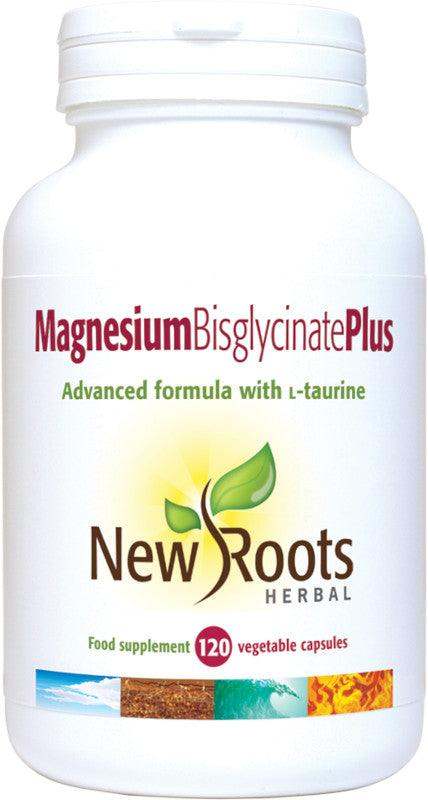
Magnesium Bisglycinate Plus – New Roots Herbal — Best for Long-Term Daily Use
Doctor's Grade: 9.3/10
Bioavailability: 9.4/10 | Tolerability: 9.5/10 | Daily Support: 9.2/10 | Sleep/Stress: 9.1/10
Bisglycinate is fully chelated magnesium — two glycine molecules bound to one magnesium ion — which protects it from competing for absorption with other minerals in the gut. That combination of high absorption and low GI impact makes it one of the most reliable options for sustained daily supplementation.
Pros:
- Excellent absorption and bioavailability
- Gentle on digestion
- Supports sleep and stress regulation
- Well suited to long-term supplementation
Cons:
- Capsule format may require multiple doses per day to reach target intake
- Higher price point than basic magnesium forms
Best dosage: 200–400 mg elemental magnesium daily
When to take: Evening or split dose
Who it's best for: Sleep, stress, muscle relaxation, sensitive digestion
Liposomal Magnesium ATP – Ecological Formulas — Best for Fatigue

Doctor's Grade: 9.1/10
Absorption: 9.0/10 | Energy Support: 9.3/10 | Tolerability: 9.0/10 | Value: 8.7/10
This formula uses liposomal delivery — magnesium encapsulated in a phospholipid layer — with the aim of improving cellular uptake, and is positioned specifically around ATP production. It appeals to people dealing with persistent fatigue or high metabolic demand who have not responded to standard forms.
Pros:
- Liposomal delivery designed for improved uptake
- Focused on cellular energy and metabolism
- Generally very well tolerated
Cons:
- Premium pricing compared with standard magnesium
- Fixed tablet dosing limits flexibility
- Liposomal delivery claims are less well studied for minerals than for vitamin C
Best dosage: 1–2 tablets daily per label guidance
When to take: Morning or early afternoon
Who it's best for: Fatigue, energy support, active lifestyles
Buffered Magnesium Bisglycinate Powder – Kirkman Labs — Best Powder for Sensitive Stomachs

Doctor's Grade: 9.2/10
Absorption: 9.3/10 | Digestive Tolerance: 9.5/10 | Flexibility: 8.9/10 | Daily Use: 9.0/10
Buffering agents reduce the acidity of the powder, improving digestive comfort while maintaining the absorption advantages of bisglycinate. The powder format also lets you titrate upwards in small increments — the single most effective way to avoid loose stools when starting magnesium.
Pros:
- Buffered for improved digestive comfort
- Powder allows precise, adjustable dosing
- Suitable for long-term daily use
Cons:
- Requires mixing
- Taste may be noticeable for some users
Best dosage: 200–350 mg elemental magnesium daily
When to take: With meals or split doses
Who it's best for: Sensitive digestion, gradual dose titration
Magnesium Citrate 150mg – Klaire Labs — Best for Digestion and Constipation

Doctor's Grade: 8.7/10
Bioavailability: 8.5/10 | Digestive Support: 8.6/10 | Cramps: 8.8/10 | Tolerability: 7.9/10
Magnesium citrate draws water into the bowel, which is exactly why it works for constipation and exactly why it can cause loose stools at higher doses. It remains a reasonably well-absorbed, affordable option for people who want magnesium repletion alongside bowel regularity.
Pros:
- Supports digestion and bowel motility
- Effective for muscle cramps
- Convenient capsule form at moderate cost
Cons:
- Higher risk of loose stools at larger doses
- Less suitable for sleep-focused use
- Not ideal for people with IBS-D
Best dosage: 150–300 mg elemental magnesium daily
When to take: With meals or in the evening
Who it's best for: Digestive support, cramps, constipation-prone users
Essensey Magnesium + Zinc + B6 — Best All-In-One Formula

Doctor's Grade: 9.0/10
Magnesium Support: 8.9/10 | Synergy: 9.3/10 | Immune Support: 9.2/10 | Value: 8.8/10
This combines magnesium with zinc and vitamin B6. The B6 inclusion is not marketing filler — vitamin B6 plays a role in magnesium transport into cells, and the pairing is common in formulations aimed at stress and nervous system support.
Pros:
- Synergistic blend of magnesium, zinc and B6
- Supports immunity and stress balance
- Convenient all-in-one formula
Cons:
- Not ideal if you want magnesium-only supplementation
- Zinc intake should be monitored if you already take a multivitamin
- Long-term high-dose B6 should be avoided without medical advice
Best dosage: 1–2 capsules daily with food
When to take: Morning or split doses
Who it's best for: General wellness, immunity, stress support
Ancient Minerals Magnesium Oil Spray 8oz — Best Topical Magnesium

Doctor's Grade: 8.8/10
Topical Support: 9.1/10 | Digestive Tolerance: 10/10 | Ease of Use: 9.3/10
A magnesium chloride spray that bypasses the digestive system entirely, making it a practical option for people who cannot tolerate oral magnesium at all. It is commonly used for muscle cramps, restless legs and post-training recovery.
A note on the evidence: transdermal magnesium absorption is far less well established than oral absorption, and studies are limited. Many users find it helpful for localised comfort, but it should not be relied on as your sole source if you are trying to correct a genuine deficiency.
Pros:
- No digestive involvement at all
- Targeted muscle relief
- Easy to apply and pairs well with massage
Cons:
- Tingling or itching sensation is common on first use
- Not a reliable replacement for oral magnesium
- Absorbed dose cannot be measured
Best usage: 5–10 sprays on affected areas
When to use: Post-shower or before bed
Who it's best for: Muscle cramps, restless legs, sensitive digestion
CARE Magnesium Sulphate Paste 50g — Best for Localised Muscle Relief

Doctor's Grade: 8.4/10
Targeted Relief: 9.0/10 | Ease of Use: 8.6/10 | Skin Comfort: 8.0/10
Magnesium sulphate paste is designed for localised application on sore or tense areas. It is a complementary product rather than a magnesium source — use it alongside an oral supplement, not instead of one.
Pros:
- Effective for spot treatment
- Easy to apply
- Works well combined with massage
Cons:
- Not suitable for systemic magnesium intake
- May irritate sensitive skin
- Not for use on broken skin without advice
Best usage: Apply 1–2× daily to affected areas
When to use: After activity or in the evening
Who it's best for: Local muscle tension and stiffness
What Form of Magnesium Should You Take?
Magnesium supplements are bound to different compounds, and that binding affects absorption, tolerability and which health goals the supplement suits. Choosing the right form makes more practical difference than choosing a higher dose.
Magnesium Form vs Health Goal: Quick Reference
| Your goal | Best form(s) | Why |
|---|---|---|
| Sleep quality | Glycinate / bisglycinate, L-threonate | Glycine has calming properties; both are well tolerated in the evening |
| Stress & low mood | Glycinate, L-threonate, taurate | Support nervous system regulation without GI disruption |
| Energy & fatigue | Malate, orotate | Malic acid and orotic acid feed into cellular energy pathways |
| Constipation | Citrate, oxide | Osmotic effect draws water into the bowel |
| Heartburn / acid balance | Oxide, carbonate, hydroxide | Acid-neutralising properties; used in antacids |
| Heart health | Taurate, orotate, glycinate | Taurine and orotate are associated with cardiovascular support |
| Muscle cramps & recovery | Malate, glycinate, topical chloride/sulphate | Supports contraction–relaxation cycle; topicals allow local application |
| Bone health | Citrate, glycinate | Commonly paired with calcium and vitamin D in bone formulations |
| Cognitive support | L-threonate | Studied for brain magnesium delivery — evidence still developing |
| Sensitive stomach | Glycinate, buffered powders, topical | Minimal osmotic effect in the gut |
Quick Guide to Magnesium Forms
- Magnesium glycinate/bisglycinate: gentle, well absorbed, first choice for sleep and stress
- Magnesium malate: supports energy production and muscle function
- Magnesium L-threonate: studied for brain and cognitive support
- Magnesium citrate: well absorbed, supports digestion and bowel motility
- Magnesium oxide: high elemental content but low absorption; mainly used as an antacid or laxative
- Magnesium taurate: often chosen for cardiovascular and nervous system support
- Magnesium chloride: used orally and topically; reasonable absorption
- Magnesium sulphate: Epsom salts and pastes; used topically or short-term
Understanding Elemental Magnesium (The Number That Actually Matters)
Elemental magnesium is the amount of pure, usable magnesium in a supplement, as opposed to the total weight of the magnesium compound. A capsule labelled "500mg magnesium bisglycinate" may deliver only around 70mg of elemental magnesium — the rest is the glycine it is bound to.
This single misunderstanding causes more under-dosing and over-dosing than anything else in the magnesium category. Always check the supplement facts panel for the elemental figure.
Approximate Elemental Magnesium by Form
| Form | Approx. elemental magnesium | Absorption | GI effect |
|---|---|---|---|
| Magnesium oxide | ~60% | Low | High (laxative) |
| Magnesium citrate | ~16% | Good | Moderate |
| Magnesium malate | ~15% | Good | Low–moderate |
| Magnesium glycinate/bisglycinate | ~14% | High | Very low |
| Magnesium chloride | ~12% | Good | Moderate |
| Magnesium taurate | ~9% | Good | Low |
| Magnesium L-threonate | ~8% | Good | Low |
Figures are approximate and vary by manufacturer. Always check the label.
How Much Magnesium Should You Take Per Day?
In the UK, the NHS recommends 300mg of magnesium per day for men and 270mg per day for women aged 19 to 64. These figures refer to total intake from food and supplements combined. US guidance is slightly higher, at 400–420mg for men and 310–320mg for women — a difference in how the reference values were derived, not a disagreement about biology.
UK Magnesium Intake Guidelines
| Group | NHS recommended daily intake |
|---|---|
| Men, 19–64 years | 300mg |
| Women, 19–64 years | 270mg |
| Supplemental upper limit (adults) | 400mg or less per day is unlikely to cause harm |
The NHS also notes that taking more than 400mg of supplemental magnesium can cause diarrhoea, and that there is not enough evidence to say what the long-term effects of high doses might be. The EU's European Food Safety Authority sets a more conservative limit of 250mg per day from supplements and fortified foods.
A Practical Supplement Range
Because supplements are intended to top up dietary intake rather than replace it, most people do not need to supplement the full daily requirement. A typical supplemental range is 100–350mg of elemental magnesium per day, adjusted for diet and tolerance.
- Start low — 100–150mg of elemental magnesium daily for the first week.
- Assess tolerance — if stools remain normal, increase.
- Increase gradually — step up by 100mg every 5–7 days.
- Split the dose — two smaller doses are absorbed better and tolerated better than one large one.
- Stay under 400mg supplemental per day unless a clinician advises otherwise.
How Long Does Magnesium Take to Work?
This depends entirely on what you are taking it for. Magnesium is not a sedative and does not produce an immediate effect in the way a sleeping tablet would.
| Goal | Typical time to notice a change |
|---|---|
| Constipation relief (citrate/oxide) | 30 minutes – 6 hours |
| Muscle cramps & twitching | 1–2 weeks |
| Sleep quality & wind-down | 1–4 weeks |
| Stress resilience & mood | 4–8 weeks |
| Energy & fatigue | 4–8 weeks |
| Blood pressure (where relevant) | 8–12 weeks |
| Replenishing depleted tissue stores | Up to 6 months |
If you have seen no change at all after 8 weeks of consistent, adequate dosing, it is worth reconsidering the form, the dose, or whether magnesium is the right target for your symptoms.
When Is the Best Time to Take Magnesium?
There is no universally "correct" time — the best time is the one you will stick to. That said, timing can be matched to your goal:
- For sleep and relaxation: 30–60 minutes before bed, or with your evening meal
- For energy and muscle recovery: morning or early afternoon
- For constipation: evening, so the effect occurs the following morning
- For sensitive stomachs: always with food, and split across two doses
- If you take other medications: leave at least 2–4 hours between magnesium and the medications listed below
Magnesium can be taken with or without food, but taking it with a meal noticeably reduces the risk of nausea and loose stools.
Capsules, Powders or Topical Magnesium: Which Format Is Best?
| Format | Pros | Cons | Best for |
|---|---|---|---|
| Capsules / tablets | Convenient, precise, travel-friendly | Fixed dose; may need several per day | Most people, daily consistency |
| Powders | Fully adjustable dosing; easier to titrate | Requires mixing; taste | Sensitive stomachs, higher doses, athletes |
| Sprays / oils | Bypasses the gut entirely; targeted | Unmeasurable dose; can tingle or itch | Cramps, restless legs, GI intolerance |
| Pastes | Precise local application | Not a systemic magnesium source | Localised stiffness and soreness |
| Bath flakes / Epsom salts | Relaxing; pleasant recovery ritual | Minimal evidence for systemic absorption | General relaxation and recovery |
Many people combine an oral supplement for systemic magnesium with a topical product for targeted relief. That is a reasonable approach, provided the oral dose stays within recommended limits.
Magnesium From Food vs Supplements: What's the Difference?
Food should always be the foundation. Dietary magnesium arrives alongside fibre, potassium and other nutrients, and it is essentially impossible to overdose on magnesium from food if your kidneys are healthy. Supplements offer something food cannot: a predictable, measurable dose you can match to a specific goal.
| Factor | Magnesium from food | Magnesium from supplements |
|---|---|---|
| Typical sources | Leafy greens, nuts, seeds, whole grains, legumes | Capsules, powders, liquids, sprays, pastes |
| Dose consistency | Varies by food, soil and preparation | Measured and consistent |
| Absorption control | Depends on diet, phytates and gut health | Can select higher-bioavailability forms |
| Targeted benefits | General nutritional support | Sleep, stress, energy, digestion, recovery |
| Risk of side effects | Very low | Possible GI upset if overdosed or wrong form |
| Best use case | Foundational daily nutrition | Filling gaps or targeting a specific goal |
Magnesium-Rich Foods (Approximate Content)
- Pumpkin seeds — around 150mg per 28g
- Chia seeds — around 110mg per 28g
- Almonds — around 80mg per 28g
- Spinach (cooked) — around 78mg per half cup
- Cashews — around 74mg per 28g
- Dark chocolate (70%+) — around 65mg per 28g
- Black beans — around 60mg per half cup
- Wholemeal bread — around 46mg per two slices
- Avocado — around 44mg per medium fruit
A handful of pumpkin seeds and a portion of leafy greens covers a substantial share of the daily requirement — which is why dietary changes are often the cheapest intervention available.
Magnesium Side Effects, Safety and Who Shouldn't Take It
Magnesium is generally safe for most healthy adults at recommended doses. Side effects are usually dose-related and dependent on form.
Common Side Effects
- Loose stools or diarrhoea — most common with citrate, oxide and sulphate
- Mild stomach upset, bloating or cramping
- Nausea at higher doses
- Skin tingling or itching with topical sprays
These usually resolve by lowering the dose, splitting it, taking it with food, or switching to glycinate.
Who Should Avoid or Seek Advice First
| Group | Reason |
|---|---|
| Chronic kidney disease or reduced kidney function | Impaired excretion can lead to hypermagnesaemia — potentially causing low blood pressure, muscle weakness and irregular heartbeat. Avoid unless prescribed. |
| Heart block or bradycardia | Magnesium affects cardiac conduction; medical supervision required |
| Myasthenia gravis | Magnesium can worsen neuromuscular weakness |
| Pregnancy and breastfeeding | Speak to a midwife or GP before supplementing |
| IBS-D or active bowel disease | Osmotic forms can worsen diarrhoea; choose glycinate or topical |
| Anyone on regular prescription medication | Check for interactions — see below |
Seek urgent medical advice if you experience severe or persistent diarrhoea, muscle weakness, confusion, an unusually slow heartbeat or difficulty breathing after taking magnesium.
Magnesium and Medication Interactions
Magnesium can bind to certain medications in the digestive tract, reducing how much of the drug is absorbed. In most cases the solution is separation of timing rather than avoidance.
| Medication | Interaction | Practical advice |
|---|---|---|
| Tetracycline antibiotics (e.g. doxycycline) | Reduced antibiotic absorption | Separate by at least 2–3 hours |
| Quinolone antibiotics (e.g. ciprofloxacin) | Reduced antibiotic absorption | Take magnesium at least 2 hours after, or 4–6 hours before |
| Bisphosphonates (e.g. alendronate) | Reduced drug absorption | Separate by at least 2 hours |
| Levothyroxine | Reduced thyroid hormone absorption | Separate by at least 4 hours |
| Proton pump inhibitors (e.g. omeprazole) | Long-term use may lower magnesium levels | Discuss monitoring with your GP |
| Diuretics | May increase or decrease magnesium levels depending on type | Seek medical advice before supplementing |
| Blood pressure & heart medications | Potential additive effects | Check with a pharmacist or GP |
If you are unsure, your community pharmacist can check interactions quickly and free of charge.
7 Common Mistakes People Make With Magnesium
- Reading compound weight as elemental magnesium. "1000mg magnesium citrate" is not 1000mg of magnesium — it is closer to 160mg.
- Choosing oxide because it looks strongest. High elemental content, poor absorption. It is best used as a laxative or antacid, not for repletion.
- Taking one large dose instead of splitting it. Absorption efficiency falls as the single dose rises.
- Giving up after five days. Most benefits beyond bowel effects take weeks.
- Taking it at the same time as antibiotics or levothyroxine. This can reduce the effectiveness of important medication.
- Using topical magnesium to correct a deficiency. Sprays are useful for local comfort, but the absorbed dose is unmeasurable.
- Assuming a normal blood test means normal magnesium. Serum levels reflect only about 1% of total body magnesium.
Magnesium Myths vs Facts
| Claim | Verdict | The reality |
|---|---|---|
| "Everyone is magnesium deficient" | Myth | Suboptimal intake is common, but clinically diagnosed deficiency is far less so |
| "Magnesium works like a sleeping tablet" | Myth | It supports the systems involved in relaxation; it is not a sedative |
| "The higher the mg, the better" | Myth | Absorption and tolerance matter far more than label strength |
| "Epsom salt baths correct deficiency" | Unproven | Evidence for meaningful transdermal absorption is limited |
| "Different forms are basically the same" | Myth | Absorption ranges widely, and GI effects differ substantially |
| "Magnesium can lower blood pressure" | Partly true | Modest effects, mainly in people with hypertension or low magnesium — not a replacement for medication |
| "You can't take too much magnesium" | Myth | Excess supplemental magnesium causes diarrhoea and is dangerous in kidney disease |
How to Choose the Right Magnesium in 30 Seconds
- For sleep or stress: magnesium glycinate or bisglycinate
- For brain fog or cognitive support: magnesium L-threonate
- For energy or muscle fatigue: magnesium malate
- For constipation: magnesium citrate
- For a sensitive stomach: buffered powder, glycinate, or topical
- For general daily support on a budget: a blended magnesium complex
- For localised muscle relief: a magnesium spray or paste
Consistency and the right form matter far more than a high dose. For a deeper comparison of forms, dosages and timing specifically for night-time use, see our guide to the best magnesium for sleep.
Frequently Asked Questions
How much magnesium should adults take daily?
The NHS recommends 300mg per day for men and 270mg per day for women aged 19–64, from food and supplements combined. Most people supplementing to top up their diet use 100–350mg of elemental magnesium daily, and the NHS advises that 400mg or less per day from supplements is unlikely to cause harm.
What is the best magnesium for sleep?
Magnesium glycinate (bisglycinate) is the most commonly recommended form for sleep, because it is well absorbed, unlikely to disturb the gut overnight, and bound to glycine, which has calming properties of its own. Magnesium L-threonate is a second option for people whose sleep issues involve racing thoughts or mental overactivity.
Can you take magnesium every day?
Yes. Magnesium is designed for daily use and is considered safe long term for most healthy adults when taken within recommended doses. If you have kidney disease or take regular medication, check with your GP or pharmacist first.
What's the difference between magnesium oxide and glycinate?
Magnesium oxide contains around 60% elemental magnesium but is poorly absorbed, so much of it stays in the bowel and produces a laxative effect. Magnesium glycinate contains only around 14% elemental magnesium but is absorbed far more efficiently and rarely causes digestive upset — which is why it is preferred for sleep and stress.
Which magnesium absorbs best?
Chelated and organic forms — glycinate, bisglycinate, malate, citrate and L-threonate — are consistently better absorbed than inorganic salts such as oxide, carbonate and sulphate. Glycinate and bisglycinate are generally considered the best combination of absorption and tolerability.
Can magnesium help with anxiety or stress?
Magnesium is involved in nervous system regulation and the body's stress response, and systematic reviews of small trials report generally positive results for mild anxiety — particularly in people with low magnesium status. The evidence is not strong enough to treat magnesium as a treatment for an anxiety disorder, and persistent anxiety should be discussed with a GP.
Does magnesium make you sleepy?
Magnesium is not a sedative and does not cause drowsiness the way sleep medication does. It supports the physiological processes involved in relaxation, so many people find it easier to wind down — but you should not expect an immediate knock-out effect.
Can you take magnesium and vitamin D together?
Yes, and they work well together. Magnesium is required for the enzymes that convert vitamin D into its active form, so adequate magnesium status supports vitamin D metabolism. There is no need to separate them.
Should I take magnesium with or without food?
Either is fine, but taking it with food noticeably reduces the risk of nausea and loose stools — especially with citrate, oxide or higher doses.
Can magnesium cause diarrhoea?
Yes. This is the most common side effect and is dose- and form-dependent. Citrate, oxide and sulphate are the usual culprits. Lowering the dose, splitting it across the day, taking it with food, or switching to glycinate normally resolves it.
How long does magnesium take to work?
Bowel effects can occur within hours. Cramps often improve within 1–2 weeks, sleep within 1–4 weeks, and energy or blood pressure changes within 8–12 weeks. Replenishing depleted tissue stores can take several months.
Can you take too much magnesium?
Yes. Excess supplemental magnesium causes diarrhoea, nausea and cramping, and in people with impaired kidney function it can accumulate to dangerous levels. The NHS advises keeping supplemental intake to 400mg per day or less unless supervised by a clinician.
Is magnesium glycinate the same as magnesium bisglycinate?
In practice, the terms are used interchangeably. "Bisglycinate" is technically more precise, describing two glycine molecules bound to one magnesium ion, and is the fully chelated form.
Do magnesium sprays actually work?
Many people find them useful for localised muscle discomfort and cramps, and they avoid the gut entirely. However, evidence for meaningful transdermal absorption into the bloodstream is limited, so sprays are best treated as a complement to oral magnesium rather than a replacement.
Should I take magnesium in the morning or at night?
Take it at night for sleep, relaxation or constipation, and in the morning or early afternoon for energy and muscle recovery. If you are taking a larger dose, splitting it between morning and evening improves both absorption and tolerance.
Final Verdict: Which Magnesium Supplement Should You Buy?
If you want one supplement to cover sleep, stress and general magnesium status, a glycinate or bisglycinate is the most reliable starting point for most people. If your goal is cognitive support and evening calm, Welzo Ultra Purity Magnesium L-Threonate is the standout option. If you train hard or struggle with fatigue, choose malate. If your digestion is the problem, choose a buffered powder or a topical.
- Magnesium is essential for sleep, muscle function, stress regulation, glucose metabolism and energy
- The form matters more than the milligram count — check elemental magnesium on the label
- UK guidance: 300mg/day for men, 270mg/day for women; keep supplements to 400mg/day or less
- Evidence is strongest where deficiency exists; benefits are smaller in people who are already replete
- Start low, split doses, take with food, and allow 4–8 weeks before judging the result
- Check interactions if you take antibiotics, bisphosphonates, levothyroxine or heart medication
Medical disclaimer: This article is for information only and does not constitute medical advice. Always speak to your GP, pharmacist or a qualified healthcare professional before starting a new supplement, particularly if you are pregnant, breastfeeding, have a health condition, or take prescription medication.
References and Further Reading
- NHS — Vitamins and minerals: Others (magnesium intake and safe upper levels)
- Magnesium Supplementation and Blood Pressure: A Systematic Review and Meta-Analysis of Randomized Controlled Trials — Hypertension
- Dose-Response Relationship between Dietary Magnesium Intake and Risk of Type 2 Diabetes Mellitus — Nutrients
- Magnesium Intake and Risk of Type 2 Diabetes: Meta-analysis of Prospective Cohort Studies — Diabetes Care
- Oral magnesium supplementation for insomnia in older adults: a Systematic Review & Meta-Analysis — BMC Complementary Medicine and Therapies
- Examining the Effects of Supplemental Magnesium on Self-Reported Anxiety and Sleep Quality: A Systematic Review — Cureus


 Hodnoceno výborně o 28,951+ recenzí
 100% záruka vrácení peněz