Related collections

Best Supplements for ADHD in Children 2026: Guide for Parents
Posted on:
Jan 27, 2026
Authored by


Parents searching for the best supplements for ADHD in children are often looking for safe, evidence-informed ways to support focus, emotional regulation, and everyday behaviour — either alongside clinical care or as part of a broader nutritional approach. With growing interest in non-stimulant options, the demand for doctor-reviewed ADHD supplements has increased significantly heading into 2026.
In this guide, we review the best ADHD supplements for children available to buy online in the UK, focusing on products stocked by Welzo. Each supplement has been assessed based on ingredient quality, formulation, safety profile, ease of use for children, and relevance to ADHD-related symptoms such as inattention, impulsivity, emotional dysregulation, and stress sensitivity.
This article is written to help parents searching for “Best ADHD supplements for kids”, “natural ADHD support for children”, and where to buy ADHD supplements online, with clear, practical guidance grounded in current research and clinical insight.
ADHD (Attention-Deficit/Hyperactivity Disorder) is a neurodevelopmental condition that affects attention, impulse control, and behaviour in children. It impacts around 5–7% of children worldwide and is linked to differences in brain development and neurotransmitter signalling. While ADHD is commonly managed with behavioural strategies and medication, some families use nutritional support to complement professional care.
This article has been medically reviewed using established nutritional science and paediatric guidance, with input aligned to the clinical perspective of Dr Zeeshan Afzal, who has experience in evidence-based supplement evaluation and child health support. While supplements are not a replacement for medical diagnosis or treatment, research shows that targeted nutritional support may help address underlying deficiencies commonly observed in children with ADHD.
All products included have been reviewed using a consistent evaluation framework, including:
Ingredient relevance to ADHD-related symptoms
Bioavailability and formulation quality
Suitability for children (including liquid vs capsule options)
Safety considerations and non-stimulant profiles
Parent usability and compliance
Only supplements available directly from Welzo have been included to ensure transparency, consistency, and ease of purchase.
ADHD supplements are nutritional products designed to support brain function, nervous system balance, and behavioural regulation in children. They typically contain vitamins, minerals, fatty acids, or targeted compounds that play a role in neurotransmitter signalling, stress response, and cognitive development.
Research has shown that children with ADHD are more likely to have lower levels of certain nutrients — including omega-3 fatty acids, magnesium, zinc, and specific B vitamins — which are involved in attention, mood regulation, and impulse control. Supplements aim to support nutritional adequacy, rather than act as stimulant medications.
Importantly, ADHD supplements do not treat ADHD itself, but they may help support:
Focus and attention span
Emotional regulation and mood stability
Stress resilience and nervous system balance
Overall cognitive and behavioural wellbeing
This makes them particularly appealing to parents seeking non-stimulant, complementary support.
| Nutrient | How It May Help (Mechanism) | Best Fit for ADHD-Related Concerns | Evidence Notes (Summary) |
|---|---|---|---|
| Omega-3 (EPA/DHA) | Supports neuronal membranes and neurotransmitter signalling. | Attention, learning, behavioural regulation. | Often shows modest benefit in studies; most helpful when dietary intake is low. |
| Magnesium | Supports nervous system relaxation and sleep pathways. | Restlessness, sleep issues, stress sensitivity. | Commonly discussed in ADHD nutrition; best used consistently over weeks. |
| Zinc | Involved in dopamine metabolism and cognitive development. | Focus, learning support, selective eating patterns. | May be most relevant when deficiency risk is present. |
| B-Vitamins | Support energy metabolism and neurotransmitter synthesis. | Mental fatigue, concentration, general wellbeing. | Useful as a baseline when diets are inconsistent. |
| Vitamin D | Supports immune and brain health; linked to mood regulation. | Mood balance, seasonal wellbeing, baseline health. | Best guided by testing or clinician advice when low sun exposure is likely. |
| Iron | Supports oxygen transport and brain energy metabolism. | Fatigue, low stamina, attention dips. | Supplement only when deficiency is confirmed; avoid self-prescribing. |
Note: Supplements are supportive tools and should not replace professional ADHD care. Always check age suitability and speak to a clinician if your child takes medication.
Parents often explore ADHD supplements for children for several key reasons:
Non-stimulant support: Many families prefer to try nutritional strategies before or alongside medication.
Targeting nutrient gaps: Supplements can help address deficiencies linked to focus, mood, and behaviour.
Ease of use: Liquid and child-friendly formats improve compliance.
Whole-child approach: Supports sleep, stress response, and emotional balance — not just attention.
Adjunct to therapy: Often used alongside behavioural interventions and educational support.
When chosen carefully and used consistently, ADHD supplements may form part of a broader, child-centred support strategy tailored to individual needs.
In addition to vitamins, minerals, and omega-3s, some parents also explore nootropic and mushroom-based nutrients that support cognitive function. Compounds such as lion’s mane have gained attention for their potential role in supporting focus, memory, and nerve growth. Welzo explores this in more detail in its guide on lion’s mane and ADHD, which looks at how functional mushrooms may complement broader ADHD support strategies.
| Supplement Type | Key Features (Why Parents Use It) | Best For |
|---|---|---|
| Omega-3 (EPA/DHA) | Supports brain cell signalling and healthy neurotransmitter activity. | Attention, learning support, behavioural regulation. |
| Magnesium | Supports nervous system calm, muscle relaxation, and sleep quality. | Restlessness, sleep routines, stress sensitivity. |
| Zinc | Involved in neurotransmitter metabolism and cognitive development. | Focus support, picky eaters, suspected mineral gaps. |
| Multivitamins / B-Vitamins | Helps fill everyday nutrient gaps that can affect energy and concentration. | General support, selective diets, baseline nutrition. |
| Phosphatidylserine | Supports cell membrane function and may help cognitive performance. | Focus + calm blend, homework routines. |
| Stress Support (Adrenal) | Supports stress resilience when emotional overwhelm worsens attention. | Stress-linked mood swings, fatigue, sensitivity. |
Tip: Choose supplements based on your child’s main goal (focus vs calm vs sleep), and introduce one at a time for 4–8 weeks.
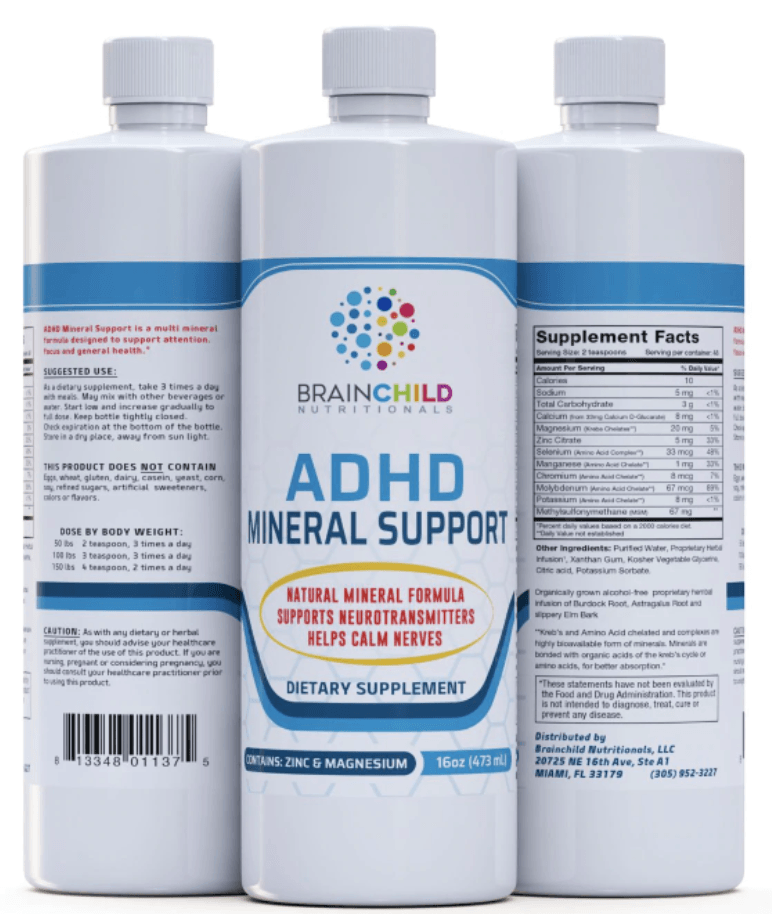
Best Overall ADHD Nutritional Support (Liquid):ADHD Mineral Support – BrainChild Nutritionals
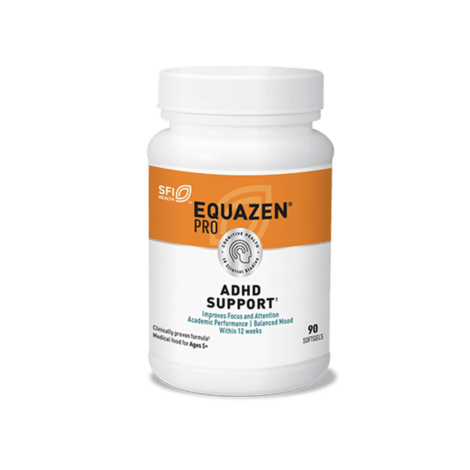
Best Omega-3 Formula for Attention & Behaviour:ADHD Support 90 Softgels – Equazen Pro
Best Broad-Spectrum Vitamin & Mineral Formula:ADHD Vitamin Support Formula – BrainChild Nutritionals
Best Focus & Calm Combination Formula: Added Attention 16 fl oz – Buried Treasure
Best Mood & Emotional Regulation Support: Serotonin Nutrients - 60 Capsules - Seeking Health
Best Stress & Nervous System Support (Non-Stimulant): NOW Foods Adrenal Stress Support 90 Vcaps
Best Vegan Adrenal & Energy Support: Jarrow Formulas Adrenal Optimizer 120 Vegan Tabs
Best Targeted Adrenal Support (Adjunct Use): Adrenal Cortex 100 Capsules – Nutricology
| Supplement | Format | Best For | Best Age |
|---|---|---|---|
| ADHD Mineral Support – BrainChild | Liquid | Focus + calm support | 4–12 |
| ADHD Support – Equazen Pro | Softgels | Attention + behaviour | 5+ |
| ADHD Vitamin Support – BrainChild | Liquid | Daily nutrient gaps | 4–12 |
| Added Attention – Buried Treasure | Liquid | Focus + calm blend | 5–12 |
|
Serotonin Nutrients - 60 Capsules - Seeking Health |
Capsules | Mood regulation | suitable for teens 13+ under clinical supervision only |
| NOW Adrenal Stress Support | Capsules | Stress resilience | 10+ |
| Jarrow Adrenal Optimizer | Tablets | Energy + stress | 10+ |
| Adrenal Cortex – Nutricology | Capsules | Adjunct stress support | 12+ |
Note: Ages are general guidance only. Always follow the product label and seek clinical advice if your child takes medication.
Pros:
Liquid formula with magnesium and zinc — two minerals commonly studied for nervous system function
Easy for children who struggle with tablets
Can support focus and behavioural balance when paired with diet and therapy
Cons:
Benefits take time (several weeks) and vary by child
Not a standalone treatment for ADHD
Best for: Families seeking gentle, daily mineral support for attention and calm behaviour.
Pros:
High-strength omega-3 formula (EPA/DHA) — research shows omega-3s may help inattention and behaviour in some children
Softgel format is easy for older kids and teens
Well-researched ingredient profile
Cons:
Larger softgels may be harder for younger children to swallow
Benefits modest and gradual
Best for: Children with attentional challenges and low dietary omega-3 intake.
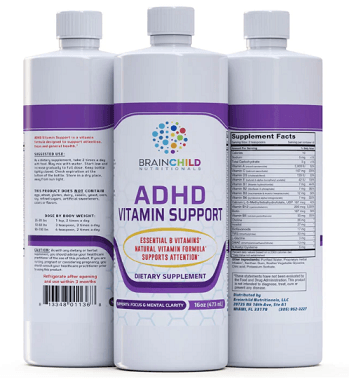
Pros:
Broad spectrum liquid support including vitamins and minerals tied to brain signalling
Mild lemon-lime flavour improves child compliance
Helps fill nutrient gaps common in modern diets
Cons:
Contains general micronutrients — not targeted to one mechanism
Results vary across individuals
Best for: Daily nutritional support alongside behaviour strategies and diet.
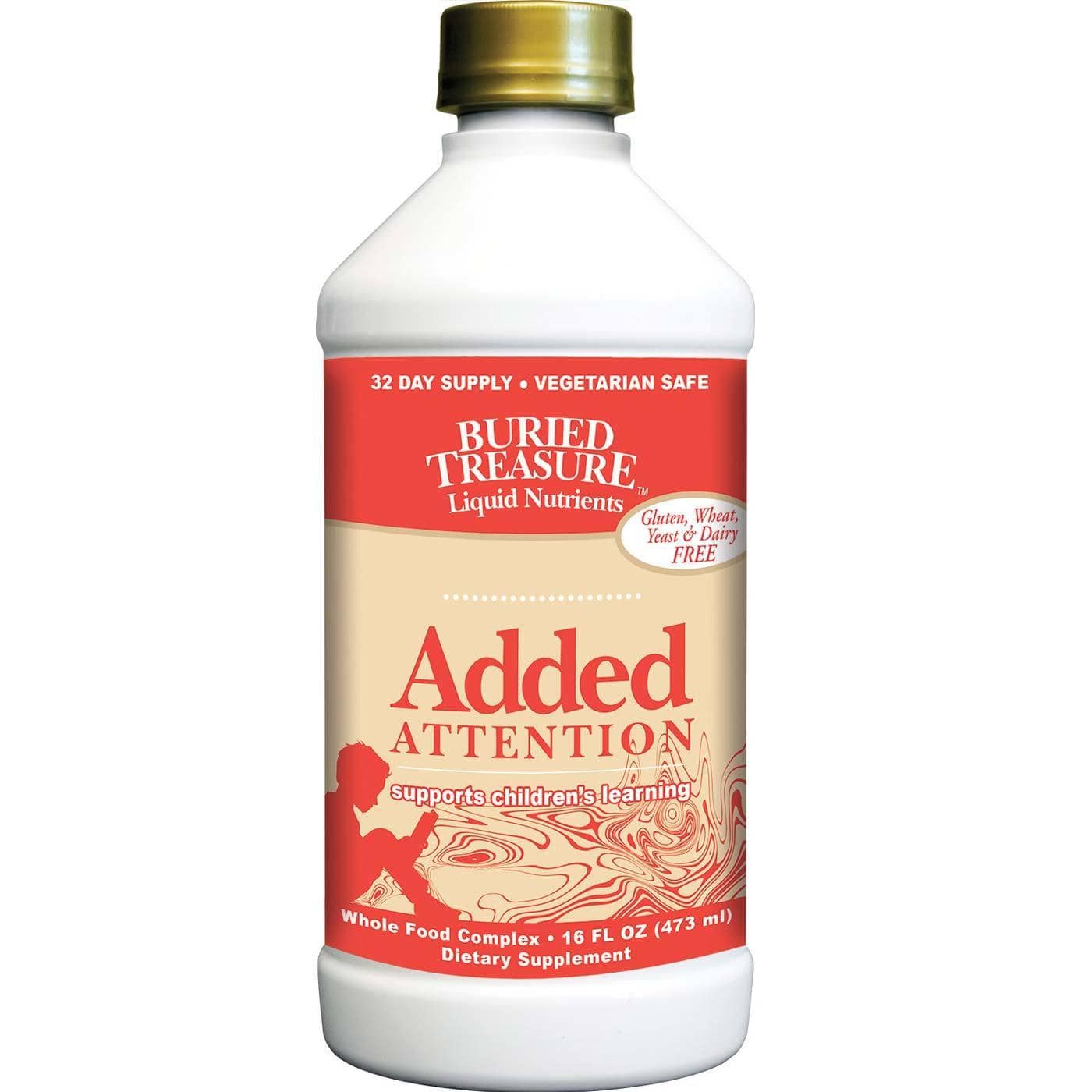
Pros:
Combines phosphatidylserine, DHA, and calming botanicals — approach used in some cognitive support protocols
Liquid formula for easier dosing
May support focus, mood balance, and calmness
Cons:
Contains herbal components — check suitability with a clinician
Effects may be subtle
Best for: Mixed support of focus, calmness, and cognitive function.

Pros:
Cons:
Best for: Emotional balance and mood regulation support in teens aged 13 and above, under clinical supervision, where ADHD-related emotional dysregulation and mood variability are a primary concern.
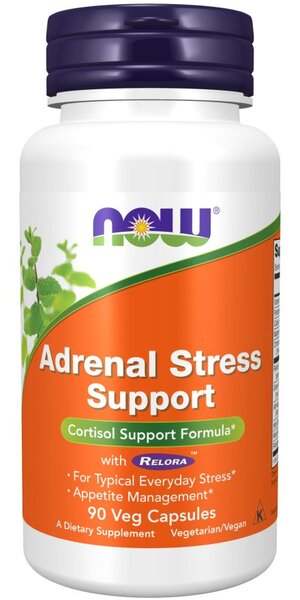
Pros:
Supports stress resilience and nervous system balance
Uses adaptogens like rhodiola and pantothenic acid which may help with stress responses linked to attentional variability
Cons:
Not ADHD-specific; adaptogens should be used with professional guidance for children
Best used as part of broader lifestyle support
Best for: Stress management in children with emotional lability or high anxiety.
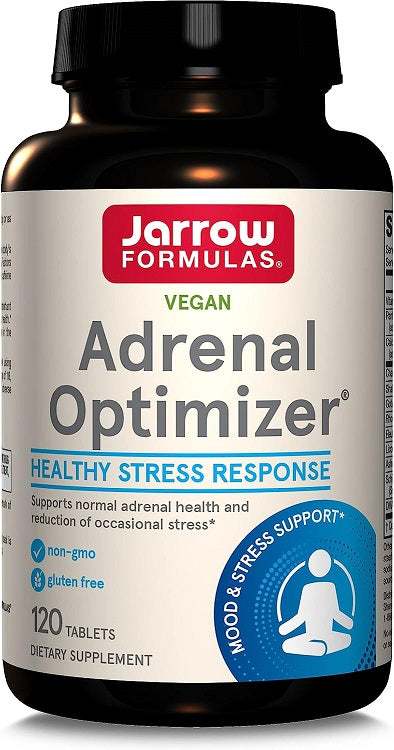
Pros:
Vegan, broad adrenal nutrient support with B vitamins and adaptogens
Suitable for families seeking stress and energy support
Non-stimulant, gentle formulation
Cons:
Not specifically designed for ADHD mechanisms
Best paired with core ADHD nutrient support
Best for: Supporting energy, stress adaptation, and general nervous system health.
Ages 3–6: Liquid formulas and mineral support are typically preferred; avoid complex herbal blends without guidance.
Ages 7–12: Omega-3s, mineral blends, and broad nutritional support are commonly used.
Teens: Capsule-based formulas and mood-support products may be more suitable.
Begin with products that match the child’s primary challenge:
Inattention + focus issues: omega-3 support (Equazen Pro), mineral support
Behaviour + mood variability: mood plus and multifunction formulas
Calmness + stress response: adaptogen-based adrenal formulas
Start with 1–2 core products for 6–12 weeks before adding more. Too many supplements at once makes it hard to see what is helping.
Products like adaptogen formulas should be used under paediatric guidance, especially for younger children.
Some children should only use supplements under professional guidance, especially if they:
Take prescription medication (including stimulant ADHD medications)
Have epilepsy, hormonal conditions, or autoimmune diagnoses
Have very restricted diets or a history of nutrient imbalance
Have severe anxiety, panic symptoms, or sleep disorders
Have known allergies to fish, herbs, or excipients
If your child has complex medical history, it’s best to speak to a clinician before introducing formulas with adaptogens, glandular extracts, or multi-ingredient blends.
While ADHD supplements are generally considered low risk when used correctly, parents should be aware of the following considerations:
Digestive upset may occur with certain minerals or oils, especially when starting supplementation.
Herbal or adaptogen-based products may not be suitable for all children and should be introduced cautiously.
Capsules and tablets may not be appropriate for younger children who cannot swallow pills safely.
Supplements are not medications and should not replace medical advice, behavioural therapy, or prescribed treatment.
Interactions may occur if a child is already taking medication — always consult a healthcare professional before starting new supplements.
Introducing one supplement at a time and monitoring behaviour over several weeks helps parents assess suitability and tolerance.
Supplements work best when the basics are in place. Many children with ADHD benefit from:
Higher protein breakfasts (helps morning focus and reduces crashes)
Stable blood sugar (regular meals/snacks reduce irritability)
Consistent sleep routines (even 30–45 minutes more sleep can change behaviour)
Outdoor movement (improves stress regulation and emotional resilience)
Reducing ultra-processed foods when possible (some children are sensitive to additives)
Supplements should support this foundation, not replace it.
Supplements do not treat ADHD itself, but research suggests certain nutrients may support focus, mood regulation, and nervous system function in some children.
Most non-stimulant supplements are considered safe when used as directed, but parents should always check age suitability and consult a healthcare professional.
No. Supplements are intended as supportive tools, not replacements for prescribed medication or behavioural therapy.
Omega-3 fatty acids and mineral support formulas are commonly explored for attention and behavioural support.
Most supplements require 4–12 weeks of consistent use before noticeable changes may be observed.
Liquids are often easier for children to take and allow flexible dosing, especially for younger age groups.
Some nutrients may support calmer nervous system regulation, but effects vary by child.
Yes, consistency matters more than occasional use for nutritional support.
Possible side effects include mild digestive upset or fishy aftertaste, which can often be reduced by taking with food.
Yes, but it’s best to introduce them gradually and avoid overlapping ingredients unnecessarily.
Some may be appropriate, but herbal products should always be used cautiously and with professional guidance.
No. ADHD is complex, and nutritional support works differently depending on the child’s biology and needs.
This depends on the product. Many are suitable from early childhood, while others are better for older children or teens.
Most supplements are better tolerated when taken with meals unless otherwise stated.
Parents often choose reputable online pharmacies like Welzo that stock clinically reviewed, child-appropriate formulations.
The most commonly discussed supplements for children with ADHD include omega-3 fatty acids, magnesium, zinc, iron (if deficient), and certain B vitamins. These nutrients are involved in brain signalling, nervous system regulation, and cognitive development.
Some supplements may support attention and concentration, particularly when a child has low dietary intake of key nutrients like omega-3s or magnesium. Results vary, and supplements work best alongside educational and behavioural support.
Natural supplements are not a replacement for ADHD medication. They may be used as complementary support, but medication decisions should always be made with a qualified healthcare professional.
Children with restricted diets, poor sleep, frequent fatigue, or emotional dysregulation may be more likely to benefit. A healthcare professional can help assess whether supplementation is appropriate.
Some children with predominantly inattentive ADHD may respond better to nutritional support than others, particularly omega-3 fatty acids and foundational micronutrients. However, responses are individual.
In rare cases, supplements may cause digestive upset or increased restlessness, especially if doses are too high or ingredients overlap. Introducing one supplement at a time helps reduce this risk.
Gummies can improve compliance, but they often contain lower doses or added sugars. Liquid or capsule forms usually provide more precise dosing and broader nutrient coverage.
Many parents trial supplements for 8–12 weeks while monitoring behaviour, focus, and sleep. Long-term use should be reviewed periodically with a healthcare professional.
A balanced diet is essential, but some children struggle to meet nutrient needs through food alone due to selective eating, appetite issues, or higher nutritional demands.
Yes. Consistency is important for nutritional support. Irregular use is unlikely to produce noticeable benefits.
Omega-3 supplements are often chosen for attention and learning support
Mineral support formulas can help address common gaps linked to mood and focus
Liquid supplements are easiest for younger children and improve consistency
Stress-support products are best used as adjunct options with professional guidance
Start with one supplement, track changes for 6–8 weeks, then adjust
 Βαθμολογημένη εξαιρετική από 28,951+ κριτικές
 100% εγγύηση επιστροφής χρημάτων
Η εγγύηση επιστροφής χρημάτων σας εξασφαλίζει ότι θα λάβετε τα στοιχεία σας ή θα λάβετε πλήρη επιστροφή χρημάτων.