




C. difficile: Prevention, Recovery and Probiotics
Posted on:
Aug 05, 2026
Authored by


Written and medically reviewed by Dr Zeeshan Afzal (MBBS) — Medical Doctor & Medical Content Lead, Welzo
Evidence-based · Aligned with Cochrane & clinical guidelines
Last updated: January 2026 · Reading time: ~15 minutes
Clostridioides difficile — usually shortened to C. diff — is a bacterium that can cause a serious infection of the colon, most often after a course of antibiotics has disrupted the normal balance of gut bacteria. It ranges from mild diarrhoea to a life-threatening inflammation of the bowel, and it's one of the most serious conditions in digestive health as well as one of the most common healthcare-associated infections. It is a genuinely medical condition that requires prescription treatment, not something to manage at home — and not one that any gut health supplement can treat.
This guide explains what C. diff is, who's at risk, how it's diagnosed and treated, and — importantly — how to help prevent it and rebuild your gut afterwards. It also gives an honest, evidence-based account of where probiotics fit: the research points mainly to preventing C. diff diarrhoea in people taking antibiotics, rather than treating an active infection. Understanding that distinction matters.
Table of contents
C. diff is a spore-forming bacterium that can live harmlessly in some people's intestines, kept in check by the rest of the gut microbiome. The problem arises when that balance is disrupted — most often by antibiotics, which kill off many of the protective bacteria and leave room for C. diff to multiply. When it overgrows, it produces toxins (toxins A and B) that inflame and damage the lining of the colon, causing diarrhoea and, in serious cases, a condition called pseudomembranous colitis.
Because the underlying trigger is a disrupted microbiome (gut dysbiosis), C. diff sits at the heart of why microbiome diversity and a healthy gut barrier matter. C. diff is the leading cause of antibiotic-associated diarrhoea, and its spores are hardy — they survive on surfaces and resist alcohol hand gels, which is why thorough handwashing with soap and water is so important around cases.
Symptoms usually begin during or shortly after a course of antibiotics, though they can appear weeks later. They range from mild to severe:
| Common symptoms | Signs of severe infection |
|---|---|
| Watery diarrhoea, often three or more times a day | Diarrhoea with blood or pus |
| Abdominal pain and cramping | Severe abdominal pain or swelling |
| Low-grade fever | High fever |
| Nausea and loss of appetite | Signs of dehydration; rapid heart rate |
Severe cases can progress to dangerous complications such as toxic megacolon, so the severe features on the right always need urgent medical attention. Because diarrhoea has many causes, a proper test is what confirms C. diff rather than another cause — see the Bristol stool chart for a simple way to describe your symptoms to a clinician.
The single biggest risk factor is recent antibiotic use, but several factors increase the chance of infection:
| Risk factor | Why it raises risk |
|---|---|
| Antibiotics | Especially clindamycin, broad-spectrum penicillins/cephalosporins and fluoroquinolones |
| Age over 65 | Associated with greater frequency and severity |
| Hospital or care-home stays | More than half of cases are healthcare-associated |
| Acid-suppressing medicines (PPIs) | Linked with increased risk in several studies |
| Weakened immune system | Reduced ability to control the infection |
| Previous C. diff | A prior episode raises the risk of another |
If you take a long-term PPI and are concerned, our guide to omeprazole and its long-term effects may help — but never stop prescribed medication without medical advice.
Diagnosis is made with a stool test. Laboratories look for C. diff and, crucially, for the toxins it produces (or the genes that make them), using tests such as a toxin immunoassay and PCR. Testing is done on a diarrhoeal sample from someone with symptoms — C. diff can be carried harmlessly, so a positive test only matters alongside typical symptoms. In more serious cases, a doctor may arrange blood tests or imaging, and occasionally a camera test (sigmoidoscopy), to assess the colon. The key point is that diagnosis is a medical process, and self-diagnosis based on symptoms alone isn't reliable.
Treatment of an active C. diff infection is medical and, in more serious cases, takes place in hospital. The main steps are:
Recurrence is a real challenge: it occurs in roughly 15–25% of people within a couple of months of the first episode, which is why specialist follow-up matters. Because these treatments are prescription-only and need medical supervision, this article doesn't give doses. Importantly, ordinary anti-diarrhoea medicines are generally avoided in C. diff because slowing the bowel can trap toxins — another reason to be guided by a doctor rather than self-treating.
Prevention focuses on protecting the microbiome and limiting spread:
This is where honesty matters most, because probiotics and C. diff are frequently over-simplified. Here's the accurate picture:
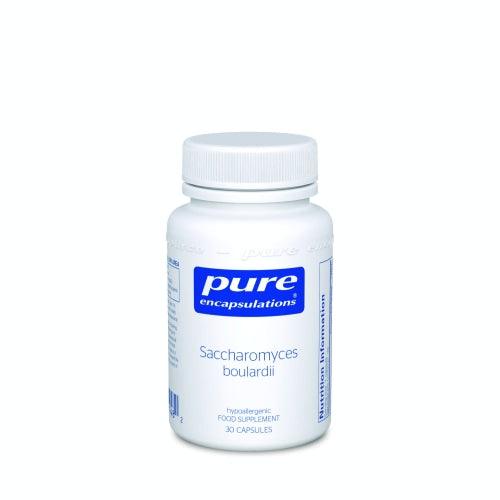
For prevention, the evidence is reasonably encouraging. A Cochrane review concluded that in people prescribed antibiotics, probiotics may be effective at preventing C. diff-associated diarrhoea and may reduce the risk of general antibiotic-associated diarrhoea — and that they probably don't cause harm in people without a weakened immune system (Cochrane review, 2025). A network meta-analysis similarly found probiotics reduced the odds of C. diff diarrhoea by around two-thirds in this setting (network meta-analysis, 2020). The benefit appears greatest when a probiotic is started early, close to the first antibiotic dose. Saccharomyces boulardii (a probiotic yeast) and certain Lactobacillus strains are the most studied — options like S. boulardii are popular for exactly this purpose, and you'll find these across the Welzo probiotics collection.
For treatment, the picture is different. Probiotics are not recommended as a standalone treatment for an active C. diff infection: the evidence for benefit is limited, and there's a small but real risk of bloodstream infection in vulnerable people. S. boulardii has generated research interest because it appears to counteract C. diff toxins, but results for reducing relapse are mixed, and it does not replace antibiotics.
Important safety note: Probiotics are not suitable for everyone. People who are severely ill, critically unwell, or immunocompromised can rarely develop bloodstream infections from probiotic organisms, so anyone in these groups — or with a central line — should only use probiotics on the advice of their medical team. Clinical guidelines remain cautious and don't universally recommend probiotics, so this is a conversation to have with your doctor or pharmacist, especially when antibiotics are involved. See our overview of probiotics safety.

After a C. diff infection, the gut microbiome is often depleted, and it can take time to recover. The priorities are staying well-hydrated during the illness (replacing fluids and electrolytes lost through diarrhoea) and then, as you recover, gradually rebuilding a diverse, resilient microbiome. Helpful steps include:
For completeness: Welzo's wider range includes berberine (a plant compound with antimicrobial properties) and TUDCA (a bile acid), but neither is a treatment for C. diff, and berberine in particular should not be used to self-treat an infection. If bacterial overgrowth like SIBO complicates recovery, that too needs medical input.
C. diff can become serious quickly, so prompt medical assessment is important — this is not a condition to manage at home.
Seek medical help — urgently for the severe signs — if you have:
See our guide on when to see a GP about stomach symptoms. Do not take anti-diarrhoea medicines or stop prescribed antibiotics without medical advice.
C. difficile (C. diff) is a bacterium that can infect the colon, usually after antibiotics have disrupted the normal balance of gut bacteria. When it overgrows, it releases toxins that inflame the bowel lining, causing diarrhoea and cramping. It ranges from mild illness to a serious, potentially life-threatening infection, and it needs medical treatment.
The main symptom is frequent watery diarrhoea, often three or more times a day, usually with abdominal cramps, a low-grade fever, nausea and loss of appetite. Severe infection can cause blood or pus in the stool, high fever, severe abdominal pain or swelling, and dehydration. Severe symptoms need urgent medical care.
Most cases follow antibiotic use, which kills protective gut bacteria and lets C. diff multiply. It spreads through hardy spores that survive on surfaces and hands, so hospitals and care settings are common places to acquire it. Risk is higher with certain antibiotics, age over 65, acid-suppressing medicines and a weakened immune system.
Treatment is medical. Where possible the triggering antibiotic is stopped, and a specific antibiotic against C. diff — usually vancomycin or fidaxomicin — is prescribed, along with fluids to prevent dehydration. Recurrent cases may need fidaxomicin, bezlotoxumab or a faecal microbiota transplant. Ordinary anti-diarrhoea medicines are generally avoided, so always follow medical advice.
The evidence suggests they may help. In people taking antibiotics, a Cochrane review found probiotics may reduce the risk of C. diff-associated diarrhoea and are likely safe in those without a weakened immune system, with the benefit greatest when started early. Saccharomyces boulardii and certain Lactobacillus strains are the most studied, but discuss it with your doctor first.
No. Probiotics are not recommended as a standalone treatment for active C. diff infection — the evidence for benefit is limited, and there's a small risk of bloodstream infection in vulnerable people. Active infection needs prescription antibiotics such as vancomycin or fidaxomicin. Probiotics are studied for prevention and possible support, not as a replacement for treatment.
Saccharomyces boulardii, a probiotic yeast, is among the most studied for preventing antibiotic-associated and C. diff diarrhoea, along with certain Lactobacillus strains. The right choice, timing and whether a probiotic is appropriate for you depend on your health and any medicines you take, so it's best decided with your doctor or pharmacist — particularly if you are immunocompromised.
C. diff forms tough spores that alcohol-based hand gels don't reliably kill. Physically washing with soap and water removes spores from the hands far more effectively, which is why soap-and-water handwashing is recommended around C. diff cases, especially in hospitals. Cleaning surfaces with spore-effective products also helps limit spread in the home.
Many people improve within days to a couple of weeks of starting the right antibiotic, but the gut microbiome can take longer to recover, and tiredness can linger. Recurrence happens in around 15–25% of people within a couple of months, so it's important to complete treatment, stay hydrated and rebuild your gut gradually with medical guidance.
Once you're recovering, focus on staying hydrated, then gradually eat a varied, plant-rich diet to feed a broad range of beneficial bacteria. Reintroduce fibre slowly, and consider microbiome support such as probiotics if your doctor agrees it's appropriate. Rebuilding diversity takes time, so aim for sustainable, consistent habits rather than quick fixes.
Medical disclaimer: This article is for general information and education only and does not constitute medical advice, diagnosis or treatment. It should not replace consultation with a qualified healthcare professional. C. difficile is a serious infection that requires medical diagnosis and prescription treatment; probiotics are not a treatment for active infection and are not suitable for everyone, particularly people who are immunocompromised or critically ill. Do not take anti-diarrhoea medicines or stop prescribed antibiotics without advice. Seek prompt medical care for severe or worsening symptoms. Always consult a healthcare professional before starting new supplements, especially if you are pregnant, breastfeeding, taking medication, or have an existing condition.
About the author
Dr Zeeshan Afzal (MBBS) is a practising medical doctor and Welzo's Medical Content Lead. He writes and reviews Welzo's health content to ensure it is accurate, evidence-based and aligned with current UK clinical guidance, translating complex research into practical advice patients can trust.
 Βαθμολογημένη εξαιρετική από 28,951+ κριτικές
 100% εγγύηση επιστροφής χρημάτων
Η εγγύηση επιστροφής χρημάτων σας εξασφαλίζει ότι θα λάβετε τα στοιχεία σας ή θα λάβετε πλήρη επιστροφή χρημάτων.