


Spore-Based vs Lactobacillus Probiotics
Posted on:
Aug 05, 2026
Συντηρημένος


Written and medically reviewed by Dr Zeeshan Afzal (MBBS) — Medical Doctor & Medical Content Lead, Welzo
Evidence-based · Honest about what's proven and what isn't · UK-focused
Last updated: July 2026 · Reading time: ~9 minutes
Spore probiotics survive your stomach almost intact. Lactobacillus probiotics largely don't. That sounds like it settles the argument — and it doesn't, because surviving the journey is not the same as doing anything useful once you arrive.
Table of contents
For most people with a specific complaint, Lactobacillus. Not because it's a better organism, but because you can look up what a named strain has been shown to do. That evidence base is decades deep and appears in clinical guidance.
For travel, storage and convenience, spores. They're genuinely more robust, need no refrigeration, and last years. Those are real advantages — practical ones.
Neither colonises you permanently. Both are transient passengers that pass through over days. Any product promising to "restore" or "repopulate" your microbiome permanently is overselling.
Spore probiotics use Bacillus species — B. subtilis, B. coagulans, B. clausii, B. licheniformis. These are soil-derived organisms, not the food-fermentation bacteria humans have been eating for millennia.
Their trick is a bi-phasic life cycle. When conditions turn hostile, they form endospores — dehydrated, tough-shelled, metabolically inactive structures. Nothing in your stomach can damage something that isn't alive in any active sense. Once bile salts and the small intestinal environment signal safety, they germinate and become active bacteria.
That's why spore products need no enteric coating, no refrigeration, and can carry shelf lives measured in years. See spore-based probiotics.
Lactobacillus and its relatives are the organisms of yoghurt, kefir, sauerkraut and kimchi — species humans have consumed in quantity for a very long time, which is itself a form of safety data.
They're supplied freeze-dried: alive but dormant, waiting for moisture. The weakness is that a freeze-dried vegetative cell has no armour against gastric acid, so manufacturers compensate with delayed-release capsules, enteric coatings and higher doses to offset losses. See do probiotics survive stomach acid.
This is the argument the entire spore category is marketed on, and it deserves examining rather than accepting.
It's true that more spores arrive intact. But "arrives alive" is a surrogate measure — a proxy for the thing you actually care about, which is whether your symptoms improve. Surrogate measures are useful when they've been shown to track real outcomes. Here, that link hasn't been established.
This is the honest core of the comparison, and it isn't close.
Lactobacillus: LGG alone has several hundred human trials. Probiotics feature in Cochrane reviews for preventing antibiotic-associated diarrhoea, and LGG carries a strong recommendation from ESPGHAN for paediatric use in that setting. This is a body of evidence built over decades. See Lactobacillus rhamnosus GG.
Spores: the most-cited human study is a 2017 trial in which 30 days of a spore blend reduced post-meal blood endotoxin and triglycerides in healthy adults pre-screened as high responders. It's genuinely interesting work — but it measured biomarkers, not symptoms, in a small selected group. Individual B. coagulans strains have some small IBS trials behind them; much of the rest of the supporting work comes from laboratory gut-simulation models rather than people. See Bacillus coagulans.
Spore probiotics aren't unproven in the sense of being disproven. They're under-studied — a newer category whose evidence may well grow. That's a different thing from established, and the price gap rarely reflects it.
A spore product at 5 billion CFU and a Lactobacillus product at 50 billion CFU look like a ten-fold difference. They aren't.
Spore counts are low because they don't need to be high — far more survives. Lactobacillus counts are high to offset predictable losses. Comparing the two numbers directly is like comparing a fuel gauge to a range estimate. See CFU vs AFU.
| Feature | Spore-based | Lactobacillus |
|---|---|---|
| Survives stomach acid | Yes — dormant spore | Partly; needs protection |
| Depth of human evidence | Limited and recent | Extensive; in clinical guidance |
| Refrigeration | Never needed | Sometimes needed |
| Shelf life | Up to 5 years | Months to ~2 years |
| Typical dose | 1–5 billion | 10–50 billion |
| Dietary history in humans | Incidental, via soil and food | Millennia of fermented foods |
| Settling-in symptoms | More commonly reported | Usually milder |
| Permanent colonisation | No | No |

Microbiome Labs MegaSporeBiotic — £59.99 (from £65.00) · 114 reviews · Available from Welzo. Four named Bacillus strains at 5 billion spore cells in a plain cellulose capsule, and the product family behind the endotoxaemia trial. About £1.00 a day.
Enviromedica Terraflora Daily Care (pictured) — £53.84 · 192 reviews · Available from Welzo. A spore synbiotic pairing the organisms with prebiotic fibre, and the most-reviewed product across our probiotic guides. No published human trial on this specific blend.

Culturelle Lactobacillus GG — £47.09 · 86 reviews · Available from Welzo. The most heavily researched probiotic strain there is, at 10 billion CFU guaranteed to expiry rather than manufacture. Stock is intermittent.
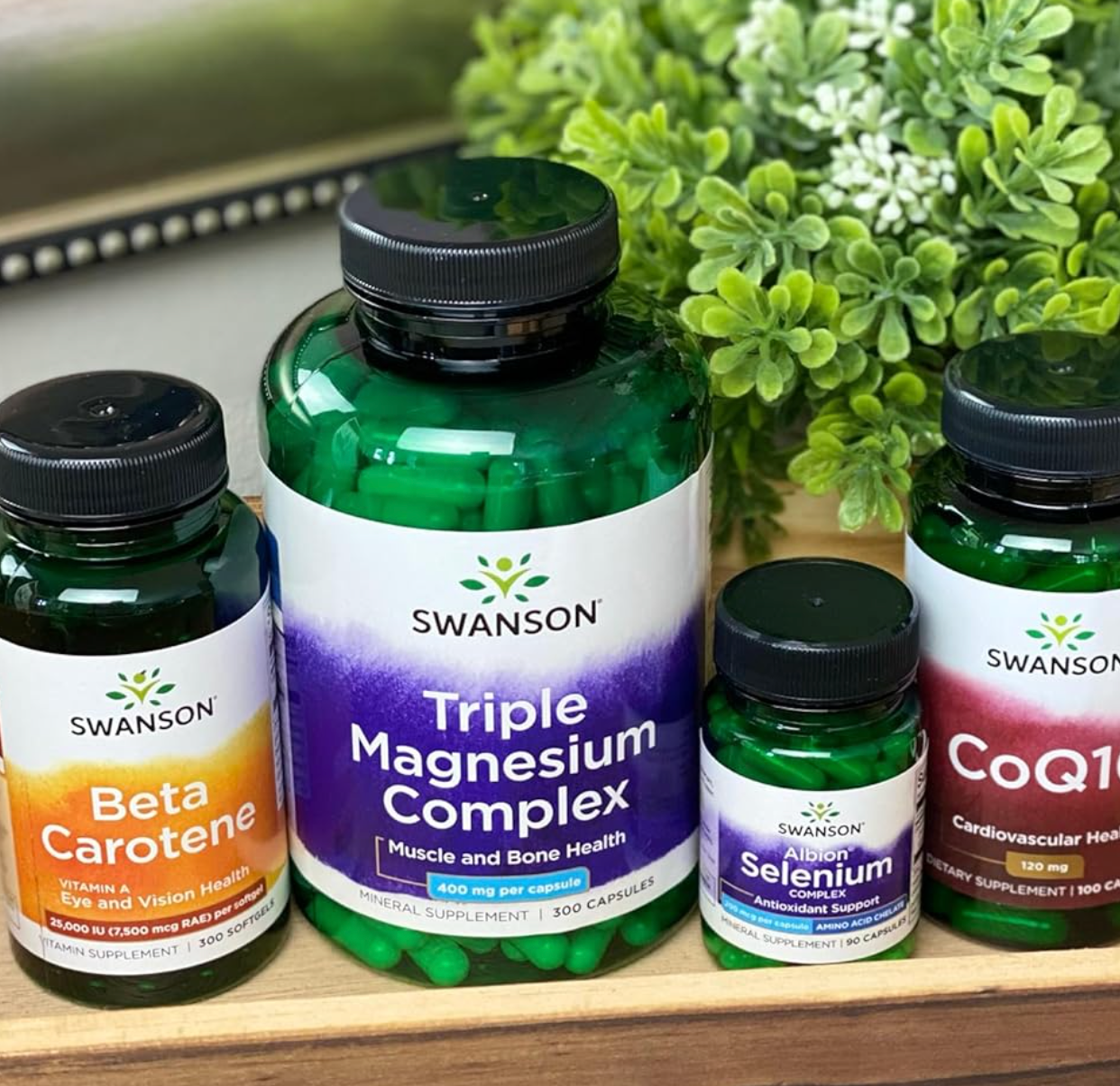
Swanson L. plantarum (pictured) — £5.93 · 132 reviews · Available from Welzo. Around 20p a day — roughly a fifth of the spore products — in a delayed-release capsule. It names the species rather than the strain, so no specific trial evidence attaches to it, but as a first probiotic to trial the category it's hard to beat on cost.
Both are well tolerated by most people. Wind, bloating and altered stools in the first week or two are common and usually settle — noticeably more so with spores, which is why building up gradually helps. See probiotic side effects.
Speak to a doctor before taking either if you
These cautions apply to all live probiotics regardless of category. More in probiotics safety.
On labelling: probiotics carry no authorised health claim in GB or the EU, so they are sold as food supplements and cannot legally be marketed as treating any condition.
See your GP — or seek urgent care — if you have:
Switching probiotic categories is not the answer to symptoms that aren't improving. See when to see a GP and bowel cancer screening.
Better at surviving the stomach, yes. Better overall, not established. Lactobacillus strains have hundreds of human trials and appear in clinical guidance; spores have a much smaller and more recent literature.
Because far more survives. Counts of 1–5 billion are normal for spores, while Lactobacillus products use 10–50 billion to offset losses to stomach acid. The two figures aren't directly comparable.
No, and neither does Lactobacillus. Both are transient — they pass through over days while exerting whatever effect they have. Claims about permanently "restoring" your microbiome overstate what any probiotic does.
There's no safety reason not to, but it makes it impossible to tell which is doing what. Take one for four weeks, assess, then change if needed.
Increased wind and bloating in the first fortnight is commonly reported with spore products. Starting at one capsule every other day and building up over two to three weeks usually solves it. If symptoms are severe or persist, stop.
For healthy adults, generally yes — they're Bacillus species with a reasonable safety record. People who are immunocompromised or have indwelling lines should avoid all live probiotics without medical advice.
It depends on the strain rather than the category. Both families contain strains studied in IBS. Check what's named on the label instead of assuming one category wins.
Lactobacillus has the stronger case, with Cochrane data behind probiotics for preventing antibiotic-associated diarrhoea and LGG specifically recommended in paediatric guidance.
For travel, storage and convenience, arguably. For clinical outcomes, the evidence doesn't currently justify paying five times more than an effective Lactobacillus product.
A well-chosen Lactobacillus. It's cheaper, better evidenced, and if it doesn't help you'll know you tried the option with the strongest research behind it before spending more.
Medical disclaimer: This article is for general information and education only and does not constitute medical advice, diagnosis or treatment. Food supplements are not a substitute for a varied and balanced diet, and are not intended to diagnose, treat, cure or prevent any disease. Probiotic effects are strain-specific; evidence for one strain does not transfer to others in the same species or family. Probiotics should be discussed with a doctor before use if you are immunocompromised, critically unwell, have an indwelling venous line, have inflammatory bowel disease, or are pregnant or breastfeeding, and supplements for children should be discussed with a GP or health visitor. Prices, review counts and availability are correct at the time of writing and may change.
About the author
Dr Zeeshan Afzal (MBBS) is a practising medical doctor and Welzo's Medical Content Lead. He writes and reviews Welzo's health content to ensure it is accurate, evidence-based and aligned with current UK clinical guidance.
 Βαθμολογημένη εξαιρετική από 26,523+ κριτικές
 100% εγγύηση επιστροφής χρημάτων
Η εγγύηση επιστροφής χρημάτων σας εξασφαλίζει ότι θα λάβετε τα στοιχεία σας ή θα λάβετε πλήρη επιστροφή χρημάτων.