



How Much Does a Longevity Stack Actually Cost?


Related products


Medically reviewed by Dr Zeeshan Afzal (MBBS, General Practitioner) — Medical Content Reviewer, Welzo.
Written by: The Welzo Longevity Editorial Team | Last updated: July 2026
About the pricing: All Welzo prices below are our own UK retail prices at the time of writing and are subject to change. Where we reference typical market prices for ingredients we do not produce, those are indicative ranges. We sell supplements, so treat our cost comparisons as you would any retailer's — the underlying maths is the part worth taking away. See our editorial policy.
A longevity stack costs anywhere from £15 to £250 a month in the UK, and almost all of that variation comes down to decisions people make without noticing. Our longevity supplements guide ranks ingredients by evidence; our longevity stack guide covers how to assemble one.
The single biggest jump in most people's bill is adding an NAD⁺ precursor — see NMN benefits, side effects and dosage, the NMN supplements range, and NMN Pro 1000 at £26.99, within the wider anti-ageing and longevity supplements category.
This guide gives you the actual numbers: what each tier costs, what you get for it, how to calculate cost per studied dose, why the same ingredient can vary fivefold in price, and what the ten-year figure looks like. If you want a prescriptive budget build instead, our £30 a month longevity stack does exactly that. This article is the wider cost picture.
The short answer
A foundational, well-evidenced stack costs roughly £25–£35 a month. Adding one NAD⁺ precursor takes it to £50–£70. A broad multi-compound longevity protocol runs £90–£200+. The single most important thing to understand is that the cost curve and the evidence curve run in opposite directions: the cheapest items have the strongest data behind them, and the most expensive have the least.

Table of contents
- What each tier actually costs
- The only pricing calculation that matters
- Why identical ingredients vary fivefold in price
- Cost per unit of evidence
- The hidden costs nobody prices in
- The annual and ten-year numbers
- Nine ways to cut the bill without cutting quality
- What else that money could buy
- Is any of it worth it?
- When to speak to a doctor
- Frequently asked questions
- References
What each tier actually costs
Tier 0 — £0 per month
Worth stating first, because it is the tier with the best evidence in the entire article. Sleep, two resistance sessions a week, zone 2 cardio, not smoking, moderate alcohol, and daily sun protection. In a randomised trial of 903 adults over 4.5 years, daily sunscreen use produced 24% less skin ageing than discretionary use — while the antioxidant supplement tested in the same trial produced nothing [1].
Anyone spending £100 a month on capsules while sleeping six hours has their budget in the wrong place.
Tier 1 — around £10–£15 per month
Vitamin D3 and creatine monohydrate. These are the two highest evidence-per-pound items available. NHS guidance advises 10 µg (400 IU) of vitamin D daily in autumn and winter, and year-round for those with little sun exposure [2,3]. The International Society of Sports Nutrition describes creatine monohydrate as the most extensively studied and clinically effective form, with long-term supplementation shown to be safe and well tolerated [4,5].
Roughly £4 and £6 a month respectively, as commodity products. See the vitamin D and creatine collections.
Tier 2 — around £25–£35 per month
Add omega-3 and magnesium. The European Food Safety Authority considers 250 mg combined EPA and DHA daily adequate for adults [6], with 250 mg the most frequently recommended intake internationally [7]. UK dietary survey data shows meaningful proportions of adults below the Lower Reference Nutrient Intake for magnesium [8].
This is the foundational stack, and it is where most people should stop unless they have a specific reason not to. Our £30 stack guide builds exactly this.

Where the £30 actually goes
Omega-3 is typically the largest single line item at this tier, at roughly £12 of the £30, because you are paying for the active EPA and DHA fraction rather than total oil weight. Magnesium runs £7–£20 depending entirely on form — generic glycinate at the low end, premium L-threonate at the high end. Vitamin D and creatine together account for barely a third of the total despite carrying most of the evidence.
That distribution is worth noticing. If you wanted to halve this tier's cost, you would cut omega-3 by eating oily fish twice a week and drop to generic magnesium glycinate — and you would lose almost none of the underlying evidence. Compare options in the omega-3 and magnesium collections.
Tier 3 — around £50–£70 per month

The foundation plus one NAD⁺ precursor. This is the tier at which costs roughly double, and it is worth being deliberate about it. NMN reliably raises NAD⁺ and has shown modest benefits on physical function and sleep in 12-week trials, while a meta-analysis of eight RCTs found no significant benefit on glucose or lipid markers [9]. Our full assessment is in is NMN a scam?
Tier 4 — around £90–£130 per month
Foundation plus two or three longevity compounds. At current Welzo prices this might be NMN Pro 1000 (£26.99), Trans-Resveratrol (from £24.99) and Spermidine (£24.99) on top of the £30 foundation.
Bundles are cheaper than singles at this tier. The NMN & TMG stack is £39.99, the NMN & Resveratrol stack £41.99, and the NMN + Trans-Resveratrol + PQQ bundle £59.99.
Tier 5 — £150 to £250+ per month
Six to twelve compounds, often including premium delivery formats, imported products and subscription services. This is the tier that generates most of the online discussion and the least of the evidence. It is also the tier with the highest abandonment rate, for reasons that become obvious when you see the annual figure below.
How spending creeps without anyone deciding to
Almost nobody sets out to spend £150 a month on supplements. It accumulates through a predictable sequence, and recognising it is the cheapest intervention in this article:
- You start with vitamin D because the NHS says so. £4.
- You read about omega-3 and magnesium. £23.
- A podcast mentions NMN. £50.
- NMN is "better with" TMG and resveratrol. £92.
- A new compound trends. £117.
- You upgrade two items to liposomal versions. £150.
At no point did anyone make a £150 decision. They made six small ones, none of which triggered a review of the whole. The fix is a standing rule: cut one thing every time you add one, and diarise a full audit twice a year.
The four questions before adding anything
- What would tell me this is working? If you cannot answer, you will never be able to justify stopping it either.
- What am I removing to make room? Budgets that only grow are not budgets.
- Is there human outcome data at this dose? Not mechanism. Not mice.
- Would I still buy this at three times the price? If not, you are buying it because it felt cheap, not because it is worth it.
Current Welzo pricing at a glance
| Product | Price | Tier |
|---|---|---|
| Shilajit, Ashwagandha, Rhodiola & Ginseng | £12.99 | Add-on |
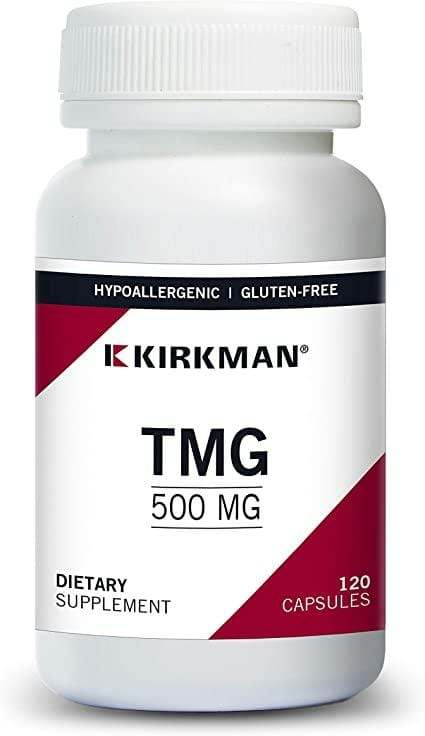
| Ultra Purity TMG | £16.99 | Add-on |
| Magnesium L-Threonate 2000mg | £19.99 | Foundation (premium form) |
| Bovine Collagen Peptides | £19.99 | Optional |
| Apigenin Sleep Optimiser | £19.99 | Optional |
| Ultra Purity Astaxanthin | From £21.99 | Optional |
| PQQ 40mg | From £21.99 | Speculative |
| Trans-Resveratrol | From £24.99 | Speculative |
| Ultra Purity Spermidine | £24.99 | Speculative |
| NMN Pro 1000 | From £26.99 | Tier 3 |
| NMN & TMG Stack | £39.99 | Bundle |
| NMN + Trans-Res + PQQ Bundle | £59.99 | Bundle |
Free UK delivery applies on orders over £50, which is itself worth planning around.
The only pricing calculation that matters
Bottle price tells you almost nothing. The number you want is cost per studied daily dose, and calculating it takes about thirty seconds.
The formula
(Price ÷ number of servings in the container) × servings needed per day = cost per day.
Worked example
NMN Pro 1000 at £26.99 contains 30 servings of 1,000 mg. That is £0.90 per day at 1,000 mg, or £0.45 per day if you dose at 500 mg — which is closer to the 250 mg used in the trials that produced the most encouraging results [9]. The same bottle can be a 30-day or a 60-day supply depending entirely on a decision you make, and that decision halves or doubles your annual cost.
Where this catches people out
- Omega-3. A "1,000 mg fish oil" capsule often contains only around 300 mg of actual EPA and DHA. Hitting 1,000 mg of active fraction takes three capsules, tripling the real cost per dose.
- Magnesium. Compare elemental magnesium, not compound weight. Magnesium oxide at 400 mg delivers roughly 240 mg elemental but absorbs poorly; glycinate delivers less per capsule but more usefully. See magnesium threonate vs glycinate.
- Collagen. Trials typically use 2.5–10 g daily. A capsule product at 500 mg per capsule requires five to twenty capsules a day to match — which is why powder dominates on cost.
Why identical ingredients vary fivefold in price
The same compound can cost £8 or £45 a month. The legitimate and illegitimate reasons are worth separating.
Legitimate drivers
- Third-party batch testing. Independent laboratory verification costs money per batch and is the single most important quality marker. Independent analysis of commercial NMN supplements found measured content deviating from label claim by between −100% and +11.2%, with some products containing no detectable active ingredient [10]. Testing is what you are paying to avoid that — see third-party tested supplements and how to read a certificate of analysis.
- Raw material grade and purity. Higher-purity actives cost more to produce.
- Actual dose. A product at a genuine clinical dose necessarily costs more than one at a fraction of it.
- UK-based accountability. A registered business with returns and complaints procedures carries costs an anonymous marketplace listing does not.
Illegitimate drivers
- Premium delivery formats without outcome data. Liposomal and sublingual versions command large premiums on absorption arguments. Improving a blood level is not the same as improving an outcome — see liposomal NMN and sublingual NMN.
- Proprietary blends. You pay for combination and lose dose transparency. See supplement fillers explained.
- Brand and influencer marketing. Frequently the largest single component of a premium price.
- Subscription lock-in. Convenient, and also the mechanism by which abandoned routines keep billing.
The full breakdown is in why supplements are expensive.
Cost per unit of evidence

This is the table we would want if we were buying rather than selling. It ranks by how much evidence you get per pound spent.
| Item | Approx. monthly cost | Strength of human evidence | Value verdict |
|---|---|---|---|
| Vitamin D3 | ~£4 | NHS population-level guidance [2,3] | Best value in the category |
| Creatine monohydrate | ~£6 | ISSN position stand; large literature [4,5] | Best value in the category |
| Omega-3 (EPA+DHA) | ~£12 | EFSA adequacy; international consensus [6,7] | Good |
| Magnesium | £7–£20 | Intake shortfall data; modest sleep RCT [8] | Fair |
| NMN | £27+ | Raises NAD⁺; outcome data early and mixed [9] | Expensive per unit of evidence |
| Spermidine, PQQ | £22–£25 each | Preclinical; limited human outcomes | Speculative |
| Resveratrol | £25+ | No association with mortality or disease in prospective study [11] | Poor for healthy ageing |
| Multivitamin (for longevity) | £8–£25 | No mortality benefit across 390,124 adults [12] | Poor for this purpose |
Read that table from the top down and the strategy writes itself. More detail in longevity supplements that probably don't work and does resveratrol work?
Why the curve runs this way
It is not a coincidence that the cheapest items have the best evidence. Vitamin D, creatine, magnesium and omega-3 have been studied for decades, are off-patent, are produced at industrial scale by many manufacturers, and compete on price. Newer longevity compounds are produced by fewer suppliers, at smaller scale, with pricing set by novelty and marketing rather than by competition.
In other words: an ingredient becomes cheap precisely because it has been around long enough to be studied properly and manufactured widely. The price signal you are reading as "premium" is frequently just "new". Browse the Welzo Ultra Purity line with that in mind.
The hidden costs nobody prices in
- Delivery. Three separate £4 delivery charges add £144 a year. Consolidating orders above the £50 free-delivery threshold eliminates it.
- Abandonment waste. The most expensive supplement is the one you bought, took for five weeks and left in a cupboard. If half of what you buy goes unfinished, your real cost is double the sticker price.
- Subscriptions you forgot. Audit them quarterly.
- Duplicated ingredients. A multivitamin plus separate vitamin D plus a "greens" blend containing more vitamin D means paying three times for one nutrient.
- Buying blind. Paying for something you were never short of is pure waste. A blood test is a one-off cost that can permanently remove items from a recurring bill — see nutrition and vitamin blood test or the Full Body MOT Health Check.
- Replacing what testing would have found. If persistent fatigue turns out to be iron deficiency or thyroid dysfunction, every month spent on longevity compounds instead was both wasted money and delayed treatment — see ferritin and thyroid testing.
The annual and ten-year numbers
Monthly pricing makes everything look manageable. Annualise it and the decisions get sharper.
| Monthly spend | Per year | Over 10 years | What it buys |
|---|---|---|---|
| £0 | £0 | £0 | Sleep, training, sun protection — best evidence of all [1] |
| £15 | £180 | £1,800 | Vitamin D and creatine |
| £30 | £360 | £3,600 | Full foundational stack |
| £60 | £720 | £7,200 | Foundation plus NAD⁺ precursor |
| £120 | £1,440 | £14,400 | Multi-compound protocol |
| £200 | £2,400 | £24,000 | Extensive protocol, mostly unproven compounds |
The framing that helps most: the difference between the £30 tier and the £200 tier is £20,400 over a decade. That is the sum you are betting on compounds that currently lack human outcome data. It might pay off. But it should be a conscious bet, sized accordingly, rather than something that accumulated one product page at a time.
Nine ways to cut the bill without cutting quality
- Dose at studied levels, not maximum levels. The NMN trials showing functional benefits used 250 mg/day [9]. Dosing at studied rather than marketed levels can halve a line item.
- Buy powder where taste allows. Creatine, collagen and glutamine cost far less per gram unencapsulated.
- Buy multi-packs. Welzo multi-bottle options carry stepped discounts.
- Consolidate to clear free delivery. One quarterly order beats three monthly ones.
- Do the elemental and active-fraction maths before buying. This alone routinely finds threefold differences.
- Run vitamin D seasonally if appropriate. NHS guidance notes many people may choose not to supplement between late March and September, though those with limited sun exposure should continue year-round [2].
- Buy single ingredients rather than blends. You pay a premium for combination and lose dose visibility.
- Cut one thing every time you add one. Stacks grow by accretion unless you actively prune.
- Test before you buy, not after. Removing two unnecessary items permanently beats a discount code.
See also the cheapest NMN in the UK, cheap NMN UK and where to buy NMN in the UK.
What else that money could buy

Opportunity cost is the missing column in every supplement price comparison.
| Monthly spend | Alternative use | Evidence comparison |
|---|---|---|
| ~£30 | Gym membership | Resistance training has substantially stronger healthspan evidence than any tier-4 compound |
| ~£40 | Better food — oily fish twice weekly, more vegetables and protein | Removes the need for some supplements entirely [6,7] |
| ~£60 once | A comprehensive blood panel | Tells you which items you actually need, often reducing the recurring bill |
| ~£100 | Blackout blinds, a better mattress, or a sleep assessment | No supplement compensates for chronic sleep restriction |
Is any of it worth it?
Our honest answer, as a retailer:
- Tier 1 and 2 — yes. £25–£35 a month buys nutrients with genuine public health guidance and large trial literatures behind them [2,3,4,5,6,7]. That is a defensible use of money.
- Tier 3 — defensible if the foundation is in place. NMN does what it says biochemically. Whether that translates into outcomes remains open [9].
- Tiers 4 and 5 — you are buying options, not outcomes. Size the bet accordingly. Most people at these tiers would get more from spending a fraction of it on testing and the rest on food, training and sleep.
Dr Zeeshan Afzal, MBBS: "The question I would put to anyone spending over £100 a month is what they expect to be different in a year, and how they would know. If there is no answer to that, the money is buying reassurance rather than health — and reassurance is usually available more cheaply, often from a blood test that either finds something treatable or rules it out."
The most common expensive mistake we see is not buying the wrong compound. It is buying the right compounds in the wrong order — starting at tier 4 while tier 0 and tier 1 are neglected. Our minimal supplement stack and how to start longevity supplements set out the right sequence, and how long supplements take to work covers realistic timelines. Life-stage variants sit in your 30s, women over 40, men over 50, vegan diets and shift work.
When to speak to a doctor
Speak to your GP or pharmacist before starting any supplement if you take prescription medication, have an existing medical condition, or are pregnant or breastfeeding. Never reduce or stop prescribed medication in order to fund or substitute a supplement.
If you are spending significant sums because of a persistent symptom — fatigue, low mood, brain fog, poor sleep — that symptom deserves investigation rather than expenditure. Iron deficiency, thyroid dysfunction, B12 deficiency, sleep apnoea and depression are common, treatable, and unresponsive to longevity compounds. A tiredness and fatigue blood test is a better first purchase than a fourth bottle.
Frequently asked questions
How much does a longevity stack cost per month in the UK?
A well-evidenced foundational stack — vitamin D, creatine, omega-3 and magnesium — costs roughly £25–£35 a month. Adding an NAD⁺ precursor such as NMN takes it to £50–£70. Broad multi-compound protocols run £90–£200 or more. The cheapest components have the strongest evidence behind them [2,3,4,5,6,7].
What is the minimum I can spend and still get benefit?
Around £10–£15 a month covers vitamin D3 and creatine monohydrate, which between them carry NHS population guidance and one of the largest supplement evidence bases in existence [2,3,4,5]. Below that, the highest-value interventions are free: sleep, resistance training, zone 2 cardio and daily sun protection [1].
Why are longevity supplements so expensive?
Legitimately: third-party batch testing, higher-purity raw materials, genuine clinical doses and UK business accountability all cost money. Less legitimately: premium delivery formats without outcome evidence, proprietary blends, marketing spend and subscription lock-in. See why supplements are expensive.
How do I compare two supplements on price?
Divide the price by servings per container, then multiply by servings needed per day. Compare elemental amounts for minerals and active fractions for oils, not compound or capsule weight. A "1,000 mg fish oil" capsule frequently contains only around 300 mg of EPA and DHA, which triples the real cost per studied dose.
Are supplement bundles actually cheaper?
Generally yes, when they contain items you would have bought separately anyway. At current Welzo pricing the NMN & TMG stack is £39.99 against £26.99 and £16.99 bought individually. Bundles stop being good value the moment they include something you did not want.
What does a longevity stack cost over ten years?
A £30 monthly stack is £3,600 over a decade. A £120 stack is £14,400 and a £200 stack is £24,000. The gap between the foundational tier and an extensive protocol is over £20,000 — which is worth viewing as a deliberate bet on compounds that currently lack human outcome data.
Is it cheaper to buy in bulk?
Usually. Multi-bottle purchases carry stepped discounts, powder costs less per gram than capsules, and consolidating orders above £50 removes UK delivery charges. The caveat is shelf life and stability — buying two years of something that degrades is a false economy.
Should I spend money on blood tests instead of supplements?
Often, yes — at least initially. A one-off panel can permanently remove items from a recurring bill by showing you were never short of them, and can identify a treatable cause of the symptom that prompted the spending in the first place. See the nutrition and vitamin blood test or Full Body MOT Health Check.
Do I need to take supplements forever?
The foundational items work through sustained adequacy, so yes if you want the benefit to persist — creatine and magnesium both rely on maintained tissue levels, and vitamin D status falls when you stop. Speculative compounds are different: set a review date, decide in advance what would count as working, and be willing to stop. See what happens when you stop taking NMN.
What is the single best value longevity supplement?
Creatine monohydrate, closely followed by vitamin D3. Both cost a few pounds a month, both carry substantial evidence [2,3,4,5], and both are routinely skipped by people spending five times as much on compounds with a fraction of the data. Our cheap longevity stack builds around exactly this, and creatine for longevity covers the evidence.
References
- Hughes MCB, Williams GM, Baker P, Green AC. Sunscreen and prevention of skin aging: a randomized trial. Annals of Internal Medicine. 2013;158(11):781–790. https://www.acpjournals.org/doi/10.7326/0003-4819-158-11-201306040-00002
- NHS. Vitamin D — Vitamins and minerals. https://www.nhs.uk/conditions/vitamins-and-minerals/vitamin-d/
- British Heart Foundation. Vitamin D: deficiency, supplements, sunlight and diet. https://www.bhf.org.uk/informationsupport/heart-matters-magazine/nutrition/ask-the-expert/vitamin-d
- Kreider RB, Kalman DS, Antonio J, et al. International Society of Sports Nutrition position stand: safety and efficacy of creatine supplementation in exercise, sport, and medicine. Journal of the International Society of Sports Nutrition. 2017;14:18. https://www.ncbi.nlm.nih.gov/pmc/articles/PMC5469049/
- The effects of creatine supplementation on cognitive function in adults: a systematic review and meta-analysis. Frontiers in Nutrition. 2024;11:1424972. https://www.frontiersin.org/journals/nutrition/articles/10.3389/fnut.2024.1424972/full
- EFSA Panel on Dietetic Products, Nutrition and Allergies. Scientific Opinion on the Tolerable Upper Intake Level of EPA, DHA and DPA. EFSA Journal. 2012;10(7):2815. https://efsa.onlinelibrary.wiley.com/doi/abs/10.2903/j.efsa.2012.2815
- An overview of national and international long chain omega-3 polyunsaturated fatty acid intake recommendations for healthy populations. Nutrition Research Reviews, Cambridge University Press. Read on Cambridge Core
- Derbyshire E. Micronutrient Intakes of British Adults Across Mid-Life: A Secondary Analysis of the UK National Diet and Nutrition Survey. Frontiers in Nutrition. 2018;5:55. https://www.frontiersin.org/journals/nutrition/articles/10.3389/fnut.2018.00055/full
- Effects of Nicotinamide Mononucleotide on Glucose and Lipid Metabolism in Adults: A Systematic Review and Meta-analysis of Randomised Controlled Trials. Current Diabetes Reports. 2024. https://www.ncbi.nlm.nih.gov/pmc/articles/PMC11557618/
- NUS Medicine. Significant discrepancies between actual and labelled amount of anti-ageing ingredients in supplements. National University of Singapore, 2024. https://medicine.nus.edu.sg/news/significant-discrepancies-between-actual-and-labelled-amount-of-anti-ageing-ingredients-in-supplements-nus-medicine-study/
- Semba RD, Ferrucci L, Bartali B, et al. Resveratrol levels and all-cause mortality in older community-dwelling adults. JAMA Internal Medicine. 2014;174(7):1077–1084. https://pubmed.ncbi.nlm.nih.gov/24819981/
- Loftfield E, O'Connell CP, Abnet CC, et al. Multivitamin Use and Mortality Risk in 3 Prospective US Cohorts. JAMA Network Open. 2024;7(6):e2418729. https://pubmed.ncbi.nlm.nih.gov/38922615/
Medical disclaimer
This article is for general information and does not constitute medical advice, diagnosis or treatment. Food supplements are not a substitute for a varied, balanced diet and a healthy lifestyle, and should not be used to treat or prevent disease. No supplement has been shown to extend human lifespan. Always consult a qualified healthcare professional before starting any new supplement, particularly if you take prescription medication, have an existing medical condition, or are pregnant or breastfeeding, and never stop prescribed treatment in favour of a supplement. Persistent symptoms warrant clinical assessment. Reviewed for medical accuracy by Dr Zeeshan Afzal. See the full Welzo medical disclaimer.
All product photography in this article is owned by Welzo and served from the Welzo media library. All prices are Welzo UK retail at the time of publication and are subject to change; indicative market ranges are given for ingredients we do not produce.




 Beoordeeld uitstekend door 28,951+ beoordelingen
 100% geld -terug -garantie