




How to Lower Your Biological Age Naturally


Související produkty


Medically reviewed by Dr Zeeshan Afzal (MBBS, General Practitioner) — Medical Content Reviewer, Welzo.
Written by: The Welzo Longevity Editorial Team | Last updated: July 2026
Declared interest: Welzo sells supplements and blood tests. This article concludes that the highest-value interventions for biological ageing are free, and that supplements play a small supporting role. We have set out the trial evidence in full, including its limitations. See our editorial policy.
Search this question and you will find protocols promising to reverse a decade. The honest version is less dramatic and considerably more useful: a few unglamorous things move the underlying biology reliably, and most expensive things do not.
Wider context sits in our longevity supplements guide, biological age explained and the anti aging supplements range. For the NAD⁺ side of this topic, see NMN benefits, side effects and dosage, the NMN supplements range and NMN Pro 1000.
One caveat before any of it: the tests you would use to verify your progress are considerably less stable than you have been led to believe, and that changes what you should optimise for.
The short answer
Two randomised trials have moved an epigenetic clock. Two years of prescribed 25% caloric restriction slowed DunedinPACE by 2–3%, while PhenoAge and GrimAge did not change [1]. An eight-week diet, sleep, exercise and relaxation programme in 43 men aged 50–72 produced a 3.23-year reduction on the Horvath clock versus controls [2] — a pilot with real limitations, discussed below. The interventions inside those protocols are the same ones with decades of outcome evidence: not smoking, cardiorespiratory fitness, strength training, sleep, and managing blood pressure and glucose. Do those. Treat the clock reading as a rough signal rather than a scoreboard.

Table of contents
- The trap to avoid before you start
- What the intervention trials actually show
- The hierarchy of what works
- The top five in detail
- Where supplements actually fit
- The visible ageing exception
- A twelve-week plan
- How to track progress properly
- When to speak to a doctor
- Frequently asked questions
- References
The trap to avoid before you start
The obvious approach is to buy a biological age test, start a protocol, retest, and judge by whether the number fell. That approach is flawed, and understanding why will save you money.
Research published in Nature Aging in 2022 examined how reproducible the major clocks actually are. Analysing technical replicates — the same DNA sample, measured twice — the authors found that noise alone produced deviations of up to nine years across six prominent epigenetic clocks, which they concluded limits their utility for longitudinal tracking and clinical trials [3].
Nine years, from measurement noise. That is larger than almost any intervention effect ever reported. The same team demonstrated a principal-component method that brings most replicate pairs within about 1.5 years [3], but not every commercial test uses it, and few disclose which version they run.
A separate 2025 analysis reported that biological reliability is weaker still, with repeated measures fluctuating under everyday perturbations including meals, stress and pollution exposure — though that paper was a preprint that had not completed peer review at the time of writing, and should be read with that in mind [4]. We cover the whole picture in biological age vs chronological age.
So a two-year improvement on a retest could be genuine progress, or could reflect the fact that you posted the second sample on a calmer morning after a lighter meal — or simply that the array behaved slightly differently that day.
The implication: optimise for the interventions with decades of hard outcome evidence behind them — mortality, cardiovascular events, disability — rather than for a number that moves with your breakfast. If the clock improves too, treat that as a bonus rather than the objective.
What the intervention trials actually show
Caloric restriction — the CALERIE trial
The strongest randomised evidence available. 220 adults without obesity were randomised to two years of 25% caloric restriction or an ad libitum control diet. The analysis, published in Nature Aging in 2023, found that the intervention slowed the pace of ageing as measured by DunedinPACE — while PhenoAge and GrimAge showed no significant change [1].
Two details rarely make it into the headlines. First, participants were asked for 25% restriction but achieved around 12% on average [5]. Second, the effect size was a 2–3% slowing in the pace of ageing, which the researchers noted corresponds in other work to roughly a 10–15% reduction in mortality risk — an effect they compared to smoking cessation [1].
Two years of sustained dietary restriction. One clock out of three moved. That is the ceiling of what has been demonstrated in a randomised setting, from an intervention most people will not maintain. For related discussion of dietary patterns associated with long-lived populations, see Blue Zones and longevity and autophagy explained.
The eight-week lifestyle pilot

The most-quoted study in this space. A randomised controlled trial in 43 healthy adult males aged 50–72 ran an eight-week programme of diet, sleep, exercise and relaxation guidance, plus supplemental probiotics and phytonutrients. DNA methylation was measured from saliva and DNAmAge calculated using the Horvath clock [2].
The treatment group scored an average 3.23 years younger than controls at the end of the programme (p = 0.018). Within the treatment group, participants scored 2.04 years younger than at baseline (p = 0.043 following a published correction). Blood biomarkers also shifted: serum 5-methyltetrahydrofolate rose 15% (p = 0.004) and triglycerides fell 25% (p = 0.009) [2].
The caveats, stated properly
This study is quoted everywhere and its limitations almost nowhere. They matter:
- It is small. 43 participants, with 18 in the treatment analysis.
- Healthy males aged 50–72 only. Not generalisable to women or other age groups.
- It used the Horvath clock (2013) — a first-generation clock trained to predict chronological age rather than health outcomes.
- The control group received no intervention rather than a placebo, so expectation and behaviour-change effects cannot be separated out.
- A correction was published to account for participants' chronological age increasing during the study period [2].
- It was multi-component. Diet, sleep, exercise, relaxation and supplements changed together — there is no way to know which part did the work.
- The authors themselves stated that larger-scale and longer-duration trials are needed to confirm the findings [2].
Set that 3.23-year figure against replicate deviations of up to nine years from technical noise alone [3], and a shift of two to three years over eight weeks sits uncomfortably close to the measurement floor.
What both trials actually tell you
Look past the clock readings at what participants were asked to do. Calorie control, better diet quality, exercise, sleep, stress reduction. Those are the interventions — and they have decades of evidence for hard outcomes, entirely independent of what any methylation array says. For the biology underneath, see the hallmarks of ageing.
The hierarchy of what works
Ranked by strength of evidence for health outcomes, not by how interesting they are.
| Rank | Intervention | Why it ranks there | Cost |
|---|---|---|---|
| 1 | Not smoking | The single largest modifiable factor. Encoded directly into GrimAge via a methylation estimator of smoking pack-years [6] | Saves money |
| 2 | Cardiorespiratory fitness | Among the strongest predictors of healthspan and all-cause mortality | Free |
| 3 | Resistance training | Preserves muscle mass, bone density and functional independence | Free to low |
| 4 | Sleep | Affects metabolic health, immune function and cognition — and plausibly the measurement itself [4] | Free |
| 5 | Blood pressure and glucose control | Treatable, measurable, strongly outcome-linked; the clinical markers PhenoAge was built from [7] | Low; often NHS |
| 6 | Diet quality | Underlies most of the above. NHS advises 30 g fibre daily; most adults manage around 20 g [8] | Neutral |
| 7 | Alcohol reduction | Affects sleep, liver markers, blood pressure and weight simultaneously | Saves money |
| 8 | Correcting deficiencies | Vitamin D, iron, B12 — real, measurable, correctable [9] | Low |
| 9 | Longevity supplements | Mixed and early human evidence [10,11] | £25–£200/month |
Note the shape of that table. Everything in the top eight is free, cheap or saves money. The most expensive item is last. If you are budgeting, our breakdown of longevity stack costs in the UK and the cheap longevity stack are worth reading before you spend.
The top five in detail
1. Stop smoking
Nothing else on this list comes close. Its effect on biological ageing is so well established that GrimAge — the clock that best predicts mortality — is built from seven methylation surrogates for plasma proteins plus a methylation-based estimator of smoking pack-years [6]. Smoking is literally written into the measurement.
NHS stop smoking services are free and substantially more effective than willpower alone. See the Welzo smoking cessation range.
2. Build cardiorespiratory fitness

Aerobic capacity is among the strongest predictors of healthspan available, and it is highly modifiable at any age. The practical target is around 150 minutes a week of moderate-intensity work, with some at higher intensity if tolerated.
There is also a specific mechanistic link worth knowing. NAMPT — the rate-limiting enzyme in the NAD⁺ salvage pathway — declines with age in human skeletal muscle, and in a study of 57 people aged 18 to 84, VO₂peak was the single best predictor of NAMPT levels. Twelve weeks of aerobic training raised NAMPT by 28% in older participants, and resistance training by 30% [12]. In other words, training does in muscle roughly what NAD⁺ supplements are marketed to do. See zone 2 training for longevity and our NAD supplement guide.
3. Lift something heavy twice a week
Muscle mass and strength decline predictably from the fourth decade without resistance training, and that decline drives frailty, falls and loss of independence. Two sessions a week covering the major movement patterns is sufficient for most people.
Support it with adequate protein and creatine monohydrate, which has one of the largest evidence bases of any supplement for lean mass preservation [13]. More detail in creatine for longevity and NMN vs creatine.
4. Protect your sleep
Seven to nine hours, at consistent times. Sleep affects glucose regulation, appetite, immune function, cognition and mood — and short-term stress and disruption may also shift the epigenetic readings themselves [4].
If sleep is the problem, address the behavioural causes first: consistent timing, last caffeine eight to ten hours before bed, a dark cool room. Supplement options are covered in apigenin vs magnesium for sleep and the sleep and relaxation range. If you work nights, see supplements for shift workers.
5. Get blood pressure and glucose measured and managed
This is the least glamorous item and among the highest value. Raised blood pressure and impaired glucose regulation are common, frequently symptomless, strongly linked to outcomes, and treatable — and they are precisely the clinical markers that PhenoAge was trained on when it was developed from NHANES data [7].
An HbA1c blood test and cholesterol blood test give you actionable numbers. If raised, that is a GP conversation with established treatments behind it — see also the heart disease risk blood test.
Where supplements actually fit

We sell supplements, so here is the honest allocation.
Worth taking — correcting real gaps
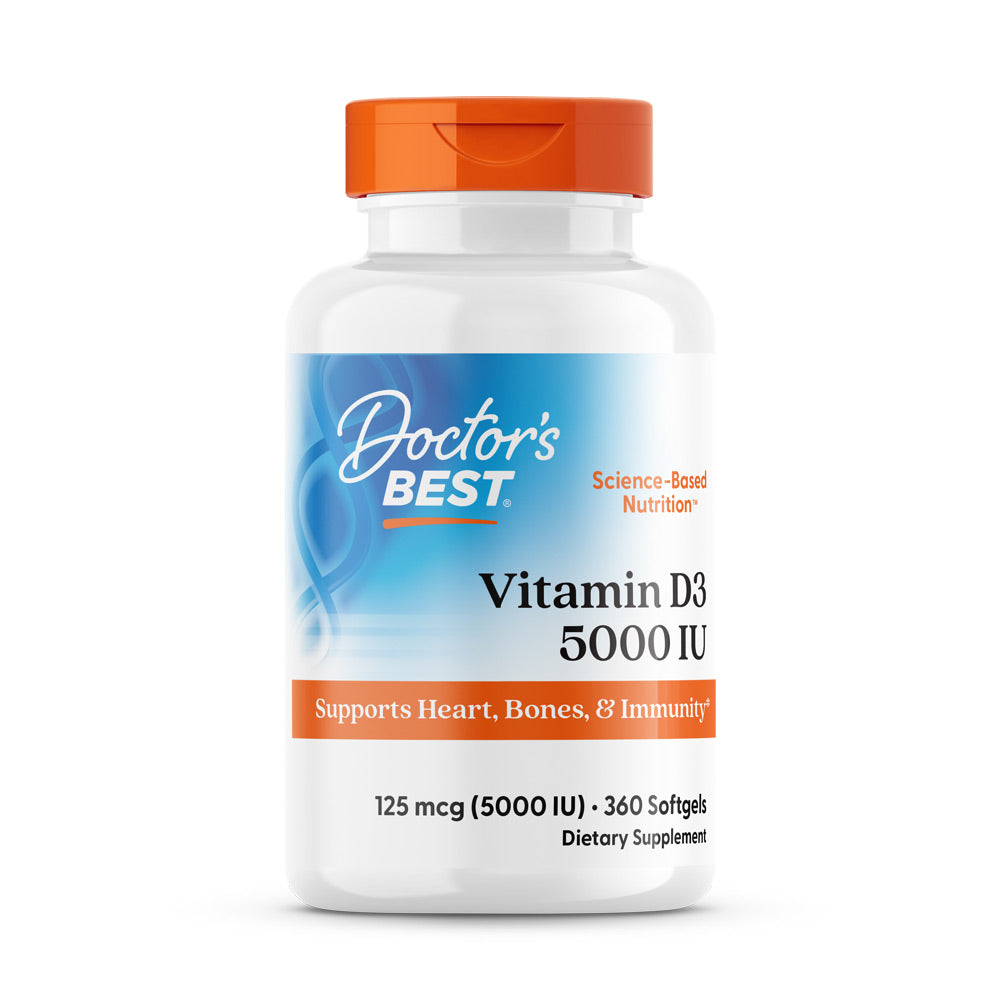
- Vitamin D. NHS guidance advises 10 µg daily in autumn and winter for everyone, and year-round for those with limited sun exposure [9].
- Omega-3, if you eat oily fish less than twice weekly.
- Creatine monohydrate, one of the most studied ingredients available, particularly alongside resistance training [13].
- Magnesium, given documented UK intake shortfalls [14]. See magnesium threonate vs glycinate.
Optional, with realistic expectations
NAD⁺ precursors, urolithin A and similar compounds. NMN raises NAD⁺ reliably but a meta-analysis of randomised trials found no significant metabolic benefit [10]; urolithin A improved muscle endurance in middle-aged adults but missed its primary endpoint in its largest trial [11]. These are reasonable additions once the foundations are consistent — not substitutes for them. See urolithin A vs NMN, is NMN a scam? and the minimal supplement stack. If you do buy, buy on evidence of quality — see third-party tested supplements.
Not worth it for this purpose
Multivitamins as a longevity intervention showed no mortality benefit across 390,124 adults followed for more than two decades [15], and the US Preventive Services Task Force recommends against beta-carotene and vitamin E for the prevention of cardiovascular disease or cancer [16]. More in longevity supplements that probably don't work and does resveratrol work?
The visible ageing exception
One intervention deserves separate mention because the evidence is unusually clean and it addresses the ageing people actually see.
In a randomised trial of 903 adults over 4.5 years, daily broad-spectrum sunscreen use produced 24% less skin ageing than discretionary use — while the antioxidant supplement tested in the same trial produced no detectable effect [17].
Same study, same people, same period. The cheap topical worked; the supplement did not. See supporting skin ageing from the inside, astaxanthin vs collagen and the SPF range.
A twelve-week plan
Build sequentially. Changing everything at once is how protocols get abandoned in week five.
| Weeks | Focus | Specifics |
|---|---|---|
| 0 | Baseline | Blood panel, blood pressure, grip strength, timed walk, five-times sit-to-stand, weight. Write them down. |
| 1–2 | Sleep | Fixed bed and wake times. Last caffeine 8–10 hours before bed. Nothing else changes yet. |
| 3–4 | Movement | Add 150 minutes weekly of moderate aerobic activity. Walking counts. |
| 5–6 | Strength | Two resistance sessions weekly. Bodyweight is a legitimate starting point. |
| 7–8 | Diet | Protein at every meal; work toward 30 g fibre daily, increasing gradually [8]. |
| 9–10 | Alcohol and stress | Reduce intake; add a daily wind-down that you will actually do. |
| 11–12 | Review | Repeat the baseline measures. Address anything the bloods flagged with your GP. |
Supplements slot in at week one and stay constant, so they are not confounding your assessment of the behavioural changes. Sequencing guidance is in how to start longevity supplements, and dosing and timing questions are covered in when to take NMN and the supplement timing chart.
Age-specific starting points are set out in longevity supplements in your 30s, for women over 40 and for men over 50.
How to track progress properly
Given the measurement problems, here is what to watch instead of a clock reading.
| Measure | How | Why it beats a clock |
|---|---|---|
| Resting blood pressure | Home monitor, same time daily | Directly treatable and outcome-linked |
| HbA1c | Blood test, every 6–12 months | Reflects 2–3 months of glucose; a marker PhenoAge was built from [7] |
| Lipids | Cholesterol test | Modifiable and clinically meaningful |
| Grip strength | Cheap dynamometer | Strong functional predictor; very stable measurement |
| Five-times sit-to-stand | Stopwatch | A functional endpoint used in ageing research |
| Resting heart rate and VO₂ estimate | Wearable or a timed distance | Tracks fitness, which tracks healthspan |
A single comprehensive panel such as the Full Body MOT Health Check, health and lifestyle blood test or Welzo Well-Human advanced blood test covers most of the blood markers at once. Check vitamin D, ferritin and thyroid function if fatigue is part of the picture.
If you are wondering how long to give any of this before judging it, see how long supplements take to work.
When to speak to a doctor
Speak to your GP before starting a new exercise programme if you have a heart condition, chest pain on exertion, uncontrolled blood pressure, or have been inactive for a long period. Speak to them about any supplement if you take prescription medication, have an existing condition, or are pregnant or breastfeeding.
Seek medical assessment promptly rather than pursuing a longevity protocol if you have chest pain, breathlessness at rest or on mild exertion, unintended weight loss, persistent unexplained fatigue, or any new symptom lasting more than a few weeks. A raised blood pressure or HbA1c result should go to your GP — these have established treatments with far stronger evidence than anything in the supplement aisle.
Do not stop or reduce prescribed medication in pursuit of a "natural" approach.
Frequently asked questions
Can you actually lower your biological age?
Two randomised trials have shifted an epigenetic clock. Two years of prescribed 25% caloric restriction slowed DunedinPACE by 2–3%, though PhenoAge and GrimAge did not change [1]. An eight-week diet, sleep, exercise and relaxation programme in 43 men aged 50–72 produced a 3.23-year reduction on the Horvath clock versus controls [2]. Both are limited, and the underlying interventions have far better evidence for actual health outcomes than for the clock readings.
What lowers biological age the most?
Not smoking, by a wide margin — its effect is so well established that GrimAge is constructed partly from a methylation-based estimator of smoking pack-years [6]. After that: cardiorespiratory fitness, resistance training, sleep, and managing blood pressure and glucose. Everything in the top tier is free or cheap.
How fast can biological age change?
The eight-week pilot reported changes of around two to three years [2], but technical noise alone can produce deviations of up to nine years between replicate measurements of the same sample [3]. A shift of that size over eight weeks therefore sits close to the measurement floor. Judge by blood markers, fitness and function over six to twelve months instead.
Do supplements lower biological age?
No supplement has been shown to lower biological age as a standalone intervention. The eight-week pilot included supplements within a multi-component programme, so their individual contribution cannot be separated [2]. Correcting genuine deficiencies — vitamin D, iron, B12 — is worthwhile [9]; longevity compounds have mixed early evidence [10,11]; multivitamins showed no mortality benefit across 390,124 adults [15].
Is calorie restriction necessary?
It produced the strongest randomised result [1], but two years of restriction is demanding and unsuitable for many people — including anyone underweight, with a history of disordered eating, who is pregnant, or who is older and at risk of muscle loss. Notably, CALERIE participants averaged around 12% restriction rather than the prescribed 25% [5], and the interventions bundled alongside it in successful trials — better diet quality, exercise, sleep — deliver much of the benefit without it. Discuss significant dietary restriction with a clinician first.
Should I buy a biological age test to track progress?
It is not the best use of the money. Analysis in Nature Aging found technical noise alone produced deviations of up to nine years between replicates across six prominent clocks [3]. Blood pressure, HbA1c, lipids, grip strength and a timed walk are cheaper, more stable and directly actionable — see biological age vs chronological age.
How much exercise do I need?
Around 150 minutes weekly of moderate aerobic activity, plus two resistance sessions. Walking counts toward the first and bodyweight work counts toward the second. Exercise also raises skeletal muscle NAMPT — the rate-limiting enzyme in the NAD⁺ salvage pathway — by 28–30% in older adults after twelve weeks of training [12], doing directly what NAD⁺ supplements are marketed to do.
Does sleep really affect biological ageing?
It affects glucose regulation, appetite, immune function, cognition and mood, all of which feed the clinical markers that biological age composites were built from [7]. Short-term stress and disruption may also shift the epigenetic readings themselves [4] — so poor sleep may both age you and distort your attempt to measure it.
What about the visible signs of ageing?
Different question, cleaner answer. In a randomised trial of 903 adults over 4.5 years, daily broad-spectrum sunscreen produced 24% less skin ageing than discretionary use, while the antioxidant supplement tested alongside it produced no detectable effect [17]. For facial ageing, sun protection is the single most evidenced intervention available.
Where should I start if I only change one thing?
If you smoke, stop — nothing else comes close [6]. If you do not, start with sleep, because it is free, it improves adherence to everything else, and poor sleep undermines diet, training and glucose regulation simultaneously. Then add movement. Supplements come after all of that; our longevity stack guide explains where they fit.
References
- Waziry R, Ryan CP, Corcoran DL, et al. Effect of long-term caloric restriction on DNA methylation measures of biological aging in healthy adults from the CALERIE trial. Nature Aging. 2023;3(3):248–257. https://www.nature.com/articles/s43587-022-00357-y
- Fitzgerald KN, Hodges R, Hanes D, et al. Potential reversal of epigenetic age using a diet and lifestyle intervention: a pilot randomized clinical trial. Aging (Albany NY). 2021;13(7):9419–9432. https://www.ncbi.nlm.nih.gov/pmc/articles/PMC8064200/ — see also the published correction.
- Higgins-Chen AT, Thrush KL, Wang Y, et al. A computational solution for bolstering reliability of epigenetic clocks: implications for clinical trials and longitudinal tracking. Nature Aging. 2022;2(7):644–661. https://pmc.ncbi.nlm.nih.gov/articles/PMC9586209/
- Biological versus Technical Reliability of Epigenetic Clocks and Implications for Disease Prognosis and Intervention Response. bioRxiv, 2025. Preprint — not certified by peer review at the time of writing. https://www.biorxiv.org/content/10.1101/2025.10.13.682176v1.full
- National Institute on Aging (NIH). Cutting calories may slow the pace of aging in healthy adults. https://www.nia.nih.gov/news/cutting-calories-may-slow-pace-aging-healthy-adults
- Lu AT, Quach A, Wilson JG, et al. DNA methylation GrimAge strongly predicts lifespan and healthspan. Aging (Albany NY). 2019;11(2):303–327. https://pmc.ncbi.nlm.nih.gov/articles/PMC6366976/
- Levine ME, Lu AT, Quach A, et al. An epigenetic biomarker of aging for lifespan and healthspan. Aging (Albany NY). 2018;10(4):573–591. https://www.ncbi.nlm.nih.gov/pmc/articles/PMC5940111/
- NHS. How to get more fibre into your diet. https://www.nhs.uk/live-well/eat-well/digestive-health/how-to-get-more-fibre-into-your-diet/
- NHS. Vitamin D — Vitamins and minerals. https://www.nhs.uk/conditions/vitamins-and-minerals/vitamin-d/
- Effects of Nicotinamide Mononucleotide on Glucose and Lipid Metabolism in Adults: A Systematic Review and Meta-analysis of Randomised Controlled Trials. Current Diabetes Reports. 2024. https://www.ncbi.nlm.nih.gov/pmc/articles/PMC11557618/
- Singh A, D'Amico D, Andreux PA, et al. Urolithin A improves muscle strength, exercise performance, and biomarkers of mitochondrial health in a randomized trial in middle-aged adults. Cell Reports Medicine. 2022;3:100633. https://www.sciencedirect.com/science/article/pii/S2666379122001586
- de Guia RM, Agerholm M, Nielsen TS, et al. Aerobic and resistance exercise training reverses age-dependent decline in NAD⁺ salvage capacity in human skeletal muscle. Physiological Reports. 2019;7(12):e14139. https://www.ncbi.nlm.nih.gov/pmc/articles/PMC6577427/
- Kreider RB, Kalman DS, Antonio J, et al. International Society of Sports Nutrition position stand: safety and efficacy of creatine supplementation in exercise, sport, and medicine. Journal of the International Society of Sports Nutrition. 2017;14:18. https://www.ncbi.nlm.nih.gov/pmc/articles/PMC5469049/
- Derbyshire E. Micronutrient Intakes of British Adults Across Mid-Life: A Secondary Analysis of the UK National Diet and Nutrition Survey. Frontiers in Nutrition. 2018;5:55. https://www.frontiersin.org/journals/nutrition/articles/10.3389/fnut.2018.00055/full
- Loftfield E, O'Connell CP, Abnet CC, et al. Multivitamin Use and Mortality Risk in 3 Prospective US Cohorts. JAMA Network Open. 2024;7(6):e2418729. https://pubmed.ncbi.nlm.nih.gov/38922615/
- US Preventive Services Task Force; Mangione CM, Barry MJ, et al. Vitamin, Mineral, and Multivitamin Supplementation to Prevent Cardiovascular Disease and Cancer: US Preventive Services Task Force Recommendation Statement. JAMA. 2022;327(23):2326–2333. https://pubmed.ncbi.nlm.nih.gov/35727271/
- Hughes MCB, Williams GM, Baker P, Green AC. Sunscreen and prevention of skin aging: a randomized trial. Annals of Internal Medicine. 2013;158(11):781–790. https://www.acpjournals.org/doi/10.7326/0003-4819-158-11-201306040-00002
Medical disclaimer
This article is for general information and does not constitute medical advice, diagnosis or treatment. Food supplements are not a substitute for a varied, balanced diet and a healthy lifestyle, and should not be used to treat or prevent disease. No supplement or lifestyle protocol has been shown to extend human lifespan. Some evidence cited is from a preprint that had not completed peer review at the time of writing and is identified as such. Significant caloric restriction is not suitable for everyone and should be discussed with a clinician — it is inappropriate for anyone underweight, with a history of disordered eating, who is pregnant or breastfeeding, or at risk of age-related muscle loss. Consult your GP before beginning a new exercise programme if you have a heart condition, chest pain on exertion, uncontrolled blood pressure or have been inactive for a prolonged period. Never stop or reduce prescribed medication in pursuit of a natural approach. Chest pain, breathlessness, unintended weight loss or persistent unexplained fatigue require prompt medical assessment. Reviewed for medical accuracy by Dr Zeeshan Afzal. See the full Welzo medical disclaimer.
All product photography in this article is owned by Welzo and served from the Welzo media library. Research positions correct at the time of publication.




 Hodnoceno výborně o 28,951+ recenzí
 100% záruka vrácení peněz