








Best Supplements for Joint Pain Relief


Související produkty
Joint pain is one of the most common musculoskeletal complaints in the UK, affecting adults across all age groups and activity levels. In clinical practice, Dr Zeeshan Afzal frequently sees how joint discomfort can reduce mobility, disrupt sleep, limit exercise, and gradually affect independence—especially when pain becomes persistent or stiffness builds over time.
Many people searching for “best supplements for joint pain relief” are not looking for a quick fix; they are looking for a practical, evidence-led way to support joint comfort and function while also understanding what is realistic to expect. This guide focuses on supplements that support joint biology—such as inflammatory balance, connective tissue integrity, and cartilage support—rather than simply masking symptoms.
To help readers navigate the options, this article is informed by structured evaluation: ingredient relevance and form, dose adequacy, safety considerations, and suitability for long-term use. Readers who want to browse the wider category alongside this guide can explore Joint Pain Relief and compare different approaches based on their needs and preferences.
What Are Joint Pain Supplements?
Joint pain supplements are nutritional products formulated to support the normal structure and function of joints. They differ from conventional pain relief options in that they are typically used daily and work gradually, aiming to support the biological processes involved in joint comfort, movement quality, and tissue resilience.
Clinically, joint-focused supplements usually fall into three broad categories:
-
Inflammation-supporting compounds that help modulate pathways involved in stiffness and discomfort.
-
Structural support ingredients that provide nutrients used in cartilage, tendons, ligaments, and connective tissues.
-
Supportive nutrients that indirectly reduce joint strain by improving bone and muscle function.
Some options are built around evidence-backed plant compounds. For example, products within Boswellia are commonly used in joint programmes where inflammation-related discomfort is a key feature. Other formulas focus on broad-spectrum joint support and are grouped within Joints, Bones & Muscles.
Joint pain supplements are not designed to replace clinical care when symptoms are severe, rapidly worsening, or associated with significant swelling, heat, fever, or injury. They are best viewed as part of a longer-term strategy to support function and comfort.
What Are Joint Pain Supplements Used For?
Joint supplements are used both proactively (to maintain resilience and mobility) and reactively (to support discomfort and stiffness once symptoms are present). In day-to-day clinical contexts, they are most commonly used for the following:
Supporting stiffness and everyday joint comfort
Many adults experience stiffness on waking, discomfort after prolonged sitting, or mild pain during movement. In these cases, joint supplements are often used to support comfort and movement quality over time, particularly where inflammation and mechanical wear contribute to symptoms.
Age-related joint changes and cartilage support
As joints age, cartilage becomes less resilient and shock absorption can decline. Nutritional support can focus on connective tissue and cartilage-related ingredients, which is why some individuals prefer collagen-based approaches found in Collagen Protein.
Inflammation-driven joint discomfort
For people whose main complaint is stiffness and “inflamed-feeling” joints, anti-inflammatory and antioxidant support can be relevant. Flavonoids are sometimes used as part of this approach, including products found in Quercetin and Hesperidin.
Supporting recovery from physical activity and overuse
People who train regularly, run, or perform repetitive physical work often look for supplements that support post-activity recovery and tissue resilience. In some cases, enzyme-based support is explored—such as options within Protease—as part of a broader, personalised plan.
Complementing broader bone and joint support
When joint pain overlaps with concerns about bone strength and mineral status, targeted options may be considered. Some individuals use bone-focused formulations such as Osteocare, while others explore specific minerals including Phosphorus where clinically appropriate.
Our Top Picks: Best Products for Joint Pain Relief
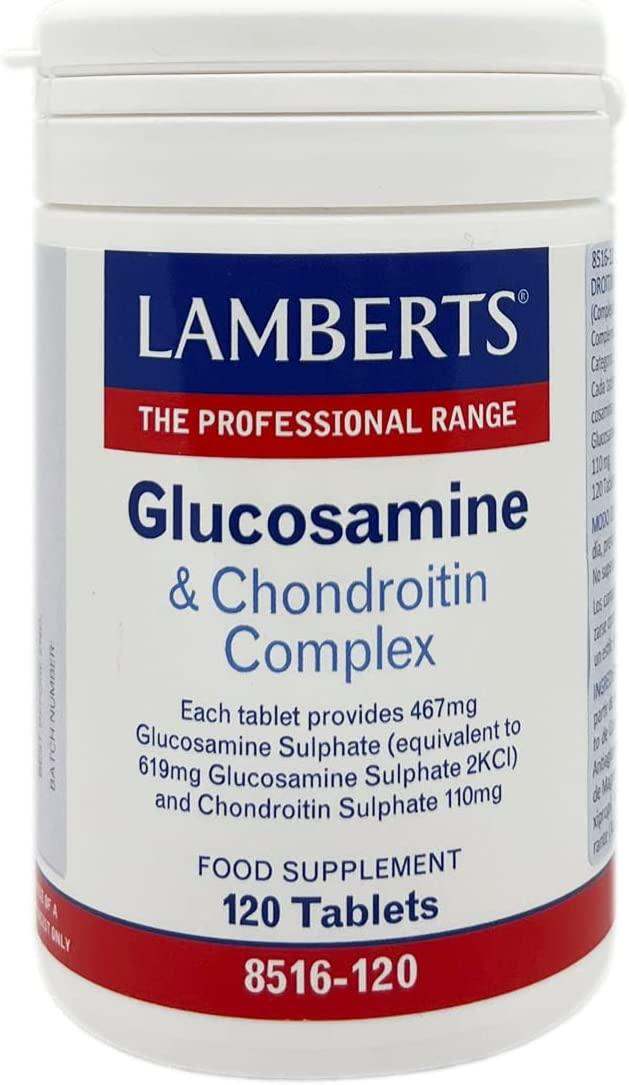
Best Overall: Lamberts Glucosamine & Chondroitin Complex Tablets (Pack of 120)
Best for Osteoarthritis Joint Pain (Topical): Voltarol Osteoarthritis Joint Pain Relief Gel
Best Max-Strength Topical Pain Relief: Voltarol Max Strength Pain Relief Gel
Best Non-Drug Joint Wear & Tear Support: FlexiSEQ Joint Wear & Tear Gel 100g
Best Max-Strength Non-Drug Gel for Osteoarthritis: FlexiSEQ Max Strength for Osteoarthritis Gel 50g
Best Natural Anti-Inflammatory Supplement: Lamberts Curcumin Ultra Tablets (Pack of 60)
Best Marine-Based Joint Support Gel: Pernaton Green Lipped Mussel Extract Gel
Best Warming Gel for Stiff Joints & Muscles: Pernaton Natural Warming Gel 125ml
Best Fast-Acting Cooling Spray: Biofreeze Pain Relief Spray 118ml
Best Oral Anti-Inflammatory for Short-Term Use: Ibuprofen 400mg Tablets
Best Budget Oral Pain Relief Option: Ibuprofen 200mg Tablets (Pack of 16)
Best Ibuprofen Gel (Large Size): Ibugel Gel 100g
Best Ibuprofen Gel (Standard Size): Ibuprofen Gel 50g
Best Value Ibuprofen Gel: Care Ibuprofen Gel
Best Traditional Heat-Based Pain Relief Cream: Algesal Cream 100g
Best Ibuprofen Gel Alternative: Fenbid Gel 50g
Best Children’s Pain Relief Suspension (Sugar-Free): Children’s Ibuprofen 100mg/5ml Sugar-Free Oral Suspension 100ml
Best Liquid Ibuprofen for Adults: Ibuprofen 200mg/5ml Oral Suspension
Best Thumb Joint Support Aid: Actimove Rhizo Forte Thumb Brace (Right)
Detailed Ranked Reviews: Best Joint Pain Supplements
Voltarol Osteoarthritis Joint Pain Relief Gel
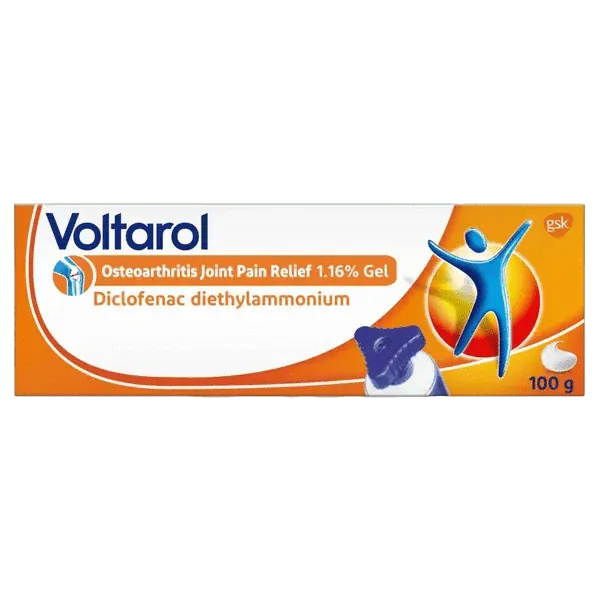
| Why It’s Been Selected |
Selected as a leading OTC topical option for osteoarthritis-style joint pain because it targets inflammation locally (diclofenac) and is practical for routine use on specific joints such as knees and hands. |
|---|---|
| Product Description |
A topical anti-inflammatory gel formulated for osteoarthritis joint pain and local inflammation. It is applied directly to the affected area to support targeted symptom control without taking tablets. |
| Product Reviews |
Strong buyer confidence and repeat use. Users commonly choose it for daily stiffness patterns and localised joint flare-ups. |
| Product Price |
£10.72 (50g) | £17.30 (100g) |
| Where to Buy | |
| Pros and Cons |
Pros: Targets inflammation at the site of pain, which can suit osteoarthritis-type stiffness and movement pain.Useful for a single problem joint, avoiding systemic dosing for many users.Fits easily into a routine alongside physiotherapy and strengthening. Cons: Not suitable for everyone (e.g., certain NSAID sensitivities or asthma triggers in some people). |
| How to Use |
Apply a measured amount to the affected joint and rub in gently. Use only on intact skin and follow the on-pack directions for frequency and duration. Wash hands after use (unless treating the hands). |
| Editor’s Comments |
Dr Zeeshan Afzal considers this a strong first-line topical option for osteoarthritis-style joint pain where local inflammation and stiffness are key. It tends to work best when combined with gradual strength work and joint-friendly movement. |
Ibuprofen 400mg Tablets
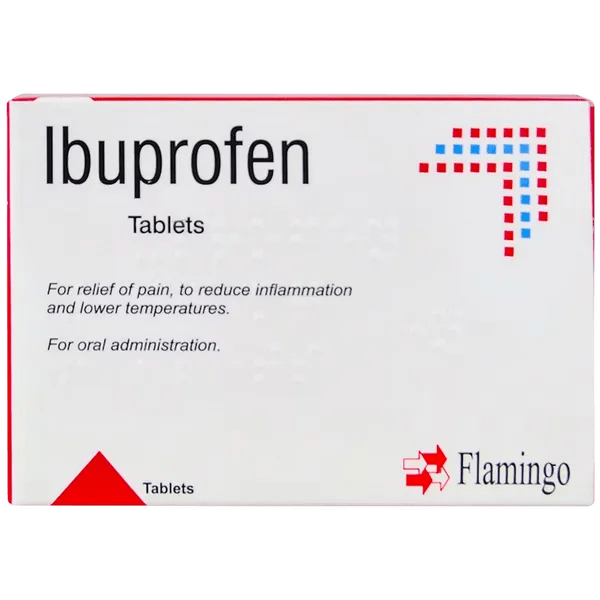
| Why It’s Been Selected |
Selected as a common short-term oral NSAID option for flare-ups where inflammation-driven joint pain needs systemic relief, particularly when pain affects multiple areas or topical products are not enough. |
|---|---|
| Product Description |
An oral non-steroidal anti-inflammatory medicine used for mild-to-moderate pain where inflammation contributes to symptoms. The 400mg strength can reduce pill burden compared with 200mg dosing. |
| Product Reviews |
Users typically highlight familiarity, value, and practical short-term relief for aches and inflammatory pain patterns. |
| Product Price |
From £0.79 (24 tablets) | £2.07 (48 tablets) | £4.79 (96 tablets) |
| Where to Buy | |
| Pros and Cons |
Pros: Cons: |
| How to Use |
Use the lowest effective dose for the shortest duration, following on-pack guidance. Taking with food may improve stomach tolerance. Seek medical advice if symptoms persist or risk factors exist. |
| Editor’s Comments |
Dr Zeeshan Afzal views oral ibuprofen as a short-term tool for acute flares, not a foundational “joint health” plan. Long-term improvements depend more on strength, mobility, and load management. |
Phorpain Maximum Strength Ibuprofen 10% Gel 50g
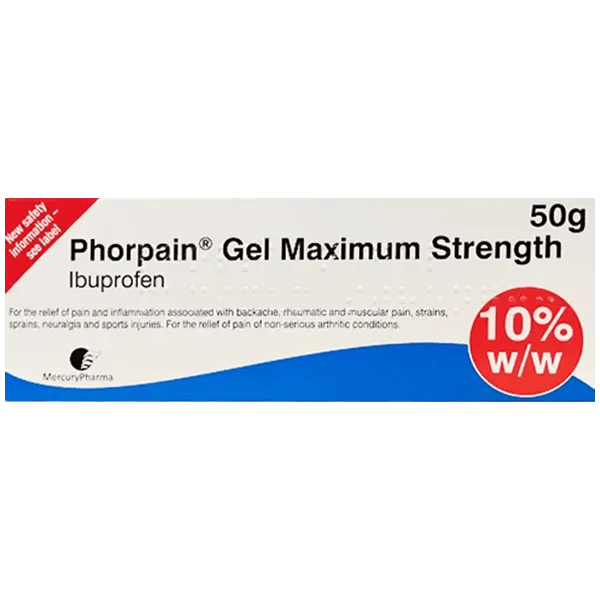
| Why It’s Been Selected |
Selected as a higher-strength ibuprofen gel for targeted, local relief where a single joint or small region is driving symptoms and a topical anti-inflammatory approach is preferred over tablets. |
|---|---|
| Product Description |
A topical ibuprofen gel designed for localised muscle and joint pain where inflammation or strain contributes to discomfort. The gel format supports direct application to the painful area. |
| Product Reviews |
Review volume indicates strong demand for high-strength topical ibuprofen delivery as an alternative to oral dosing. |
| Product Price |
£6.72 (Regular price shown as £8.13) |
| Where to Buy | |
| Pros and Cons |
Pros: Cons: |
| How to Use |
Apply a thin layer to the affected area and massage in gently. Follow label guidance for frequency and duration. Wash hands after application. |
| Editor’s Comments |
Dr Zeeshan Afzal positions this as a strong “local flare” option where the pain is clearly located and inflammation is involved. Best results typically come from pairing with rest, gradual re-loading, and mobility work. |
Voltarol Max Strength Pain Relief 12 Hour Gel
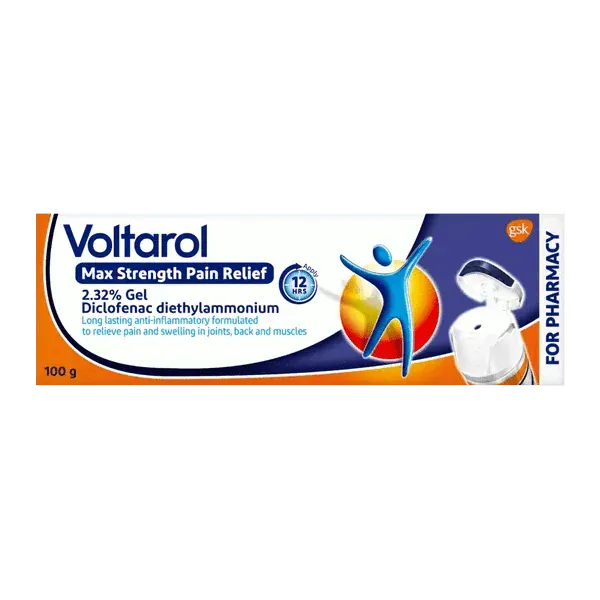
| Why It’s Been Selected |
Selected for people who want a longer-duration topical routine, particularly where joint discomfort and stiffness recur through the day and a diclofenac-based local approach is appropriate. |
|---|---|
| Product Description |
A diclofenac topical gel positioned for extended relief of rheumatic pain, sprains, strains, and localised joint discomfort. It is applied directly to the painful area. |
| Product Reviews |
Review volume reflects strong consumer familiarity and repeated purchasing for ongoing local pain patterns. |
| Product Price |
From £10.14 (30g) | £15.19 (50g) | £24.48 (100g) |
| Where to Buy | |
| Pros and Cons |
Pros: Cons: |
| How to Use |
Apply to the painful area as directed on the label. Avoid broken skin and contact with eyes or mucous membranes. Wash hands after use. |
| Editor’s Comments |
Dr Zeeshan Afzal rates this highly for practicality when symptoms are persistent but localised. It is most effective when used alongside movement-based joint care rather than as a stand-alone fix. |
Pernaton Green Lipped Mussel Extract Gel
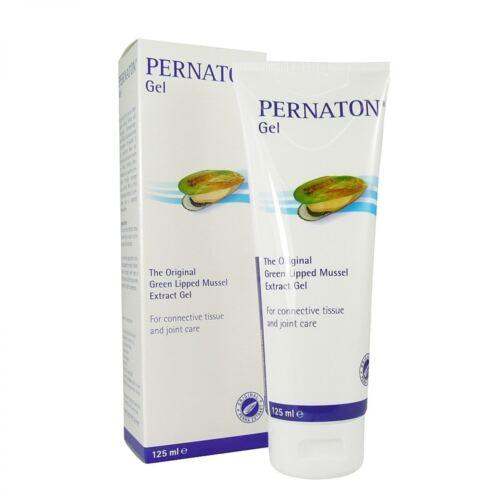
| Why It’s Been Selected |
Selected as a popular “daily comfort” topical for those who prefer a non-heating gel sensation and want a routine option for stiffness and post-activity aches. |
|---|---|
| Product Description |
A cooling topical gel containing Perna (green-lipped mussel) extract, commonly used in joint comfort routines. Often chosen by users who prefer a gentle, non-medicated feel. |
| Product Reviews |
Review volume suggests consistent long-term use among people managing stiffness and repeat discomfort patterns. |
| Product Price |
From £13.10 (125ml) | £21.44 (250ml) |
| Where to Buy | |
| Pros and Cons |
Pros: Cons: |
| How to Use |
Massage into the affected area as needed and allow it to absorb. Use on intact skin only and follow label guidance for frequency. |
| Editor’s Comments |
Dr Zeeshan Afzal considers this a strong “routine comfort” option where consistency matters more than immediate strength. It is best used alongside mobility work and progressive strengthening. |
FlexiSEQ Joint Wear & Tear Gel 100g
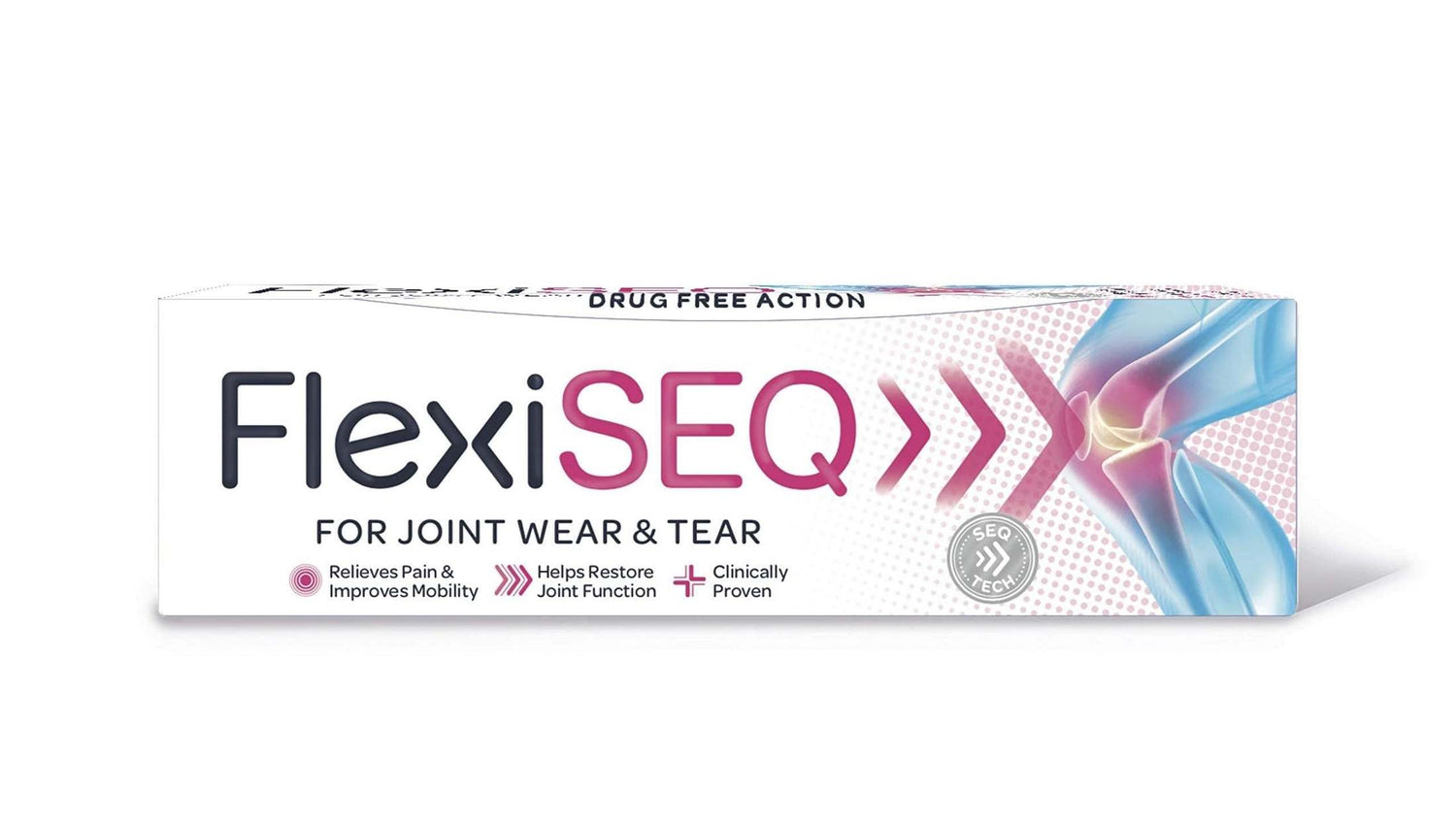
| Why It’s Been Selected |
Selected as a premium non-drug gel option for “wear and tear” joint discomfort, particularly for users who want to avoid NSAIDs or prefer a non-medicinal topical approach. |
|---|---|
| Product Description |
A non-drug topical gel designed for joint wear-and-tear discomfort. It is commonly used in osteoarthritis-style symptom patterns where stiffness and movement pain are present. |
| Product Reviews |
Users often select it as an NSAID-free strategy for longer-term routines, particularly where daily discomfort is persistent. |
| Product Price |
£49.99 (100g) |
| Where to Buy | |
| Pros and Cons |
Pros: Cons: |
| How to Use |
Apply to the affected joint as directed and allow it to absorb. Use consistently as per packaging to evaluate benefit over time. |
| Editor’s Comments |
Dr Zeeshan Afzal finds this most useful when a person needs an NSAID-free plan for ongoing wear-and-tear symptoms and is willing to use it consistently alongside rehab. |
Pernaton Natural Warming Gel 125ml
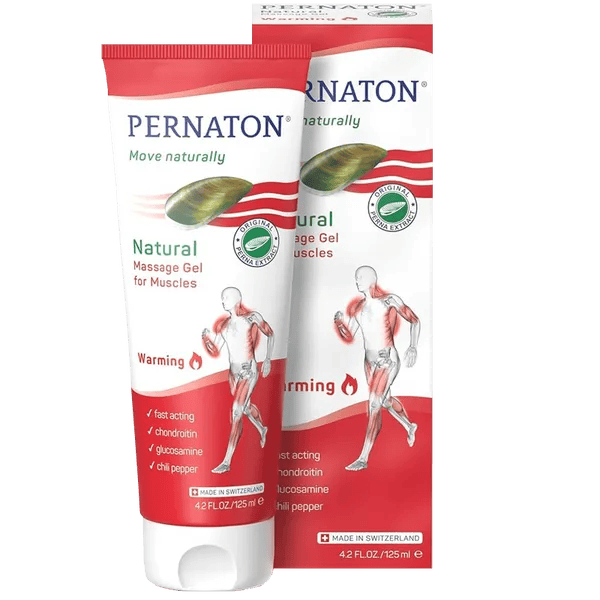
| Why It’s Been Selected |
Selected for stiffness-dominant patterns where a warming sensation supports comfort before movement, especially in colder weather or when tight muscles contribute to joint pain. |
|---|---|
| Product Description |
A warming topical gel featuring herbal extracts. The warming effect can feel beneficial for muscle tightness around joints and stiffness before activity. |
| Product Reviews |
Review behaviour suggests it is commonly used as a daily comfort product for stiffness, muscle guarding, and pre-movement support. |
| Product Price |
£15.16 (125ml) |
| Where to Buy | |
| Pros and Cons |
Pros: Cons: |
| How to Use |
Massage into the affected area before movement or as needed. Avoid eyes, mucous membranes, and broken skin. Follow label guidance for frequency. |
| Editor’s Comments |
Dr Zeeshan Afzal highlights warming gels as useful “pre-movement aids” for stiffness and muscle guarding, particularly when paired with gentle range-of-motion work. |
Lamberts Curcumin Ultra Tablets (Pack of 60)
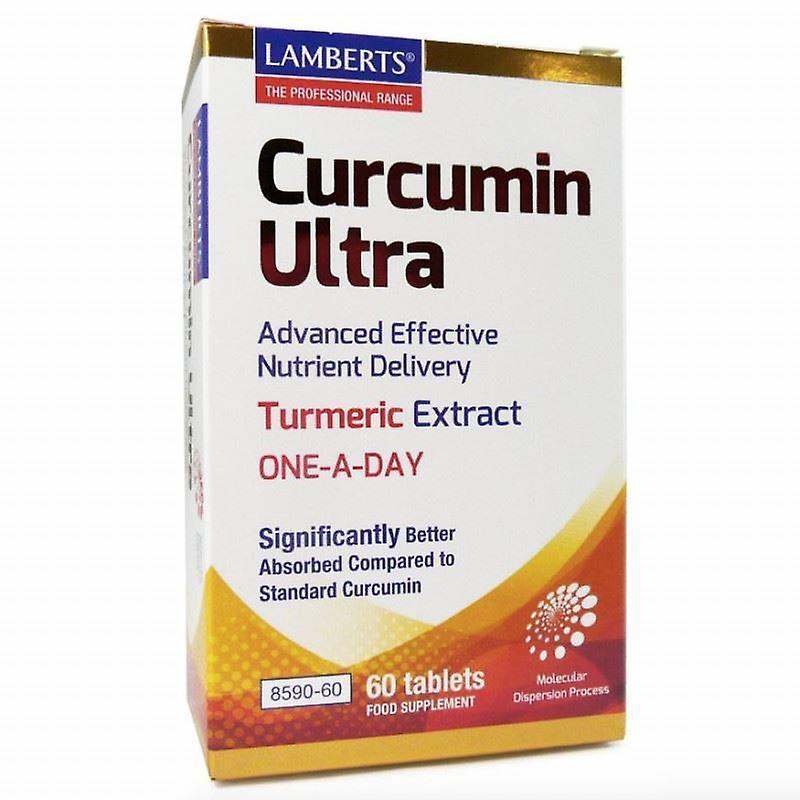
| Why It’s Been Selected |
Selected as the main inflammation-support supplement in this list because curcumin is widely used for joint stiffness routines, particularly where low-grade inflammation and recovery are key concerns. |
|---|---|
| Product Description |
A high-strength curcumin (turmeric extract) supplement positioned for enhanced absorption. It is commonly used in joint health programmes to support inflammatory balance and movement comfort over time. |
| Product Reviews |
Users often take it as part of longer-term routines for stiffness, post-exercise aches, and day-to-day joint support. |
| Product Price |
£33.28 (60 tablets) |
| Where to Buy | |
| Pros and Cons |
Pros: Cons: |
| How to Use |
Take as directed on the label. If a person uses anticoagulants or has gallbladder issues, medical advice is recommended before starting. |
| Editor’s Comments |
Dr Zeeshan Afzal considers curcumin one of the more practical supplement choices for chronic stiffness routines, particularly when combined with strength work and mobility progression. |
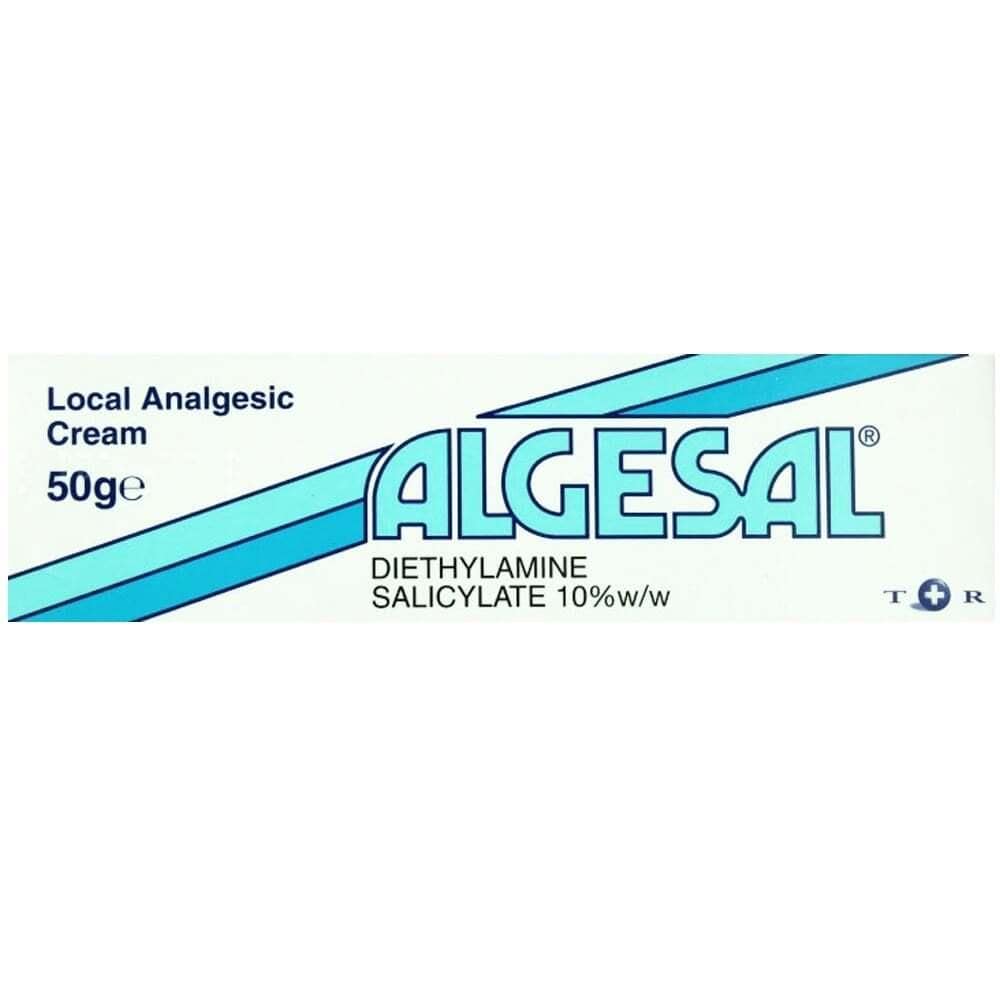
Algesal Cream 100g
| Why It’s Been Selected |
Selected as a traditional topical rub used for muscle-related aches and minor rheumatic-type discomfort, especially where the pain around a joint is driven by tightness or strain. |
|---|---|
| Product Description |
A topical cream used for symptomatic relief of rheumatic and minor musculoskeletal conditions such as backache, strains, and bruises. Often used as an “as-needed” comfort product. |
| Product Reviews |
Users commonly choose it for ease of use, familiarity, and a straightforward rub-in approach to local discomfort. |
| Product Price |
£7.09 (100g) |
| Where to Buy | |
| Pros and Cons |
Pros: Cons: |
| How to Use |
Apply to the affected area and massage in. Follow label instructions and avoid broken or irritated skin. |
| Editor’s Comments |
Dr Zeeshan Afzal notes this is often most helpful when joint pain is amplified by surrounding muscle tightness, for example around the lower back or shoulder girdle. |
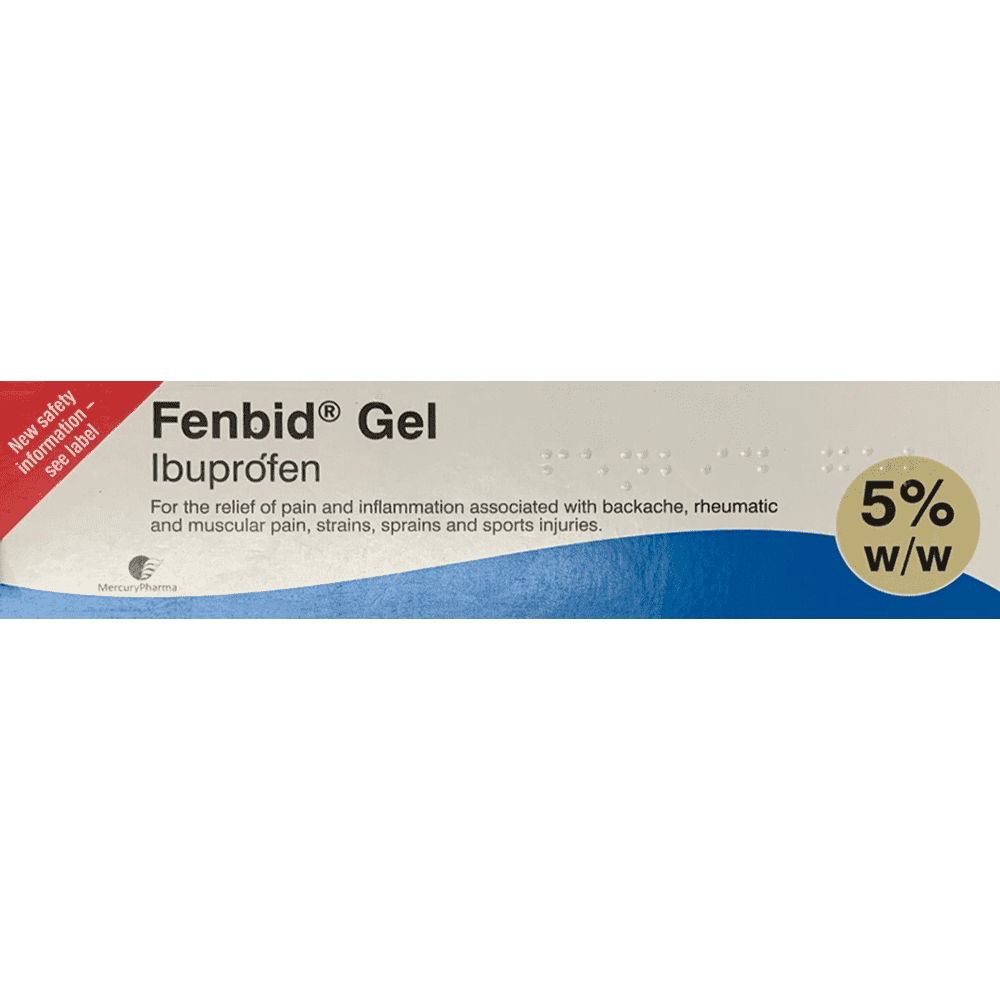
Fenbid Gel 50g
| Why It’s Been Selected |
Selected as a low-cost topical option for localised aches and minor inflammatory pain patterns where a simple, targeted approach is needed. |
|---|---|
| Product Description |
A topical gel used for local relief in minor injuries and musculoskeletal pain patterns. It can suit people who want a budget-friendly trial before stepping up to stronger options. |
| Product Reviews |
Buyers typically select it for affordability and practicality for short-term local discomfort. |
| Product Price |
£1.87 (50g) |
| Where to Buy | |
| Pros and Cons |
Pros: Cons: |
| How to Use |
Apply to the affected area and rub in gently. Follow label guidance for frequency and maximum duration. |
| Editor’s Comments |
Dr Zeeshan Afzal considers Fenbid a sensible “first trial” topical when symptoms are mild and localised, or when a person wants a low-cost option before upgrading. |
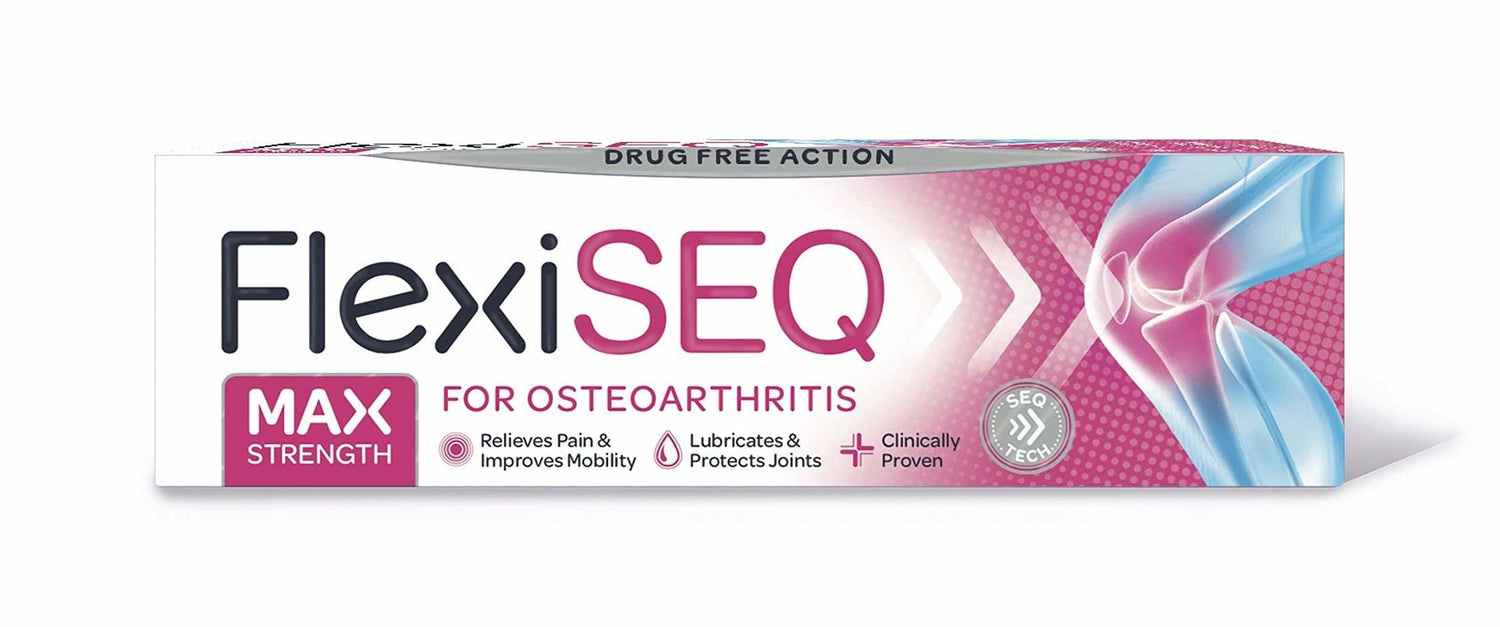
FlexiSEQ Max Strength for Osteoarthritis Gel 50g
| Why It’s Been Selected |
Selected as a concentrated non-drug topical option for osteoarthritis-style pain where an NSAID-free approach is preferred and consistent daily use is realistic. |
|---|---|
| Product Description |
A non-drug gel formulated for osteoarthritis-related joint pain. It is typically used as part of a routine for movement pain and stiffness rather than for immediate analgesia. |
| Product Reviews |
Review volume suggests frequent use among people managing wear-and-tear discomfort and osteoarthritis-style stiffness. |
| Product Price |
£25.92 (50g) |
| Where to Buy | |
| Pros and Cons |
Pros: Cons: |
| How to Use |
Apply to the affected joint as directed and allow it to absorb. Continue consistently for an appropriate trial period before judging effectiveness. |
| Editor’s Comments |
Dr Zeeshan Afzal sees this as useful when a person wants an NSAID-free topical strategy for osteoarthritis-style symptoms and is committed to regular use. |
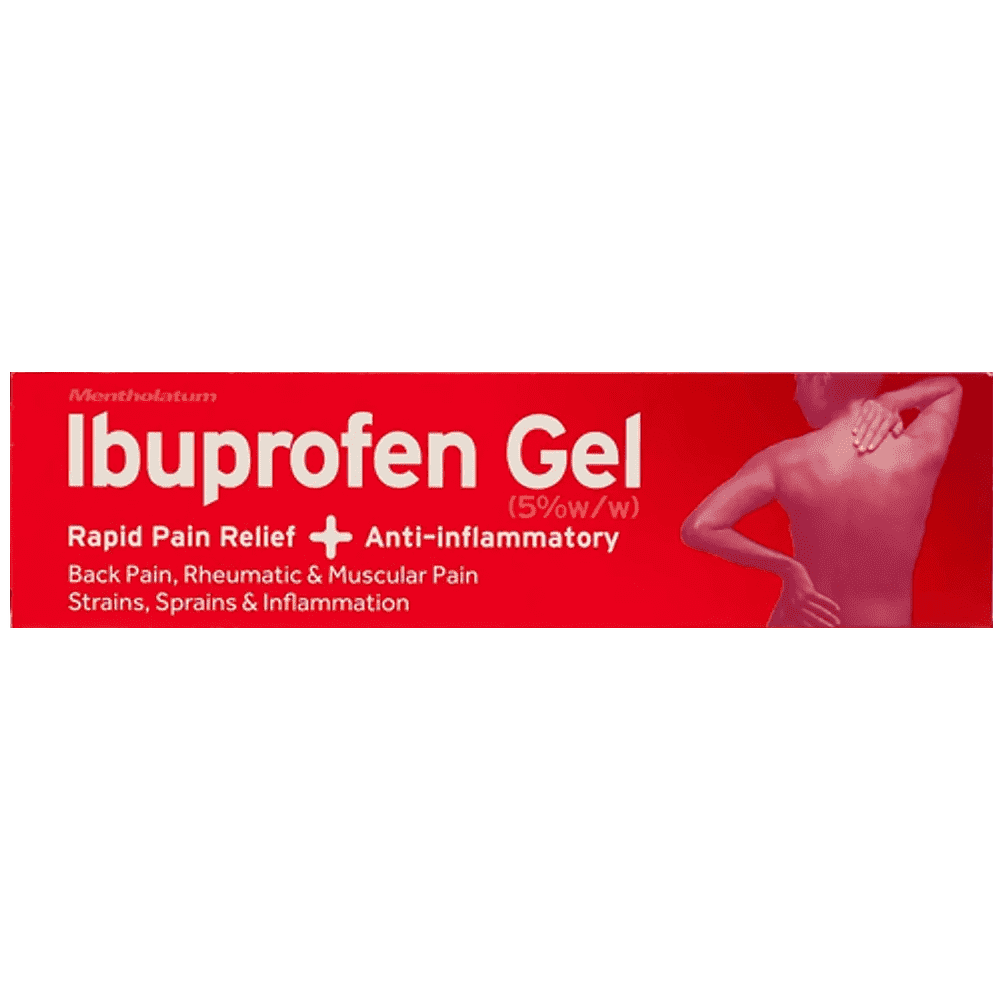
Ibuprofen Gel 50g
| Why It’s Been Selected |
Selected as a simple, widely used topical NSAID option for localised inflammatory pain, especially where a small area (knee, elbow, back) is the main trigger. |
|---|---|
| Product Description |
An OTC ibuprofen gel intended for local pain relief where inflammation contributes to symptoms, including strains, sprains, backache, and rheumatic-type aches. |
| Product Reviews |
Reviews suggest steady use as a classic, no-frills topical option for everyday flare-ups. |
| Product Price |
£6.30 (50g) |
| Where to Buy | |
| Pros and Cons |
Pros: Cons: |
| How to Use |
Apply a thin layer and rub in gently. Follow label directions and avoid broken skin. Wash hands after use. |
| Editor’s Comments |
Dr Zeeshan Afzal recommends topical NSAIDs like this when pain is local and inflammatory, provided there are no contraindications and it is used as part of a broader movement plan. |
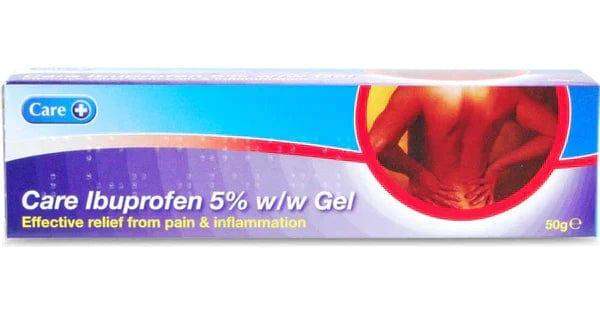
Care Ibuprofen Gel 5%
| Why It’s Been Selected |
Selected as a value-focused ibuprofen gel option for sprains, strains, and muscle/joint aches where a budget-friendly topical NSAID route is preferred. |
|---|---|
| Product Description |
An OTC 5% ibuprofen gel designed for local relief of muscular and rheumatic pains and sports-type injuries. Suitable for targeted application when inflammation is suspected. |
| Product Reviews |
Reviews indicate it is commonly chosen for affordability and everyday practicality. |
| Product Price |
£2.29 (100g) | £6.91 (50g) |
| Where to Buy | |
| Pros and Cons |
Pros: Cons: |
| How to Use |
Apply to the affected area and massage in. Follow label instructions for frequency and maximum duration. |
| Editor’s Comments |
Dr Zeeshan Afzal notes that cost-effective topical NSAIDs can be a sensible first step for localised flare-ups, helping preserve oral NSAIDs for more significant episodes when appropriate. |
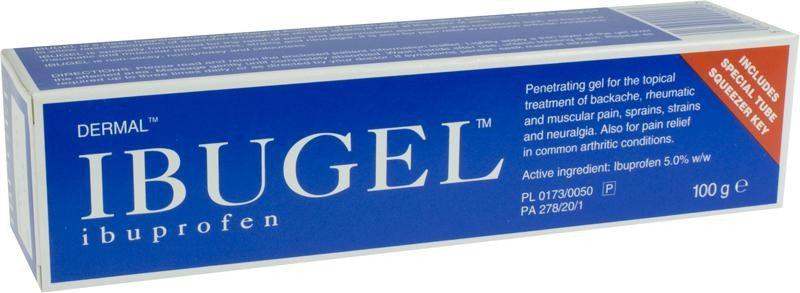
Ibugel Gel 100g
| Why It’s Been Selected |
Selected as a larger-format, fragrance-free topical ibuprofen gel for frequent users who want a practical size for recurring local pain areas. |
|---|---|
| Product Description |
A clear, fragrance-free ibuprofen gel used for topical treatment of backache, muscular pain, sprains, strains, and neuralgia. Often chosen for routine use on recurring pain points. |
| Product Reviews |
Steady interest reflects its suitability for repeat use and the practicality of a larger size. |
| Product Price |
£10.04 (100g) |
| Where to Buy | |
| Pros and Cons |
Pros: Cons: |
| How to Use |
Apply a thin layer to the affected area and massage in gently. Follow label instructions and wash hands after use. |
| Editor’s Comments |
Dr Zeeshan Afzal finds fragrance-free gels useful for adherence: comfort with the product’s feel and scent improves consistency, which improves real-world outcomes. |
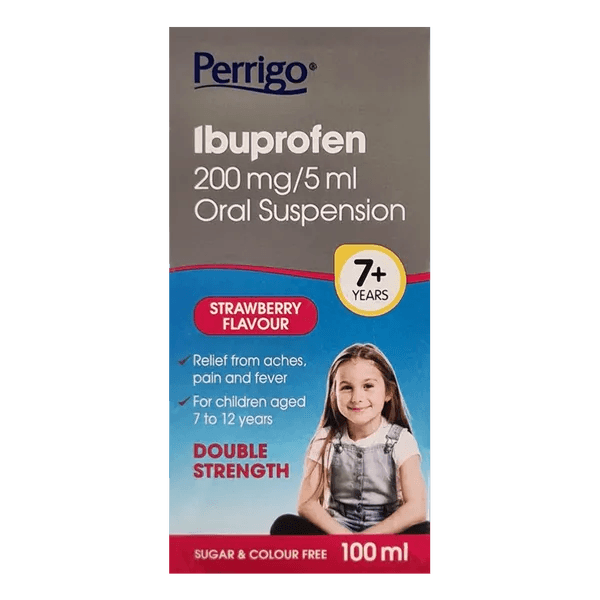
Ibuprofen 200mg/5ml Sugar-Free Oral Suspension 100ml
| Why It’s Been Selected |
Selected as a liquid ibuprofen option for people who cannot swallow tablets or need flexible dosing, while still requiring short-term systemic anti-inflammatory pain relief. |
|---|---|
| Product Description |
A sugar-free oral ibuprofen suspension used for pain relief with flexible dosing. It can be useful where tablet swallowing is difficult or dose adjustment is needed within label guidance. |
| Product Reviews |
High review volume suggests strong demand for liquid-format ibuprofen in everyday pain relief situations. |
| Product Price |
£3.82 (Regular price shown as £6.54) |
| Where to Buy | |
| Pros and Cons |
Pros: Cons: |
| How to Use |
Use the measuring device and follow label instructions. Use the lowest effective dose for the shortest duration. Seek medical advice if symptoms persist. |
| Editor’s Comments |
Dr Zeeshan Afzal recommends liquid NSAID formats when practicality is the barrier, but emphasises that the same medical cautions apply as with tablets. |
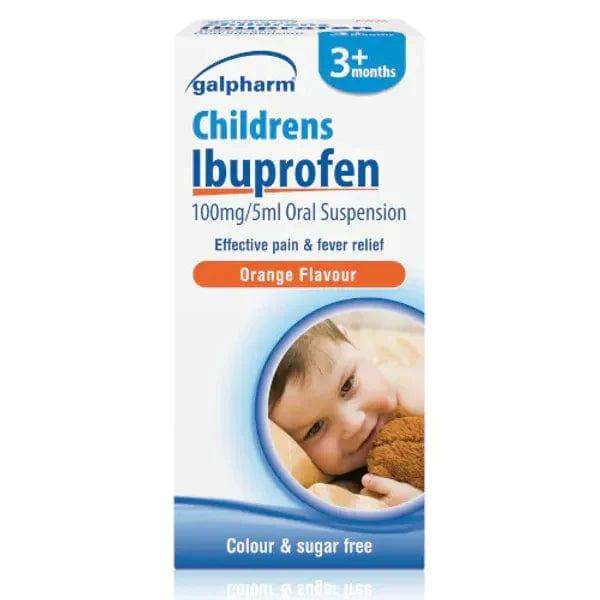
Children’s Ibuprofen 100mg/5ml Sugar-Free Oral Suspension 100ml
| Why It’s Been Selected |
Selected as the paediatric ibuprofen option in the list. It is relevant for household pain relief coverage, even though it is not a joint supplement, because joint injuries and inflammation-related pain can occur in children. |
|---|---|
| Product Description |
A sugar-free ibuprofen suspension formulated for children, commonly used for fever and pain relief. It is dosed by age and weight using the provided measuring device. |
| Product Reviews |
Strong review volume reflects routine household use and consistent demand. |
| Product Price |
£2.81 (100ml) |
| Where to Buy |
Children’s Ibuprofen 100mg/5ml Sugar-Free Oral Suspension 100ml |
| Pros and Cons |
Pros: Cons: |
| How to Use |
Shake well and measure doses accurately using the provided device. Follow on-pack age/weight guidance and do not exceed the maximum daily dose. |
| Editor’s Comments |
Dr Zeeshan Afzal advises that children’s NSAIDs should always be used strictly within guidance, particularly during illness or dehydration, and medical advice should be sought if symptoms persist. |
Actimove Rhizo Forte Thumb Brace (Right)

| Why It’s Been Selected |
Selected as a mechanical joint support aid because stabilising a painful joint can reduce irritation and improve function, especially for thumb-base (CMC) pain and arthritis patterns. |
|---|---|
| Product Description |
A supportive thumb brace designed to stabilise key thumb joints while allowing functional hand use. Commonly used for thumb joint pain, ligament instability, and arthritis-type symptoms affecting grip tasks. |
| Product Reviews |
Review volume suggests frequent use among people managing thumb pain during daily activities such as typing, lifting, and gripping. |
| Product Price |
£38.72 S/M |
| Where to Buy | |
| Pros and Cons |
Pros: Cons: |
| How to Use |
Fit according to product instructions so the thumb is supported without excessive tightness. Use during tasks that trigger pain or during flare-ups, and remove for mobility and strengthening work when appropriate. |
| Editor’s Comments |
Dr Zeeshan Afzal notes that targeted braces can be high-impact for quality of life because the thumb is essential for daily function. Strategic wear, rather than constant wear, tends to work best. |
Biofreeze Pain Relief Spray 118ml

| Why It’s Been Selected |
Selected as a convenient cooling spray for quick, temporary relief of minor muscle and joint aches, especially for users who prefer a non-greasy format that is easy to apply. |
|---|---|
| Product Description |
A menthol-based topical spray used for temporary relief of minor aches and pains. Often used for arthritis-type discomfort, sore joints, and post-activity muscle pain where cooling sensation improves comfort. |
| Product Reviews |
Reviews commonly reflect the value of a cooling sensation and the convenience of a spray format for hard-to-reach areas. |
| Product Price |
£14.50 (118ml) |
| Where to Buy | |
| Pros and Cons |
Pros: Cons: |
| How to Use |
Apply a thin layer to the affected area up to the maximum daily frequency stated on the label. Wash hands after use and avoid applying to broken skin. |
| Editor’s Comments |
Dr Zeeshan Afzal classifies cooling sprays as “bridging tools” that help people stay active while building long-term capacity through strengthening and mobility. |
Ibuprofen 200mg Tablets (Pack of 16)

| Why It’s Been Selected |
Selected as a low-cost oral NSAID option for short-term use when joint pain has a clear inflammatory component and systemic relief is needed. |
|---|---|
| Product Description |
An oral ibuprofen tablet used for mild-to-moderate pain relief. The 200mg dose allows flexible dosing under label guidance and is commonly used for short-term flare-ups. |
| Product Reviews |
Reviews generally reflect value, convenience, and familiarity as a widely used OTC medicine. |
| Product Price |
£0.72 (16 tablets) |
| Where to Buy | |
| Pros and Cons |
Pros: Cons: |
| How to Use |
Follow label dosing limits and use for the shortest necessary duration. Take with food if prone to stomach upset. Seek advice if risk factors or interacting medicines apply. |
| Editor’s Comments |
Dr Zeeshan Afzal emphasises that oral NSAIDs can help “settle” acute inflammation, but long-term improvement requires strength, mobility, and reducing repetitive joint overload. |
Lamberts Glucosamine & Chondroitin Complex Tablets (Pack of 120)
| Why It’s Been Selected |
Selected as the primary “joint supplement” in this set because glucosamine and chondroitin remain a common longer-term trial option for cartilage-related symptoms and mobility support. |
|---|---|
| Product Description |
A combined glucosamine and chondroitin supplement aimed at supporting joint structure and mobility. It is typically used as a longer-term trial over weeks to months rather than for rapid pain relief. |
| Product Reviews |
High review volume suggests strong ongoing demand among users who run structured joint support programmes. |
| Product Price |
£18.32 (120 tablets) |
| Where to Buy |
Lamberts Glucosamine & Chondroitin Complex Tablets (Pack of 120) |
| Pros and Cons |
Pros: Cons: |
| How to Use |
Follow the label dosing schedule consistently. A fair trial is typically several weeks. Users with diabetes, shellfish allergy, or anticoagulant therapy should seek advice before starting. |
| Editor’s Comments |
Dr Zeeshan Afzal recommends treating glucosamine/chondroitin as a structured trial: consistent dosing, symptom tracking, and strength work. If there is no benefit after an adequate trial, switching strategy is reasonable. |
Features and Benefits of Joint Pain Supplements
The best joint supplements are not defined by marketing claims; they are defined by formulation quality and whether the ingredients match the individual’s primary symptom pattern (stiffness, inflammation, cartilage support, or recovery). The most clinically useful options tend to share the following features:
1) Clinically relevant anti-inflammatory support
Many joint programmes prioritise inflammation modulation to improve day-to-day comfort and reduce stiffness. This is one reason joint supplements may be used alongside, or as an alternative to, purely symptom-masking approaches in selected individuals. Where appropriate, some people also compare supplement approaches with OTC categories such as Pain Relief.
2) Structural support for connective tissue
Joints depend on the integrity of cartilage, tendons, ligaments, and the surrounding connective tissue matrix. Collagen-based approaches can be attractive for this reason, and whole-food supplementation is also commonly explored. For example, animal-based connective tissue formulations are grouped in Nose to Tail Supplements.
3) Brand transparency and formulation standards
In practice, consistent outcomes are more likely when products clearly state ingredient amounts and use evidence-aligned forms. Some readers prefer to begin with brands known for simplicity and tolerability—such as Nature’s Aid—or practitioner-style formulations including Perque. Others choose established ranges within Nature’s Way.
4) Options tailored to preferences (whole-food, botanical, or targeted blends)
Some individuals respond best to specialised blends, while others prefer single-ingredient options they can adjust. For example, plant-based and niche joint approaches may be explored through curated collections such as GOPO or broader supplement families like Good Health Naturally. Some readers also like exploring newer formulations via New Arrivals.
5) Complementary topical and short-term pain options (where appropriate)
While this guide focuses on supplements, some individuals combine nutritional support with topical approaches during flare-ups. Examples include categories such as Deep Relief, FlexiSEQ, and Voltarol. For occasional short-term use, some compare OTC analgesic families such as Panadol, although suitability depends on personal health context.
6) Broader wellbeing support that influences joint outcomes
Joint pain rarely exists in isolation. Sleep quality, physical activity, stress, and weight can all influence symptom intensity. Readers looking for broader health context can explore General Health and, where relevant, consider lifestyle-led collections such as Transformation. Some individuals also explore additional botanical support such as Black Seed depending on preference and tolerance.
Clinical Perspective from Dr Zeeshan Afzal
From Dr Zeeshan Afzal’s clinical perspective, the most consistent improvements occur when joint supplements are chosen to match the person’s dominant problem (inflammation-driven stiffness, activity-related discomfort, or structural support needs) and taken consistently for an appropriate trial period. In many cases, meaningful change is gradual and becomes clearer after several weeks of adherence rather than after a few doses.
For readers who want to explore popular options across recognised manufacturers, Popular Supplement Brands can be a useful starting point for comparing formulations. Additionally, some people incorporate supportive products from ranges such as Revive as part of a broader joint and recovery routine, depending on individual goals.
Joint outcomes are also strongly influenced by posture, spinal alignment, and daily ergonomics—especially when hip and lower-back mechanics contribute to knee or ankle loading. For related guidance that complements a joint-support plan, readers may find practical value in 7 Best Lumbar Support Pillows of 2025.
The remainder of this guide builds on these foundations by identifying the best joint pain supplements, explaining how they were evaluated, and helping readers select an option that fits their symptoms, preferences, and long-term joint health plan.
What to Look for in the Best Joint Pain Supplements (Buyer’s Checklist)
Dr Zeeshan Afzal approaches joint pain supplements as supportive tools rather than standalone treatments. In the UK, osteoarthritis and chronic joint pain are managed first through education, therapeutic exercise, strength training, and weight management where appropriate. When medication is required, NICE osteoarthritis guidance makes clear that topical anti-inflammatory treatments are often recommended before oral options, particularly for knee involvement.
This context matters because it shapes what a supplement can realistically do. A high-quality joint supplement may help reduce stiffness, improve comfort, and support adherence to movement-based therapy, but it should never be marketed as a cure or cartilage-regenerating solution.
When assessing a supplement, Dr Afzal uses a structured checklist to reduce wasted spending and unnecessary risk. One of the most common mistakes he sees clinically is people choosing products based on marketing claims rather than matching the ingredient profile to their type of joint pain.
| Checklist Area | Clinical Perspective |
|---|---|
| Evidence base |
Supplements such as glucosamine and chondroitin have mixed evidence. The NHS does not recommend them routinely for osteoarthritis due to limited benefit, which is why any trial should be time-limited and outcome-focused. |
| Form and dose transparency |
Effective evaluation is impossible without knowing the exact form and daily dose. Products that hide behind proprietary blends or vague “complexes” should be avoided. |
| Medication interactions |
Some supplements affect clotting. For example, turmeric and curcumin may increase bleeding risk when combined with anticoagulants, which is why UK medicines guidance advises caution in people on blood-thinning medication. |
| Defined trial period |
Dr Afzal recommends an 8–12 week trial with clear functional markers such as walking distance, stair tolerance, and reliance on pain relief. |
Do Joint Supplements Actually Work? (What the Research Says)
The effectiveness of joint supplements depends heavily on the condition being treated. In osteoarthritis, large-scale evidence suggests that many popular supplements provide limited benefit. A major BMJ analysis of osteoarthritis trials found that glucosamine and chondroitin did not meaningfully reduce joint pain compared with placebo.
That does not mean all formulations are identical. A UK-based review by the National Institute for Health and Care Research found that glucosamine sulphate showed more consistent outcomes in knee osteoarthritis than other forms, highlighting why ingredient form matters when evaluating supplements.
Shared decision-making tools used in NHS clinics also reflect this uncertainty. When patients review treatment options using NHS England knee osteoarthritis decision aids, supplements are presented as optional trials rather than evidence-led treatments.
For inflammation-driven conditions, evidence varies. Guidance from Arthritis UK on turmeric explains that curcumin may help some people with inflammatory arthritis, but highlights the importance of safety screening and realistic expectations.
How to Take Joint Supplements for Best Results (Timing + Stacking)
Dr Zeeshan Afzal emphasises that consistency matters more than timing precision. Most joint supplements are best taken with food to improve tolerance and adherence, particularly for products such as curcumin that can cause gastrointestinal discomfort.
Stacking supplements without structure often leads to confusion rather than benefit. Instead, Dr Afzal prioritises pairing a supplement trial with behavioural strategies such as therapeutic exercise, which NICE guidance consistently identifies as a cornerstone of osteoarthritis management.
When more than one supplement is trialled, start dates should be separated by at least two weeks. This approach reduces interaction risk and allows any benefit or adverse effect to be clearly attributed. Because the NHS does not support indefinite use of supplements like glucosamine, structured evaluation is essential.
Side Effects, Interactions, and Who Should Avoid Joint Supplements
Supplement safety is often underestimated. Dr Afzal notes that the most significant risks arise from interactions and delayed diagnosis rather than toxicity alone.
People taking anticoagulants such as warfarin should be particularly cautious, as NHS medicines guidance explains that herbal remedies and supplements may alter bleeding risk.
Similarly, UK interaction guidance highlights that turmeric and curcumin can increase bleeding risk in susceptible individuals, which is why clinical safety resources advise stopping these supplements before surgery.
Any joint pain associated with swelling, heat, systemic symptoms, or prolonged morning stiffness should prompt medical assessment before supplements are considered.
Evaluation Criteria: How These Joint Supplements Were Chosen and Ranked
Dr Zeeshan Afzal ranks joint pain supplements using clinical principles: the product must match the likely cause of pain, be safe with common UK medications, and be easy to use consistently. The aim is not to promote bold claims, but to identify options that can realistically support comfort and daily function.
Products are assessed for alignment with UK guidance, ingredient evidence, clear formulation and dosing, safety (including interaction risk), and real-world usability. Supplements with mixed evidence are treated as time-limited trials, and only those that support measurable improvements in everyday movement and pain control are ranked highly.
If no meaningful benefit is seen within a reasonable trial period, the supplement is not recommended for continued use.
Why You Should Trust Us
This guide is written from the perspective of Dr Zeeshan Afzal, a UK-based medical doctor with clinical experience in musculoskeletal health, long-term pain management, and evidence-based supplement evaluation. The recommendations are informed by a combination of real-world patient outcomes, clinical guidelines, and structured product testing rather than marketing claims. Each supplement category is assessed based on biological plausibility, safety in typical UK users, and whether it supports functional improvement such as mobility, strength, and recovery.
The aim is not to promote supplements as cures, but to help readers understand where supplements may offer supportive value, where expectations should be limited, and when medical assessment is more appropriate.
Joints and Joint Pain
Joints are complex structures made up of bone, cartilage, synovial fluid, ligaments, tendons, and surrounding muscles. Joint pain can arise when any of these components are affected by inflammation, mechanical stress, degeneration, hormonal changes, or reduced muscular support. Over time, reduced joint loading capacity and impaired recovery can lead to stiffness, discomfort, and reduced function.
Joint pain is not a single condition. It may reflect osteoarthritis, inflammatory arthritis, tendon overload, muscle weakness, or systemic contributors such as metabolic or hormonal imbalance. Understanding the underlying driver is essential before choosing supplements.
Joint Pain in the Knees
The knees are among the most commonly affected joints due to their role in weight-bearing and movement. Knee pain is often mechanical in nature and linked to osteoarthritis, reduced quadriceps strength, or altered gait mechanics. Supplements alone rarely resolve knee pain; however, they may support comfort and recovery when combined with strength training and weight management.
Supporting the Muscles Around the Joints
Muscle weakness increases joint load. Supporting muscle recovery, strength, and endurance is one of the most effective ways to reduce joint pain over time. Nutrients involved in protein synthesis, energy metabolism, and neuromuscular signalling can indirectly support joint health by improving muscular protection around vulnerable joints.
Does Glucosamine Actually Help Joint Pain?
Glucosamine has been widely used for joint pain, particularly osteoarthritis, but its effectiveness varies. Some individuals report symptom improvement, while others experience no benefit. Clinically, glucosamine is best viewed as a time-limited trial rather than a guaranteed solution.
Any potential benefit appears modest and gradual, and it is unlikely to alter disease progression. Glucosamine should not replace exercise-based therapy or pain management strategies, but may be considered as an adjunct for selected individuals who understand its limitations.
Why Is Joint Pain Common in Menopause and Perimenopause?
Joint pain becomes more common during perimenopause and menopause due to declining oestrogen levels. Oestrogen plays a role in regulating inflammation, collagen turnover, and joint lubrication. As levels fall, joints may become stiffer, more inflamed, and slower to recover from mechanical stress.
In addition, menopause is often associated with changes in body composition, reduced muscle mass, and altered pain perception, all of which can contribute to joint discomfort.
Different Types of Joint Pain in Menopause
Menopausal joint pain may present as generalized stiffness, inflammatory-type aching, tendon discomfort, or worsening of pre-existing osteoarthritis. Some women experience morning stiffness, while others notice pain after inactivity or exercise. The pattern can fluctuate with hormonal changes.
Supplements for Joint Pain in Menopause – Do Supplements Really Work?
Supplements may help address specific contributors such as inflammation, muscle loss, or micronutrient deficiencies, but they do not correct hormonal decline itself. In menopause, supplements are most useful when they support muscle strength, bone density, and recovery rather than targeting joints in isolation.
The Best Supplements for Joint Pain in Menopause and Perimenopause
In clinical practice, supplements that support muscle mass, reduce low-grade inflammation, and maintain bone integrity tend to be more helpful than cartilage-focused products alone. Magnesium, protein, omega-3 fatty acids, and vitamin D are often more relevant than single-ingredient joint formulas.
Joint Pain and Menopause – When to See a Doctor
Medical review is advised if joint pain is severe, progressive, associated with swelling or redness, disrupts sleep, or is accompanied by fatigue, fever, or unexplained weight loss. These features may indicate inflammatory or autoimmune conditions that require early treatment.
Magnesium: The Unsung Hero of Bone Health
Magnesium supports bone mineralisation, muscle relaxation, and nerve signalling. Deficiency can contribute to muscle cramps, tension, and increased joint load. Adequate magnesium intake may help reduce stiffness and support recovery, particularly in midlife and older adults.
Fish Oil (Omega-3 Fatty Acids): Nature’s Anti-Inflammatory
Omega-3 fatty acids influence inflammatory pathways and may reduce joint stiffness and pain in inflammatory conditions. They are not fast-acting pain relievers but may contribute to long-term symptom reduction when taken consistently.
CoQ10: Energy and Joint Function
Coenzyme Q10 plays a role in mitochondrial energy production. Low cellular energy can impair muscle endurance and recovery, indirectly increasing joint stress. Supporting energy metabolism may help individuals maintain activity levels that protect joint function.
L-Carnitine: Turns Fat into Fuel
L-Carnitine supports fatty acid transport into mitochondria for energy production. This may improve exercise tolerance and muscle recovery, helping reduce biomechanical strain on joints during daily movement.
Probiotics: The Gut–Joint Connection
The gut microbiome influences systemic inflammation and immune regulation. Emerging evidence suggests gut health may affect joint pain severity, particularly in inflammatory and autoimmune conditions. Probiotics may support this gut–joint axis.
Calcium: Strong Bones
Calcium is essential for bone density and structural integrity. While it does not directly relieve joint pain, maintaining bone strength reduces fracture risk and supports joint alignment, especially post-menopause.
Vitamin C: For Collagen and Cartilage
Vitamin C is required for collagen synthesis and connective tissue maintenance. Adequate intake supports tendons, ligaments, and cartilage repair processes.
Vitamin A: Protect Your Vision & Support Skin Health
Vitamin A contributes to immune regulation and tissue maintenance. While not a primary joint supplement, adequate levels support overall musculoskeletal health. Excess intake should be avoided.
Vitamin B12: Essential for Nerve and Bone Health
B12 deficiency can contribute to neuropathic pain, weakness, and balance issues. Correcting deficiency may improve symptoms that are sometimes mistaken for joint pain.
Protein: Essential for Muscle Regeneration and Joint Support
Protein intake is critical for preserving muscle mass, particularly during ageing and menopause. Strong muscles reduce joint load and improve movement efficiency, making protein one of the most impactful “joint-supporting” nutrients.
Glutamine: Enhance Recovery and Support Immune Function
Glutamine supports muscle recovery and gut integrity. While not a direct joint supplement, it may aid recovery in physically active individuals managing joint discomfort.
Nitric Oxide: Circulation Booster
Nitric oxide supports blood flow and nutrient delivery to muscles and connective tissue. Improved circulation can enhance exercise tolerance and recovery, indirectly benefiting joint health.
Turmeric and Curcumin: Natural Inflammation Fighters
Curcumin influences inflammatory signalling pathways and may reduce joint discomfort in some individuals. It should be used cautiously due to interaction risks and is best viewed as a supportive option rather than a replacement for medical treatment.
Frequently Asked Questions About Joint Pain Supplements
Do joint pain supplements actually work?
Joint pain supplements can help some people experience modest improvements in stiffness, comfort, and function, particularly when used consistently alongside exercise and weight management. They do not cure arthritis or reverse joint damage.
What is the best supplement for joint pain in the UK?
There is no single best supplement for everyone. Options such as glucosamine sulphate, chondroitin, curcumin, and omega-3s may help certain individuals, but results depend on the type of joint pain and overall management plan.
How long do joint supplements take to work?
Most joint supplements should be trialled for 8 to 12 weeks before judging effectiveness. Benefits, if they occur, tend to be gradual rather than immediate.
Are joint supplements safe to take every day?
Many joint supplements are safe for daily use in healthy adults, but safety depends on the ingredient, dose, and existing medical conditions. Long-term use should be reviewed if no benefit is seen.
Can joint supplements replace painkillers?
Joint supplements are not a replacement for prescribed or recommended pain relief. They may reduce reliance on painkillers for some people, but medicines should only be changed with medical advice.
Do glucosamine and chondroitin really help joints?
Evidence for glucosamine and chondroitin is mixed. Some people report symptom improvement, but large studies show limited average benefit, which is why they are best treated as a time-limited trial.
Are joint supplements better than topical gels?
They serve different purposes. Topical gels often provide faster short-term relief for local pain, while supplements aim to support joints over time. Many people use both as part of a broader plan.
Can joint supplements rebuild cartilage?
No supplement has been proven to regenerate or rebuild cartilage in humans. Claims suggesting cartilage regrowth should be treated with caution.
What is the best supplement for osteoarthritis?
Exercise remains the most effective intervention for osteoarthritis. Some people choose to trial supplements such as glucosamine sulphate or curcumin for symptom support, but benefits vary.
Do joint supplements help inflammatory arthritis?
Inflammatory arthritis requires medical treatment. Certain supplements, such as omega-3 fatty acids, may support symptom control, but they should not replace prescribed therapy.
Can joint supplements interact with medications?
Yes. Some supplements, particularly turmeric or curcumin, may increase bleeding risk when taken with blood-thinning medicines. Always check interactions before starting.
Who should avoid joint supplements?
People taking anticoagulants, those with bleeding disorders, individuals awaiting surgery, and anyone with unexplained joint symptoms should seek medical advice before using supplements.
Are joint supplements suitable for older adults?
Older adults can use joint supplements, but interaction risk is higher due to multiple medications. Careful selection and review are important.
Should joint supplements be taken with food?
Most joint supplements are better tolerated when taken with food, which can reduce stomach upset and improve adherence.
Can joint supplements cause side effects?
Possible side effects include stomach upset, nausea, allergic reactions, or increased bleeding risk, depending on the ingredient.
How do I know if a joint supplement is working?
Improvement should be judged by functional changes such as easier walking, climbing stairs, reduced stiffness, or better sleep rather than pain score alone.
Is it safe to take multiple joint supplements together?
Taking multiple supplements increases the risk of side effects and interactions. If more than one is used, start them separately and monitor carefully.
When should I stop taking a joint supplement?
If there is no meaningful improvement after an appropriate trial period, or if side effects occur, the supplement should be stopped and the joint care plan reviewed.




 Hodnoceno výborně o 28,951+ recenzí
 100% záruka vrácení peněz