




Best Betaine HCl Supplements UK


Související produkty


Written and medically reviewed by Dr Zeeshan Afzal (MBBS) — Medical Doctor & Medical Content Lead, Welzo
Evidence-based · Honest about what's proven and what isn't · UK-focused
Last updated: July 2026 · Reading time: ~15 minutes
Betaine HCl is one of the most confidently marketed and least well-evidenced supplements in the digestive category. The premise is straightforward: if your stomach is not producing enough acid, take acid in capsule form. The physiology is sound as far as it goes, and there is a small amount of decent human data showing it does what it claims to do chemically.
But two problems sit underneath the marketing, and both matter more than which brand you buy. First, almost nobody taking betaine HCl has actually been tested for low stomach acid — and the symptoms attributed to too little acid overlap almost completely with the symptoms of reflux, where adding acid makes things worse. Second, the popular "titration" protocol, where you increase capsules until you feel warmth, has no clinical evidence behind it and carries real risk.
This guide covers what betaine HCl actually is, what the evidence supports, who should not take it under any circumstances, and the seven options available in the UK from the Welzo betaine range.
Read this before you buy
Betaine HCl is not suitable if you have reflux or GORD, an active or previous peptic ulcer, gastritis, a current H. pylori infection, or if you take NSAIDs such as ibuprofen or oral corticosteroids. In those situations it can cause or worsen ulceration and bleeding. If you have not been assessed, see a GP before self-treating — the symptoms of low stomach acid and high stomach acid are very difficult to tell apart without testing.
Table of contents
- What is betaine HCl?
- Betaine HCl is not the same as betaine or TMG
- What the evidence actually shows
- Do you actually have low stomach acid?
- The titration protocol problem
- How we chose
- Our top picks
- Dose and format compared
- The seven best betaine HCl supplements
- When the problem is the lining, not the acid
- Who must avoid betaine HCl
- When to see a doctor
- Frequently asked questions
What is betaine HCl?
Betaine hydrochloride is a synthetic salt that releases hydrochloric acid when it dissolves in the stomach. It is used as a supplement on the premise of temporarily increasing gastric acidity, and it is very often paired with pepsin, the enzyme that begins protein digestion and which requires an acidic environment to work.
The underlying physiology is real. Gastric acid does several jobs: it activates pepsin, helps break down protein, releases vitamin B12 from food so it can bind intrinsic factor, improves the absorption of non-haem iron and calcium, and acts as a barrier against ingested pathogens. Genuinely reduced acid production, called hypochlorhydria, is a recognised clinical entity with real consequences — particularly B12 and iron deficiency and increased susceptibility to gut infections.
The question is not whether stomach acid matters. It plainly does. The question is whether the person buying the capsules is actually short of it.
Betaine HCl is not the same as betaine or TMG
This confusion is extremely common and worth clearing up before you spend money.
- Betaine HCl is betaine bound to hydrochloric acid. It is taken with meals to acidify the stomach. It is a digestive supplement.
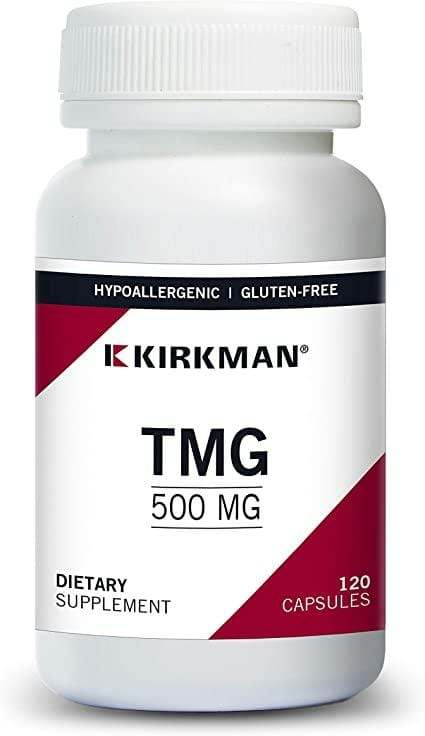
- Betaine anhydrous, also sold as TMG (trimethylglycine), is the same betaine molecule without the hydrochloride. It does nothing to stomach acid. It is used as a methyl donor, mainly for homocysteine metabolism, and is also studied in sports performance. See Welzo Ultra Purity TMG.
They are not interchangeable in either direction. If you want stomach acid support, TMG will not provide it. If you want a methyl donor for homocysteine, betaine HCl is the wrong product and dosing it at methylation-relevant amounts would deliver a great deal of unnecessary acid. Read the label carefully, because both are often marketed simply as "betaine."
What the evidence actually shows
Being straight about this: the human evidence base for betaine HCl is thin, and thinner still for the symptom relief it is usually bought for.
What has been demonstrated
The most-cited study is a small pharmacology trial in healthy volunteers whose stomach acid had been deliberately suppressed with a proton pump inhibitor. Betaine HCl re-acidified the stomach, and did so quickly and measurably. That is a real finding and it establishes the basic mechanism: betaine HCl does lower gastric pH.
Two limitations matter. The participants were healthy people with drug-induced hypochlorhydria, not people with naturally low acid production from atrophic gastritis or ageing. And the outcome measured was gastric pH — a chemistry result, not whether anyone felt better.
What has not been demonstrated
There are no substantial randomised controlled trials showing that betaine HCl improves bloating, indigestion, reflux, IBS symptoms or nutrient status in people who self-identify as having low stomach acid. The claims made for it in that space rest on mechanism plus clinical anecdote, not on trial evidence. That does not make it useless, but it does mean the confidence of the marketing is not matched by the strength of the data.
It also means that if you try it and nothing changes, the sensible conclusion is that low acid was probably not your problem — not that you need a higher dose.
Do you actually have low stomach acid?
This is the crux of it, and where most people go wrong.
The symptom overlap problem
The symptoms commonly attributed to low stomach acid — bloating after meals, fullness, belching, undigested food, reflux — are almost identical to the symptoms of reflux disease, where acid is the problem rather than the solution. There is no reliable way to distinguish them from symptoms alone. Which means the popular advice to "try betaine HCl and see" is genuinely risky: a meaningful proportion of people following it have reflux or gastritis and are adding acid to an already irritated stomach.
Who genuinely is at risk of low acid
- Long-term PPI use — omeprazole, lansoprazole and similar drugs suppress acid by design. See omeprazole long-term effects.
- Autoimmune atrophic gastritis — destroys the acid-producing parietal cells and is the cause of pernicious anaemia.
- Chronic H. pylori infection — can reduce acid output over time. See H. pylori.
- Increasing age — acid output declines modestly, though less universally than often claimed.
- Previous gastric surgery, including bariatric procedures.
How it is properly assessed
Direct gastric pH measurement exists but is rarely done outside research. In practice, a GP investigates the cause and the consequences: vitamin B12 and ferritin, full blood count, intrinsic factor and parietal cell antibodies where autoimmune gastritis is suspected, H. pylori testing, and endoscopy where indicated. That is a far more useful path than a self-administered capsule challenge. See low stomach acid symptoms, H. pylori testing and gut health blood tests.
The titration protocol problem
You will find this protocol everywhere: take one capsule with a protein meal, and if you feel nothing, add a capsule each meal until you feel a warmth or burning, then drop back one. That level is presented as your "dose".
There are three problems with it, and they are worth stating plainly.
It has no clinical validation — no trial has established that the warmth threshold corresponds to any meaningful physiological measure. The endpoint is a symptom of gastric irritation, so the protocol deliberately escalates until the stomach complains, which is a strange target. And in someone who unknowingly has gastritis, an ulcer or reflux, escalating doses of acid is precisely the wrong direction, and the burning may be tissue injury rather than a dosing signal.
If you use betaine HCl, use the dose on the label with meals, and stop if it causes discomfort rather than pushing through it. Do not escalate to find a threshold.
How we chose
- Dose transparency — betaine HCl and pepsin quantities stated separately in mg, not hidden in a proprietary blend.
- Dose per capsule — a large range exists here, from 325 mg to 648 mg, which changes both effect and flexibility.
- Pepsin source — most pepsin is porcine, which rules these out for vegans and for anyone avoiding pork for religious reasons. Vegan alternatives now exist and we flag them.
- Formulation quality — GMP manufacture, minimal excipients, hypoallergenic where available.
- Flexibility — lower-dose capsules allow more cautious use, which matters in a category where starting gently is sensible.
See also our full guide to betaine HCl, digestive bitters and how to take digestive enzymes.
Our top picks
Best Overall: Pure Encapsulations Betaine HCl Pepsin, 250 capsules — £59.65
Best Vegan: Swanson Betaine HCl with Pepsin, 250 veg capsules
Best High Dose: Now Foods Betaine HCl 648 mg, 120 capsules
Best Pepsin-Free: Klaire Labs Betaine HCl, 100 capsules
Best Practitioner Brand: Thorne Betaine HCl & Pepsin, 225 capsules
Best Bulk Value: Thorne Betaine HCl & Pepsin, 450 capsules — from £69.94
Best Combined Formula: New Roots Herbal Digestive Enzymes with Betaine Hydrochloride, 100 capsules
Dose and format compared
| # | Product | Betaine HCl | Pepsin | Count | Price |
|---|---|---|---|---|---|
| 1 | Pure Encapsulations | 520 mg | 21 mg porcine | 250 | £59.65 |
| 2 | Swanson | 325 mg | 82 mg vegan | 250 | See page |
| 3 | Now Foods | 648 mg | Vegetarian protease | 120 | See page |
| 4 | Klaire Labs | See label | None | 100 | See page |
| 5 | Thorne, 225 | See label | Porcine | 225 | See page |
| 6 | Thorne, 450 | See label | Porcine | 450 | £77.71–£69.94 |
| 7 | New Roots Herbal | See label | Plus pancreatin | 100 | See page |
Doses as stated by each manufacturer. Prices correct at the time of writing and subject to change — check the product page. Where a figure is not confirmed here, the label is the authority.
The seven best betaine HCl supplements
1. Pure Encapsulations Betaine HCl Pepsin, 250 capsules — Best Overall

Price: £59.65 · Reviews: 106 · Where to buy: Available from Welzo
Per capsule: 520 mg betaine HCl, 21 mg pepsin (1:10,000 potency, lactose-free, porcine) · Capsule: vegetarian (cellulose and water) · Other ingredients: hypoallergenic plant fibre, ascorbyl palmitate
Why it leads: This is the most transparently labelled product in the category. Both actives are quantified precisely, the pepsin potency ratio is stated — which most brands omit entirely — and the excipient list runs to three items. For a supplement where you genuinely want to know how much acid you are taking, that transparency is the single most valuable attribute.
Pure Encapsulations' hypoallergenic, GMP-manufactured positioning also matters more here than in most categories, because people reaching for betaine HCl often have sensitive or already irritated digestive systems and react to fillers. At 250 capsules it is a long supply, and the 520 mg dose sits in the middle of the available range — high enough to be meaningful, not so high that you cannot start cautiously.
The honest caveats: the pepsin is porcine, so this is not suitable for vegans or for anyone avoiding pork. And at £59.65 it is not cheap, though the per-capsule cost is reasonable given the count.
| Pros | Cons |
|---|---|
| Best dose transparency in the category Pepsin potency ratio stated (1:10,000) Only three excipients Hypoallergenic, gluten-free, non-GMO 250 capsules — long supply Vegetarian capsule shell |
Porcine pepsin — not vegan, not suitable if avoiding pork Higher upfront price 520 mg may be more than needed to start |
2. Swanson Betaine HCl with Pepsin, 250 veg capsules — Best Vegan
Where to buy: Available from Welzo — check the product page for current pricing.
Per capsule: 325 mg betaine hydrochloride, 82 mg VegPeptase (pepsin 1:3000 analogue) · Capsule: vegetarian
Why we like it: This solves the biggest practical problem in the category. Pepsin is conventionally extracted from pig stomach, which excludes vegans, vegetarians and anyone avoiding pork for religious reasons — a substantial share of the people who might want this supplement. Swanson uses a vegan pepsin analogue instead, so you get the acid-plus-protease combination without the porcine ingredient.
The 325 mg betaine HCl dose is also the lowest here, which is a genuine advantage rather than a shortcoming in this category. It lets you start low and gives finer control than a 648 mg capsule, which is the right approach given the risk profile.
| Pros | Cons |
|---|---|
|
Vegan pepsin analogue — no porcine ingredient Lowest dose per capsule (325 mg) allows cautious starting Highest pepsin content here (82 mg) 250 capsules Both actives quantified Good value brand positioning |
Vegan pepsin analogues have less research than porcine pepsin May need two capsules for a mid-range dose Less premium formulation than practitioner brands |
3. Now Foods Betaine HCl 648 mg, 120 capsules — Best High Dose
Where to buy: Available from Welzo — check the product page for current pricing.
Per capsule: 648 mg betaine HCl with a vegetarian acid-stable protease · Other ingredients: cellulose capsule, cellulose powder, vegetable magnesium stearate, silica
Why we like it: The highest single-capsule dose in this list, paired with a vegetarian acid-stable protease rather than animal pepsin — so it suits vegetarians while delivering nearly double the Swanson dose. Now Foods is a large manufacturer with its own testing laboratories, and the excipient list is short.
A word of caution on the dose. 648 mg is a lot for a first capsule. If you have not taken betaine HCl before, a lower-dose product is the more sensible entry point; this is better suited to someone who has already established tolerance. Note also that the label advises against taking it on an empty stomach or if you have stomach or duodenal ulcers.
| Pros | Cons |
|---|---|
| Highest dose per capsule (648 mg) Vegetarian protease, not porcine pepsin Short excipient list In-house quality testing Fewer capsules needed per dose |
Dose too high for a first-time user Only 120 capsules Less flexibility to titrate down Contains magnesium stearate |
4. Klaire Labs Betaine HCl, 100 capsules — Best Pepsin-Free
Where to buy: Available from Welzo — check the product page for current pricing.
Per capsule: betaine hydrochloride, no pepsin · Capsule: vegetarian (hydroxypropyl methylcellulose, water) · Other ingredients: microcrystalline cellulose, ascorbyl palmitate, silicon dioxide
Why we like it: This is betaine HCl on its own, which is the right choice in two specific situations. If you are avoiding porcine ingredients but want the conventional acid support without a vegan enzyme substitute, this gives you that. And if a clinician has specified betaine HCl alone — sometimes preferred when someone is already taking a separate enzyme product, to avoid doubling up on protease — this is the clean single-ingredient option.
Klaire Labs is widely used in UK integrative practice, with allergen-controlled manufacturing. At 100 capsules it is also the smallest pack here, which makes it the lowest-commitment way to test tolerance before buying a 250-capsule bottle.
| Pros | Cons |
|---|---|
| Single ingredient, no pepsin No porcine ingredient Practitioner-trusted, allergen-controlled Vegetarian capsule Small pack — low-commitment trial |
No pepsin, so no protease support Only 100 capsules Betaine HCl per capsule not prominently published — check the label |
5. Thorne Betaine HCl & Pepsin, 225 capsules — Best Practitioner Brand
Where to buy: Available from Welzo — check the product page for current pricing.
Per capsule: betaine HCl with porcine-sourced pepsin · Other ingredients: hypromellose capsule, calcium laurate, leucine, silicon dioxide
Why we like it: Thorne is among the most rigorously positioned supplement manufacturers, with third-party certification and a strong following among practitioners. The 225-capsule size is the sensible middle option in Thorne's range — enough for an extended trial without committing to the 450 bottle. If a clinician has named Thorne specifically, this is the pack to choose first.
| Pros | Cons |
|---|---|
| Third-party certified manufacturer Strong practitioner reputation Sensible mid-size pack Clean excipient list Gluten and dairy free |
Porcine pepsin — not vegan or pork-free Premium pricing Per-capsule betaine HCl not prominently published |
6. Thorne Betaine HCl & Pepsin, 450 capsules — Best Bulk Value
Price: £77.71 for one · £73.83 each for two · £71.50 each for three · £69.94 each for four or more · Where to buy: Available from Welzo
Per capsule: betaine HCl with porcine-sourced pepsin · Other ingredients: hypromellose capsule, calcium laurate, leucine, silicon dioxide
Why we like it: The same formulation as above in a 450-capsule bottle with tiered multi-buy pricing, dropping from £77.71 to £69.94 each at four or more. If you take betaine HCl with two or three meals daily under clinical supervision, this is comfortably the best cost per capsule in the list.
One reservation worth stating. A 450-capsule bottle is a large commitment for a supplement that many people find does not help them, because low stomach acid was not the underlying issue. Establish that it works for you on a smaller pack before buying at this scale.
| Pros | Cons |
|---|---|
| Best cost per capsule at volume Tiered multi-buy discounts 450 capsules — long supply for multi-meal dosing Third-party certified manufacturer |
Porcine pepsin Highest upfront cost (£77.71) Large commitment before knowing it suits you Value only materialises at four bottles |
7. New Roots Herbal Digestive Enzymes with Betaine Hydrochloride, 100 capsules — Best Combined Formula
Where to buy: Available from Welzo — check the product page for current pricing.
Contains: betaine hydrochloride plus pancreatin, supplying protease, amylase and lipase
Why we like it: This is the broadest formula here. Rather than acid plus a protein enzyme, it adds pancreatin, which supplies enzymes for protein, starch and fat. If your symptoms centre on heavy or fatty meals rather than protein specifically, the lipase component addresses something the other six products do not.
Two things to weigh. Combination products give you less control — if it disagrees with you, you cannot tell which component is responsible. And genuine pancreatic enzyme insufficiency is a medical diagnosis requiring prescription enzyme replacement at far higher doses, so if you suspect it, that is a GP conversation rather than a supplement purchase. See enzymes vs probiotics.
| Pros | Cons |
|---|---|
| Broadest enzyme coverage — protease, amylase, lipase Addresses fat digestion, unlike the others Single product instead of two Small pack for trialling |
Less control — hard to isolate what helps or irritates Pancreatin is animal-derived Not a substitute for prescription enzyme replacement Only 100 capsules |
When the problem is the lining, not the acid
This distinction is worth taking seriously, because it determines whether betaine HCl will help you or harm you.
If your stomach lining is inflamed — gastritis, an ulcer, an H. pylori infection, or NSAID-related irritation — the problem is not a shortage of acid. Adding acid to inflamed gastric mucosa makes the symptoms worse and can promote ulceration. Confusingly, the symptoms can look similar from the outside: discomfort after eating, fullness, nausea.
The practical rule: burning, gnawing pain, pain that wakes you at night, pain relieved by eating or by antacids, or symptoms that started after a course of ibuprofen all point towards a lining problem rather than an acid deficit. That needs assessment, not acid.
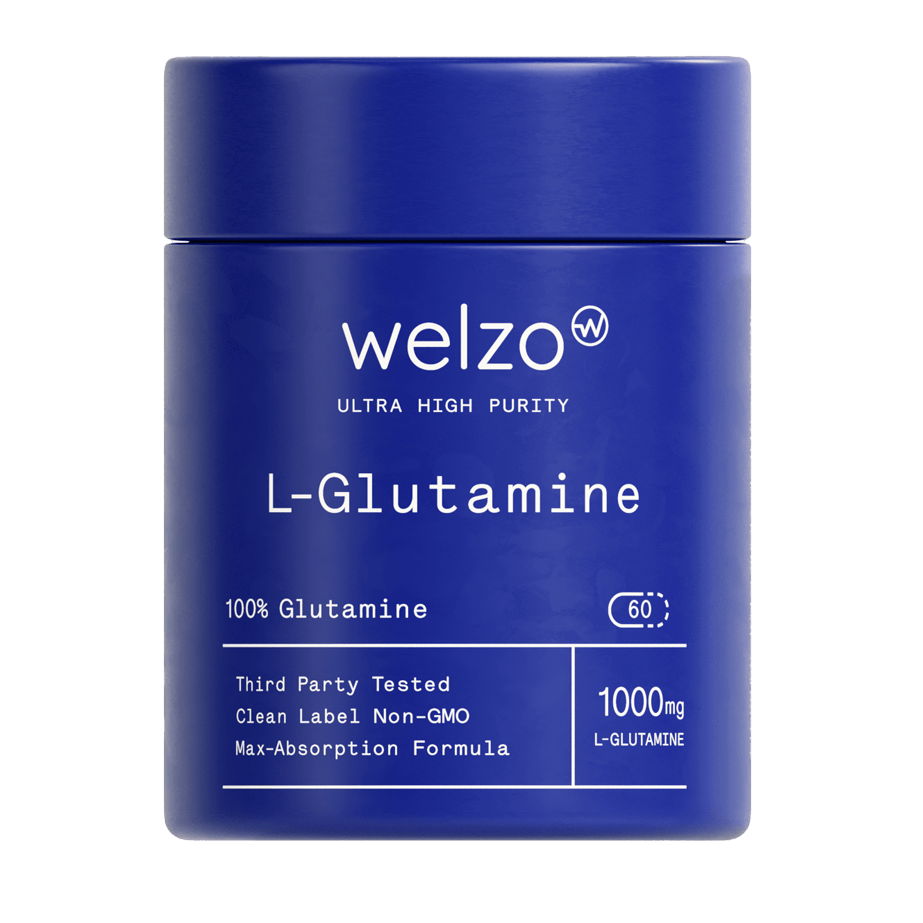
Where mucosal support is the goal, glutamine is the primary fuel for the cells lining the gut, which is why it appears throughout barrier research — see Welzo Ultra Purity L-Glutamine, gut barrier function and glutamine vs collagen. Other options with a soothing rather than acidifying rationale include zinc carnosine, slippery elm and aloe vera. For the conditions themselves, see gastritis, stomach ulcer and ibuprofen and stomach damage.
Who must avoid betaine HCl
This category has more absolute contraindications than most supplements, and they are not merely precautionary.
Do not take betaine HCl if you
- Have an active peptic ulcer, or any history of one — risk of ulceration and bleeding
- Have gastritis or any inflammation of the stomach lining
- Have reflux, GORD or frequent heartburn — adding acid worsens this
- Take NSAIDs such as ibuprofen, naproxen or aspirin — the combined risk of gastric damage is significantly higher
- Take oral corticosteroids — same reason
- Have a current H. pylori infection, or suspect one
- Are pregnant or breastfeeding — there is no adequate safety data
- Are buying for a child — not appropriate without specialist advice
- Take acid-suppressing medication — PPIs or H2 blockers — without discussing it with your prescriber first, since you would be working against a prescribed treatment
If you take any regular medication, check with your pharmacist. Changing gastric pH can alter the absorption of a range of drugs, including some thyroid medicines, certain antibiotics and antifungals. Stop taking betaine HCl and seek advice if you develop burning pain, black stools, vomiting blood or worsening symptoms.
Milder effects, where they occur, include a warm or burning sensation, indigestion, nausea and belching. These are signals to stop, not to persist or increase the dose.
When to see a doctor
See your GP — or seek urgent care — if you have:
- Vomiting blood, or black tarry stools — this needs urgent assessment
- Difficulty or pain when swallowing, or food sticking
- Unexplained weight loss
- Persistent indigestion, especially if new or you are over 55
- Burning or gnawing upper abdominal pain, particularly at night
- Persistent nausea or vomiting
- Fatigue with breathlessness or pallor — possible B12 or iron deficiency, which is worth investigating properly
- A change in bowel habit lasting three weeks or more
Persistent indigestion warrants a diagnosis rather than a supplement. Read more on when to see a GP about stomach symptoms and acid reflux. See also NHS — Indigestion and NHS — Stomach ulcer.
Frequently asked questions
What is the best betaine HCl supplement in the UK?
Pure Encapsulations Betaine HCl Pepsin (£59.65, 250 capsules) is our pick overall, mainly for transparency: 520 mg betaine HCl and 21 mg pepsin are stated precisely, the pepsin potency ratio is published, and there are only three excipients. If you need to avoid porcine ingredients, Swanson's vegan pepsin version or the pepsin-free Klaire Labs product are the alternatives.
Is betaine HCl the same as betaine or TMG?
No, and this is a common and expensive mistake. Betaine HCl is betaine bound to hydrochloric acid, taken with meals to acidify the stomach. Betaine anhydrous or TMG is the same molecule without the hydrochloride and has no effect on stomach acid — it is used as a methyl donor for homocysteine metabolism. They are not interchangeable.
How do I know if I have low stomach acid?
Honestly, you probably do not know, and that is the central problem. The symptoms overlap almost entirely with reflux disease, where acid is the problem rather than the solution. Proper assessment means investigating the cause and consequences — B12, ferritin, full blood count, H. pylori testing, intrinsic factor antibodies where relevant, and endoscopy if indicated. Self-diagnosis by capsule challenge is not reliable and can be harmful.
Should I use the betaine HCl titration protocol?
We would advise against it. Escalating the dose until you feel warmth or burning has no clinical validation, and it deliberately uses a symptom of gastric irritation as its endpoint. In anyone with undiagnosed gastritis, an ulcer or reflux it is actively risky. Use the label dose with meals and stop if it causes discomfort.
Does betaine HCl work?
It reliably does what it claims chemically — a small trial in healthy volunteers with drug-suppressed acid showed it re-acidifies the stomach. What has not been shown is that it improves bloating, indigestion or nutrient status in people who self-identify as having low acid. There are no substantial randomised trials for those outcomes, so the confidence of the marketing outruns the evidence.
Can I take betaine HCl with omeprazole?
Not without speaking to your prescriber. You would be deliberately working against a prescribed medication, and if the PPI was prescribed for reflux, an ulcer or gastritis, adding acid could worsen the condition it was treating. If you are concerned about long-term PPI use, that is a conversation with your GP about review and deprescribing, not something to counteract with a supplement.
Is betaine HCl vegan?
Betaine HCl itself is synthetic and not animal-derived, but most products pair it with pepsin extracted from pig stomach. Swanson's version uses a vegan pepsin analogue, Now Foods uses a vegetarian protease, and Klaire Labs contains no pepsin at all. Always check the specific label.
When should I take betaine HCl?
With meals, and specifically with meals containing protein — the rationale is to support protein digestion and pepsin activation. Do not take it on an empty stomach, and do not take it with a meal that is only fruit or salad. Follow the label rather than a protocol from a website.
Can betaine HCl help with bloating?
It might, if genuinely low stomach acid is the cause — but bloating has many more common causes, including IBS, food intolerance, constipation and SIBO, and betaine HCl addresses none of those. If it has not helped within a few weeks, the useful conclusion is that acid was not the issue. See supplements for bloating and SIBO.
How long can I take betaine HCl for?
There is no established safe duration for long-term use, because the long-term studies do not exist. If you find you need it indefinitely, that points to an underlying cause worth diagnosing — atrophic gastritis and H. pylori both have specific management. Long-term use without knowing why is not a good position to be in.
Medical disclaimer: This article is for general information and education only and does not constitute medical advice, diagnosis or treatment. Food supplements are not a substitute for a varied and balanced diet or a healthy lifestyle, and are not intended to diagnose, treat, cure or prevent any disease. Betaine HCl is not suitable for everyone and can cause harm in people with peptic ulcer disease, gastritis, reflux or H. pylori infection, or those taking NSAIDs or corticosteroids. Product specifications, prices and availability are correct at the time of writing and may change — always check the product page and label. Always seek advice from your GP, pharmacist or another suitably qualified clinician before starting a new supplement, particularly if you are pregnant, breastfeeding, taking prescription medication or have an existing health condition. Do not counteract prescribed acid-suppressing medication without medical advice. Persistent indigestion should be medically assessed, and vomiting blood or black tarry stools require urgent care.
About the author
Dr Zeeshan Afzal (MBBS) is a practising medical doctor and Welzo's Medical Content Lead. He writes and reviews Welzo's health content to ensure it is accurate, evidence-based and aligned with current UK clinical guidance, translating complex research into practical advice patients can trust.
References
- Yago MR, et al. Gastric re-acidification with betaine HCl in healthy volunteers with rabeprazole-induced hypochlorhydria. Aliment Pharmacol Ther. 2013.
- Guilliams TG, Drake LE. Meal-time supplementation with betaine HCl for functional hypochlorhydria: what is the evidence? Integr Med (Encinitas). 2020.
- Schubert ML. Functional anatomy and physiology of gastric secretion. Curr Opin Gastroenterol. 2015.
- Champagne ET. Low gastric hydrochloric acid secretion and mineral bioavailability. Adv Exp Med Biol. 1989.
- NHS — Indigestion. Link
- NHS — Stomach ulcer. Link


 Hodnoceno výborně o 28,951+ recenzí
 100% záruka vrácení peněz