
Your cart is empty
This quantity of item cannot be added to the cart
Continue shopping
Betaine Supplements
4.8on Trustindex
browsing now
Order before 2pm for same-day dispatch
2766+ orders this week
-
 Quick view
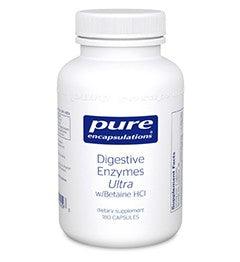
Pure Encapsulations
Digestive Enzymes Ultra with Betaine HCl, 90 caps - Pure Encapsulations
Supplements£ 42.85UK delivery soon
Order within 2h 14m
In Stock
Authentic 30-day returns 12 viewing -
Sale-6%
 Quick view
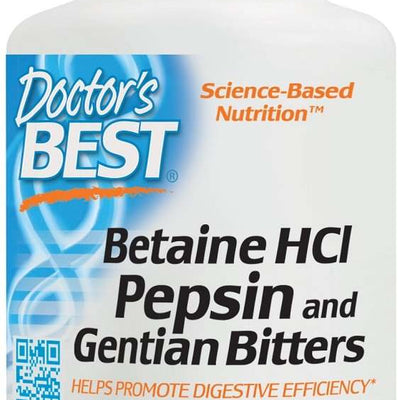
Doctor's Best
Doctor's Best Betaine HCl Pepsin & Gentian
Health and WellbeingBetaine HCl£ 20.55£21.78Lowest price in 30 days
UK delivery soon
Order within 2h 14m
In Stock
Authentic 30-day returns 12 viewing -
Sale-17%
 Quick view
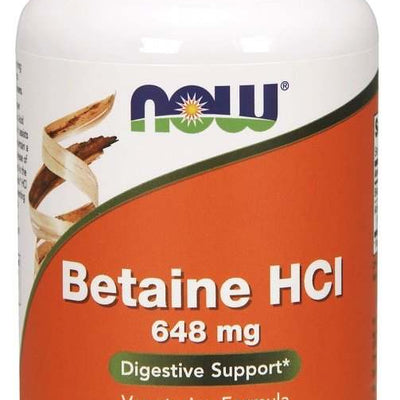
NOW Foods
NOW Foods Betaine HCl, 648mg - 120 vcaps
Health and WellbeingBetaine HCl£ 16.06£19.37Lowest price in 30 days
UK delivery soon
Order within 2h 14m
In Stock
Authentic 30-day returns 12 viewing -
 Quick view
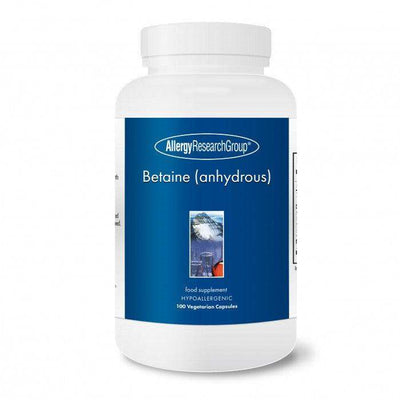
Allergy Research Group
Betaine (anhydrous) 100 caps - Allergy Research Group / Nutricology
SupplementsBetaine (Anhydrous)£ 31.01UK delivery soon
Order within 2h 14m
In Stock
Authentic 30-day returns 12 viewing -
 Quick view
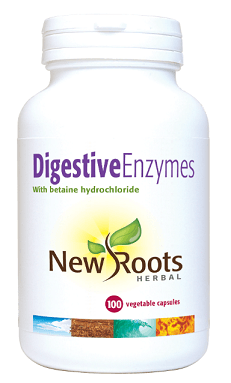
New Roots Herbal
Digestive Enzymes with Betaine Hydrochloride (100 Capsules) - New Roots Herbal
SupplementsPancreatin (porcine...£ 38.99UK delivery soon
Order within 2h 14m
In Stock
Authentic 30-day returns 12 viewing -
 Quick view
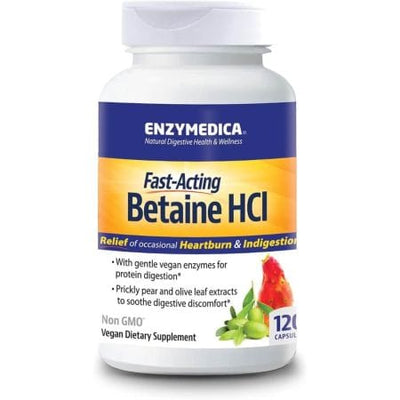
Enzymedica
Enzymedica Betaine HCI 600mg
SupplementsOther Ingredients -...£ 16.21UK delivery soon
Order within 2h 14m
Only 1 left
Authentic 30-day returns 12 viewing -
 Quick view
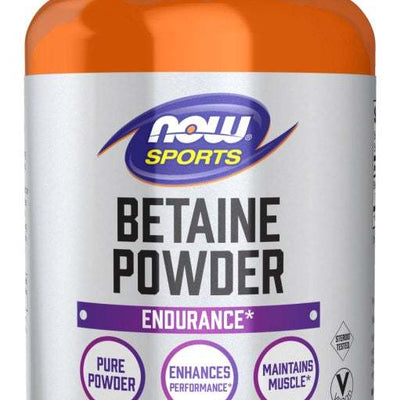
NOW Foods
NOW Foods Betaine Powder - 170 grams
Amino Acids and BCAAsBetaine Anhydrous T...£ 24.23UK delivery soon
Order within 2h 14m
In Stock
Authentic 30-day returns 12 viewing -
 Quick view
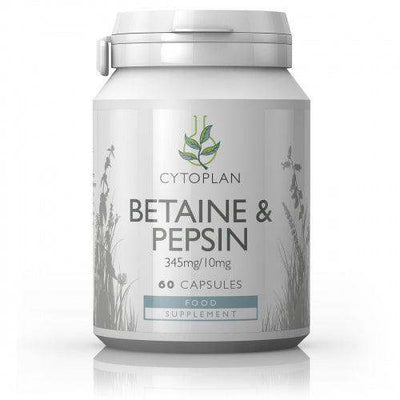
Cytoplan
Betaine & Pepsin 60 Capsules - Cytoplan
Supplements£ 13.55UK delivery soon
Order within 2h 14m
Only 3 left
Authentic 30-day returns 12 viewing -
 Quick view
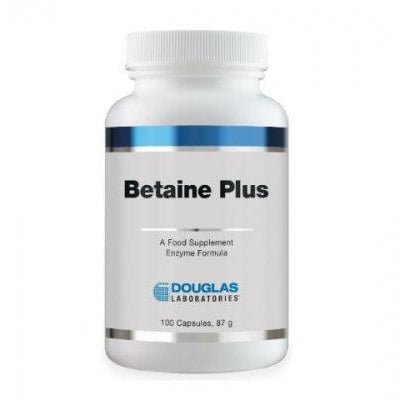
Douglas Labs
Betaine Plus 100 caps - Douglas Laboratories
SupplementsPepsin (1:10£ 54.03UK delivery soon
Order within 2h 14m
Only 1 left
Authentic 30-day returns 12 viewing -
 Quick view
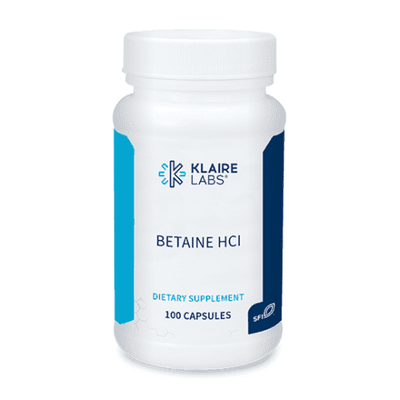
Klaire Labs
Betaine HCL, 100 capsules - Klaire Labs
Supplements(other) Vegetarian ...£ 20.53UK delivery soon
Order within 2h 14m
In Stock
Authentic 30-day returns 12 viewing -
 Quick view
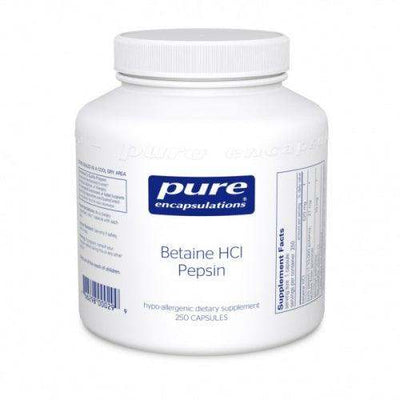
Pure Encapsulations
Betaine HCL Pepsin 250 capsules - Pure Encapsulations
Supplements(Other) Vegetarian ...£ 59.65UK delivery soon
Order within 2h 14m
Only 4 left
Authentic 30-day returns 12 viewing -
 Quick view
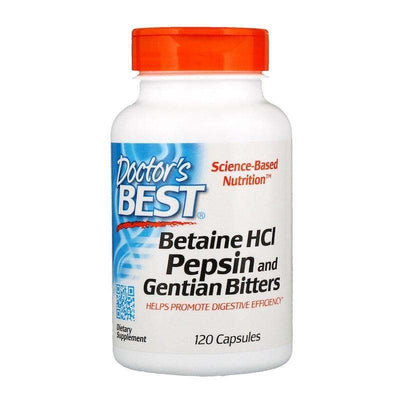
Doctor's Best
Betaine HCL Pepsin & Gentian Bitters, 120 Capsules - Doctor's Best
SupplementsGelatin (capsule)£ 26.05UK delivery soon
Order within 2h 14m
Only 3 left
Authentic 30-day returns 12 viewing -
 Quick view
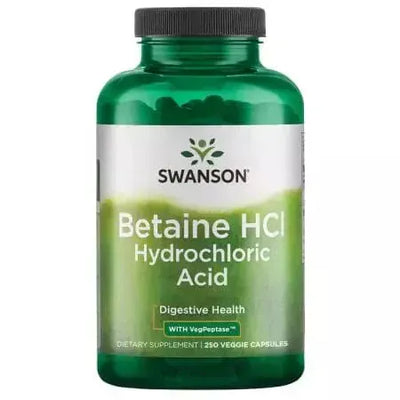
Swanson
Swanson Betaine HCl Hydrochloric Acid with Pepsin 250 veg capsules
SupplementsOther Ingredients -...£ 26.36UK delivery soon
Order within 2h 14m
Only 2 left
Authentic 30-day returns 12 viewing -
 Quick view
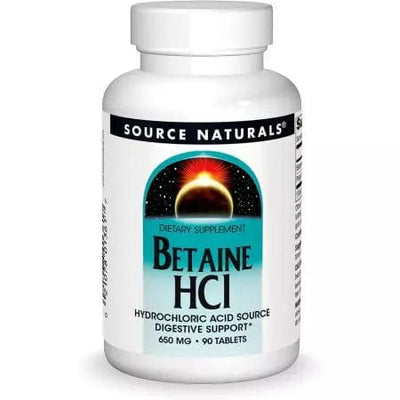
Source Naturals
Source Naturals Betaine HCI 650mg 90 Tablets
SupplementsOther Ingredients -...£ 23.09UK delivery soon
Order within 2h 14m
In Stock
Authentic 30-day returns 12 viewing -
 Quick view
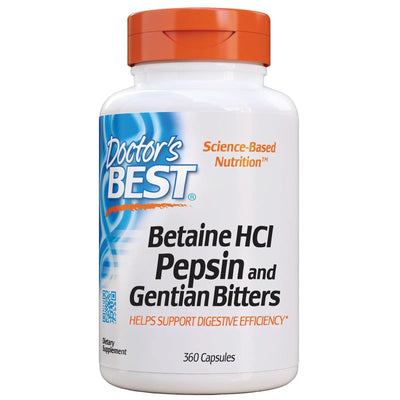
Doctor's Best
Betaine HCL, Pepsin and Gentian Bitters, 360 Capsules - Doctor's Best
Supplements(other) Gelatin (ca...£ 64.50UK delivery soon
Order within 2h 14m
Only 3 left
Authentic 30-day returns 12 viewing -
 Quick view
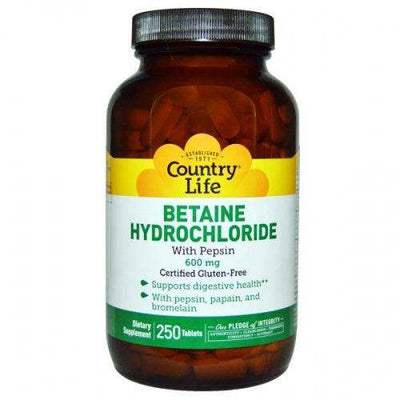
Country Life
Betaine Hydrochloride with Pepsin, 600 mg, 250 Tablets - Country Life
SupplementsCellulose£ 37.40UK delivery soon
Order within 2h 14m
Only 1 left
Authentic 30-day returns 12 viewing -
 Quick view
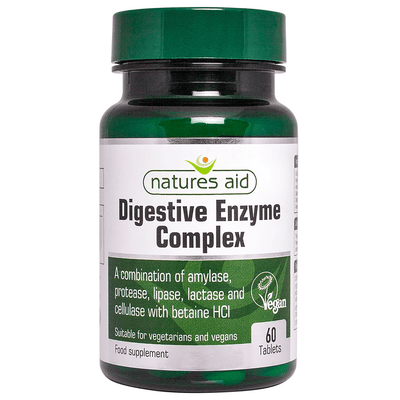
Natures Aid
Natures Aid Digestive Enzyme Complex (with Betaine HCI) 60 Tabs
Vitamins & MineralsDi-Calcium Phosphate£ 8.61UK delivery soon
Order within 2h 14m
Out of stock
Authentic 30-day returns 12 viewing -
 Quick view
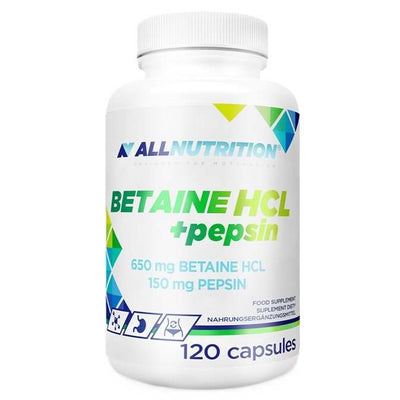
Allnutrition
Allnutrition Betaine HCl + Pepsin - 120 caps
Health and WellbeingBetaine HCl£ 12.77UK delivery soon
Order within 2h 14m
Out of stock
Authentic 30-day returns 12 viewing
Betaine Supplements
Betaine supplements provide a naturally occurring compound (also called trimethylglycine) that supports normal liver function, cellular hydration and healthy homocysteine metabolism. Betaine is found in foods like beets, spinach and whole grains, and in supplement form is typically used to support metabolic processes alongside a balanced diet and lifestyle.
What is Betaine?
Betaine (trimethylglycine) is a small organic compound present in human cells and certain food sources. It plays several roles in normal physiology, including acting as a methyl donor in biochemical pathways and supporting osmotic balance inside cells. Because of these functions, betaine supplements are sometimes chosen by people who want to support healthy metabolic and digestive processes, or to complement routines that include structured nutritional goals.
Betaine can appear in different forms, most commonly as betaine anhydrous supplements, which deliver concentrated trimethylglycine, or as betaine hydrochloride (betaine HCl), which is often used to support gastric acid levels in digestion. These different formats serve distinct purposes and should be chosen based on your needs and professional guidance.
Benefits and Features of the Welzo Betaine Collection
- Liver and metabolic support: betaine participates in methylation pathways important for normal homocysteine metabolism and liver function.
- Cellular hydration: as an osmolyte, betaine helps maintain fluid balance inside cells, which is important for overall cellular health.
- Digestive support (HCl form): betaine HCl — when taken with meals under guidance — may help support normal gastric acid levels in adults with low stomach acid.
- Flexible formats: available as capsules or powder for ease of daily use.
- Routine compatibility: pairs naturally with lifestyle and nutrition categories such as multivitamins and hydration strategies like rehydration treatments.
Why is Betaine Important?
Betaine plays important roles in normal biochemical and metabolic processes. Its involvement in methyl group transfer helps support normal homocysteine levels in the body, a marker that is often used in clinical assessments of metabolic and cardiovascular health. In addition, betaine’s function as an osmolyte contributes to cellular hydration and protection against osmotic stress.
For people interested in digestive comfort, betaine in the HCl form can be explored as part of an adult nutrition strategy to support stomach acid balance (note: this form should be used carefully and under professional guidance, especially if you have digestive conditions).
Best Products in Betaine
Popular betaine products are clearly labelled with their form and intended use. These typically fall into:
- Betaine anhydrous: traditional trimethylglycine for metabolic and cellular support.
- Betaine HCl: designed to be taken with meals to support gastric acid levels under guidance.
- Powder and capsule formats: for flexible dosing depending on user preference.
How to Use Betaine?
- Follow the dosage instructions on the specific product label, as strengths differ by product and purpose.
- For betaine HCl, products are usually taken with meals — start with the lowest recommended dose and increase gradually only if tolerated and advised.
- Betaine anhydrous supplements can often be taken with food or water at a consistent time each day.
- Maintain a balanced diet with adequate hydration for best support of metabolic and digestive processes.
Are there any side effects or interactions of Betaine?
Betaine supplements are generally well tolerated when used as directed, but side effects can occur, particularly with betaine HCl or high doses of any supplement.
- Gastrointestinal discomfort: mild nausea, heartburn or upset stomach can occur, especially with digestive-support forms.
- Excess methyl donors: high doses may influence methylation pathways — professional guidance is advised if you are taking multiple methyl donor supplements.
- Drug interactions: consult a clinician if you take medications for stomach acid, cardiovascular conditions or other prescribed treatments.
If you are pregnant, breastfeeding, have a medical condition, or are on prescription medication, speak with a healthcare professional before starting betaine supplements.
What Are the Different Types of Betaine Available?
- Betaine anhydrous: trimethylglycine for metabolic and cellular support.
- Betaine HCl: used to support gastric acid levels in adults when taken with meals under guidance.
- Powder formats: convenient for personalised dosing.
- Capsules: portable and easy to take daily.
What Are the Most Popular Betaine Products Available?
The most popular options are usually betaine anhydrous supplements with clear milligram amounts per serving and easy daily dosing. Betaine HCl remains a niche but commonly selected form in digestive health kits under professional guidance.
Statistics, Research, Expert Information and Quotes on Betaine
Betaine’s role in homocysteine metabolism and cellular hydration has made it a subject of interest in nutritional science. Some studies suggest betaine supplementation supports normal homocysteine levels and contributes to metabolic pathways linked with liver function and cellular protection against osmotic stress.
“Betaine is a unique nutrient that acts both as a methyl donor in biochemical pathways and as an osmolyte, helping cells manage fluid balance.”
How We Select Our Betaine Collection on Welzo
- Clear form identification: products that specify whether they are betaine anhydrous or betaine HCl.
- Transparent dosing: clear labelling of milligrams per serving.
- Quality sourcing: reputable manufacturing and ingredient verification.
- Routine fit: products that work well with broader nutrition categories such as multivitamins and hydration support.
Trusted by Experts and Verified Betaine Quality on Welzo
- Meet the Welzo team
- Ingredient quality, purity & certifications
- Supplement quality standards & certifications
Customer Reviews
See what customers are saying about the service and product quality:
Explore Related Collections
FAQs
What is betaine used for?
Betaine is used to support normal methylation pathways, homocysteine metabolism and cellular hydration; certain forms like betaine HCl can also be used with meals to support gastric acid levels.
What is the difference between betaine anhydrous and betaine HCl?
Betaine anhydrous delivers trimethylglycine for metabolic support, while betaine HCl is formulated to support gastric acid when taken with food.
How do I take betaine supplements?
Follow the label directions. Betaine anhydrous is typically taken daily with or without food; betaine HCl is generally taken with meals under guidance.
Are there side effects with betaine?
Some people may experience mild stomach discomfort or nausea, particularly with digestive support forms. Stop use and consult a clinician if symptoms persist.
Can I take betaine with other supplements?
Yes, but check for overlapping methyl donor supplements and speak with a healthcare professional if you take prescriptions.
Is betaine suitable during pregnancy?
Speak with a healthcare professional before taking betaine supplements if you are pregnant or breastfeeding.
Can betaine affect blood pressure?
Betaine’s role in homocysteine metabolism is not directly related to blood pressure, but if you have cardiovascular concerns, it’s wise to speak with a clinician.
How long does it take to notice effects?
Effects can vary depending on goals and individual physiology; consistent use alongside a balanced diet and lifestyle is recommended.
Can I take betaine every day?
Many people use betaine daily, but follow label guidance and speak with a clinician if you have underlying conditions.
Where can I buy betaine supplements online?
Explore the collection above to find betaine products with clear information and convenient delivery.
 Rated Excellent by 28,951+ Reviews
 100% Money Back Guarantee