

 Instagram



FODMAP Food List UK: Printable Guide


Related products


Written and medically reviewed by Dr Zeeshan Afzal (MBBS), Medical Officer at Welzo.
Last updated: 29 July 2026 · Next review due: July 2027 · Reading time: about 14 minutes
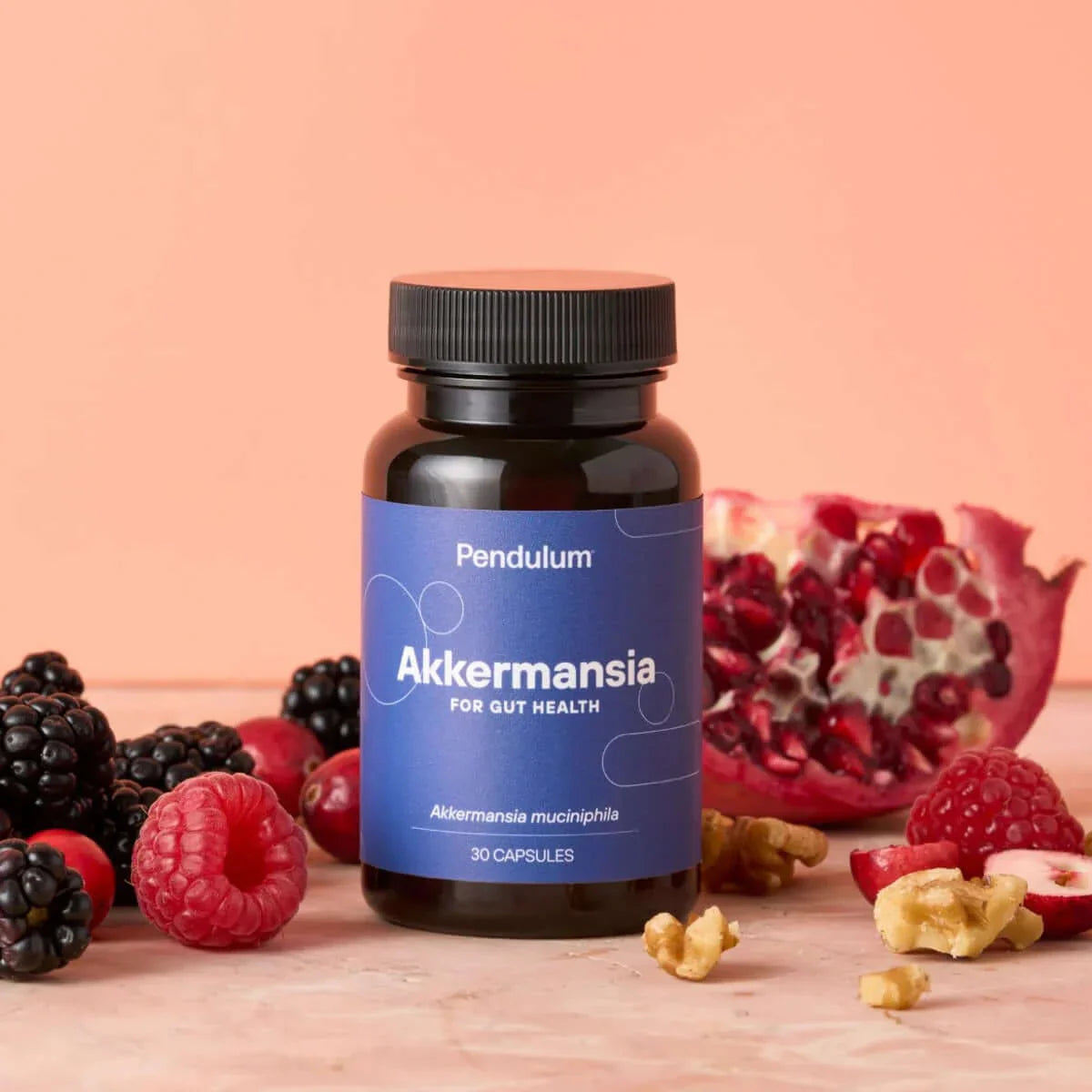
If you have been told to "try cutting out FODMAPs", the first thing you need is a clear, UK-specific FODMAP food list you can actually use in a British supermarket. This guide gives you exactly that: what to eat, what to limit, realistic portion sizes, UK label traps, a seven-day meal plan, and a one-page printable chart you can stick on the fridge. It is written for people living in the UK, using UK foods, UK brands and UK clinical guidance from NICE, the British Dietetic Association and the NHS. New to this topic? Start with our foundational guides on gut health in the UK and the low FODMAP diet, then browse the full Welzo gut health range and our probiotics collection. Readers often pair this guide with Akkermansia, Citrus Pectin Powder, Welzo Ultra Purity Berberine and Welzo Ultra Purity TUDCA. If bloating is your main complaint, our round-up of the best supplements for bloating in the UK and best supplements for IBS are useful companions, alongside foods that cause bloating and our guide to IBS types.
Key takeaways
- FODMAPs are five families of fermentable carbohydrates: fermentable oligosaccharides, disaccharides, monosaccharides and polyols.
- A low FODMAP diet is a diagnostic tool, not a lifestyle. The strict phase should last roughly two to six weeks, not months or years.
- In a network meta-analysis published in Gut, a low FODMAP diet ranked first among dietary interventions for global IBS symptoms compared with a habitual diet.
- Portion size decides everything. Many "high FODMAP" foods are perfectly fine in small servings, and several "safe" foods become high FODMAP in large ones.
- NICE, the BSG and the BDA all advise doing this with a FODMAP-trained dietitian because of the risk of unnecessary restriction and nutritional gaps.
- Get a proper diagnosis first. Coeliac disease, inflammatory bowel disease and bowel cancer can mimic IBS, and a low FODMAP diet can mask them.
Table of contents
- What are FODMAPs?
- Who should use a FODMAP food list?
- How to read this FODMAP food list
- Low FODMAP food list (UK)
- High FODMAP foods to avoid
- UK supermarket swaps and label traps
- The three phases explained
- 7-day low FODMAP meal plan
- Printable FODMAP food list
- Risks, downsides and nutritional safety
- Supplements people use alongside the diet
- When to see a GP
- Frequently asked questions
- References
What Are FODMAPs? A Plain-English Explanation
FODMAP is an acronym coined by researchers at Monash University in Australia in 2005. It describes short-chain carbohydrates that are poorly absorbed in the small intestine and then fermented by bacteria in the large intestine.
What the acronym actually stands for
Why FODMAPs trigger symptoms in some people
Two mechanisms do most of the work. First, FODMAPs are osmotically active, meaning they draw water into the small bowel. Second, once they reach the colon, resident bacteria ferment them and release hydrogen, methane and carbon dioxide. In most people that is completely normal and harmless. In people with irritable bowel syndrome, the gut wall is often hypersensitive to stretch, so the same volume of gas and fluid registers as pain, urgency or visible distension.
This is why a low FODMAP diet reduces symptoms without curing anything: it lowers the mechanical trigger, not the underlying sensitivity. The wiring between gut and brain matters too, which we cover in our article on the gut-brain connection.
FODMAPs are not "bad" foods
This is the single most misunderstood point. Many FODMAPs are prebiotics, which means they feed beneficial bacteria and support production of short-chain fatty acids such as butyrate. Onions, garlic, pulses, apples and wheat are nutritious foods for the general population. Removing them long term reduces microbiome diversity and can push the gut towards dysbiosis.
The goal is never permanent avoidance. The goal is to find the smallest possible list of personal triggers and put everything else back.
Who Should Use a FODMAP Food List?
Get a diagnosis before you restrict anything
UK guidance is consistent on this. A low FODMAP diet is a second-line treatment for diagnosed IBS, used after standard first-line dietary and lifestyle advice has been tried. The British Society of Gastroenterology guidelines on the management of irritable bowel syndrome position it this way, and NHS guidance states that a dietitian may recommend it if general changes have not helped.
Before starting, ask your GP to rule out coeliac disease with a blood test (you must still be eating gluten for the test to be valid), inflammatory bowel disease via faecal calprotectin, and, where indicated, bowel cancer. Our guides to the coeliac test in the UK, the calprotectin test and bowel cancer screening explain what to expect. If you are unsure whether your symptoms are IBS at all, read coeliac disease versus gluten intolerance and SIBO.
Red flag symptoms that need urgent assessment
- Unintentional weight loss
- Rectal bleeding or blood in the stool
- A persistent change in bowel habit lasting more than six weeks, particularly if you are over 50
- Iron deficiency anaemia
- A family history of bowel or ovarian cancer
- Waking at night with pain or diarrhoea
- An abdominal or rectal mass
None of these are IBS symptoms. See when to see a GP about stomach symptoms for a fuller checklist.
Who should not attempt a low FODMAP diet
- Anyone with a current or past eating disorder, or a restrictive relationship with food. The BSG guidelines specifically caution against it in this group.
- Children and adolescents, unless supervised by a paediatric dietitian.
- People who are pregnant or breastfeeding, unless supervised.
- Anyone who has not had a confirmed diagnosis.
- People who are already underweight or nutritionally compromised.
How to Read This FODMAP Food List
The traffic light system
Portion size changes everything
A FODMAP food list without portion sizes is close to useless. Avocado is a good example: a small slice is generally tolerated, while half an avocado delivers enough sorbitol to trigger symptoms. Broccoli florets are usually fine; the stalks are much higher in fructans. Sweet potato is low FODMAP at around half a cup and moderate above that.
Because laboratories continually retest foods, published serving thresholds change. The Monash University FODMAP food list and its accompanying app remain the only regularly updated, laboratory-tested reference, and the portions in this guide should be treated as indicative rather than absolute.
FODMAP stacking
Stacking is when several low or moderate FODMAP foods eaten close together add up to a high FODMAP load. A breakfast of a low FODMAP granola with almonds, a small banana and lactose-free yoghurt might be fine individually but uncomfortable combined. Two practical rules help: leave roughly three hours between meals, and avoid more than one amber food per sitting.
Low FODMAP Food List UK: What You Can Eat
The tables below cover foods widely available in UK supermarkets. Serving guidance is approximate and based on published Monash University testing. Always confirm current portions in the Monash app, because ratings are revised as new laboratory data emerges.
Low FODMAP vegetables
| Vegetable | Indicative low FODMAP serving | Notes |
|---|---|---|
| Carrot | No practical limit | One of the few genuinely FODMAP-free vegetables |
| Courgette | About 65g (roughly 1/3 medium) | Moderate in fructans above this |
| Cucumber | About 75g | Skin included |
| Aubergine | About 75g | Good roasted or in a low FODMAP moussaka |
| Green beans | About 75g (roughly 15 beans) | Sorbitol rises with larger portions |
| Red pepper | About 75g | Green pepper is also low at similar portions |
| Potato (white) | No practical limit | Boiled, mashed, roasted or baked |
| Parsnip | About 75g | A good winter alternative to sweet potato |
| Swede | About 75g | Useful in stews and mash |
| Spinach (baby) | About 75g | Excellent iron and folate source |
| Kale | About 75g | Curly and cavolo nero both tested low |
| Lettuce, rocket, chard | Generous portions | All salad leaves are low |
| Tomato (common) | About 65g | Cherry tomatoes are moderate above roughly 45g |
| Broccoli florets | About 75g of heads only | Avoid the stalks, which are high in fructans |
| Pak choi and bok choy | About 75g | Reliable stir-fry base |
| Green part of spring onion and leek | About 75g of green tops | The white bulb is high FODMAP; the green is low |
| Sweet potato | About 75g | Becomes moderate in mannitol above this |
| Butternut squash | About 45g | Small portions only |
| Olives | About 30g | Green and black both low |
| Ginger, radish, turnip | Standard portions | Useful for flavour without onion or garlic |
Low FODMAP fruit
Limit yourself to one portion of fruit per sitting and leave a gap of two to three hours between portions. That single habit prevents most fruit-related fructose stacking.
| Fruit | Indicative low FODMAP serving | Notes |
|---|---|---|
| Unripe (firm) banana | 1 medium | Ripe banana becomes moderate in fructans above about 1/3 |
| Blueberries | About 40g | Roughly 20 berries |
| Strawberries | About 150g | One of the most generous low FODMAP fruits |
| Raspberries | About 60g | Roughly 30 berries |
| Kiwi fruit | 2 small | Also helpful for constipation-predominant IBS |
| Orange | 1 medium | Satsumas and clementines are also low |
| Grapes | About 150g | Green or red |
| Pineapple | About 140g fresh | Dried pineapple is high |
| Cantaloupe melon | About 120g | Watermelon is high FODMAP |
| Rhubarb | About 100g | Sweeten with granulated sugar, not honey |
| Passion fruit | About 2 fruits | Good for flavouring yoghurt |
| Lemon and lime | Juice of 1 fruit | Core low FODMAP flavour tools |
| Papaya | About 140g | Contains papain, a digestive enzyme |
Low FODMAP grains, breads and cereals
| Food | Indicative low FODMAP serving | Notes |
|---|---|---|
| Oats (porridge) | About 40g dry (roughly 1/2 cup) | Larger portions become moderate in fructans and GOS |
| White or brown rice | 1 cup cooked | Basmati, jasmine and long grain all low |
| Quinoa | 1 cup cooked | Complete protein, useful for vegetarians |
| Buckwheat | 1 cup cooked | Not related to wheat despite the name |
| Polenta and cornmeal | 1 cup cooked | Check for added onion powder in ready-made versions |
| Gluten-free bread | 2 slices | Check for added inulin, chicory root fibre and honey |
| Sourdough spelt bread | 2 slices | Long fermentation lowers fructan content |
| Rice cakes and corn cakes | 2 cakes | Plain varieties only |
| Gluten-free pasta | 1 cup cooked | Rice, corn and quinoa bases work best |
| Rice noodles | 1 cup cooked | Check sauces separately |
Low FODMAP dairy and dairy alternatives
| Food | Indicative low FODMAP serving | Notes |
|---|---|---|
| Lactose-free milk | 250ml | Widely stocked in UK supermarkets |
| Hard cheeses (cheddar, parmesan, Swiss) | About 40g | Ageing removes almost all lactose |
| Brie, camembert and feta | About 40g | Naturally low in lactose |
| Lactose-free yoghurt | About 170g | Check for added inulin or high FODMAP fruit |
| Butter | Standard portions | Essentially lactose free |
| Almond milk | 250ml | Unsweetened, no added inulin |
| Rice milk | 200ml | Low in protein, so not a milk replacement nutritionally |
| Macadamia and hemp milk | 250ml | Good low FODMAP options |
| Lactose-free cream and ice cream | Standard portions | Check for sorbitol and inulin in "no added sugar" versions |
If lactose turns out to be your main trigger, you may not need a full low FODMAP diet at all. See our guide to lactose intolerance supplements.
Low FODMAP protein foods
| Food | Indicative low FODMAP serving | Notes |
|---|---|---|
| Plain beef, lamb, pork, chicken, turkey | Standard portions | Unmarinated. Meat contains no carbohydrate, so no FODMAPs |
| Fish and shellfish | Standard portions | Plain, not in a sauce |
| Eggs | Standard portions | Versatile low FODMAP staple |
| Firm tofu | About 170g | Silken tofu is high FODMAP |
| Tempeh | About 100g | Fermentation reduces GOS |
| Tinned lentils, rinsed | About 46g (roughly 1/4 cup) | Canning leaches GOS into the liquid |
| Tinned chickpeas, rinsed | About 42g (roughly 1/4 cup) | Dried and home-cooked versions are high |
| Canned tuna and salmon | Standard portions | In spring water or oil |
Low FODMAP nuts and seeds
| Food | Indicative low FODMAP serving | Notes |
|---|---|---|
| Almonds | 10 nuts | Moderate in GOS above this |
| Hazelnuts | 10 nuts | Same limit as almonds |
| Walnuts | About 30g | Generous portion |
| Peanuts | About 32g | Botanically a legume but low in FODMAPs |
| Macadamias, pecans, brazil nuts | About 20–40g | Reliable choices |
| Pumpkin, sunflower and chia seeds | About 20–24g | Chia also supports stool consistency |
| Peanut butter | 2 tablespoons | Avoid varieties with added honey or inulin |
Low FODMAP fats, herbs, spices and condiments
| Food | Notes |
|---|---|
| Olive oil, rapeseed oil, coconut oil | All oils are FODMAP free |
| Garlic-infused oil | Fructans are water soluble, not oil soluble, so the flavour transfers without the FODMAPs |
| Fresh herbs: basil, coriander, parsley, thyme, rosemary, chives | Chives are the best onion substitute |
| Dried spices: cumin, paprika, turmeric, cinnamon, black pepper | Check blends for onion and garlic powder |
| Soy sauce and tamari | Low in normal portions |
| Maple syrup | Around 2 tablespoons |
| Table sugar, golden syrup (small amounts), dark chocolate | Dark chocolate is low at roughly 30g |
| Vinegars, mustard, mayonnaise | Check labels for garlic and high-fructose syrups |
Low FODMAP drinks
- Water, sparkling water and still mineral water
- Black tea (brewed weakly), green tea, white tea and peppermint tea
- Coffee, ideally with lactose-free or almond milk, and limited to around three cups a day
- Cranberry juice (about 250ml) and small glasses of orange juice
- Beer (one serving), gin, vodka, whisky, and dry red or white wine (one serving)
Chamomile tea, fennel tea, chai and rum are high FODMAP. Caffeine and alcohol are also independent gut irritants, and NHS inform advises limiting both in IBS regardless of FODMAP content.
High FODMAP Foods to Avoid During Elimination
These are the foods to remove for the strict phase only. Organising them by FODMAP subgroup makes reintroduction far easier later, because you will be testing one subgroup at a time.
Fructans (oligosaccharides)
| Category | High FODMAP examples |
|---|---|
| Vegetables | Onion (all types), garlic, leek bulb, shallot, spring onion bulb, Jerusalem artichoke, globe artichoke, savoy cabbage, beetroot (large portions), Brussels sprouts (large portions), fennel bulb |
| Grains | Wheat bread, standard pasta, couscous, rye bread, barley, bran cereals, wheat-based breakfast cereals |
| Fruit | Nectarines, white peaches, persimmon, watermelon, dried figs, dates, prunes, raisins and sultanas |
| Added ingredients | Inulin, chicory root fibre, fructo-oligosaccharides (FOS), oligofructose |
Galacto-oligosaccharides (GOS)
| Category | High FODMAP examples |
|---|---|
| Pulses | Baked beans, kidney beans, butter beans, black beans, dried chickpeas and lentils, split peas, soya beans |
| Nuts | Cashews, pistachios |
| Other | Soya milk made from whole soya beans, hummus in standard portions, falafel |
Lactose (disaccharides)
| Category | High FODMAP examples |
|---|---|
| Milk | Cow's, goat's and sheep's milk, evaporated and condensed milk, buttermilk |
| Soft cheese | Ricotta, cottage cheese, cream cheese, mascarpone, halloumi in large portions |
| Other dairy | Standard yoghurt, custard, milk chocolate in large portions, ice cream, milk-based desserts |
Excess fructose (monosaccharides)
| Category | High FODMAP examples |
|---|---|
| Fruit | Apples, pears, mango, cherries, watermelon, tinned fruit in juice, large portions of dried fruit |
| Sweeteners | Honey, agave nectar, high-fructose corn syrup, glucose-fructose syrup |
| Drinks | Apple juice, pear juice, mango juice, fruit smoothies with mixed high FODMAP fruit |
| Vegetables | Asparagus, sugar snap peas, artichoke hearts |
Polyols (sorbitol, mannitol, xylitol, maltitol, isomalt)
| Category | High FODMAP examples |
|---|---|
| Sorbitol | Apples, pears, apricots, blackberries, nectarines, peaches, plums, prunes, avocado in large portions |
| Mannitol | Cauliflower, mushrooms, mangetout, celery in large portions, sweet potato in large portions |
| Added polyols | Sugar-free chewing gum and mints, "no added sugar" squash and sweets, some protein bars, some cough syrups and liquid medicines |
A systematic review in Advances in Nutrition found that polyols in particular have measurable effects on gastrointestinal symptoms, which is why sugar-free gum is such a frequent hidden trigger. Our article on sweeteners and gut health covers this in more detail.
UK Supermarket Swaps and Label Traps
Straight swaps that make the diet liveable
| Instead of | Use |
|---|---|
| Onion and garlic | Garlic-infused olive oil, chives, green tops of spring onion, asafoetida (a pinch) |
| Wheat bread | Gluten-free bread without inulin, or genuine long-fermented sourdough spelt |
| Cow's milk | Lactose-free milk or unsweetened almond milk |
| Standard yoghurt | Lactose-free natural yoghurt |
| Apple or pear | Orange, firm banana, strawberries, kiwi |
| Honey | Maple syrup or ordinary table sugar |
| Baked beans on toast | Tinned lentils (rinsed) on gluten-free toast |
| Standard stock cubes | Low FODMAP certified stock, or homemade stock without onion |
| Hummus | Peanut butter dip, tahini-free aubergine dip, or a small measured portion of hummus |
| Cauliflower rice | Grated courgette or plain white rice |
Ingredient names that hide FODMAPs on UK labels
- Inulin and chicory root fibre — extremely common in "high fibre" and "gut health" cereals, protein bars and some yoghurts
- Fructo-oligosaccharides (FOS) and galacto-oligosaccharides (GOS) — added as prebiotics
- Glucose-fructose syrup and fruit juice concentrate — sources of excess fructose
- Sorbitol (E420), mannitol (E421), xylitol (E967), maltitol (E965), isomalt (E953) — polyols in sugar-free products
- Onion powder, garlic powder, vegetable powder, natural flavouring — frequent in crisps, sauces, stocks and ready meals
- Wheat flour, wheat starch, rye flour, barley malt extract — fructan sources
A practical tip: if a high FODMAP ingredient appears near the end of a long ingredients list, the amount is often small enough to tolerate. If it is in the first three ingredients, treat the product as high FODMAP.
The Three Phases of the Low FODMAP Diet
Phase 1: elimination
All high FODMAP foods are removed for roughly two to six weeks. If you have seen no improvement at all after four weeks of accurate adherence, FODMAPs are probably not your driver, and continuing is unlikely to help. Around three in ten people do not respond, so a lack of improvement is a useful diagnostic result rather than a failure.
A useful modification for people who cannot face full restriction is "FODMAP gentle", a lighter version that removes only the highest-yield offenders such as onion, garlic, wheat, pulses, apples, pears, stone fruit and lactose. Several NHS trusts now offer this as a first step.
Phase 2: reintroduction
This is the phase that produces the actual answer. You return to the low FODMAP baseline diet and then challenge one FODMAP subgroup at a time using a single test food, typically over three days with increasing portions, followed by a two to three day washout. Our dedicated guide to FODMAP reintroduction walks through the challenge schedule in detail.
Test foods that isolate one FODMAP cleanly include: mango (fructose), milk (lactose), bread (fructans), almonds (GOS), avocado or apricot (sorbitol) and mushrooms or cauliflower (mannitol). Keep a symptom diary throughout, and use the Bristol Stool Chart to record bowel changes objectively rather than from memory.
Phase 3: personalisation
You rebuild the widest possible diet, restricting only the specific subgroups and portion sizes that reliably cause symptoms. Tolerance often improves over time, so retest problem foods every few months. Rebuilding plant diversity matters here: see 30 plants a week, prebiotic foods, high fibre foods in the UK and how to increase fibre without bloating.
A 7-Day Low FODMAP Meal Plan for the UK
| Day | Breakfast | Lunch | Dinner |
|---|---|---|---|
| Monday | Porridge (40g oats) with lactose-free milk and 20 blueberries | Jacket potato with tuna mayonnaise and rocket | Roast chicken, carrots, parsnips and new potatoes |
| Tuesday | Scrambled eggs on gluten-free toast with chives | Rice noodle salad with prawns, cucumber and lime | Grilled salmon, sweet potato mash (75g) and green beans |
| Wednesday | Lactose-free yoghurt with strawberries and 10 almonds | Leftover salmon with quinoa and spinach | Beef stir-fry with pak choi, red pepper and rice, using garlic-infused oil |
| Thursday | Firm banana and peanut butter on rice cakes | Omelette with cheddar, courgette and tomato | Gluten-free pasta with a tinned tomato and basil sauce, topped with parmesan |
| Friday | Porridge with maple syrup and raspberries | Chicken and salad wrap in a corn tortilla | Cottage pie made with beef, carrot and mashed potato, no onion |
| Saturday | Full English: eggs, bacon, grilled tomato, gluten-free toast | Homemade carrot and ginger soup with sourdough spelt | Lamb chops, roast aubergine and courgette, boiled potatoes |
| Sunday | Lactose-free yoghurt with kiwi and pumpkin seeds | Sunday roast: pork, potatoes, carrots, swede, gravy made without onion | Rinsed tinned lentil (1/4 cup) and vegetable curry with rice |
Snacks that work throughout the week: rice cakes with peanut butter, a firm banana, 10 almonds, hard cheese with corn crackers, a boiled egg, dark chocolate (30g), or plain popcorn.
Your Printable FODMAP Food List
Print the chart below, or take a screenshot on your phone for supermarket trips. It condenses the whole guide onto one page.
How Well Does a Low FODMAP Diet Actually Work?
IBS is common. UK primary care data indicate that most people with IBS are managed in general practice, that guideline-recommended treatments improve symptoms in only around 30 to 40 per cent of patients, and that the condition costs the NHS an estimated £1.3 to £2 billion per year. Guts UK, the national charity for the digestive system, estimates that around one in seven people worldwide are affected.
Against that background, the low FODMAP diet has an unusually strong evidence base for a dietary intervention:
- A systematic review and network meta-analysis of 13 randomised controlled trials involving 944 patients, published in Gut in 2022, found that a low FODMAP diet ranked first for all endpoints studied, including global symptoms, abdominal pain and bloating, and was superior to standard BDA/NICE dietary advice for bloating and distension.
- A larger 2025 network meta-analysis in The Lancet Gastroenterology & Hepatology, covering 28 randomised trials, concluded that among dietary interventions for IBS, the most evidence exists for a low FODMAP diet, while noting that overall confidence in the evidence remains low to moderate because dietary trials cannot be properly blinded.
- An earlier comprehensive systematic review and meta-analysis in the European Journal of Nutrition reported significant reductions in symptom severity scores across pooled studies.
- A review in Gut by researchers at King's College London examined the mechanisms and efficacy of the diet, and also flagged its effects on the gut microbiota.
Two honest caveats belong here. First, most trials were run in secondary or tertiary care, so results in a general practice population may be more modest. Second, placebo and expectation effects in dietary trials are substantial. The diet is genuinely useful, but it is not a cure and it does not work for everyone.
Risks, Downsides and Nutritional Safety
Effects on the gut microbiome
Because many FODMAPs are prebiotics, restricting them reduces the fuel supply for beneficial bacteria. Studies have consistently reported reductions in Bifidobacteria during the elimination phase. This is one of the strongest arguments for keeping the strict phase short and moving promptly into reintroduction. Our articles on microbiome diversity and increasing gut bacteria diversity explain how to rebuild afterwards.
Fibre, calcium and overall nutrition
Removing wheat, pulses, apples and pears at the same time can drop fibre intake sharply, which is counterproductive for constipation-predominant IBS. Removing dairy without a proper lactose-free replacement puts calcium intake at risk, particularly in women, older adults and anyone at risk of osteoporosis. This is precisely why NICE, the BSG and the BDA all recommend dietetic supervision. Registered dietitians who have completed the King's College London low FODMAP training are the UK gold standard.
Psychological risk
Restrictive diets can entrench food fear and, in vulnerable people, contribute to disordered eating. If following this food list makes you anxious about eating, socially withdrawn, or reluctant to eat out, stop and speak to your GP. Symptom control is not worth a damaged relationship with food.
Cost and practicality
Gluten-free and lactose-free products cost more than standard equivalents. You can reduce spend considerably by building meals around naturally low FODMAP whole foods: potatoes, rice, oats, carrots, eggs, plain meat and fish, hard cheese and seasonal low FODMAP vegetables.
Supplements People Use Alongside a Low FODMAP Diet
No supplement replaces the diet, and none is a treatment for IBS on its own. The following are commonly discussed options. Speak to your GP or pharmacist before starting anything, particularly if you take prescription medicines.
Probiotics
Probiotics are among the most researched adjuncts in IBS, though results vary considerably by strain and by individual. Some clinicians use them alongside or after the elimination phase, partly to counter the reduction in Bifidobacteria. Browse the Welzo probiotics collection, and read best probiotics UK, do probiotics work and when to take probiotics before choosing. Note that some probiotic products contain inulin or FOS as a carrier, which is worth checking during the strict phase.
Peppermint oil
Enteric-coated peppermint oil is an antispasmodic that is widely used for IBS-related pain and cramping, and is available over the counter in UK pharmacies. See our guide to peppermint oil capsules for IBS.
Fibre and prebiotic support after reintroduction
Once you know your triggers, gently rebuilding fibre matters. Soluble fibres such as psyllium are generally better tolerated in IBS than coarse insoluble bran. Compare options in psyllium vs inulin, best prebiotic supplements UK and resistant starch. Citrus Pectin Powder is a soluble fibre option some readers use during personalisation.
Other products readers ask about
Questions frequently come up about Akkermansia, Berberine and TUDCA. Berberine has significant drug interactions, so read berberine interactions first, and check TUDCA side effects before use. The complete gut health range sits alongside our supplement guides for IBS and gut barrier support.
When to See a GP
Book an appointment if you have not yet had a formal IBS diagnosis, if your symptoms have changed in character, if you have any of the red flags listed earlier, or if four weeks of accurate low FODMAP eating has produced no improvement. Ask specifically about a referral to an NHS dietitian, which the NHS identifies as the route to supervised low FODMAP support. If NHS waiting times are long, the BDA maintains a directory of private registered dietitians.
Frequently Asked Questions
What is the complete FODMAP food list?
There is no single fixed list, because FODMAP content depends on portion size and because laboratories continually retest foods. In practice, the core low FODMAP foods are carrots, courgette, potato, spinach, red pepper, green beans, oranges, strawberries, firm bananas, blueberries, kiwi, oats, rice, quinoa, gluten-free bread, lactose-free dairy, hard cheese, eggs, plain meat and fish, firm tofu, and small portions of almonds and walnuts. The core high FODMAP foods are onion, garlic, wheat, rye, barley, pulses, cauliflower, mushrooms, apples, pears, mango, watermelon, stone fruit, dried fruit, cow's milk, soft cheese, honey and sugar-free sweeteners ending in "-ol".
What are the top 10 high FODMAP foods to avoid?
Onion, garlic, wheat bread and pasta, baked beans and other pulses, apples, pears, cow's milk and standard yoghurt, cauliflower, mushrooms, and honey. Add sugar-free gum containing sorbitol or xylitol as an eleventh, because it is such a frequent hidden trigger.
Are eggs, potatoes and rice low FODMAP?
Yes, all three are low FODMAP. Eggs contain no carbohydrate and therefore no FODMAPs. Plain white potatoes and white or brown rice have no practical serving limit on the diet, which makes them the most reliable staples during the elimination phase.
Is banana low FODMAP?
It depends on ripeness. A firm, slightly unripe banana is low FODMAP at one medium fruit. As bananas ripen, fructans increase, so a very ripe banana becomes moderate above roughly one third of a fruit. Buy them green and eat them early.
Is coffee allowed on a low FODMAP diet?
Black coffee and espresso are low FODMAP. The problem is usually the milk, so switch to lactose-free or unsweetened almond milk. Caffeine itself stimulates colonic motility independently of FODMAPs, so NHS guidance suggests limiting intake if diarrhoea or urgency is a main symptom.
How long should I stay on the elimination phase?
Two to six weeks. UK dietetic practice usually uses four weeks. If there is no improvement by then, FODMAPs are unlikely to be your trigger and you should reintroduce foods rather than restrict further. Staying strict for months is the most common and most harmful mistake people make.
Can I follow a low FODMAP diet as a vegan or vegetarian?
Yes, but it needs planning, because pulses are both a staple protein source and a major GOS source. Firm tofu, tempeh, eggs (if vegetarian), quinoa, rinsed tinned lentils and chickpeas in measured portions, peanut butter, and low FODMAP protein powders can cover requirements. Dietetic support is strongly advised. See vegan gut health.
Does a low FODMAP diet help with SIBO, bloating or reflux?
It is validated for IBS specifically. Some people with functional bloating report improvement, and the diet is sometimes used adjunctively in small intestinal bacterial overgrowth, though the evidence there is much weaker. It is not a treatment for reflux. See SIBO and acid reflux for those conditions specifically.
Is gluten free the same as low FODMAP?
No. Gluten is a protein; FODMAPs are carbohydrates. Wheat is restricted on a low FODMAP diet because of its fructan content, not its gluten. Many gluten-free products contain high FODMAP ingredients such as inulin, chicory root fibre, honey or pulse flours, and many low FODMAP foods contain gluten in tolerable amounts. See gluten intolerance.
Do I need an app, or is a printed FODMAP food list enough?
A printed list is enough to get started and to shop with, which is why we have provided one above. For the reintroduction phase, and for checking unusual foods and exact serving sizes, the Monash University FODMAP app is the only regularly updated, laboratory-verified source and is worth the one-off cost.
References
- Monash University. High and low FODMAP foods. Monash FODMAP.
- National Institute for Health and Care Excellence. Irritable bowel syndrome in adults: diagnosis and management (CG61).
- Vasant DH, Paine PA, Black CJ, et al. British Society of Gastroenterology guidelines on the management of irritable bowel syndrome. Gut. 2021;70(7):1214–1240.
- Black CJ, Staudacher HM, Ford AC. Efficacy of a low FODMAP diet in irritable bowel syndrome: systematic review and network meta-analysis. Gut. 2022;71(6):1117–1126.
- Cuffe MS, Staudacher HM, Aziz I, et al. Efficacy of dietary interventions in irritable bowel syndrome: a systematic review and network meta-analysis. The Lancet Gastroenterology & Hepatology. 2025;10(6):520–536.
- Staudacher HM, Whelan K. The low FODMAP diet: recent advances in understanding its mechanisms and efficacy in IBS. Gut. 2017;66(8):1517–1527.
- Marsh A, Eslick EM, Eslick GD. Does a diet low in FODMAPs reduce symptoms associated with functional gastrointestinal disorders? A comprehensive systematic review and meta-analysis. European Journal of Nutrition. 2016;55(3):897–906.
- Barrett JS. How to institute the low-FODMAP diet. Journal of Gastroenterology and Hepatology. 2017;32(Suppl 1):8–10.
- Lenhart A, Chey WD. A systematic review of the effects of polyols on gastrointestinal health and irritable bowel syndrome. Advances in Nutrition. 2017;8(4):587–596.
- British Dietetic Association. Irritable bowel syndrome (IBS) and diet: Food Fact Sheet.
- NHS. Diet, lifestyle and medicines for IBS.
- NHS. Further help and support for IBS.
- NHS inform. Managing irritable bowel syndrome (IBS).
- King's College London. Dietary management and the low FODMAP diet in IBS – Advanced course.
- Guts UK Charity. Information and support on digestive conditions.
- Sanders C, et al. Management of irritable bowel syndrome in primary care. British Journal of General Practice. 2025;75(758):429.
About the Author
Dr Zeeshan Afzal (MBBS) is a qualified medical doctor and Medical Officer at Welzo, where he writes and reviews clinical content across digestive health, nutrition and preventative medicine. He reviews Welzo's gut health library against current NICE, NHS and British Society of Gastroenterology guidance.
Medical Disclaimer
This article is for general information only and does not constitute medical advice, diagnosis or treatment. A low FODMAP diet is a restrictive, second-line intervention for diagnosed irritable bowel syndrome and should ideally be undertaken with support from a registered dietitian. Do not use it to self-treat undiagnosed digestive symptoms, and do not delay seeking medical advice because of anything you have read here. If you have any of the red flag symptoms listed above, contact your GP or call NHS 111. In an emergency, call 999.




 Βαθμολογημένη εξαιρετική από 28,951+ κριτικές
 100% εγγύηση επιστροφής χρημάτων