




Bone Broth for Gut Health: Does It Actually Help?


Related products


Author: Dr Zeeshan Afzal, MBBS — Medical Doctor and Clinical Content Lead, Welzo
Medically reviewed and fact-checked: July 2026 | Next review due: July 2027
Reading time: 12 minutes
Bone broth has become one of the most searched foods in British wellness culture, and almost all of that interest comes back to a single question: does drinking bone broth genuinely improve gut health, or is it simply an expensive cup of savoury liquid? The honest, evidence-based answer sits between the two extremes. Bone broth supplies gelatin, glycine, proline, glutamine and minerals that the intestinal lining genuinely uses — but the doses are inconsistent, the human trials are thin, and no broth on earth can replace fibre, sleep, medication reviews or a proper diagnosis.
In this guide I explain exactly what bone broth contains, what the 2025 Mayo Clinic review actually concluded, where the evidence is strong and where it is speculative, who should be cautious, and how to position broth sensibly inside a wider plan. If you want the broader foundations first, start with our pillar guides to gut health supplements and support, gut health in the UK, gut barrier function and whether leaky gut is real. For targeted support, many readers combine dietary changes with clinically researched probiotics, Akkermansia muciniphila, modified citrus pectin powder, Welzo Ultra Purity Berberine or Welzo Ultra Purity TUDCA, depending on their symptoms and clinical picture.
Quick answer: does bone broth actually help gut health?
Bone broth is a reasonable, nourishing addition to a gut-focused diet — but it is a supporting act, not the treatment.
- What it plausibly does: supplies glycine, proline, glutamine, hydroxyproline and minerals that intestinal cells use for repair and for maintaining tight junctions between them.
- What the evidence shows: a 2025 narrative review from the Mayo Clinic concluded that the individual components of bone broth have measurable effects on intestinal barrier integrity and inflammation. The evidence is for the components, largely from animal and isolated-nutrient studies — not from randomised trials of bone broth itself.
- What it does not do: it does not feed your gut bacteria (there is no fibre in it), it does not cure IBS, IBD, SIBO, coeliac disease or reflux, and it does not reliably deliver a therapeutic dose of any single amino acid.
- Who benefits most: people recovering from a stomach bug, people with poor appetite or low protein intake, and people who find warm savoury liquids soothing during a flare.
- Who should be careful: people with histamine intolerance, gout, chronic kidney disease, salt-restricted diets, and anyone using broth as a reason to delay investigation of red-flag symptoms.
Table of contents
- What is bone broth?
- What is actually in bone broth?
- What the science says about bone broth and gut health
- Bone broth and the gut barrier
- The microbiome problem: bone broth has no fibre
- Who is most likely to benefit
- Who should be cautious or avoid it
- How much bone broth, and when
- How to make gut-friendly bone broth at home
- Shop-bought bone broth: what to look for
- Bone broth vs collagen, glutamine and probiotics
- Building a realistic gut protocol around broth
- When to see a GP instead
- The verdict
- Frequently asked questions
- References
What is bone broth?
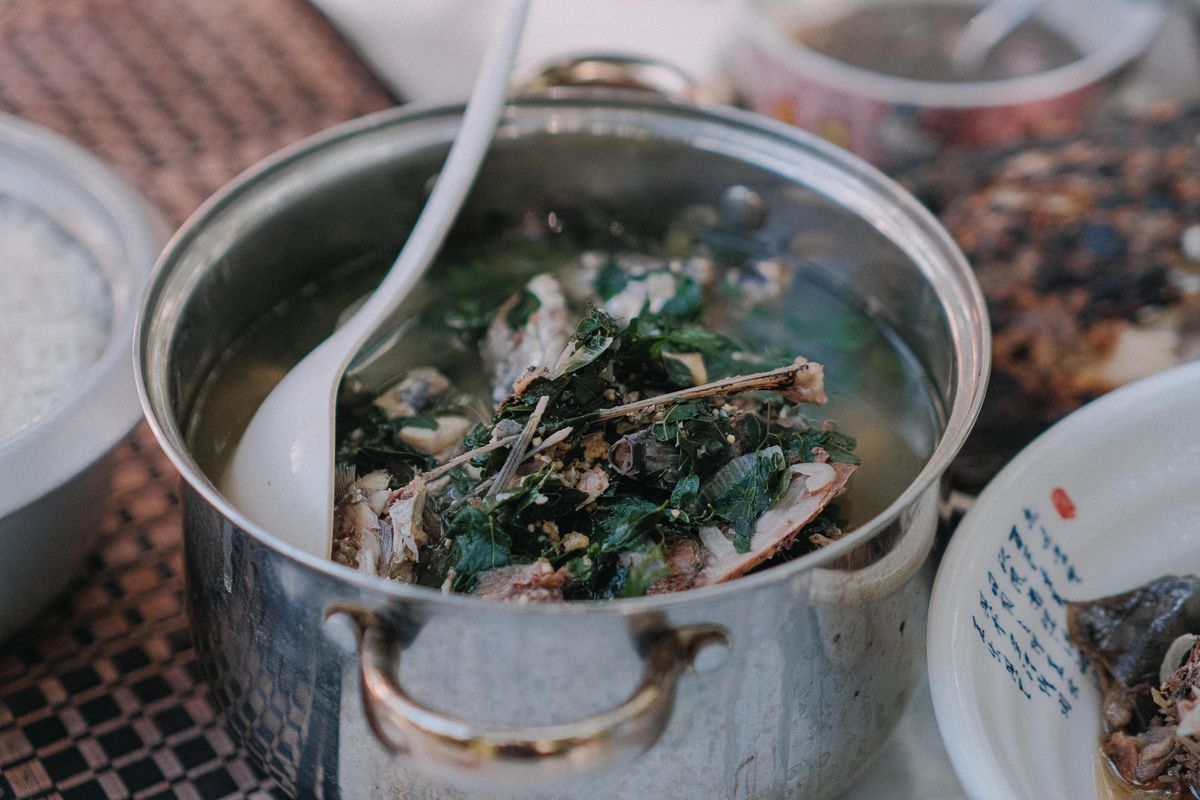
Bone broth is made by simmering animal bones, joints and connective tissue in water — usually with a splash of acid such as vinegar or lemon juice — for anywhere between four and twenty-four hours. The prolonged heat hydrolyses collagen in the bones and cartilage into gelatin, which is what gives a good broth its characteristic wobble when chilled.
Bone broth vs stock vs stock cubes
| Type | How it is made | Typical gelatin content | Best use |
|---|---|---|---|
| Broth | Meat and some bones, simmered 1–2 hours | Low | Light soups, sipping |
| Stock | Bones and connective tissue, simmered 3–6 hours | Moderate | Cooking base, sauces |
| Bone broth | Bones, joints and cartilage, simmered 8–24 hours, often acidified | High — sets to jelly when cold | Sipping, gut-focused nutrition |
| Stock cubes and powders | Salt, flavourings, yeast extract, sometimes a little meat extract | Negligible | Flavour only — not a nutritional substitute |
This distinction matters. Most supermarket "broth" and almost all stock cubes are flavour products, not protein products. If a chilled bone broth does not thicken or gel in the fridge, it usually contains very little gelatin.
Why bone broth became a gut health trend
The modern popularity of bone broth grew from three overlapping ideas: that collagen supports connective tissue, that the intestinal lining is a form of connective tissue and therefore benefits from collagen precursors, and that traditional cultures used long-simmered broths during illness and convalescence. The first and third points are historically and biochemically reasonable. The second is a logical leap that the evidence only partly supports — which is exactly what the rest of this article unpacks.
What is actually in bone broth?
Amino acids: glycine, proline, hydroxyproline and glutamine
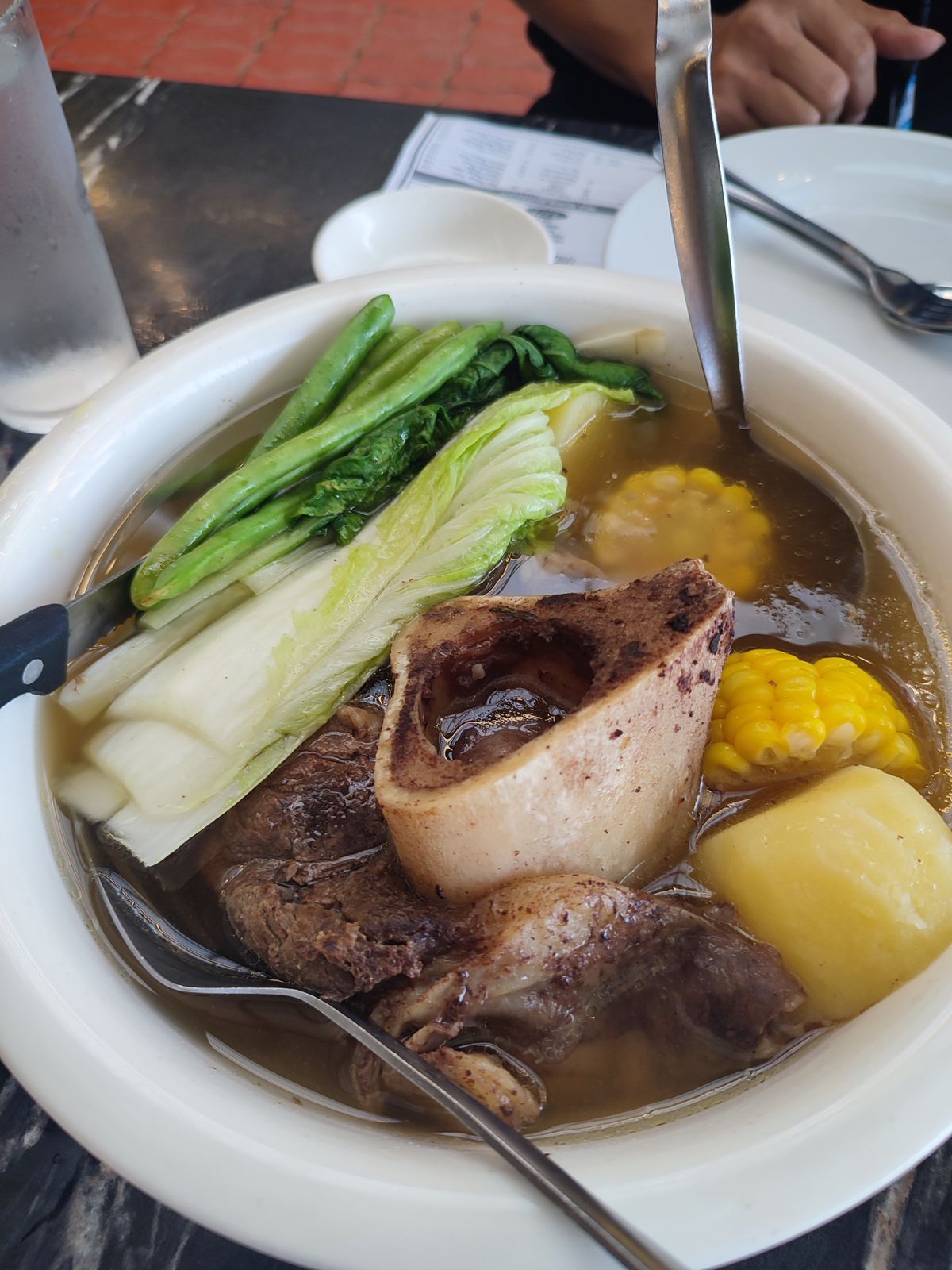
Gelatin is roughly one third glycine, with substantial proline and hydroxyproline. These three amino acids are the structural backbone of collagen and are used throughout the body for connective tissue, including the extracellular matrix that supports the intestinal lining. Bone broth also contains glutamine, arginine and histidine, though in far smaller and less predictable amounts.
Minerals: calcium, magnesium, phosphorus, potassium and zinc
Bones are a mineral reservoir, and simmering does extract some of that mineral content into the water. In controlled laboratory work published in Food and Nutrition Research, reducing broth pH from 8.38 to 5.32 increased calcium and magnesium extraction by factors of roughly 17 and 15 respectively, and simmering for more than eight hours yielded significantly more calcium and magnesium than shorter cooking times. That is the science behind the traditional "add a splash of vinegar and cook it low and slow" advice.
However, the same researchers concluded that calcium and magnesium in home-made or commercial broth generally amounted to less than 5% of daily recommended intakes per serving. Bone broth is not a meaningful mineral supplement. If you are low in magnesium or zinc, broth will not correct that.
The inconvenient truth about dose
This is the single most important nutritional fact about bone broth, and most articles skip it. When Australian researchers analysed commercial and laboratory-prepared bone broths, they found that broths made to a standardised recipe delivered significantly lower concentrations of hydroxyproline, glycine, proline, hydroxylysine, leucine and lysine than a 20 g dose of a collagen supplement. Broths made to non-standardised recipes showed large variability, with café-prepared versions containing the highest amino acid levels of all.
In plain terms: two cups of bone broth made in two different kitchens — or bought from two different brands — can differ several-fold in the very compounds people drink it for. There is no way to read a dose off the label with any confidence.
What the science says about bone broth and gut health
The 2025 Mayo Clinic review
The most significant recent publication on this topic is a 2025 review in Digestive Diseases and Sciences by researchers at the Mayo Clinic's Clinical Enteric Neuroscience unit. The authors examined the amino acids and minerals most abundant in bone broth — glutamine, glycine, proline, histidine and arginine, alongside calcium, phosphorus, potassium, magnesium and zinc — and reviewed animal and human data on their effects on intestinal barrier integrity, permeability and inflammation, including in inflammatory bowel disease.
Their conclusion was cautiously supportive: these components have documented effects on gut barrier function and intestinal inflammation, which gives a plausible mechanistic basis for the traditional use of broth in digestive illness. Crucially, this was a narrative review of the components, not a clinical trial of bone broth. No large randomised controlled trial has yet tested bone broth itself against placebo for any gut condition in humans.
Glutamine: the strongest single-ingredient evidence
Glutamine is the preferred fuel of enterocytes, the cells lining the small intestine. The best human evidence comes from a randomised, double-blind, placebo-controlled trial published in Gut in 2019, in which adults with post-infectious diarrhoea-predominant IBS and measurably increased intestinal permeability received either glutamine or placebo for eight weeks. The glutamine group showed significantly greater improvement in IBS symptom severity, stool frequency and intestinal permeability.
The dose, however, was 5 g three times daily — 15 g of glutamine per day. No cup of bone broth comes close to that. This is a genuinely important distinction: the trial supports glutamine, not broth. If glutamine is what you are after, targeted supplementation is the evidence-aligned route, and it is worth reading our comparison of glutamine vs collagen for gut health and our guide to the best supplements for leaky gut in the UK.
Glycine and the anti-inflammatory hypothesis
Glycine is the most abundant amino acid in gelatin and has been studied for anti-inflammatory and cytoprotective effects in laboratory and animal models, including protection of gut tissue against injury. Human data specific to the intestine remain limited, so glycine is best described as biologically promising rather than clinically proven for gut repair.
The animal colitis study people cite most often
A 2021 study in Medicina prepared bone broth from bovine femur, simmered for eight hours in acidified water, and gave it to mice for ten days before chemically inducing ulcerative colitis. Amino acids were the dominant nutritional contribution of the broth, and the pre-treated animals showed reduced inflammatory changes in colon tissue and altered cytokine expression.
This is a genuinely interesting result and it is often reported as proof that bone broth heals the gut. It is not. It is a small preventative study in mice, using a chemically induced model of colitis, with a broth prepared under laboratory conditions. It supports further research; it does not establish a human treatment effect. For evidence-based dietary approaches to inflammatory bowel disease, see our guides to the ulcerative colitis diet and the Crohn's disease diet in the UK, and always work with your IBD team.
What major medical centres say
Independent clinical sources are measured. Children's Hospital of Philadelphia states plainly that research has not proven bone broth improves gut health, digestion, bone and joint health, skin quality, immune function or inflammatory response, and flags heavy metal contamination as a theoretical safety consideration. Cleveland Clinic describes the nutritional profile as promising while noting that further research is needed. Both positions are consistent with the evidence as it stands in 2026.
Bone broth and the gut barrier
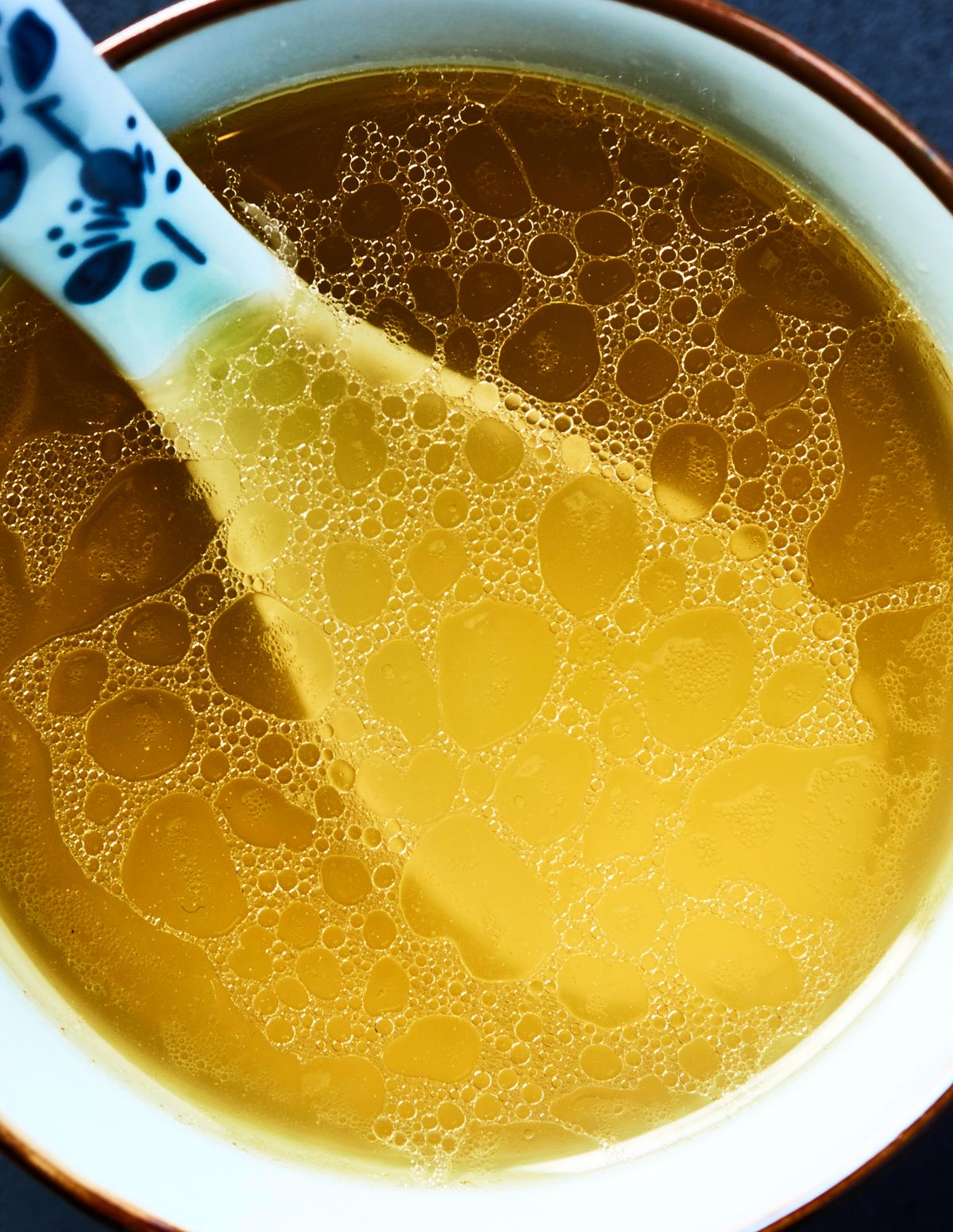
What the barrier actually is
The intestinal barrier is not a passive wall. It is a single layer of epithelial cells sealed by tight junction proteins, covered by a mucus layer, patrolled by immune cells and shaped by the bacteria living on top of it. When that system is disrupted, larger molecules can cross more easily — the phenomenon popularly called "leaky gut" and known clinically as increased intestinal permeability. We cover the mechanisms in detail in our articles on gut barrier function and zonulin testing.
Where broth plausibly fits
Epithelial cells turn over rapidly and need a steady supply of amino acids and energy to do so. Glutamine fuels them directly; glycine and proline contribute to the surrounding structural matrix; zinc participates in tight junction regulation. Bone broth supplies all of these in modest, variable amounts. That makes it a sensible contributor to overall protein and amino acid intake — particularly for someone eating poorly — rather than a targeted intervention.
Where the bigger levers are
If barrier integrity is your goal, the interventions with more supporting evidence are fibre and fermented foods that increase short-chain fatty acid production, particularly butyrate, which is the primary fuel of colonocytes. Alongside that sit adequate sleep, reduced alcohol, careful use of NSAIDs, and reviewing medications that irritate the gut lining — see our articles on ibuprofen and stomach damage and the long-term effects of omeprazole.
The microbiome problem: bone broth has no fibre
This is the most under-discussed limitation of bone broth, and it is a significant one.
Your gut bacteria are fermenting organisms. They are fed by fibre, resistant starch and polyphenols — not by amino acids. Bone broth contains essentially no fibre, which means it does not feed beneficial bacteria, does not raise short-chain fatty acid production and does not increase microbiome diversity. A gut protocol built around broth while fibre intake stays low is a protocol built on the wrong foundation.
The NHS recommends 30 g of fibre a day for adults, and the British Nutrition Foundation notes that only a small minority of UK adults achieve it. If you take one practical action from this article, make it fibre before broth. Our guides to increasing fibre safely, high fibre foods in the UK, eating 30 plants a week and prebiotic foods are the right starting point. For fermented options, see fermented foods in the UK and the benefits of kefir.
Where supplements can complement broth
Because broth contributes nothing to bacterial fuel, people addressing dysbiosis often pair dietary changes with targeted products. Depending on the picture, that might mean a well-formulated probiotic, a prebiotic supplement, Akkermansia for mucus layer support, or modified citrus pectin as a gentle soluble fibre. Read prebiotic vs probiotic and how to choose a probiotic before buying anything, and see gut dysbiosis if you suspect an imbalance.
Who is most likely to benefit from bone broth
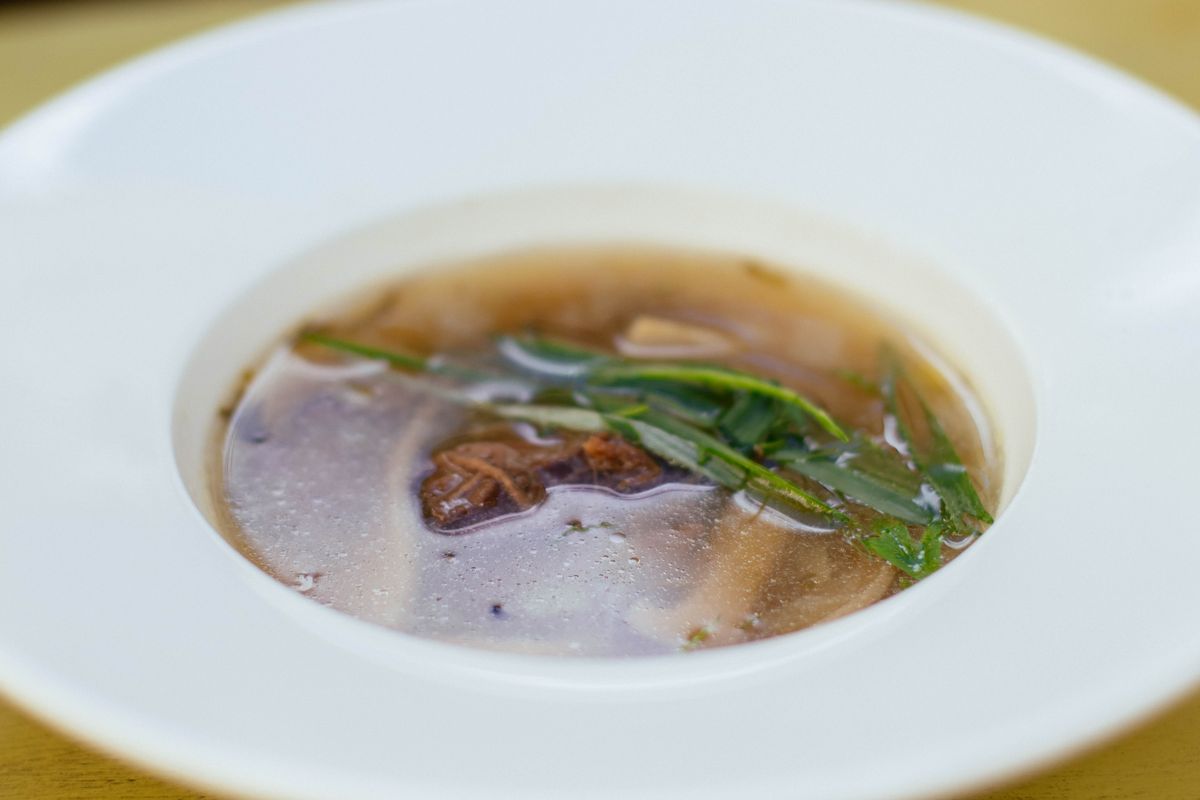
Recovery after a stomach bug or antibiotics
After gastroenteritis, appetite is poor, hydration is compromised and the gut lining is genuinely disrupted. Warm, salty, protein-containing liquid is easy to tolerate and encourages fluid intake. This is arguably the strongest practical case for broth. Pair it with our guidance on recovering from a stomach bug, probiotics after antibiotics and Saccharomyces boulardii.
Low appetite, low protein intake or convalescence
Older adults, people recovering from surgery and anyone eating very little often struggle to hit protein targets. A gelatin-rich broth used as a base for soups adds palatable protein and encourages eating. See gut health in older adults.
During an IBS or IBD flare
Plain broth is low in fermentable carbohydrates when made without onion and garlic, which makes it compatible with a low FODMAP diet. Many people find warm liquids soothing when solid food feels difficult. It is symptom management, not disease modification — see IBS types and supplements for IBS.
People who simply want a warm, savoury, low-sugar drink
Replacing an afternoon biscuit habit with a mug of broth is a reasonable dietary swap with no downside for most people. Not every benefit has to be mechanistic.
Who should be cautious or avoid bone broth
| Group | Why it matters | Practical advice |
|---|---|---|
| Histamine intolerance | Long-simmered and long-stored broths are among the higher-histamine foods; symptoms can include flushing, headache, itching and loose stools | Try short-simmered stock instead, cool and freeze immediately, and read our guide to histamine intolerance |
| Gout or high uric acid | Meat and bone-derived stocks contribute purines | Keep intake modest and discuss with your GP |
| Chronic kidney disease | Broth can contribute potassium, phosphate, protein and sodium | Only under dietitian supervision |
| High blood pressure or salt restriction | Shop-bought broths are often heavily salted; NHS advice is a maximum of 6 g of salt daily for adults | Choose unsalted, or make your own and season at the table |
| Young children and pregnancy | Lead accumulates in bone, and a small 2013 pilot study found measurably higher lead concentrations in chicken bone broth than in tap water controls | Use good-quality bones, vary protein sources, and do not rely on daily broth for children |
| Anyone with red-flag symptoms | Broth can mask a delay in diagnosis | See the when to see a GP section below |
How seriously should you take the lead concern?
Proportionately. The 2013 study that raised it was a small pilot published in a hypothesis-generating journal, using a handful of samples, and it has been widely criticised on methodological grounds. A larger 2017 laboratory analysis concluded that the risks associated with ingesting heavy metals such as lead and cadmium from broth are minimal. The sensible position is neither alarm nor dismissal: bone broth is fine as part of a varied diet, and is not the food to consume in very large daily volumes over years, particularly for children.
How much bone broth, and when?
There is no established therapeutic dose, because there are no dose-finding trials. What follows is pragmatic clinical guidance, not a research-derived prescription.
- Typical intake: 250–500 ml (one to two mugs) per day is what most people use and is reasonable for most healthy adults.
- Timing: it makes no meaningful difference. Some people prefer it before meals as a warm appetite cue; others use it mid-afternoon. Unlike probiotic timing, there is no mechanistic reason to be precise.
- How long before judging it: two to four weeks of consistent use is enough to know whether you feel any different. Keep a simple symptom diary alongside the Bristol stool chart.
- What to change alongside it: fibre, sleep, alcohol and stress. If you change five things at once you will never know what worked — but if you change nothing else, broth alone rarely moves the needle.
How to make gut-friendly bone broth at home
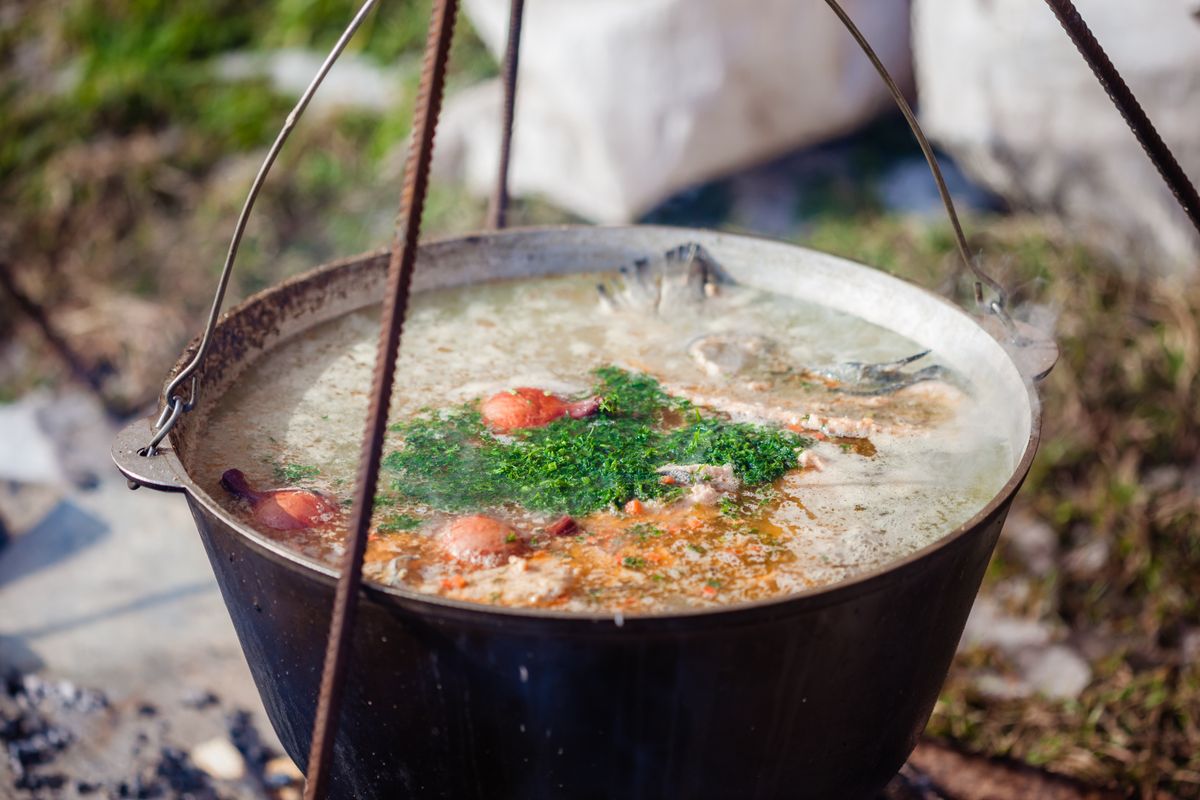
Ingredients
- 1.5–2 kg beef marrow and knuckle bones, or the carcasses of two chickens including feet or wings if you can get them (feet and wings are the richest gelatin sources)
- 2 tablespoons cider vinegar or the juice of one lemon
- Cold water to cover by about 5 cm
- Optional: carrot, celery, bay leaf, peppercorns, parsley stalks
- Salt added at the end, to taste
Method
- Roast beef bones at 200°C for 30 minutes for a deeper flavour. Chicken carcasses can go straight in.
- Place bones in a large pot or slow cooker, add the vinegar and cold water, and leave for 20 minutes before heating. The mild acidity assists mineral extraction.
- Bring to a gentle simmer — never a rolling boil, which emulsifies fat and clouds the broth.
- Skim the foam that rises in the first hour.
- Simmer 8–12 hours for chicken, 12–24 hours for beef, topping up with water as needed.
- Add vegetables and herbs only for the final 60–90 minutes, so they do not turn bitter.
- Strain through a fine sieve, cool rapidly, then refrigerate. Lift off the solidified fat if you prefer a leaner broth.
Food safety when cooling and storing
Large volumes of hot liquid cool slowly, which is exactly the condition bacteria favour. Food Standards Agency guidance is to cool leftovers quickly, keep your fridge between 0 and 5°C, use refrigerated leftovers within two days, and freeze anything you will not use in that window. Decant broth into shallow containers or an ice bath to speed cooling, and freeze in portions.
Low FODMAP and low histamine adaptations
- Low FODMAP: omit onion and garlic entirely. Use the green tops of spring onions, carrot, and herbs for flavour. See our FODMAP food list.
- Low histamine: simmer for the shortest time that still produces gelatin (around 4–6 hours for chicken), cool rapidly, and freeze in single portions rather than keeping broth in the fridge for days.
- Low salt: season each cup at the point of drinking rather than salting the whole batch.
Shop-bought bone broth: what to look for
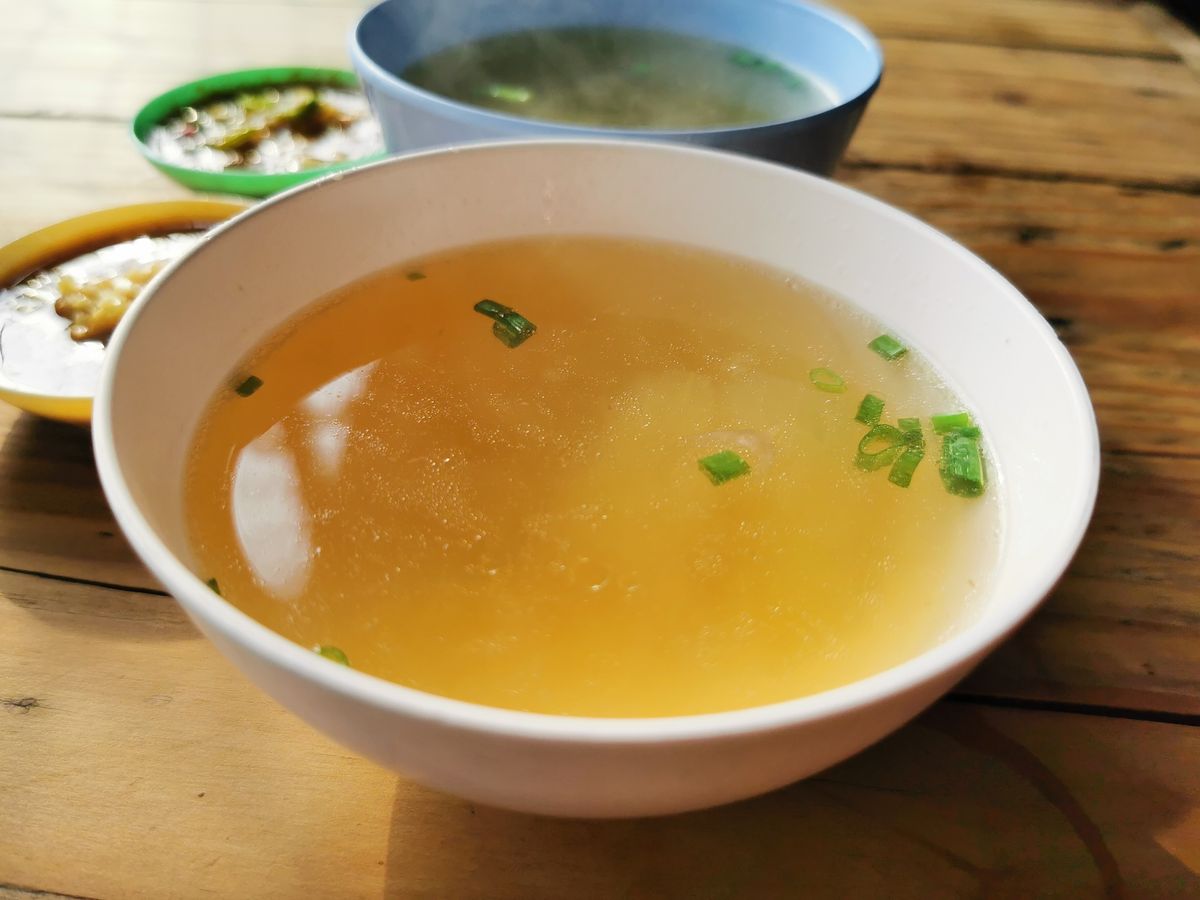
| Check | What good looks like | Red flag |
|---|---|---|
| Protein per 100 ml | Stated clearly on the label; higher generally means more gelatin | Under 1 g per 100 ml, or protein not declared |
| Salt per 100 ml | Low or medium, or an unsalted version available | More than 1.5 g salt per 100 g, which is classified as high |
| Ingredients list | Bones, water, vegetables, herbs, vinegar | Yeast extract, flavourings and starch dominating the list |
| Does it gel? | Chilled liquid broth sets to a soft jelly | Stays completely watery when cold |
| Health claims | Modest, food-based language | Claims to "heal leaky gut", "detox" or "cure" IBS |
| Powdered versions | Useful for convenience; check protein per serving | Priced as a supplement while delivering minimal protein |
Powdered bone broth and collagen for gut health occupy similar territory. If your goal is a specific amino acid dose, a standardised collagen or glutamine product is more transparent than any broth.
Bone broth vs collagen, glutamine and probiotics
| Option | What it delivers | Strength of evidence for gut health | Best suited to |
|---|---|---|---|
| Bone broth | Gelatin, mixed amino acids, some minerals, fluid, sodium | Indirect — components studied, broth itself not trialled | Convalescence, low appetite, food-first approaches |
| Collagen peptides | Standardised glycine, proline and hydroxyproline | Moderate for skin and joints; limited but growing for gut | Anyone wanting a known, repeatable dose |
| L-glutamine | A single amino acid at therapeutic dose | Best available human trial data for permeability in post-infectious IBS-D | Targeted use, ideally with clinical guidance |
| Probiotics | Defined live strains | Strain-specific; some strains well evidenced for specific conditions | Post-antibiotic, IBS, travel |
| Fibre and prebiotics | Fermentable substrate for bacteria | Strongest overall evidence base in nutrition for gut health | Almost everyone |
For deeper comparisons, see glutamine vs collagen, psyllium vs inulin, enzymes vs probiotics and fermented food vs probiotics.
Building a realistic gut protocol around broth
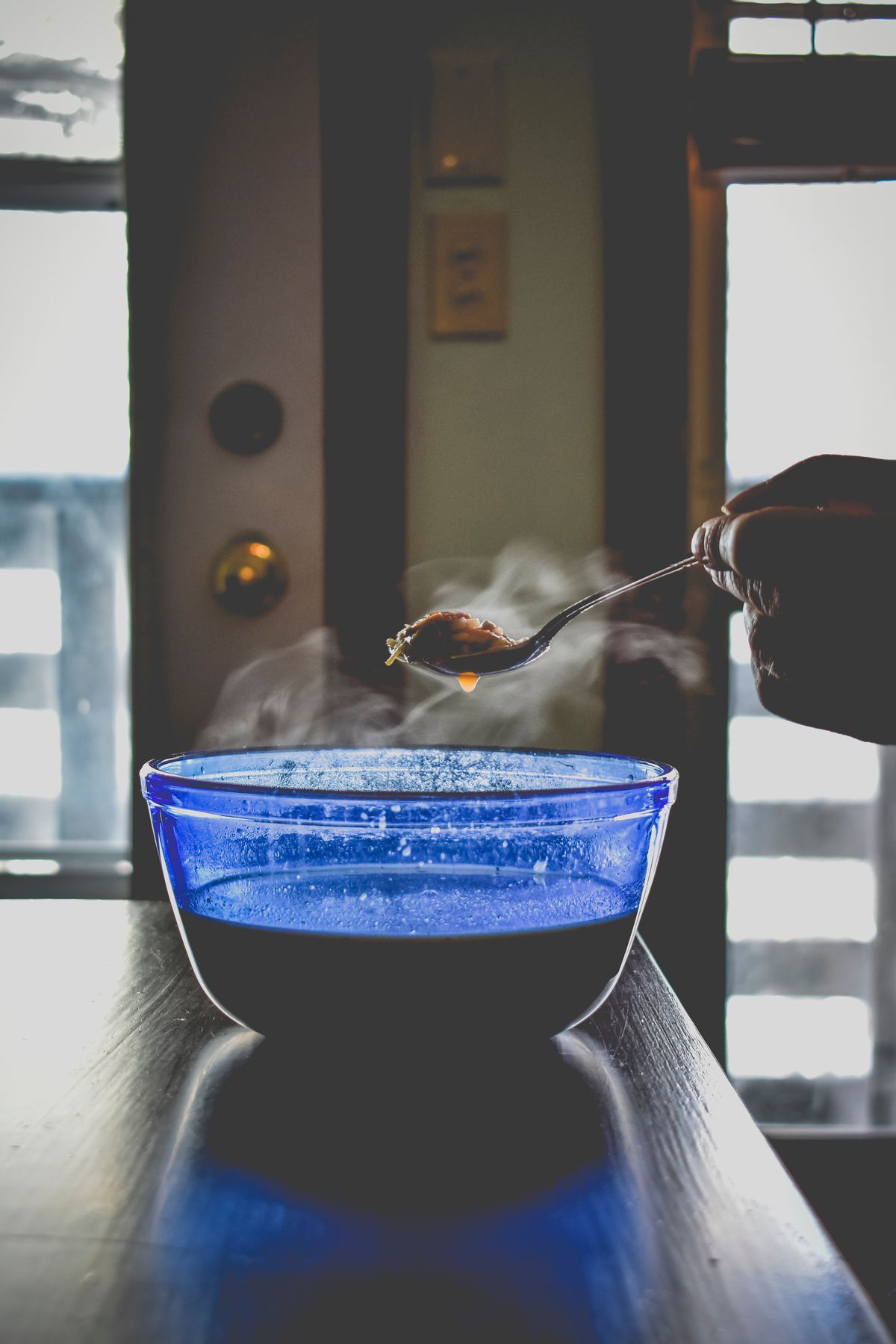
Weeks 1–2: foundations
Increase fibre gradually towards 30 g a day, drink enough water, and aim for a wide range of plants across the week. Add one mug of broth daily if you enjoy it. Track symptoms rather than guessing. Our gut reset protocol and best foods for gut health guides give the detail.
Weeks 3–6: targeted additions
If symptoms persist, this is the point to consider evidence-led additions rather than more broth: a strain-appropriate probiotic, a prebiotic, or specific agents where indicated. Our guides to the best probiotics in the UK, supplements for bloating and increasing bacterial diversity cover the options, and how long probiotics take to work sets realistic expectations.
Weeks 6+: investigate rather than escalate
If you are still symptomatic after six to eight weeks of consistent effort, the answer is diagnosis, not another supplement. Depending on symptoms that might mean a coeliac test, a faecal calprotectin test, an H. pylori test, a SIBO breath test, or a gut microbiome test. Speak to your GP first — these should complement medical assessment, not replace it.
When to see a GP instead of reaching for broth
Bone broth is a food, and no food should delay assessment of potentially serious symptoms. Contact your GP promptly if you experience:
- Unintentional weight loss
- Blood in your stool, or black tarry stools
- A persistent change in bowel habit lasting more than three weeks
- Difficulty swallowing, or persistent vomiting
- A lump or swelling in the abdomen
- Iron deficiency anaemia found on a blood test
- Symptoms that wake you from sleep, or persistent unexplained fever
- New digestive symptoms starting after the age of 50
Our guide on when to see a GP about stomach symptoms covers this in detail, and if you are within the eligible age range, do complete your NHS bowel cancer screening kit when it arrives.
The verdict on bone broth and gut health
Bone broth is a nourishing, traditional food with a plausible mechanistic story and a genuinely useful role in specific situations — recovery from illness, poor appetite, flare-ups where solid food is difficult, and as a warm savoury alternative to less helpful habits. The 2025 Mayo Clinic review confirmed that its constituent amino acids and minerals matter to the gut barrier.
What it is not is a treatment. There are no human randomised trials of bone broth for any digestive condition, the amino acid dose is inconsistent and unmeasurable, and it contains no fibre — which means it cannot address the single biggest dietary lever for microbiome health. If you enjoy it, drink it. If you are hoping it will fix a persistent gut problem on its own, redirect that effort towards fibre, plant diversity, sleep, medication review and — where symptoms persist — proper investigation.
Frequently asked questions about bone broth and gut health
Is bone broth good for gut health?
It can be a useful supporting food. Bone broth provides gelatin, glycine, proline and glutamine, which intestinal cells use for maintenance and repair, plus fluid and easily tolerated protein. A 2025 Mayo Clinic review found that these components have documented effects on gut barrier function and inflammation. However, no randomised controlled trial has tested bone broth itself in humans, and because it contains no fibre it does not feed beneficial gut bacteria. Treat it as a helpful addition, not a treatment.
How long does it take for bone broth to heal your gut?
There is no evidence-based timeline, because no human trials have measured this. Most people who notice a difference report it within two to four weeks of daily use, usually in the form of feeling more comfortable after meals rather than any measurable change. If nothing has changed after four to six weeks, broth is unlikely to be your answer and the underlying cause deserves proper investigation.
Does bone broth heal leaky gut?
Not by itself. Increased intestinal permeability is a real, measurable phenomenon, but it is a feature of conditions rather than a diagnosis in its own right. Bone broth supplies some of the raw materials the lining uses, but at inconsistent doses. The strongest human evidence in this area is for 15 g of glutamine daily in post-infectious IBS-D — far more than any broth provides. Read our full explainer on whether leaky gut is real.
Is it better to drink bone broth in the morning or at night?
It makes no meaningful physiological difference. Choose the time you will actually stick to. Some people prefer it in the morning as a warm start, others find a mug in the afternoon replaces a snack they would rather avoid. Glycine has been studied in relation to sleep quality at supplemental doses, but broth does not reliably deliver those amounts.
How much bone broth should I drink a day for gut health?
Most people use 250–500 ml a day, which is reasonable for healthy adults. There is no established therapeutic dose. Watch the salt content if you buy it ready-made, since NHS advice is a maximum of 6 g of salt daily for adults, and be more conservative if you have high blood pressure, kidney disease or gout.
Can bone broth cause bloating or make IBS worse?
It can, in some people. Broths made with onion and garlic are high in FODMAPs and commonly trigger bloating in IBS. Long-simmered and long-stored broths are also relatively high in histamine, which affects those with histamine intolerance. If broth consistently worsens your symptoms, try a short-simmered version without onion and garlic, frozen in portions.
Is bone broth better than collagen supplements for the gut?
Not for dose reliability. Research analysing commercial and home-made broths found significantly lower and far more variable concentrations of key amino acids than a standardised 20 g collagen dose. Broth wins on being a whole food that also provides fluid, warmth and palatability; collagen wins on knowing exactly what you are taking. They are answering different questions.
Does bone broth have fibre or feed good gut bacteria?
No. Bone broth contains essentially no fibre, so it does not act as a prebiotic and does not increase short-chain fatty acid production or microbiome diversity. This is its most important limitation. If improving your microbiome is the goal, fibre, plant variety, fermented foods and appropriately chosen prebiotics or probiotics do that job.
Is bone broth safe to drink every day?
For most healthy adults, yes, in moderate amounts as part of a varied diet. Be more cautious if you have kidney disease, gout, uncontrolled high blood pressure, histamine intolerance, or if you are giving it regularly to young children — bones can accumulate lead, and while a large 2017 analysis concluded the heavy metal risk from broth is minimal, variety remains sensible.
Which is better for gut health, chicken or beef bone broth?
Neither is clearly superior. Chicken broth made with feet and wings tends to gel strongly and is lighter and better tolerated during illness. Beef broth from marrow and knuckle bones is richer and more mineral-dense but heavier on the stomach. Laboratory work has shown that mineral extraction varies by species and bone type, so rotating between them is a reasonable approach.
References
- Matar A, Abdelnaem N, Camilleri M. Bone Broth Benefits: How Its Nutrients Fortify Gut Barrier in Health and Disease. Digestive Diseases and Sciences. 2025;70(6):1951–1961. PubMed
- Matar A, Abdelnaem N, Camilleri M. Full journal record, Digestive Diseases and Sciences, Springer. link.springer.com
- Zhou Q, Verne ML, Fields JZ, et al. Randomised placebo-controlled trial of dietary glutamine supplements for postinfectious irritable bowel syndrome. Gut. 2019;68(6):996–1002. PubMed Central
- Mar-Solís LM, Soto-Domínguez A, Rodríguez-Tovar LE, et al. Analysis of the Anti-Inflammatory Capacity of Bone Broth in a Murine Model of Ulcerative Colitis. Medicina. 2021;57(11):1138. PubMed Central
- Alcock RD, Shaw GC, Burke LM. Bone Broth Unlikely to Provide Reliable Concentrations of Collagen Precursors Compared With Supplemental Sources of Collagen Used in Collagen Research. International Journal of Sport Nutrition and Exercise Metabolism. 2019;29(3):265–272. Human Kinetics
- Alcock RD, Shaw GC, Tee N, Burke LM. Plasma Amino Acid Concentrations After the Ingestion of Dairy and Collagen Proteins, in Healthy Active Males. Frontiers in Nutrition. 2019;6:163. PubMed Central
- Hsu DJ, Lee CW, Tsai WC, Chien YC. Essential and toxic metals in animal bone broths. Food and Nutrition Research. 2017;61(1):1347478. PubMed
- Monro JA, Leon R, Puri BK. The risk of lead contamination in bone broth diets. Medical Hypotheses. 2013;80(4):389–390. ScienceDirect
- Children's Hospital of Philadelphia. Food as Medicine: Therapeutic Use of Broths. chop.edu
- Cleveland Clinic. Bone Broth: Benefits, How To Make and Nutrition. health.clevelandclinic.org
- NHS. Good foods to help your digestion. nhs.uk
- NHS. How to get more fibre into your diet. nhs.uk
- NHS. Salt in your diet. nhs.uk
- British Dietetic Association. Fibre Food Fact Sheet. bda.uk.com
- British Nutrition Foundation. Fibre. nutrition.org.uk
- Food Standards Agency. How to chill, freeze and defrost food safely. food.gov.uk
About the author
Dr Zeeshan Afzal, MBBS is a practising medical doctor and Clinical Content Lead at Welzo. He reviews Welzo's digestive health content against current UK clinical guidance and peer-reviewed literature, with a focus on translating gastroenterology research into practical, safe advice for patients. All Welzo health content is written or reviewed by qualified clinicians and referenced to primary sources.
Medical disclaimer
This article is for general information only and does not constitute medical advice, diagnosis or treatment. It is not a substitute for consultation with a qualified healthcare professional. Do not delay seeking medical advice because of something you have read here. If you have persistent digestive symptoms, red-flag symptoms, an existing medical condition, are pregnant or breastfeeding, or take prescription medication, speak to your GP or pharmacist before making dietary or supplement changes. In a medical emergency, call 999 or attend your nearest A&E department.



 Ocenione doskonałe przez 28,951+ recenzji
 Gwarancja 100% zwrotu pieniędzy