










Best Folic Acid Supplements Guide
Posted on:
Feb 19, 2026
Authored by


Folic acid (vitamin B9) is one of the most important “small” supplements you can take at the right time — especially if you’re trying to conceive, pregnant, postpartum, following a vegan/vegetarian diet, or addressing confirmed low folate on blood tests. In the UK, folate status is a genuine population-level concern, which is why searches like “best folic acid supplements UK” and “where to buy folic acid tablets UK” keep rising.
This guide ranks reliable folic acid and folate (including bioactive 5-MTHF/methylfolate) options available in the UK, focusing on what matters most for real buyers: correct dosing, clear labelling, form (folic acid vs folate), tolerability, suitability for pregnancy planning, and value per dose.
Start browsing by category: Folic Acid, Pregnancy Vitamins, Women’s Health Supplements, Fertility Supplements, Multivitamins, Vitamins, and Vitamin B Complex.
If you’re building a more complete “foundation” stack (common in pregnancy planning and fatigue-related searches), these collections are often explored alongside folate: Vitamin B12, Iron, Vitamin D, and Immunity Supplements.
Folate is the natural form of vitamin B9 found in foods like leafy greens, beans, lentils, and fortified grains. Folic acid is the synthetic form used in supplements (and commonly used in food fortification). Your body converts folic acid into active folate forms used for everyday functions like DNA synthesis and red blood cell formation.
You’ll also see 5-MTHF (often labelled methylfolate or L-methylfolate). This is a bioactive folate form that some people prefer because it’s already in a form your body can use directly. It’s not “automatically better” for everyone — it’s simply a different type of product that suits a different buyer intent (often “methylation” or “active folate” searches).
If you’re browsing broadly, these collections make it easier: Vitamin B12, Vitamin B Complex, Women’s Health Supplements, and Pregnancy Vitamins.
Folic acid (vitamin B9) is used to support core, evidence-based functions in the body. In buyer terms, people usually purchase folic acid or folate supplements for one of these reasons:
If you want “one product that covers the basics”, a prenatal or multivitamin can be more convenient than stacking single nutrients: Multivitamins and Pregnancy Vitamins.
The most common reason UK shoppers buy folic acid is preconception and early pregnancy support. That’s why most “best folic acid” searches are really about finding a trustworthy 400µg daily product, or a prenatal that includes it at an appropriate amount. If your goal is pregnancy planning, you’ll usually be comparing a single 400µg folic acid tablet vs a complete preconception/pregnancy multivitamin.
Folate contributes to normal red blood cell formation. If folate intake is low (or if needs are increased), people may experience symptoms that overlap with other issues such as fatigue and low energy. Because symptoms overlap with vitamin B12 deficiency, many shoppers explore Vitamin B12 at the same time (especially vegans/vegetarians and people with long-term digestive issues).
Many people use folate/folic acid to “tighten up” micronutrient intake when diet quality is inconsistent, or during periods where needs feel higher. If you want broader support, a multivitamin can be a simpler routine than several separate products: Multivitamins. If you’re vegan, it’s also sensible to look at Vegan & Plant-Based Supplements.
Some buyers search for methylfolate because they’ve read about methylation pathways, MTHFR, or homocysteine. In practice, this is a more “advanced user” purchase. The key is not to chase high doses casually: match the product to your real goal and keep your overall B-vitamin stack sensible (especially if you’re already taking a B-complex).

| Why has it been selected | It fits what most UK shoppers actually need: a reliable, clearly labelled daily folate dose with a strong brand quality signal and a sensible “everyday use” format. |
|---|---|
| Product description | A 400µg folate tablet using Metafolin (a bioactive folate form) designed for daily use and easy routine-building. |
| Product reviews | Check the product page for the latest verified reviews and ratings. |
| Product price | Check the product page for current pricing. |
| Where to buy | Buy Solgar Folate (as Metafolin) 400µg Tablets on Welzo |
| Pros |
|
| Cons |
|
| How to use | Follow the label; commonly taken once daily with water. Consistency matters more than timing. |
| Editor’s comments | If you want a “safe default” folate choice that matches most everyday needs, this is it. |

| Why has it been selected | It delivers the familiar 400µg folic acid dose at a low cost, which helps adherence — and adherence is what actually drives results for most buyers. |
|---|---|
| Product description | Straightforward folic acid 400mcg in tablet form, designed for simple daily use. |
| Product reviews | Check the product page for the latest verified reviews and ratings. |
| Product price | Check the product page for current pricing. |
| Where to buy | Buy Valupak Folic Acid 400mcg on Welzo |
| Pros |
|
| Cons |
|
| How to use | Follow the label instructions; often taken once daily. |
| Editor’s comments | Best if you want a standard folic acid supplement and you care most about cost-per-day. |

| Why has it been selected | Chosen as a practitioner-grade active folate supplement on Welzo for those who need the bioavailable form of folate that bypasses standard metabolic conversion. These capsules contain 1,700 mcg DFE (1,000 mcg) of pure non-racemic L-methylfolate — the active coenzyme form of folate. Seeking Health is founded by Dr. Ben Lynch, one of the leading voices in MTHFR research and methylation science, making this a particularly well-credentialled choice for those specifically seeking active folate for methylation support. |
|---|---|
| Product description | L-5-MTHF is easily absorbed and used by cells without any additional metabolic steps, making it the preferred choice for those with absorption or metabolic defects. It efficiently supports methylation, DNA biosynthesis, homocysteine metabolism, and nervous system function, and may help support a healthy nervous system and prenatal regimen when combined with a healthy diet and lifestyle. The pure, non-racemic form ensures only the biologically active isomer is delivered — a quality distinction that sets it apart from lower-grade folate supplements. |
| Product reviews | Users with MTHFR variants and those following clinician-led methylation protocols consistently rate this highly for its clean formulation, reliable potency, and tolerance. The brand's focus on methylation-sensitive individuals gives it a loyal following among informed supplement users. |
| Product price | Mid-range — available on Welzo for 60 vegetarian capsules. |
| Where to buy | |
| Pros |
|
| Cons |
|
| How to use | Follow the label directions and avoid stacking multiple high-dose B products without a clear reason. |
| Editor’s comments | This is for a specific preference (active folate), not the default “pregnancy planning 400µg” purchase. |

| Why it has been selected | Some shoppers want a higher-potency folate option for a specific plan. This provides a clearly labelled high dose from a well-known manufacturer. |
|---|---|
| Product description | Higher-dose folate tablets with clear microgram labelling for people who need a stronger dose strategy (often clinician-led). |
| Product reviews | Check the product page for the latest verified reviews and ratings. |
| Product price | Check the product page for current pricing. |
| Where to buy | Buy Solgar Folate 1333mcg on Welzo |
| Pros |
|
| Cons |
|
| How to use | Follow the label carefully. If you’re pregnant, on medication, or have medical conditions, use clinician guidance. |
| Editor’s comments | Choose this only if the dose matches your real use case — not because “more is better”. |

| Why has it been selected | Many people searching for folic acid are really searching for preconception support — this is designed specifically for that stage and reduces guesswork. |
|---|---|
| Product description | A preconception multivitamin containing folic acid plus other nutrients relevant to the trying-to-conceive phase (check the label for exact amounts). |
| Product reviews | Check the product page for the latest verified reviews and ratings. |
| Product price | Check the product page for current pricing. |
| Where to buy | Buy Pregnacare Before Conception on Welzo |
| Pros |
|
| Cons |
|
| How to use | Daily as per label, ideally with food if you’re sensitive. |
| Editor’s comments | Best for “I want one product that covers the basics” shoppers in the preconception phase. |

| Why has it been selected | A common pregnancy multi-choice for people who prefer one daily product rather than supplement stacking, with a well-known pregnancy-targeted format. |
|---|---|
| Product description | Pregnancy-focused multivitamin including folic acid and other relevant nutrients (check label for exact daily amounts). |
| Product reviews | Check the product page for the latest verified reviews and ratings. |
| Product price | Check the product page for current pricing. |
| Where to buy | Buy Pregnacare Original on Welzo |
| Pros |
|
| Cons |
|
| How to use | Daily as per label, typically with a meal. |
| Editor’s comments | A practical option if your focus is a baseline prenatal routine without juggling multiple bottles. |

| Why it has been selected | A specialist, active-folate option for people who want a practitioner-style approach and prefer 5-MTHF as their folate format. |
|---|---|
| Product description | L-5-MTHF folate in capsule form (see product label for dose/serving guidance). |
| Product reviews | Check the product page for the latest verified reviews and ratings. |
| Product price | Check the product page for current pricing. |
| Where to buy | Buy Klaire Labs L-MethylFolate on Welzo |
| Pros |
|
| Cons |
|
| How to use | Follow the label. Avoid stacking multiple high-dose B products unless you have a clear plan. |
| Editor’s comments | Best for shoppers who already know they want methylfolate and prefer a practitioner-style product. |
| Product | Type | Form | Strength per serving | Best for | Who should choose it | Key advantage | Things to consider |
|---|---|---|---|---|---|---|---|
| Solgar Folate (as Metafolin) 400µg Tablets | Active folate | Tablet | 400µg | Everyday folate routine | Anyone who wants a reliable “default” daily folate option with clear labelling | Bioactive folate form at a common daily dose | Not the cheapest per day; tablet format may not suit everyone |
| Valupak Folic Acid 400mcg (90 Tablets) | Folic acid | Tablet | 400µg | Budget daily folic acid | Anyone prioritising cost-per-day and simple supplementation | Low-cost, standard 400µg dose | Basic format; fewer “premium” formulation cues |
| Seeking Health L-5-MTHF 1000 | L-5-MTHF (pure non-racemic) | Capsule | 1mg (1000mcg) | Methylation-focused users; MTHFR protocols | People specifically searching “methylfolate” or “5-MTHF” rather than standard folic acid | Active form; clean brand positioning; vegetarian capsules | Higher than standard 400µg; not necessary for most buyers |
| Solgar Folate 1333mcg (100 Tablets) | Higher-dose folate | Tablet | 1333µg | High-potency folate | Advanced users with a clear reason for higher doses | High dose with clear microgram labelling | “More” isn’t better; higher doses need more caution |
| Pregnacare Before Conception (30 Tablets) | Preconception multivitamin | Tablet | See label | Trying to conceive | Anyone who prefers an all-in-one preconception formula | Convenience plus broader TTC nutrients | More than needed if only folic acid is required; multis may cause nausea |
| Pregnacare Original Tablets | Pregnancy multivitamin | Tablet | See label | Pregnancy baseline multi | Anyone wanting a single daily prenatal-style product | One-product routine; pregnancy-targeted | Some people experience mild nausea; not single-nutrient |
| Klaire Labs L-MethylFolate 5-MTHF (60 Caps) | Active folate (5-MTHF) | Capsule | See label | Practitioner-style active folate | People who already know they want 5-MTHF | Specialist positioning; capsule format | Premium pricing; unnecessary for standard 400µg goals |
For most healthy adults, folic acid is safe and well-tolerated at standard daily doses. Safety considerations mainly arise with high-dose supplementation or long-term use well above typical intake levels.
At very high intakes, folic acid can mask signs of vitamin B12 deficiency, which is why routine high-dose use without guidance is discouraged.
Side effects are uncommon at typical doses. When they occur, they are usually mild and may include digestive discomfort or nausea, particularly when taken on an empty stomach.
Vitamin B12 deficiency risk: High folic acid intake can obscure haematological signs of B12 deficiency
Medical conditions: Anyone with a diagnosed condition affecting absorption or blood formation should seek clinical advice
Medication use: Folic acid can interact with certain medications; professional guidance is recommended if you are unsure
As a practical rule, if you are using folic acid above standard daily levels for an extended period, it should be deliberate, reviewed, and part of a broader nutritional plan.
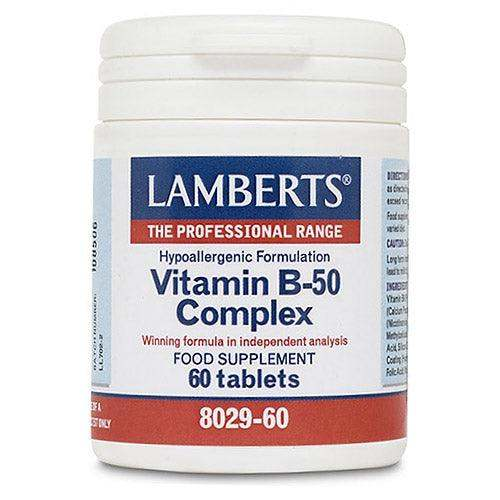
Vitamin B9 works closely with other B vitamins, particularly vitamin B12 and vitamin B6, in normal blood formation and metabolic processes.
Folic acid vs vitamin B12: These nutrients are interdependent; supplementing one does not replace the other
Folic acid vs B-complex: A B-complex provides broader coverage but may include more nutrients than necessary if your goal is purely folate support
Why this matters: supplementing B vitamins in isolation can sometimes create an imbalance if overall intake is not considered.
Folic acid supports the body primarily by contributing to normal DNA synthesis, cell division, and red blood cell formation. These processes are especially important during periods of rapid cell growth, such as pregnancy.
Because these functions occur continuously at a cellular level, folic acid’s role is preventative and regulatory, not immediately noticeable.
Folic acid is most widely known for its role in early pregnancy, where adequate intake supports normal neural tube development. This is why supplementation is recommended before conception, not after pregnancy is confirmed.
Beyond pregnancy, folate continues to support normal blood formation and cellular function throughout life.
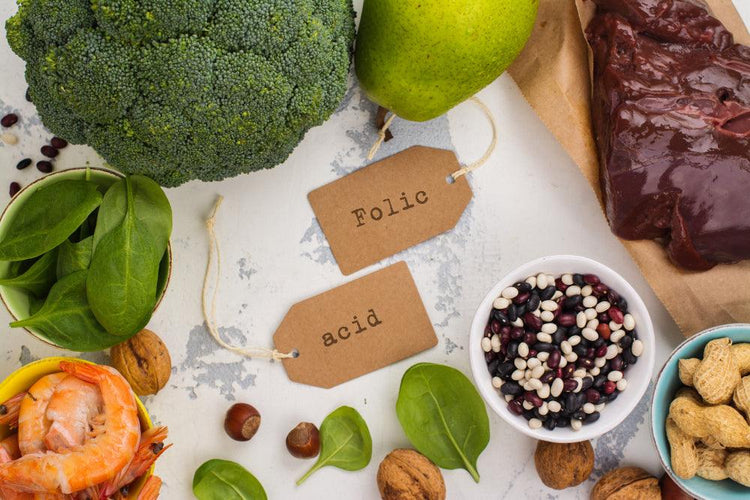
Folate is naturally present in many foods, including:
Leafy green vegetables
Beans and lentils
Whole grains
Citrus fruits
However, intake can vary widely depending on diet quality and food choices, which is why supplementation is often recommended during pregnancy planning or when dietary intake is inconsistent.
Folic acid supplements should be taken daily and consistently, ideally anchored to a routine that you can maintain. Timing is flexible, but adherence is key.
If folic acid is being used for a specific life stage (such as preconception or early pregnancy), it should be started early and continued as advised, rather than taken sporadically.
The following UK-based, authoritative sources provide evidence-led guidance on folic acid, folate status, pregnancy recommendations, safety considerations, and upcoming policy changes. These references support the information presented in this guide and are suitable for readers who want to explore the clinical and public-health context in more detail.
NHS – Folic acid and vitamin B9 (general guidance)
This NHS resource explains what folate and folic acid are, why they are important for normal blood formation and cell division, recommended intake levels, and common food sources. It also outlines why supplementation is advised for certain groups, particularly women who may become pregnant.
https://www.nhs.uk/conditions/vitamins-and-minerals/vitamin-b/
NHS – Folic acid in pregnancy, breastfeeding and fertility
This page provides pregnancy-specific guidance, including when to start folic acid (ideally before conception), typical daily dosage (400 micrograms for most people), and situations where higher doses may be prescribed under medical supervision.
https://www.nhs.uk/medicines/folic-acid/pregnancy-breastfeeding-and-fertility-while-taking-folic-acid/
NHS – Planning your pregnancy
An overview aimed at people trying to conceive, reinforcing the role of folic acid supplementation before and during early pregnancy to reduce the risk of neural tube defects.
https://www.nhs.uk/pregnancy/trying-for-a-baby/planning-your-pregnancy/
NHS – Vitamin B12 or folate deficiency anaemia
This NHS condition page explains the symptoms, causes, and diagnosis of folate and vitamin B12 deficiency anaemia, highlighting why symptoms overlap and why testing is important rather than self-diagnosis.
https://www.nhs.uk/conditions/vitamin-b12-or-folate-deficiency-anaemia/
UK Chief Medical Officers – Folic acid supplementation advice to health professionals
Official UK guidance confirming that women who could become pregnant should continue to take folic acid supplements, even with the introduction of mandatory flour fortification. This document underpins current public-health messaging.
https://www.gov.uk/government/publications/folic-acid-supplementation-advice-to-health-professionals/folic-acid-supplementation-advice-to-health-professionals-from-the-uk-chief-medical-officers-chief-nursing-officers-and-chief-midwifery-officers
UK Government – Birth defects prevented by fortifying flour with folic acid
A policy overview explaining the rationale for mandatory folic acid fortification of non-wholemeal wheat flour in the UK, expected public-health benefits, and why supplementation advice remains unchanged.
https://www.gov.uk/government/news/birth-defects-prevented-by-fortifying-flour-with-folic-acid
Scientific Advisory Committee on Nutrition (SACN) – Updated folic acid recommendations
The scientific review underpinning UK fortification policy, detailing population folate status, neural tube defect prevention, and risk–benefit analysis. This document is the evidence base for current UK government decisions.
https://www.gov.uk/government/publications/folic-acid-updated-sacn-recommendations
National Diet and Nutrition Survey (NDNS), UK
Population-level data on nutrient intake and status in the UK, including folate intake patterns across different age and sex groups. Useful for understanding why supplementation remains relevant at a public-health level.
https://www.gov.uk/government/statistics/national-diet-and-nutrition-survey-2019-to-2023/national-diet-and-nutrition-survey-2019-to-2023-report
For most people, the “best” is a clearly labelled daily dose that matches your goal. If you want a reliable everyday folate option, Solgar Folate (as Metafolin) 400µg is the best overall pick in this guide.
Many UK guidance pathways recommend 400 micrograms daily while trying to conceive and through early pregnancy (see the NHS reference section above). Higher doses are typically reserved for specific risk situations under clinician guidance.
Some people use folic acid/folate for dietary gaps or confirmed low folate, but many meet needs through diet. If you suspect deficiency, consider testing and professional advice rather than guessing.
Folic acid is the synthetic form commonly used in supplements; folate is the natural form found in food and also includes supplemental bioactive forms such as 5-MTHF.
5-MTHF is a bioactive folate form often chosen by people who prefer an “active folate” approach.
Not automatically. It’s a different type of product that suits a different buyer intent. Many people simply need a sensible daily dose and good consistency.
Yes, but check the label to avoid stacking a higher total folate/folic acid intake than you intended. If you prefer one product, browse Multivitamins or Pregnancy Vitamins.
For many preconception uses, 400µg daily is the common benchmark. Higher doses should be used with clearer justification and are often clinician-led.
Anyone at risk of vitamin B12 deficiency should be cautious about high-dose folic acid without guidance, because high-dose folic acid can mask signs of B12 deficiency in some contexts.
Symptoms can include fatigue, low energy, mouth changes, and other non-specific signs that overlap with B12 deficiency and other issues. Use symptoms as a prompt for testing, not self-diagnosis.
Folate intake depends on diet quality. Vegans often need to prioritise B12 more strongly; it’s sensible to review Vitamin B12. If you want a vegan-friendly active folate option.
Folate contributes to normal blood formation, but tiredness has many causes. If tiredness is persistent, consider broader support pathways and testing rather than relying on one supplement.
You can shop a dedicated range here: Folic Acid, and prenatal options here: Pregnancy Vitamins.
If you want single-nutrient simplicity, a 400µg daily product is often the easiest routine. If you want an all-in-one, consider Pregnacare Before Conception.
Consistency matters more than timing. Pick a time you’ll remember every day (many people choose breakfast), and take it with water; if you’re sensitive, taking it with food can feel easier.
 Hodnoceno výborně o 26,523+ recenzí
 100% záruka vrácení peněz
Naše záruka vrácení peněz zajišťuje, že obdržíte své položky nebo získáte plnou náhradu.