



Prebiotic Foods: What to Eat to Feed Your Gut Bacteria


Související produkty


Written and medically reviewed by Dr Zeeshan Afzal — Medical Doctor and Health Content Reviewer at Welzo. Last updated: July 2026. Reading time: approximately 14 minutes.
Prebiotic foods are the plant fibres and compounds that your gut bacteria eat. Unlike probiotics, which add live microbes to your digestive system, prebiotics feed the beneficial bacteria you already have — encouraging them to multiply, crowd out less helpful species and produce the short-chain fatty acids that keep your gut lining healthy. If you are building a gut health routine, prebiotic foods are the foundation everything else sits on. This guide explains exactly which foods qualify, how much of each you need, and how to increase your intake without triggering bloating.
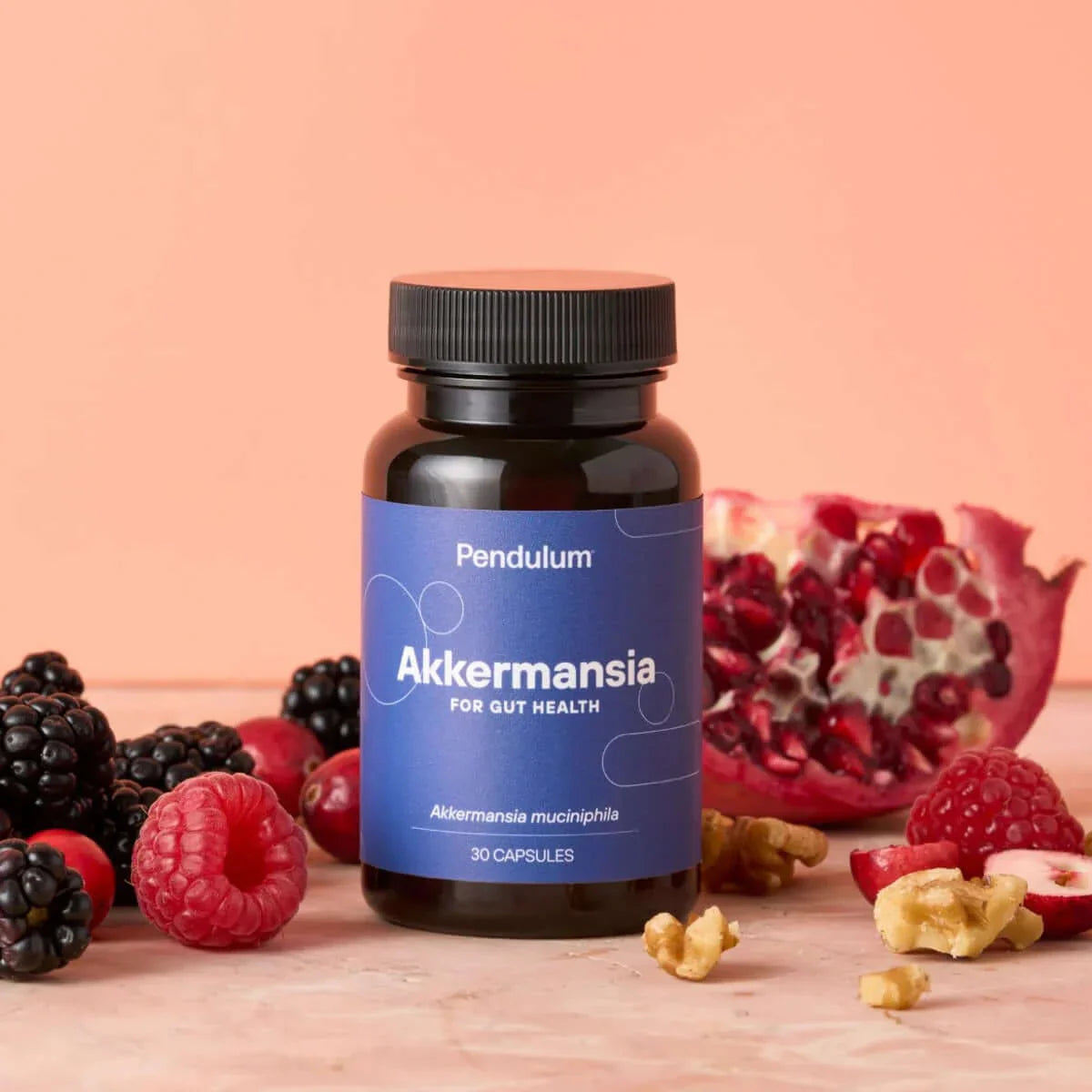
Start here: browse the full Welzo gut health range and Welzo probiotics collection, or read our related guides on gut health in the UK, prebiotics vs probiotics, the best prebiotic supplements in the UK and the best foods for gut health. Popular targeted products include Welzo Akkermansia, Citrus Pectin Powder, Ultra Purity Berberine and Ultra Purity TUDCA.
Key Takeaways
- A prebiotic is defined by the International Scientific Association for Probiotics and Prebiotics (ISAPP) as a substrate that is selectively used by host microorganisms to confer a health benefit.
- All prebiotics are fermentable, but not all fibre is prebiotic — cellulose and wheat bran add bulk without selectively feeding beneficial bacteria.
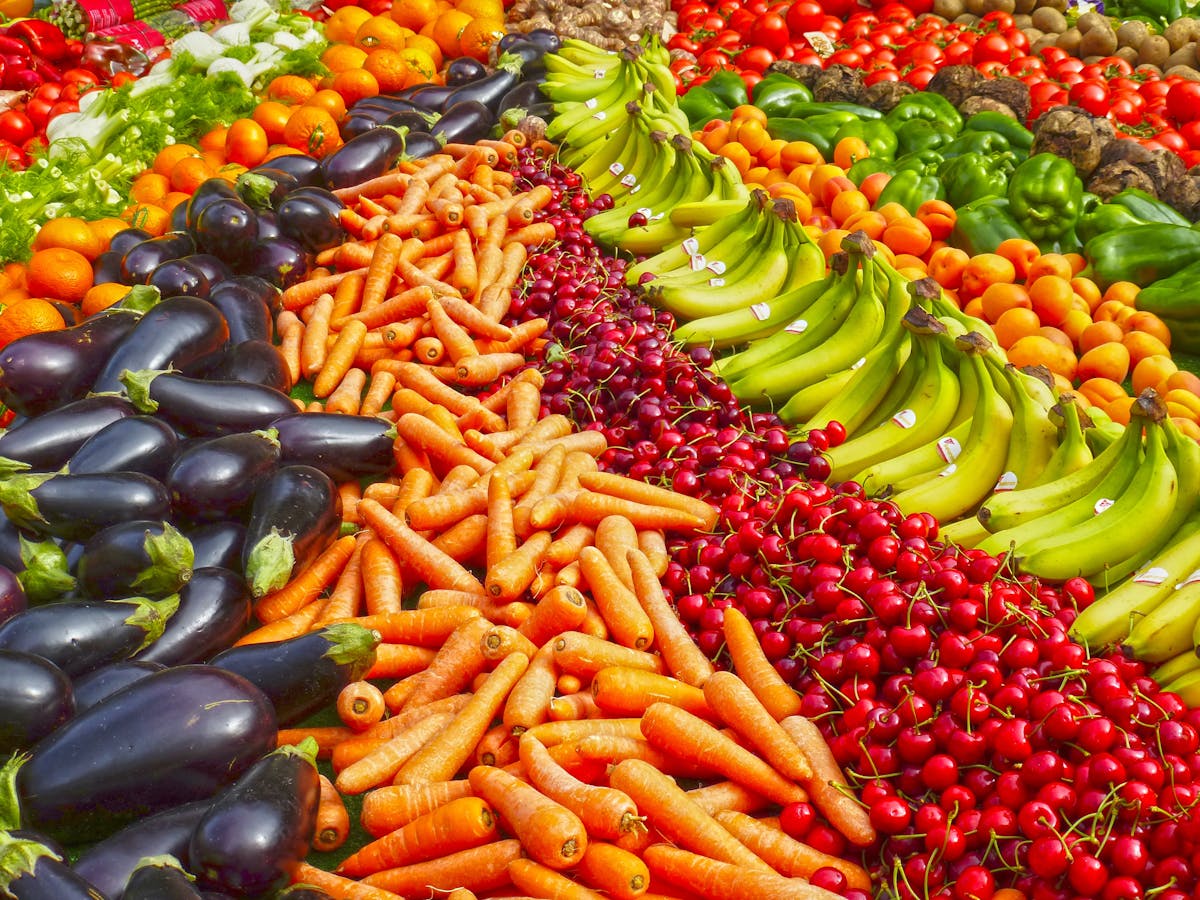
- The richest natural sources are chicory root, Jerusalem artichoke, dandelion greens, garlic, onion and leek, which are concentrated in inulin and oligofructose.
- Most human trials use 5–20 g of prebiotic fibre per day; measurable increases in Bifidobacterium have been reported across a wide dose range.
- UK adults are advised to eat 30 g of total fibre daily but average around 18–20 g, so most people have significant room to improve.
- Variety matters as much as quantity: eating 30 or more different plant foods per week is associated with greater microbial diversity.
- Increase intake gradually. Rapid jumps in fermentable fibre commonly cause wind and bloating, particularly in people with IBS.
Table of Contents
- What Are Prebiotic Foods?
- How Prebiotic Foods Feed Your Gut Bacteria
- What the Research Actually Shows
- The Best Prebiotic Foods, Ranked
- How Much Prebiotic Food Do You Need?
- A 7-Day Prebiotic Food Plan
- How to Add Prebiotic Foods Without Bloating
- Who Should Be Cautious
- Prebiotic Foods vs Prebiotic Supplements
- Common Mistakes to Avoid
- Frequently Asked Questions
- References
What Are Prebiotic Foods?
Prebiotic foods contain compounds that pass through the stomach and small intestine largely undigested, then reach the colon where resident bacteria ferment them for energy. In 2017 an expert panel convened by ISAPP updated the definition of a prebiotic to "a substrate that is selectively utilized by host microorganisms conferring a health benefit" — a wording that deliberately allows for non-carbohydrate substances and for sites beyond the gut. A follow-up expert recommendation published in 2024 reinforced that definition and set out the specific evidence needed before any compound can be classified as a prebiotic.
The word "selectively" is the important part. A substance only earns the prebiotic label if it preferentially supports microbes associated with benefit — most commonly Bifidobacterium and Lactobacillus species, and increasingly butyrate producers such as Faecalibacterium.
Prebiotics vs Probiotics vs Synbiotics vs Postbiotics
| Term | What it is | Typical food or product examples |
|---|---|---|
| Prebiotic | Food for your existing bacteria | Garlic, onion, oats, chicory root, inulin powder |
| Probiotic | Live beneficial microorganisms | Live yoghurt, kefir, probiotic capsules |
| Synbiotic | Prebiotic plus probiotic combined | Synbiotic supplements |
| Postbiotic | Beneficial compounds bacteria produce | Butyrate and other short-chain fatty acids |
If you are unsure which category you need, our detailed comparison of prebiotics versus probiotics breaks down when each one is the better starting point. Many people benefit from both, since prebiotics help colonising strains establish themselves — one reason prebiotic intake matters when taking probiotics after antibiotics.
Not All Fibre Is Prebiotic
This distinction trips people up constantly. Dietary fibre is an umbrella term covering everything from cellulose in celery strings to the beta-glucan in porridge. Insoluble fibres such as wheat bran and cellulose are valuable — they add stool bulk and speed transit — but they ferment slowly and do not selectively feed beneficial bacteria, so they are not classed as prebiotics. Conversely, some prebiotics such as human milk oligosaccharides and certain polyphenols are not conventional fibres at all.
In practice, aim for both. Our guides to high-fibre foods in the UK and how to increase fibre intake cover the bulking side; this article focuses on the fermentable, microbiome-feeding side.
The Main Types of Prebiotic Compounds
| Prebiotic type | Where you find it | Primary bacteria supported |
|---|---|---|
| Inulin and oligofructose (fructans) | Chicory root, Jerusalem artichoke, garlic, onion, leek, asparagus, wheat | Bifidobacterium |
| Galacto-oligosaccharides (GOS) | Legumes, pulses, some dairy, human breast milk | Bifidobacterium, Lactobacillus |
| Resistant starch | Cooked and cooled potato, rice and pasta, green banana, oats, pulses | Ruminococcus bromii, butyrate producers |
| Beta-glucan | Oats, barley, some mushrooms | Broad fermenters; supports SCFA output |
| Pectin | Apples, citrus peel, carrots, plums | Broad fermenters, including Akkermansia-supporting species |
| Polyphenols | Berries, cocoa, green tea, olive oil, red grapes | Akkermansia muciniphila, Bifidobacterium |
Pectin is worth singling out because it is one of the few fibres consistently linked with mucin-associated species. If that interests you, see our comparisons of modified citrus pectin versus standard pectin and Akkermansia versus conventional probiotics.
How Prebiotic Foods Feed Your Gut Bacteria
Humans lack the enzymes needed to break the bonds in fructans, GOS and resistant starch. These compounds therefore travel intact to the large intestine, where hundreds of bacterial species compete to ferment them. That fermentation produces gas — which is why prebiotics can cause wind — and, more importantly, short-chain fatty acids (SCFAs): mainly acetate, propionate and butyrate.
Butyrate is the preferred fuel source for the cells lining your colon. Adequate butyrate supply is associated with a well-maintained gut barrier function, and fermentation also lowers colonic pH, which makes the environment less hospitable to some pathogens. Over time, a consistently well-fed microbiome tends to show greater microbiome diversity, whereas chronically low fibre intake is one of the recognised contributors to gut dysbiosis.
What the Research Actually Shows
Prebiotic marketing often outpaces the evidence, so it is worth being precise about what has been demonstrated in humans.
Fibre reliably increases beneficial bacteria
A systematic review and meta-analysis published in the American Journal of Clinical Nutrition pooled 64 randomised controlled trials involving 2,099 healthy adults. Fibre intervention produced significantly higher abundance of Bifidobacterium and Lactobacillus species, and higher faecal butyrate, compared with placebo or low-fibre control. Notably, overall alpha diversity did not shift significantly in the short term — a useful reminder that diversity is built over months and years, not weeks.
Inulin-type fructans have the most human data
Inulin and oligofructose are the best-studied prebiotics. Trials have used doses ranging from roughly 5 g to 30 g per day, with bifidogenic effects reported across that range. A six-week randomised controlled trial in people with type 2 diabetes found that inulin-type fructans significantly increased bifidobacteria and raised faecal concentrations of total SCFAs, acetate and propionate, without altering overall microbial diversity.
Metabolic effects are real but modest
A GRADE-assessed systematic review and dose-response meta-analysis of 33 randomised controlled trials with 1,346 participants found that inulin-type fructan supplementation significantly reduced fasting blood glucose and glycated haemoglobin in people with prediabetes and type 2 diabetes. A separate meta-analysis of 33 trials found significant improvements in blood glucose, total cholesterol and triglycerides in diabetic participants specifically, but not in otherwise healthy groups.
The honest interpretation: prebiotic foods are a genuine, evidence-supported way to shift your microbiome, and they contribute to blood sugar regulation and cholesterol management alongside the wider benefits of a high-fibre diet. They are not a treatment for any specific disease, and effect sizes in healthy people are smaller than headlines suggest.
Diversity of plants predicts diversity of microbes
The American Gut Project analysed thousands of stool samples from citizen-science participants across the US, UK and Australia. Participants eating more than 30 different plant types per week had measurably more diverse gut microbiomes than those eating 10 or fewer — regardless of whether they identified as omnivore, vegetarian or vegan. This finding is the basis of the 30 plants a week approach and of practical strategies to increase gut bacteria diversity.
The Best Prebiotic Foods, Ranked
The table below is based on measured inulin and oligofructose content reported in the peer-reviewed literature. Figures are per 100 g of the food as described, and vary with season, variety, storage and cooking method.
| Food | Approximate inulin (g per 100 g) | Realistic UK portion |
|---|---|---|
| Chicory root (raw) | 15–42 | Rarely eaten whole; the source of most inulin powders |
| Jerusalem artichoke | 13–20 | 50–100 g roasted |
| Dandelion greens (raw) | 13–15 | A handful in salad |
| Garlic (raw) | 9–16 | 1–2 cloves (3–6 g) |
| Leek | 3–10 | Half a medium leek (~50 g) |
| Onion (raw) | 1–8 | Half a medium onion (~60 g) |
| Asparagus | 2–3 | 4–6 spears |
| Wheat bran and baked wheat flour | ~2.5 | 2 slices wholemeal bread |
| Barley | 0.5–1.5 | 60 g dry pearl barley |
| Banana | 0.3–0.7 | 1 medium banana |
An important nuance: the foods highest in prebiotic content are not necessarily the ones contributing most to your actual intake. Research analysing American dietary data found that wheat and onions supplied the majority of dietary inulin and oligofructose, simply because they are eaten by more than 90% of people on any given day. Chicory root is far more concentrated, but almost nobody eats it as a vegetable.
1. Garlic, Onions and Leeks
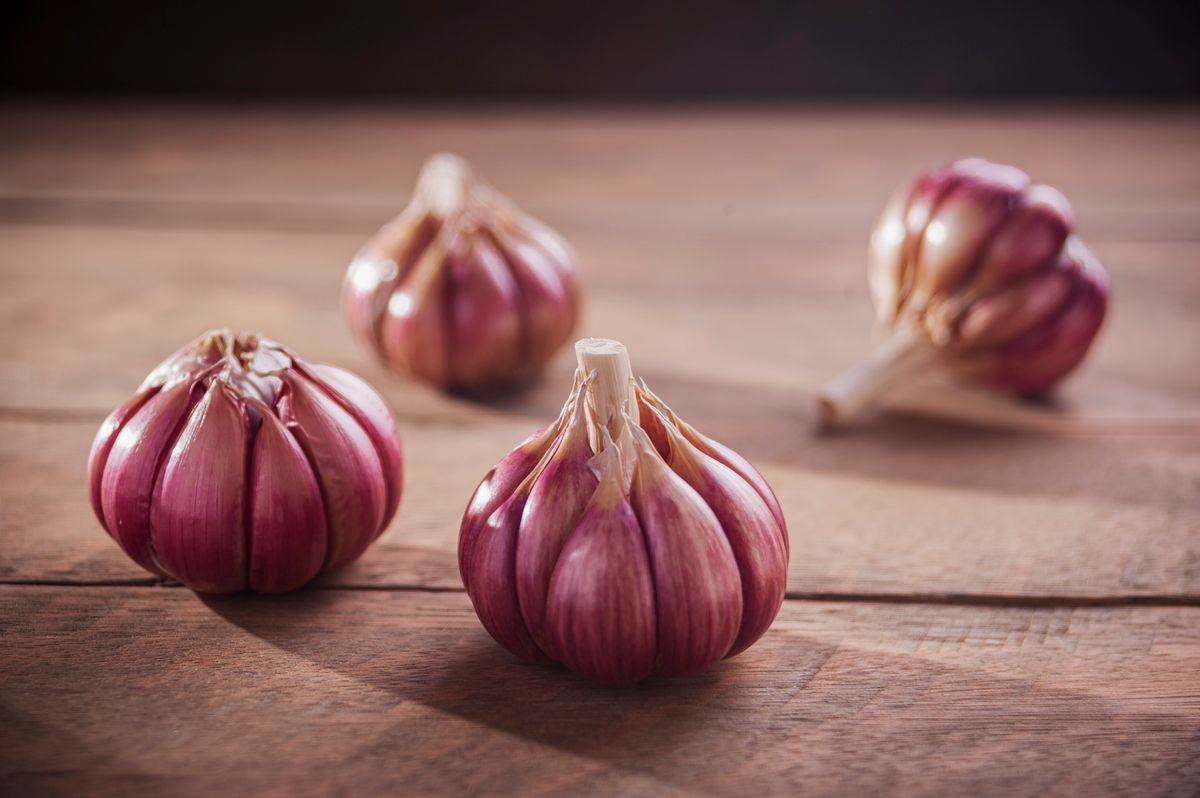
The allium family is the most practical high-yield prebiotic source in a British diet. Garlic contains roughly 9–16% inulin by fresh weight, leeks 3–10% and onions 1–8%. Because they form the base of so many meals — soups, stews, curries, roasts, sauces — they deliver prebiotic fibre without any conscious effort.
How to get the most from alliums
- Use raw or lightly cooked where palatable; prolonged high heat degrades some fructans.
- Crush garlic and leave it for a few minutes before cooking to preserve more of its sulphur compounds.
- Include the pale green parts of leeks, not just the white.
- Spring onions, shallots and chives all count towards your plant variety score.
One caveat: alliums are also the classic high-FODMAP trigger. If you have IBS, see the caution section below and our guide to foods that cause bloating.
2. Chicory Root and Jerusalem Artichoke
Chicory root is the most concentrated natural source of inulin identified in food composition research, containing around 42 g of inulin and 23 g of oligofructose per 100 g. It is the raw material for most commercial inulin powders and is what you are consuming when a cereal bar or "high-fibre" yoghurt lists chicory root fibre.
Jerusalem artichokes — knobbly tubers, unrelated to globe artichokes — are the most realistic whole-food route to a high inulin dose. They roast well but have a well-earned reputation for producing wind, so start with a small portion.
3. Oats, Barley and Wholegrains
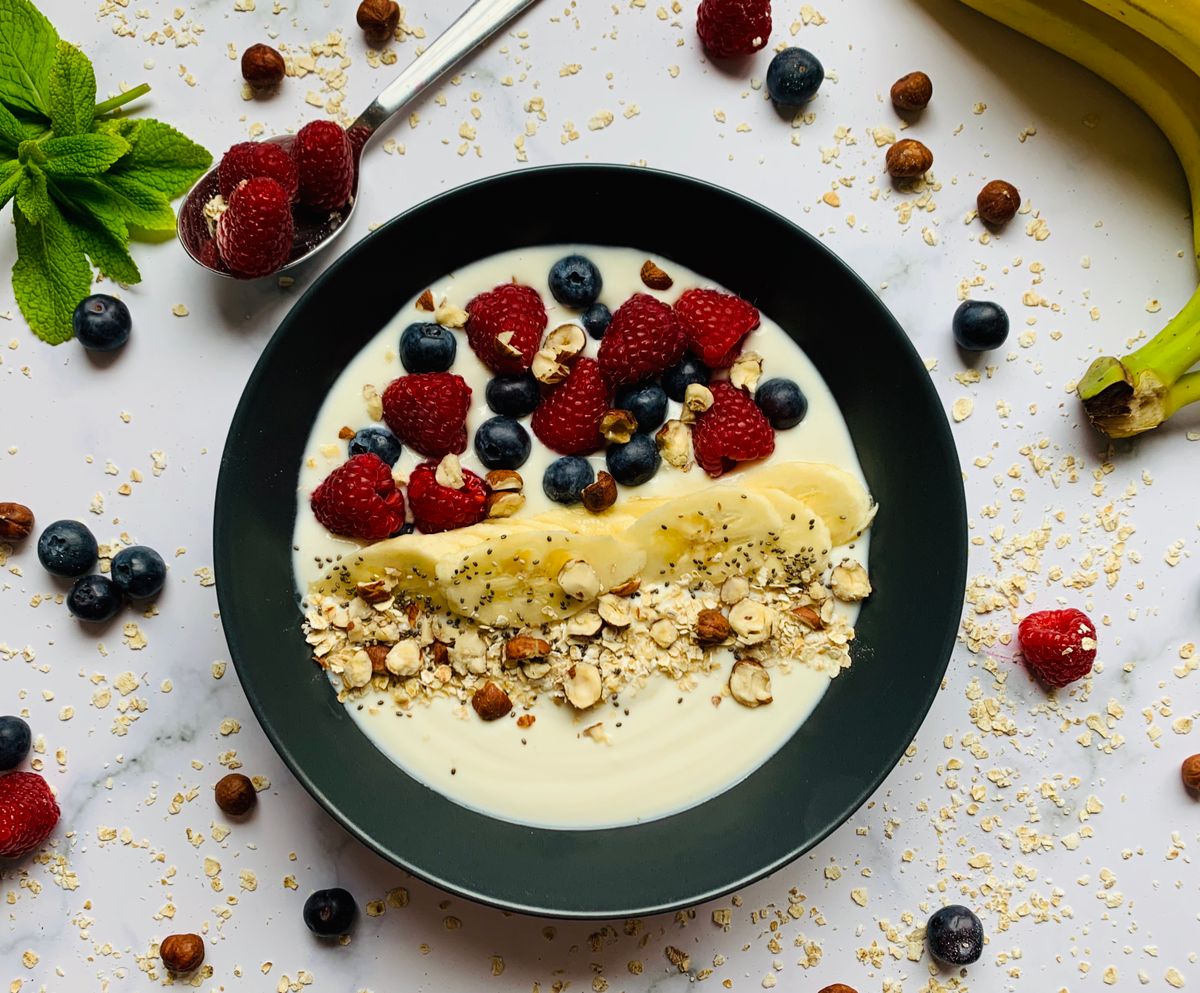
Oats supply beta-glucan, a viscous soluble fibre, plus a useful amount of resistant starch. Barley is richer in beta-glucan still. Rye contains fructans. Because wholegrains are eaten in large portions relative to garlic or chicory, they are one of the biggest real-world contributors to fermentable fibre intake in the UK.
Practical wholegrain swaps
- Porridge or overnight oats instead of refined cereal at breakfast.
- Pearl barley in soups and stews in place of white rice.
- Wholemeal or seeded bread rather than white.
- Rye crispbreads as a base for lunchtime toppings.
4. Bananas — Especially Slightly Green Ones
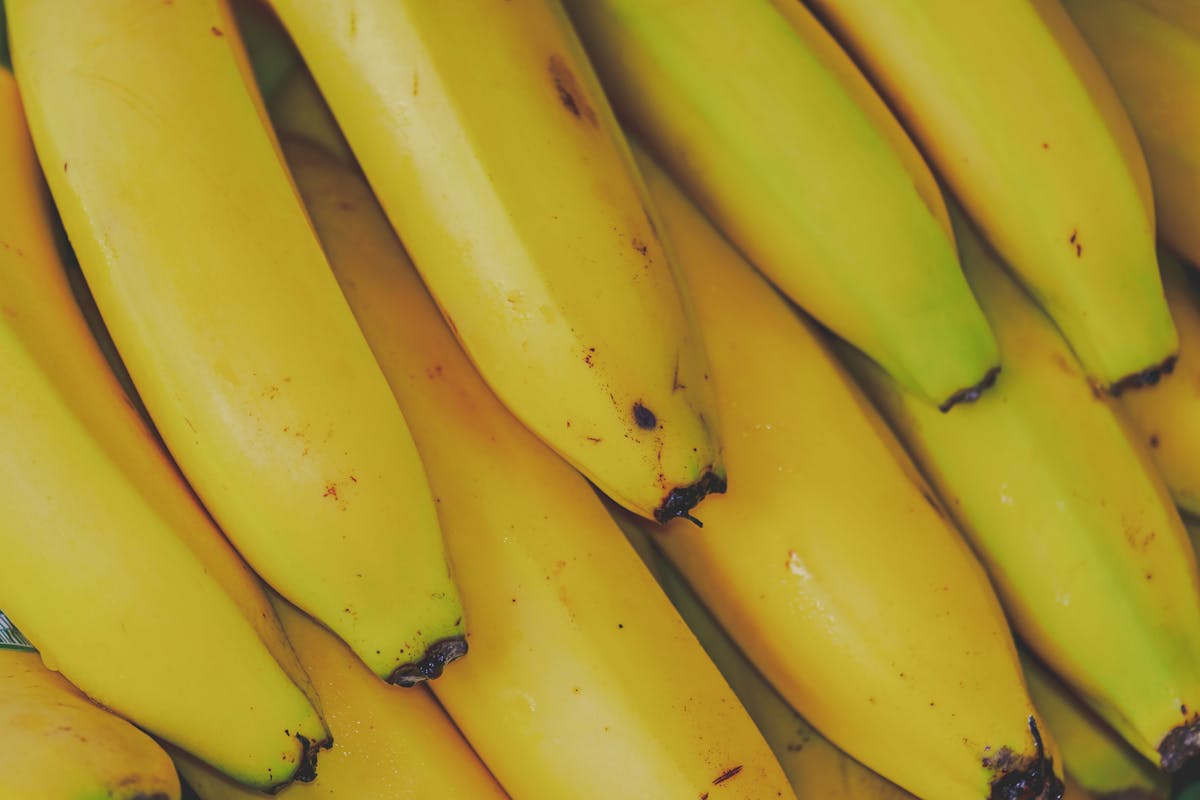
Bananas contain about 0.5 g each of inulin and oligofructose per 100 g. Their bigger contribution is resistant starch, which is highest when the fruit is still slightly green and declines as the banana ripens and starch converts to sugar. Slightly underripe bananas are a simple way to add fermentable substrate to a smoothie or porridge bowl.
5. Legumes, Pulses and Beans
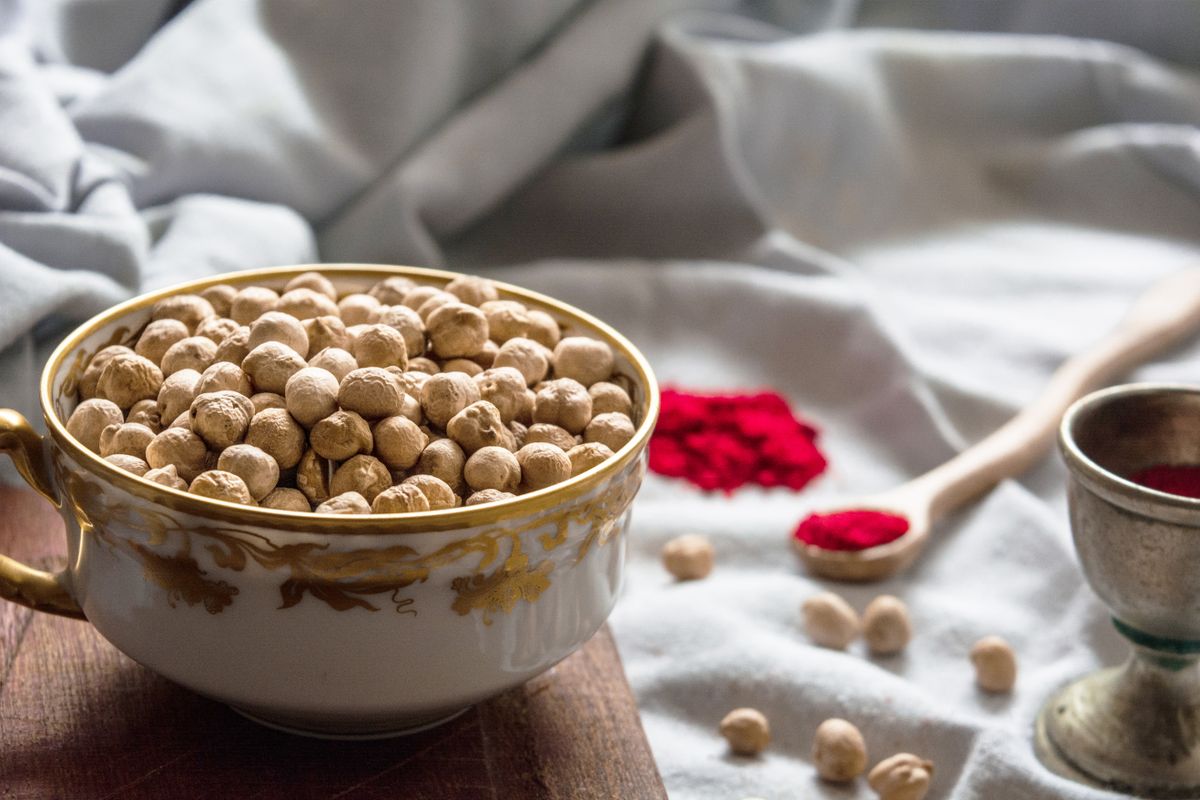
Chickpeas, lentils, kidney beans, baked beans, butter beans and edamame supply galacto-oligosaccharides alongside resistant starch and substantial total fibre. Nutrition researchers analysing prebiotic density across thousands of foods have consistently highlighted legumes as a high-value everyday category, and one serving per day is a standard component of high-prebiotic dietary patterns used in research.
Getting started with pulses
- Begin with two tablespoons added to an existing meal rather than a full portion.
- Rinse tinned pulses thoroughly, which removes some of the oligosaccharides.
- Tinned and frozen count exactly the same as dried for fibre purposes.
6. Cooked and Cooled Starches
Cooking then chilling potatoes, rice and pasta causes starch retrogradation, converting a proportion of digestible starch into resistant starch. Reheating does not fully reverse this. Potato salad, cold rice salads and cooled pasta salads are therefore genuinely more prebiotic than the same foods eaten hot and fresh.
Food safety note: cooked rice should be cooled quickly, refrigerated within one hour, kept no longer than 24 hours and reheated only once, because of the risk of Bacillus cereus.
7. Apples, Berries and Pectin-Rich Fruit
Apples, pears, citrus, plums and carrots are pectin sources. Berries add polyphenols on top of their fibre. Because polyphenol-rich foods are now recognised within the broader prebiotic concept, a diet built around prebiotic foods should include deeply coloured fruit and vegetables, cocoa, green tea and extra virgin olive oil, not just fibre-dense staples.
8. Nuts, Seeds and Flaxseed
Almonds, pistachios, walnuts, flaxseed and chia contribute fermentable fibre plus polyphenols. Ground flaxseed is particularly convenient — a tablespoon stirred into porridge or yoghurt adds both soluble fibre and lignans. Nuts also count generously towards your weekly plant total, since each variety is a separate plant.
9. Asparagus, Globe Artichoke and Chicory Leaves
Asparagus supplies around 2–3 g inulin per 100 g. Globe artichoke hearts, radicchio, endive and dandelion greens all belong to the chicory or thistle families and carry fructans. These are seasonal rather than staple foods, but they push your variety score upward.
10. Fermented Foods (An Honourable Mention)
Kefir, live yoghurt, sauerkraut, kimchi and miso are technically probiotic rather than prebiotic — they supply live microbes rather than food for them. However, the vegetables they are made from still carry fibre, and combining the two categories is a sensible strategy. See our guides to fermented foods in the UK and kefir benefits.
How Much Prebiotic Food Do You Need Each Day?
There is no official UK recommended intake for prebiotics specifically, as there is for total fibre. Government guidance sets total dietary fibre at 30 g per day for adults, and the NHS notes that most adults eat only around 20 g. The British Dietetic Association puts the average adult figure at 18 g — around 60% of the target — and UK survey analysis suggests only a small minority of adults reach 30 g at all.
| Group | Total fibre target per day |
|---|---|
| Adults (19+) | 30 g |
| Children 16–18 | 30 g |
| Children 11–15 | 25 g |
| Children 5–10 | 20 g |
| Children 2–4 | 15 g |
Within that total, clinical guidance from paediatric gastroenterology services suggests aiming for at least 5 g per day specifically from prebiotic fibre. Most intervention trials showing microbiome shifts have used 5–20 g per day of isolated prebiotic. That is achievable from food: two garlic cloves, half an onion, a serving of pulses, a banana and a bowl of porridge will get most people close.
A simple daily framework
- Every day: one allium (garlic, onion, leek), one wholegrain serving, one legume serving, one to two fruits.
- Every week: 30 or more different plant foods, counting herbs, spices, nuts, seeds and grains.
- Fluid: increase water alongside fibre, or you may worsen rather than relieve constipation.
A 7-Day Prebiotic Food Plan

This is an illustrative template for a healthy adult with no diagnosed digestive condition, designed to build intake gradually across the week rather than all at once.
| Day | Breakfast | Main meal focus | Prebiotic highlight |
|---|---|---|---|
| Monday | Porridge with slightly green banana | Chicken and leek soup | Beta-glucan, resistant starch, leek fructans |
| Tuesday | Wholemeal toast with nut butter | Lentil dahl with garlic and onion | GOS, inulin |
| Wednesday | Live yoghurt, berries, ground flaxseed | Cold potato salad with herbs | Polyphenols, retrograded resistant starch |
| Thursday | Overnight oats with apple and cinnamon | Chickpea and roasted vegetable traybake | Pectin, GOS |
| Friday | Rye crispbread with avocado | Barley and mushroom risotto | Beta-glucan, rye fructans |
| Saturday | Kefir smoothie with green banana | Roast Jerusalem artichoke and asparagus | Concentrated inulin |
| Sunday | Eggs with wilted greens and spring onion | Mixed bean chilli | GOS, resistant starch, polyphenols |
If you want a more structured reset, our gut reset protocol sets out a phased approach, and our lists of high-fibre foods and best foods for gut health can be used as a shopping reference.
How to Add Prebiotic Foods Without Bloating
Gas is a normal by-product of fermentation, not a sign of harm. But going from 15 g to 35 g of fibre overnight will make most people uncomfortable.
Increase in increments
Add roughly 3–5 g of extra fibre per week and hold at that level until symptoms settle before increasing again. Reaching 30 g may take six to eight weeks, and that is fine.
Spread intake across the day
Three moderate fibre servings are better tolerated than one enormous one. A single large bean-heavy meal is a common cause of an unpleasant evening.
Drink more water
Fermentable and bulking fibres both need fluid to work properly. Without it, added fibre can make stools harder rather than easier to pass.
Cook, soak, rinse and chill
Soaking dried pulses and discarding the water, rinsing tinned pulses, and cooking vegetables thoroughly all reduce the immediate fermentable load while keeping most of the benefit.
Move after meals
A ten-minute walk supports transit and helps disperse gas. Persistent trapped wind has its own practical solutions — see our guide to trapped wind relief.
Know what normal adaptation looks like
Mild extra wind for one to two weeks that then settles is expected adaptation. Severe pain, sudden change in bowel habit, or symptoms that escalate rather than settle are not, and warrant medical assessment. Our guide on when to see a GP about stomach symptoms covers the red flags. Tracking stool form with the Bristol stool chart is a simple way to monitor progress objectively.
Who Should Be Cautious With Prebiotic Foods
Prebiotic foods are safe and beneficial for the majority of people, but there are specific groups who should take a more measured approach. This section is general information only and does not replace advice from your GP, gastroenterologist or a registered dietitian.
Irritable bowel syndrome
Fructans found in onion, garlic, wheat and rye are among the FODMAP subgroups most commonly implicated in IBS symptoms. Monash University, which developed the low FODMAP diet, notes that these fructans are water-soluble, meaning that simmering onion or garlic in a stock and removing the solids does not remove the FODMAPs — though garlic-infused oil does work, because fructans are not oil-soluble.
The low FODMAP diet is an elimination and reintroduction protocol, not a permanent way of eating. Fructans should be systematically challenged during reintroduction so that you are not needlessly restricting prebiotic foods long term. See our guides to the low FODMAP diet in the UK, the FODMAP food list, FODMAP reintroduction and IBS types. Ideally this is done with dietetic supervision.
SIBO and suspected bacterial overgrowth
If bacteria are overgrown in the small intestine, fermentable substrates can be broken down too high up the digestive tract, producing rapid bloating after eating. Prebiotics are usually introduced after treatment rather than during active symptoms. Our overview of SIBO in the UK explains testing and management options.
Inflammatory bowel disease
People with Crohn's disease or ulcerative colitis often tolerate fibre well in remission but need modified intake during flares or with strictures. Individual guidance is essential — see our Crohn's diet guide and ulcerative colitis diet guide.
Other situations warranting care
- Histamine intolerance: fermented foods may aggravate symptoms — see histamine intolerance.
- Severely immunocompromised individuals: discuss any live culture products with your clinical team.
- Recent bowel surgery or known strictures: follow the fibre advice given by your surgical team.
- Persistent constipation: fermentable fibre alone may not be enough — see constipation relief and magnesium for constipation.
Seek medical advice promptly if you experience unexplained weight loss, rectal bleeding, persistent change in bowel habit lasting more than three weeks, difficulty swallowing, persistent vomiting, or a new abdominal mass. These symptoms require assessment regardless of diet.
Prebiotic Foods vs Prebiotic Supplements
Food first is the sensible default. Whole foods deliver a mixture of fibre types, polyphenols, vitamins and minerals in a matrix that isolated powders cannot replicate, and the plant variety itself appears to matter.
Supplements have a legitimate role in three situations: when a specific studied dose is wanted, when appetite or medical circumstances limit food intake, or when a particular fibre type is being targeted. Isolated inulin, partially hydrolysed guar gum, psyllium and GOS all have human data behind them, though they differ substantially in tolerability. Our comparison of psyllium versus inulin explains which suits which symptom pattern, and our roundup of the best prebiotic supplements in the UK covers formats and dosing.
If you are targeting specific strains or pathways, the Welzo probiotics range, Welzo Akkermansia and Citrus Pectin Powder are commonly used alongside a prebiotic-rich diet. Those interested in metabolic and bile-related support sometimes add Ultra Purity Berberine or Ultra Purity TUDCA, but both interact with medications and should be discussed with a healthcare professional first. Supplements complement a diet built on prebiotic foods; they do not replace it.
Common Mistakes to Avoid
- Going from zero to 30 g of fibre in a weekend. Almost guaranteed to cause bloating and to put you off entirely.
- Eating the same five "healthy" foods repeatedly. Diversity of plants, not volume of one plant, drives microbial diversity.
- Taking probiotics while eating almost no fibre. Live cultures still need substrate. Our guide on whether probiotics work covers this in detail.
- Staying on a low FODMAP elimination phase indefinitely. Prolonged restriction can reduce the fermentable substrate your microbiome depends on.
- Ignoring hydration. More fibre without more fluid can make constipation worse.
- Judging progress in days. Microbiome changes in trials are typically measured over four to twelve weeks.
- Assuming "high fibre" on a label means prebiotic. Check whether the fibre listed is inulin, chicory root fibre, GOS or resistant starch, versus purely bulking fibre.
Frequently Asked Questions About Prebiotic Foods
What are the top 10 prebiotic foods?
The ten most useful prebiotic foods for most people are garlic, onion, leek, Jerusalem artichoke, asparagus, oats, barley, slightly green bananas, legumes such as chickpeas and lentils, and cooked-then-cooled potatoes or rice. Chicory root is the most concentrated source of all but is rarely eaten as a vegetable; it is usually consumed as added inulin fibre in foods and supplements.
What is the difference between prebiotics and probiotics?
Probiotics are live microorganisms that add bacteria to your gut. Prebiotics are non-living substrates that feed the bacteria already present. Probiotics come mainly from fermented foods and supplements; prebiotics come mainly from plant fibres such as inulin, GOS and resistant starch. Taken together they are called synbiotics.
How quickly do prebiotic foods work?
Bacterial populations begin responding within days, and measurable increases in Bifidobacterium have been reported in trials lasting two weeks. Symptom changes such as improved regularity often appear within one to two weeks, while more substantial shifts in microbiome composition are generally assessed over four to twelve weeks. Meaningful gains in overall diversity take considerably longer.
Can prebiotic foods cause bloating and gas?
Yes, and this is expected. Fermentation of prebiotic fibre produces gas as a normal by-product. Mild wind that settles within one to two weeks reflects adaptation. Increasing intake gradually, spreading it across meals and drinking more water all reduce symptoms. Severe or worsening pain is not normal adaptation and should be assessed.
Are prebiotic foods safe if I have IBS?
Many are, but fructan-rich foods such as onion, garlic, wheat and rye are common IBS triggers. A structured low FODMAP approach with a registered dietitian identifies your personal thresholds. Importantly, fructans should be reintroduced and tested rather than avoided permanently, since prebiotic fibre benefits the microbiome long term.
How much prebiotic fibre should I eat per day?
There is no official UK prebiotic-specific recommendation. Total fibre guidance is 30 g per day for adults. Clinical sources commonly suggest at least 5 g per day should come from prebiotic fibre specifically, and most intervention studies use 5–20 g per day of isolated prebiotic. Build up slowly to whatever level you tolerate comfortably.
Does cooking destroy prebiotics?
Partly. Inulin and fructans degrade with prolonged high heat, so raw or lightly cooked alliums retain more. However, cooling cooked starches increases resistant starch, so cooking can also create prebiotic substrate. A mix of raw and cooked plant foods gives the broadest range.
Are prebiotic supplements as good as prebiotic foods?
Supplements deliver a precise, studied dose and are useful when food intake is limited or a specific fibre is being targeted. Whole foods provide multiple fibre types plus polyphenols and micronutrients, and support the plant diversity linked with microbial diversity. Food first, supplement to fill gaps, is the pragmatic approach for most people.
Do bananas count as a prebiotic food?
Yes. Bananas contain roughly 0.5 g each of inulin and oligofructose per 100 g, plus resistant starch that is highest when the fruit is slightly green and decreases as it ripens. They are a modest but very convenient daily source, particularly in porridge or smoothies.
Can I take prebiotics and probiotics at the same time?
Yes. Combining them is the basis of synbiotic products, and providing substrate alongside live cultures is a logical strategy. Introduce one change at a time so you can identify what is helping, and increase prebiotic intake gradually to limit gas. If you are immunocompromised or have a serious underlying condition, speak to your clinician first.
References
- Gibson GR, Hutkins R, Sanders ME, et al. Expert consensus document: The International Scientific Association for Probiotics and Prebiotics (ISAPP) consensus statement on the definition and scope of prebiotics. Nature Reviews Gastroenterology & Hepatology. 2017;14(8):491–502. https://www.nature.com/articles/nrgastro.2017.75
- International Scientific Association for Probiotics and Prebiotics. Prebiotic definition updated by ISAPP. https://isappscience.org/prebiotic-definition-updated-isapp/
- International Scientific Association for Probiotics and Prebiotics. ISAPP elaborates criteria for prebiotics (2024 expert recommendation). https://isappscience.org/isapp-elaborates-criteria-for-prebiotics/
- Moshfegh AJ, Friday JE, Goldman JP, Ahuja JK. Presence of inulin and oligofructose in the diets of Americans. The Journal of Nutrition. 1999;129(7):1407S–1411S. https://www.sciencedirect.com/science/article/pii/S0022316623021065
- So D, Whelan K, Rossi M, et al. Dietary fiber intervention on gut microbiota composition in healthy adults: a systematic review and meta-analysis. The American Journal of Clinical Nutrition. 2018;107(6):965–983. https://www.sciencedirect.com/science/article/pii/S0002916522028726
- McDonald D, Hyde E, Debelius JW, et al. American Gut: an open platform for citizen science microbiome research. mSystems. 2018;3(3):e00031-18. https://msystems.asm.org/content/3/3/e00031-18
- University of California San Diego. What's in Your Gut? Findings from the American Gut Project. https://today.ucsd.edu/story/whats-in-your-gut
- NHS. How to get more fibre into your diet. https://www.nhs.uk/live-well/eat-well/digestive-health/how-to-get-more-fibre-into-your-diet/
- British Dietetic Association. Fibre Food Fact Sheet. https://www.bda.uk.com/resource/fibre.html
- British Nutrition Foundation. Fibre. https://www.nutrition.org.uk/nutritional-information/fibre/
- The Food Foundation. UK still failing to meet basic dietary guidelines (National Diet and Nutrition Survey analysis). https://foodfoundation.org.uk/news/uk-still-failing-meet-basic-dietary-guidelines
- Monash University FODMAP. All about onion, garlic and infused oils on the low FODMAP diet. https://www.monashfodmap.com/blog/all-about-onion-garlic-and-infused-oils-on-the-low-fodmap-diet/
- Monash University FODMAP. Fructans and FODMAP reintroduction. https://www.monashfodmap.com/blog/fructans-fodmap-reintroduction/
- Wang L, Yang H, Huang H, et al. Inulin-type fructans supplementation improves glycemic control for the prediabetes and type 2 diabetes populations: a GRADE-assessed systematic review and dose–response meta-analysis of 33 randomized controlled trials. Journal of Translational Medicine. 2019;17:410. https://link.springer.com/article/10.1186/s12967-019-02159-0
- Birkeland E, Gharagozlian S, Birkeland KI, et al. Prebiotic effect of inulin-type fructans on faecal microbiota and short-chain fatty acids in type 2 diabetes: a randomised controlled trial. European Journal of Nutrition. 2020;59:3325–3338. https://www.ncbi.nlm.nih.gov/pmc/articles/PMC7501097/
- Le Bastard Q, et al. The prebiotic potential of inulin-type fructans: a systematic review. Advances in Nutrition. 2022. https://advances.nutrition.org/article/S2161-8313(22)00074-6/fulltext
- American Society for Nutrition. Scientists name top five foods rich in prebiotics. https://nutrition.org/scientists-name-top-five-foods-rich-in-prebiotics/
- Children's Hospital of Philadelphia. Food as Medicine: Prebiotic Foods. https://www.chop.edu/health-resources/food-medicine-prebiotic-foods
About the Author
Dr Zeeshan Afzal is a Medical Doctor and Health Content Reviewer at Welzo. He writes and reviews Welzo's digestive health content to ensure it reflects current clinical guidance and peer-reviewed evidence.
Medical Disclaimer
This article is for general information only and does not constitute medical advice, diagnosis or treatment. It should not be used as a substitute for consultation with your GP, gastroenterologist, pharmacist or registered dietitian. Do not delay seeking medical advice because of something you have read here. If you have a diagnosed digestive condition, take prescription medication, are pregnant or breastfeeding, or are immunocompromised, speak to a qualified healthcare professional before making significant dietary changes or starting any supplement. If you experience unexplained weight loss, rectal bleeding, persistent change in bowel habit, difficulty swallowing or severe abdominal pain, contact your GP promptly or call NHS 111.


 Hodnoceno výborně o 28,951+ recenzí
 100% záruka vrácení peněz