




Longevity Supplements for Shift Workers


Související produkty


Medically reviewed by Dr Zeeshan Afzal (MBBS, General Practitioner) — Medical Content Reviewer, Welzo.
Written by: The Welzo Longevity Editorial Team | Last updated: July 2026
Evidence standard: Every dose, claim and statistic below is referenced to a named clinical trial, systematic review, or a UK or international public health body, with full sources at the end. You can read how we research and fact-check our content in the Welzo editorial policy.
Roughly one in eight UK workers does shifts, and the health arithmetic is not favourable. Shift work supplements cannot reset a body clock, but they can close the nutritional gaps night work creates — starting with vitamin D, the clearest and best-evidenced of them — and support alertness and sleep at the margins. Our longevity supplements guide sets out the wider evidence hierarchy.
Quick answer: vitamin D is the clearest gap; magnesium and sleep and relaxation supplements help post-shift sleep; melatonin is prescription-only in the UK. NAD⁺ precursors come later — see NMN benefits, side effects and dosage, the NMN supplements range, NMN Pro 1000, and anti-ageing and longevity supplements.
The context for all of this is serious. In 2019 an International Agency for Research on Cancer working group classified night shift work as probably carcinogenic to humans — Group 2A — on the basis of sufficient evidence of cancer and strong mechanistic evidence in experimental animals, alongside limited evidence from human epidemiological studies [1,2].
That cuts both ways. It means the stakes are real. It also means nobody should sell you a capsule as a solution to circadian misalignment, because your central clock is entrained by light rather than by nutrients. This guide sets out what the evidence supports for each option, what the UK legal position on melatonin actually is, and which non-supplement levers matter more than anything you can buy.

Table of contents
- What shift work actually does to the body
- The nutrient gaps shift patterns create
- Staying alert on shift: what the evidence supports
- Sleeping after the shift — and the melatonin question
- NAD⁺ and shift work: what's known and what isn't
- The non-supplement levers that matter more
- A practical protocol by shift type
- Test, don't guess: what shift workers should measure
- Quality and safety
- When to speak to a doctor or occupational health
- Frequently asked questions
- References
What shift work actually does to the body
The IARC classification, in context
The IARC working group defined night shift work as work occurring during the regular sleeping hours of the general population, including transmeridian air travel, and concluded it was probably carcinogenic to humans (Group 2A) [1]. The evidence suggested links with breast, prostate and colorectal cancer, with the animal evidence described as conclusive and the human mechanisms not yet fully established [2].
Group 2A is a hazard classification, not a measure of personal risk, and it does not mean any individual shift worker will develop cancer. What it does mean is that circadian disruption is a serious biological exposure rather than an inconvenience — which is a reasonable argument for taking the modifiable parts of your routine seriously.
Three mechanisms, and what supplements can touch
What supplements can plausibly address
- Reduced daylight exposure, which lowers vitamin D synthesis — a genuine, measurable, correctable gap.
- Degraded diet quality, since night work means canteens are shut, meals get skipped and convenience food fills the gap.
- Acute sleepiness on shift, where caffeine has a real if modest evidence base.
- Difficulty sleeping after a night shift, where the options are more limited than commonly advertised.
What they cannot address
Circadian misalignment itself. Your central clock is entrained primarily by light, not by nutrients. No capsule shifts the phase of your circadian rhythm in the way that a properly timed light exposure or dark period does. Any product marketed as "resetting your body clock" is overstating what it can do.
Key takeaway: Supplements are a supporting act for shift workers, not the intervention. Vitamin D is the clearest and best-evidenced gap. Caffeine timing and light management will do more for how you feel than anything else discussed here.
The nutrient gaps shift patterns create
Vitamin D — the clearest gap of all
If you sleep during daylight and work through darkness, your sun exposure falls dramatically. This is not theoretical: a systematic review and meta-analysis of 13 cross-sectional studies found significantly lower serum 25-hydroxyvitamin D in shift workers compared with non-shift workers (mean difference −1.85 ng/mL, 95% CI −2.49 to −1.21), with the authors recommending that monitoring of vitamin D levels and prompt correction of deficiencies be considered in the health surveillance of this group [3].
The authors also noted high heterogeneity between studies (I² = 89%) and that much of the data came from Korean populations, so the effect size should be read cautiously. The direction of the finding, however, is exactly what you would predict from the exposure.
Dose
The NHS advises everyone in the UK aged four and over to consider a daily supplement containing 10 micrograms (400 IU) of vitamin D during autumn and winter, and notes that people who get little or no sun exposure should consider taking it throughout the year [4]. For night workers, that year-round advice applies squarely. The British Heart Foundation states the same 10 µg position [5].
NHS prescribing guidance notes doses up to 25 µg (1,000 IU) daily are acceptable as an over-the-counter supplement for adults. Take it with a meal containing fat. See the Welzo vitamin D collection, and taking supplements on an empty stomach.
Safety limit: do not exceed 100 µg (4,000 IU) daily without medical supervision and a blood test.
Diet quality and the micronutrients that go with it
Shift work degrades diet quality through a mechanism nobody argues with: at 3am the canteen is closed and the vending machine is not. Analysis of the UK National Diet and Nutrition Survey covering 3,238 British adults in mid-life found 19% of adults in their twenties with magnesium intakes below the Lower Reference Nutrient Intake, 50.3% of women and 25.8% of men below the LRNI for selenium, and around a quarter of women below the LRNI for iron and potassium [6]. Shift patterns push in the wrong direction on all of these.
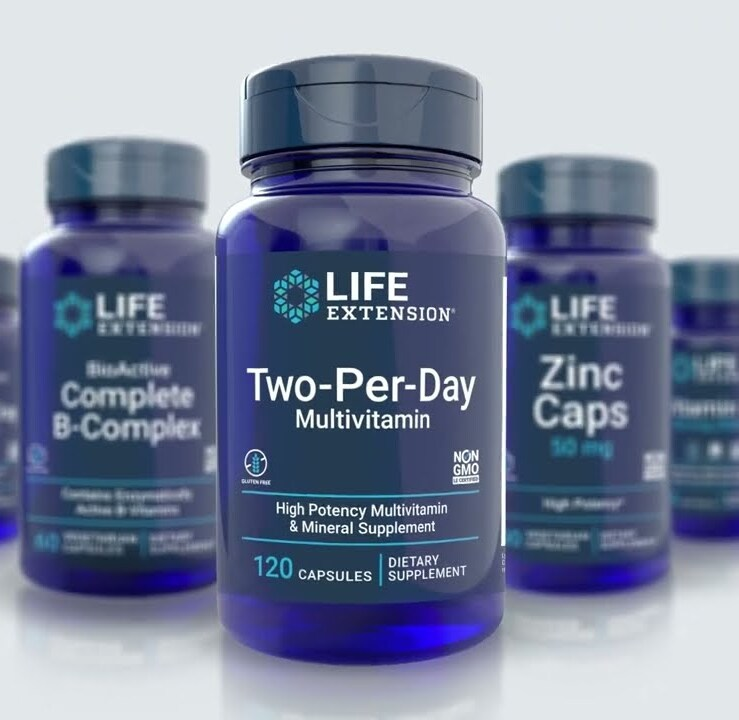
A well-formulated multivitamin is a defensible insurance policy for someone whose eating pattern is genuinely chaotic — one of the few contexts where we would say that. It is not a substitute for eating properly on your days off.
Magnesium

A randomised, double-blind, placebo-controlled trial of 155 adults aged 18–65 with self-reported poor sleep gave 250 mg elemental magnesium as bisglycinate daily. At week four the magnesium group showed a significantly greater reduction in Insomnia Severity Index scores than placebo (−3.9 versus −2.3; p = 0.049) — though the authors were explicit that the effect size was small (Cohen's d = 0.2) and described the benefit as modest, with larger improvements suggested in those with lower baseline dietary magnesium intake [7].
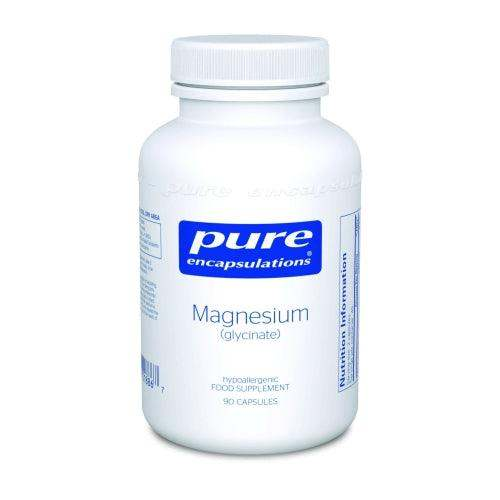
Read that honestly: it is a small effect in people sleeping in normal conditions. It is worth trying, at 200–300 mg elemental before your main sleep period, but it will not overcome trying to sleep at 9am in a bright bedroom. Form comparison in magnesium threonate vs glycinate.
Omega-3
The European Food Safety Authority considers 250 mg combined EPA and DHA daily adequate for cardiovascular maintenance in adults, with supplemental intakes up to 5 g/day not raising safety concerns [8]. A review in Nutrition Research Reviews found 250 mg/day to be the most frequently recommended adult intake internationally, median 313 mg/day [9]. Given that shift work is associated with adverse cardiometabolic profiles, keeping this baseline covered is sensible. See the Welzo omega-3 collection; algal versions for plant-based diets are in vegan and plant-based supplements.
The shift worker gap chart
| Nutrient | Why shift work affects it | Typical daily target | Shop at Welzo |
|---|---|---|---|
| Vitamin D | Sleeping through daylight; measurably lower 25-OH-D [3] | 10–25 µg (400–1,000 IU), year-round [4] | Vitamin D |
| Magnesium | Diet quality plus disrupted sleep | 200–300 mg elemental before sleep [7] | Magnesium |
| Omega-3 | Low oily fish intake; cardiometabolic load | 250–1,000 mg combined EPA+DHA [8,9] | Omega-3 |
| Broad micronutrients | Skipped meals, night-time convenience food [6] | Multivitamin as insurance, not replacement | Multivitamins |
| Creatine | Cognitive load under sleep restriction | 3–5 g monohydrate daily [10,11,12] | Creatine |
Staying alert on shift: what the evidence supports
Caffeine — and why timing matters more than dose
Caffeine is the most effective legal alertness tool available to shift workers, and the Cochrane review of pharmacological interventions for shift work found that caffeine plus naps reduced sleepiness during the night shift, though it rated the quality of that evidence as low [13].
The timing rule for night workers
Caffeine has a half-life of roughly five to six hours, meaning a meaningful fraction is still circulating long after you stop noticing it. The practical rule is to front-load: take caffeine in the first half of your shift and stop at least six hours before you intend to sleep. A coffee at 5am before a 7am finish is the single most common self-inflicted cause of poor day sleep among night workers.
Combining caffeine with a short nap — the "caffeine nap", where you drink coffee then sleep for 15–20 minutes before the caffeine takes effect — is the protocol used in the trial evidence. See the Welzo caffeine collection and energy and vitality range.
L-theanine with caffeine
This pairing has genuine controlled-trial data in exactly the relevant population. A double-blind, placebo-controlled crossover trial in the British Journal of Nutrition gave 37 overnight sleep-deprived healthy adults aged 22–30 either 200 mg L-theanine with 160 mg caffeine or placebo, and measured selective attention using reaction time and 32-channel EEG event-related potentials during a visual discrimination task [14].
The realistic claim is not that L-theanine adds alertness — it is that it smooths the jittery, anxious edge of a high caffeine dose, which matters when you are relying on caffeine several nights a week. Typical use is 100–200 mg alongside your caffeine.
Creatine — the most overlooked option for shift workers
Creatine is filed under sports nutrition, which is why almost no shift worker takes it. The relevant evidence is specifically about cognition under sleep deprivation.
A 2024 study in Scientific Reports administered a single high dose of creatine monohydrate (0.35 g/kg) to subjects undergoing approximately 21 hours of sleep deprivation, with brain imaging and cognitive testing at baseline and at 3, 5.5 and 7.5 hours. The creatine condition produced measurable changes in cerebral high-energy phosphates alongside improvements in cognitive performance and processing speed compared with placebo, with the maximum effect around four hours after dosing [10]. A separate systematic review and meta-analysis in Frontiers in Nutrition examined creatine and cognitive function across adult populations [11].
Two honest caveats. That single-dose study used a very large one-off dose under experimental conditions and is not a protocol to copy. And the International Society of Sports Nutrition position stand, while describing creatine monohydrate as the most extensively studied and clinically effective form and long-term use as safe and well tolerated in healthy individuals, frames its primary benefits around exercise performance [12]. The practical approach is routine daily use at 3–5 g, which saturates stores over three to four weeks, rather than acute dosing before a shift. See creatine for longevity and NMN vs creatine.
Alertness options compared
| Option | Evidence | When to use | Watch for |
|---|---|---|---|
| Caffeine | Reduces sleepiness on night shift with naps; low quality evidence [13] | First half of shift only | Stop 6+ hours before sleep |
| Caffeine + L-theanine | Crossover trial in sleep-deprived adults [14] | With your first caffeine | Smooths jitter; does not add alertness |
| Creatine 3–5 g | Cognition under sleep deprivation [10,11] | Daily, any time | Not acute; needs 3–4 weeks to saturate |
| Adaptogen complexes | Mixed; used for perceived stress and fatigue | Daily if tolerated | Check interactions if on medication |

Sleeping after the shift — and the melatonin question
Melatonin: the UK legal position
Important for UK readers
Melatonin is a prescription-only medicine (POM) in the UK. It cannot legally be sold over the counter as a food supplement, unlike in the United States. The licensed UK product is Circadin, a 2 mg prolonged-release tablet licensed for the short-term treatment of primary insomnia in adults aged 55 and over. Any other use — including for shift work — is off-label and requires a clinician's assessment. Welzo does not sell melatonin, and we would advise against buying it from unregulated overseas sellers, where dose accuracy is not guaranteed. If you think melatonin is appropriate for your shift pattern, discuss it with your GP or occupational health service.
What the evidence actually shows
Worth knowing before you ask: the Cochrane review of pharmacological interventions for shift work analysed 15 randomised placebo-controlled trials with 718 participants. It found that melatonin at 1–10 mg after a night shift may increase daytime sleep length by a mean of about 24 minutes (95% CI 9.8 to 38.9; seven trials, 263 participants) and night-time sleep by about 17 minutes, but rated this as low quality evidence, found no dose-response relationship, and found melatonin produced sleep latency times similar to placebo [13].
Twenty-four minutes is a real but modest effect. A UK pilot randomised controlled trial of prolonged-release melatonin in doctors and nurses working real night shifts at a tertiary hospital concluded that it was feasible, safe and acceptable in that population, while noting the limitations of a feasibility study [15].
Legal, non-prescription options for post-shift sleep
Magnesium is covered above. The other commonly used option is apigenin, a flavonoid found in chamomile.

Neither of these is a sedative, and neither will overcome an environment that signals daytime to your brain. Blackout blinds, an eye mask, ear plugs or white noise, and a cool room will do more than any capsule for post-shift sleep quality. Browse the sleep and relaxation supplements range.
NAD⁺ and shift work: what's known and what isn't

NAD⁺ is a coenzyme central to energy metabolism, and there is a genuine mechanistic link between circadian biology and NAD⁺ metabolism — the enzymes involved are themselves under clock control. That is an interesting hypothesis. It is not the same as evidence that NAD⁺ precursors help shift workers, and no trial has tested that specific question.
What has been tested is more general. A randomised, double-blind, placebo-controlled study of 108 older Japanese adults gave 250 mg NMN or placebo daily for 12 weeks, split by morning and afternoon dosing. Afternoon dosing was associated with improved lower-limb function on the five-times sit-to-stand test and reduced drowsiness, with the largest effect sizes in that group (d = 0.72 and d = 0.64) [16]. A 12-week randomised placebo-controlled trial in GeroScience found 250 mg/day increased blood NAD levels, helped maintain walking speed and improved sleep quality in older adults [17].
Against that, a systematic review and meta-analysis of eight randomised controlled trials of NMN (250–2,000 mg/day, 14 days to 12 weeks, 342 middle-aged and older adults) found no significant benefit on fasting glucose, fasting insulin, HbA1c, insulin resistance or lipid profile [18].
The reasonable position for a shift worker: NMN reliably raises NAD⁺, the timing findings above are interesting given that dosing time appeared to matter, and the downstream clinical picture in healthy adults is still developing. It is a considered addition after the foundations, not a priority. See when to take NMN, NMN with food, NMN dosage by age, our NAD supplement guide and, for balance, is NMN a scam?
The non-supplement levers that matter more
A separate Cochrane review examined person-directed, non-pharmacological interventions for shift work, covering bright light, dark goggles, scheduled darkness, napping, exercise and educational approaches [19]. These are the tools that act on the mechanism itself rather than around its edges.
Light — the primary lever
- Bright light early in your shift helps promote alertness and supports adaptation to a night schedule.
- Dark sunglasses on the commute home after a night shift. This is the single highest-value, lowest-cost change most night workers can make — morning daylight on the way home actively tells your brain to wake up, directly undermining the sleep you are about to attempt.
- Blackout in the bedroom. Not curtains. Blackout.
Napping
A planned nap before a night shift reduces the sleep debt you carry into it. A short nap during a shift, where permitted, reduces sleepiness — and combined with caffeine has the strongest support in the trial evidence [13].
Meal timing
Eating a large meal in the middle of the night asks your digestive system to work when its circadian programming expects rest, and is associated with adverse metabolic markers. Keeping night-time eating lighter, with the main meal before or after the shift, is a reasonable strategy on current evidence.
Shift pattern direction
Where you have any influence over rostering, forward-rotating patterns (mornings to afternoons to nights) are generally better tolerated than backward-rotating ones, because extending the day is easier than compressing it.
For the wider picture on physical activity and healthspan, see zone 2 training for longevity, and for the biology underneath all of this, the hallmarks of ageing.
A practical protocol by shift type
| Timing | Permanent nights | Rotating shifts | Early starts (4–6am) |
|---|---|---|---|
| On waking | Vitamin D, omega-3 with your first proper meal | Vitamin D, omega-3 with your first proper meal | Vitamin D, omega-3 with breakfast |
| First half of shift | Caffeine + L-theanine; bright light | Caffeine + L-theanine on night rotations only | Caffeine early; daylight as soon as available |
| Second half of shift | No caffeine within 6 hours of sleep | No caffeine within 6 hours of sleep | Usually not an issue |
| Commute home | Dark sunglasses; avoid bright morning light | Dark sunglasses after night rotations | Not applicable |
| Before main sleep | Magnesium 200–300 mg; blackout, cool, quiet | Magnesium 200–300 mg | Magnesium 200–300 mg; early bedtime |
| Any time, daily | Creatine 3–5 g. Timing is unimportant; consistency is not. | ||
Sequencing guidance sits in our supplement timing chart and can you take supplements together. If you want to keep the whole thing small, see the minimal supplement stack; on a budget, see the cheap longevity stack and longevity stack cost in the UK. Expanded protocols are in our longevity stack guide, with realistic timelines in how long supplements take to work. Life-stage variants: your 30s, women over 40, men over 50 and vegan diets.
Test, don't guess: what shift workers should measure
Shift workers have a stronger case for periodic testing than most people, because the exposure is chronic and several of the relevant markers drift silently.
- Vitamin D blood test — the highest-yield single test given the meta-analysis findings above [3].
- HbA1c blood test — shift work is associated with adverse glucose regulation, and HbA1c reflects the last two to three months.
- Cholesterol blood test — cardiometabolic markers are worth tracking rather than assuming.
- Cortisol blood test — bear in mind that cortisol follows a strong daily rhythm, so timing of the sample matters and results need interpreting in the context of your shift pattern.
- Thyroid blood test and ferritin (iron) blood test — because persistent fatigue is more often explained by these than by shift work alone.
For a single broad baseline, the Full Body MOT Health Check or health and lifestyle blood test covers most of the above in one draw. If tiredness is the main complaint, start with the tiredness and fatigue blood test. See also biological age and how to lower your biological age for what is genuinely measurable.
Quality and safety

In the UK, food supplements are regulated as foods rather than medicines and are not assessed for efficacy before sale. Three checks cover most of the risk: independent third-party testing, a published batch-specific Certificate of Analysis, and disclosed doses in named forms rather than proprietary blends. See third-party tested supplements, how to read a certificate of analysis, supplement fillers explained and Welzo's ingredient quality and purity certifications. The Welzo Ultra Purity range is built on single-ingredient, disclosed-dose formulations.
Who should take extra care
- Anyone taking prescription medication, particularly anticoagulants, blood pressure, thyroid or diabetes medication, or antibiotics. Magnesium affects the absorption of some antibiotics; omega-3 affects platelet function.
- Anyone with a heart rhythm disorder, high blood pressure or anxiety — be cautious with high caffeine intake, which shift work encourages.
- Anyone with kidney disease — magnesium and creatine both require normal renal handling and should only be used on medical advice.
- Anyone pregnant or breastfeeding — seek advice before starting anything new, and note that shift work in pregnancy warrants a separate conversation with your midwife or occupational health service.
When to speak to a doctor or occupational health
Persistent difficulty sleeping after shifts and persistent sleepiness during them, continuing over weeks or months, may indicate shift work sleep disorder — a recognised clinical condition that warrants proper assessment rather than self-management with supplements. Occupational health services are often more familiar with shift-related sleep problems than a general practice appointment allows time for, and are worth using if your employer provides one.
Speak to your GP promptly if you experience: falling asleep unintentionally while driving or operating machinery; persistent low mood; heart palpitations or chest pain; or symptoms suggesting sleep apnoea such as loud snoring with witnessed pauses in breathing. Fatigue that persists despite adequate sleep opportunity deserves a blood test and a clinical assessment, not a supplement order.
Frequently asked questions
What are the best supplements for night shift workers?
Vitamin D is the clearest and best-evidenced, since a meta-analysis of 13 studies found significantly lower serum 25-OH-D in shift workers than non-shift workers [3] and NHS guidance advises year-round supplementation for those with little sun exposure [4]. Beyond that, magnesium before sleep [7], omega-3 for cardiometabolic baseline [8], creatine for cognition under sleep restriction [10,11], and caffeine with L-theanine for on-shift alertness [13,14] have the strongest support.
Can I buy melatonin over the counter in the UK?
No. Melatonin is a prescription-only medicine in the UK. The licensed product is Circadin, 2 mg prolonged-release, licensed for short-term treatment of primary insomnia in adults aged 55 and over — use for shift work is off-label and requires clinical assessment. Products sold online without a prescription are not operating within UK medicines regulation, and dose accuracy is not guaranteed. Discuss it with your GP or occupational health service instead.
Does melatonin actually help shift workers sleep?
Modestly, according to the Cochrane review of 15 randomised placebo-controlled trials. Melatonin at 1–10 mg after a night shift may increase daytime sleep length by around 24 minutes and night-time sleep by around 17 minutes, but this was rated low quality evidence, no dose-response relationship was found, and time to fall asleep was similar to placebo [13]. It is a real but small effect, and it is a prescription decision in the UK regardless.
How much vitamin D should a night shift worker take?
NHS guidance is 10 micrograms (400 IU) daily, with year-round supplementation advised for people who get little or no sun exposure — which describes most permanent night workers [4]. Doses up to 25 µg (1,000 IU) are acceptable over the counter for adults. Do not exceed 100 µg (4,000 IU) daily without medical supervision and a blood test. A vitamin D blood test tells you where you actually stand.
When should I stop drinking caffeine on a night shift?
At least six hours before you intend to sleep, and ideally front-load it into the first half of your shift. Caffeine's half-life is roughly five to six hours, so a coffee at 5am before a 7am finish is still substantially active when you get into bed. Caffeine combined with a short nap has the best evidence for reducing on-shift sleepiness [13].
Can supplements fix circadian rhythm disruption?
No. Your central body clock is entrained principally by light exposure, not by nutrients. Supplements can close nutritional gaps that shift work creates and support alertness and sleep at the margins, but they do not shift circadian phase. Light management — bright light early in the shift, dark sunglasses on the commute home, genuine blackout in the bedroom — acts on the actual mechanism [19].
Is shift work really classed as a carcinogen?
An IARC working group classified night shift work as probably carcinogenic to humans (Group 2A) in 2019, based on sufficient evidence of cancer and strong mechanistic evidence in animals with limited evidence from human studies, with suggested links to breast, prostate and colorectal cancer [1,2]. Group 2A is a hazard classification rather than a personal risk estimate, and it does not mean an individual shift worker will develop cancer. It is a reason to take the modifiable parts of your routine and your health monitoring seriously.
Should shift workers take a multivitamin?
It is one of the few contexts where we would say yes as a reasonable default. UK dietary survey data shows meaningful proportions of adults already falling below the LRNI for magnesium, selenium, iron and potassium [6], and shift patterns push diet quality further in the wrong direction through skipped meals and night-time convenience food. Treat it as insurance rather than a licence to eat badly, and do not run a multivitamin alongside separate high-dose versions of the same nutrients.
Does creatine help with sleep deprivation?
There is supporting evidence. A 2024 study found that creatine during roughly 21 hours of sleep deprivation produced measurable changes in cerebral high-energy phosphates alongside improvements in cognitive performance and processing speed versus placebo [10], and a systematic review has examined creatine and cognition across adult populations [11]. That study used a large single dose experimentally; the practical approach is 3–5 g daily so that stores are already saturated when you need them. It is not a stimulant and does not affect sleep.
What blood tests should shift workers get?
Vitamin D first, given the meta-analysis evidence of lower levels in this group [3]. Beyond that, HbA1c and cholesterol for cardiometabolic markers, and thyroid and ferritin if fatigue is persistent, since these are common explanations that shift work can mask. A Full Body MOT Health Check covers most of it in one draw.
References
- IARC Working Group on the Identification of Carcinogenic Hazards to Humans. Night Shift Work. IARC Monographs on the Identification of Carcinogenic Hazards to Humans, Volume 124. Lyon: International Agency for Research on Cancer; 2020. https://www.ncbi.nlm.nih.gov/books/NBK568195/
- International Agency for Research on Cancer. IARC Monographs evaluation of the carcinogenicity of night shift work. 2019. https://www.iarc.who.int/news-events/iarc-monographs-evaluation-of-the-carcinogenicity-of-night-shift-work
- Shift Work and Serum Vitamin D Levels: A Systematic Review and Meta-Analysis. International Journal of Environmental Research and Public Health. 2022;19(15):8919. https://www.ncbi.nlm.nih.gov/pmc/articles/PMC9332580/
- NHS. Vitamin D — Vitamins and minerals. https://www.nhs.uk/conditions/vitamins-and-minerals/vitamin-d/
- British Heart Foundation. Vitamin D: deficiency, supplements, sunlight and diet. https://www.bhf.org.uk/informationsupport/heart-matters-magazine/nutrition/ask-the-expert/vitamin-d
- Derbyshire E. Micronutrient Intakes of British Adults Across Mid-Life: A Secondary Analysis of the UK National Diet and Nutrition Survey. Frontiers in Nutrition. 2018;5:55. https://www.frontiersin.org/journals/nutrition/articles/10.3389/fnut.2018.00055/full
- Magnesium Bisglycinate Supplementation in Healthy Adults Reporting Poor Sleep: A Randomized, Placebo-Controlled Trial. Nature and Science of Sleep. 2025. https://pmc.ncbi.nlm.nih.gov/articles/PMC12412596/
- EFSA Panel on Dietetic Products, Nutrition and Allergies. Scientific Opinion on the Tolerable Upper Intake Level of EPA, DHA and DPA. EFSA Journal. 2012;10(7):2815. https://efsa.onlinelibrary.wiley.com/doi/abs/10.2903/j.efsa.2012.2815
- An overview of national and international long chain omega-3 polyunsaturated fatty acid intake recommendations for healthy populations. Nutrition Research Reviews, Cambridge University Press. Read on Cambridge Core
- Gordji-Nejad A, Matusch A, Kleedörfer S, et al. Single dose creatine improves cognitive performance and induces changes in cerebral high energy phosphates during sleep deprivation. Scientific Reports. 2024;14:4937. https://www.nature.com/articles/s41598-024-54249-9
- The effects of creatine supplementation on cognitive function in adults: a systematic review and meta-analysis. Frontiers in Nutrition. 2024;11:1424972. https://www.frontiersin.org/journals/nutrition/articles/10.3389/fnut.2024.1424972/full
- Kreider RB, Kalman DS, Antonio J, et al. International Society of Sports Nutrition position stand: safety and efficacy of creatine supplementation in exercise, sport, and medicine. Journal of the International Society of Sports Nutrition. 2017;14:18. https://www.ncbi.nlm.nih.gov/pmc/articles/PMC5469049/
- Liira J, Verbeek JH, Costa G, et al. Pharmacological interventions for sleepiness and sleep disturbances caused by shift work. Cochrane Database of Systematic Reviews. 2014;(8):CD009776. https://www.cochranelibrary.com/cdsr/doi/10.1002/14651858.CD009776.pub2/abstract
- High-dose L-theanine–caffeine combination improves neurobehavioural and neurophysiological measures of selective attention in acutely sleep-deprived young adults. British Journal of Nutrition. 2025. https://pubmed.ncbi.nlm.nih.gov/40789769/
- Melatonin Is a Feasible, Safe, and Acceptable Intervention in Doctors and Nurses Working Nightshifts: The MIDNIGHT Trial. https://www.ncbi.nlm.nih.gov/pmc/articles/PMC7481467/
- Kim M, Seol J, Sato T, et al. Effect of 12-Week Intake of Nicotinamide Mononucleotide on Sleep Quality, Fatigue, and Physical Performance in Older Japanese Adults. Nutrients. 2022;14(4):755. https://www.ncbi.nlm.nih.gov/pmc/articles/PMC8877443/
- Morifuji M, Higashi S, Ebihara S, Nagata M. Ingestion of β-nicotinamide mononucleotide increased blood NAD levels, maintained walking speed, and improved sleep quality in older adults. GeroScience. 2024;46(5):4671–4688. https://pmc.ncbi.nlm.nih.gov/articles/PMC11336149/
- Effects of Nicotinamide Mononucleotide on Glucose and Lipid Metabolism in Adults: A Systematic Review and Meta-analysis of Randomised Controlled Trials. Current Diabetes Reports. 2024. https://www.ncbi.nlm.nih.gov/pmc/articles/PMC11557618/
- Slanger TE, Gross JV, Pinger A, et al. Person-directed, non-pharmacological interventions for sleepiness at work and sleep disturbances caused by shift work. Cochrane Database of Systematic Reviews. 2016;(8):CD010641. https://www.cochranelibrary.com/cdsr/doi/10.1002/14651858.CD010641.pub2/full
Medical disclaimer
This article is for general information and does not constitute medical advice, diagnosis or treatment. Food supplements are not a substitute for a varied, balanced diet and a healthy lifestyle, and should not be used to treat or prevent disease. Melatonin is a prescription-only medicine in the UK and should only be used under the supervision of a qualified prescriber. Always consult a qualified healthcare professional — such as your GP, pharmacist or occupational health service — before starting any new supplement, particularly if you take prescription medication, have an existing medical condition, or are pregnant or breastfeeding. Persistent sleepiness that affects your ability to drive or work safely requires prompt medical assessment. Reviewed for medical accuracy by Dr Zeeshan Afzal. See the full Welzo medical disclaimer.
All product photography in this article is owned by Welzo and served from the Welzo media library. Prices and availability correct at the time of publication and subject to change.




 Hodnoceno výborně o 28,951+ recenzí
 100% záruka vrácení peněz