




Alflorex vs Symprove for IBS


Related products

Written and medically reviewed by Dr Zeeshan Afzal (MBBS) — Medical Doctor & Medical Content Lead, Welzo
Evidence-based · Honest about what's proven and what isn't · UK-focused
Last updated: August 2026 · Pricing verified: August 2026 · Reading time: ~14 minutes
Ask a UK pharmacist which live bacteria supplement to try for IBS and two names come back more often than any others. Alflorex and Symprove dominate the shelf, dominate the forums, and dominate the questions that arrive through our digestive health guides. They are also, unusually for this category, two of the very few gut health supplements with published randomised controlled trials behind them rather than marketing alone.
They could hardly be more different. One is a single strain in a small capsule for well under a pound a day. The other is four strains in a water-based liquid costing several times as much. Both point to real trial data. Both are widely recommended by people who found one worked and assume it will work for everyone.
This article compares them on strains, evidence, cost and practical fit — and sets out the one piece of NHS guidance that should shape how you trial either. If you want the bottom line first, skip to the verdict.
The short answer
- Alflorex is one strain — Bifidobacterium longum 35624 — with the deeper and longer-standing IBS evidence base, including a landmark dose-ranging RCT.
- Symprove is four strains in liquid form, with one substantial published IBS RCT from King's College and research on delivery survival.
- The cost gap is enormous. Alflorex runs roughly £18–£30 a month. Symprove is £79.99 for four weeks or £149.99 for twelve when bought direct — around four to five times more.
- NICE advises trialling any probiotic for at least four weeks at the manufacturer's dose while monitoring the effect. That applies to both.
- Start with Alflorex on cost-per-evidence grounds — but neither is a treatment for IBS, and neither can be marketed as one.
- Symprove contains germinated barley extract. If you have coeliac disease, check with your clinician first.
Related: probiotics · Akkermansia · modified citrus pectin · berberine · TUDCA
Table of contents
- Alflorex vs Symprove at a glance
- What NICE actually says about probiotics and IBS
- Alflorex: strain, evidence and cost
- Symprove: strains, evidence and cost
- Comparing the evidence honestly
- The cost comparison nobody runs
- Single strain vs multi-strain: does it matter?
- Which suits your IBS subtype?
- How to trial either one properly
- The verdict
- If neither works: what else has evidence
- Safety, side effects and who should take care
- When to see a doctor
- Frequently asked questions
- References
Alflorex vs Symprove at a glance
| Alflorex | Symprove | |
|---|---|---|
| Format | Capsule, one daily | Water-based liquid, 70ml daily |
| Strains | One — B. longum 35624 | Four — L. rhamnosus, L. plantarum, L. acidophilus, E. faecium |
| Dose | 1 billion CFU per capsule | 10 billion CFU per 70ml |
| Published IBS RCTs | Multiple, plus real-world studies | One substantial trial (Sisson et al.) |
| Monthly cost | ~£18–£30 | ~£50–£80 |
| Storage | Room temperature | Room temperature; refrigerate after opening |
| Gluten consideration | No barley | Contains germinated barley extract |
| Convenience | High — pocketable, travels easily | Lower — bulky bottles, fasted dosing |
What NICE actually says about probiotics and IBS
Before comparing brands, it is worth knowing the guidance both are competing inside.
Three things follow from that single sentence, and they matter more than any brand comparison.
First, NICE frames probiotics as something a patient may choose to try — not a recommended treatment. Second, it names no brand or strain, because the evidence base is not strong or consistent enough to. Third, it sets a minimum trial period, which is the single most common thing people get wrong.
The same guidance also recommends that a low FODMAP diet be delivered only by a healthcare professional with expertise in dietary management, and specifically discourages aloe vera for IBS. Our guides to the low FODMAP diet and IBS subtypes cover the wider management picture.
Alflorex: strain, evidence and cost
What is in it
Alflorex contains a single strain: Bifidobacterium longum 35624, at 1 × 10⁹ CFU (one billion) per capsule, taken once daily. You may see it written as B. infantis 35624 on older packaging and in earlier papers — the organism was reclassified, but it is the same strain.
It was originally isolated from the gut lining of a healthy human, and it is stable at room temperature, which makes it genuinely easy to take consistently.
The evidence
This strain has one of the better-documented evidence trails of any single probiotic strain in IBS.
- A landmark dose-ranging randomised controlled trial in 362 women with IBS found the 1 × 10⁸ CFU dose significantly improved abdominal pain and discomfort versus placebo — notably, the highest dose was not the most effective, which is an important corrective to the assumption that more CFUs are better.
- Earlier randomised work compared it against a Lactobacillus strain and placebo, with the Bifidobacterium arm showing symptom benefit.
- Mechanistic research indicates the strain survives gastrointestinal transit, adheres to the intestinal lining, and has anti-inflammatory activity.
- Real-world evidence includes an observational study of 278 patients diagnosed by Rome IV criteria, in which 30 days of use was associated with reduced disease severity and improved quality of life, with the largest gains in those with the most severe symptoms, plus an eight-week post-market study in Germany.
It is worth being precise about study quality: the RCTs are the strong evidence, and the observational and open-label studies are supportive but cannot control for placebo response — which in IBS is famously large, often 30–40%.
What it costs
Alflorex is widely stocked in UK pharmacies. Pricing for 30 capsules — one month — varies substantially by retailer, typically £18 to £30. That works out at roughly 60p to £1 a day.
Symprove: strains, evidence and cost
What is in it
Symprove is a water-based liquid taken as a 70ml serving each morning, ideally on an empty stomach, with nothing eaten for around ten minutes afterwards. It delivers 10 billion CFU per serving across four strains:
- Lacticaseibacillus rhamnosus NCIMB 30174
- Lactiplantibacillus plantarum NCIMB 30173
- Lactobacillus acidophilus NCIMB 30175
- Enterococcus faecium NCIMB 30176
The formulation is built on a delivery argument: because it is water-based rather than food- or dairy-based, it is intended not to trigger digestion in the stomach, allowing more bacteria to reach the intestine alive. Independent work at University College London examined this survival-and-delivery question.
The evidence
Symprove's central clinical evidence is a single-centre, randomised, double-blind, placebo-controlled trial conducted at King's College Hospital and published in Alimentary Pharmacology & Therapeutics.
- 186 patients with symptomatic IBS were randomised; 152 completed
- Treatment ran for 12 weeks at 1 ml/kg/day
- The primary measure was change in IBS Symptom Severity Score (IBS-SSS) versus placebo at week 12, which favoured Symprove — driven mainly by reduced abdominal pain and improved bowel action
- Among those achieving a clinically important improvement (a fall of more than 95 points on the IBS-SSS), 31.5% were in the probiotic group versus 14.5% on placebo
- Complete symptom resolution in the moderate-to-severe group was 26.6% versus 14.5% on placebo — a difference that did not reach statistical significance
That last point deserves stating plainly, because marketing rarely does: the headline result was positive, but not every secondary outcome cleared the significance threshold. King's has also studied the product in inflammatory bowel disease, and a four-strain formulation has been trialled in Parkinson's disease.
What it costs
Bought direct, Symprove is £79.99 for a four-week pack or £149.99 for twelve weeks. Subscriptions reduce that, and third-party retailers are often materially cheaper — twelve-week packs have been listed around £105. Even at the best prices, it is the more expensive option by a wide margin.
Our standalone Symprove review goes into more detail, and Symprove vs Optibac compares it against a cheaper capsule alternative.
Comparing the evidence honestly
Both products sit well above the category average, which is a low bar — most probiotics on UK shelves have no product-specific human trial at all. But the two evidence bases are not equivalent in shape.
| Evidence criterion | Alflorex | Symprove |
|---|---|---|
| Number of published IBS RCTs | Multiple | One substantial |
| Dose optimisation studied | Yes — dose-ranging design | Weight-based dosing used in trial |
| Mechanism research | Extensive — adhesion, anti-inflammatory activity | Focused on survival and delivery |
| Real-world / post-market data | Yes, several studies | Largely company-reported satisfaction figures |
| Named in clinical guidance | Strain referenced in some guidance documents | Not specifically named |
| Independent of manufacturer | Mixed — several industry-linked | Mixed — academic centre, company-funded |
The cost comparison nobody runs
NICE says four weeks minimum. Symprove recommends twelve. Here is what each timescale actually costs.
| Trial length | Alflorex | Symprove (direct) | Difference |
|---|---|---|---|
| 4 weeks (NICE minimum) | ~£18–£30 | £79.99 | ~£50–£62 more |
| 12 weeks (Symprove's advice) | ~£54–£90 | £149.99 | ~£60–£96 more |
| 12 months continuous | ~£216–£360 | ~£600–£960 | ~£380–£600 more |
The practical consequence is this: you could run a full four-week Alflorex trial, conclude it did nothing, and still spend less than a single four-week pack of Symprove. For anyone uncertain which to pick, that asymmetry is the argument for sequencing rather than choosing — try the cheaper one properly first, and you lose very little if it fails.
Single strain vs multi-strain: does it matter?
Symprove's four strains against Alflorex's one looks like an obvious advantage. It is not that simple.
Probiotic effects are strain-specific. Evidence for one strain does not transfer to another, even within the same species. This is the most misunderstood principle in the category — and it cuts both ways.
- The case for single strain: you know precisely what you are taking, at a dose that has been studied. If it works, you know what worked.
- The case for multi-strain: different strains may act through different mechanisms, potentially covering more ground.
- The catch: a multi-strain blend is only as good as the trial data on that specific combination. Symprove has that for its four; many blends do not.
Higher CFU counts are also not automatically better — the Alflorex dose-ranging trial found the highest dose was not the most effective. See single vs multi-strain probiotics and CFU vs AFU.
Which suits your IBS subtype?
Honest answer first: neither product has robust evidence for subtype-specific selection, and any table claiming otherwise is overstating what the trials show. What follows reflects where the evidence leans, not a prescription.
- IBS-D (diarrhoea-predominant) — the 35624 strain's evidence is often cited most strongly here.
- IBS-C (constipation-predominant) — evidence for both is weaker. Soluble fibre and magnesium often do more; see constipation relief.
- IBS-M (mixed) — no clear steer. Trial one, monitor, then switch.
- Pain and bloating dominant — both trials reported benefit in abdominal pain specifically. Enteric-coated peppermint oil also has good evidence here and costs less than either.
If you are unsure of your subtype, the Bristol Stool Chart and our IBS types guide will help — but a formal diagnosis should come from your GP.
How to trial either one properly
Most people waste money not by choosing wrongly but by testing badly.
- Commit to four weeks minimum, in line with NICE, and ideally eight to twelve. Stopping at ten days tells you nothing.
- Change one thing at a time. Starting a probiotic, cutting gluten and beginning low FODMAP in the same week makes the result uninterpretable.
- Score before you start. Record symptom severity, stool form and bloating for a week beforehand. Memory is unreliable, and IBS fluctuates naturally.
- Take it consistently, at the same time. Symprove specifies a fasted morning dose; Alflorex is one capsule daily with a cold drink, avoiding hot or acidic drinks.
- Expect a settling-in period. Mild wind or changed bowel habit in the first week is common and usually passes.
- Decide your stopping rule in advance. Define what improvement would justify continuing — before you have spent anything.
More on timing and expectations in when to take probiotics and how long probiotics take to work.
The verdict
For most people with IBS starting from scratch, Alflorex is the more rational first trial. It has the deeper strain-specific evidence base including a dose-ranging RCT, it costs a fraction as much, it is easier to take consistently, and a failed four-week trial costs less than a single month of the alternative.
Symprove is a reasonable second step — particularly if Alflorex did nothing after a proper trial, if you cannot tolerate capsules, or if the liquid routine genuinely suits you better. Its King's trial is real and its delivery research is more than marketing. But it is four to five times the price for an evidence base that is narrower rather than stronger, and the honest reading of its trial includes secondary outcomes that did not reach significance.
For clarity: this conclusion favours the product Welzo does not stock. That is what the cost-per-evidence comparison shows.
If neither works: what else has evidence
Roughly speaking, a meaningful proportion of people will get no benefit from either. That is normal and does not mean you have failed the trial.
- Enteric-coated peppermint oil — among the better evidence bases for IBS symptom relief, and inexpensive. See peppermint oil for IBS.
- Soluble fibre such as psyllium — well supported for IBS, unlike insoluble bran. See psyllium vs inulin.
- A properly supervised low FODMAP diet — strong evidence, but NICE is explicit it should be delivered by a professional with dietary expertise, and it must be followed by structured reintroduction.
- Gut-directed hypnotherapy and CBT — genuinely evidence-based for refractory IBS, and often overlooked. See the gut-brain connection.
- Other strains — see supplements for IBS, L. rhamnosus GG and Bifidobacterium longum.
Lower-cost probiotic options to compare
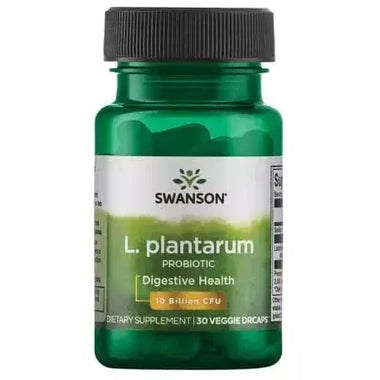
Swanson L. plantarum at £5.93 delivers a single L. plantarum strain — one of the four species in Symprove — for around 20p a day. Note that the strain is not identical, and strain matters, so this is a cheaper comparator rather than an equivalent. See Lactobacillus plantarum.
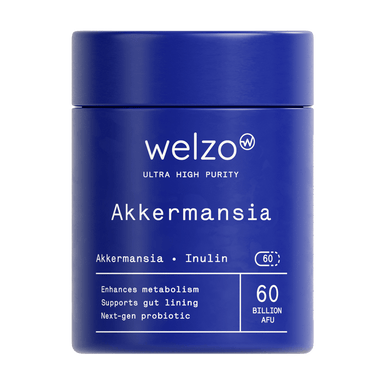
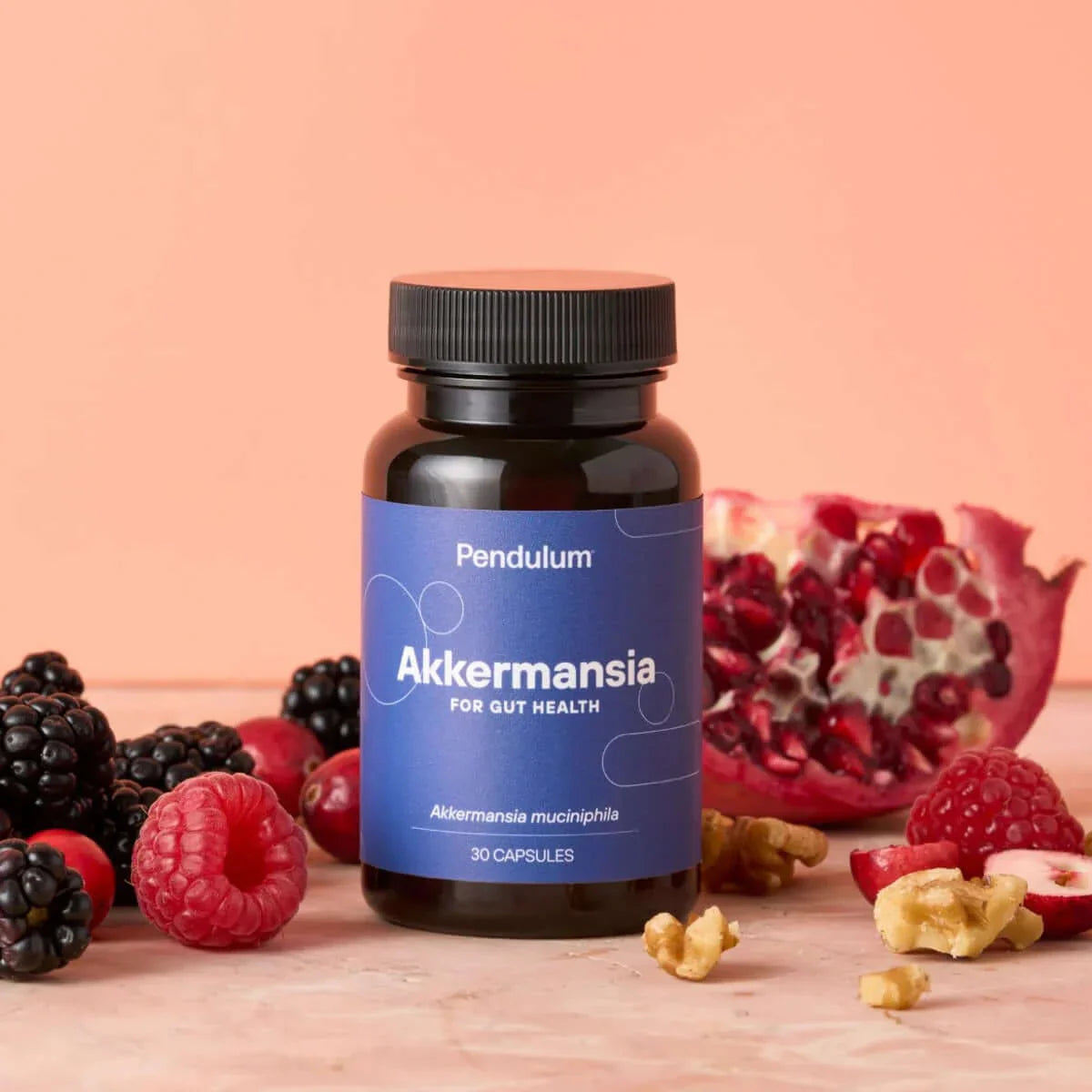
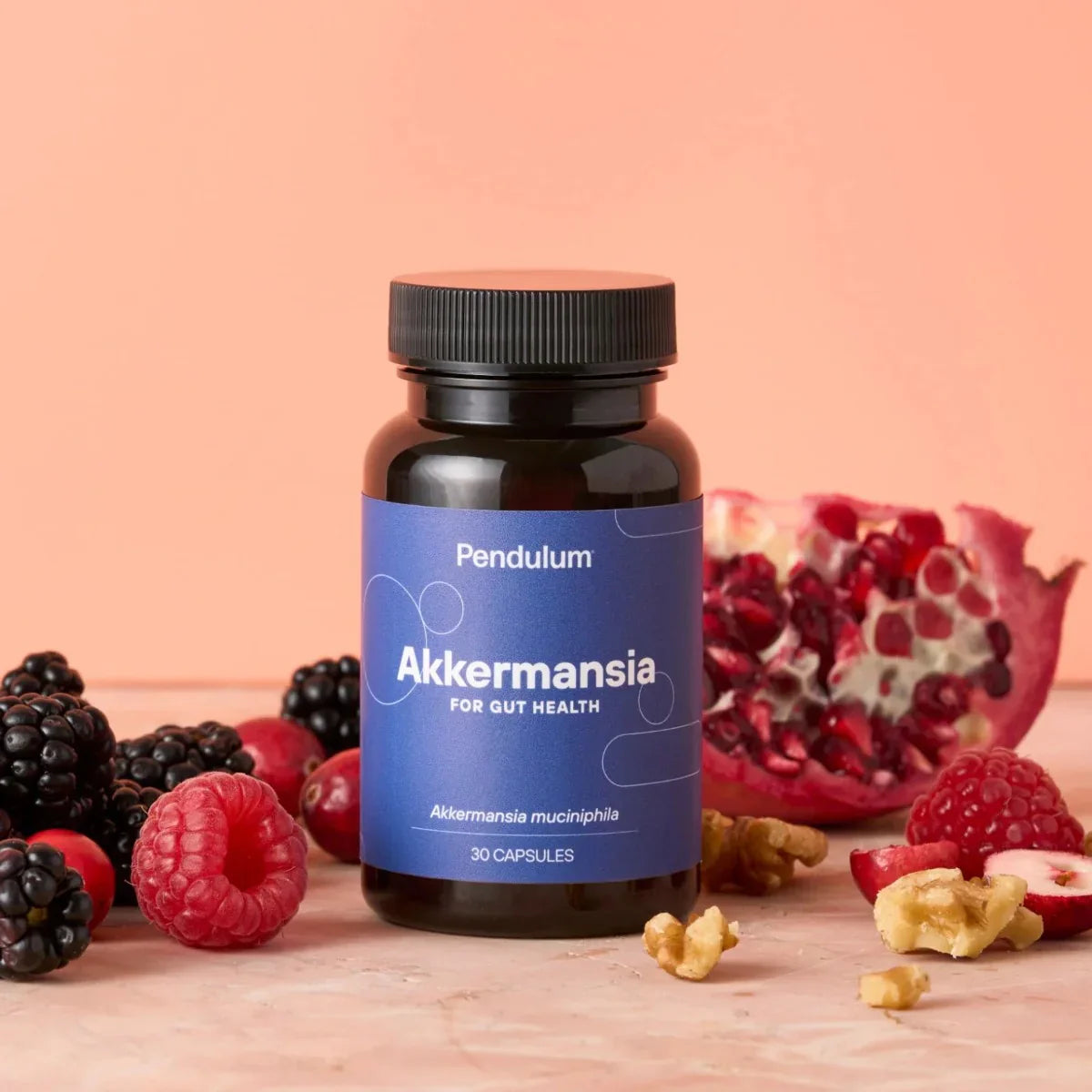
Welzo Ultra Purity Akkermansia from £21.99 targets the gut lining rather than IBS symptoms specifically — a different objective from either product above. It contains 700mg berberine, which must be checked against any prescription; see berberine interactions and gut barrier function.
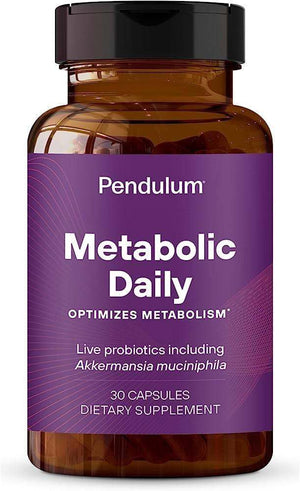
Pendulum Metabolic Daily at £62.38 (from £79.00, 78 reviews) sits in Symprove's price bracket but targets metabolic rather than IBS outcomes. Included for price context, not as an IBS recommendation. See our Pendulum review.
Safety, side effects and who should take care
Both are well tolerated in the general population, and neither trial reported serious product-related adverse events. The cautions below matter for specific groups.
Take medical advice first if you
- Have coeliac disease or diagnosed gluten intolerance — Symprove contains an extract of germinated barley. Check suitability with your clinician or dietitian before use
- Are significantly immunocompromised, have a central venous catheter, or are critically unwell — live bacteria supplements require caution
- Have inflammatory bowel disease rather than IBS — different condition, different management; see ulcerative colitis and Crohn's
- Have a heart valve abnormality or prosthetic valve — discuss Enterococcus-containing products with your clinician
- Are pregnant or breastfeeding — see probiotics in pregnancy
- Have a history of disordered eating — restrictive gut protocols and elimination diets can be harmful; speak to your GP first
- Take immunosuppressants or are undergoing chemotherapy
More detail in probiotics safety and probiotic side effects.
Expected effects: mild wind, bloating or a change in bowel habit during the first week is common with either product and usually settles. Stop and seek advice if you develop escalating abdominal pain, fever, or symptoms that are clearly worse rather than merely different.
On labelling: "probiotic" is an unauthorised health claim in GB and the EU. Both products are sold as food supplements and cannot legally be marketed as treating, curing or preventing IBS or any other condition. Where this article uses the word, it is describing the category, not making a claim for either product.
Do not remove gluten from your diet before coeliac testing — doing so invalidates the result. See coeliac testing and coeliac vs gluten intolerance.
When to see a doctor
See your GP — or seek urgent care — if you have:
- Blood in your stool, or black tarry stools
- Unexplained weight loss
- A change in bowel habit lasting three weeks or more
- Severe abdominal pain, or pain that wakes you at night
- Difficulty swallowing, or persistent vomiting
- Persistent bloating rather than occasional bloating
- Unexplained iron-deficiency anaemia
- A family history of bowel cancer, coeliac disease or inflammatory bowel disease
- New symptoms starting after the age of 50
IBS is a clinical diagnosis made after excluding other conditions — it should not be self-diagnosed. No supplement substitutes for assessment. See when to see a GP and bowel cancer screening.
Frequently asked questions
Is Alflorex or Symprove better for IBS?
Alflorex has the deeper strain-specific evidence base, including a dose-ranging randomised controlled trial, and costs roughly a quarter as much. Symprove has one substantial King's College trial plus delivery research. For most people starting out, Alflorex is the more rational first trial on cost-per-evidence grounds, with Symprove as a reasonable second step if it fails.
How long before I know if either is working?
NICE advises at least four weeks at the manufacturer's recommended dose while monitoring the effect. Symprove recommends twelve weeks. Judging at ten days is the most common mistake and tells you very little.
Can I take Alflorex and Symprove together?
There is no established safety reason not to, but there is a good practical reason not to: taking both simultaneously means that if you improve, you will not know which was responsible — while paying for both. Trial one at a time.
Why is Symprove so expensive?
It is a liquid, so you are shipping and storing water. It uses a patented water-based delivery format, and it has funded clinical research. Whether that justifies four to five times the price of a strain with more published IBS trials is a judgement you have to make.
Does Symprove contain gluten?
Symprove contains an extract of germinated barley. Barley is a gluten-containing grain. If you have coeliac disease or diagnosed gluten intolerance, check suitability with your clinician or dietitian before using it.
Is Alflorex the same as B. infantis 35624?
Yes. The strain was reclassified from Bifidobacterium infantis 35624 to Bifidobacterium longum 35624. Older packaging and earlier published papers use the former name, but it is the same organism.
Does a higher CFU count mean a better probiotic?
No. The dose-ranging trial of the 35624 strain found the highest dose was not the most effective. Strain identity and matching evidence to your situation matter considerably more than the number on the box.
Do I need to refrigerate either product?
Alflorex is stable at room temperature. Symprove does not require refrigeration before opening but should be refrigerated once opened — always follow the current pack instructions. See do probiotics need refrigeration.
Are Alflorex or Symprove available on the NHS?
No. Probiotics are not routinely prescribed for IBS. NICE frames them as something patients may choose to try at their own expense, with a minimum four-week trial while monitoring the effect.
What if neither works for me?
That is a common outcome and not a failure. Enteric-coated peppermint oil, soluble fibre, a professionally supervised low FODMAP diet, and gut-directed hypnotherapy or CBT all have evidence in IBS. Return to your GP to review the diagnosis and discuss next steps.
Should I take these while on antibiotics?
Different question with different evidence. Certain strains — notably Saccharomyces boulardii and specific Lactobacillus strains — have the better evidence for antibiotic-associated diarrhoea. See probiotics after antibiotics.
Can either cure my IBS?
No. Neither is a treatment for IBS and neither may legally be marketed as one. IBS is a long-term condition managed rather than cured, and the largest gains for most people come from dietary management, stress and sleep, and an accurate diagnosis.
Which is better for bloating specifically?
Both trials reported improvement in abdominal pain and discomfort, which overlaps with bloating, but neither was designed primarily around it. Enteric-coated peppermint oil is often the faster-acting and cheaper option. See supplements for bloating and foods that cause bloating.
What is the single most effective thing for IBS?
For most people it is structured dietary management with professional support, combined with addressing stress and sleep — not a supplement. Probiotics are a reasonable adjunct to try, which is precisely how NICE frames them.
Medical disclaimer: This article is for general information and education only and does not constitute medical advice, diagnosis or treatment. Welzo sells supplements and stocks Symprove; it does not currently list Alflorex. This conflict of interest is disclosed above. Neither product is a treatment for irritable bowel syndrome and neither may legally be marketed as treating, curing or preventing any condition; "probiotic" is an unauthorised health claim in GB and the EU, and both are sold as food supplements. Efficacy statements reflect what specific named trials measured and should not be read as guarantees of individual benefit; placebo response in IBS trials is substantial. Most probiotic research is manufacturer-funded. Symprove contains an extract of germinated barley; anyone with coeliac disease or gluten intolerance should seek clinical advice before use. People who are immunocompromised, critically unwell, or who have heart valve abnormalities should seek advice before taking live bacteria supplements. Do not remove gluten from your diet before coeliac testing. IBS is a clinical diagnosis and should not be self-diagnosed. Persistent digestive symptoms, rectal bleeding, unexplained weight loss or a change in bowel habit lasting three weeks or more require medical assessment. Prices were correct at the time of writing and vary by retailer.
About the author
Dr Zeeshan Afzal (MBBS) is a practising medical doctor and Welzo's Medical Content Lead. He writes and reviews Welzo's health content to ensure it is accurate, evidence-based and aligned with current UK clinical guidance. Read our editorial policy.
References
- NICE. Irritable bowel syndrome in adults: diagnosis and management (CG61) — Recommendations. Link
- Whorwell PJ, Altringer L, Morel J, et al. Efficacy of an encapsulated probiotic Bifidobacterium infantis 35624 in women with irritable bowel syndrome. Am J Gastroenterol. 2006;101(7):1581–1590. PMID 16863564.
- O'Mahony L, McCarthy J, Kelly P, et al. Lactobacillus and Bifidobacterium in irritable bowel syndrome: symptom responses and relationship to cytokine profiles. Gastroenterology. 2005;128(3):541–551.
- An 8-week course of Bifidobacterium longum 35624 is associated with a reduction in the symptoms of irritable bowel syndrome. Probiotics Antimicrob Proteins. 2023. Link
- Effects of Bifidobacterium longum 35624 in children and adolescents with irritable bowel syndrome. Nutrients. 2024;16(12):1967. Link
- Sisson G, Ayis S, Sherwood RA, Bjarnason I. Randomised clinical trial: a liquid multi-strain probiotic vs. placebo in the irritable bowel syndrome — a 12 week double-blind study. Aliment Pharmacol Ther. Link
- Bjarnason I. The efficacy of the probiotic Symprove as assessed from randomised clinical trials — King's College Hospital. Link
- Symprove. Strain composition and product information. Link
- Leta V, et al. Effects of a four-strain probiotic on gut microbiota, inflammation and symptoms in Parkinson's disease: a randomized clinical trial. Mov Disord. 2025. Link
- Porcari S, et al. International consensus statement on microbiome testing in clinical practice. Lancet Gastroenterol Hepatol. 2025;10(2):154–167. Link
- NHS. Irritable bowel syndrome (IBS). Link
- NHS. Bowel cancer. Link
- Monash University. Low FODMAP diet resources. Link
- Beat. Eating disorder support and helplines. Link
Related reading
- Symprove review UK
- Bio-Kult vs Alflorex
- Symprove vs Optibac
- Best supplements for IBS in the UK
- IBS types explained
- The low FODMAP diet
- Best probiotics in the UK
- Do probiotics actually work?




 Βαθμολογημένη εξαιρετική από 26,523+ κριτικές
 100% εγγύηση επιστροφής χρημάτων