




Gut Health After 50: What Changes and What Helps


Related products


Reviewed and written by Dr Zeeshan Afzal, MBBS — Medical Doctor | Last updated: July 2026 | Reading time: 12 minutes
Something shifts in your digestion somewhere between your late forties and your early sixties. Meals that never bothered you start to sit heavily. You need more fibre and more water than you used to for the same result. A single course of antibiotics leaves your bowels unsettled for weeks rather than days. None of this is inevitable decline — most of it is a predictable, and largely modifiable, set of changes in the ageing gut.
This guide explains exactly what happens to gut health after 50, why it happens, and what the evidence says actually helps. If you want to skip ahead to solutions, our most-read resources are the complete UK guide to gut health, our probiotics range, and single-ingredient options including Akkermansia muciniphila, modified citrus pectin powder, Ultra Purity Berberine and Ultra Purity TUDCA. For the underlying science, see our explainers on microbiome diversity, short-chain fatty acids and gut barrier function.

High-fibre foods remain the single most powerful lever for gut health in older adults. Image: Wikimedia Commons.
Table of Contents
- What Actually Changes in the Gut After 50
- How the Gut Microbiome Ages
- The Most Common Digestive Problems After 50
- Medications That Quietly Change Your Gut
- Nutrients You Absorb Less Well After 50
- What Helps: Diet Changes With the Strongest Evidence
- Supplements for Gut Health in Older Adults
- Movement, Sleep, Stress and the Vagus Nerve
- Testing, Screening and Red Flags
- An 8-Week Practical Plan
- Frequently Asked Questions
- References
What Actually Changes in the Gut After 50
The digestive tract is a nine-metre organ system with its own nervous system, its own immune tissue and a resident population of trillions of microbes. Ageing affects all three layers — the plumbing, the wiring and the microbes — and the effects compound.

The human digestive system. Ageing changes secretion in the stomach, transit through the colon and the microbial population in the large intestine. Image: Mariana Ruiz (LadyofHats), public domain, via Wikimedia Commons.
Slower transit through the colon
Colonic transit slows with age. Contributing factors include reduced physical activity, lower food and fluid intake, weaker pelvic floor coordination, and age-related changes in the enteric nervous system that controls peristalsis. The clinical result is well documented: chronic constipation affects roughly 30–40% of people over 60, and prevalence rises further in hospital and care-home settings.8 A systematic review pooling more than 58,000 older adults put the overall prevalence at 18.9%, with self-reported rates approaching one in five.9
If this is your main symptom, our dedicated guides to constipation relief in the UK and magnesium for constipation cover the practical steps in detail.
Less stomach acid and fewer digestive enzymes
Gastric acid output falls in a meaningful minority of older adults, most often because of atrophic gastritis — chronic inflammation that damages the acid-producing parietal cells. In one European study of older adults, atrophic gastritis was identified in 15% of participants.6 Autopsy data suggest chronic gastritis with or without atrophy is present in around 40% of ageing, non-hospitalised people.18
Low stomach acid matters for three reasons: it impairs release of protein-bound vitamin B12 from food, it weakens the acid barrier that limits bacteria travelling upward into the small intestine, and it reduces the trigger for pancreatic enzyme and bile release. Read more in low stomach acid symptoms, betaine HCl and digestive bitters.
A more permeable gut barrier and "inflammaging"
The single-cell lining of the intestine is held together by tight junction proteins and protected by a mucus layer. With age, mucus thickness and barrier integrity tend to decline, allowing more bacterial fragments such as lipopolysaccharide to reach the bloodstream. This contributes to the chronic low-grade inflammation often called inflammaging, which is associated with frailty and age-related disease.3 Our articles on gut barrier function and whether leaky gut is real explain what is established and what is still hypothesis.
A less resilient immune interface
Around 70% of immune tissue sits in and around the gut. Age-related immune changes reduce secretory IgA and slow the response to new pathogens, which is one reason food poisoning and Clostridioides difficile hit harder after 65. See gut health and the immune system and probiotics for C. diff risk.
How the Gut Microbiome Ages
The microbiome follows a broad life-course pattern: rapid change in the first three years, relative stability through adulthood, then accelerating change in later life.2 Three shifts matter most for gut health in older adults.
Diversity and butyrate producers decline
Across multiple cohorts, alpha diversity falls after around 60, alongside reductions in Bifidobacterium, Faecalibacterium and Clostridium cluster XIVa. In a cross-sectional study of 153 adults grouped by age, ageing was associated with a progressive, statistically significant reduction in faecal short-chain fatty acid concentrations.4 Because butyrate is the primary fuel for colonocytes and a regulator of gut immunity, falling SCFA output is one of the most plausible mechanistic links between microbiome ageing and gut symptoms. See short-chain fatty acids explained, butyrate supplements and how to increase gut bacteria diversity.
Diet, not age, drives most of the difference
The landmark ELDERMET study published in Nature analysed 178 older adults and found that microbiota composition clustered by residence setting — community, day hospital, rehabilitation or long-term care — and that these clusters tracked closely with diet. People in long-stay care had significantly less diverse microbiota than community dwellers, and loss of the community-associated microbiota correlated with increased frailty.1 A follow-up analysis reinforced the pattern: diets higher in plant foods correlated with a diverse microbiota associated with healthier ageing, while diets higher in animal products and lower in plants tracked with frailty.17
That is an unusually actionable finding. It suggests the microbiome of an older adult reflects what they eat far more than the number of birthdays they have had.
The uniqueness paradox
Analysis of more than 9,000 people aged 18 to 101 found that older adults whose microbiome drifted furthest from the "core" adult pattern tended to be healthier and to live longer than peers whose profiles stayed conventional. Healthier participants had lower LDL cholesterol, higher vitamin D and more beneficial microbial metabolites, including tryptophan-derived indole.2 Interestingly, some studies find Akkermansia and Lactobacillus levels actually recover in the over-80s and are enriched in people who reach their nineties in good health.421 If that species interests you, read Akkermansia vs conventional probiotics and pasteurised Akkermansia.
What this means in practice
There is no single "young" microbiome to restore. The realistic goal for gut health in older adults is to protect fermentation capacity — enough fibre, enough plant variety, enough butyrate production — rather than to chase a particular species profile. Our guide to gut dysbiosis covers when imbalance genuinely matters.
The Most Common Digestive Problems After 50
| Problem | Why it becomes more common after 50 | First-line approach |
|---|---|---|
| Chronic constipation | Slower transit, lower fibre and fluid intake, reduced activity, constipating medicines | Fibre built up gradually, fluids, movement, review medications |
| Bloating and trapped wind | Slower motility, altered fermentation, more small-intestinal bacterial overgrowth | Identify triggers, spacing of meals, consider low FODMAP trial |
| Acid reflux and indigestion | Weaker lower oesophageal sphincter, hiatus hernia, weight gain, NSAIDs | Meal timing, weight, elevation at night, medication review |
| Diverticular disease | Age-related weakening of the colonic wall; prevalence rises steeply after 50 | Long-term high-fibre diet; medical review for flares |
| New or changing bowel habit | Multiple causes — some benign, some requiring urgent assessment | Do not self-treat: see a GP if it persists beyond 3 weeks |
| Diarrhoea after gallbladder surgery | Bile acid malabsorption becomes more common with age and surgery | Ask your GP about SeHCAT testing and bile acid sequestrants |
Detailed guides: bloating, trapped wind, acid reflux, diverticulitis diet, SIBO, bile acid malabsorption and IBS types.
Using the Bristol Stool Chart to track change
The most useful thing most people over 50 can do is record stool form and frequency for two weeks before changing anything. Types 3 and 4 represent a comfortable norm; types 1 and 2 indicate constipation; types 6 and 7 indicate looseness.

The Bristol Stool Chart. Image: Cabot Health, CC BY-SA 3.0, via Wikimedia Commons. See our full Bristol Stool Chart guide.
Medications That Quietly Change Your Gut
Polypharmacy is one of the biggest and most overlooked drivers of digestive symptoms in later life. Never stop a prescribed medicine on your own — but do raise these with your GP or pharmacist at your next medication review.
Proton pump inhibitors
PPIs such as omeprazole and lansoprazole are among the most prescribed drugs in the UK. In a study of older adults, 37% had used a PPI for six months or more, and higher doses were associated with lower holotranscobalamin — an early marker of vitamin B12 status.6 Long-term acid suppression also reduces the acid barrier against ingested organisms. See omeprazole long-term effects.
Metformin, NSAIDs and antibiotics
Metformin commonly causes diarrhoea and is associated with B12 malabsorption over time. NSAIDs including ibuprofen damage the gastric and small-bowel mucosa. Antibiotics reduce microbial diversity, and recovery is slower in older adults. Further reading: metformin stomach side effects, ibuprofen and stomach damage, probiotics after antibiotics and berberine interactions.
The constipating list
Opioid painkillers (including codeine), iron tablets, some antidepressants, calcium-channel blockers such as amlodipine, anticholinergics and some antacids all slow the bowel. The incidence of constipation is around five times higher in older adults than younger ones, and medication exposure is a major reason why.10 See iron supplements and constipation and antidepressants and constipation.
Nutrients You Absorb Less Well After 50
| Nutrient | Why absorption falls | What to consider |
|---|---|---|
| Vitamin B12 | Atrophic gastritis, PPI use, metformin; food-bound B12 needs acid to be released | Vitamin B12 deficiency was found in 38% of those with atrophic gastritis vs 15% of controls6; ask your GP about testing |
| Iron | Lower acid reduces conversion to the absorbable ferrous form | Never self-treat suspected iron deficiency after 50 — it needs investigation |
| Calcium and magnesium | Acid-dependent solubility; reduced intake | Food-first; magnesium citrate or glycinate if advised |
| Zinc | Reduced intake and absorption efficiency | Relevant to mucosal repair — see zinc carnosine |
| Protein | Reduced acid and enzyme output; smaller appetite | Spread intake across meals to support muscle and gut lining |
Vitamin B12 deficiency is a genuinely common and treatable problem in later life, and untreated it can cause neurological as well as haematological harm.7 Related reading: zinc carnosine, gut health blood tests and how to take digestive enzymes.
What Helps: Diet Changes With the Strongest Evidence
Fibre — the single biggest lever
UK adults are advised to eat 30g of fibre a day, yet average intake sits at roughly 18–20g, and only a small single-digit percentage of adults hit the target.111213 Fibre matters twice over after 50: it adds stool bulk and water for transit, and it is the substrate your microbes ferment into butyrate.
How to increase fibre without making bloating worse
- Add 3–5g per week, not 10g overnight. Slow escalation is the difference between comfort and a fortnight of wind.
- Increase fluid at the same time — fibre without water worsens constipation.
- Prioritise mixed sources: oats and barley (beta-glucan), pulses, nuts and seeds, fruit skins, wholegrains.
- If you have diverticular disease or a stricture, get personalised advice before making big changes.
See how to increase fibre, high-fibre foods in the UK and psyllium vs inulin.
Plant variety: aim for 30 different plants a week
Different fibres feed different microbes, so variety predicts diversity better than quantity alone. Herbs, spices, nuts, seeds, pulses, wholegrains and coloured vegetables all count.

Plant variety, not just fibre quantity, correlates with microbiome diversity. Image: National Cancer Institute, public domain.
Our practical guides: 30 plants a week, best foods for gut health, prebiotic foods and polyphenols and gut health.
Fermented foods
Fermented foods deliver live microbes plus fermentation metabolites, and they are an inexpensive way to add microbial exposure to an older adult's diet. Start with a tablespoon of live sauerkraut or kimchi, or 100ml of kefir, and build slowly — histamine sensitivity is more common with age.

Live, unpasteurised sauerkraut. Image: Wikimedia Commons, CC BY-SA 3.0.

Kefir typically contains a broader range of microbes than standard yoghurt. Image: Wikimedia Commons, CC BY-SA 3.0.
More detail in fermented foods UK, kefir benefits, kefir vs probiotics and histamine intolerance.
Protein, hydration and ultra-processed foods
Protein needs rise modestly with age because of anabolic resistance and sarcopenia risk; spreading 25–30g of protein across each main meal is a common clinical approach and also reduces the "one large evening meal" pattern that worsens reflux. Thirst perception declines with age, so fluid intake often needs to become deliberate rather than reactive. Meanwhile, diets dominated by ultra-processed foods and certain sweeteners are consistently associated with lower microbial diversity.
Supplements for Gut Health in Older Adults
Supplements sit on top of diet, not instead of it. The table below summarises where evidence is strongest, and who might reasonably consider each option. Always check interactions with prescribed medicines, and speak to your GP or pharmacist if you take anticoagulants, immunosuppressants or diabetes medication.
| Supplement | Best-supported use | Notes for over-50s |
|---|---|---|
| Multi-strain probiotics | Antibiotic-associated diarrhoea, IBS symptoms, bowel regularity | Effects are strain-specific; give any product 4–8 weeks |
| Bifidobacterium species | Regularity and comfort; Bifidobacteria decline with age | Often the most logical starting genus after 60 |
| Saccharomyces boulardii | Antibiotic-associated and traveller's diarrhoea | Avoid in immunosuppression or central venous lines |
| Prebiotics (inulin, GOS, PHGG) | Feeding Bifidobacteria; stool consistency | Start low — inulin can cause wind; PHGG is often better tolerated |
| Modified citrus pectin | Gentle soluble fibre intake | See how it differs from standard pectin |
| Akkermansia muciniphila | Mucus layer and metabolic markers (emerging evidence) | Promising but newer; not a replacement for fibre |
| Butyrate | Direct colonocyte fuel when fibre intake is limited | Useful where fibre tolerance is genuinely restricted |
| Berberine | Metabolic and blood sugar support | Multiple drug interactions — check before use |
| TUDCA | Bile acid and liver-related support | See TUDCA side effects |
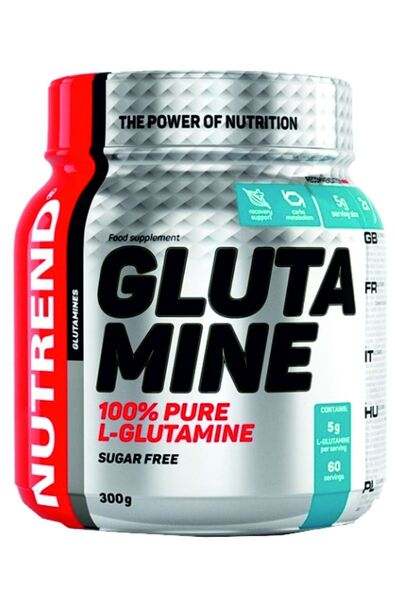
| Collagen / L-glutamine | Mucosal support; evidence is preliminary | Compare in glutamine vs collagen |
Choosing a probiotic after 50
Three practical rules. First, match the strain to the goal rather than chasing the highest CFU count. Second, judge on an 8-week trial with a symptom diary, not on how you feel in week one. Third, check storage and shelf-stability if you travel or have limited fridge space. Useful comparisons: how to choose a probiotic, CFU vs AFU, single vs multi-strain, spore-based probiotics, shelf-stable probiotics and when to take probiotics. If you are wondering whether they work at all, we cover the evidence honestly in do probiotics work and probiotic safety.
Who should be more cautious
People who are significantly immunosuppressed, have a central line, are critically ill, or have short bowel syndrome should take probiotics only under medical supervision. If you experience new bloating on a probiotic, see probiotic side effects and how long probiotics take to work.
Movement, Sleep, Stress and the Vagus Nerve
Physical activity is independently associated with gut microbiota composition in older adults, and higher activity levels track with more favourable profiles across multiple cohorts.5 Movement also stimulates colonic motility directly — which is why walking after meals is one of the most reliable non-drug interventions for constipation.

Resistance training twice a week supports muscle mass, insulin sensitivity and bowel motility. Image: Wikimedia Commons.
Sleep and circadian rhythm
The gut has its own circadian clock. Irregular sleep and late eating desynchronise it, and sleep quality commonly deteriorates after 50. See gut health and sleep and shift work and digestion.
The gut–brain axis
Stress alters motility, visceral sensitivity and secretion via the vagus nerve. Slow breathing, regular meals and time outdoors are unglamorous but genuinely effective. Read the gut–brain connection, the vagus nerve and the gut and probiotics for anxiety.
Hormones after 50
Falling oestrogen affects transit time, bile composition and the oestrogen-metabolising gut bacteria collectively called the estrobolome — which is why many women notice their digestion changes markedly through perimenopause. See gut health and menopause, gut health and hormones, probiotics for women and probiotics for men.
Testing, Screening and Red Flags
Bowel cancer screening — the most important thing on this page
In England, Wales and Scotland, bowel cancer screening is offered to everyone aged 50 to 74, with a home faecal immunochemical test (FIT) posted every two years.14 In January 2026 the NHS Bowel Cancer Screening Programme in England lowered the FIT referral threshold from 120µg to 80µg of haemoglobin per gram of faeces, meaning more polyps and cancers should be detected.15 Uptake in the 50s age band still lags behind that in the 60–74 group. If a kit arrives, complete it.
Screening is for people without symptoms. If you have symptoms, do not wait for a kit — see a GP. Our guide to bowel cancer screening in the UK explains the process.
Red flag symptoms that need medical assessment
- Bleeding from the bottom, or blood in your stool
- A persistent change in bowel habit lasting three weeks or more
- Unexplained weight loss
- Persistent abdominal pain, or a lump in the abdomen
- Difficulty or pain on swallowing, or persistent vomiting
- New iron deficiency anaemia, or unexplained fatigue with bowel change
These symptoms usually have benign explanations, but after 50 they should always be assessed rather than managed with supplements.16 See when to see a GP about stomach symptoms.
Tests that may be useful
Depending on your symptoms, a clinician may consider faecal calprotectin, coeliac serology, H. pylori testing, breath testing for SIBO, or B12 and ferritin. Commercial microbiome tests are interesting but are not diagnostic. Read calprotectin testing, coeliac testing, H. pylori testing, SIBO testing, gut microbiome tests and our microbiome test comparison.
An 8-Week Practical Plan for Gut Health After 50
| Weeks | Focus | Specific actions |
|---|---|---|
| 1–2 | Measure before you change | Track stool type, frequency, symptoms and current fibre intake. Book a medication review. |
| 3–4 | Fibre and fluid | Add 3–5g fibre per week. Add 500ml fluid daily. Add one pulse-based meal. |
| 5–6 | Diversity and fermentation | Count plants weekly, working toward 30. Introduce one fermented food daily. |
| 7–8 | Targeted support | If symptoms persist, trial one probiotic or prebiotic for 8 weeks. Review red flags with your GP. |
If you want a more structured version, see our gut reset protocol, our guide to gut health in older adults, and the low FODMAP diet if bloating dominates. Broader context is available in gut health and ageing, gut health and blood sugar, gut health and autoimmunity and fibre and cholesterol.
Frequently Asked Questions
Does gut health get worse with age?
Some changes are near-universal — slower colonic transit, reduced stomach acid in a substantial minority, and lower microbial diversity — but they are not uniform. Studies consistently show diet and physical activity explain far more of the difference between two 70-year-olds than age itself.15 "Worse" is not automatic; it is largely driven by modifiable factors.
What are the best probiotics for older adults?
There is no universal best. Because Bifidobacterium abundance declines with age, Bifidobacteria-containing multi-strain products are a reasonable starting point for general regularity, while Saccharomyces boulardii has the strongest evidence around antibiotic-associated diarrhoea. Judge results over 8 weeks. See our guide on the best probiotics in the UK.
How much fibre should someone over 50 eat?
The UK recommendation is 30g a day for adults, and it does not decrease with age. Average UK intake is only around 18–20g, so most people over 50 have room to improve.1112 Increase gradually and raise fluid intake alongside.
Why do I get bloated after 50 when I never used to?
Common contributors include slower transit, changed fermentation patterns, medications, reduced digestive enzyme and acid output, and — in some people — small intestinal bacterial overgrowth. Persistent new bloating in an older adult should be assessed by a GP rather than self-managed, particularly in women, where it can occasionally signal ovarian pathology.
Is constipation normal in older adults?
It is common — affecting roughly 30–40% of people over 60 — but common is not the same as normal or acceptable.8 It is usually treatable through fibre, fluid, activity and medication review, and persistent constipation is worth reporting to your GP rather than tolerating.
Do I need digestive enzymes as I get older?
Most people do not. Pancreatic enzyme output falls modestly with age but usually remains adequate. Prescription pancreatic enzyme replacement is a specific treatment for diagnosed insufficiency, such as in chronic pancreatitis. Over-the-counter enzymes may help some people with meal-related discomfort but are not a substitute for diagnosis — see enzymes vs probiotics.
Can improving gut health help with weight, blood sugar or sleep after 50?
There is a plausible and increasingly well-mapped relationship between microbial metabolites, metabolic health and sleep, but the evidence is largely associative rather than proof of cause. Fibre-rich diets do have solid evidence for cholesterol and glycaemic benefits. See gut health and weight loss.
Should I take probiotics every day after 50?
Probiotics generally act while you are taking them; benefits often fade after stopping because most strains do not permanently colonise. That is an argument for consistent use during a defined trial and for prioritising dietary fibre, which supports your own resident microbes. See should I take probiotics every day.
At what age does bowel cancer screening start in the UK?
Screening is offered from age 50 to 74 in England, Wales and Scotland, using a home FIT kit every two years.14 Northern Ireland has been implementing the same recommendation. If you are over 74 you can request a kit rather than being invited automatically.
What is the single most effective change for gut health in older adults?
Increasing the range and quantity of plant fibre in your diet, built up gradually with adequate fluids. It improves stool form, feeds butyrate-producing bacteria, and is the intervention most consistently linked to healthier ageing in microbiome research.14
About the Author
Dr Zeeshan Afzal, MBBS is a practising medical doctor and Medical Content Lead at Welzo. He writes and clinically reviews Welzo's digestive health content, with a focus on translating peer-reviewed gastroenterology and nutrition research into practical guidance for UK patients. All Welzo health content is written and reviewed against current NHS, NICE and peer-reviewed sources.
Medical disclaimer
This article is for general information and is not a substitute for individual medical advice. It should not be used to diagnose or treat any condition. If you have new or persistent digestive symptoms, take prescribed medication, or are considering stopping or starting any treatment, speak to your GP, pharmacist or a registered dietitian. If you have bleeding, unexplained weight loss or a persistent change in bowel habit, seek medical assessment promptly.
References
- Claesson MJ et al. Gut microbiota composition correlates with diet and health in the elderly. Nature, 2012. https://www.nature.com/articles/nature11319
- National Institute on Aging. Unique gut microbiome patterns linked to healthy aging, increased longevity. https://www.nia.nih.gov/news/unique-gut-microbiome-patterns-linked-healthy-aging-increased-longevity
- Aging Gut Microbiome in Healthy and Unhealthy Aging. Aging and Disease (PMC). https://pmc.ncbi.nlm.nih.gov/articles/PMC11964416/
- Age-Associated Changes in Gut Microbiota and Dietary Components Related with the Immune System in Adulthood and Old Age. Nutrients (PMC). https://www.ncbi.nlm.nih.gov/pmc/articles/PMC6722604/
- Effects of exercise and physical activity on gut microbiota composition and function in older adults: a systematic review. (PMC) https://www.ncbi.nlm.nih.gov/pmc/articles/PMC10262510/
- Associations of atrophic gastritis and proton-pump inhibitor drug use with vitamin B-12 status in older adults. American Journal of Clinical Nutrition. https://www.ncbi.nlm.nih.gov/pmc/articles/PMC8488868/
- NHS. Vitamin B12 or folate deficiency anaemia. https://www.nhs.uk/conditions/vitamin-b12-or-folate-deficiency-anaemia/
- Emmanuel A et al. Constipation in older people: a consensus statement. International Journal of Clinical Practice. https://onlinelibrary.wiley.com/doi/10.1111/ijcp.12920
- Global prevalence of constipation in older adults: a systematic review and meta-analysis. Wiener klinische Wochenschrift (PubMed). https://pubmed.ncbi.nlm.nih.gov/36826591/
- Roque MV, Bouras EP. Epidemiology and management of chronic constipation in elderly patients. Clinical Interventions in Aging. https://pmc.ncbi.nlm.nih.gov/articles/PMC4459612/
- British Nutrition Foundation. Fibre. https://www.nutrition.org.uk/nutritional-information/fibre/
- British Dietetic Association. Fibre food fact sheet. https://www.bda.uk.com/resource/fibre.html
- HEART UK. Fibre and wholegrain recommendations. https://www.heartuk.org.uk/dietary-recommendations/fibre-recommendations
- NHS England. Your guide to NHS bowel cancer screening. https://www.england.nhs.uk/long-read/your-guide-to-nhs-bowel-cancer-screening/
- UK National Screening Committee. More sensitive bowel cancer screening test implemented, January 2026. https://nationalscreening.blog.gov.uk/2026/01/26/more-sensitive-bowel-cancer-screening-test-implemented-in-line-with-uk-nsc-recommendation/
- NHS. Bowel cancer — symptoms. https://www.nhs.uk/conditions/bowel-cancer/symptoms/
- Composition and temporal stability of the gut microbiota in older persons. The ISME Journal. https://academic.oup.com/ismej/article/10/1/170/7538157
- Common occurrence of atrophic gastritis in an ageing non-hospitalised population: an autopsy study. Age and Ageing. https://academic.oup.com/ageing/article/54/3/afaf047/8051275
- International Longevity Centre UK. The burden of constipation in our ageing population. https://ilcuk.org.uk/wp-content/uploads/2018/11/Burden-of-constipation-report.pdf
- Microbiome-based therapeutics towards healthier aging and longevity. (PMC) https://pmc.ncbi.nlm.nih.gov/articles/PMC12220006/
- Healthy Ageing and Gut Microbiota: A Study on Longevity in Adults. (PMC) https://www.ncbi.nlm.nih.gov/pmc/articles/PMC12298205/
- Cancer Research UK. Bowel cancer screening: quality improvement and future optimisation. https://www.cancerresearchuk.org/health-professional/cancer-screening/bowel-cancer-screening/quality-improvements-future-optimisation



 Βαθμολογημένη εξαιρετική από 26,523+ κριτικές
 100% εγγύηση επιστροφής χρημάτων