






Best Molybdenum Supplements - Top Picks & Benefits


Related products


Molybdenum supplements provide a trace mineral that activates three key enzymes — sulfite oxidase, aldehyde oxidase and xanthine oxidase — which help the body process sulfites, aldehydes and purines. Adults need just 45 micrograms (µg) a day, and most people meet that through food. Supplements typically supply 50–500 µg and are used for targeted enzyme and sulfite-metabolism support rather than general wellness.
This 2026 guide ranks the best molybdenum supplements available in the UK, explains how much you actually need, and covers the safety detail most roundups leave out — particularly the molybdenum–copper interaction that determines whether long-term use is sensible. All products are stocked in the Molybdenum supplements collection and assessed on dosing precision, elemental labelling, formulation cleanliness and suitability for ongoing use.
Key Takeaways
- Adult RDA: 45 µg/day. UK and EU reference bodies set an adequate intake in a similar range (EFSA: 65 µg/day for adults).
- Deficiency is genuinely rare. Molybdenum is abundant in legumes, grains and nuts, and the body needs very little.
- Most supplements are 100–500 µg — that is 2–11× the RDA, which is fine short term but worth being deliberate about.
- Copper is the limiting factor. High molybdenum intake antagonises copper. This is the main reason upper limits exist.
- Sulfite sensitivity support is the most common reason people buy it, but human evidence for this use is limited and largely mechanistic.
- Best overall pick: Swanson Albion Molybdenum 400 mcg for value and chelated form; Kirkman 100 mcg Hypoallergenic if you want to start low.
Best Molybdenum Supplements at a Glance (2026)
| Product | Dose per serving | Form | Format | Best for | Approx. price |
|---|---|---|---|---|---|
| Swanson Albion Molybdenum | 400 µg | Albion® chelate | Capsule | Best overall / value | £6 |
| Seeking Health Molybdenum | Per label | Chelated | Veg capsule | Practitioner-led protocols | £22 |
| Kirkman Molybdenum Hypoallergenic | 100 µg | Molybdenum salt | Capsule | Sensitive users / starting low | £26 |
| Nutricology Liquid Molybdenum | Adjustable | Sodium molybdate | Liquid (1 oz) | Micro-dosing / pill difficulty | Mid |
| Country Life Chelated Molybdenum | 150 µg | Chelate | Tablet | Everyday moderate dose | Mid |
| Solgar Chelated Molybdenum | Per label | Chelate | Tablet | Brand trust | Mid |
| BodyBio Molybdenum #7 | Adjustable | Ionic liquid | Liquid (2 oz) | Advanced titration | Premium |
Prices are indicative and change; check the live product page. If you are building a wider trace mineral routine, it is worth comparing against the full trace minerals range and the broader minerals collection before committing to a standalone product.
What Are Molybdenum Supplements?
Molybdenum supplements provide elemental molybdenum, a trace mineral that acts as a cofactor for enzymes such as sulfite oxidase, aldehyde oxidase and xanthine oxidase. These enzymes help the body process sulfur-containing compounds and metabolic by-products efficiently.
Molybdenum does not work on its own. It is incorporated into a compound called the molybdenum cofactor (Moco), which the body synthesises and then slots into those enzymes. This is why molybdenum is described as an enabling nutrient: without it, the enzymes exist but cannot function.
Because molybdenum is required only in microgram quantities, high-quality supplements focus on labelling accuracy rather than high potency. The NIH notes that supplements usually supply molybdenum as sodium molybdate or ammonium molybdate, sometimes bound in a chelate to improve tolerability. NIH ODS
Chelated vs Non-Chelated vs Ionic Liquid: Does the Form Matter?
Molybdenum is absorbed efficiently across a wide intake range — considerably better than minerals like iron or zinc. That means form matters less here than in other categories, and claims of dramatically superior absorption should be treated sceptically.
- Chelated (e.g. Albion®): Mineral bound to an amino acid. Often better tolerated on an empty stomach; the practical benefit is comfort more than absorption.
- Sodium molybdate: The standard, well-studied salt used in most research and clinical products.
- Ionic liquid: Allows sub-100 µg dosing that capsules cannot match. Genuinely useful for cautious titration, not inherently "more bioavailable".
What Are Molybdenum Supplements Used For?
Molybdenum supplements are used primarily to support enzyme-driven sulfur metabolism and metabolic clearance. They do not detoxify the body themselves; they support pathways the body already runs.
The four most common reasons people buy molybdenum are:
- Suspected sulfite sensitivity — reactions to wine, dried fruit, or preserved foods.
- Aldehyde load — including alcohol by-products and, in functional-medicine settings, mould-related concerns.
- Restricted diets — very low-legume, low-grain or highly refined intakes.
- Protocol completeness — filling a gap in a practitioner-designed trace mineral plan.
In practice, molybdenum is often reviewed alongside broader detox and cleansing supplements and liver-focused options within the liver support collection. Related ingredients people compare it against include activated charcoal, bile-support compounds such as TUDCA, milk thistle extracts in the silymarin range, and methyl-donor nutrients like choline.
Our Top Picks: Best Molybdenum Supplements
Best Overall: Swanson Albion Molybdenum 400mcg 60 vcaps
Best for Targeted Clinical Use: Molybdenum 90 Vegetarian Capsules by Seeking Health
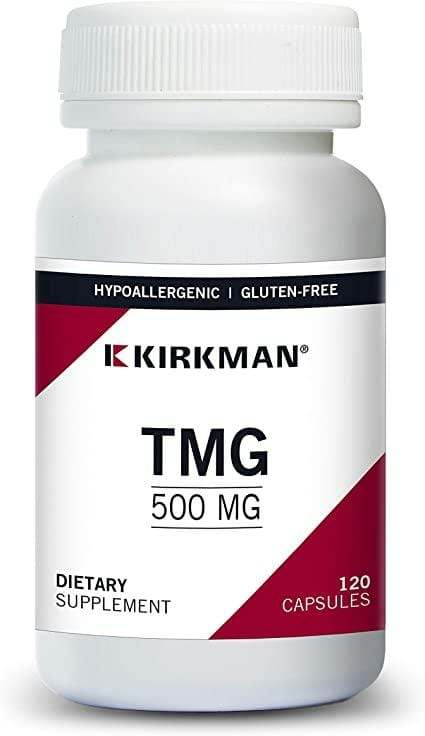
Best Low-Dose & Hypoallergenic: Molybdenum 100mcg Hypoallergenic Capsules by Kirkman Laboratories
Best Liquid Formula: Liquid Molybdenum 1oz by Nutricology (Allergy Research Group)
Best Chelated Option: Chelated Molybdenum 150mcg Tablets by Country Life
Best Trusted Brand: Chelated Molybdenum Tablets by Solgar
Best Ionic Liquid Mineral: Molybdenum #7 Liquid Mineral 2oz by BodyBio
Detailed Reviews: Best Molybdenum Supplements
Swanson Albion Molybdenum 400mcg 60 vcaps (Best Overall)

Why it has been selected:
Selected as best overall for the combination of Albion® chelated molybdenum, unambiguous elemental labelling and a cost per serving that makes long-term use realistic.
Product description:
Delivers 400 µg of chelated molybdenum per capsule. At roughly nine times the adult RDA, this sits firmly in "targeted protocol" territory rather than general topping-up.
Product reviews:
Users frequently report good tolerance and consistency when used within a trace mineral or sulfite-support protocol, and highlight the clean excipient list.
Product price:
Around £6 — the strongest value in the category by a clear margin.
Where to buy:
Available from Welzo, alongside the wider Swanson range.
Pros:
- Albion® chelated molybdenum
- Clear elemental microgram dosing
- Excellent cost per serving
Cons:
- 400 µg is high for daily maintenance; better suited to defined protocols
- No lower-dose option in the same range
How to use:
One capsule daily with food, or as directed. If you want a lower dose, alternate-day use is a practical option.
Editor's comments:
The default choice for most people — provided you are comfortable at 400 µg and are not stacking molybdenum from a multivitamin as well.
Molybdenum 90 Vegetarian Capsules by Seeking Health (Best for Targeted Clinical Use)

Why it has been selected:
Chosen for its practitioner-focused formulation and suitability for people following structured nutritional protocols where excipient tolerance matters.
Product description:
A carefully dosed trace mineral in a clean vegetarian capsule, formulated for precision supplementation rather than general wellness use.
Product reviews:
Reviews commonly mention suitability for sensitive individuals and for clinician-guided plans.
Product price:
Around £22 — consistent with practitioner-grade positioning.
Where to buy:
Available from Welzo.
Pros:
- Clean, practitioner-formulated product
- Vegetarian capsules
- Well suited to defined protocols
Cons:
- Significantly more expensive per serving than mainstream options
How to use:
Once daily, or as advised by a healthcare professional.
Editor's comments:
Worth the premium if you are following a clinician's plan; harder to justify for casual use.
Molybdenum 100mcg Hypoallergenic Capsules by Kirkman Laboratories (Best Low-Dose & Hypoallergenic)

Why it has been selected:
The most sensible starting point in the category: a conservative 100 µg dose with a deliberately minimal ingredient list.
Product description:
Provides 100 µg of molybdenum per capsule — roughly twice the RDA — with hypoallergenic formulation designed to reduce reaction risk.
Product reviews:
Users consistently highlight tolerance, particularly among those who react to higher doses or to common excipients.
Product price:
Around £26 for 100 capsules; the premium reflects the hypoallergenic manufacturing standard.
Where to buy:
Available from Welzo, or browse the full Kirkman Laboratories range.
Pros:
- Conservative, sensible dose
- Hypoallergenic formulation
- Easiest product to start and titrate with
Cons:
- May be below the level used in some targeted protocols
- Higher cost per microgram than Swanson
How to use:
One capsule daily with food.
Editor's comments:
If you are unsure whether you need molybdenum at all, this is the product to trial first.
Liquid Molybdenum 1oz by Nutricology (Best Liquid Formula)

Why it has been selected:
The best option for anyone who needs to dose below capsule increments or cannot swallow capsules.
Product description:
An adjustable liquid delivering molybdenum in drop form, allowing genuinely granular dosing.
Product reviews:
Reviews frequently mention ease of use and suitability for custom protocols.
Product price:
Mid-to-premium, reflecting the liquid format.
Where to buy:
Available from Welzo, part of the Allergy Research Group collection.
Pros:
- Truly adjustable dosing
- No capsule or tablet excipients
- Suits highly sensitive users
Cons:
- Less convenient for travel
- Requires accurate drop counting
How to use:
Use the dropper as directed, typically diluted in water.
Editor's comments:
The right pick when precision matters more than convenience.
Chelated Molybdenum 150mcg Tablets by Country Life (Best Chelated Option)

Why it has been selected:
150 µg is arguably the most sensible everyday dose in the category: meaningfully above the RDA without approaching protocol territory.
Product description:
Chelated molybdenum tablets providing a balanced dose for routine trace mineral support.
Product reviews:
Users note reliability and batch consistency from a long-established brand.
Product price:
Affordable mid-range.
Where to buy:
Available from Welzo, or see the wider Country Life range.
Pros:
- Well-judged everyday dose
- Chelated form
- Good value across 100 tablets
Cons:
- Tablets are harder to split accurately than capsules are to skip
How to use:
One tablet daily with meals.
Editor's comments:
The best "middle path" if 100 µg feels low and 400 µg feels high.
Chelated Molybdenum Tablets by Solgar (Best Trusted Brand)

Why it has been selected:
Chosen for manufacturing consistency and the transparency record of a long-established supplement brand.
Product description:
A straightforward chelated molybdenum tablet with no proprietary blends or added "detox" botanicals.
Product reviews:
Reviews consistently highlight quality control and predictability.
Product price:
Mid-range.
Where to buy:
Available from Welzo, or browse the Solgar collection.
Pros:
- Highly trusted manufacturer
- Simple, uncluttered formulation
Cons:
- Less dosing flexibility than liquids
How to use:
One tablet daily, preferably with food.
Editor's comments:
A dependable choice if brand track record is your deciding factor.
Molybdenum #7 Liquid Mineral 2oz by BodyBio (Best Ionic Liquid Mineral)

Why it has been selected:
Selected for its ionic liquid format, which allows the finest dose control of any product here.
Product description:
Delivers molybdenum in ionic solution, intended for drop-level titration within metabolic support protocols.
Product reviews:
Users report good tolerance and value the ability to tailor dosage precisely.
Product price:
Premium, though the 2 oz bottle lasts a long time at low doses.
Where to buy:
Available from Welzo, alongside the BodyBio range.
Pros:
- Finest dose control available
- Long-lasting bottle
Cons:
- Highest upfront cost
- Overkill for straightforward daily use
How to use:
Small measured doses, typically diluted in water.
Editor's comments:
Best suited to advanced or practitioner-guided supplementation.
Which Molybdenum Supplement Should You Choose?
Use this decision path rather than defaulting to the highest dose:
- Never taken molybdenum before, or reactive to supplements generally? Start with Kirkman 100 µg.
- Want steady everyday support without going high? Choose Country Life 150 µg.
- Following a defined sulfite or aldehyde protocol, and cost matters? Choose Swanson 400 µg.
- Need to dose below 100 µg, or can't swallow capsules? Choose a liquid — Nutricology or BodyBio #7.
- Already taking a multivitamin? Check its molybdenum content first — many multivitamins already supply 45–100 µg, which may make a standalone product unnecessary.
How We Ranked and Assessed These Molybdenum Supplements
Our method combines evidence-led nutrition benchmarks, product-level formulation review and real-world usability. For trace minerals, labelling precision and safety headroom matter far more than potency claims.
We anchored the evaluation to established references. The U.S. National Academies set the adult RDA for molybdenum at 45 µg/day. National Academies DRI Average dietary intakes are already well above this — approximately 109 µg/day in men and 76 µg/day in women. NCBI DRI summary That context is decisive: for most people, molybdenum supplementation addresses a specific hypothesis, not a likely shortfall.
- Elemental molybdenum clarity (non-negotiable): The elemental amount per serving must be stated explicitly.
- Dose appropriateness: We favoured sensible microgram ranges and penalised mega-dose positioning; low-dose options scored well for sensitive users.
- Form and bioavailability: Well-established forms — sodium molybdate, ammonium molybdate, amino acid chelates. NIH ODS
- Formulation simplicity: Cleaner formulas without proprietary "detox blends" scored higher.
- Delivery format: Capsules, tablets and liquids assessed for dosing flexibility and long-term practicality.
- Quality signals: Consistent labelling, clear serving instructions, established micronutrient track record.
- Value per effective dose: Cost assessed at realistic intake levels, not per bottle.
- Safety headroom: Explicit weighting for upper intake guidance and the copper interaction. EFSA DRV opinion
European risk assessments reference a tolerable upper level framework of roughly 0.01 mg/kg body weight/day — about 0.6 mg for a 60 kg adult. EFSA (2019) Several products in this category sit closer to that ceiling than buyers realise once a multivitamin is added.
How Much Molybdenum Do You Need Per Day?
Requirements are small and change little across adulthood. The table below shows US Dietary Reference Intakes alongside tolerable upper intake levels.
| Life stage | RDA / AI | Upper limit (UL) |
|---|---|---|
| 0–6 months | 2 µg (AI) | Not established |
| 7–12 months | 3 µg (AI) | Not established |
| 1–3 years | 17 µg | 300 µg |
| 4–8 years | 22 µg | 600 µg |
| 9–13 years | 34 µg | 1,100 µg |
| 14–18 years | 43 µg | 1,700 µg |
| Adults 19+ | 45 µg | 2,000 µg |
| Pregnancy | 50 µg | 2,000 µg (1,700 µg if 14–18) |
| Breastfeeding | 50 µg | 2,000 µg (1,700 µg if 14–18) |
UK and EU context: The UK has never set a Reference Nutrient Intake (RNI) for molybdenum, instead defining a safe intake range for adults. EFSA set an Adequate Intake of 65 µg/day for adults. EFSA DRV opinion European upper limits are considerably more conservative than the US figures above, which is worth knowing if you are comparing American product labelling against UK guidance.
How to Take Molybdenum Supplements (Dosage, Timing & Best Practices)
| Purpose | Typical daily dose | Duration | Notes |
|---|---|---|---|
| Dietary insurance | 45–100 µg | Ongoing | Often already covered by a multivitamin |
| Conservative / sensitive use | 50–150 µg | Ongoing | Best starting range for most people |
| Targeted sulfite support | 150–500 µg | 4–12 weeks, reviewed | Practitioner guidance advisable |
| Above 500 µg | Not self-directed | — | Clinical supervision only |
Timing: Take with food to improve tolerance. Molybdenum works at the enzymatic level, so consistency matters far more than time of day. If you are using it around sulfite exposure, taking it with the relevant meal is a reasonable practical approach.
Start low, then adjust. Begin at 100 µg and increase only if there is a clear reason. This reduces over-supplementation risk and makes tolerability easier to judge.
Avoid stacking trace minerals unknowingly. Multivitamins, greens powders and "detox" blends frequently contain molybdenum. Because doses are small, people routinely double or triple their intake without noticing.
Watch copper if using higher doses long term. Excess molybdenum antagonises copper, a relationship well documented in animal models and a recognised human risk consideration. ATSDR Toxicological Profile If you take 400 µg+ for more than a couple of months, reviewing copper intake is sensible.
What to expect: Molybdenum is not a stimulant and produces no immediate sensation. If benefits occur, they develop over days to weeks and are usually subtle — typically better tolerance of sulfite-containing foods in susceptible individuals.
When Should You Take Molybdenum Supplements?
There is no strong evidence for a superior time of day. Practical considerations dominate: take it with the meal you are most likely to remember, and if sulfite exposure is your reason for taking it, align the dose with the meal or drink concerned. Short, defined courses tend to be more useful than indefinite daily use, because molybdenum corrects a specific gap rather than providing ongoing benefit once needs are met.
What Are the Signs of Molybdenum Deficiency?
True molybdenum deficiency is rare in the general population — molybdenum is widespread in food and required only in microgram amounts. NIH ODS
Documented deficiency occurs in narrow contexts: long-term parenteral nutrition without adequate trace minerals, certain malabsorptive conditions, and rare inherited disorders of molybdenum cofactor synthesis.
Because deficiency is uncommon and symptoms are non-specific, it is more accurate to think in terms of "low intake or impaired utilisation" than to assume deficiency. Signs that may warrant professional assessment include:
- Heightened sulfite sensitivity — disproportionate reactions to sulfite-containing foods and drinks
- Unexplained fatigue that does not improve with sleep or dietary change
- Headaches or flushing patterned around dietary triggers
- Intolerance of sulfur-rich foods — not diagnostic, but often discussed in functional nutrition settings
These symptoms overlap heavily with anaemia, thyroid dysfunction and other common causes. A tiredness and fatigue blood test or a broader nutrition and vitamin blood test is a more logical first step than empirical supplementation.
Molybdenum Cofactor Deficiency (MoCD)
Molybdenum cofactor deficiency is a rare inherited metabolic disorder in which the body cannot synthesise the cofactor that molybdenum-dependent enzymes require. It typically presents in newborns with seizures and severe neurological features, and — critically — it is not treated with molybdenum supplements, because the problem is cofactor synthesis rather than mineral availability. It is mentioned here only because it appears in search results alongside dietary molybdenum and the two are unrelated in practical terms.
Can Molybdenum Help With Sulfite Sensitivity? What the Evidence Actually Shows
This is the single most common reason people search for molybdenum, so it deserves a straight answer.
The mechanism is well established. Sulfite oxidase, a molybdenum-dependent enzyme, converts sulfites to sulfates, which are then excreted. Without adequate molybdenum, this conversion is impaired. That biochemistry is not in dispute.
The clinical evidence in otherwise healthy adults is limited. There are no large randomised controlled trials showing that molybdenum supplementation reduces sulfite reactions in people with normal molybdenum status. Most reported benefit comes from case reports, functional-medicine practice and mechanistic reasoning rather than controlled trials. This is an important distinction, and any source presenting molybdenum as a proven treatment for sulfite sensitivity is overstating the evidence.
What that means practically: a short, monitored trial at a moderate dose is reasonable if you suspect sulfite sensitivity, but avoidance of trigger foods remains the primary management strategy. Sulfite reactions are also more common in people with asthma, and severe reactions require medical assessment rather than supplementation. NHS: asthma
If reactions to foods and drinks are a recurring problem, identifying the trigger matters more than supporting the pathway. A food intolerance test or the combined allergy and intolerance blood test gives you information that supplementation cannot. Our guide to sulphite allergy symptoms, testing and management covers this in detail, and our overview of nutrition intolerance types and causes explains how sulfite intolerance differs from a true allergy.
Is Molybdenum Safe? Side Effects & Interactions
At nutritional doses, molybdenum is safe for most healthy adults. Concerns arise with sustained high-dose supplementation well above dietary intake.
| Intake level | Risk profile | Practical guidance |
|---|---|---|
| 45–150 µg/day | Very low | Suitable for ongoing use |
| 150–500 µg/day | Low, but monitor | Best used in defined courses |
| 500–2,000 µg/day | Approaching US UL | Clinical supervision advisable |
| Above 2,000 µg/day | Exceeds adult UL | Not appropriate for self-directed use |
Potential side effects at higher intakes include digestive discomfort and non-specific symptoms. Very high exposures have been linked to copper-related problems in animal data and occupational settings.
Who Should Be Cautious
- Anyone with low copper status: High molybdenum intake interferes with copper metabolism. If you already have low copper, or take high-dose zinc (which also depletes copper), stacking molybdenum compounds the risk. ATSDR
- Gout or raised uric acid: Xanthine oxidase — a molybdenum-dependent enzyme — produces uric acid. People with gout should seek personalised advice before high-dose use, and may find a uric acid blood test informative. NHS: gout
- Kidney disease: Molybdenum is cleared renally. Anyone with impaired kidney function should consult a clinician first; a kidney blood test establishes a baseline.
- Pregnancy and breastfeeding: Requirements rise only slightly (50 µg). Standard pregnancy vitamins cover this; standalone high-dose molybdenum is not warranted.
As a rule: if you are using molybdenum above low-dose levels for longer than a short course, it should be deliberate, time-limited and integrated with your wider micronutrient plan.
Molybdenum vs Other Trace Minerals
| Mineral | Primary role | Adult RDA | Deficiency prevalence | Key interaction |
|---|---|---|---|---|
| Molybdenum | Sulfite, aldehyde and purine enzymes | 45 µg | Rare | Antagonises copper |
| Copper | Iron transport, connective tissue, energy | ~0.9 mg | Uncommon but under-recognised | Depleted by molybdenum and zinc |
| Zinc | Immunity, skin, 300+ enzymes | ~8–11 mg | Relatively common | Depletes copper at high doses |
| Selenium | Antioxidant and thyroid enzymes | ~55–75 µg | Regionally variable | Narrow safety margin |
| Iron | Oxygen transport | ~8–18 mg | Common | Competes with zinc and copper |
Molybdenum vs copper is the comparison that matters most. Excess molybdenum antagonises copper — the primary rationale behind molybdenum upper limits. EFSA This relationship is exploited therapeutically in Wilson's disease research, where molybdenum compounds are studied specifically for their copper-lowering effect — a useful reminder of how potent the interaction can be.
Molybdenum vs selenium: both appear in "detox" conversations, but selenium works through antioxidant selenoproteins while molybdenum enables a distinct set of enzymes. Their risk profiles at high doses differ substantially — see our guide to the best selenium supplements.
Molybdenum vs zinc: zinc is broad-spectrum and commonly deficient; molybdenum is narrow and rarely deficient. If you are taking both, copper becomes the mineral to watch — our best zinc supplements guide covers the zinc–copper balance in more depth.
For a wider view of how these minerals fit together, see our best trace minerals supplements guide and our chromium supplements comparison, which addresses similar "narrow-role mineral" reasoning.
How Does Molybdenum Help the Body?
Molybdenum acts as a cofactor for a small but essential group of enzymes. Rather than working as a standalone nutrient, it enables those enzymes to function.
| Enzyme | What it processes | Why it matters |
|---|---|---|
| Sulfite oxidase | Converts sulfites to sulfates | Central to sulfur amino acid metabolism and sulfite clearance |
| Aldehyde oxidase | Aldehydes, including alcohol by-products; some drugs | Supports clearance of reactive metabolic by-products |
| Xanthine oxidase | Purines to uric acid | Final step of purine breakdown — relevant to gout |
| mARC | Nitrogen-containing compounds | Contributes to drug and xenobiotic metabolism |
Because these processes run continuously at cellular level, molybdenum's contribution is regulatory and preventative rather than immediately noticeable.
The Role of Molybdenum in Detoxification
Molybdenum supports detoxification indirectly, by enabling enzymes that convert potentially problematic substances into forms the body can excrete. Sulfite oxidase is the clearest example: it converts sulfites into sulfates, which are readily eliminated.
Sulfites occur naturally in fermented foods and are widely used as preservatives in wine, dried fruit and some processed foods. Where sulfite metabolism is inefficient, people may notice headaches, flushing or discomfort after exposure.
Molybdenum-dependent enzymes also process aldehydes, including those generated during alcohol metabolism. Molybdenum does not "detox" the body on its own — it supports enzyme systems the liver already runs. If liver function is the underlying concern, a liver blood test gives you objective information, which is more useful than assuming a supplement is needed.
Molybdenum and Iron: What's the Connection?
Molybdenum and iron interact indirectly through shared metabolic pathways. Molybdenum is not required for iron absorption, but the two minerals intersect via copper: molybdenum can reduce copper availability, and copper is required for iron mobilisation. The result is that very high molybdenum intake can influence iron handling one step removed.
This is relevant to occupational exposure and sustained high-dose supplementation, not to normal dietary intake. If you are managing low iron, our guide to iron forms, absorption and testing is more directly useful, and the iron supplements collection covers formulation options.
How to Get Molybdenum From Food
Most people meet requirements through diet. Molybdenum content depends heavily on soil, so figures vary, but the ranking of food groups is consistent: legumes are by far the richest source.
| Food | Typical serving | Approx. molybdenum |
|---|---|---|
| Black-eyed peas | ½ cup, boiled | ~290 µg |
| Lima beans | ½ cup, boiled | ~100 µg |
| Plain yoghurt | 1 cup | ~26 µg |
| Milk | 1 cup | ~22 µg |
| Wholegrain cereal | 1 cup | ~15 µg |
| Baked potato | 1 medium | ~12 µg |
| Peanut butter | 2 tbsp | ~11 µg |
| Egg | 1 large | ~6 µg |
| Banana | 1 medium | ~6 µg |
Values are approximate and vary with soil molybdenum content; see the NIH ODS fact sheet for the full food table.
The practical takeaway: a single serving of black-eyed peas supplies several times the adult RDA. Anyone eating legumes regularly is highly unlikely to be short of molybdenum. Intake is more plausibly low on very refined, very low-legume or restricted diets — and even then, a good multivitamin usually closes the gap without a standalone product.
Common Mistakes People Make With Molybdenum
- Double-dosing without realising. Multivitamins, greens powders and trace mineral complexes frequently contain molybdenum. Add the numbers before buying a standalone.
- Starting at 400–500 µg. There is no advantage to starting high, and it makes tolerability impossible to judge.
- Taking it indefinitely. Molybdenum fills a gap; once needs are met, more provides no additional benefit and slowly raises copper risk.
- Ignoring copper entirely. The most consequential oversight, especially alongside high-dose zinc.
- Treating it as a detox agent. It supports enzymes; it does not remove toxins.
- Self-diagnosing sulfite sensitivity. Reactions to wine and dried fruit have several possible causes, including histamine and salicylates.
- Buying proprietary "detox blends". These obscure the elemental dose, which is the one number that matters.
Molybdenum Myths vs Facts
| Claim | Verdict | Explanation |
|---|---|---|
| "Molybdenum detoxifies the body" | Misleading | It enables enzymes that process compounds; it is not itself a detoxifying agent |
| "Most people are deficient" | False | Average intakes exceed the RDA by roughly 1.5–2.5× |
| "Higher doses work better" | False | Above requirement there is no added benefit, and copper risk rises |
| "It cures sulfite sensitivity" | Overstated | Mechanistically plausible, but human trial evidence is limited |
| "It prevents hangovers" | Unproven | Aldehyde oxidase is involved in alcohol metabolism, but no reliable trials support this use |
| "Chelated forms are far better absorbed" | Overstated | Molybdenum is well absorbed in most forms; chelation mainly aids tolerability |
Should You Test Before Supplementing?
Routine molybdenum blood testing is not widely available and is rarely clinically useful, because blood levels reflect recent intake rather than status. That is precisely why testing the surrounding picture is more informative.
If your symptoms are fatigue, food reactions or general malaise, more actionable options include a nutrition and vitamin blood test, a vitamin deficiency test, or the comprehensive full body MOT health check. Identifying an actual deficiency beats supplementing on a hunch.
Frequently Asked Questions About Molybdenum Supplements
What is molybdenum?
Molybdenum is an essential trace mineral that activates enzymes involved in sulfur metabolism, aldehyde breakdown and purine processing.
What are molybdenum supplements used for?
Mainly to support enzyme function related to sulfite metabolism, aldehyde clearance and targeted trace mineral repletion — typically within a defined protocol rather than for general wellness.
How much molybdenum should I take daily?
The adult RDA is 45 µg. Supplements typically supply 50–500 µg. Most people who choose to supplement do well in the 100–150 µg range unless a clinician advises otherwise.
Is molybdenum deficiency common?
No. It is rare, because molybdenum is abundant in legumes, grains and nuts and required only in microgram amounts.
Can molybdenum help with sulfite sensitivity?
The mechanism is well established, but human trial evidence in people with normal molybdenum status is limited. A short, monitored trial is reasonable; avoidance of triggers remains the primary strategy.
Can molybdenum cause copper deficiency?
Sustained high intake can interfere with copper metabolism. This is the main reason upper intake limits exist, and the key consideration for long-term high-dose use.
Does molybdenum help with hangovers?
Aldehyde oxidase is involved in alcohol metabolism, which is why the claim circulates — but there is no reliable clinical evidence that molybdenum reduces hangover severity.
Is molybdenum safe with gout?
Xanthine oxidase, a molybdenum-dependent enzyme, produces uric acid. Anyone with gout or raised urate should seek personalised medical advice before high-dose supplementation.
Can I take molybdenum with zinc?
Yes, but both reduce copper availability by different routes. If you take high-dose zinc, be more conservative with molybdenum and review your copper intake.
Does molybdenum help with mould or candida?
It is frequently included in functional-medicine protocols on the basis of aldehyde processing, but controlled evidence supporting these specific uses is lacking. Treat such claims cautiously.
Should I take molybdenum with or without food?
With food improves tolerance. Consistency matters more than timing.
How long does molybdenum take to work?
There is no acute effect. Where benefits occur, they typically emerge over days to weeks.
Is liquid molybdenum better than capsules?
Neither is inherently superior. Liquids allow finer dose control; capsules offer convenience and consistency.
Can I take molybdenum with a multivitamin?
Yes, but check the multivitamin's molybdenum content first — many already supply 45–100 µg, which may make a standalone product unnecessary.
Is molybdenum safe during pregnancy?
Requirements rise slightly to 50 µg daily, which standard pregnancy vitamins cover. Standalone high-dose supplementation is not indicated without medical advice.
Can children take molybdenum supplements?
Requirements are much lower (17–43 µg depending on age) and upper limits are correspondingly lower. Paediatric supplementation should be clinician-directed.
Is molybdenum good for liver health?
It supports enzymes involved in metabolic processing but is not a liver treatment. If liver health is the concern, testing and broader nutrition are the better route.
Who should avoid molybdenum supplements?
Anyone with kidney disease, low copper status, gout, or who has been advised to limit trace mineral intake should consult a healthcare professional first.
Is molybdenum suitable for long-term use?
Low doses can be, but higher doses are best reserved for short, targeted courses with periodic review.
Do most people need molybdenum supplements?
No. Most people meet requirements through diet and do not need supplementation without a specific reason.
The Bottom Line
Molybdenum is a legitimate essential nutrient with a narrow, well-defined role — and one of the least likely trace minerals to be genuinely deficient. If you have a specific reason to supplement, Swanson Albion 400 µg offers the best value for protocol use and Kirkman 100 µg is the safest starting point. Browse the full molybdenum collection, or view the wider supplements and vitamins range if you are building a complete routine.
This article is for general information and does not replace personalised medical advice. Speak to your GP or pharmacist before starting supplements, particularly if you take prescription medication, are pregnant or breastfeeding, or have a diagnosed condition.


 Βαθμολογημένη εξαιρετική από 28,951+ κριτικές
 100% εγγύηση επιστροφής χρημάτων