
Zinc Carnosine vs Slippery Elm for Gut Lining
Posted on:
Aug 05, 2026
Authored by


Written and medically reviewed by Dr Zeeshan Afzal (MBBS) — Medical Doctor & Medical Content Lead, Welzo
Evidence-based · Honest about what's proven and what isn't · UK-focused
Last updated: July 2026 · Reading time: ~9 minutes
One of these is an approved medicine for gastric ulcers in Japan, with a human trial showing it reduced measured gut permeability. The other is a tree bark used traditionally for centuries with almost no controlled human data.
That gap is wide enough that this comparison has a clear answer — with one important caveat about dosing that most sellers don't mention.
Table of contents
Zinc carnosine has considerably better evidence. It's an approved gastric ulcer treatment in Japan, and there is human trial data showing it reduced a measured increase in intestinal permeability.
Slippery elm is soothing but barely studied. Its mechanism is plausible and it's very well tolerated, but controlled human trials for gut lining are essentially absent.
Neither treats a diagnosed condition, and zinc carnosine carries a dosing caveat that matters more than most people realise — covered below.
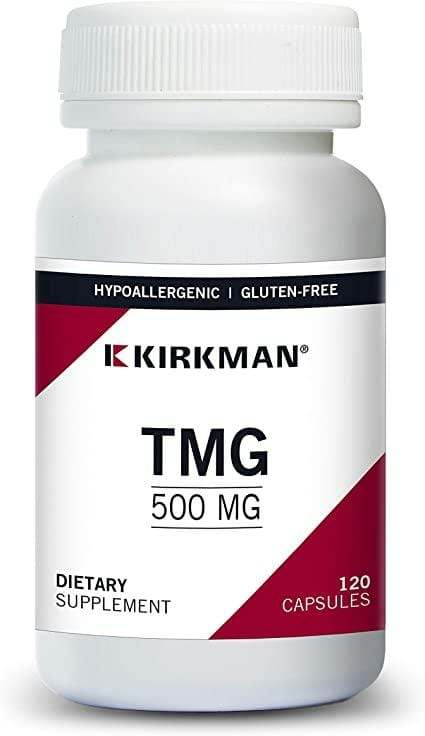
Zinc carnosine, also called polaprezinc, is a chelate — zinc and L-carnosine bound together in a one-to-one complex. That structure is the entire point, and it explains why it isn't the same as taking zinc and carnosine separately.
The complex has a useful property: it adheres to damaged or ulcerated mucosal surfaces and releases its components slowly at the site. Rather than being absorbed systemically and distributed everywhere, it concentrates where the tissue is injured.
In Japan it has been used as a prescribed treatment for gastric ulcers since the 1990s, and studied as an adjunct alongside Helicobacter pylori eradication therapy. That regulatory history matters — it's a compound that went through an approval process somewhere, which very few supplements can claim. See zinc carnosine and H. pylori.
The study most often cited in the West was published in Gut in 2007. Researchers gave healthy volunteers indomethacin — an anti-inflammatory known to increase small intestinal permeability — and measured the effect with and without zinc carnosine.
Zinc carnosine substantially reduced the rise in intestinal permeability caused by the drug. The work also included laboratory findings suggesting it stimulates cell migration and repair processes in gut tissue.
This is the section most product pages skip, and it's the reason zinc carnosine isn't a casual daily supplement.
Typical dosing is 75mg twice daily — the regimen used in research. But zinc carnosine is roughly a quarter zinc by weight, so that delivers meaningfully more elemental zinc than UK guidance suggests for supplemental intake, which sits around 25mg daily.
Why this matters: copper
Zinc and copper compete for absorption. Sustained high zinc intake causes copper deficiency, which can produce anaemia, low white cell counts and — if prolonged — neurological damage that may not fully reverse.
This is why zinc carnosine is best used as a defined course rather than an indefinite daily supplement, why you should not stack it with a separate zinc supplement or a multivitamin containing zinc, and why anyone considering long-term use should be doing so under medical supervision.
Slippery elm (Ulmus rubra) is the inner bark of a North American tree, used by Indigenous peoples and later in Western herbal practice for sore throats, coughs and digestive complaints.
Its active component is mucilage — a polysaccharide that swells in water to form a slippery gel. The proposed mechanism is demulcent: the gel physically coats mucous membranes, providing a soothing barrier. That's the same principle behind a throat lozenge, and it's intuitive.
Very little, in controlled terms. Slippery elm has centuries of traditional use and an excellent safety record, but rigorous human trials for gut lining or intestinal permeability are essentially absent. Where it appears in IBS research, it's usually one ingredient in a multi-herb blend, which makes attribution impossible.
Traditional use over a long period is genuine information — it tells you something real about tolerability. It doesn't tell you the product works. See slippery elm.
| Feature | Zinc carnosine | Slippery elm |
|---|---|---|
| What it is | Zinc–carnosine chelate | Tree bark mucilage |
| Mechanism | Adheres to damaged mucosa, aids repair | Forms a soothing physical coating |
| Human trial evidence | Yes — including a permeability study | Minimal |
| Approved as a medicine anywhere | Yes — Japan, gastric ulcers | No |
| Reaches the small intestine | Yes | Uncertain |
| Suitable long term | No — zinc accumulation risk | Generally well tolerated |
| Main caution | Copper deficiency | Blocks medication absorption |
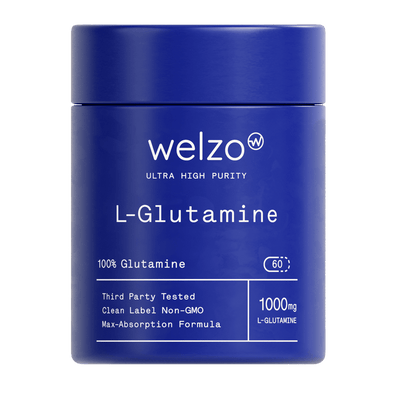
L-glutamine is the third compound routinely sold for this purpose, and it has the most direct physiological link of any of them: it's the preferred fuel of enterocytes, the cells lining your small intestine. Welzo Ultra Purity L-Glutamine supplies 1,000mg per two-capsule serving — though note that gut permeability studies typically use several grams daily, so a capsule is a top-up rather than a trial dose. Full comparison in L-glutamine vs collagen.
And the unglamorous point that outranks all three: if anti-inflammatories, alcohol or an undiagnosed condition are damaging your gut lining, addressing that does more than any of these. See supplements for leaky gut.
Zinc carnosine commonly causes nausea if taken on an empty stomach. Slippery elm is very well tolerated, with mild digestive upset the usual complaint.
Take medical advice before either if you
A pharmacist can check either against your full medication list in a couple of minutes. Never stop or alter prescribed treatment to take a supplement.
On labelling: neither carries an authorised health claim for gut lining repair in GB or the EU. Both are sold as food supplements and cannot legally be marketed as treating any condition.
See your GP — or seek urgent care — if you have:
Symptoms attributed to a damaged gut lining are frequently caused by ulcers, gastritis, H. pylori, coeliac disease or IBS — all of which have proper diagnostic pathways. See when to see a GP.
On evidence, clearly. Zinc carnosine has human trial data including a permeability study, and is an approved gastric ulcer treatment in Japan. Slippery elm has centuries of traditional use but almost no controlled trials for this purpose.
No — the chelate is the point. The bound complex adheres to damaged mucosa and releases slowly at the site, which separate ingredients don't replicate.
Best used as a defined course rather than indefinitely. Typical dosing delivers more elemental zinc than UK guidance for supplemental intake, and sustained high zinc causes copper deficiency. Discuss extended use with your GP.
It can with prolonged high intake, because zinc and copper compete for absorption. Copper deficiency causes anaemia, low white cell counts and potentially irreversible neurological problems. Don't stack it with other zinc supplements.
It coats what it contacts — throat, oesophagus and plausibly the stomach. Whether a mucilage gel survives digestion to coat the small intestine meaningfully is much less clear.
There's no direct interaction concern, but slippery elm's mucilage may reduce absorption of things taken at the same time, including zinc carnosine. Separate them by at least two hours.
It's traditionally avoided during pregnancy. Check with your midwife or GP before using it if you're pregnant or trying to conceive.
Slippery elm's demulcent action makes more sense for upper digestive soothing. But persistent reflux needs assessment rather than long-term self-treatment.
Zinc carnosine reduced drug-induced permeability in a human study, which is the closest thing to supporting evidence in this area. That's not the same as treating "leaky gut syndrome", which isn't a recognised diagnosis.
Speak to your GP about gastric protection. There are prescribed options with strong evidence for protecting the stomach lining, and regular anti-inflammatory use deserves a proper review rather than a supplement.
Medical disclaimer: This article is for general information and education only and does not constitute medical advice, diagnosis or treatment. Food supplements are not a substitute for a varied and balanced diet, and are not intended to diagnose, treat, cure or prevent any disease. Zinc carnosine dosing used in research delivers more elemental zinc than UK guidance for supplemental intake; sustained high zinc intake causes copper deficiency, which can lead to anaemia and irreversible neurological damage. Do not combine it with other zinc supplements, and seek medical advice before extended use. Zinc can reduce the absorption of certain antibiotics, and slippery elm's mucilage can reduce absorption of medication taken at the same time — separate doses by at least two hours and check with a pharmacist. Slippery elm is traditionally avoided in pregnancy. "Leaky gut syndrome" is not a recognised medical diagnosis; symptoms attributed to it may indicate ulcers, gastritis, H. pylori, coeliac disease or IBS, all of which require assessment. Vomiting blood or black tarry stools require urgent medical care. Prices and availability are correct at the time of writing.
About the author
Dr Zeeshan Afzal (MBBS) is a practising medical doctor and Welzo's Medical Content Lead. He writes and reviews Welzo's health content to ensure it is accurate, evidence-based and aligned with current UK clinical guidance.
 Rated Excellent by 26,523+ Reviews
 100% Money Back Guarantee
Our money back guarantee ensures you receive your items or get a full refund.