



What Supplements Should I Take Quiz
Posted on:
Jan 29, 2024
Reviewed by



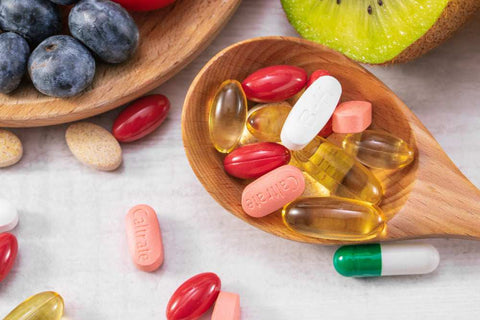
Not sure which supplements you actually need? Take our free 2-minute what supplements should I take quiz below. Answer 10 quick questions about your diet, sun exposure, energy, digestion, health goals and life stage, then match your answers to a personalised shortlist. For most adults in the UK, the honest answer is short: the NHS advises a daily vitamin D supplement (10 micrograms) from October to March, plus folic acid if you could become pregnant. Everything beyond that depends on your diet, blood results and goals — which is exactly what this quiz helps you work out.
Most healthy UK adults need only one supplement year-round: vitamin D 10 µg daily from October to March. Add folic acid 400 µg if you might become pregnant, vitamin B12 and iodine if you eat a vegan diet, and iron or B12 only if a blood test confirms a deficiency. Everything else should be matched to a specific goal, symptom or dietary gap.
A supplement is worth taking when it closes a real gap. Before spending money, work through these three checks — they eliminate most unnecessary purchases.
If you are not sure where you stand, a nutrition and vitamin blood test measures vitamin D, B12, iron status and key minerals in one go, so your choices are based on your numbers rather than assumptions.
Instructions: Answer each of the 10 questions below with the option that best describes you. Write down your letters as you go (for example: A, B, B, C, A…). At the end, count how many As, Bs and Cs you scored and read the matching result. This quiz gives general educational suggestions only — it is not a diagnosis, and it does not replace advice from your GP, pharmacist or dietitian.
Important: if you answered B or C to question 10, speak to your GP or pharmacist before starting anything new. Several common medicines interact with supplements — see supplement and medication interactions below.
This is the part most supplement quizzes skip. In the UK, only a handful of supplements are recommended at population level. Everything else is optional and situational.
| Who | Recommended supplement | Dose | Why |
|---|---|---|---|
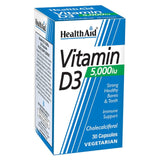
| All adults and children over 1 | Vitamin D | 10 µg (400 IU) daily, October–March | UK sunlight is too weak in autumn and winter for the skin to make vitamin D |
| People with little sun exposure, deeper skin tones, housebound or care-home residents | Vitamin D | 10 µg (400 IU) daily, all year | Consistently higher deficiency risk |
| Anyone who could become pregnant, and up to 12 weeks of pregnancy | Folic acid | 400 µg daily (higher doses on medical advice) | Reduces the risk of neural tube defects such as spina bifida |
| Breastfed babies from birth to 1 year | Vitamin D | 8.5–10 µg daily | Breast milk alone does not supply enough vitamin D |
| Children aged 6 months to 5 years | Vitamins A, C and D drops | As per product label | Insurance during rapid growth; free for eligible families via Healthy Start |
| Vegans and strict vegetarians | Vitamin B12, iodine (± omega-3 from algae) | Per product label | B12 occurs almost exclusively in animal foods; iodine mainly in dairy and fish |
You can read the full guidance on the NHS vitamins and minerals and vitamin D pages.
Reference nutrient intakes (RNIs) are the amounts that meet the needs of most people. The "safe upper level" column reflects NHS advice on daily supplement amounts that are unlikely to cause harm. Stacking a multivitamin with several single-nutrient products is the most common way people quietly exceed these.
| Nutrient | UK RNI (adults) | Daily supplement amount unlikely to cause harm | What happens if you take too much |
|---|---|---|---|
| Vitamin D | 10 µg (400 IU) | Up to 100 µg (4,000 IU) | Excess calcium in the blood, weakening bones, kidney and heart damage over time |
| Vitamin C | 40 mg | Under 1,000 mg | Stomach pain, diarrhoea, flatulence |
| Calcium | 700 mg | Under 1,500 mg | Stomach pain, diarrhoea; possible effect on iron absorption |
| Iron | 8.7 mg (men, women 50+); 14.8 mg (women 19–50) | Under 17 mg unless prescribed | Constipation, nausea, vomiting, stomach pain |
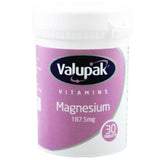
| Magnesium | 300 mg (men), 270 mg (women) | Under 400 mg (as magnesium salts) | Loose stools and diarrhoea |
| Zinc | 9.5 mg (men), 7 mg (women) | Under 25 mg | Reduced copper absorption, anaemia, weakened bones |
| Vitamin B6 | 1.4 mg (men), 1.2 mg (women) | Under 10 mg | Nerve damage (peripheral neuropathy) with high long-term intake |
| Selenium | 75 µg (men), 60 µg (women) | Under 350 µg | Hair loss, brittle nails, garlic-like breath, nerve damage |
| Vitamin A (retinol) | 700 µg (men), 600 µg (women) | Under 1.5 mg from food and supplements combined | Weakened bones; birth defects in pregnancy — avoid retinol supplements and liver if pregnant |
Key fact: vitamin D is measured in both micrograms and international units. 10 µg = 400 IU, and 25 µg = 1,000 IU. If the maths confuses you, our guide to what 1,000 IU means on a vitamin D test explains the conversion.
Use this table if your quiz answers were mixed, or if you have one clear objective rather than a general wish to "feel better".
| Your goal | Most worthwhile options | Strength of evidence | Worth testing first? |
|---|---|---|---|
| General wellbeing, no specific issue | Vitamin D; optional multivitamin | Strong for vitamin D in winter; weak for multivitamins in well-fed adults | Vitamin D |
| Persistent tiredness | Iron (only if low), vitamin B12, vitamin D | Strong if deficient; no benefit if levels are normal | Yes — ferritin, B12, folate, full blood count, thyroid |
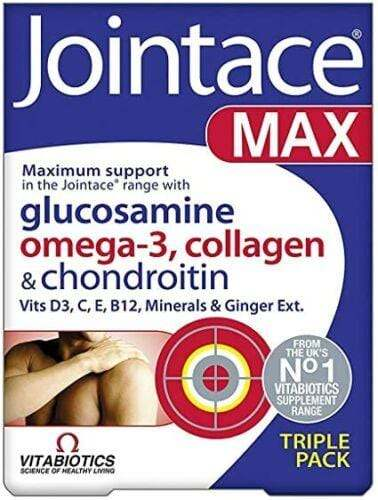
| Bone and joint health | Vitamin D, calcium (if dietary intake is low), collagen or glucosamine (optional) | Strong for vitamin D and calcium; mixed for glucosamine and collagen | Vitamin D |
| Muscle and athletic performance | Creatine monohydrate, protein, adequate iron | Strong for creatine and protein sufficiency | Ferritin if endurance training |
| Heart health | Omega-3 (EPA/DHA), plant sterols/stanols if cholesterol is raised | Strong for triglyceride lowering; modest and debated for cardiovascular events | Lipid profile |
| Digestive comfort | Strain-specific probiotic, soluble fibre, peppermint oil for IBS-type symptoms | Moderate and strain-dependent | Coeliac screen if symptoms persist |
| Stress, sleep and mood | Magnesium, vitamin D, B-complex if intake is poor | Modest; sleep and lifestyle changes matter more | Vitamin D, thyroid |
| Pregnancy or trying to conceive | Folic acid 400 µg, vitamin D 10 µg, pregnancy-safe multivitamin | Strong for folic acid | Discuss with midwife or GP |
| Vegan or plant-based diet | B12, iodine, vitamin D, algal omega-3, possibly iron and zinc | Strong for B12 and iodine | B12, ferritin |
| Over 50 | Vitamin D, calcium if intake is low, B12 (absorption falls with age) | Strong for vitamin D; moderate for B12 | B12, vitamin D |
Browse by category if you already know what you are looking for: all vitamins and supplements, bone, joint and muscle supplements, supplements for tiredness and fatigue, women's health supplements and men's health supplements.
Supplement marketing rarely distinguishes between "proven", "promising" and "unproven". This summary does. Where evidence is limited, we say so.
| Supplement | What the evidence supports | What it does not support |
|---|---|---|
| Vitamin D | Correcting deficiency; supporting bone and muscle function; UK-wide winter supplementation | High doses do not reliably prevent respiratory infections, cancer or fractures in people who already have adequate levels |
| Omega-3 (fish oil) | Lowering triglycerides; contributing to normal heart and brain function | A large Cochrane review concluded omega-3 supplements have little or no effect on overall mortality or cardiovascular events in the general population |
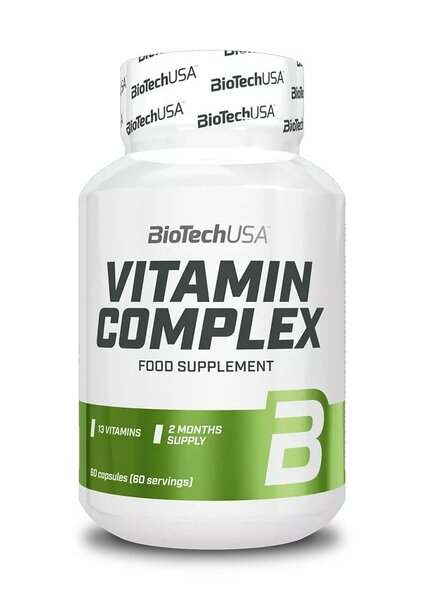
| Multivitamins | Filling gaps in restricted, low-variety or low-calorie diets | A 2024 analysis of nearly 400,000 US adults found no reduction in death rates among regular multivitamin users |
| Probiotics | Specific strains for specific uses — for example, reducing antibiotic-associated diarrhoea | Benefits are not transferable between strains or brands; general "gut health" claims are weakly supported |
| Iron | Treating diagnosed iron deficiency and iron-deficiency anaemia | Taking iron without deficiency does not raise energy and increases side effects |
| Vitamin B12 | Preventing and treating deficiency in vegans, older adults and people on long-term metformin or PPIs | Extra B12 does not boost energy if your levels are already normal |
| Creatine monohydrate | One of the best-evidenced sports supplements for strength, power and lean mass | It is not a fat burner and does not replace training or protein intake |
| Antioxidant megadoses | Nothing in healthy, well-nourished people | High-dose beta-carotene increased lung cancer risk in smokers in two large trials — smokers should avoid it |
You can check primary research yourself on PubMed and read systematic reviews at the Cochrane Library.
Testing is worth it when the result would change what you do. Use this decision tree.
At-home options include the Welzo vitamin D blood test (lab-analysed 25-hydroxyvitamin D), the instant vitamin D test for a result in around 10 minutes, and the broader women's health blood tests range. Always take unexpected or abnormal results to a clinician for interpretation.
Timing matters less than consistency, but a few rules genuinely change absorption.
| Supplement | Best timing | Why |
|---|---|---|
| Vitamin D, A, E, K, omega-3, CoQ10 | With a meal containing fat | Fat-soluble — absorption drops sharply on an empty stomach |
| Iron | On an empty stomach with vitamin C, or with food if it upsets your stomach | Tea, coffee, calcium and dairy reduce absorption |
| Magnesium | Evening | Convenient for sleep routines; well tolerated with food |
| B vitamins and multivitamins | Morning with breakfast | Reduces nausea; some people find B vitamins mildly stimulating |
| Probiotics | Consistently, per the label | Strain-specific instructions matter more than time of day |
| Calcium and iron | Separate by at least 2 hours | They compete for absorption |
For a fuller breakdown, see our supplement timing chart.
This is the single most important safety section on this page. If you take regular medication, check before you start.
| Medicine | Interacting supplement | What to do |
|---|---|---|
| Warfarin and other anticoagulants | Vitamin K, high-dose vitamin E, fish oil, St John's wort | Speak to your anticoagulant clinic before any change |
| Levothyroxine | Iron, calcium, magnesium | Take at least 4 hours apart |
| Antidepressants (SSRIs), contraceptives, HIV medication | St John's wort | Avoid — it reduces the effect of many medicines |
| Metformin | — | Long-term use can lower B12; ask about periodic testing |
| Proton pump inhibitors (omeprazole, lansoprazole) | — | Reduced absorption of B12, magnesium and iron over time |
| Certain antibiotics (tetracyclines, quinolones) | Calcium, iron, zinc, magnesium | Separate doses by several hours |
| Statins | High-dose niacin, red yeast rice | Discuss with your GP or pharmacist first |
Pregnancy: avoid supplements containing retinol (vitamin A) and avoid liver. Take folic acid 400 µg daily until 12 weeks, and vitamin D 10 µg throughout. Some people need a higher 5 mg folic acid dose — for example if you have diabetes, a raised BMI, epilepsy treated with certain medicines, or a previous pregnancy affected by a neural tube defect. Your midwife or GP will advise.
| Myth | Fact |
|---|---|
| "Everyone needs a daily multivitamin." | Most people eating a varied diet do not. Multivitamins are most useful for restricted or low-variety diets. |
| "Expensive supplements absorb better." | Price does not predict bioavailability. The chemical form and dose do. |
| "Water-soluble vitamins are harmless in any dose." | Long-term high-dose vitamin B6 can cause nerve damage; high-dose vitamin C causes gastrointestinal upset. |
| "Vitamin C prevents colds." | Routine supplementation does not prevent colds in the general population; it may slightly shorten duration. |
| "You can get all your vitamin D from UK sunlight." | Between roughly October and March, UK sunlight is too weak for the skin to make vitamin D. |
| "If some is good, more is better." | Several nutrients follow a U-shaped curve — too much is as harmful as too little. |
If you want a shortlist rather than the full range, see our editorial guides to the best vitamin brands and best vitamin D3 supplements ranked, or the Welzo editors' pick of supplements.
Match supplements to gaps rather than symptoms. Start with the NHS baseline (vitamin D in winter, folic acid if you could become pregnant, B12 and iodine if vegan), then use blood tests for anything measurable such as ferritin, B12 and vitamin D. Take the quiz above for a personalised shortlist.
For most healthy adults, yes — a standard multivitamin providing around 100% of the RNI is generally safe daily. It becomes risky when combined with several single-nutrient products, which can push vitamin A, B6, zinc or iron past safe limits.
Vitamin D is the clearest value for money in the UK. After that, spend on what you can justify: omega-3 if you rarely eat oily fish, B12 and iodine if you are vegan, and creatine if you strength train. Most other purchases are optional.
Yes. Fat-soluble vitamins (A, D, E, K) accumulate in the body, and minerals such as iron, zinc and selenium have narrow safe ranges. Symptoms of excess include nausea, headaches, hair loss and, in the case of vitamin D, dangerously high blood calcium.
Keep calcium and iron at least two hours apart, keep zinc and copper in balance, and separate minerals from levothyroxine and certain antibiotics by several hours. Avoid combining several products that each contain the same nutrients.
It depends on what you are correcting. Vitamin D levels typically take 8–12 weeks to rise meaningfully; iron stores can take three to six months to rebuild; B12 improvements may be felt within weeks. If nothing has changed after three months, re-test rather than adding more.
Usually far fewer than the marketing suggests — but vitamin D is the exception, because it depends on sunlight rather than diet. Vegans also need B12 and iodine regardless of how well they eat.
Supplements are regulated as food, not as medicines. That means they must be safe and accurately labelled, but they are not assessed for effectiveness before sale in the way licensed medicines are. Products making medicinal claims fall under MHRA regulation instead.
Take folic acid 400 µg daily until 12 weeks and vitamin D 10 µg throughout pregnancy. Avoid supplements containing retinol (vitamin A) and avoid liver. Check any other product with your midwife, GP or pharmacist.
No. It is an educational starting point for a conversation with a healthcare professional. If you have a diagnosed condition, take regular medication, are pregnant or breastfeeding, or have persistent symptoms, get personalised advice before starting anything new.
The most useful outcome of this quiz is often a shorter supplement list, not a longer one. For most people in the UK, the evidence supports a small, boring core — vitamin D through the darker months, folic acid before and during early pregnancy, B12 and iodine on a vegan diet — plus a small number of targeted additions justified by a blood test or a specific goal.
Your needs will change with your age, diet, training, medication and health, so revisit your answers every six to twelve months. And treat any supplement decision that involves prescription medicine, pregnancy or an ongoing symptom as a conversation for your GP or pharmacist rather than a decision to make alone.
When you are ready to act on your results, explore vitamins and supplements at Welzo, compare options in the multivitamins collection, or start with a nutrition and vitamin blood test so your choices are guided by data.
Disclaimer: This quiz and article are for general information only and are not a substitute for professional medical advice, diagnosis or treatment. Always consult a qualified healthcare professional before starting, stopping or changing any supplement, particularly if you are pregnant, breastfeeding, taking prescription medication or managing a health condition.








 Rated Excellent by 28,951+ Reviews
 100% Money Back Guarantee
Our money back guarantee ensures you receive your items or get a full refund.