
Your cart is empty
This quantity of item cannot be added to the cart
Continue shopping
Ceramides
4.8on Trustindex
browsing now
Order before 2pm for same-day dispatch
2766+ orders this week
-
Sale-17%
 Quick view
Life Extension
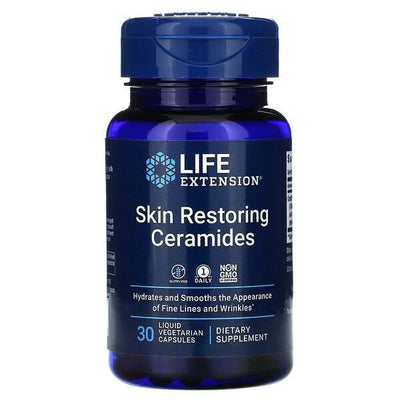
Life Extension Skin Restoring Ceramides - 30 liquid vcaps
Health and WellbeingCeratiq wheat (Trit...£ 20.74£25.13Lowest price in 30 days
UK delivery soon
Order within 2h 14m
In Stock
Authentic 30-day returns 12 viewing -
 Quick view
Swanson
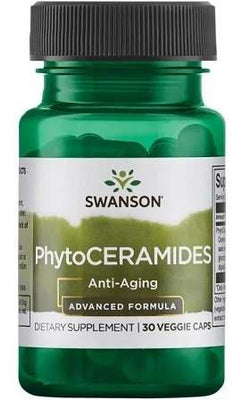
Swanson PhytoCERAMIDES - 30 vcaps
Health and WellbeingPhytoCeramides {fro...£ 14.84UK delivery soon
Order within 2h 14m
Out of stock
Authentic 30-day returns 12 viewing -
 Quick view
Life Extension
Skin Restoring Ceramides, 30 Liquid Vegetarian Capsules - Life Extension
SupplementsCeratiq® wheat£ 27.20UK delivery soon
Order within 2h 14m
Out of stock
Authentic 30-day returns 12 viewing
Ceramides
Ceramides are naturally occurring lipids (fats) found in the outermost layer of the skin. They act like the “mortar” between skin cells, helping to hold the barrier together so moisture stays in and irritants stay out.
If your skin feels tight, looks flaky, becomes reactive, or struggles to stay hydrated, it often points to a weakened barrier. Ceramide-focused skincare is designed to support that barrier, improve comfort, and help skin look smoother and more resilient over time.
Shop Ceramides skincare online to build a routine that supports long-lasting hydration, softness, and a healthier-looking complexion—especially if your skin is dry, sensitive, or frequently exposed to active ingredients, weather changes, or daily cleansing and makeup removal.
What are Ceramides?
Ceramides are waxy lipid molecules that make up a significant portion of the skin’s barrier. In simple terms, they help form a protective seal across the skin surface, reducing transepidermal water loss (TEWL) and strengthening the skin’s ability to cope with external stressors.
In skincare, ceramides are commonly included in moisturisers, creams, serums, and cleansers to help replenish barrier lipids and support hydration. Many formulas pair ceramides with other barrier-friendly ingredients to improve feel, texture, and overall skin tolerance.
Benefits and Features of the Welzo Ceramides Collection
Barrier-supportive ceramide products are ideal for routines focused on comfort, hydration, and skin stability. You’ll often find ceramides used alongside gentle hydrators and soothing actives—especially in products formulated for dryness and sensitivity.
- Helps reduce dryness and tightness: Ceramides support the skin barrier so hydration is retained more effectively.
- Improves tolerance to actives: A stronger barrier can make routines that include potent ingredients feel more comfortable.
- Supports smoother texture: When skin is well-hydrated and protected, it often looks more even and supple.
- Works well for reactive skin types: Ceramide-based routines are frequently chosen when skin feels easily irritated.
If you’re building a barrier-first routine, you can also explore complementary options like skin soothing products that focus on calming, comfort, and visible redness reduction.
Why are Ceramides Important?
When the skin barrier is compromised—due to harsh cleansing, weather, over-exfoliation, or inconsistent moisturising—skin can lose water faster and become more prone to irritation. Ceramides help address this by supporting the “seal” that keeps moisture in place.
This is especially relevant if you regularly experience dryness or flaking. If your primary concern is persistent dehydration, consider pairing ceramides with routines designed specifically for dry skin skincare to reinforce hydration throughout the day.
Best Products in Ceramides
The “best” ceramide product depends on your skin type and how you like to build your routine. Many people choose a ceramide moisturiser as the anchor product, then add supporting steps based on their needs.
- Ceramide moisturisers and creams: Great for daily barrier support, especially for dryness-prone skin.
- Ceramide serums: Useful for layering under moisturiser when skin feels tight or sensitised.
- Ceramide cleansers: Helpful when you want cleansing that supports comfort rather than leaving skin stripped.
If your routine includes daily cleansing and makeup removal, consider gentle options like micellar water skincare to reduce friction and help keep the barrier feeling comfortable.
How to Use Ceramides?
Ceramides are versatile and can be used morning and night. They work well as a supportive base when you use other actives, and they’re also excellent as the “recovery step” when skin feels compromised.
- Morning: Cleanse gently, apply ceramide serum or moisturiser, then finish with daily SPF.
- Evening: Remove makeup/sunscreen, cleanse, apply treatments if used, then seal with a ceramide-rich moisturiser.
For daytime barrier protection, pair ceramides with daily sun defence such as SPF moisturiser skincare to protect against UV stress while keeping skin hydrated.
Side Effects or Interactions of Ceramides
Ceramides are generally well-tolerated and suitable for most skin types, including sensitive skin. Side effects are uncommon, but any skincare product can cause issues if it contains additional ingredients that don’t suit you.
- Very sensitive or reactive skin: Patch test new products, especially if they include fragrance or potent supporting actives.
- Layering with strong actives: Ceramides can help improve comfort when using other ingredients, but introduce changes gradually.
If your skin is easily irritated, you may prefer to browse formulas designed for sensitive skin skincare and then add ceramides as your consistent barrier step.
Different Types of Ceramides Available
Skincare may list ceramides in different forms (for example: ceramide NP, AP, EOP), or as blends designed to mimic the skin’s natural lipid balance. You’ll also see “barrier lipid complexes” that combine ceramides with cholesterol and fatty acids for a more complete barrier-support profile.
Some routines pair ceramides with gentle exfoliating support to refine texture without disrupting comfort—if that’s your goal, consider balancing approaches rather than over-exfoliating. For those who want mild resurfacing while keeping barrier support, options like lactic acid may be used thoughtfully alongside ceramides.
Most Popular Ceramides Products
Popular ceramide products tend to fall into a few categories:
- Barrier creams for dryness: Often used in colder months or during “skin recovery” phases.
- Lightweight lotions for combination/oily skin: Designed to support the barrier without feeling heavy.
- Supportive layering serums: Helpful when skin is using other actives and needs extra comfort.
If your routine includes more advanced actives, barrier-first pairing can help. For example, if you use vitamin A products, exploring retinol alongside consistent ceramide moisturising can support a more comfortable experience.
Statistics, Research, Expert Information and Quotes
Ceramides are widely recognised in dermatology as key components of the skin barrier. When barrier lipids are depleted, skin may appear drier, feel more reactive, and lose moisture more quickly. Supporting the barrier with ceramide-containing products is a common approach to improving hydration retention and overall comfort.
Many routines also combine ceramides with antioxidants and brightening support to help skin look more even and resilient. If you’re building a balanced routine, you may also explore vitamin C skincare in the morning while keeping ceramides as your stabilising, barrier-support step.
How Welzo Selects the Ceramides Collection
Welzo curates ceramide products with a focus on routine compatibility, skin tolerance, and ingredient synergy. This means prioritising formulas that fit easily into everyday routines and that are suitable for barrier-focused skincare goals.
Where possible, products are selected to work well alongside complementary categories—such as barrier-friendly moisturisers, gentle cleansing, and supportive actives. If you like lightweight, non-greasy barrier support, you may also enjoy products featuring squalane, a popular emollient used to help reduce dryness and support a softer skin feel.
Trusted by Experts and Verified Ceramides Quality on Welzo
Quality and authenticity matter when choosing skincare and wellness products online. Welzo prioritises reputable sourcing and clear standards so customers can shop with confidence across curated collections.
Customer Reviews
To see what customers say about products purchased on Welzo, read verified feedback here: Welzo Reviews.
Internal Trust Pages
Learn more about the people and standards behind Welzo’s selection process:
- Welzo Staff
- Ingredient Quality, Purity & Certifications
- Supplement Quality Standards & Certifications
Learn More: Expert Skincare Guidance
If you’re dealing with uneven feel or roughness and want a routine that supports barrier health, this guide may help you plan your next steps: How to Get Rid of Textured Skin, According to Experts.
FAQs
What do ceramides do for the skin barrier?
Ceramides help strengthen the outer barrier by reducing moisture loss and supporting the protective “seal” between skin cells.
Are ceramides good for dry skin?
Yes. Ceramides are commonly used to improve hydration retention and relieve the tight, flaky feeling associated with dryness.
Can sensitive skin use ceramides every day?
In most cases, yes. Ceramides are generally well-tolerated and are often included in routines for reactive or sensitised skin.
Do ceramides help with redness and irritation?
They can help reduce discomfort linked to a weakened barrier by improving moisture retention and limiting external irritation triggers.
Can I use ceramides with retinol?
Many people pair them successfully. Ceramides are often used to improve comfort and reduce dryness that can occur with vitamin A routines.
Should I use ceramides in the morning or at night?
Both can work well. Morning supports daily barrier protection, and night use helps replenish and reduce overnight dryness.
Are ceramides suitable for oily or acne-prone skin?
They can be. Choosing lightweight ceramide lotions or gels may support the barrier without feeling heavy, depending on the formula.
Which ceramide product should I buy first?
A ceramide moisturiser is usually the easiest starting point, because it can be used daily and fits into most routines without complexity.
How long does it take to see results from ceramides?
Some people notice improved comfort and reduced tightness quickly, while texture and resilience improvements may take a few weeks of consistent use.
 Rated Excellent by 28,951+ Reviews
 100% Money Back Guarantee