
Your cart is empty
This quantity of item cannot be added to the cart
Continue shopping
Hard Skin Removal Products
4.8on Trustindex
browsing now
Order before 2pm for same-day dispatch
2766+ orders this week
-
 Quick view
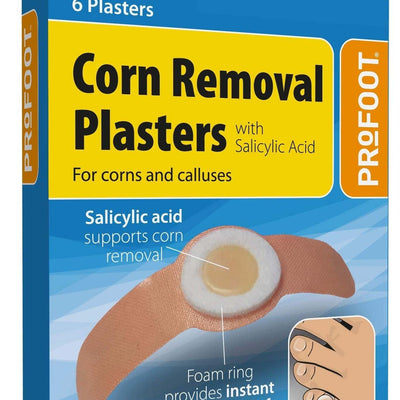
Profoot
Profoot Corn Removal Pack of 6
Corn & Callus Care Supplies£ 3.08UK delivery soon
Order within 2h 14m
In Stock
Authentic 30-day returns 12 viewing -
 Quick view
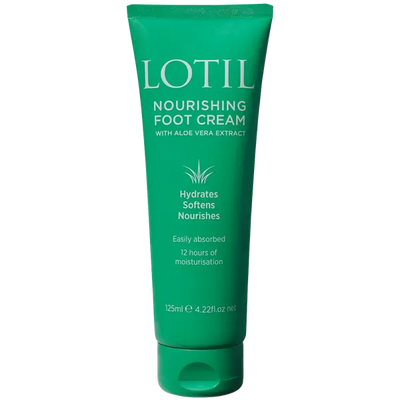
Lotil
Lotil Foot Cream
Lotion & Moisturizer£ 7.34UK delivery soon
Order within 2h 14m
In Stock
Authentic 30-day returns 12 viewing -
 Quick view
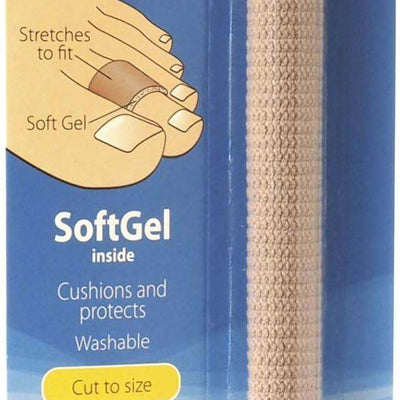
Profoot
Profoot Softgel Toe Tube
Foot Care£ 5.39UK delivery soon
Order within 2h 14m
In Stock
Authentic 30-day returns 12 viewing -
 Quick view
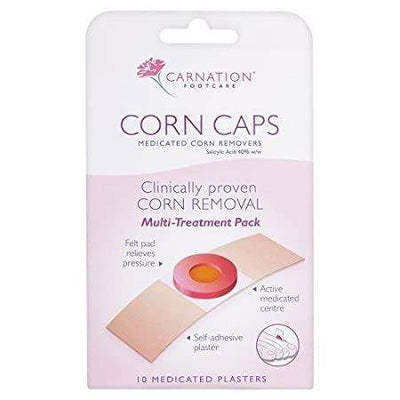
Carnation
Carnation Corn Caps Pack
Corn & Callus Care Supplies£ 3.35UK delivery soon
Order within 2h 14m
In Stock
Authentic 30-day returns 12 viewing -
 Quick view
Profoot
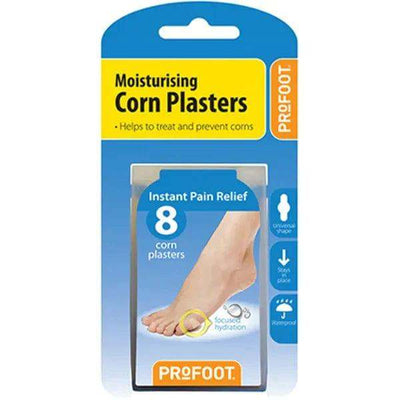
Profoot Moisturising Corn Plasters Pack of 8
Foot Care£ 5.24UK delivery soon
Order within 2h 14m
In Stock
Authentic 30-day returns 12 viewing -
 Quick view
Scholl
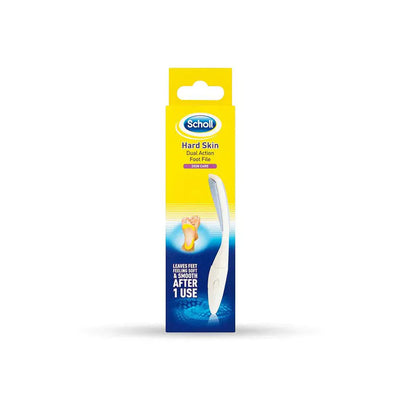
Scholl Dual Action Foot File
Foot Files£ 5.09UK delivery soon
Order within 2h 14m
Out of stock
Authentic 30-day returns 12 viewing
Hard Skin Removal Products
Hard skin, calluses and corns can build up on the heels, balls of the feet and toes due to pressure, friction and lifestyle factors. Our hard skin removal collection is designed to soften, smooth and protect dry, rough areas using targeted tools, creams and plasters so you can stay comfortable on your feet every day.
What Is Hard Skin Removal?
Hard skin removal refers to the process of gently reducing thickened, rough or callused skin using mechanical tools (such as files, rasps and exfoliating devices) and specialised emollients or keratolytic creams. The goal is not to strip skin aggressively but to gradually thin and soften the outer layer (stratum corneum), restoring comfort and flexibility while protecting the healthier skin underneath.
Many people experience hard skin on the heels, the sides of the big toe or under the metatarsal heads due to standing for long periods, walking or running, wearing ill-fitting shoes or having foot shape issues such as high arches or bunions. Dedicated Scholl hard skin and foot care products and Carnation Cool Foot Products are often used alongside daily moisturisers and comfortable footwear as part of a full foot-care routine.
Benefits and Features of Hard Skin Removal Products
Choosing the right hard skin remover can deliver multiple benefits beyond purely cosmetic smoothing:
- Improved comfort – reducing thick, dry patches can make walking, standing and exercising more comfortable.
- Prevention of cracks and fissures – properly moisturised, smoothed skin is less likely to split, which may reduce the risk of soreness and infection.
- Better absorption of creams – once the thick outer layer is reduced, hydrating creams (such as those found in Balneum dry skin products or Vaseline emollient products) can penetrate more effectively.
- Smoother appearance – gentle, regular removal can improve the look of feet and hands, especially in open shoes or sandals.
- Support for active lifestyles – runners, gym-goers and people who stand all day may find that controlling hard skin helps maintain performance and comfort.
Many hard skin products are designed with ergonomic handles, replaceable heads and skin-friendly ingredients like urea, lactic acid and glycerin. Some formulas also include soothing agents similar to those in sensitive-skin ranges like sebamed skincare products to help minimise irritation.
Why Is Hard Skin Removal Important?
Hard skin forms as a protective response to repeated pressure or friction. In moderation, this can be helpful, but excessive build-up may become uncomfortable or even painful. Heavily callused heels are more prone to fissures, which can be sore and, in some cases, provide an entry point for infection.
For people with underlying health conditions that affect circulation or healing, such as diabetes or peripheral vascular disease, unmanaged hard skin can contribute to more serious foot problems. While this collection is suitable for everyday cosmetic care, anyone with persistent pain, discolouration, swelling or reduced sensation should seek medical advice from a healthcare professional.
In addition, rough skin can trap moisture and sweat, making it harder to keep feet fresh and comfortable. Many customers combine hard skin removers with targeted treatments from ranges like Athlete’s Foot treatments when managing multiple foot concerns.
How to Use Hard Skin Removal Products Safely
Safe, consistent use is key to effective hard skin removal. The aim is gradual improvement rather than aggressive, one-off scraping.
-
Soak and soften (if recommended)
Many devices and creams work best after a brief foot soak in warm (not hot) water for 5–10 minutes. This can soften the outer layer of hard skin, making it easier to reduce. Avoid prolonged soaking if you have broken skin or certain skin conditions. -
Gently file or buff
Use a foot file, rasp or exfoliating device with light to moderate pressure. Work in one direction rather than sawing back and forth, and stop if the area becomes sore or red. Products from brands like Scholl and Carnation Cool Foot Products are designed for controlled removal. -
Apply a rich moisturiser
After exfoliating, pat the area dry and apply a thick foot cream containing urea or other humectants. Some people like to seal this in with an occlusive product such as those found in the Vaseline collection. -
Use regularly, not excessively
Most people benefit from repeating the routine 1–3 times per week, depending on how quickly their hard skin forms. Over-filing can leave skin tender and more prone to irritation. -
Monitor for underlying issues
If you notice persistent pain, deep cracks, bleeding, or signs of infection (redness, warmth, discharge), stop home treatment and seek advice from a pharmacist, podiatrist or GP.
Different Types of Hard Skin Removal Products Available
Our hard skin removal collection brings together a range of tools and formulations to suit different preferences and skin types:
-
Manual foot files and rasps
Traditional files with metal, ceramic or abrasive surfaces, designed to be used on dry or slightly damp skin to reduce rough patches gradually. -
Electronic hard skin removers
Battery-operated or rechargeable devices with rotating rollers that buff away hard skin with minimal effort. These are popular for busy users seeking quick, repeatable results. -
Keratolytic creams and lotions
Creams containing urea, lactic acid or salicylic acid that help break down the bonds between dead skin cells, softening hard areas so they can be gently buffed away. These are often combined with repairing ingredients similar to those found in Balneum or Sudocrem skin barrier products. -
Corn plasters and pressure-relief pads
Targeted plasters that protect corns from further friction and, in some cases, help soften the central core. These are usually used alongside footwear adjustments and, where appropriate, professional footcare advice. -
Intensive overnight masks and socks
Single-use or reusable “foot mask” socks impregnated with emollients, which are worn for a longer period to deliver deeper hydration.
Popular Hard Skin Removal Products on Welzo
While stock and ranges can change over time, customers often look for:
- Electronic roller-style hard skin removers for quick daily or weekly maintenance.
- Heavy-duty manual foot files for thick heel calluses.
- High-strength urea foot creams to support ongoing softening and hydration.
- Corn plasters and pressure-relieving pads for targeted support on toes and bony prominences.
Many users combine a dedicated hard skin tool from makers like Scholl Foot Care with their usual body or hand creams, and in some cases with specialist formulas from ranges such as Balneum for very dry skin or sebamed for sensitive skin.
Evidence, Expert Insight and Safety Considerations
Dermatology and podiatry guidance generally supports the careful reduction of callused skin when it becomes uncomfortable, provided that sharp tools are avoided in the home and that people with high-risk conditions (such as diabetes or severe circulatory problems) seek professional care. Regular moisturising and pressure redistribution (for example, through better-fitting shoes or insoles) are considered just as important as the mechanical removal of hard skin.
Experts frequently emphasise the following points:
- Avoid blades at home – using razors or scalpels on the feet carries a risk of cuts and infection and is best left to trained clinicians.
- Don’t ignore sudden changes – rapid changes in skin colour, new pain or swelling, or ulcers require prompt medical assessment.
- Combine lifestyle and skincare – weight management, footwear changes and managing conditions such as fungal infections with suitable products (for example from our Athlete’s Foot collection) can help address underlying causes of hard skin.
How Welzo Selects Hard Skin Removal Products
At Welzo, we curate our hard skin removal range to balance efficacy, safety and convenience:
- Reputable brands – we prioritise established foot-care and skincare brands already trusted across the UK, including those featured in collections like Scholl, Balneum and Vaseline.
- Clear indications and instructions – products must have easy-to-follow guidance so customers can use them safely at home.
- Range of strengths and formats – from gentle daily creams to intensive tools, our goal is to provide options for light maintenance through to more stubborn hard skin.
- Suitability for sensitive or problem skin – where possible, we include options suitable for sensitive or very dry skin, complementing ranges such as sebamed.
Trust, Quality and Your Foot-Care Journey with Welzo
As a UK-based health and wellness platform, Welzo aims to make effective foot-care products more accessible. Our range of hard skin removers is designed to integrate seamlessly with other everyday essentials, from hand sanitisers and antibacterial hand gels to targeted skin treatments like Sudocrem and dryness-focused emollients.
We focus on clear product information, straightforward delivery options and a trustworthy shopping experience so you can build a personalised routine that fits your lifestyle, whether you are managing minor rough patches or incorporating foot care into a broader wellness plan.
Customer Reviews and Experiences
Many customers report noticing smoother heels and reduced discomfort within a few weeks of consistent use of hard skin removal tools and creams, especially when combined with daily moisturising and supportive footwear. Experiences vary depending on skin type, lifestyle and any underlying health conditions, so we recommend reading individual product reviews on each item’s page for more specific feedback before you buy.
Hard Skin Removal FAQs
How often should I use a hard skin remover?
Most people find that 1–3 sessions per week are enough to keep hard skin under control, although this can vary depending on how quickly your skin thickens and how much time you spend on your feet. The key is to use gentle, regular maintenance rather than occasional aggressive filing. Always follow the instructions provided with your chosen product.
Can I remove hard skin if I have diabetes?
If you have diabetes, poor circulation or reduced sensation in your feet, you should speak to your GP, diabetes team or a podiatrist before using home hard skin removal devices. In many cases, professional footcare is recommended instead, as even small cuts or ulcers may take longer to heal and can lead to complications.
What is the difference between hard skin, corns and calluses?
All three involve thickened skin, but they can look and feel different. Calluses are usually larger, flatter areas of hard skin that develop where there is repeated pressure or friction, such as on the heels or balls of the feet. Corns tend to be smaller, more localised and can be painful when pressed. General “hard skin” is a broader term people use to describe rough, thickened patches. If you are unsure what you have, a pharmacist or podiatrist can help assess your feet.
Should I use hard skin removers on wet or dry feet?
This depends on the specific product. Some foot files and electronic devices are designed for use on dry skin, while others can be used on damp or wet skin after soaking. Always check the manufacturer’s instructions. Over-soaking can sometimes make skin more delicate, so avoid very long or very hot footbaths, especially if you have sensitive skin.
Can hard skin come back after removal?
Yes, hard skin often returns if the original cause of friction or pressure remains. Tight shoes, long periods of standing or certain foot shapes can all encourage callus formation. Regular, gentle maintenance with hard skin removal products, alongside better-fitting footwear and, where appropriate, insoles or orthotics, can help slow the build-up and keep skin more comfortable over time.
What else can I do to prevent hard skin from forming?
In addition to using hard skin removers, consider:
- Wearing well-fitting, supportive footwear with enough room in the toe box.
- Using moisture-wicking socks and changing them regularly.
- Applying a rich foot cream daily, especially after bathing.
- Addressing any fungal infections with appropriate products from our Athlete’s Foot range if needed.
- Seeking advice from a podiatrist if you have repeated or severe hard skin, corns or pain when walking.
 Rated Excellent by 28,951+ Reviews
 100% Money Back Guarantee