








Your cart is empty
This quantity of item cannot be added to the cart
Continue shopping
Omega-3 Supplements
4.8on Trustindex
browsing now
Order before 2pm for same-day dispatch
2766+ orders this week
-
 Quick view
Nordic Naturals
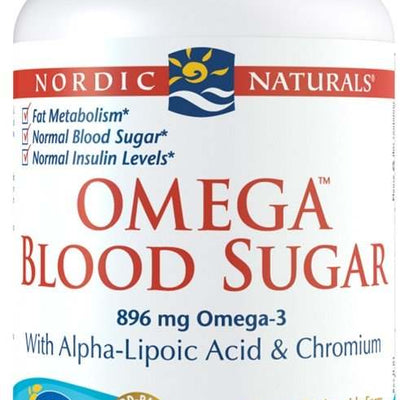
Nordic Naturals Omega Blood Sugar, 896mg - 60 softgels
Omegas, EFAs, CLA, OilsCalories£ 25.26UK delivery soon
Order within 2h 14m
Out of stock
Authentic 30-day returns 12 viewing -
 Quick view
Nordic Naturals
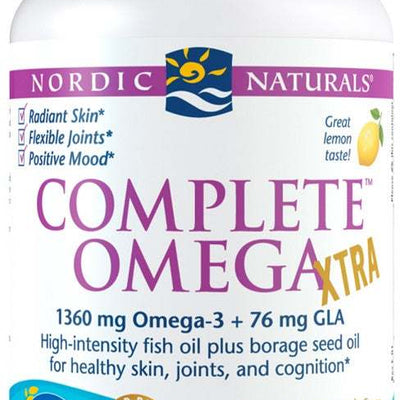
Nordic Naturals Complete Omega Xtra, 1360mg - 60 softgels
Omegas, EFAs, CLA, OilsCalories£ 29.53UK delivery soon
Order within 2h 14m
Out of stock
Authentic 30-day returns 12 viewing -
 Quick view
Swanson
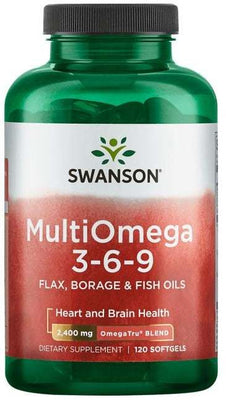
Swanson MultiOmega 3-6-9 - Flax & Borage & Fish Oils - 120 softgels
Omegas, EFAs, CLA, OilsCalories£ 19.09UK delivery soon
Order within 2h 14m
Out of stock
Authentic 30-day returns 12 viewing -
 Quick view
PhD
PhD Omega-3 - 90 softgels
Omegas, EFAs, CLA, OilsEPA (Eicosapentaeno...£ 12.72UK delivery soon
Order within 2h 14m
Out of stock
Authentic 30-day returns 12 viewing -
 Quick view
Nordic Naturals
Nordic Naturals Baby's DHA Fish Oil, 1050mg Omega-3 with Vitamin D3 - 60 ml
Health and Wellbeing£ 14.80UK delivery soon
Order within 2h 14m
Out of stock
Authentic 30-day returns 12 viewing -
 Quick view
Nordic Naturals
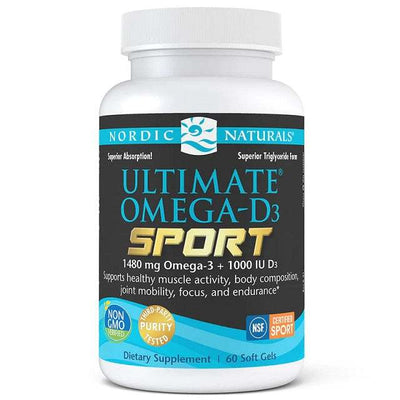
Nordic Naturals Ultimate Omega-D3 Sport, 1480mg Lemon - 60 softgels
Omegas, EFAs, CLA, OilsCalories£ 27.64UK delivery soon
Order within 2h 14m
Out of stock
Authentic 30-day returns 12 viewing -
 Quick view
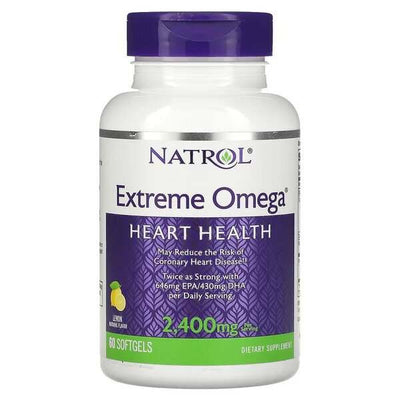
Natrol
Natrol Extreme Omega, 2400mg (Lemon) - 60 softgels
Health and WellbeingCalories£ 14.47UK delivery soon
Order within 2h 14m
Out of stock
Authentic 30-day returns 12 viewing -
 Quick view
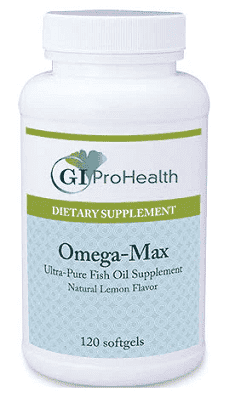
GI ProHealth
Omega Max (120 softgels) - GI ProHealth
Supplements£ 78.99UK delivery soon
Order within 2h 14m
Out of stock
Authentic 30-day returns 12 viewing -
 Quick view
Aloha Medicinals
K9 Omega, Fish Oil for Dogs - 60 Softgels - Aloha Medicinals
SupplementsOmega-3 Fish Oils (...£ 17.01UK delivery soon
Order within 2h 14m
Out of stock
Authentic 30-day returns 12 viewing -
 Quick view
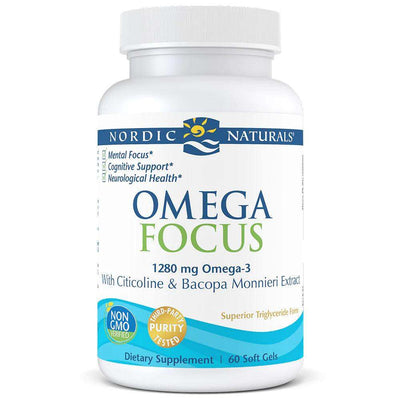
Nordic Naturals
Omega Focus 1,280 mg, 60 Soft Gels - Nordic Naturals
SupplementsOther Ingredients: ...£ 53.67UK delivery soon
Order within 2h 14m
Out of stock
Authentic 30-day returns 12 viewing -
 Quick view
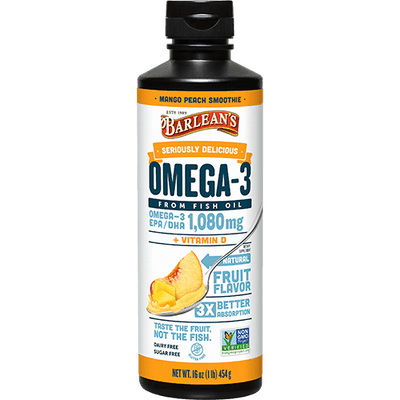
Barlean
Omega-3 from Fish Oil, Mango Peach Smoothie, 1,080 mg, 16 oz (454 g)
SupplementsOther ingredients W...£ 65.71UK delivery soon
Order within 2h 14m
Out of stock
Authentic 30-day returns 12 viewing -
 Quick view
Natural Factors
Omega-3 750 mg EPA / 500 mg DHA, Lemon Meringue, 500ml - Natural Factors
SupplementsFish oil (anchovy£ 52.59UK delivery soon
Order within 2h 14m
Out of stock
Authentic 30-day returns 12 viewing -
 Quick view
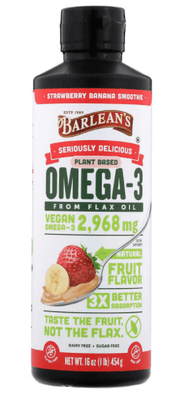
Barlean's
Omega-3 from Flax Oil, Strawberry Banana Smoothie, 16 oz (454 g) - Barlean's
Supplements(other) Flaxseed oil£ 39.30UK delivery soon
Order within 2h 14m
Out of stock
Authentic 30-day returns 12 viewing -
 Quick view
Source Naturals
Omega-7, Seabuckthorn Fruit Oil, 60 Vegi Softgels - Source Naturals
SupplementsSea Buckthorn Fruit...£ 27.29UK delivery soon
Order within 2h 14m
Out of stock
Authentic 30-day returns 12 viewing -
 Quick view
Nordic Naturals
Omega-3D 60 Softgels, Lemon Flavour - Nordic Naturals
SupplementsEicosapentaenoic Ac...£ 20.64UK delivery soon
Order within 2h 14m
Out of stock
Authentic 30-day returns 12 viewing -
 Quick view
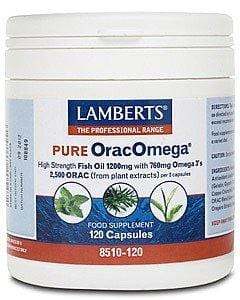
Lamberts
OracOmega - 120 Capsules - Lamberts
SupplementsEicosapentaenoic Ac...£ 29.01UK delivery soon
Order within 2h 14m
Out of stock
Authentic 30-day returns 12 viewing -
 Quick view
Higher Nature
Omega 3, 180 Capsules - Higher Nature
SupplementsOmega 3 fish oil (a...£ 20.97UK delivery soon
Order within 2h 14m
Out of stock
Authentic 30-day returns 12 viewing -
 Quick view
Hashmat
Hashmats Health Fish Oil Omega
Vitamins & Supplements£ 3.32UK delivery soon
Order within 2h 14m
Out of stock
Authentic 30-day returns 12 viewing
Omega-3 Supplements
Omega-3 supplements provide concentrated forms of essential fatty acids that support heart, brain, eye, joint and immune health. While omega-3s are found in oily fish, flaxseeds and walnuts, many people don’t eat enough of these foods regularly. High-quality omega-3 capsules, liquids and vegan algae oils offer a reliable way to increase EPA (Eicosapentaenoic Acid) and DHA (Docosahexaenoic Acid) intake as part of a wider nutrition and lifestyle plan.
Omega-3 products on Welzo sit within our broader heart health, joints, bones & muscles, eye health, immunity support, women’s health and men’s health collections, and are often combined with vitamin D, magnesium and collagen supplements for a more comprehensive approach.
What are Omega-3 fatty acids?
Omega-3 fatty acids are a family of polyunsaturated fats that the body cannot make in sufficient quantities, meaning we need to obtain them from food or supplements. The three main omega-3s relevant to human health are:
- EPA (Eicosapentaenoic Acid) – found mainly in oily fish and marine oils. EPA is strongly associated with cardiovascular support, inflammatory balance and joint health.
- DHA (Docosahexaenoic Acid) – a structural component of the brain, retina and nervous system. DHA is critical in pregnancy, breastfeeding, infancy and throughout life for cognitive and visual function.
- ALA (Alpha-linolenic Acid) – a plant-based omega-3 found in flaxseed, chia, hemp and walnuts. The body can convert ALA into EPA and DHA, but this conversion is limited and inefficient in many people.
Most omega-3 supplements focus on EPA and DHA because they are directly usable by the body. ALA supplements are useful for widening plant-based fat intake but are not a full substitute for EPA/DHA in brain, eye and cardiovascular support.
How Omega-3 supports your health
Omega-3s are incorporated into cell membranes throughout the body, where they influence membrane fluidity, cell signalling and inflammatory pathways. They are especially concentrated in:
- The heart and blood vessels
- The brain and central nervous system
- The retina of the eye
- Joint and cartilage tissues
- Immune and inflammatory cells
Heart & cardiovascular health
EPA and DHA contribute to the normal function of the heart. They help maintain healthy blood lipids and support vascular function and inflammatory balance. Many people use omega-3 supplements alongside lifestyle changes and products from our heart health supplements and cardiovascular health ranges.
Brain, mood & cognitive function
DHA is a major structural fat in the brain and is crucial for normal brain function and development. Adequate omega-3 intake is associated with:
- Normal cognitive function across the lifespan
- Support for learning, memory and attention
- Balanced mood when combined with sleep, stress and lifestyle strategies
Customers interested in focus, mood and resilience often combine omega-3 with products from our nootropics, stress relief and sleep & relaxation collections.
Pregnancy, breastfeeding & child development
During pregnancy and breastfeeding, DHA intake contributes to the normal brain and eye development of the fetus and breastfed infant. Many families choose algae-based DHA or carefully sourced fish oils alongside children’s vitamins once babies grow and begin weaning. Any pregnancy supplementation should be discussed with a midwife, doctor or pharmacist.
Joint comfort & inflammatory balance
EPA in particular plays a role in the production of signalling molecules involved in inflammation. For some people, regular omega-3 intake can support:
- Joint comfort and flexibility
- Recovery after physical activity
- General inflammatory balance when combined with diet and movement
Omega-3 is frequently combined with products from our joints, bones & muscles, glucosamine, chondroitin and hyaluronic acid categories as part of joint support regimes.
Eye, skin & immune support
DHA is highly concentrated in the retina and contributes to normal vision. Many customers with dry, tired or screen-strained eyes use omega-3 alongside targeted products from our eye health and allergy eye drops collections.
Omega-3s also help support skin barrier function, making them a popular add-on for people focusing on skin, hair and nails, particularly when combined with hair, skin & nails vitamins and collagen supplements.
What does the evidence say (and not say)?
Omega-3 fatty acids are among the most studied nutrients in clinical nutrition. Research shows:
- EPA and DHA contribute to the normal function of the heart at intakes of 250 mg per day.
- DHA contributes to the maintenance of normal brain function and normal vision at 250 mg per day.
- Higher, clinically supervised doses may be used in specific settings, particularly for triglyceride management, but require medical oversight.
However, omega-3 is not a magic “cure-all”:
- It does not replace prescribed medication for heart or mental health conditions.
- It cannot fully compensate for a highly processed diet, sedentary lifestyle or smoking.
- Not everyone experiences dramatic symptom changes; benefits are often subtle and long-term.
Think of omega-3 as a foundational nutrient that supports many systems, best used alongside diet, physical activity, sleep and stress management.
Who might benefit most from Omega-3 supplementation?
While omega-3 is relevant for most adults, supplementation may be particularly considered for:
- People who rarely eat oily fish (less than 1–2 portions per week).
- Those following vegetarian or vegan diets (algae-based DHA is especially useful).
- Older adults focusing on heart, joint and cognitive health.
- Athletes or active individuals with high training loads.
- People with diets high in omega-6 fats (e.g. processed seed oils) seeking better fatty acid balance.
- Individuals advised by a healthcare professional to optimise omega-3 intake.
Types & forms of Omega-3 supplements
By source
- Fish oil: The most common source of EPA + DHA, derived from oily fish such as anchovies or sardines.
- Krill oil: Provides EPA + DHA in phospholipid form and naturally contains astaxanthin (an antioxidant).
- Algae oil: A vegan, marine-derived source of DHA (and sometimes EPA), suitable for vegetarians and pregnancy.
- Cod liver oil: Omega-3 with naturally occurring vitamins A and D; dosing must consider total vitamin A intake.
- Plant-based omega-3 (ALA): Flaxseed, chia or perilla oils offering ALA for general plant omega-3 intake.
By chemical form
- Triglyceride (TG) form: Similar to natural food fats; often used in premium fish oils.
- Ethyl ester (EE) form: Concentrated omega-3; can provide higher EPA/DHA per capsule.
- Phospholipid form: Found in krill oil; integrates into cell membranes differently, which some users prefer.
For most healthy adults, all forms can be effective when taken consistently at appropriate doses. Quality, freshness and dose are usually more important than the specific chemical form.
Capsules, liquids & gummies
- Softgel capsules: Convenient, odour-controlled and easy to dose.
- Liquids: Flexible dosing, often preferred for children or higher intake needs.
- Chews or gummies: Palatable options for those who dislike swallowing capsules, though may contain more sweeteners.
How to choose a high-quality Omega-3 supplement
When comparing products in the Welzo range, consider:
- EPA + DHA content: Check how many milligrams of EPA and DHA you get per capsule or teaspoon, not just “fish oil” quantity.
- Purity & contaminants: Look for products produced under Good Manufacturing Practices (GMP) and, where stated, tested for heavy metals and pollutants.
- Freshness: High-quality omega-3 should have minimal fishy odour. Dark bottles, nitrogen flushing and antioxidants such as vitamin E help protect oils.
- Sustainability: Many brands prioritise responsibly sourced fish or algae; this is especially important for long-term consumption.
- Suitability: Choose fish, krill or algae oil based on your dietary pattern (including any fish or shellfish allergy) and ethical preferences.
How much Omega-3 should I take?
The right intake depends on age, diet, health status and goals. Commonly:
- General daily support is often around 250–500 mg combined EPA + DHA.
- Higher intakes may be recommended in specific scenarios under medical supervision.
- Pregnancy supplements often focus on 200–300 mg DHA or more, depending on diet and clinical advice.
Always follow the instructions on the label and talk to a doctor or pharmacist if you have existing medical conditions, take medication or are considering higher-dose regimens. Omega-3 is a food supplement, not a replacement for prescribed treatment.
When to seek medical advice
- If you take blood-thinning medicines (e.g. warfarin, certain antiplatelets or anticoagulants).
- If you have a bleeding disorder or are scheduled for surgery.
- If you are pregnant or breastfeeding and considering high-strength fish oil.
- If you have liver disease, kidney problems or a history of serious heart disease.
- If you have a known fish or shellfish allergy (consider algae-based DHA instead, after medical advice).
Side effects & precautions
Omega-3 supplements are generally safe and well tolerated, especially when taken with food. Possible side effects can include:
- Mild digestive discomfort, nausea or loose stools (usually dose-related).
- “Fishy burps” or aftertaste, particularly with lower-quality or oxidised oils.
- Rarely, nosebleeds or bruising at very high intakes, especially when combined with blood-thinning medication.
To minimise issues:
- Take omega-3 with or after a meal.
- Start with a lower dose and build up gradually if needed.
- Store oils in a cool, dark place and use liquids within the recommended time after opening.
If you notice persistent side effects, stop supplementation and seek professional advice.
Reviews of Omega-3 supplements
Many Welzo customers describe omega-3 supplements as a “core” part of their daily routine rather than a quick fix. Common feedback includes:
- “Joints feel less stiff in the morning after a few months of use.”
- “Eye dryness from screens is a bit better when I combine omega-3 with eye drops.”
- “Feels like a foundation nutrient, especially when I don’t eat much fish.”
Some users only notice subtle improvements or none at all, which is expected for a foundation nutrient rather than a stimulant. Benefits often accumulate over time as fatty acids are incorporated into cell membranes throughout the body.
How Omega-3 fits with other supplements
Omega-3 often forms the “base layer” of a wider supplement and lifestyle strategy. People frequently combine it with:
- Vitamin D – for bone, immune and mood support.
- Magnesium – for muscle function, sleep quality and stress resilience.
- Collagen – for joints, skin, hair and nails.
- Multivitamins – for overall micronutrient coverage.
- Adaptogens – such as ashwagandha or rhodiola for stress and energy when appropriate.
The best combination depends on your goals: heart health, performance, healthy ageing, fertility, pregnancy, recovery, or general wellbeing.
How Welzo selects Omega-3 supplements
Welzo curates omega-3 supplements using strict criteria to balance efficacy, safety and sustainability:
- Quality: Preference for brands using high-grade oils and robust purification methods.
- Transparency: Clear labelling of EPA and DHA content per serving.
- Safety: Products produced in GMP-compliant facilities with quality control checks.
- Freshness & stability: Formulations designed to minimise oxidation and preserve potency.
- Dietary flexibility: A mix of fish, krill and algae-based options to suit different lifestyles.
While Welzo sells omega-3 supplements commercially, our medical and educational content is developed independently by healthcare professionals and is not influenced by individual manufacturers.
Welzo editorial standards
All omega-3 content on this page is written by trained medical writers and reviewed by clinicians. Omega-3 products are sold in the UK as food supplements and are not intended to diagnose, treat, cure or prevent disease. The information provided is for general education only and should not replace personalised advice from a doctor, pharmacist or qualified nutrition professional.
FAQs about Omega-3 supplements
How long does it take to feel the benefits of Omega-3?
Omega-3 levels in cell membranes build gradually. Many people notice subtle changes in 4–12 weeks, but joint, heart or cognitive benefits may take longer. Consistency matters more than short bursts of high dosing.
Can I just rely on food for Omega-3?
Yes, if you regularly consume 2–3 portions of oily fish per week and have a generally balanced diet. Omega-3 supplements are most useful for those who rarely eat fish, follow plant-based diets or have documented low omega-3 status.
Is algae oil as good as fish oil?
Algae is the original marine source of DHA in the food chain. High-quality algae oils can be just as effective for raising DHA levels and are ideal for vegans, vegetarians and many pregnant individuals who avoid fish. Some algae products also include EPA.
Can I take Omega-3 with my medication?
Many people safely take omega-3 alongside medication, but you should always speak to your doctor or pharmacist first, especially if you are on blood thinners, blood pressure medication or have a bleeding disorder.
Is cod liver oil the same as regular fish oil?
Cod liver oil contains omega-3 plus vitamins A and D. While this can be beneficial, vitamin A can build up if taken in excess, so total vitamin A intake from all supplements and diet should be considered. Standard fish oil typically contains little or no vitamin A or D unless specifically added.
Can children take Omega-3 supplements?
Yes, but they should use age-appropriate products with child-specific dosing. Always follow the label instructions and, if in doubt, speak to a paediatrician or pharmacist.
Supplement disclaimer: Food supplements should not replace a varied, balanced diet or healthy lifestyle. If you have underlying health conditions, take regular medication or are pregnant or breastfeeding, consult a healthcare professional before starting any new supplement, including omega-3.
Can I take Omega-3 on an empty stomach?
Omega-3 absorbs best when taken with food containing fat. Taking it on an empty stomach may reduce absorption and increase the likelihood of digestive upset.
What time of day is best to take Omega-3?
There is no “best” time, but many people take omega-3 with breakfast or their largest meal to support absorption and reduce the chance of fishy aftertaste.
How do I know if I’m low in Omega-3?
Low intake is more likely if you rarely eat oily fish, follow a vegan diet or consume a high omega-6, low omega-3 diet. Blood tests exist to measure omega-3 levels but are not routinely performed unless clinically indicated.
Can Omega-3 help with dry skin?
Omega-3 supports skin barrier function, but effects vary between individuals. It may be used alongside topical skincare and products from our skin care range for a more comprehensive approach.
Is there a difference between cheap and premium Omega-3 supplements?
Higher-quality products often have better purification, lower oxidation, clearer EPA/DHA labelling and may use triglyceride form oils for better absorption. Cheaper products may contain lower EPA/DHA concentrations or oxidise more quickly.
Do I need to refrigerate Omega-3 supplements?
Liquid omega-3 products often need refrigeration after opening. Capsules usually do not, but all omega-3 should be stored away from heat and direct sunlight to maintain freshness.
Can Omega-3 go “off” or oxidise?
Yes. Omega-3 oils can oxidise when exposed to heat, oxygen or light, leading to a stronger fishy smell and reduced quality. Always check expiry dates and store correctly.
Is Omega-3 safe for people with high cholesterol?
Omega-3 fatty acids are widely used as part of heart-healthy lifestyle strategies. However, anyone with high cholesterol should seek medical advice before starting new supplements.
Can athletes benefit from Omega-3 supplements?
Many athletes take omega-3 to support inflammatory balance, joint comfort and post-exercise recovery alongside adequate protein and hydration routines.
Is plant-based ALA enough instead of fish or algae Omega-3?
ALA can contribute to general dietary omega-3 intake, but only a small percentage converts into EPA and DHA. For targeted heart, brain or eye support, direct EPA/DHA sources are more effective.
Can Omega-3 help with eye strain from screens?
Some users report improvements in comfort when omega-3 is combined with environmental changes and eye health products. Individual responses vary.
How long should I take Omega-3 for?
Omega-3 is typically taken long term as a foundational nutrient. Benefits usually build gradually over weeks to months. It’s safe to continue regularly unless advised otherwise by a clinician.
Can Omega-3 cause weight gain?
Omega-3 does contain calories, but typical supplement doses are too small to cause weight gain. It may support balanced metabolism when combined with a healthy lifestyle and weight management strategies.
Is there a difference between fish oil and cod liver oil?
Yes. Fish oil focuses on EPA and DHA. Cod liver oil contains omega-3 plus vitamins A and D. Due to vitamin A, cod liver oil requires careful dosing, especially in pregnancy.
Can Omega-3 supplements be taken during menopause?
Many people use omega-3 during menopause to support general wellbeing, mood balance and joint comfort. It pairs well with other products from our women’s health range. Those with medical conditions should consult a clinician first.
 Rated Excellent by 26,523+ Reviews
 100% Money Back Guarantee