
Your cart is empty
This quantity of item cannot be added to the cart
Continue shopping
Argania Spinosa
4.8on Trustindex
browsing now
Order before 2pm for same-day dispatch
2766+ orders this week
-
 Quick view
Pharmacy
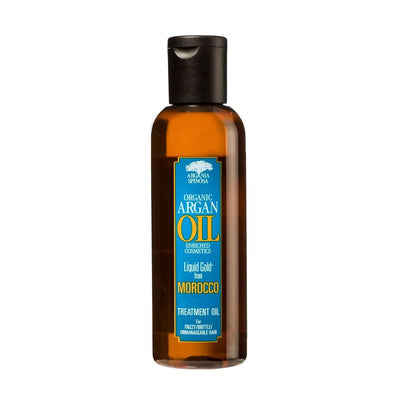
Argania Spinosa Treatment Oil
Hair Care£ 8.50UK delivery soon
Order within 2h 14m
Out of stock
Authentic 30-day returns 12 viewing -
 Quick view
Pharmacy
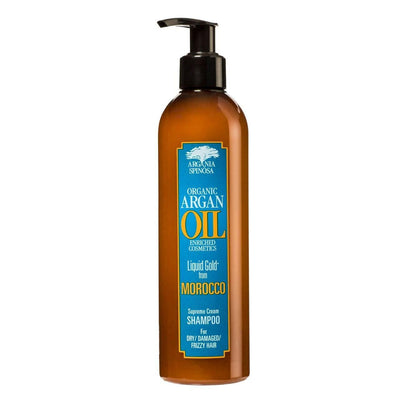
Argania Spinosa Shamp
Shampoo£ 8.50UK delivery soon
Order within 2h 14m
Out of stock
Authentic 30-day returns 12 viewing -
 Quick view
Pharmacy
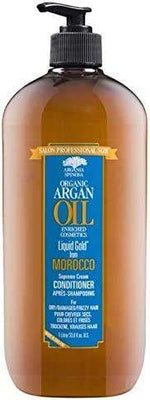
Argania Spinosa Cond
Conditioners£ 8.50UK delivery soon
Order within 2h 14m
Out of stock
Authentic 30-day returns 12 viewing
Argania Spinosa
Argania spinosa, commonly known as the argan tree, produces nutrient-rich argan oil used extensively in skin care, hair care and cosmetic products. Naturally high in vitamin E, omega fatty acids and antioxidants, argan oil helps hydrate, repair and soften the skin and hair. It is widely used to treat dryness, frizz, split ends, brittle nails, and irritation, making it a key ingredient in many premium moisturisers, shampoos and conditioners.
What is Argania Spinosa (Argan Oil)?
Argania spinosa is a tree native to Morocco, where its kernels are cold-pressed to produce pure argan oil — a lightweight, nourishing oil known for its restorative and moisturising properties. It is used in products ranging from facial oils and serums to shampoos, conditioners and body moisturisers.
Argan oil is suitable for most skin and hair types and is especially valued for its ability to provide hydration without heaviness. It fits well within wider wellness routines that include items from our skin care, hair care, and body skincare collections.
Common symptoms Argania Spinosa products help manage
- Dry or flaky skin.
- Damaged, frizzy or split hair.
- Loss of skin elasticity or dull complexion.
- Brittle nails or dry cuticles.
- Irritation from environmental factors such as cold weather or hard water.
- Dry scalp or mild flaking (when used with dandruff management products).
Argan oil is often paired with moisturisers from our moisturisers collection or used alongside nourishing shampoos in our shampoo and hair styling categories.
Benefits and features of Argania Spinosa oil
- Rich in vitamin E: Supports skin repair, reduces dryness and protects against environmental damage.
- High omega fatty acid content: Restores the lipid barrier, improving hydration and softness.
- Non-comedogenic: Suitable for most skin types, including combination or mildly oily skin.
- Lightweight texture: Provides moisture without heaviness or greasiness.
- Versatile: Can be used on the face, body, hair, nails and cuticles.
- Helps smooth and condition hair: Reduces frizz and improves shine, especially when used with hair dye or heat styling routines.
Why Argania Spinosa oil is important for skin & hair health
Argan oil provides a unique combination of antioxidants and fatty acids that strengthen the skin barrier and nourish hair fibres. Regular use helps:
- Protect against environmental stressors.
- Reduce skin tightness and dryness.
- Improve hair smoothness and shine.
- Support scalp health and reduce dryness.
When integrated into routines that include cleansers, conditioners and oils from hair care and body skincare, the benefits are amplified.
How to use Argania Spinosa oil safely
While argan oil is well-tolerated, proper use ensures optimal results:
- Apply a few drops to clean skin or damp hair.
- Use sparingly on fine hair to avoid weighing it down.
- Patch-test first if you have very sensitive or reactive skin.
- Avoid applying to broken, infected or active acne lesions.
For complete skincare routines, combine argan-based products with nourishing items from our moisturisers and anti-ageing collections.
When to seek medical advice
You should seek advice from a clinician or dermatologist if:
- You develop redness, swelling or irritation after using oil-based products.
- Your dryness or flaking is severe or spreading.
- You have persistent scalp irritation despite using gentle products.
- You suspect a nut-related allergy (argan oil is derived from a tree nut).
Types of Argania Spinosa products available
- Pure Argan Oil: Used for face, body, hair and nails.
- Argan Oil Shampoos & Conditioners: Hydrate, smooth and strengthen hair.
- Hair serums & leave-in treatments: Ideal for reducing frizz and improving shine.
- Argan-infused moisturisers: Lightweight face and body creams for daily hydration.
- Hair masks and deep repair treatments: Used weekly for intensive nourishment.
Argan oil vs other plant oils
Compared with heavier oils such as coconut or castor oil, argan oil is lighter, less greasy and more easily absorbed. It offers a strong balance of hydration and antioxidant protection, making it suitable for daily skincare, hair strengthening and anti-ageing routines. Those with thin or fine hair often prefer argan oil because it provides shine without heaviness.
How Welzo selects Argania Spinosa products
At Welzo, we choose argan-based products that meet the following criteria:
- High purity — preferably cold-pressed oils without unnecessary additives.
- Dermatologist-aligned formulations suitable for sensitive skin.
- Low-irritant ingredient profiles free from harsh fragrances or drying alcohols.
- Suitable for all hair and skin types, including dry, curly, heat-damaged or colour-treated hair.
We position Argania spinosa products within broader routines supported by our hair care, body skincare, and skin care categories.
Welzo editorial standards
All Welzo skincare pages are written by trained medical content writers and reviewed by GMC-registered clinicians. Our aim is to provide accurate, practical and evidence-informed guidance to support your skin and hair health decisions.
FAQs about Argania Spinosa (Argan Oil)
Is argan oil safe for sensitive skin?
Yes — argan oil is generally well-tolerated. However, patch-testing is recommended for allergy-prone or highly sensitive individuals.
Can I use argan oil on oily or acne-prone skin?
Many can, as argan oil is non-comedogenic. But if you have active acne or very oily skin, start slowly and monitor how your skin responds.
Does argan oil help with frizzy or damaged hair?
Yes. It is particularly effective for smoothing frizz, repairing hair weakened by heat styling and improving shine.
Can I use argan oil on coloured or bleached hair?
Absolutely — argan oil can protect and moisturise colour-treated hair, especially when used with hair dye maintenance products.
How often should I apply argan oil?
For hair: 2–4 times a week depending on dryness. For skin: daily or as needed.
When should I avoid argan oil?
Avoid if you have a confirmed tree-nut allergy or if irritation develops after use. Seek medical advice for persistent dryness, rashes or inflammation.
Content team: Dr Sameer Nakedar
Role: Chief Medical Officer
MBBS (London), MRCGP, PGCert, GMC: 7041062
Today’s date: Authored 30 November 2025
Content team: Paola Drexlar
Role: Medical Content Writer, UK
BA (Hons) Journalism
Medical disclaimer: This page provides general skincare information and does not replace personalised medical or dermatology advice. Always read product labels and consult a healthcare professional for serious or persistent skin concerns.
 Rated Excellent by 26,523+ Reviews
 100% Money Back Guarantee