Collection:

Anthisan Bite & Sting Cream

Anthisan Bite & Sting Cream is a topical antihistamine treatment used to relieve pain, itching and inflammation caused by insect bites, insect stings and nettle rash. Containing mepyramine maleate 2% w/w, Anthisan works by blocking the action of histamine in the skin, providing soothing relief when applied soon after a bite or sting. It is suitable for adults, the elderly and children aged 2 years and over, and is a common addition to home and travel first-aid kits across the UK.

What is Anthisan and how does it work?

Anthisan is a topical antihistamine cream containing the active ingredient mepyramine maleate 2% w/w. When an insect bites or stings, your body releases histamine into the skin, which can cause redness, itching, swelling and discomfort. By blocking the action of histamine at the skin’s surface, Anthisan helps to:

  • Reduce itching and irritation.
  • Ease local pain and discomfort.
  • Limit inflammatory swelling around the bite or sting.

Anthisan is designed for use on intact skin only and is typically used as part of a wider approach to managing bites and stings, alongside protective products from our insect protection range and general first aid essentials.

Benefits and features of Anthisan Bite & Sting Cream

  • 3-in-1 symptom relief: Helps ease pain, itching and inflammation caused by many common bites and stings.
  • Targeted topical action: Applied directly to the affected area, working at the site of the reaction rather than throughout the whole body.
  • Fast application window: For best results, Anthisan should be applied as soon as possible after the bite or sting.
  • Suitable for adults and children 2+ years: When used as directed, Anthisan can be used for most of the family.
  • Useful for nettle rash: Can also help with localised pain and itch after contact with stinging nettles.
  • Convenient tube format: Easy to keep at home, in a handbag or travel kit alongside other bites & stings treatments.

Why fast treatment for bites & stings matters

Most insect bites and stings are mild, but the local reaction can be very uncomfortable, especially in children or people prone to stronger histamine responses. Quick treatment with a product like Anthisan can help:

  • Reduce the urge to scratch, which lowers the risk of breaking the skin and secondary infection.
  • Limit swelling that can be particularly troublesome around joints, the face or hands.
  • Improve comfort so that everyday activities, sleep and travel are less disturbed.

For people who spend a lot of time outdoors, particularly in warm weather or on holiday, combining prompt treatment with preventative measures from our insect protection and after sun ranges can help manage both bites and general sun-related skin discomfort.

How to use Anthisan Cream safely

Always read the patient information leaflet before use and follow any advice from your doctor or pharmacist. General guidance for Anthisan Bite & Sting Cream includes:

  • Who can use it: Adults, the elderly and children aged 2 years and over.
  • How often: Apply a small amount of cream directly to the affected area two to three times a day for up to three days.
  • When to apply: Use as soon as possible after a bite, sting or nettle rash for best results.
  • How to apply: Gently rub the cream into the intact skin over and around the affected area until it is absorbed.

If symptoms worsen or do not improve after around 3 days of treatment, you should speak to a doctor or pharmacist. Anthisan is for short-term use only and should not be used as a long-term solution for ongoing skin symptoms.

Do not use Anthisan on:
  • Eczema or areas of very dry, inflamed skin.
  • Cut, grazed or badly broken skin.
  • Sunburnt skin.
  • Large areas of skin.

Stop using the cream and seek advice if you notice increased redness, swelling or irritation at the application site, or any signs of allergic reaction such as rash, breathing problems or swelling of the face, lips, tongue or throat.

Who should avoid Anthisan?

You should not use Anthisan Bite & Sting Cream if:

  • You are allergic to mepyramine maleate or any of the other ingredients in the cream.
  • You have significant eczema or other chronic skin conditions in the area to be treated – speak to your doctor about more suitable options from our eczema or body skincare ranges.
  • You are treating premature infants or children under 2 years of age.

If you are pregnant or breastfeeding, you should seek medical advice before using Anthisan, or any other topical antihistamine. In some cases, your clinician may suggest alternative treatments from our allergy medication or children’s allergy & hay fever collections, depending on who is being treated and the severity of symptoms.

Types of Anthisan products available

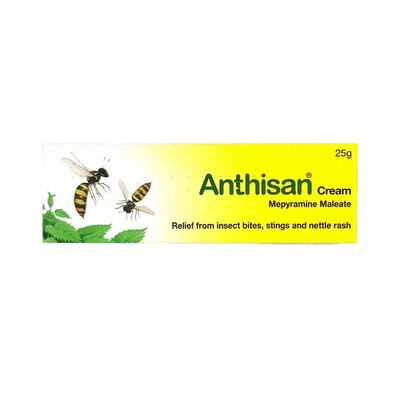
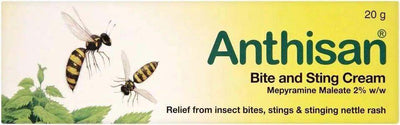
The primary product in this category is Anthisan Bite & Sting 2% w/w Cream. Different pack sizes may be available (for example 20 g or 25 g tubes), but the active ingredient concentration and general usage instructions remain focused on:

  • Treating pain, itching and swelling from insect bites and stings.
  • Relieving discomfort from nettle rash and similar localised allergic skin reactions.

Some retailers may present Anthisan as part of a broader holiday, travel or outdoor essentials bundle alongside repellents, sunscreens and first-aid items from collections such as bites & stings and first aid.

Common situations where Anthisan is used

Anthisan Bite & Sting Cream is commonly kept on hand for:

  • Summer months and outdoor activities: Walking, picnics, gardening and barbecues where midges, mosquitoes, wasps and other insects are active.
  • Holidays and travel: Especially to areas where insect bites are more frequent, alongside repellents and protective clothing.
  • Families with young children: Children often react strongly to bites, with intense itching and swelling that can disturb sleep.
  • People who react strongly to nettle stings: Localised rash and itch can be very uncomfortable after accidental contact with stinging nettles.

For more comprehensive bite management, many people combine Anthisan with preventative products from our insect protection range and general soothing products in body skincare.

Anthisan vs other bite & sting treatments

Topical products for bites and stings work in different ways. Anthisan is a topical antihistamine, which works by blocking histamine. Other products may:

  • Use local anaesthetics to numb the area without specifically targeting histamine.
  • Provide a cooling or soothing barrier (for example, calamine or gel-based products).
  • Contain mild hydrocortisone to reduce inflammation (usually for short-term use and under advice).

Anthisan is particularly useful when itching and swelling are driven by a clear histamine reaction and you want targeted relief at the skin surface. In some cases, your doctor or pharmacist may advise combining topical treatment with oral antihistamines from our allergy medication collection, especially if you have widespread reactions or other allergy symptoms such as sneezing or hives.

How Welzo selects Anthisan Bite & Sting products

At Welzo, Anthisan is included within our bites & stings and first aid categories based on clear selection criteria:

  • Licensed indications: Anthisan is licensed in the UK to treat pain, itching and inflammation from insect bites, stings and nettle rash.
  • Evidence-based mechanism: Mepyramine maleate is a well-established topical antihistamine used to manage localised allergic skin reactions.
  • Age suitability: Clear guidance exists for safe use in adults, older people and children aged 2 years and over.
  • Real-world practicality: The cream format and small tube size make it practical for home use, travel and outdoor kits.

Our aim is to position Anthisan alongside complementary products such as insect repellents, after-sun care and other allergy treatments, so you can build a complete plan for managing outdoor skin reactions.

Welzo editorial standards

All Welzo medical content is written by trained health and medical writers and reviewed by GMC-registered doctors. We aim to provide clear, balanced information that supports your decisions about self-care and when to seek professional help, rather than replacing advice from your own doctor or pharmacist.

FAQs about Anthisan Bite & Sting Cream

What is Anthisan used for?

Anthisan Bite & Sting Cream is used to relieve pain, itching and inflammation caused by insect bites, insect stings and nettle rash. It is not intended for general eczema, infections or chronic skin conditions, which may require different treatments from our eczema or body skincare ranges.

From what age can children use Anthisan?

Anthisan is generally suitable for adults, older people and children aged 2 years and over. It should not be used on premature infants or children under 2 years of age. Always apply the cream for children under adult supervision and follow the dosing instructions in the leaflet.

How often can I apply Anthisan?

You can usually apply Anthisan Bite & Sting Cream two to three times a day to the affected area, for up to three days. Do not exceed the frequency stated in the leaflet, and do not apply to large areas of skin. If symptoms have not improved after 3 days, seek medical advice.

Can I use Anthisan with oral antihistamines?

In some cases, a doctor or pharmacist may advise combining Anthisan with oral antihistamines from our allergy medication collection, especially if you have multiple bites, widespread rash or additional allergy symptoms. Always check with a healthcare professional before combining treatments, particularly in children or if you take other regular medicines.

Can I use Anthisan on my face?

The face can be more sensitive, and bites near the eyes, mouth or nose may need particular care. Anthisan should not be used on broken or sunburnt skin or too close to the eyes. If a bite or sting is on the face and causing significant swelling, pain or difficulty seeing or breathing, you should seek urgent medical advice rather than self-treating.

What should I do if my reaction seems severe?

If you have signs of a severe reaction (for example difficulty breathing, swelling of the face or throat, dizziness, or feeling faint), call emergency services immediately. Anthisan is only suitable for mild, localised reactions. People with known severe allergies may also need to follow their personalised action plan and carry treatments advised by their clinician.

Is Anthisan a replacement for insect repellent?

No. Anthisan treats the reaction after a bite or sting has occurred. To reduce the chance of being bitten in the first place, you may also wish to use suitable insect repellents, clothing and other measures from our insect protection collection, especially when travelling or spending time outdoors.

Content team: Dr Sameer Nakedar
Role: Chief Medical Officer
MBBS (London), MRCGP, PGCert, GMC: 7041062
Today’s date: Authored 30 November 2025

Content team: Paola Drexlar
Role: Medical Content Writer, UK
BA (Hons) Journalism

Medical disclaimer: The information on this page is for general educational purposes only and does not replace advice from your own doctor, pharmacist or other healthcare professional. Always read the leaflet that comes with Anthisan Bite & Sting Cream and follow local medical guidance before starting, stopping or combining treatments. If your symptoms are severe, widespread or do not improve, seek professional medical advice promptly.

3 products