
Your cart is empty
This quantity of item cannot be added to the cart
Continue shopping
Anbesol Teething & Mouth Ulcer Relief
4.8on Trustindex
browsing now
Order before 2pm for same-day dispatch
2766+ orders this week
-
 Quick view
Algesal
Algesal Tube 100g
Lotion & Moisturizer£ 8.35UK delivery soon
Order within 2h 14m
In Stock
Authentic 30-day returns 12 viewing -
 Quick view
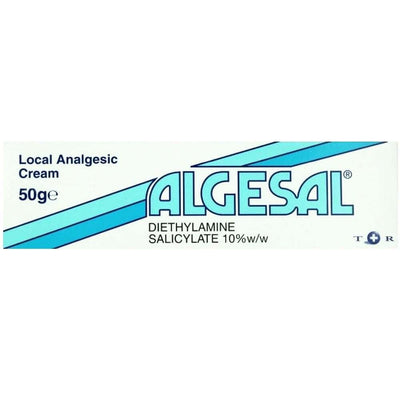
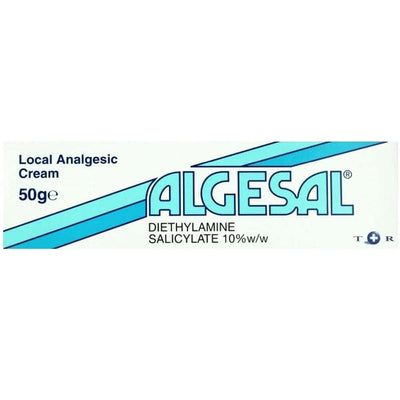
Algesal
Algesal Cream 50g
Lotion & MoisturizerActive ingredient: ...£ 4.18UK delivery soon
Order within 2h 14m
In Stock
Authentic 30-day returns 12 viewing
Anbesol Teething & Mouth Ulcer Relief
Anbesol is a fast-acting teething and mouth ulcer treatment that combines a local anaesthetic with antiseptics to relieve oral pain directly at the source. The range includes Anbesol Teething Gel, Anbesol Liquid and Anbesol Adult Strength Gel, all designed to ease infant gum pain, mouth ulcers and denture irritation. By using a topical oromucosal anaesthetic rather than a tablet, Anbesol offers targeted teething pain relief gel for babies, children and adults when simple non-medicated options are not enough.
What is Anbesol?
Anbesol products contain the local anaesthetic lidocaine hydrochloride alongside antiseptics such as chlorocresol and cetylpyridinium chloride. Lidocaine works on the oral mucosa by temporarily blocking nerve signals, reducing pain in the gums or ulcerated areas. The antiseptic ingredients help limit bacteria in the mouth, which is especially useful where the oral mucosa is broken or inflamed by ulcers or periodontal irritation.
Different Anbesol formulations are licensed for:
- Teething pain in babies from 5 months of age, when non-medicated methods such as cooled teething rings and gum massage (see our teething range) are insufficient.
- Mouth ulcers in adults and children, providing rapid numbing of the sore area to make eating and drinking more comfortable.
- Denture irritation in adults, where dentures rub against the gums or inner cheeks.
On Welzo, the Anbesol range sits alongside wider oral pain products in our mouthcare and oral & toothache pain relief collections, helping you select the most appropriate treatment for your symptoms.
Common symptoms Anbesol can help with
Anbesol is designed for short-term relief of localised oral discomfort. Typical symptoms where Anbesol may be helpful include:
- Red, swollen or sore gums during teething.
- Crying, irritability and poor sleep in teething infants, even when using products from our baby & child health or baby & child skin conditions ranges for associated problems such as dribbling rashes.
- Small, painful white or grey ulcers inside the mouth (aphthous ulcers).
- Pain when chewing, swallowing or brushing teeth because of mouth ulcers.
- Soreness and rubbing caused by new or ill-fitting dentures.
For related issues such as nappy rash from increased drooling and loose stools during illness, you may also find our nappy rash treatment collection useful as part of wider baby care.
Benefits and features of Anbesol teething & mouth ulcer relief
- Fast local numbing – lidocaine provides rapid anaesthesia of the affected gum or ulcer when applied correctly.
- Antiseptic action – chlorocresol and cetylpyridinium chloride help reduce bacteria at the site of discomfort.
- Targeted oromucosal anaesthetic – acts directly where it is needed rather than affecting the whole body like tablets or syrups.
- Multiple formats – liquid and topical oral gel formulations to suit different ages and preferences.
- Sugar-free options in key products, supporting long-term oral health for babies and children.
- Can be used alongside other appropriate medicines from our children’s fever & pain relief and general pain relief collections under professional guidance.
Why oral pain relief matters for babies, children and adults
Oral pain is disproportionately disruptive. For infants, teething pain can affect feeding, sleep and bonding. For older children and adults, mouth ulcers and gum inflammation can make eating, drinking and brushing teeth difficult, potentially impacting nutrition and wellbeing. By providing short-term relief, Anbesol allows families to continue day-to-day routines while underlying causes are addressed.
Anbesol should be used as part of a wider approach that may include:
- Non-medicated teething measures and appropriate skincare from our baby & child skin conditions range for dribble rash.
- Good oral hygiene using suitable products from mouthwash and electric toothbrushes.
- Balanced nutrition and child-friendly supplements where needed, such as age-appropriate options from our multivitamins collection.
When to seek medical advice urgently
Contact a doctor, dentist, NHS 111 or emergency services immediately if your baby or child has:
- A high fever, appears very unwell or drowsy.
- Difficulty breathing, swallowing or a hoarse cry.
- A spreading rash, fluid-filled blisters or lesions outside the mouth.
- Signs of dehydration (fewer wet nappies, dry mouth, reduced feeding).
- Symptoms lasting longer than 7 days despite appropriate treatment.
Adults should seek prompt assessment if ulcers are large, recurrent, non-healing, or associated with weight loss, persistent pain or other concerning symptoms.
How to use Anbesol products safely
Always read the patient information leaflet and follow the instructions given by your doctor, dentist or pharmacist. General principles include:
- Teething formulations (e.g. Anbesol Teething Gel, Anbesol Liquid) are usually licensed from 5 months of age, and only when non-medicated teething measures are not sufficient.
- Apply a small amount to a clean fingertip or cotton bud and gently massage onto the affected gum or ulcer on the oral mucosa.
- Do not exceed the recommended number of applications per day or minimum interval between doses.
- Adult-strength gel is intended for adults and children typically aged 12 years and over and is not appropriate for infant teething.
- Use for short periods (often up to 7 days). If pain persists or worsens, seek medical or dental assessment.
In some situations, Anbesol may be combined with age-appropriate oral analgesics such as paracetamol or ibuprofen from our paracetamol and ibuprofen collections. This should always follow professional advice to avoid dosing errors.
Types of Anbesol products available
The Anbesol range generally includes:
- Anbesol Teething Gel – a topical oral gel for infant gum pain when non-medicated methods are insufficient.
- Anbesol Liquid – a versatile liquid used for teething, mouth ulcers and denture irritation in babies (from the licensed age), children and adults.
- Anbesol Adult Strength Gel – a higher-strength oral gel intended for adults and older children to relieve mouth ulcers and denture sore spots (not suitable for infants).
Each product has specific licensed indications, age limits and maximum dose schedules. Always follow the leaflet for the exact instructions for the formulation you choose.
Anbesol vs other teething & mouth ulcer treatments
Parents and adults often compare Anbesol with other products such as Bonjela or Calgel, or with simple non-medicated teething rings. While individual responses vary, some common considerations include:
- Active ingredient: Anbesol uses lidocaine, a widely used local anaesthetic. Some alternatives rely more heavily on antiseptics or protective barriers.
- Age restrictions: UK guidance has tightened around certain benzocaine-based gels for babies, so many families prefer lidocaine-based products that align with current teething recommendations.
- Format preference: Gels can be easier to place on a specific area, while liquids can spread more easily but may be harder to control in very young infants.
- Non-medicated options: For milder teething episodes, cooled teething rings and gentle gum massage may be sufficient without any medicine.
Anbesol may be appropriate when non-medicated options and simple comfort measures are not enough, but it is not suitable if your child is very unwell, has signs of infection or if pain is persistent and unexplained. In these cases, an assessment by a doctor or dentist is essential.
When Anbesol may not be appropriate
- Infants younger than the licensed age stated in the product leaflet.
- Anyone with known allergy or sensitivity to lidocaine, other local anaesthetics, chlorocresol, cetylpyridinium chloride or similar compounds.
- Children or adults with significant liver or heart conditions without medical advice.
- Situations where pain is severe, unexplained, associated with trauma, spreading infection or systemic symptoms such as fever and lethargy.
In these circumstances, alternative strategies or different medicines from our pain relief and children’s cough, cold & flu collections may be recommended by a healthcare professional.
Real use cases and customer stories
While individual experiences vary, typical feedback from customers using Anbesol includes:
- Teething infants: Parents often report that a small amount of Anbesol Teething Gel or Liquid, used within dosing limits, can help settle their baby when teething discomfort is at its peak, especially overnight.
- Busy adults with mouth ulcers: Many users find that applying Anbesol before meals or important conversations numbs the ulcer long enough to eat or speak more comfortably.
- Denture wearers: Some customers use Anbesol Adult Strength Gel as short-term relief for sore spots while awaiting denture adjustment from a dentist.
These stories provide context but do not guarantee a specific outcome. Always follow the product instructions and seek professional advice where needed.
How Welzo selects Anbesol products
At Welzo, we use clear editorial and clinical criteria when including treatments like Anbesol in our mouthcare and oral pain relief ranges:
- Licensing and regulation: Products must be licensed for use in the UK and clearly indicate age limits, indications and dosing schedules.
- Evidence and guidance: Active ingredients (such as lidocaine) should align with current UK guidance on the safe management of teething pain and mouth ulcers.
- Safety profile: Clear warnings, contraindications and side-effect information must be provided in product literature.
- User experience: Real-world feedback from parents, carers, dentists and pharmacists informs how products are presented and signposted.
Welzo editorial standards
All Welzo medical content is written by trained medical writers and reviewed by GMC-registered doctors. Our aim is to provide balanced, evidence-informed information that supports conversations with your own healthcare professionals rather than replacing them.
Anbesol reviews on Welzo
Customers frequently highlight the speed of pain relief and the convenience of having a dedicated teething and mouth ulcer treatment available at home. Many parents keep Anbesol alongside other essentials from our children’s fever & pain relief and baby & child health ranges for use during more challenging stages of infancy and early childhood.
Reviews are a useful guide to real-world experience, but they should not be treated as medical advice. Always consider your own circumstances and consult a healthcare professional if you are unsure.
FAQs about Anbesol Teething & Mouth Ulcer Relief
From what age can my baby use Anbesol for teething?
Most Anbesol teething formulations are licensed from 5 months of age. They should only be used when non-medicated options such as cooled teething rings and gentle gum massage have not provided enough relief. Always check the specific age limits on the pack and follow the dosing instructions in the leaflet.
Can I use Anbesol Adult Strength Gel on my baby’s gums?
No. Anbesol Adult Strength Gel is generally intended for adults and older children, and is not suitable for infant teething. For babies, only use a product that is specifically licensed for teething and appropriate for their age.
Can Anbesol be used with paracetamol or ibuprofen?
In many cases, Anbesol may be used alongside age-appropriate doses of paracetamol or ibuprofen from our paracetamol and ibuprofen ranges. However, this should always follow advice from a doctor, dentist or pharmacist, who will consider your child’s age, weight and any other medicines they are taking.
How long can I use Anbesol for mouth ulcers?
Anbesol is intended for short-term use, often up to 7 days. If your mouth ulcers do not start to improve, recur frequently, or are unusually large or painful, you should seek medical or dental advice to rule out underlying causes.
What side effects can Anbesol cause?
Most people use Anbesol without serious problems, but possible side effects include local irritation, burning, redness or allergic reactions. Signs of allergy may include rash, swelling of the face or difficulty breathing. Stop using the product and seek urgent medical help if you notice any severe or worrying symptoms.
When should I see a doctor or dentist instead of using Anbesol?
You should seek professional help if your baby or child seems very unwell, has a high fever, feeding difficulties, signs of dehydration, a spreading rash or symptoms lasting more than 7 days. Adults should see a doctor or dentist if they have persistent or recurrent ulcers, unexplained oral pain, weight loss or symptoms that do not respond to short-term self-care.
Content team: Dr Sameer Nakedar
Role: Chief Medical Officer
MBBS (London), MRCGP, PGCert, GMC: 7041062
Date: Authored 30 November 2025
Content team: Paola Drexlar
Role: Medical Content Writer, UK
BA (Hons) Journalism
Medical disclaimer: The information on this page is for general educational purposes only and does not replace advice from your own doctor, dentist, pharmacist or other healthcare professional. Always read the leaflet that comes with your medicine and follow local medical guidance before starting, stopping or combining treatments.
 Rated Excellent by 26,523+ Reviews
 100% Money Back Guarantee