

Your cart is empty
This quantity of item cannot be added to the cart
Continue shopping
Corns, Callouses & Bunion Treatments
4.8on Trustindex
browsing now
Order before 2pm for same-day dispatch
2766+ orders this week
-
 Quick view
Profoot
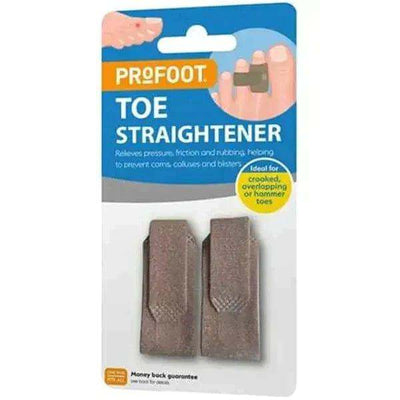
Profoot Toe Straightener Pack of 2
Foot Care£ 4.91UK delivery soon
Order within 2h 14m
In Stock
Authentic 30-day returns 12 viewing -
 Quick view
Profoot
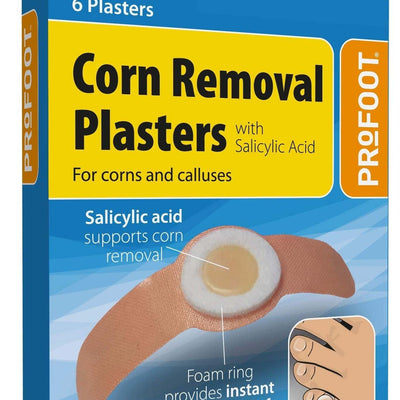
Profoot Corn Removal Pack of 6
Corn & Callus Care Supplies£ 3.08UK delivery soon
Order within 2h 14m
In Stock
Authentic 30-day returns 12 viewing -
 Quick view
Profoot
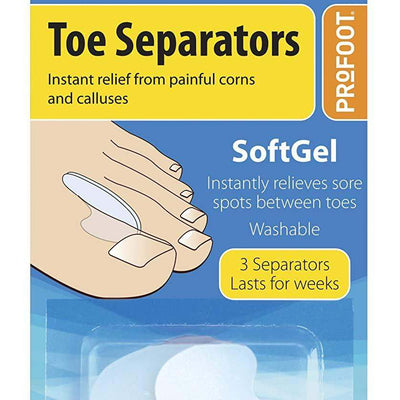
Profoot Toe Separators Pack of 3
Foot CareSeparators with min...£ 3.26UK delivery soon
Order within 2h 14m
In Stock
Authentic 30-day returns 12 viewing -
 Quick view
Flexitol
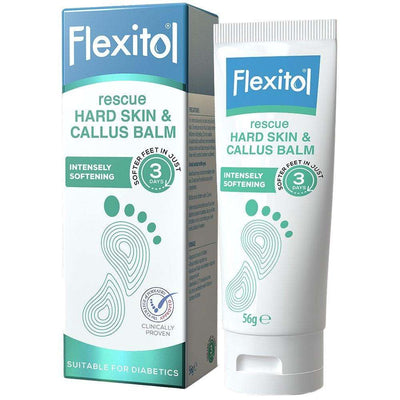
Flexitol Rescue Hard Skin & Callus Balm 56g
Corn & Callus Care Supplies£ 10.28UK delivery soon
Order within 2h 14m
In Stock
Authentic 30-day returns 12 viewing -
 Quick view
Profoot
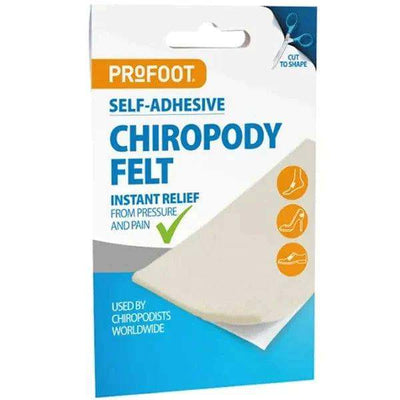
Profoot Self-Adhesive Chiropody Felt
Foot Care£ 1.96UK delivery soon
Order within 2h 14m
In Stock
Authentic 30-day returns 12 viewing -
 Quick view
Carnation
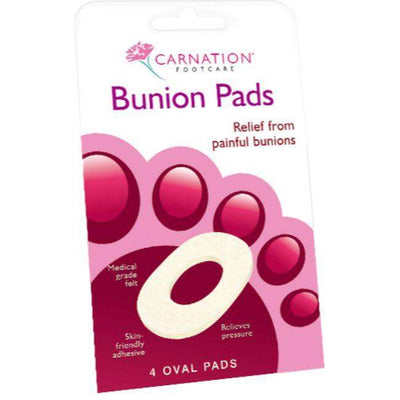
Carnation Bunion Pads Oval Pack of 4
Bunion Care SuppliesNiacinamide£ 2.66UK delivery soon
Order within 2h 14m
In Stock
Authentic 30-day returns 12 viewing -
 Quick view
Bazuka
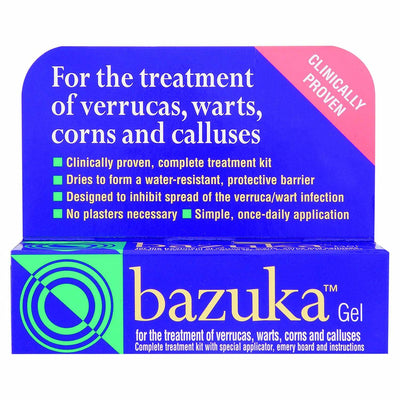
Bazuka Gel 5g
Wart Removers£ 8.10UK delivery soon
Order within 2h 14m
In Stock
Authentic 30-day returns 12 viewing -
 Quick view
Profoot
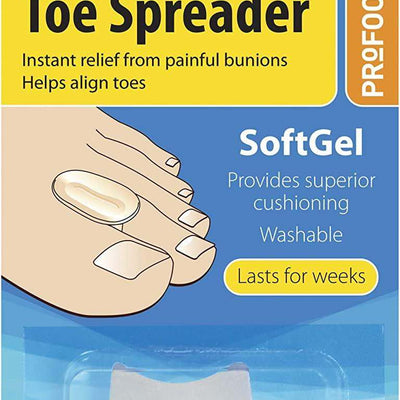
Profoot SoftGel Toe Spreader
Foot Care£ 2.45UK delivery soon
Order within 2h 14m
In Stock
Authentic 30-day returns 12 viewing -
 Quick view
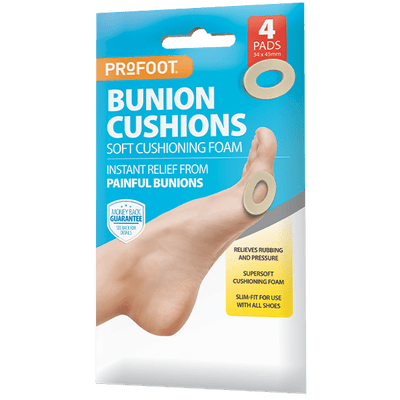
Profoot
Profoot Bunion Cushions Pack of 4
Medicine & Drugs£ 2.21UK delivery soon
Order within 2h 14m
In Stock
Authentic 30-day returns 12 viewing -
 Quick view
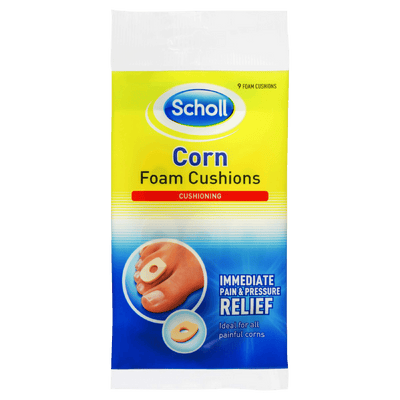
Scholl
Scholl Corn Foam Cushions
Foot Care£ 3.20UK delivery soon
Order within 2h 14m
In Stock
Authentic 30-day returns 12 viewing -
 Quick view
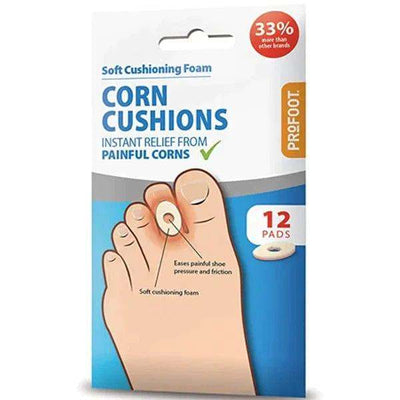
Profoot
Profoot Corn Cushion Pads Pack of 12
Corn & Callus Care Supplies£ 2.21UK delivery soon
Order within 2h 14m
In Stock
Authentic 30-day returns 12 viewing -
 Quick view
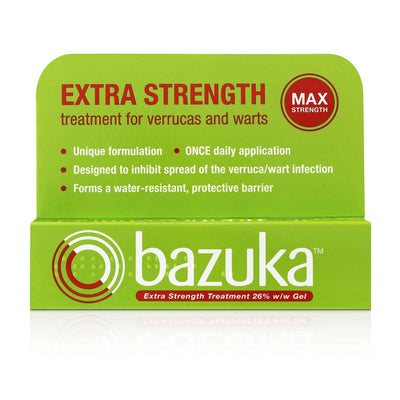
Bazuka
Bazuka Extra Strength Gel
Wart Removers£ 9.36UK delivery soon
Order within 2h 14m
In Stock
Authentic 30-day returns 12 viewing -
 Quick view
Profoot
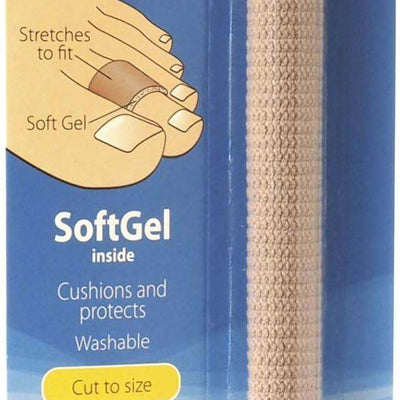
Profoot Softgel Toe Tube
Foot Care£ 5.39UK delivery soon
Order within 2h 14m
In Stock
Authentic 30-day returns 12 viewing -
 Quick view
Carnation
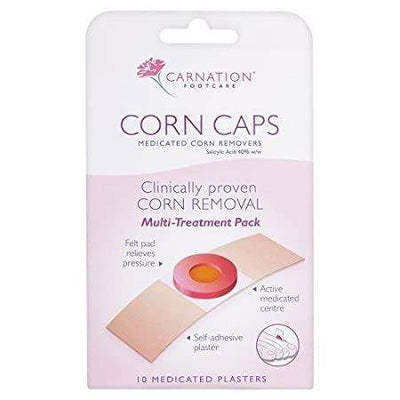
Carnation Corn Caps Pack
Corn & Callus Care Supplies£ 3.35UK delivery soon
Order within 2h 14m
In Stock
Authentic 30-day returns 12 viewing -
 Quick view
Profoot
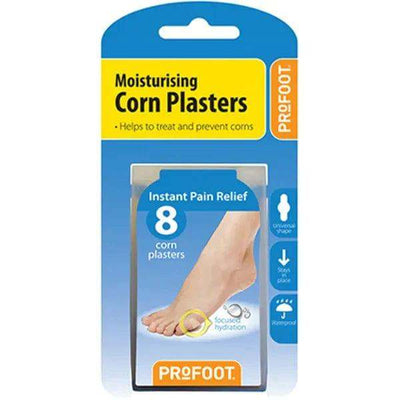
Profoot Moisturising Corn Plasters Pack of 8
Foot Care£ 5.24UK delivery soon
Order within 2h 14m
In Stock
Authentic 30-day returns 12 viewing -
 Quick view
Compeed
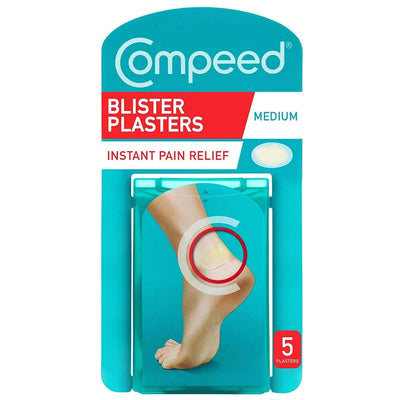
Compeed Blister Plasters Medium Pack of 5
Skin Care£ 7.78UK delivery soon
Order within 2h 14m
In Stock
Authentic 30-day returns 12 viewing -
 Quick view
Carnation
Carnation Corn Pads Round Pack of 12
Corn & Callus Care Supplies£ 2.51UK delivery soon
Order within 2h 14m
In Stock
Authentic 30-day returns 12 viewing -
 Quick view
Compeed
Compeed Callous Plasters Pack of 6
Medicine & Drugs£ 7.40UK delivery soon
Order within 2h 14m
In Stock
Authentic 30-day returns 12 viewing
Corns, Callouses & Bunion Treatments
Corns, callouses and bunions are common foot problems that can cause pain, rubbing and difficulty walking if not managed correctly. Our Corns, Callouses & Bunion Treatments collection brings together targeted plasters, pads, orthotic supports and skin-care products to help relieve pressure, reduce hard skin and keep you comfortable on your feet day to day.
What Are Corns, Callouses and Bunions?
Corns and callouses are areas of thickened, hardened skin that form where there is repeated pressure or friction, commonly on the tops and sides of toes or the balls and heels of the feet. Bunions are bony bumps that develop on the side of the big toe joint when the toe deviates towards the others, changing the shape of the forefoot and making shoe fit more difficult.
Corns typically appear as small, concentrated plugs of hard skin that can feel sharp or tender when pressed. Callouses are usually broader, flatter patches of thickened skin. Both are often managed with cushioning pads, pressure-relieving plasters and regular hard-skin reduction using specialist foot-care tools such as those found in the Scholl foot care collection.
Bunions are structural problems of the big toe joint. While home treatments cannot “cure” a bunion, targeted supports, spacers and protective sleeves can help relieve rubbing and pressure, making everyday movement more comfortable.
Benefits and Features of Corn, Callous & Bunion Treatments
Using the right combination of products can support both short-term comfort and long-term foot health. Key benefits include:
- Pressure relief – cushioned pads and plasters redistribute pressure away from painful corns, callouses and bunions.
- Reduced friction – protective coverings reduce rubbing from shoes, helping prevent blisters and further thickening of the skin.
- Pain reduction – strategically placed supports can decrease painful loading on the big toe joint and sensitive areas.
- Improved comfort in footwear – spacers and slim orthotic supports can help shoes fit more comfortably for longer periods.
- Support for active lifestyles – when used correctly, treatments can help you stay active, stand for work or exercise with less discomfort.
Many pads and plasters are made from soft gel or foam, designed to conform to the foot’s shape. Some ranges, including Carnation Cool Foot Products, offer targeted designs for common problem areas like the toes, ball of foot and heel.
Why Is It Important to Treat Corns, Callouses and Bunions?
While mild hard skin and slight bunions may simply be a nuisance at first, untreated problems can gradually become more painful and limiting. Persistent corns and callouses can crack, become inflamed or make footwear intolerable. Bunions can progress over time, leading to joint stiffness, difficulty finding comfortable shoes and compensatory changes in gait.
For people with reduced sensation or circulation in the feet, such as those with diabetes or certain vascular conditions, unmanaged pressure points increase the risk of skin breakdown and infection. Early use of padded supports and pressure-relieving products, together with suitable footwear, may help reduce the frequency of flare-ups and protect the skin.
It is also important to rule out other causes of foot discomfort. For example, some people experience both bunion pain and fungal infections between the toes or on the soles, which can be managed with targeted products from the Athlete’s Foot treatments collection alongside mechanical pressure relief.
How to Use Corn, Callous and Bunion Treatments Safely
Correct application and consistency are essential. The aim is to reduce pressure and gradually manage hard skin, without damaging healthy tissue.
-
Start with clean, dry feet
Wash your feet with mild soap and water and dry carefully, especially between the toes. This helps pads and plasters adhere properly and reduces the risk of infection. -
Apply protective pads precisely
Position corn plasters so that the central cushioning ring sits around, not directly on, the corn. For bunions, place sleeves, shields or spacers as directed so that they sit comfortably over the joint or between the toes. -
Use hard-skin tools gently
When using files or rasps to manage callouses, apply light pressure and work slowly. Avoid removing too much skin at once. Aggressive cutting or scraping at home can lead to soreness and infection. -
Combine with moisturising
After bathing or gentle filing, apply a rich foot cream to keep skin supple and less prone to cracking. Some people also use barrier-style products similar to those found in the Sudocrem skin barrier collection on vulnerable areas. -
Check your skin regularly
Monitor for redness, swelling, bleeding, discharge or sudden increase in pain. If any of these occur, stop home treatment and seek professional advice from a pharmacist, podiatrist or GP. -
Review your footwear
Treatments work best when combined with properly fitting shoes that provide enough width and depth in the toe box to accommodate bunions and padding comfortably.
Types of Corn, Callous & Bunion Treatments Available
Our collection features a variety of products tailored to different foot shapes, footwear styles and symptom patterns:
-
Corn plasters and rings
Adhesive plasters with a cushioned centre designed to relieve direct pressure on corns, particularly on toe joints and the tops of toes. -
Foam and gel pads
Reusable or single-use pads that can be placed under the ball of the foot, around the heel or over bony prominences to spread pressure. -
Bunion shields and sleeves
Soft covers that sit over the bunion to cushion it against footwear. Some include gentle toe-alignment features to encourage a more natural position in the shoe. -
Toe spacers and separators
Gel or foam spacers that sit between the big toe and the second toe, helping to reduce rubbing and promote more comfortable alignment. -
Orthotic insoles and supports
Contoured insoles that help redistribute pressure across the foot, which can reduce overloading of specific callous-prone areas. -
Hard-skin removers and softening creams
Tools and keratolytic creams that gently reduce thickened skin over time when used as directed as part of a regular routine. -
Topical pain-relief balms
For surrounding muscle and joint discomfort around the foot and ankle, some people also use topical balms such as those in the Tiger Balm collection to complement mechanical pressure relief.
Popular Corn, Callous & Bunion Treatment Choices
Customers commonly look for:
- Soft gel bunion sleeves for day-to-day cushioning inside work or casual shoes.
- Ring-style corn plasters for small but painful corns on the toes.
- Metatarsal pads to relieve pressure under the ball of the foot.
- Toe spacers for people whose big toe and second toe rub or overlap.
- Hard-skin removal tools and creams for maintenance of calloused heels and forefoot areas.
Many people combine more than one product type, for example using bunion shields during the day and callous-reducing creams at night, while gradually improving footwear choices over time.
Evidence, Expert Insight and Safety
Podiatrists and foot-health specialists generally recommend a combination of pressure relief, footwear modification and, when needed, professional debridement of hard skin for corns and callouses. For bunions, conservative management focuses on pain reduction and functional improvement through supports and footwear, while surgery is reserved for more severe or disabling cases.
Common expert recommendations include:
- Avoid using blades or “digging” at corns at home – this can cause injury and infection, especially if vision or hand dexterity is reduced.
- Seek early advice – if pain, swelling or deformity is progressing, assessment by a podiatrist or orthopaedic specialist can help clarify options.
- Consider your whole foot and gait – callouses and corns often form where load is excessive; insoles and exercises may help redistribute forces.
- Be extra cautious if you have diabetes or poor circulation – these groups are at higher risk of complications from even minor foot injuries.
Good general skin care also plays a role. After handling feet or applying any treatments, washing hands carefully with soap and water, or using products from the Hand Sanitisers & Antibacterial Hand Gels collection, helps maintain hygiene.
How Welzo Selects Corn, Callous & Bunion Treatments
At Welzo, we aim to offer treatments that balance comfort, practicality and evidence-informed design:
- Reputable brands – we prioritise recognised foot-care manufacturers with a track record in cushioning, supports and skin-health products.
- Clear indications – products clearly state whether they are intended for corns, callouses, bunions or more general cushioning, so you can choose the right option for your needs.
- Variety of formats – from slim pads for dress shoes to more substantial supports for trainers, we stock options suited to different footwear and activity levels.
- Suitability and comfort – many items are latex-free and designed to minimise bulk, helping them fit comfortably inside everyday shoes.
Trust, Quality and Your Foot-Care Routine with Welzo
Welzo’s Corns, Callouses & Bunion Treatments collection is curated to help you build a personalised, practical foot-care routine. Whether you are looking for quick cushioning solutions, longer-term callous management or support around a longstanding bunion, our product range is designed to fit into real life – work shoes, trainers, sandals and everything in between.
Alongside treatments, we encourage regular checks of your feet, prompt attention to new pain or changes and, where appropriate, consulting a healthcare professional for tailored advice. Our wider range of skin-care and health products can then support the rest of your wellbeing routine.
Customer Reviews and Experiences
Customers often report that, when used consistently, corn and bunion pads significantly reduce daily discomfort, especially in previously tight or rubbing footwear. Many also find that combining callous-reduction tools with richer foot creams leads to visibly smoother skin over several weeks. However, responses are individual and depend on factors such as foot shape, footwear and underlying health, so checking reviews on specific product pages can be helpful when deciding what to try.
Corns, Callouses & Bunions FAQs
What is the difference between a corn and a callous?
A corn is usually a small, focused area of hard skin with a central core that can feel sharp or painful when pressed. Callouses are broader, more diffuse patches of thickened skin created by repeated friction or pressure. Both are protective responses by the body, but can become uncomfortable if they grow too thick or are located over bony areas.
Can bunions be cured with pads and supports?
Pads, sleeves and toe spacers cannot reverse the underlying bony changes of a bunion. However, they can help relieve pressure, reduce rubbing and make footwear more comfortable, which may significantly improve day-to-day symptoms. Structural correction generally requires surgical assessment, especially in severe or progressively worsening cases.
Is it safe to cut or shave off corns and callouses at home?
It is not recommended to use blades or attempt to cut corns and callouses yourself. This increases the risk of cuts, infection and delayed healing, particularly if you have diabetes, poor circulation or reduced sensation. Instead, use cushioned pads and gentle hard-skin tools as directed, and see a podiatrist if you need more intensive treatment.
How long does it take for treatments to work?
Cushioned pads and bunion shields often provide relief as soon as they are correctly positioned. Hard-skin reduction and changes in footwear usually take longer to show results. Many people notice gradual improvement over a few weeks of regular use, but ongoing maintenance is often needed because pressure and friction from everyday activities continue.
When should I see a doctor or podiatrist about my bunion?
You should seek professional advice if your bunion is very painful, affecting your ability to walk, changing rapidly in shape, or if you are struggling to find shoes that fit. Also seek help if you develop redness, warmth, swelling or sudden severe pain in the joint, as these may indicate inflammation or other issues that require medical assessment.
Can I use these treatments if I have diabetes or poor circulation?
If you have diabetes, reduced sensation or poor circulation in your feet, you should speak to your diabetes team, GP or a podiatrist before using home treatments for corns, callouses or bunions. You may still be able to use certain pads and supports, but you will need tailored guidance and regular foot checks to reduce the risk of complications.
What else can I do to prevent corns and callouses from returning?
Prevention focuses on reducing excessive pressure and friction. This means choosing well-fitting shoes with enough width and depth, considering cushioned insoles if advised, keeping skin moisturised and addressing any underlying biomechanical issues where possible. Regular, gentle maintenance with appropriate products can then help keep skin more comfortable over time.
 Rated Excellent by 26,523+ Reviews
 100% Money Back Guarantee