
Your cart is empty
This quantity of item cannot be added to the cart
Continue shopping
Aromatherapy Sprays
4.8on Trustindex
browsing now
Order before 2pm for same-day dispatch
2766+ orders this week
-
 Quick view
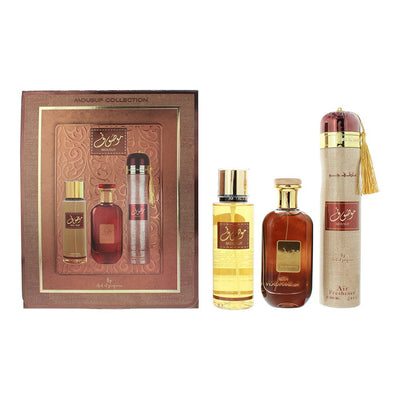
Ard Al Zaafaran
Ard Al Zaafaran Mousuf 3 Piece Gift Set: Eau de Parfum 100ml - Perfume Mist 250ml - Air Freshener 300ml
Health & Beauty£ 21.43UK delivery soon
Order within 2h 14m
Out of stock
Authentic 30-day returns 12 viewing -
 Quick view
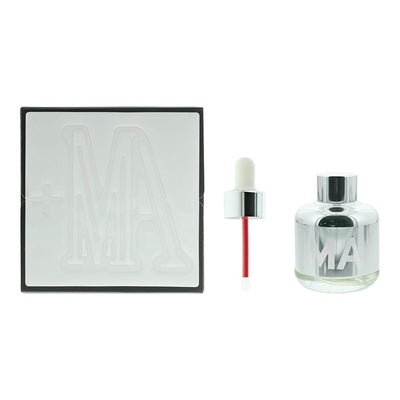
Blood Concept
Blood Concept +MA Perfume Oil Dropper 40ml
Health & Beauty£ 27.13UK delivery soon
Order within 2h 14m
In Stock
Authentic 30-day returns 12 viewing -
 Quick view
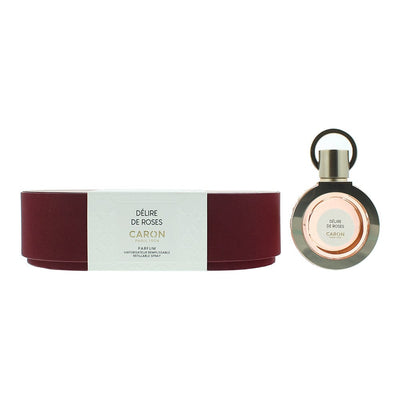
Caron
Caron Delire De Roses Perfume 50ml
Health & Beauty£ 138.28UK delivery soon
Order within 2h 14m
Out of stock
Authentic 30-day returns 12 viewing -
 Quick view
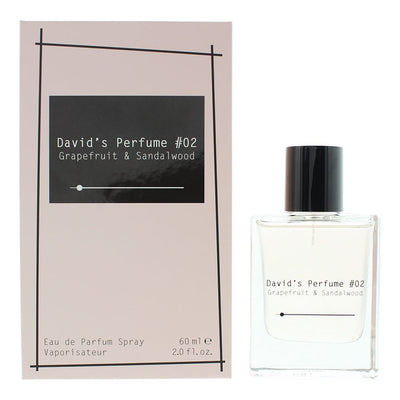
David Dobrik
David Dobrik David's Perfume #02 Grapefruit & Sandalwood Eau De Parfum 60ml
Health & Beauty£ 23.91UK delivery soon
Order within 2h 14m
Out of stock
Authentic 30-day returns 12 viewing -
 Quick view
Eden Classic
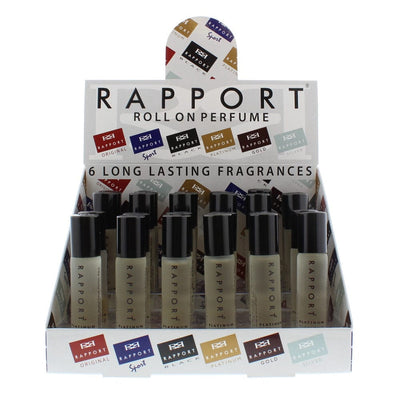
Eden Classic Rapport Platinum 10ml Roll On Perfume Display Unit 24pcs
Health & Beauty£ 10.15UK delivery soon
Order within 2h 14m
Out of stock
Authentic 30-day returns 12 viewing -
 Quick view
Israel Philip
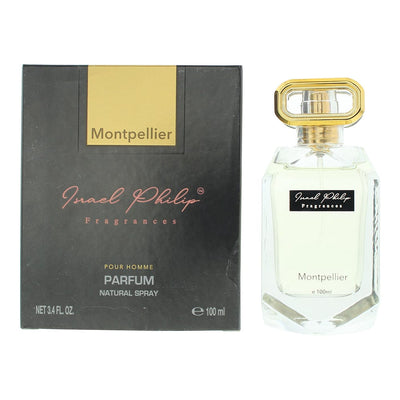
Israel Philip Perfume 100ml
Health & Beauty£ 28.16UK delivery soon
Order within 2h 14m
In Stock
Authentic 30-day returns 12 viewing -
 Quick view
Jennifer Lopez
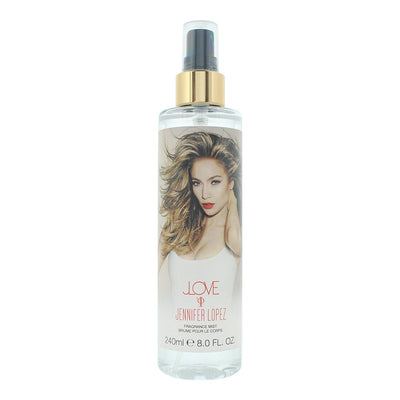
Jennifer Lopez Jlove Perfumed Body Mist 240ml
Health & Beauty£ 13.82UK delivery soon
Order within 2h 14m
In Stock
Authentic 30-day returns 12 viewing -
 Quick view
Jennifer Lopez
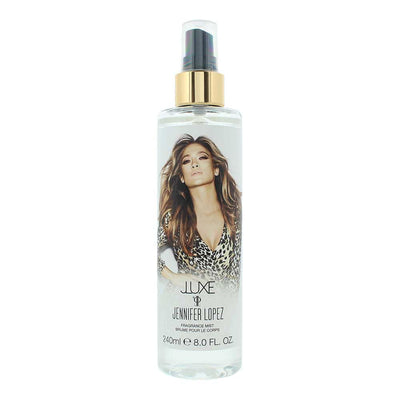
Jennifer Lopez Jluxe Perfumed Body Mist 240ml
Health & Beauty£ 8.31UK delivery soon
Order within 2h 14m
Out of stock
Authentic 30-day returns 12 viewing -
 Quick view
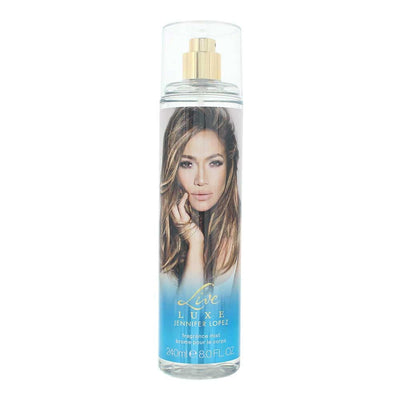
Jennifer Lopez
Jennifer Lopez Live Luxe Perfumed Body Mist 240ml
Health & Beauty£ 9.14UK delivery soon
Order within 2h 14m
Out of stock
Authentic 30-day returns 12 viewing -
 Quick view
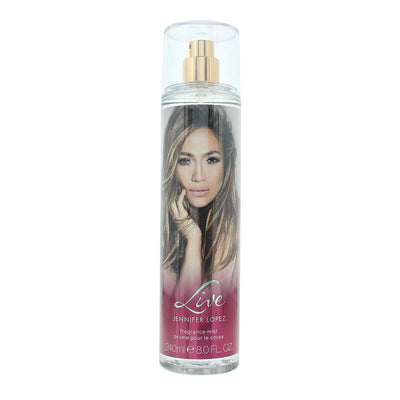
Jennifer Lopez
Jennifer Lopez Live Perfumed Body Mist 240ml
Health & Beauty£ 0.00UK delivery soon
Order within 2h 14m
Out of stock
Authentic 30-day returns 12 viewing -
 Quick view
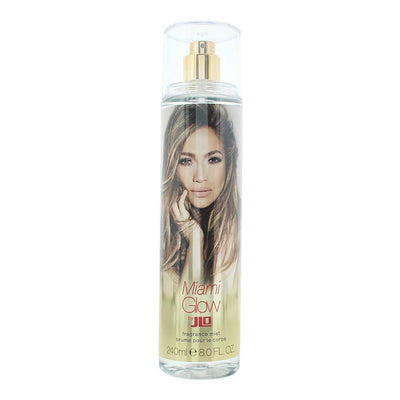
Jennifer Lopez
Jennifer Lopez Miami Glow Perfumed Body Mist 240ml
Health & Beauty£ 0.00UK delivery soon
Order within 2h 14m
Out of stock
Authentic 30-day returns 12 viewing -
 Quick view
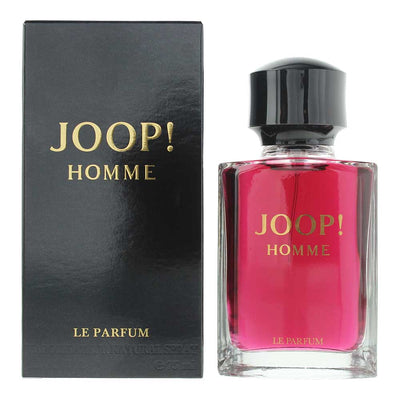
Joop!
Joop! Homme Perfume 75ml
Health & Beauty£ 0.00UK delivery soon
Order within 2h 14m
Out of stock
Authentic 30-day returns 12 viewing -
 Quick view
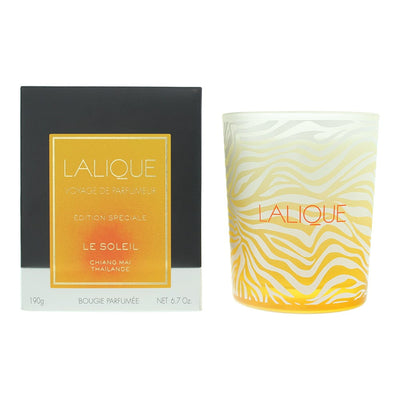
Lalique
Lalique Le Soleil Chiang Mai Thailande Perfumed Candle 190g
Health & Beauty£ 47.42UK delivery soon
Order within 2h 14m
In Stock
Authentic 30-day returns 12 viewing -
 Quick view
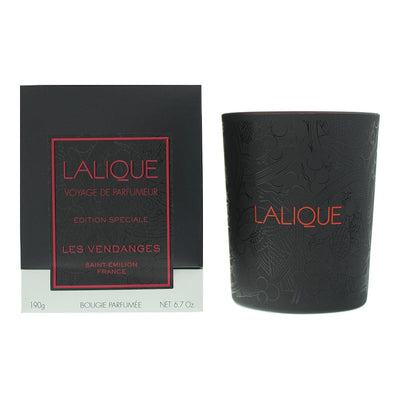
Lalique
Lalique Les Vendanges Saint-Emilion France Perfumed Candle 190g
Health & Beauty£ 47.42UK delivery soon
Order within 2h 14m
In Stock
Authentic 30-day returns 12 viewing -
 Quick view
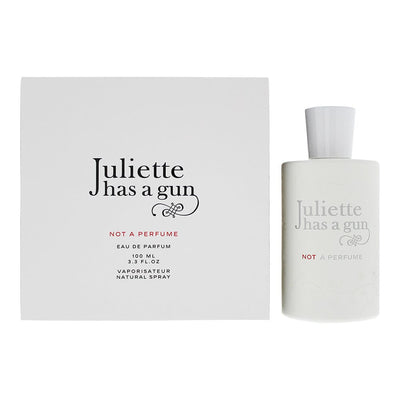
Juliette Has A Gun
Juliette Has A Gun Not A Perfume Eau De Parfum
Health & Beauty£ 0.00UK delivery soon
Order within 2h 14m
Out of stock
Authentic 30-day returns 12 viewing -
 Quick view
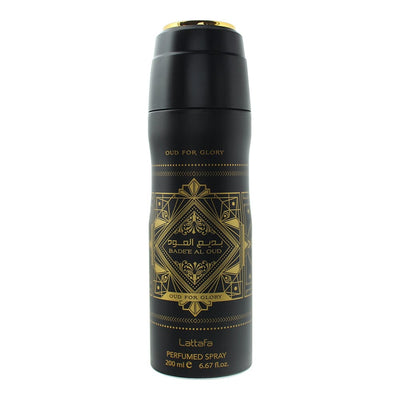
Lattafa
Lattafa Bade'e Al Oud Perfumed Body Spray 200ml
Health & Beauty£ 7.47UK delivery soon
Order within 2h 14m
Out of stock
Authentic 30-day returns 12 viewing -
 Quick view
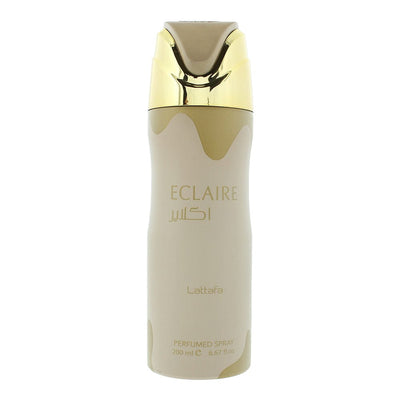
Lattafa
Lattafa Eclaire Perfumed Body Spray 200ml
Health & Beauty£ 0.00UK delivery soon
Order within 2h 14m
Out of stock
Authentic 30-day returns 12 viewing -
 Quick view
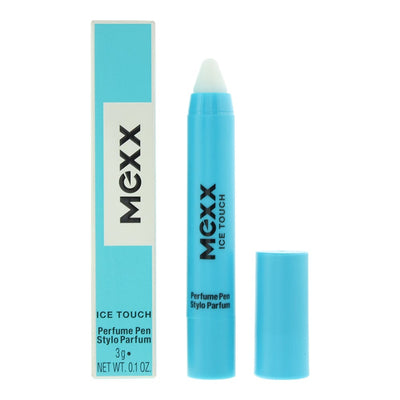
Mexx
Mexx Ice Touch Perfume Stick 3g
Health & Beauty£ 2.51UK delivery soon
Order within 2h 14m
In Stock
Authentic 30-day returns 12 viewing
Aromatherapy Sprays
Aromatherapy sprays are fine mists infused with essential oils and botanical aromas designed to refresh rooms, fabrics, and personal spaces with an instant mood shift. Whether you’re winding down in the evening, resetting a room after cooking, or creating a calm “spa-like” atmosphere, these sprays offer a simple, fast way to make your space feel more inviting.
Unlike traditional perfumes, aromatherapy sprays are typically used for environment and wellbeing rituals rather than personal scent projection—making them ideal for bedrooms, bathrooms, home offices, and on-the-go calming moments.
What Are Aromatherapy Sprays?
Aromatherapy sprays are scented mists formulated with aromatic ingredients—often essential oils—intended to support relaxation, focus, or freshness through inhalation and ambient use. Many people use them as part of a home-scent routine alongside Home Perfumes, especially when they want a lighter, more flexible option than candles or diffusers.
Benefits and Features of Aromatherapy Sprays
Fast atmosphere reset: A few sprays can quickly freshen a room and shift the mood.
Wellbeing-friendly rituals: Popular for bedtime routines, post-shower calm, or mid-day focus breaks.
Flexible use: Works across different spaces—bedrooms, bathrooms, wardrobes, and even travel settings.
Layerable home scent: Can be paired with gentle background scent products like Scented Sachets for a consistent, low-intensity fragrance experience.
Why Are Aromatherapy Sprays Important?
Scent is one of the quickest sensory inputs linked to mood and memory, which is why many people use aromatherapy sprays to create “zones” at home—calming bedrooms, fresh bathrooms, or uplifting entryways. They’re also a practical solution for people who want fragrance without flames, strong projection, or long diffusion times.
If you enjoy spa-style cleansing routines, aromatherapy sprays pair naturally with bathing rituals and can complement collections such as Aromatherapy Bath Products.
Best Products in Aromatherapy Sprays
The best aromatherapy spray depends on the outcome you want:
- Sleep & wind-down: soft herbal or floral profiles often used on pillows and bedding (only if label allows fabric use).
- Focus & clarity: brighter, cleaner blends ideal for desks and home offices.
- Fresh-home reset: crisp, clean options that work well as a quick alternative to Room Sprays when you prefer a more botanical scent style.
How to Use Aromatherapy Sprays
Use aromatherapy sprays in short bursts and allow the mist to settle naturally. For best results:
- Spray into the air above soft furnishings rather than directly onto surfaces.
- Use in well-ventilated spaces, especially in smaller rooms.
- For bedtime routines, spray the room 5–10 minutes before sleep so the scent softens and disperses evenly.
If you’re travelling, a compact routine can be built by pairing calming scents with practical essentials from Travel-Sized Bath Products.
Side Effects or Interactions of Aromatherapy Sprays
Aromatherapy sprays are generally safe when used as directed, but fragrance sensitivity can occur:
- Sensitivity/irritation: If you’re fragrance-sensitive, start with minimal use and increase gradually.
- Eyes and mucous membranes: Avoid spraying near eyes and face.
- Skin contact: Do not spray directly onto skin unless the label explicitly states it’s suitable for topical use.
- Children and pets: Use lightly and prioritise airflow; keep products out of reach.
Different Types of Aromatherapy Sprays Available
- Essential oil-led mists: spa-like, botanical blends designed for ambient comfort.
- Sleep sprays: intended for evening rituals and relaxing routines.
- Focus sprays: clean, uplifting profiles suited to workspaces.
- Fresh linen/home styles: “just-cleaned” scents that fit well alongside Natural Bath Products for a clean-living routine.
Most Popular Aromatherapy Sprays
Popular aromatherapy sprays tend to be clean, calming, and broadly appealing—often used in bedrooms, bathrooms, and entryways. Many people build a simple rotation: one calming spray for evenings, one fresh spray for daytime resets, and one uplifting scent for morning routines.
For a richer, longer-lasting ambient scent approach, many users also explore complementary formats like Fragrance Oils.
Statistics, Research, Expert Information and Quotes
Aromatherapy is widely used in wellbeing routines because inhaled scent is processed through the olfactory system and is closely associated with the brain’s limbic system, which plays a role in emotion and stress response. While results vary by individual and oil type, many people find aromatherapy sprays helpful as part of a broader sleep, relaxation, or focus ritual.
For a deeper, practical guide to commonly used essential oils for calm and stress support, you can read: Best Essential Oils for Relaxation and Stress Relief
How Welzo Selects the Aromatherapy Sprays Collection
Aromatherapy sprays are selected based on scent balance, ingredient clarity, and usability in everyday routines. Priority is given to products that feel pleasant over time (not overpowering), perform consistently in real home settings, and suit common use cases like bedtime, focus, and fresh-home resets.
Trusted by Experts and Verified Quality on Welzo
Every product is chosen with quality assurance, authenticity checks, and consistent sourcing in mind. This helps ensure aromatherapy sprays deliver a reliable scent experience and fit safely into daily routines.
Customer Reviews
Verified customer feedback and shopping experiences can be found on our customer reviews page.
Trust and Standards
- Meet the Welzo team
- Ingredient quality and purity certifications
- Supplement quality standards and certifications
FAQs
What are aromatherapy sprays used for?
They’re used to freshen rooms and support wellbeing rituals such as relaxation, sleep preparation, or focus through ambient scent.
Can I spray aromatherapy sprays on bedding?
Only if the label confirms it is safe for fabrics. Otherwise, spray into the air and allow it to settle naturally.
How often should I use an aromatherapy spray?
Most people use them 1–3 times daily depending on room size and scent strength. Start light and adjust as needed.
Are aromatherapy sprays safe around children?
Use lightly in well-ventilated spaces, keep sprays out of reach, and avoid strong scents in small rooms.
Are aromatherapy sprays safe around pets?
Use cautiously with good airflow and avoid spraying directly near animals. If your pet is sensitive, reduce use or avoid altogether.
Do aromatherapy sprays remove odours or mask them?
Many sprays help freshen and neutralise odours, but effectiveness depends on formulation and the source of the smell.
Can aromatherapy sprays irritate sensitive skin?
They can if misused. Avoid spraying on skin unless explicitly stated as skin-safe, and patch test if applicable.
How should aromatherapy sprays be stored?
Store in a cool, dry place away from direct sunlight and heat to preserve scent quality.
 Rated Excellent by 28,951+ Reviews
 100% Money Back Guarantee