

Your cart is empty
This quantity of item cannot be added to the cart
Continue shopping
NMN Supplements
4.8on Trustindex
browsing now
Order before 2pm for same-day dispatch
2766+ orders this week
-
Sale-33%
 Quick view
Welzo Ultra Purity
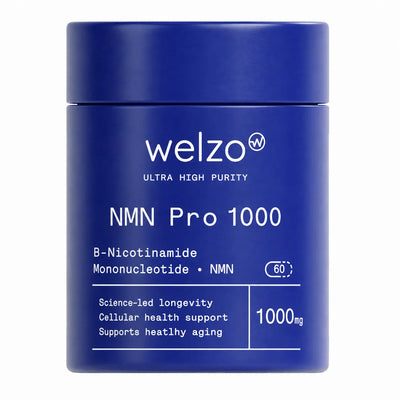
NMN Pro 1000 - Welzo Ultra Purity
SupplementsIngredients (per se...£ 26.99£39.99Lowest price in 30 days
UK delivery soon
Order within 2h 14m
In Stock
Authentic 30-day returns 12 viewing -
Sale-30%
 Quick view
Welzo Ultra Purity
Welzo Ultra Purity Longevity Elite - NMN & Resveratrol & TMG
SupplementsNMN (β-Nicotinamide...£ 34.99£49.99Lowest price in 30 days
UK delivery soon
Order within 2h 14m
In Stock
Authentic 30-day returns 12 viewing -
Sale-45%Quick view
Welzo Ultra Purity
Welzo Ultra Purity NMN Pro 1000 mg per serving, 60 capsules
SupplementsIngredients (per se...£ 21.99£39.99Lowest price in 30 days
UK delivery soon
Order within 2h 14m
In Stock
Authentic 30-day returns 12 viewing -
 Quick view
ProHealth
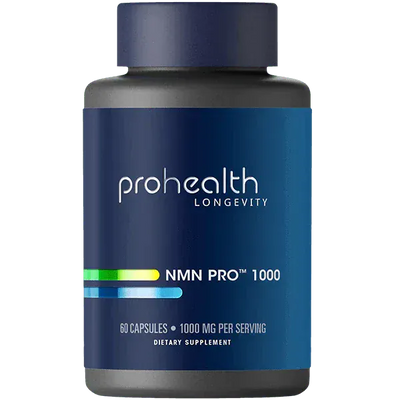
NMN Pro 1000 - Uthever NMN - ProHealth
Ingredients Active ...£ 78.99UK delivery soon
Order within 2h 14m
In Stock
Authentic 30-day returns 12 viewing -
Sale-19%
 Quick view
Welzo Ultra Purity
NMN & Resveratrol Welzo Ultra Purity Supplement Stack
SupplementsNicotinamide Mononu...£ 41.99£51.99Lowest price in 30 days
UK delivery soon
Order within 2h 14m
In Stock
Authentic 30-day returns 12 viewing -
Sale-20%
 Quick view
Welzo Ultra Purity
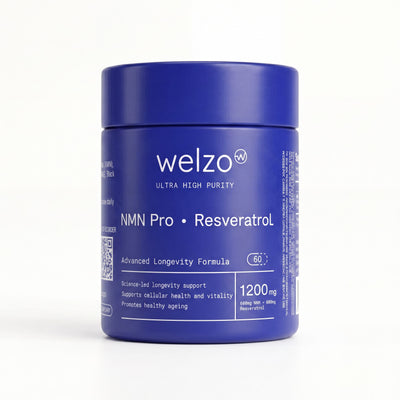
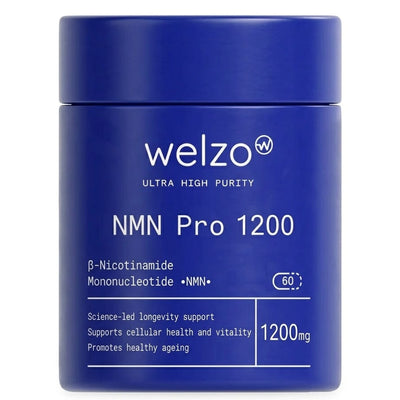
NMN Pro 1200 - Welzo Ultra Purity
SupplementsNMN (β-Nicotinamide...£ 31.99£39.99Lowest price in 30 days
UK delivery soon
Order within 2h 14m
In Stock
Authentic 30-day returns 12 viewing -
Sale-9%
 Quick view
Welzo Ultra Purity
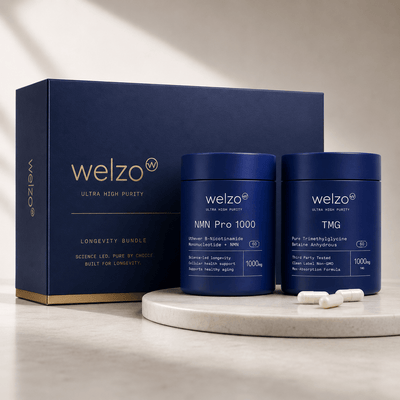
NMN & TMG Welzo Ultra Purity Supplement Stack
Supplementsβ-Nicotinamide Mono...£ 39.99£43.99Lowest price in 30 days
UK delivery soon
Order within 2h 14m
In Stock
Authentic 30-day returns 12 viewing -
Sale-19%
 Quick view
Welzo Ultra Purity
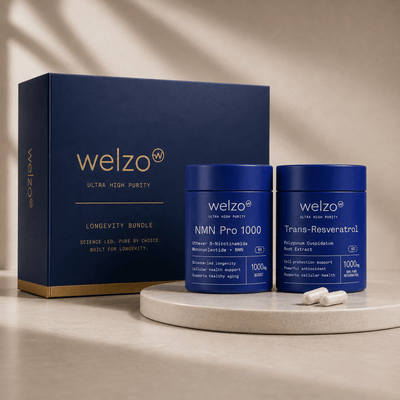
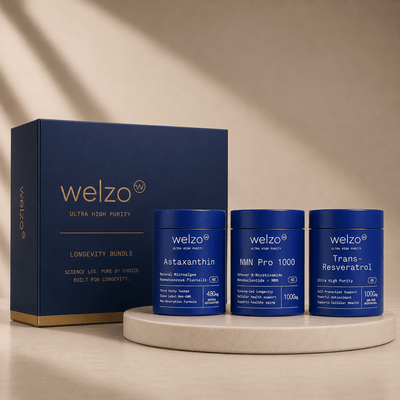
Longevity Protocol Stack — NMN Pro 1000 + Trans-Resveratrol + TMG
Supplementsβ-Nicotinamide Mono...£ 55.99£68.99Lowest price in 30 days
UK delivery soon
Order within 2h 14m
In Stock
Authentic 30-day returns 12 viewing -
 Quick view
Welzo Supplements
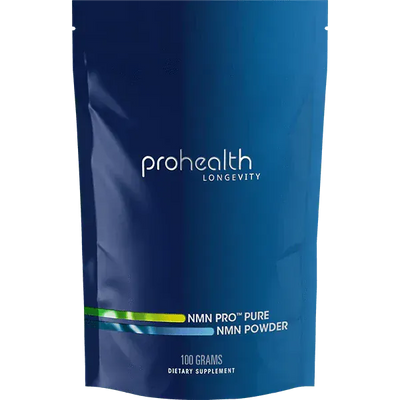
NMN Pro Powder - Uthever NMN - ProHealth
Active Ingredient: ...£ 104.99UK delivery soon
Order within 2h 14m
In Stock
Authentic 30-day returns 12 viewing -
Sale-19%
 Quick view
Welzo Ultra Purity
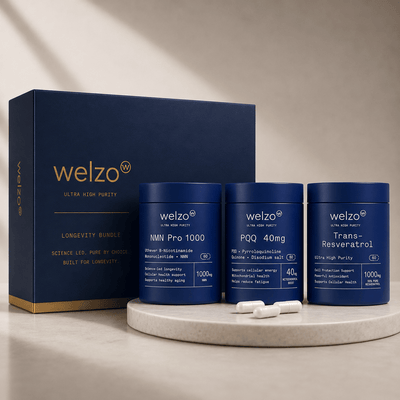
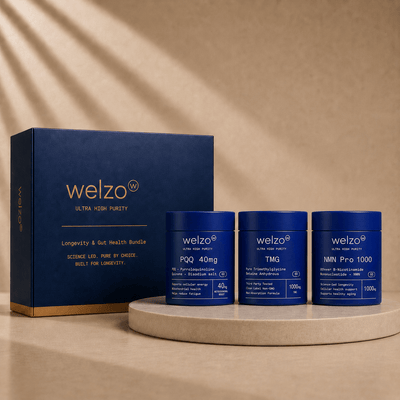
Welzo Ultra Purity NMN + Trans-Resveratrol + PQQ Bundle
£ 59.99£73.99Lowest price in 30 days
UK delivery soon
Order within 2h 14m
In Stock
Authentic 30-day returns 12 viewing -
Sale-45%Quick view
Welzo Ultra Purity
Welzo NMN Pro - Ultra Purity NMN Supplement
SupplementsIngredients (per se...£ 21.99£39.99Lowest price in 30 days
UK delivery soon
Order within 2h 14m
In Stock
Authentic 30-day returns 12 viewing -
Sale-19%
 Quick view
Welzo Ultra Purity
Welzo Ultra Purity Healthy Ageing Stack — NMN + Trans-Resveratrol + Astaxanthin
GMP INGREDIENTS WE...£ 59.99£73.99Lowest price in 30 days
UK delivery soon
Order within 2h 14m
In Stock
Authentic 30-day returns 12 viewing -
Sale-19%
 Quick view
Welzo Ultra Purity
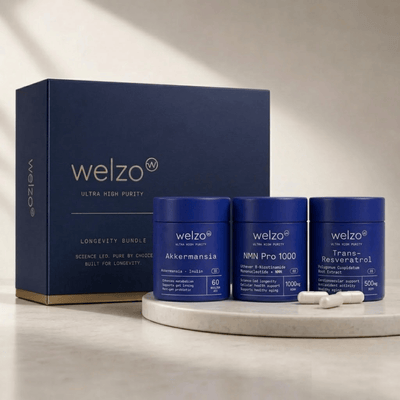
Welzo Ultra Purity NMN + Akkermansia + Trans-Resveratrol Supplement Bundle
£ 59.99£73.99Lowest price in 30 days
UK delivery soon
Order within 2h 14m
In Stock
Authentic 30-day returns 12 viewing -
 Quick view
Welzo Ultra Purity
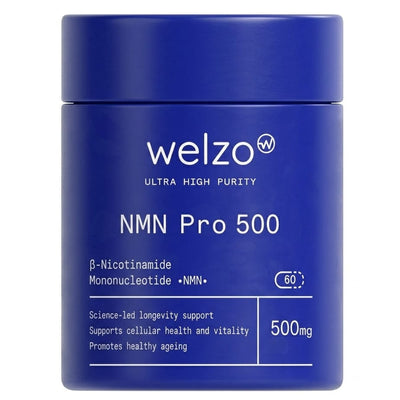
NMN Pro 500 - Welzo Ultra Purity
SupplementsNMN (Nicotinamide M...£ 24.99UK delivery soon
Order within 2h 14m
In Stock
Authentic 30-day returns 12 viewing -
 Quick view
Welzo Ultra Purity
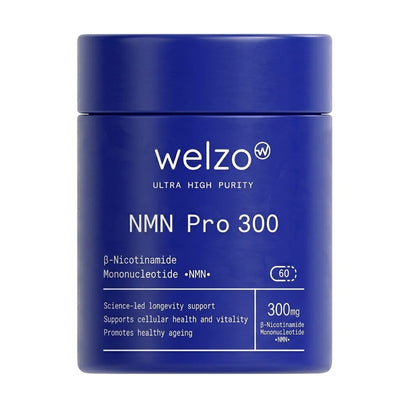
NMN Pro 300 - Welzo Ultra Purity
SupplementsNicotinamide Mononu...£ 21.99UK delivery soon
Order within 2h 14m
In Stock
Authentic 30-day returns 12 viewing -
 Quick view
Lipolife
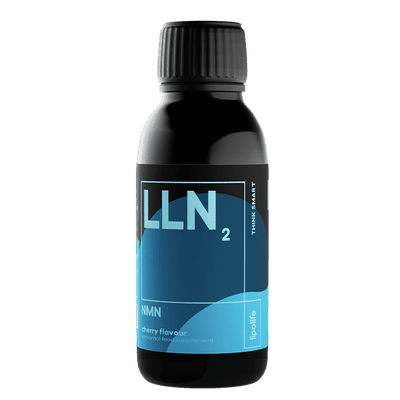
LLN2 Liposomal NMN Nicotinamide Mononucleotide , 150ml - lipolife
SupplementsUltra-Pure Water£ 30.01UK delivery soon
Order within 2h 14m
In Stock
Authentic 30-day returns 12 viewing -
Sale-20%
 Quick view
Welzo Ultra Purity
Welzo Ultra Purity Energy & Focus Stack — NMN + PQQ + TMG
GMP INGREDIENTS WE...£ 52.99£65.99Lowest price in 30 days
UK delivery soon
Order within 2h 14m
In Stock
Authentic 30-day returns 12 viewing -
 Quick view
Double Wood Supplements
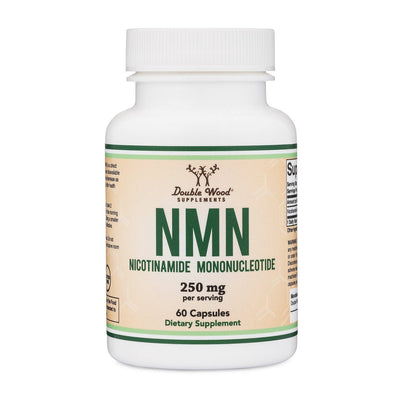
Double Wood Supplements Nicotinamide Mononucleotide (NMN)
Supplements£ 33.36UK delivery soon
Order within 2h 14m
In Stock
Authentic 30-day returns 12 viewing
NMN Supplements
NMN supplements contain nicotinamide mononucleotide, a precursor of NAD+. This collection brings together NMN capsules, powder and a liposomal liquid from Welzo Ultra Purity, ProHealth, Double Wood and Lipolife, alongside combination products that pair NMN with ingredients such as trans-resveratrol or TMG.
NMN products differ more than their names suggest. The amount of NMN in a daily serving, the number of capsules in that serving, the other ingredients and what the brand publishes about purity and testing all vary. This page explains what to compare, how NMN differs from NAD+ and NR, and what current research can and cannot tell you. NMN sits within Welzo's wider anti-ageing and longevity range.
What NMN is
NMN stands for nicotinamide mononucleotide. It is a nucleotide made of nicotinamide, a form of vitamin B3, joined to a ribose sugar and a phosphate group. The body uses it as one of the building blocks for NAD+ (nicotinamide adenine dinucleotide), a coenzyme found in every cell.
Labels list the ingredient as NMN, nicotinamide mononucleotide or β-NMN (beta-NMN). β-NMN is the biologically active form. Some brands also name the company that made the raw ingredient. Uthever, for example, is an NMN ingredient brand used in ProHealth's NMN Pro products, not a finished supplement brand.
NMN, NAD+ and NR: three different things
The three names often appear together, but they are separate molecules and are sold as separate products.
- NMN (nicotinamide mononucleotide) is a precursor: the body converts it into NAD+.
- NAD+ (nicotinamide adenine dinucleotide) is the coenzyme itself. NAD+ supplements contain NAD+ or its reduced form, NADH, rather than a precursor, and Welzo lists them separately under NAD+ supplements.
- NR (nicotinamide riboside) is another precursor, one step further back. The body adds a phosphate group to NR to make NMN, then converts the NMN into NAD+.
- Nicotinamide and niacin, both forms of vitamin B3, are also NAD+ precursors and are sold as vitamin supplements in their own right.
A product described as an NAD+ supplement or booster may contain any of these, so read the ingredient panel rather than relying on the product name. Taking several of them together adds up to several sources for the same pathway, so check the combined amounts and speak to a pharmacist before you do.
How to compare NMN supplements
Five details decide whether two NMN products are really comparable.
NMN per serving and per capsule
Brands state strength in different ways. Some give the amount per capsule, others the amount per daily serving, which may be two or more capsules. Compare products on the same basis, and count the servings in the pack rather than the capsules.
Purity
Purity is the percentage of the tested ingredient that is NMN, usually measured by HPLC, a laboratory separation technique. A figure such as 99% says how much of the sample was NMN, ideally β-NMN; it says nothing about the dose, and it only means something if you know who tested it and which batch it refers to. Many listings describe NMN as high purity without giving a figure. Treat that as a description, not a measurement.
Testing and certificates of analysis
A certificate of analysis (COA) is a laboratory report for one production batch. A useful certificate names the laboratory, gives a batch or lot number and test date that match your product, states the measured NMN content or purity, and covers contaminants such as heavy metals and microbial limits. Testing by an independent third-party laboratory gives more assurance than an in-house result. GMP (good manufacturing practice) certification describes how a product is made; it is not a test result for your batch. Where a certificate is not published with the product, request it before ordering if testing matters to your choice.
Other ingredients
Single-ingredient NMN capsules usually contain NMN, a capsule shell such as HPMC (a plant-based cellulose) and sometimes a flow agent such as magnesium stearate or rice flour. Combination products add other active ingredients, and liquids add water, phospholipids, sweeteners and preservatives. Check the full panel if you avoid particular ingredients, and check the vegan and allergen information on each listing.
Cost per serving
Price per pack is a poor guide on its own. Divide the price by the number of servings, then compare the NMN in each serving: a cheaper pack with half the NMN per serving can cost more per milligram. For powder, work from the pack weight and the stated serving size.
Capsules, powder or liquid
Most NMN in this collection comes as capsules, which give a fixed amount each time and need no measuring. NMN powder, such as ProHealth NMN Pro Powder, lets you measure your own amount but needs an accurate scoop or scales, and more care with storage once opened.
Lipolife LLN2 is a liposomal NMN liquid, in which NMN is packaged with phospholipids. Brands present liposomal NMN as an alternative way of delivering NMN, but little human research compares it directly with standard capsules, so check the NMN per serving in the same way as any other product. Sublingual powders and tablets, designed to dissolve under the tongue, are sold elsewhere, and the same checks apply to them.
Single NMN or combination products
Alongside single-ingredient NMN, the collection includes products and bundles that combine NMN with other supplements, including trans-resveratrol, TMG (trimethylglycine, also called betaine), PQQ, spermidine, astaxanthin, magnesium L-threonate and an Akkermansia probiotic. Some bundles also include a blood test, and one includes an infrared sauna blanket.
Combinations are convenient but harder to compare. Check the amount of each ingredient per serving, not just the headline NMN figure, and make sure you are not doubling up on something you already take. Resveratrol is also sold on its own in the resveratrol range.
How much NMN to take
There is no UK recommended daily amount for NMN, and serving directions differ from product to product. Follow the directions on the label of the product you choose and do not exceed the stated daily serving. Labels often suggest taking NMN in the morning; there is no official UK guidance on timing.
Human studies have used a range of amounts for periods of weeks to a few months. An appropriate amount for long-term use has not been established.
Storing NMN
Keep NMN in its sealed container in a cool, dry place away from direct sunlight, and close it straight after use. Powder is exposed to air and moisture each time it is opened, so use a dry scoop. Few listings state specific storage conditions, so follow the instructions and best-before date on the pack when it arrives.
Who should check before taking NMN
NMN supplements are not intended to diagnose, treat, cure or prevent any disease. Speak to a GP or pharmacist before taking NMN if you are pregnant, breastfeeding or trying to conceive, take prescription medicines, have a medical condition or are having treatment for one, or are under 18. Stop taking it and seek advice if you feel unwell.
Food supplements should not be used as a substitute for a varied, balanced diet and a healthy lifestyle.
NMN and ageing: what is and is not known
NMN is widely marketed for anti-ageing and longevity because studies have reported that NAD+ levels in some tissues fall with age, and NMN is a precursor of NAD+. Much of that interest comes from laboratory and animal research. Human trials so far have been relatively small and short, and have mainly measured NAD+ in the blood and markers of metabolism and physical performance rather than long-term health outcomes.
No health claim for NMN is authorised in Great Britain, as the GB nutrition and health claims register shows. Welzo therefore does not claim that any product in this collection slows ageing, extends lifespan, raises energy or improves health. If you are considering NMN for a health reason, discuss it with your GP first.
Brands in this collection
- Welzo Ultra Purity: NMN Pro capsules in four strengths, plus combinations and bundles with trans-resveratrol, TMG, PQQ and other ingredients.
- ProHealth: NMN Pro capsules and powder made with Uthever NMN. See the full ProHealth range.
- Double Wood: nicotinamide mononucleotide (NMN), part of the wider Double Wood range.
- Lipolife: LLN2 liposomal NMN liquid in a 150 ml bottle.
Before you buy, confirm
- the NMN per serving and per capsule, and how many capsules make up a serving
- how many servings the pack contains
- whether the ingredient is named as β-NMN, and any stated purity figure
- who tested the batch, and whether a certificate of analysis is available for it
- any other active ingredients and the amount of each
- the capsule shell, other ingredients and dietary suitability
- the storage directions and best-before date
- the price per serving
NMN supplement FAQs
What does NMN stand for?
NMN stands for nicotinamide mononucleotide, a compound made from nicotinamide (a form of vitamin B3), ribose and phosphate. Supplements normally contain the β-NMN form.
Is NMN the same as NAD+?
No. NMN is a precursor that the body converts into NAD+, while NAD+ is the coenzyme itself. NMN supplements and NAD+ supplements are different products with different ingredients, so compare them on their ingredient panels.
What is the difference between NMN and NR?
Both are NAD+ precursors. NR (nicotinamide riboside) has no phosphate group; the body adds one to make NMN, which it then converts into NAD+. They are separate ingredients, and a product containing one does not contain the other unless the label says so.
How much NMN should I take per day?
There is no UK recommended daily amount. Follow the directions on the product label, do not exceed the stated daily serving, and speak to a GP or pharmacist first if you take medicines or have a medical condition.
Does NMN have side effects?
Human studies of NMN have been short, so long-term safety has not been established. Stop taking it and seek advice if you feel unwell, and check with a pharmacist before combining it with medicines or other supplements.
Can you get NMN from food?
Small amounts of NMN occur naturally in some foods, including broccoli, cabbage, cucumber, edamame and avocado, but at levels far below a typical supplement serving.
 Rated Excellent by 26,523+ Reviews
 100% Money Back Guarantee