

Related products


Related collections





Best Liquid Vitamins For An Autistic Child
Posted on:
Feb 23, 2026
Authored by


Liquid vitamins can be a practical option for autistic children when tablets are a non-starter. Sensory sensitivities, swallowing difficulties, selective eating, and routine rigidity can all make standard children's supplements harder to use consistently. A liquid format (or an oral spray) can reduce friction and make it easier to support everyday nutrition gaps without turning supplements into a daily battle.
This guide focuses on liquid vitamins and liquid-style alternatives available on Welzo, selected for routine-friendly use in the UK. It is not medical advice, and it does not treat autism. If your child has a restricted diet, complex needs, gastrointestinal issues, or takes medication, it's sensible to check with a GP, pharmacist, or dietitian before starting new supplements.
You may also want to explore relevant Welzo categories such as Baby & Children's Health Products, Baby Feeding & Weaning, Baby & Child DHA & Omegas, and Multivitamins.
Liquid vitamins are supplements delivered as a syrup, drops, or sometimes an oral spray. They're commonly chosen for children who dislike pills, struggle with textures, or do better with one quick step supplementation. In practice, the best option is the one your child can take consistently, at an age-appropriate dose, without causing distress or stomach upset.
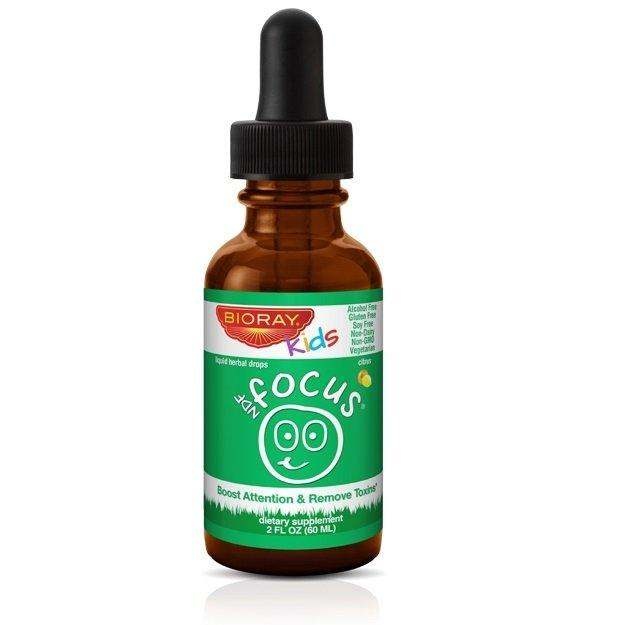
Best Gentle Herbal Liquid: BioRay Kids NDF Calm Vanilla
These are selected for format and routine fit. Always check the label for age suitability, serving size, and whether your child is already getting vitamin D (or other nutrients) from another product.

| Section | Details |
|---|---|
| Why has it been selected | A straightforward liquid multivitamin format that suits keep it simple family routines, especially when tablet or chewable formats aren't tolerated. |
| Product description | A daily liquid multivitamin option designed for children, typically used to support baseline vitamin coverage when diet variety is limited or inconsistent. For broader family-friendly nutrition, explore our Baby & Child Vitamins & Supplements collection. |
| Product reviews | Liquid multivitamins are usually judged on taste tolerance, ease of use, and whether they fit smoothly into a daily routine (benefits are typically subtle and gradual). |
| Product price | Mid-range for a branded children's liquid multivitamin. |
| Pros | Easy format routine-friendly good default option when you want one bottle rather than multiple supplements. |
| Cons | Taste/texture may still be a barrier for some children not a substitute for targeted nutrients if a clinician has identified a specific need (e.g., iron). |
| How to use | Follow the label for age-based dosing. Many families take it with breakfast to build consistency. |
| Editor's comments | If you want a simple liquid multivitamin that reduces supplement complexity, this is a sensible starting pointespecially for children who refuse chewables. |

| Section | Details |
|---|---|
| Why has it been selected | Drops can be useful when children tolerate only very small volumes, or when parents want a low-fuss format that can be added to a spoon or mixed carefully as directed. |
| Product description | A multi-nutrient drops format aimed at supporting general vitamin coverage and often chosen when a liquid multivitamin spoonful is a sensory challenge. |
| Product reviews | Typically assessed on ease of dosing, tolerance, and whether the child accepts it consistently. |
| Product price | Budget to mid-range. |
| Pros | Small-volume dosing flexible routine use useful for sensory-sensitive children. |
| Cons | As with all drops, dosing accuracy matters avoid combining with multiple other multis unless advised. |
| How to use | Use exactly as directed on the label (age-based). Keep it consistentsame time, same method. |
| Editor's comments | A strong pick when less volume, less drama is the goalparticularly in children with high sensory sensitivity. |

| Section | Details |
|---|---|
| Why has it been selected | Vitamin D is one of the most commonly supplemented nutrients in UK children. A drops format can be easier than chewables for sensory-sensitive kids. |
| Product description | A vitamin D drops product for targeted supplementation when you don't need a full multivitamin and want a simple, single-nutrient approach. |
| Product reviews | Parents usually evaluate vitamin D drops based on ease of dosing and tolerance (no instant feeling is expected). |
| Product price | Budget-friendly. |
| Pros | Targeted, simple, easy to keep consistent. |
| Cons | Not a multivitamin avoid doubling up if your child already gets vitamin D from another supplement. |
| How to use | Follow label instructions for age and serving. Many parents use it at breakfast for consistency. |
| Editor's comments | If you're trying to keep supplementation minimal, vitamin D drops are often the cleanest one thing to do well. |

| Section | Details |
|---|---|
| Why has it been selected | Oral sprays can be easier for children who reject spoon dosing, dislike liquids, or resist anything that looks like medicine. |
| Product description | A child-friendly vitamin D oral spray format designed for simple, routine dosing without liquid measuring or chewables. |
| Product reviews | Usually reviewed on taste acceptance, convenience, and daily adherence. |
| Product price | Mid-range for a spray format. |
| Pros | Very convenient fast routine use helpful for children who refuse syrups or drops. |
| Cons | Still only vitamin D (not a multivitamin) ensure correct spray dosing is followed. |
| How to use | Follow label instructions for the number of sprays per day and age guidance. |
| Editor's comments | One of the easiest compliance wins for sensory-sensitive childrensimple, quick, and low-mess. |

| Section | Details |
|---|---|
| Why has it been selected | A concentrated vitamin D3 liquid format can suit families who prefer drop-based dosing and want a compact bottle. |
| Product description | A higher-strength vitamin D3 liquid product. This can be useful when a clinician has recommended vitamin D support, but dosing must be kept strictly age-appropriate. |
| Product reviews | Generally evaluated on dosing convenience and routine fit rather than immediate effects. |
| Product price | Mid-range to premium. |
| Pros | Concentrated small-volume dosing convenient bottle size. |
| Cons | Because it's higher strength, dosing must be especially carefulavoid combining with other vitamin D products unless advised. |
| How to use | Use only as directed on the label. If you're unsure what dose is appropriate for your child, check with a pharmacist or GP first. |
| Editor's comments | Best reserved for parents who are confident with careful dosing and want a concentrated vitamin D option in liquid form. |

| Section | Details |
|---|---|
| Why has it been selected | A gentle, vanilla-flavoured liquid tonic that many parents choose for daily routine use because it's easier to take for children who struggle with tablets, capsules, or strong-tasting syrups. |
| Product description | A liquid herbal blend formulated with adaptogenic mushrooms (like reishi and agaricus) and micronised chlorella to support healthy stress responses and overall calm in children. It's alcohol-free, gluten-free and designed for ages 12 months+. |
| Product reviews | Parents often judge this type of product based on ease of dosing, taste acceptance, and incorporation into daily routines rather than a quick effect. Many reviews reflect consistent use over weeks with improved routine adherence. |
| Product price | Mid-range for a specialty child-focused liquid tonic. |
| Pros | Easy, gentle liquid format vanilla flavour tends to be well accepted broad routine support rather than single nutrient focus. |
| Cons | Not a multivitamin it's an herbal/proprietary blend, so it doesn't replace micronutrient-focused vitamin drops. Must be used with care according to label dosing. |
| How to use | Shake well and mix with water, juice, or a favourite drink. Follow the label serving guidelines based on body weight. |
| Editor's comments | A good choice when routine simplicity and gentle flavour are priority, especially for sensory-sensitive children who prefer non-pill formats. Its herbal base means it fits a calm-focused routine rather than targeted micronutrient coverage. |
| Product | Type | Form | Best For | Key Advantage | Things to Consider |
|---|---|---|---|---|---|
| Wellbaby Multi-Vitamin Liquid | Multivitamin | Liquid | Everyday baseline coverage | Simple one bottle routine | Taste/texture varies avoid overlap |
| BabyVit Drops 25ml (HealthAid) | Multi drops | Drops | Small-volume dosing | More sensory-friendly | Label dosing needs accuracy |
| BabyVit D Drops 10 mcg (400 IU) | Vitamin D | Drops | Targeted vitamin D support | Minimal, straightforward | Avoid doubling vitamin D |
| DLux Junior Vitamin D Oral Spray (BetterYou) | Vitamin D | Oral spray | Children who refuse liquids | No measuring quick | Only vitamin D |
| Liquid Vitamin D3 Extra Strength (Life Extension) | Vitamin D3 | Concentrated liquid | Drop-based dosing preference | Compact format | Be careful with dosing |
| BioRay Kids NDF Calm Vanilla | Herbal liquid | Liquid | Gentle routine support | Easy, daily-friendly format | Herbal blend is not a multivitamin |
Most families aren't looking for quick effects. They want something simple that supports nutritional adequacy when meals are inconsistent or restricted. For children with sensory challenges, explore Multivitamins for Kids with child-friendly formats like gummies and liquids.
Drops and liquids can allow for smaller, gradual dosing. This can be helpful if your child is sensitive to changes, but always follow the label directions for age and serving size.
A single liquid multivitamin (or drops + vitamin D) can be easier than stacking multiple products, which often increases overlap and reduces adherence.
If you start multiple supplements at once, it's hard to know what's helping (or what's causing stomach upset). Begin with one routine-friendly product and build only if needed.
Many children tolerate vitamins better with breakfast or lunch. If mornings are hard, anchor it to the most predictable meal.
Autistic children often do best with predictability: same time, same spoon/cup, same sequence. Consistency usually beats perfect timing.
Vitamin D appears in many children's products. If you use a dedicated vitamin D drop or spray, check whether your multivitamin already contains vitamin D to avoid unnecessary doubling.
Some liquids can be mixed, but heat and acidity can matter for certain nutrients. Follow the label and keep dosing accurately.
Autism itself does not automatically mean a child is deficient, but restricted diets and selective eating can increase the risk of nutrition gaps. Signs that may warrant professional assessment (rather than self-diagnosis) can include persistent fatigue, poor appetite or variety, slow growth concerns, frequent illness, or ongoing constipation and feeding issues. These symptoms can have many causes, so the safest approach is to discuss concerns with your GP, health visitor, or dietitianespecially if your child's diet is very limited.
For most children, age-appropriate vitamin products are safe when used exactly as directed. Problems usually come from overlapping products (two multivitamins at once) or using high-strength products without clear guidance.
In the UK, vitamin D supplementation is routinely recommended for babies and children because sunlight exposure is often insufficient, particularly during autumn and winter months. Vitamin D supports normal bone growth and development by helping the body absorb calcium. Public health guidance highlights that most children cannot reliably meet vitamin D needs through diet alone, which is why daily supplementation is advised for many age groups.
Source:
NHS Vitamins for children
https://www.nhs.uk/baby/weaning-and-feeding/vitamins-for-children/
UK health guidance advises that breastfed babies from birth should receive a daily vitamin D supplement, and that all children aged 14 years should continue to receive 10 micrograms (400 IU) daily. This recommendation applies regardless of diet and is intended as routine nutritional support rather than treatment.
Source:
NHS Start for Life Vitamins for babies and young children
https://www.nhs.uk/start-for-life/baby/baby-basics/caring-for-your-baby/vitamins-for-babies/
Clinical bodies in the UK note that vitamin D deficiency has not been eliminated and still occurs in children, particularly those with limited sun exposure, restricted diets, or higher nutritional needs. Maintaining adequate vitamin D intake helps reduce the risk of bone softening conditions such as rickets and supports healthy skeletal development throughout childhood.
Source:
Royal College of Paediatrics and Child Health Vitamin D in childhood
https://www.rcpch.ac.uk/guide-vitamin-d-childhood
UK public health advice emphasises that vitamin and mineral supplements for children are intended to support nutritional adequacy, not to diagnose, treat, or manage medical conditions. Parents are encouraged to follow age-appropriate dosing and seek professional advice if a child has ongoing health concerns or complex nutritional needs.
Source:
NHS Vitamins, minerals and supplements
https://www.nhs.uk/conditions/vitamins-and-minerals/
Guidance from UK health services stresses the importance of using supplements at recommended doses and avoiding unnecessary stacking of multiple products containing the same nutrients. This is particularly relevant for fat-soluble vitamins such as vitamin D, where excessive intake is not advised without medical supervision.
Source:
NHS Specialist Pharmacy Service Use of vitamins in children
https://www.sps.nhs.uk/articles/vitamins-and-minerals-in-children/
Liquid vitamins do not treat autism. They can be used to support general nutrition when diet variety is limited, but they are not a therapy for autism itself.
If you want a simple baseline approach, a single liquid multivitamin is often the easiest start. If you want minimal supplementation, many families start with vitamin D (drops or spray), depending on what the child tolerates best.
If your child eats a restricted diet, a multivitamin can be a practical safety net. If your diet is generally balanced but you want a simple routine, vitamin D alone may be enough. If you're unsure, a dietitian can help match supplements to your child's actual intake.
Sometimes, but not always. Check the label for instructions. If mixing is allowed, keep the portion size consistent so the full dose is taken.
Most vitamin support is subtle and gradual. If benefits occur, they usually show up over weeks as improved nutritional consistency, not as an immediate effect.
 Rated Excellent by 26,523+ Reviews
 100% Money Back Guarantee
Our money back guarantee ensures you receive your items or get a full refund.


