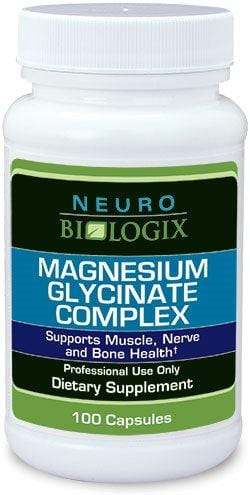
Related products


Related collections
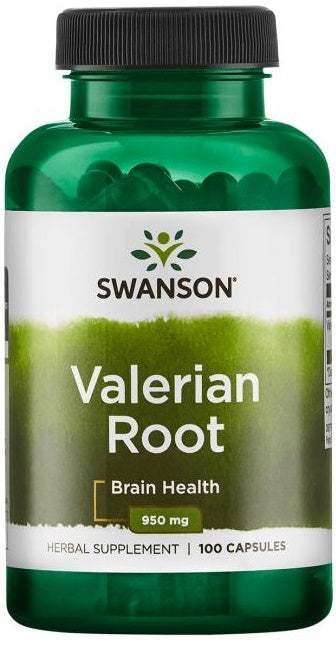



The Best 9 Natural Supplements for Anxiety
Posted on:
Apr 06, 2024


Anxiety is like a racing storm within that refuses to slow down, and it is often triggered by something outside us — a deadline, a diagnosis, a difficult conversation. Its symptoms sit on a spectrum from mild to severe: profuse sweating, fidgeting with an object, a racing heart, or chest tightness as though you are enclosed in a box. It is also one of the most common human experiences there is. Global Burden of Disease data put the number of people living with an anxiety disorder at roughly 301 million worldwide, and in England around six in every hundred adults meet the criteria for generalised anxiety disorder in any given week.
Some anxiety is useful. It sharpens us before an exam or in an emergency. The problem begins when it stops switching off — when it becomes uncontrolled palpitations, sleepless nights, and a steady erosion of quality of life.
Therapy and prescribed medication remain the first-line, evidence-based treatments for anxiety disorders. Alongside them, a number of nutrients and botanicals have been tested in human trials, some with encouraging results and some with distinctly mixed ones. This guide ranks the eight best natural supplements for anxiety by the strength of the human evidence behind them, explains the studied doses, and is honest about where the science is thin.
The table below summarises our ranking. "Evidence strength" reflects the number, size and quality of human randomised controlled trials — not how popular a supplement is.
| Rank | Supplement | Best for | Typical studied dose | Evidence strength | Where to buy |
|---|---|---|---|---|---|
| 1 |
Magnesium Top pick: Welzo Ultra Purity Magnesium L-Threonate 2000mg |
Physical tension, restlessness, sleep onset | 200–400 mg elemental daily | Moderate — positive trials, quality still improving | Welzo Ultra Purity Magnesium (£19.99) |
| 2 | Ashwagandha | Chronic stress, raised cortisol, poor sleep | 240–600 mg extract daily | Moderate — several RCTs | Ashwagandha supplements (from £11.28) |
| 3 | L-theanine | Daytime calm without drowsiness | 200 mg daily | Moderate — small but well-designed RCTs | L-theanine supplements |
| 4 | Saffron | Anxiety with low mood | 30 mg extract daily | Moderate — meta-analysed, results scale-dependent | Mood support supplements |
| 5 | Omega-3 (EPA/DHA) | Anxiety alongside a clinical condition | ≥2 g daily, EPA-weighted | Moderate — large meta-analysis, heterogeneous | Omega-3 supplements |
| 6 | Chamomile | Generalised anxiety, evening wind-down | 1,500 mg extract daily | Limited — two trials from one research group | Chamomile supplements |
| 7 | Curcumin | Anxiety with inflammatory or metabolic issues | 1,000 mg daily with piperine | Limited — small crossover trials | Turmeric & curcumin |
| 8 | Vitamin D | Correcting a deficiency that may worsen mood | 10 µg (400 IU) daily | Indirect — strong for deficiency, weak for anxiety itself | Vitamin D supplements |
Anything that carries a health claim deserves to be judged on more than customer reviews. Each supplement below was assessed against four criteria:
The top three places are closely matched on evidence, and the ordering between them comes down to the practicality criteria. Magnesium takes first place because it combines credible trial data with the broadest applicability: shortfalls are common in the UK diet, it addresses the physical symptoms most people actually notice, it is safe alongside almost everything, and it costs less than the alternatives.
Two things are worth stating plainly. First, many supplement trials are small — often 30 to 60 participants — and a proportion are funded by ingredient manufacturers. Second, positive findings for a group average do not guarantee an effect for any individual. Neither fact makes the research worthless, but both should temper expectations.
Supplements are not a substitute for treatment of an anxiety disorder. NHS first-line care for generalised anxiety disorder is self-help, psychological therapy such as CBT, and where appropriate medication — and these are the interventions with the strongest outcome data behind them.
Please see a GP rather than reaching for a supplement if you experience any of the following:
It is also worth ruling out the physical drivers that masquerade as anxiety. An overactive thyroid, iron deficiency, low vitamin D and chronically elevated cortisol can all produce symptoms that look exactly like an anxiety disorder. A cortisol blood test, thyroid function test or vitamin deficiency test can settle the question in a way that guesswork cannot.


Magnesium is well established in medicine as a relaxant of vascular and skeletal muscle. That matters for anxiety because so much of the experience is physical: the clenched jaw, the stiff neck, the aching shoulders that follow weeks of pressure. Magnesium also appears to dampen HPA-axis signalling, reducing excess cortisol release, and it acts as a natural antagonist at NMDA receptors while supporting GABA activity.
What the research shows: a University of Leeds systematic review examining magnesium supplementation and subjective anxiety concluded that the existing evidence suggests a beneficial effect in anxiety-vulnerable groups, while noting that the quality of that evidence is poor. That is a genuinely mixed verdict, and it is the honest one: the direction of travel is favourable, the trial quality is not yet strong enough to be conclusive. What lifts magnesium to first place is not a single dramatic trial but the combination of plausible mechanism, a genuinely common dietary shortfall, an excellent safety record and negligible cost.
UK reference nutrient intakes are 300 mg daily for men and 270 mg for women. The NHS advises that supplemental doses of 400 mg a day or less are unlikely to cause harm; above that, loose stools are the usual limiting factor.
Magnesium L-threonate is the form developed specifically for brain bioavailability — it is recognised for crossing the blood-brain barrier more readily than conventional forms, which is why it has become the preferred choice for people prioritising sleep quality, relaxation and cognitive clarity rather than bowel regularity.
Welzo Ultra Purity Magnesium L-Threonate 2000mg delivers 2,000 mg of magnesium L-threonate per three-capsule serving in vegetarian capsules, with no proprietary blends and no unnecessary fillers. Every batch is third-party tested for identity, potency and purity, and the certificate of analysis is published on the product page — a level of transparency that remains uncommon in a market regulated as food rather than medicine. It currently carries 94 customer reviews.
Note that the elemental magnesium content of any threonate product is lower than the compound weight on the label, so if your goal is purely to correct a dietary shortfall rather than to target sleep and cognition, a glycinate or citrate product may suit you better. Welzo's suggested use is three capsules daily, ideally one to two hours before bed.
| Feature | Detail |
|---|---|
| Form | Magnesium L-threonate — formulated for brain bioavailability |
| Serving | 2,000 mg per 3 capsules, 20 servings per container |
| Testing | Third-party tested; certificate of analysis published |
| Best taken | Evening, 1–2 hours before bed |
| Price | £19.99 (checked August 2026) — buy at Welzo |
| Pros | Cons |
|---|---|
| Inexpensive; corrects a genuinely common shortfall; helps muscle tension and sleep onset; threonate form targets the brain, while glycinate and citrate are well absorbed for general repletion | Trial quality is weak; oxide form is poorly absorbed and mainly laxative; high doses cause diarrhoea; caution in kidney impairment; not suitable in pregnancy or breastfeeding without medical advice |
Where to buy: the Welzo Ultra Purity Magnesium L-Threonate 2000mg is £19.99. The wider Welzo magnesium collection spans flakes from £3.42 to powders around £18.77 if you prefer another form. A magnesium blood test will tell you whether you are actually short.
Indian ginseng, or ashwagandha (Withania somnifera), is the adaptogen with the deepest clinical evidence base for stress. Adaptogens are plants proposed to help the body adjust its response to stressors rather than sedating it outright.
The mechanism most often cited involves gamma-aminobutyric acid, or GABA — the brain's principal inhibitory signalling molecule, which quietens over-active neural circuits. Withanolides, the active compounds in the root, appear to enhance this inhibitory signalling and to blunt output from the hypothalamic-pituitary-adrenal axis, the pathway that governs cortisol release.
What the research shows: in a 60-day randomised, double-blind, placebo-controlled trial of 64 chronically stressed adults, 300 mg of a high-concentration root extract taken twice daily produced a 27.9% fall in serum cortisol against 7.9% on placebo, with significant improvements across all stress scales used. A separate 60-day trial using a lower 240 mg dose found significant reductions in Hamilton Anxiety Rating Scale scores and morning cortisol.
| Pros | Cons |
|---|---|
| Most consistent cortisol data of any supplement here; also improves sleep quality; well tolerated; widely available at KSM-66 or Sensoril standardised doses | Trials are small and several are industry-funded; can cause mild stomach upset; rare case reports of liver injury; not for pregnancy, breastfeeding, or people with thyroid disease or on immunosuppressants without medical advice |
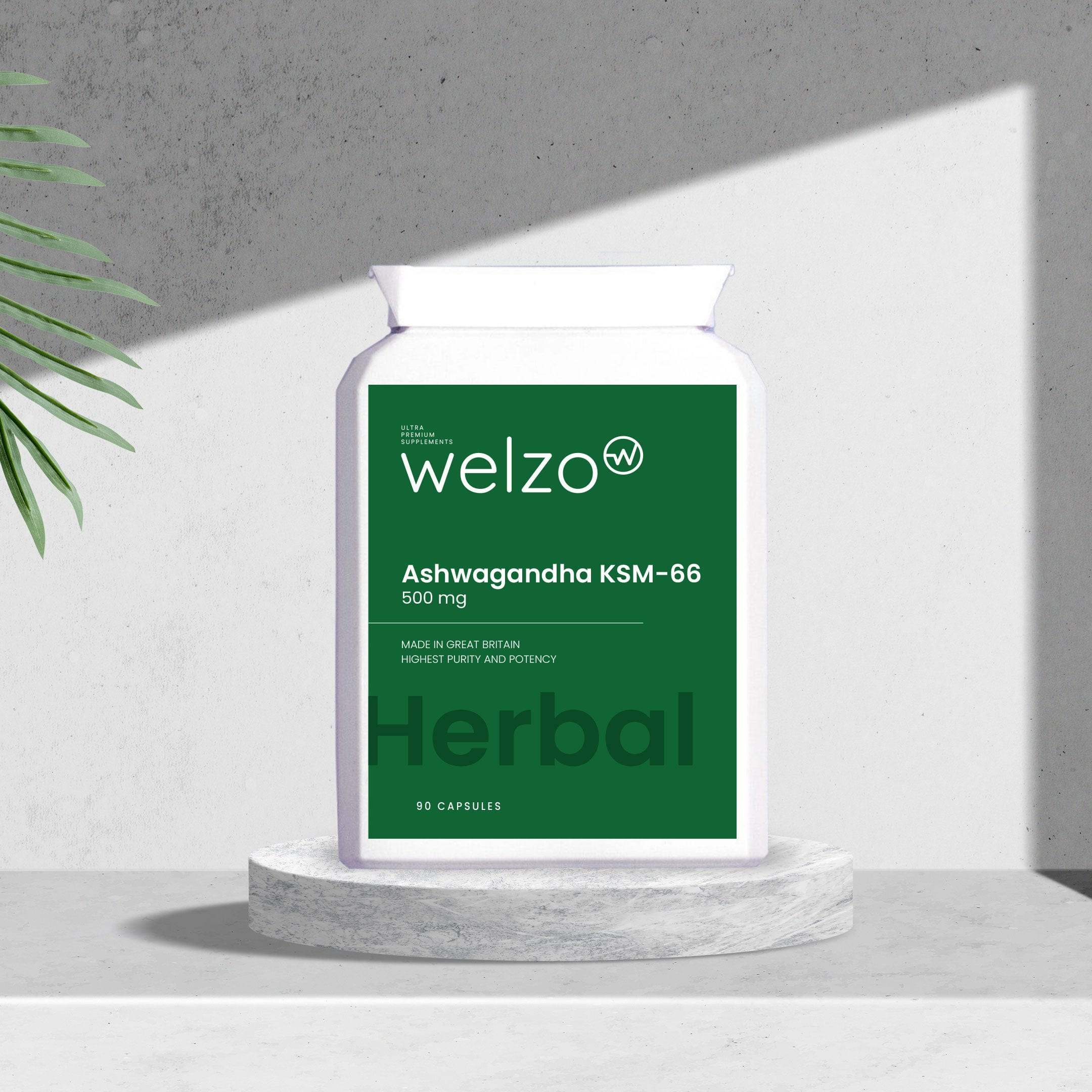
Where to buy: the Welzo ashwagandha range starts from around £11.28 for KSM-66 tablets, with the Welzo own-label ashwagandha at £19.99. Look for a standardised extract stating withanolide content rather than plain root powder.
L-theanine is an amino acid found almost exclusively in tea leaves. Its distinguishing feature among the supplements on this list is that it promotes relaxation without inducing drowsiness, which makes it the practical choice for daytime use — before a presentation, a difficult meeting, or a driving test.
What the research shows: in a randomised, placebo-controlled, double-blind crossover trial, 200 mg of L-theanine daily for four weeks significantly reduced trait anxiety, depression and sleep quality scores compared with placebo, with particular improvements in how long participants took to fall asleep. The trial was small — 30 adults — but its crossover design, where each person acts as their own control, is a methodological strength.
L-theanine is often paired with caffeine to sharpen focus. If sleep is part of your problem, take it on its own; the caffeine will undo the benefit.
| Pros | Cons |
|---|---|
| Non-sedating, so usable during the working day; very good safety record; works acutely as well as with regular use; no dependence potential | Small trial sizes; effect is mild rather than dramatic; several key studies funded by ingredient manufacturers |
Where to buy: browse L-theanine supplements at Welzo, or the broader stress relief and calming supplements range for combination formulas.
The sunshine spice, saffron, is harvested from the stigmas of the Crocus sativus flower. Its nickname is earned: saffron's best-studied application is mood, and it is the supplement to consider when anxiety and low mood arrive together, as they very often do.
Saffron's activity is attributed to three carotenoid compounds — crocin, crocetin and safranal — which appear to modulate serotonin availability and provide antioxidant protection to neural tissue.
What the research shows: a meta-analysis of 21 randomised clinical trials found that saffron significantly reduced Beck Anxiety Inventory, Beck Depression Inventory and sleep quality scores — but did not significantly change Hamilton anxiety or depression scale scores. That discrepancy between self-rated and clinician-rated scales is important context, and it is the sort of nuance that marketing copy tends to leave out. The typical studied dose is 30 mg daily for six to eight weeks.
| Pros | Cons |
|---|---|
| Meta-analysed evidence base; addresses mood and anxiety together; several trials compared it favourably with SSRIs on tolerability | Benefit shows on self-rated but not clinician-rated scales; most trials conducted in one country, limiting generalisability; genuine saffron extract is expensive and adulteration is common |
Where to buy: saffron most often appears within blended formulas — see serotonin support supplements and the wider herbal supplements range. Check the label states an extract standardised for crocin or safranal content.
Omega-3 fatty acids come in three main forms. ALA is found in flaxseed, walnuts and soybean oil; EPA and DHA come from oily fish, algae and other marine sources. DHA is a structural component of neuronal membranes; EPA is more closely tied to inflammatory regulation, and it is EPA-weighted formulas that dominate the positive mental-health trials.
What the research shows: a systematic review and meta-analysis in JAMA Network Open pooled 19 clinical trials across 11 countries and found that omega-3 treatment was associated with improved anxiety symptoms across 2,240 participants, with a stronger effect in people who had a diagnosed clinical condition than in those with subclinical anxiety. Subsequent dose-response work suggests intakes below roughly 2 g per day are unlikely to move the needle — a threshold most standard fish oil capsules fall well short of.

Ever wondered why a walnut looks like a miniature brain? The resemblance is coincidence, but the association is a useful memory aid: walnuts are among the richest plant sources of ALA. That said, conversion of ALA to EPA and DHA in the body is inefficient, so oily fish or a marine-derived supplement remains the more reliable route.
| Pros | Cons |
|---|---|
| Largest participant pool of any supplement here; substantial cardiovascular and cognitive benefits regardless; vegan algal options available | Effective dose (≥2 g) is higher than most products provide; results varied widely between trials; fishy aftertaste; caution alongside anticoagulants |
Where to buy: compare EPA and DHA content per serving across the Welzo omega-3 range — total fish oil weight on the front of the bottle is not the same figure. An omega-3 and 6 blood test shows whether your current intake is sufficient.
Chamomile is the most familiar remedy on this list, and one of the few whose reputation rests on more than tradition. Apigenin, a flavonoid concentrated in the flower heads, binds to benzodiazepine receptor sites in the brain — the same broad family of sites targeted by prescription anxiolytics, though with vastly milder effect.
What the research shows: researchers at the University of Pennsylvania ran a two-phase trial in patients with moderate-to-severe generalised anxiety disorder, using 1,500 mg of pharmaceutical-grade chamomile extract daily; participants who continued chamomile maintained significantly lower anxiety symptoms than those switched to placebo, though the reduction in relapse rate itself did not reach statistical significance. An earlier randomised trial from the same group found a significant reduction in anxiety scores after eight weeks.
A cup of chamomile tea contains far less than the trial dose. It may still help you wind down, but the clinical results above relate to concentrated extract.
| Pros | Cons |
|---|---|
| Studied specifically in diagnosed GAD rather than general stress; excellent tolerability; supports sleep as well as daytime anxiety | Evidence rests largely on one research group; relapse-prevention finding was not statistically significant; avoid if allergic to ragweed, daisies or chrysanthemums; may interact with warfarin |
Where to buy: see chamomile supplements for extract-strength options, or the sleep and relaxation range if evenings are your problem.
Curcumin is the principal active compound in turmeric, best known for reducing oxidative inflammation. Its relevance to anxiety is largely indirect: chronic stress generates oxidative load in neural tissue, and curcumin appears to reduce it, while also influencing DHA availability in the brain.
What the research shows: in a double-blind crossover trial, 30 adults with obesity took 1 g of curcumin daily for 30 days; Beck Anxiety Inventory scores fell significantly, while depression scores did not change. Curcumin has also shown antidepressant signals in trials of major depression, sometimes combined with saffron. This is a small and specific evidence base, which is why it ranks seventh rather than higher.
Absorption is curcumin's central weakness. Taken alone it is poorly bioavailable, which is why most credible formulations pair it with piperine from black pepper or use a phytosome or liposomal delivery system.
| Pros | Cons |
|---|---|
| Genuine anti-inflammatory action with wide-ranging benefits; useful where anxiety coexists with metabolic or inflammatory conditions | Small trials in narrow populations; poor absorption without an enhancer; can interact with anticoagulants; may aggravate gallbladder problems |
Where to buy: the turmeric and curcumin collection includes piperine-enhanced formulas; liposomal options are worth considering if absorption is a concern.
The sunshine vitamin ranks last here for an honest reason: the evidence that supplementing vitamin D treats anxiety in people who already have adequate levels is weak. The evidence that deficiency is common in the UK, and that it produces fatigue and low mood which can be mistaken for or can worsen anxiety, is strong.
At UK latitudes, skin synthesis effectively shuts down between October and March. The NHS advises that everyone should consider a daily 10 microgram (400 IU) supplement during autumn and winter, with year-round supplementation for those with darker skin, limited sun exposure, or who habitually cover up outdoors. Dietary sources — salmon, mackerel, cod liver oil, egg yolk and certain mushrooms — rarely close the gap alone.
| Pros | Cons |
|---|---|
| Cheapest intervention here; deficiency is genuinely widespread in the UK; official NHS backing; benefits bone, muscle and immune function regardless | Little evidence of benefit for anxiety if you are already replete; testing is the only way to know your status; do not exceed 100 µg daily without medical advice |
Where to buy: see vitamin D supplements. Before increasing beyond the standard 10 µg, a vitamin D blood test is the sensible first step.
L-theanine is the logical first choice because it does not cause drowsiness. Magnesium glycinate is a reasonable companion if physical tension is prominent.
Ashwagandha and chamomile both have sleep data behind them, and magnesium taken in the evening may help with sleep onset. Browse the sleep and relaxation collection for combined formulations.
Saffron and omega-3 have the most relevant evidence here. This combination of symptoms also warrants a GP conversation rather than self-management alone.
Test rather than guess. The nutrition and vitamin blood test and cortisol blood test will identify whether a correctable deficiency is contributing.
Most trials ran for four to twelve weeks. L-theanine can act within an hour; ashwagandha, saffron, chamomile and omega-3 need weeks of consistent use before a fair judgement is possible. If nothing has changed after eight to twelve weeks at the studied dose, that supplement is probably not for you.
"Natural" does not mean risk-free, and several of these compounds interact with prescription medicines.
Buy from suppliers who publish third-party testing. The UK supplement market is regulated as food rather than medicine, and potency in an unregulated product can differ substantially from its label.
Magnesium is our top overall pick, because it combines credible trial evidence with a common dietary shortfall, an excellent safety record and low cost — the Welzo Ultra Purity Magnesium L-Threonate 2000mg is the form we recommend for sleep and relaxation. Ashwagandha has the most consistent single body of trial evidence, with a randomised controlled trial showing a 27.9% reduction in serum cortisol at 600 mg daily over 60 days. Beyond that, the best choice depends on your symptom pattern: L-theanine suits daytime anxiety, and saffron suits anxiety accompanied by low mood.
L-theanine can produce noticeable calm within 30 to 60 minutes. Ashwagandha, saffron, chamomile, curcumin and omega-3 were studied over four to twelve weeks, and most people should allow at least four weeks of consistent daily use before judging. Vitamin D repletion can take several months if you start deficient.
No. They should be regarded as complementary rather than as a replacement. Never stop or reduce prescribed medication without speaking to your prescriber, as abrupt discontinuation of some drugs carries real risk. Several supplements also interact with psychiatric medication.
Several are not. Ashwagandha should be avoided in pregnancy. Others may cross the placenta or pass into breast milk, and safety data in these groups is generally limited. Always consult a midwife, GP or pharmacist for personalised advice before taking anything.
L-theanine is the clearest option — this is precisely what distinguishes it, and trial participants showed reduced anxiety without sedation. Magnesium glycinate is also generally non-sedating at daytime doses.
A University of Leeds systematic review found the existing evidence suggestive of benefit in anxiety-prone groups, while noting the quality of that evidence is poor. Magnesium is most likely to help if your intake or status is genuinely low, and it appears more effective for the physical symptoms — muscle tension, restlessness, difficulty settling — than for worry itself.
Magnesium glycinate is generally preferred for stress and sleep because it is well absorbed and gentle on the digestive system. Citrate is also well absorbed but more laxative. Magnesium oxide is cheap and poorly absorbed, and is better suited to constipation than to anxiety.
Some combinations are common and sensible — magnesium with L-theanine, for instance. However, stacking multiple products increases the chance of duplicated ingredients and interactions, and makes it impossible to tell which one is working. Introduce one at a time, and check the combination with a pharmacist if you take prescription medication.
Anxiety disorders are not caused by a single deficiency, but low vitamin D, low iron, low B12 and thyroid dysfunction can produce or worsen symptoms that closely resemble anxiety. This is worth excluding with a blood test before assuming the cause is purely psychological.
Generally no. Vitamin D is the exception in specific circumstances — free supplements are available through the Healthy Start scheme for eligible women and children, and higher doses may be prescribed for a diagnosed deficiency. The rest are purchased privately.
Natural supplements offer a reasonable adjunct for people managing everyday anxiety and stress, and several have credible randomised trial evidence behind them. Magnesium, ashwagandha and L-theanine currently have the strongest case; saffron and omega-3 are worth considering for specific symptom patterns; chamomile, curcumin and vitamin D have narrower but real applications.
What none of them do is replace therapy, medication or a proper diagnosis. If anxiety is affecting your daily functioning, speak to a GP. Used alongside that care — not instead of it — the supplements above may make the difference between coping and struggling.
Explore the full stress relief and calming supplements range, or compare options across brain supplements and sleep and relaxation.
Medical disclaimer: this article is for general information and is not a substitute for individual medical advice. It does not diagnose, treat or cure any condition. Speak to your GP or pharmacist before starting any supplement, particularly if you are pregnant, breastfeeding, taking prescription medication or managing a diagnosed health condition. If you are struggling with your mental health, contact your GP, NHS 111, or the Samaritans free on 116 123.


 Rated Excellent by 28,951+ Reviews
 100% Money Back Guarantee
Our money back guarantee ensures you receive your items or get a full refund.