


Best Huel Flavours Reviewed: What’s Worth Buying


Related products


Meal replacement products have become increasingly common in the UK, particularly among individuals seeking a practical way to maintain nutritional consistency alongside demanding schedules. One of the most recognisable brands in this category is Huel, a plant-based, nutritionally complete food designed to replace one or more meals per day.
While Huel is often selected for its macronutrient balance and micronutrient coverage, Dr Zeeshan’s testing consistently shows that flavour is the determining factor for long-term use. This mirrors broader trends seen across the meal replacement protein shakes category, where taste fatigue is a leading cause of discontinuation.
In practice, many users compare Huel with other established nutrition brands such as Labrada or Gaspari Nutrition, particularly when deciding whether to commit to a subscription-based product. This review focuses specifically on which Huel flavours are genuinely worth buying, based on repeated real-world use rather than marketing descriptions.
What Is Huel and Why Does Flavour Matter?
Huel is classified as a nutritionally complete meal replacement, typically consumed in liquid form. It sits within a broader category of meal replacement shakes, offering a defined balance of protein, carbohydrates, fats, fibre, and essential vitamins and minerals in a single serving.
From a physiological standpoint, Huel delivers nutrients efficiently. However, Dr Zeeshan emphasises that flavour directly affects satiety, digestion, and behavioural adherence. Overly sweet or strongly flavoured products are more likely to be consumed quickly or abandoned, particularly when compared with more neutral-tasting options from brands such as Reflex Nutrition or Trec Nutrition.
Flavour also influences preparation habits. Some Huel flavours are acceptable when mixed with water alone, while others benefit from blending or chilling. These preparation differences can influence how Huel compares with alternative nutrition formats, including whole-food-based options from Creative Nature or specialist formulations within the wider vegan and plant-based supplements category.
What Is Huel Used For?
Huel is most commonly used as a breakfast or lunch replacement, particularly by individuals seeking predictable energy intake during the working day. It is also used by people managing calorie intake alongside resistance training or endurance exercise, in a similar way to traditional protein supplements.
In clinical discussions, Dr Zeeshan positions Huel as a structured food option rather than a supplement. It can be helpful for people who struggle to prepare balanced meals regularly, for frequent travellers, or for those aiming to reduce reliance on convenience foods. Some users compare it with nutritionally targeted products from brands such as Aymes or 5% Nutrition, depending on individual dietary goals.
Compared with solid options such as bars or snacks found within snacks, bars, and finger foods, liquid meal replacements provide more consistent nutrient delivery. However, flavour acceptance remains critical to whether this consistency translates into meaningful benefit.
Our Top Picks: Best Huel Products & Flavours Reviewed
Based on flavour testing, texture, ease of use, and how well each product fits into real-world routines, Dr Zeeshan selected the following Huel products as the most worthwhile options currently available in the UK.
Best Overall: Huel Ready-to-Drink 8 × 500ml
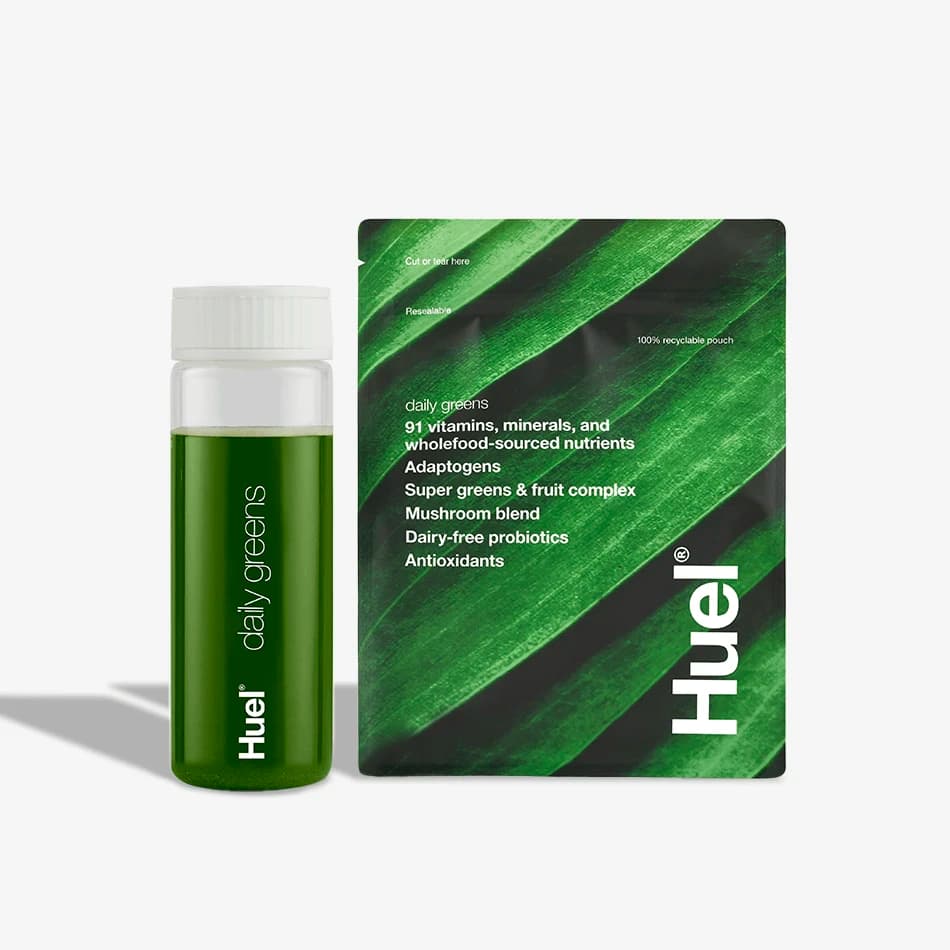
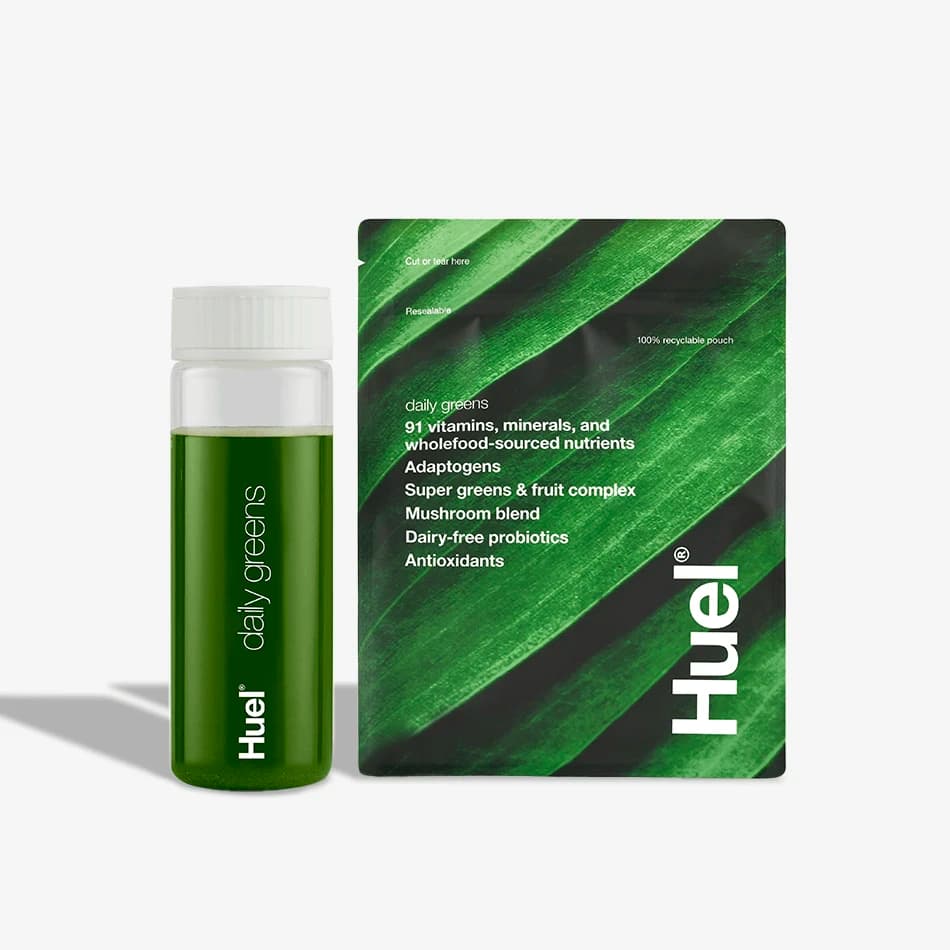
Best for Daily Nutrition Support: Huel Daily Greens Pouch – Original
Best High-Protein Option: Huel Ready-to-Drink Black Edition 8 × 500ml
Best for On-the-Go Convenience: Huel Complete Nutrition Bar 12 × 51g
Best Functional Drink Format: Huel Daily A-Z Vitamins 12 × 330ml
Detailed Product Reviews: Best Huel Picks (Flavour + Practicality)
Huel Daily Greens Pouch - Original
| Why It’s Been Selected |
Selected as a “daily routine” option because it offers a consistent, repeatable flavour profile (greens-forward but designed to be palatable), with a format that fits a morning ritual. In taste-testing, it tends to work best when mixed cold and left to stand briefly to smooth texture. |
|---|---|
| Product Description |
A powdered greens blend designed to be mixed with water (or a light base) to support daily micronutrient intake as part of a wider routine. It suits people who want a “one-and-done” greens habit rather than multiple separate powders. |
| Product Reviews |
Feedback typically clusters around three points: (1) it’s easier to drink than many greens powders, (2) texture improves with a shaker and short rest time, and (3) flavour preference is highly individual—most like it cold, and some prefer blending with ice. |
| Product Price |
£52.80 |
| Where to Buy | Huel Daily Greens Pouch - Original |
| Pros |
Convenient “daily greens” format that fits a routine Generally more drinkable than many traditional greens powders Works well chilled; texture improves with a short rest |
| Cons |
Greens-style flavour is still not for everyone Can taste stronger if mixed too concentrated Best results require a shaker/blender (not ideal on-the-go for some) |
| How to Use |
Mix the recommended serving with cold water in a shaker. For best flavour and mouthfeel, shake thoroughly and allow it to stand for 30–60 seconds, then shake again. Many find it most tolerable chilled or with ice. |
| Editor’s Comments |
This is a strong choice when flavour matters because it is designed to be taken daily without “fatigue.” The best tasting experience was achieved cold, well-shaken, and not over-concentrated. |
Huel Ready-to-Drink 8x500ml

| Why It’s Been Selected |
Selected for convenience and “grab-and-go” consistency. In taste-testing, RTD formats often win because they remove mixing variables (water ratio, shaker quality, settling), which makes flavour more predictable across repeat purchases. |
|---|---|
| Product Description |
A ready-to-drink meal replacement designed for busy days. It prioritises convenience and consistent flavour, making it practical for commuting, travel, or keeping at work. |
| Product Reviews |
Most positive reviews focus on convenience and how reliably it tastes compared with powders. Common critiques relate to personal preference on sweetness/creaminess and the desire for more flavour variety depending on the variant chosen. |
| Product Price |
£29.96 |
| Where to Buy | |
| Pros |
Most consistent flavour experience (no mixing variables) Highly convenient for travel, work, and busy schedules Good option for people who dislike powder texture |
| Cons |
Usually higher cost per serving versus powder Storage space needed for multipacks Flavour preference is variant-dependent (some are sweeter/creamier) |
| How to Use |
Shake well before opening. Best served chilled. Use as a meal replacement when time is limited, or as a structured option to avoid skipping meals. |
| Editor’s Comments |
For flavour-driven buyers, RTD often “wins” because the taste is stable every time. This is the sensible pick for people who want convenience without compromising on predictability. |
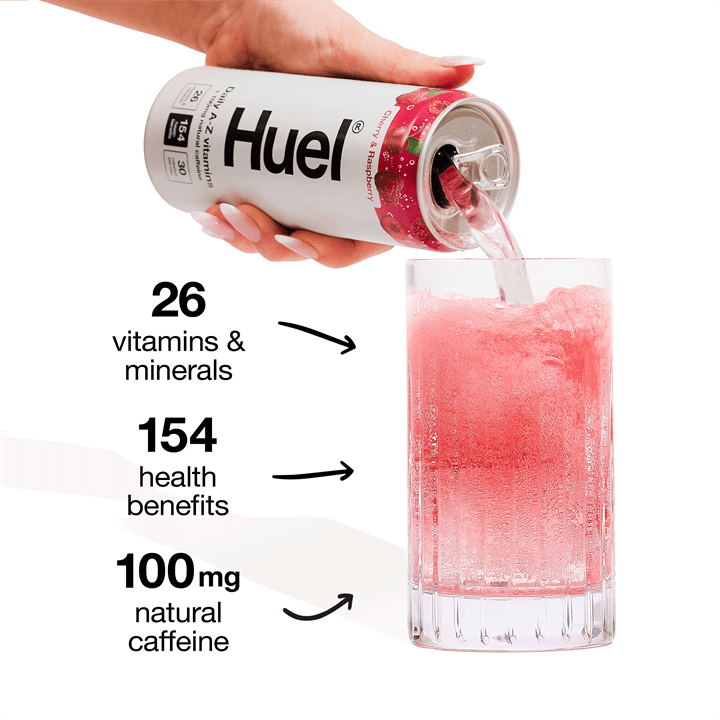
Huel Daily A-Z Vitamins 12x330ml
| Why It’s Been Selected |
Selected as a “lighter” daily drink option for people who want a flavoured routine that feels closer to a functional beverage than a heavy shake. In taste-testing, these drinks tend to suit those who prefer crisp flavours and lower “meal replacement” thickness. |
|---|---|
| Product Description |
A ready-to-drink vitamin beverage designed to support a daily routine with a broad micronutrient blend. It is typically chosen by people who prefer drinkable convenience without the density of a full meal shake. |
| Product Reviews |
Users commonly highlight convenience and the “easy to drink” feel. Flavour feedback varies by variant; most prefer it chilled. Some mention it fits well as a daytime routine drink rather than a full meal substitute. |
| Product Price |
£21.34 |
| Where to Buy | |
| Pros |
“Drinkable” format for people who dislike thick shakes Convenient daily habit product with flavour variety by variant Best served chilled and easy to take on-the-go |
| Cons |
Not a full meal replacement for most people Flavour preference can be polarising by variant Multipacks require storage space |
| How to Use |
Chill before drinking, shake well, and use as a daily functional beverage—often best placed earlier in the day as part of a routine. |
| Editor’s Comments |
This fits best for people who want flavour + function in a lighter format. It is not positioned as a full meal replacement in practice for most users, but it can support routine consistency. |
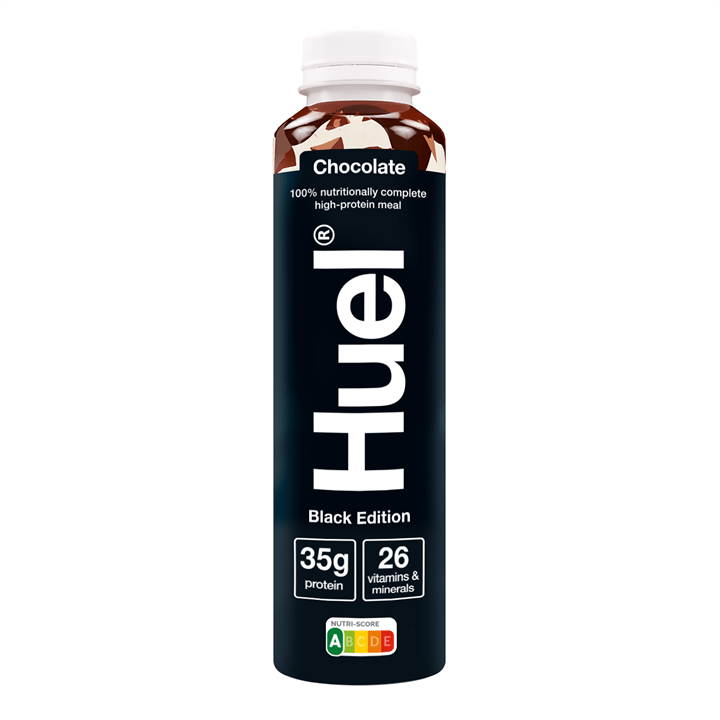
Huel Ready-to-Drink Black Edition 8x500ml
| Why It’s Been Selected |
Selected for buyers who want a more “serious” shake experience—typically higher-protein positioning and a fuller mouthfeel. In taste-testing, Black Edition RTDs often suit people who prefer richer flavours (e.g., chocolate/vanilla profiles) and stronger satiety. |
|---|---|
| Product Description |
A plant-based ready-to-drink meal substitute designed around a higher-protein profile than standard RTDs, often chosen for satiety and routine adherence when a more substantial drink is preferred. |
| Product Reviews |
Review themes usually focus on satiety, convenience, and a richer shake style. Some prefer it chilled for best flavour. Critiques tend to relate to sweetness/creaminess preferences depending on the chosen variant. |
| Product Price |
£29.43 |
| Where to Buy | |
| Pros |
More filling profile than lighter RTD options Consistent flavour (no mixing), strong for routine adherence Suitable for people who want “shake-like” richness |
| Cons |
Heavier mouthfeel may not suit everyone Typically more expensive than powders Variant choice matters—some flavours land better than others |
| How to Use |
Shake well and drink chilled. Use as a meal replacement when a more substantial drink is desired, particularly for busy mornings or post-training convenience. |
| Editor’s Comments |
For people who prioritise flavour + satiety, Black Edition RTD is often a better match than lighter drinks. It performs best chilled, and it is one of the most “meal-like” options in the set. |
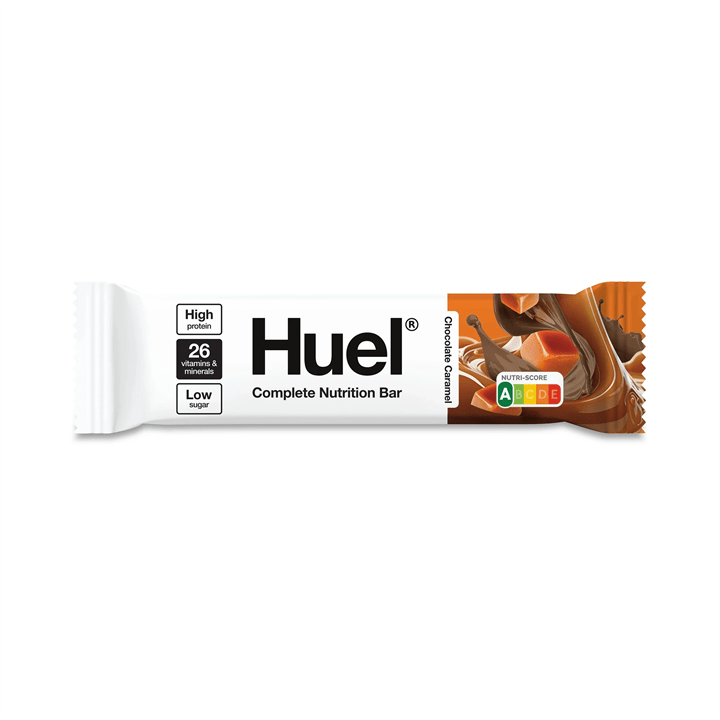
Huel Complete Nutrition Bar 12x51g
| Why It’s Been Selected |
Selected for “flavour-first” convenience between meals. Bars are often easier to enjoy consistently than shakes for some people, and taste-testing typically favours bars when the goal is snackability, portability, and no prep. |
|---|---|
| Product Description |
A complete nutrition bar format designed to be convenient and portable. It suits people who want a structured snack that feels more like a treat than a drink, while still supporting routine nutrition. |
| Product Reviews |
Common feedback tends to focus on taste and texture, with most users preferring certain flavours (often chocolate-forward). Positive reviews highlight portability and convenience. Critical reviews typically mention personal preference on sweetness or bar density. |
| Product Price |
£28.03 |
| Where to Buy | |
| Pros |
No prep—ideal for travel, desks, bags, and quick snacks Often the easiest “flavour win” versus shakes for some users Helps routine adherence when time is tight |
| Cons |
Texture is bar-like and can feel dense (preference-dependent) Less customisable than powders (no blend/mix options) Variant choice matters for sweetness/feel |
| How to Use |
Eat as a mid-morning or mid-afternoon snack, or keep as a reliable option when meals are delayed. Many find pairing with water or coffee improves overall satiety and enjoyment. |
| Editor’s Comments |
This is the best format here for people who care about flavour and convenience but do not want a drink. It works especially well for those who get “shake fatigue” and want a snack-style alternative. |
Features and Benefits of Huel (From a Practical Perspective)
When assessed beyond marketing claims, Huel offers several practical features that explain its popularity within the wider meal replacement landscape. Its formulation prioritises plant-based protein sources, complex carbohydrates, and fibre, supporting more stable energy release compared with sugar-heavy alternatives.
Digestive tolerance varies by flavour and formulation. Dr Zeeshan notes that less aggressively sweet flavours tend to be better tolerated over time, particularly for individuals sensitive to fibre. This is an important distinction when comparing Huel with plant-protein-focused products such as pea protein blends or specialist health-oriented ranges from brands like Jigsaw Health.
From a behavioural nutrition perspective, the most meaningful benefit is reliability. A flavour that remains acceptable over weeks or months supports consistency, which ultimately has more impact on nutritional outcomes than novelty. This aligns with observations seen across premium nutrition categories, including Nature’s Brands and other curated ranges within exclusive nutrition products.
Readers seeking broader context on how meal replacements compare with powders and bars may also find value in the related guide on protein powders, shakes, and bars, which explores taste, convenience, and long-term adherence across formats.
What Does Huel Do in the Body?
Huel is designed to function as a nutritionally complete meal, supplying protein, carbohydrates, fats, fibre, and essential vitamins and minerals in a single serving. Once consumed, digestion follows the same physiological pathway as a balanced mixed meal, with fibre and protein playing a central role in satiety and digestion rate.
Fibre is one of the most influential components affecting how Huel feels in the body. Viscous fibres increase gastric distension and slow gastric emptying, which can enhance fullness and reduce appetite between meals. This mechanism is well described in UK nutrition guidance on fibre intake and satiety (Nutrition.org.uk – Fibre and digestion).
Beyond digestion, Huel’s most significant effect is behavioural. By reducing decision fatigue around meals, it can help people avoid skipping meals or relying on inconsistent convenience foods. This principle underpins NHS-supported total diet replacement programmes, where structured use of meal replacements has been shown to support adherence and weight loss (NHS England – Soups and Shakes programme).
What Makes a Huel Flavour “Good”?
A good Huel flavour is one that remains acceptable when consumed repeatedly. In practice, adherence matters more than intensity. From a clinical perspective, flavour quality can be assessed using four criteria: flavour accuracy, sweetness balance, texture, and aftertaste.
Overly sweet flavours often lead to taste fatigue, while under-flavoured options may feel bland or “oaty.” NHS hospital guidance on oral nutritional supplements repeatedly highlights that flavour variety and acceptability are essential to ensure continued use, particularly when drinks are used in place of meals (Royal Marsden NHS – Nourishing drinks).
Texture is equally important. Grittiness, settling, or excessive thickness can undermine an otherwise pleasant flavour. This is why preparation method — shaker quality, liquid volume, and chilling — materially affects flavour perception.
Types of Huel Products & How Flavour Differs
Huel flavours vary across formats because the base formulation changes the sensory experience. Powdered products are sensitive to mixing technique, while ready-to-drink formats are factory emulsified, producing a smoother and more consistent texture.
Higher-protein formulations often feel heavier and richer on the palate, as protein structure influences mouthfeel and flavour release. Bars, by contrast, shift flavour perception toward sweetness and density, behaving more like traditional snacks than drinks.
How We Tested and Ranked the Best Huel Flavours
To evaluate flavour objectively, preparation variables must be controlled. Each flavour was tested using the same liquid volume, shaker method, and temperature, and consumed multiple times to assess repeat-drink acceptability rather than first-sip novelty.
Flavours were scored on accuracy, sweetness balance, texture, aftertaste, and repeat-use potential. This mirrors the principles used in structured meal replacement studies, where tolerability and adherence are critical to outcomes.
Evidence from UK primary care shows that total diet replacement programmes can be effective when adherence is maintained. In a BMJ-published trial, participants using structured meal replacements achieved significantly greater weight loss than usual care (BMJ – Total diet replacement trial).
NIHR evidence summaries reinforce that these outcomes depend on tolerability and sustained use, not the product alone (NIHR Evidence – Diet replacement programmes).
Huel Side Effects, Tolerance & Digestive Considerations
The most common side effects reported with Huel and similar products are gastrointestinal, including bloating, gas, and changes in bowel habits. These effects are typically related to fibre content, speed of intake, and baseline fibre intake.
UK dietetic guidance emphasises that increasing fibre too quickly can cause bloating and wind, particularly in individuals with low habitual fibre intake. Gradual increases and adequate hydration are recommended to improve tolerance (BDA/NHS Fibre Factsheet).
NHS hospital leaflets also explain that fermentable fibres are broken down by gut bacteria, producing gas as a by-product, which explains why symptoms often settle over time (UHD NHS – Fibre and digestion).
Is Huel Safe to Drink Every Day?
For most healthy adults, using a nutritionally complete meal replacement daily is generally considered safe when used as intended and as part of a varied overall diet. Problems tend to arise only when meal replacements displace all whole foods indefinitely.
The NHS has used meal replacement strategies at scale within supervised programmes. Early results from the NHS “Soups and Shakes” initiative showed average weight losses of around 13kg in three months among participants (NHS England – Programme outcomes).
Individuals with gastrointestinal disease, complex medical conditions, or significant food allergies should seek dietetic or medical guidance before relying on meal replacements daily.
Huel Ingredients That Affect Taste & Digestion
Several ingredient categories influence both flavour and tolerance, including fibre type, protein source, fat composition, and sweeteners. These factors determine thickness, sweetness perception, and digestive response.
For individuals with food allergies or sensitivities, ingredient awareness is critical. NHS guidance on exclusion diets highlights the importance of careful label reading, particularly for milk, soya, and other common allergens (Cambridge University Hospitals NHS – Exclusion diets).
How to Make Huel Taste Better & Improve Tolerance
Practical changes often have the greatest impact. Using cold water, allowing the shake to rest, blending thoroughly, and avoiding overly concentrated mixes all improve flavour perception and texture.
From a tolerance perspective, gradual fibre introduction and sufficient fluid intake are the most evidence-based strategies to reduce bloating and discomfort (BDA/NHS – Fibre tolerance guidance).
Does Huel Taste Better Over Time?
Many users report that Huel becomes more acceptable over time due to taste adaptation and digestive adjustment. This is a well-recognised phenomenon in nutrition, where repeated exposure reduces sensitivity to unfamiliar textures and flavours.
Moderately flavoured options tend to “age” better than very sweet or strongly flavoured ones, which are more likely to cause fatigue when consumed daily.
Huel Flavours vs Other Meal Replacements
Compared with other meal replacements, Huel is often described as less dessert-like and more neutral. NHS resources on oral nutritional supplements note that these products may be used in place of meals or alongside food, reinforcing that practicality and tolerance matter as much as taste (Royal Marsden NHS – Use of nutritional drinks).
How to Choose the Right Huel Flavour for You
Selection should be based on sweetness preference, texture tolerance, and intended use. People sensitive to sweetness often do better with milder flavours, while those seeking satiety may prefer richer options.
Digestive comfort should guide initial choice. UK dietetic guidance consistently advises gradual fibre increases to minimise bloating and gas, particularly in individuals transitioning from low-fibre diets (NHS/BDA fibre advice).
Are New Huel Flavours Worth Trying?
New flavours are most valuable when they address known issues such as excessive sweetness or poor aftertaste. For most people, establishing a reliable “daily” flavour first and experimenting later is the most sustainable approach.
Why You Should Trust Us
This review is written from the perspective of clinical nutrition practice rather than brand promotion. Dr Zeeshan has evaluated meal replacement products over multiple years, including their nutritional composition, ingredient quality, tolerability, and real-world usability.
Huel products were tested repeatedly across different formats and flavours, with attention paid to consistency, taste fatigue, preparation practicality, and how products perform when used as intended over time rather than as one-off trials.
Conclusions are based on evidence-informed nutrition principles, UK dietary guidance, and observed user adherence rather than marketing claims or influencer trends.
What Makes a “Good” Huel UK Flavour?
A good Huel flavour is one that remains acceptable when consumed regularly. In practice, this means balanced sweetness, minimal aftertaste, and a texture that does not become unpleasant when prepared repeatedly.
UK consumers tend to favour flavours that feel neutral and functional rather than dessert-like. Overly sweet or artificial-tasting flavours are more likely to cause taste fatigue, particularly when Huel is used daily rather than occasionally.
Texture stability is equally important. A flavour may taste acceptable initially but become less appealing if it separates, thickens excessively, or feels gritty after standing.
How to Choose the Best Huel UK Flavour for You
Choosing the right Huel flavour depends on intended use, sweetness preference, and digestive sensitivity. Individuals using Huel once daily may tolerate stronger flavours, while those using it frequently tend to prefer milder options.
People sensitive to sweetness or artificial aftertaste generally do better with simpler flavour profiles. Those seeking satiety may prefer richer or higher-protein options, even if they feel heavier.
Practical factors such as preparation method, time available, and whether the product will be consumed at home or on the move should also guide flavour choice.
Is Huel Healthy?
Huel is designed to provide a balanced intake of macronutrients and essential micronutrients, which can make it a healthier option than skipping meals or relying on ultra-refined convenience foods.
Its health value depends on how it is used. Replacing one or two meals with a nutritionally complete option may support dietary consistency, but it should not permanently replace all whole foods.
Is Huel Ultra-Processed?
Huel is technically classified as a processed food due to its formulation and manufacturing process. However, not all processing is inherently negative.
The key distinction is that Huel is formulated to deliver defined nutritional outcomes rather than to maximise palatability or overconsumption. Its ingredients are selected for nutrient density rather than flavour engineering alone.
Is Huel Good for You?
Huel can be beneficial for individuals who struggle with meal planning, irregular eating patterns, or nutrient consistency. It offers predictable nutrition in a controlled portion size.
Benefits are most likely when Huel is used strategically rather than as a total replacement for varied food intake.
Is Huel Good for Weight Loss?
Huel may support weight loss when used as part of a calorie-controlled dietary approach. Its fixed portion size and fibre content can help reduce unplanned snacking and calorie variability.
Weight loss outcomes depend on total calorie intake, frequency of use, and overall lifestyle rather than the product alone.
How to Use Huel
Huel can be used as a meal replacement for breakfast, lunch, or occasionally dinner. Most people begin with one serving per day to assess tolerance and preference.
Preparation should follow label guidance, with adjustments made gradually to liquid volume or serving size based on personal preference and digestive comfort.
For best results, Huel should be integrated into a broader dietary pattern that still includes whole foods, hydration, and regular meals where possible.
Frequently Asked Questions About Huel Flavours
What is Huel?
Huel is a nutritionally complete food designed to replace one or more meals per day, providing a balance of protein, carbohydrates, fats, fibre, vitamins, and minerals in a convenient format.
Does Huel actually work as a meal replacement?
Yes. When used as intended, Huel can replace a meal by delivering sufficient energy and essential nutrients, although it should not permanently replace all whole foods.
What does Huel do in the body?
Huel is digested like a mixed meal, contributing to satiety through its fibre and protein content while supplying micronutrients that support normal metabolic processes.
Which Huel flavour tastes the best?
Taste preference is subjective, but flavours with balanced sweetness and smoother texture tend to be better tolerated over time than overly sweet or strongly flavoured options.
Does Huel taste better over time?
Many people report that Huel becomes more palatable with repeated use as taste adaptation occurs and the body adjusts to the texture and fibre content.
Why do some Huel flavours cause bloating?
Bloating is usually related to fibre intake, speed of consumption, and gut adaptation rather than the flavour itself. Symptoms often improve when intake is increased gradually.
Is Huel safe to drink every day?
For most healthy adults, daily use is considered safe when Huel is used as part of a varied diet rather than replacing all meals indefinitely.
Can Huel cause digestive issues?
Some individuals experience gas, bloating, or changes in bowel habits initially, particularly if their usual fibre intake is low.
Is Huel suitable for people with sensitive digestion?
People with sensitive digestion may benefit from starting with smaller portions, choosing milder flavours, and ensuring adequate fluid intake.
What ingredients in Huel affect taste?
Sweeteners, fibre type, protein source, and fat composition all influence sweetness, thickness, and aftertaste.
Does higher protein Huel taste different?
Yes. Higher protein formulations often feel thicker and richer, which can influence mouthfeel and flavour perception.
How can Huel be made to taste better?
Using cold water, blending thoroughly, allowing the shake to rest, or adjusting liquid volume can significantly improve taste and texture.
Is ready-to-drink Huel better tasting than powder?
Ready-to-drink versions tend to have a smoother texture due to factory emulsification, which many people find more palatable.
How does Huel compare with other meal replacements?
Huel is generally less sweet and more neutral than many meal replacements, which can make it easier to consume regularly.
Can Huel replace breakfast or lunch?
Yes. Huel is commonly used as a breakfast or lunch replacement, particularly for convenience or consistent nutrient intake.
Is Huel suitable for weight management?
Huel may support weight management when used as part of a structured dietary approach, as it helps control portion size and calorie intake.
Are new Huel flavours worth trying?
New flavours may be worth trying once a reliable daily option is established, particularly if they address previous taste or texture issues.
Who should avoid using Huel?
Individuals with specific medical conditions, severe gastrointestinal disorders, or complex food allergies should seek professional advice before regular use.
Can Huel fully replace whole foods long term?
While Huel can replace some meals, long-term reliance without whole foods is generally not recommended due to behavioural, social, and dietary diversity considerations.
How should Huel be introduced into the diet?
Gradual introduction is recommended, starting with one serving per day to allow digestive adaptation and assess tolerance.


 Rated Excellent by 28,951+ Reviews
 100% Money Back Guarantee