



Best Colloidal Silver Supplements in the UK


Related products


Colloidal silver products continue to attract attention in the UK, particularly among individuals searching for alternative approaches to immune and antimicrobial support. Despite widespread interest, colloidal silver remains one of the most misunderstood supplement categories, requiring careful consideration of safety, regulatory status, and realistic expectations.
Dr Zeeshan has reviewed a range of products listed within the Colloidal Silver collection, focusing on labelling transparency, concentration disclosure, manufacturing standards, and compliance with UK marketing rules. This guide is written for readers searching for the best colloidal silver supplements in the UK and where to buy them, while prioritising safety and evidence over marketing claims.
Colloidal silver is often discussed alongside broader categories such as immune support supplements, but it differs fundamentally in both evidence base and risk profile, making informed decision-making essential.
What Are Colloidal Silver Supplements?
Colloidal silver products consist of microscopic silver particles suspended in purified water. These products are commonly sold as liquids, sprays, or drops and are labelled by their silver concentration, usually expressed in parts per million (ppm).
Consumers may encounter related terms such as ionic silver or silver solutions, which are often used interchangeably in marketing despite technical differences. Importantly, silver is not an essential nutrient, and colloidal silver products do not fall into the same nutritional category as mineral supplements or trace nutrient products.
In the UK, colloidal silver is frequently marketed as a supplement, but health authorities consistently state that oral use is not supported by robust clinical evidence and carries safety concerns.
What Are Colloidal Silver Products Used For?
Colloidal silver products are commonly promoted for immune support, antimicrobial protection, and general wellness. These claims are widespread online, but they are not supported by high-quality clinical evidence for oral use.
Consumers often compare colloidal silver with herbal and immune-focused products such as echinacea supplements or botanical blends found within broader herbal supplement ranges. Unlike these plant-based products, silver does not have an established role as a dietary supplement.
Where silver does have recognised applications is in controlled, clinical, topical contexts — such as wound care products — which are fundamentally different from ingestible colloidal silver. Conflating these uses is a common source of confusion for consumers.
Dr Zeeshan also notes that individuals seeking immune support are often better served by evidence-based strategies discussed in resources such as best immunity boosters, rather than relying on unproven oral silver products.
Our Top Picks: Best Colloidal Silver Products in the UK
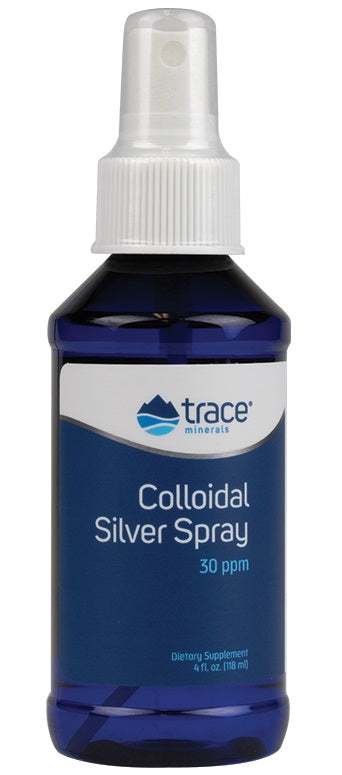
Best Overall: Trace Minerals Colloidal Silver Spray 30ppm (118ml)
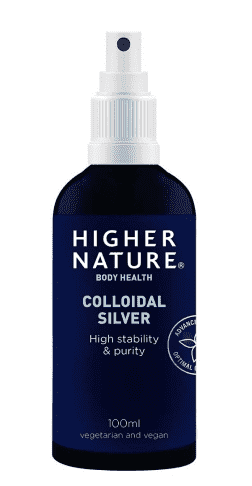
Best for Purity & Minimal Formulation: Higher Nature Colloidal Silver 100ml
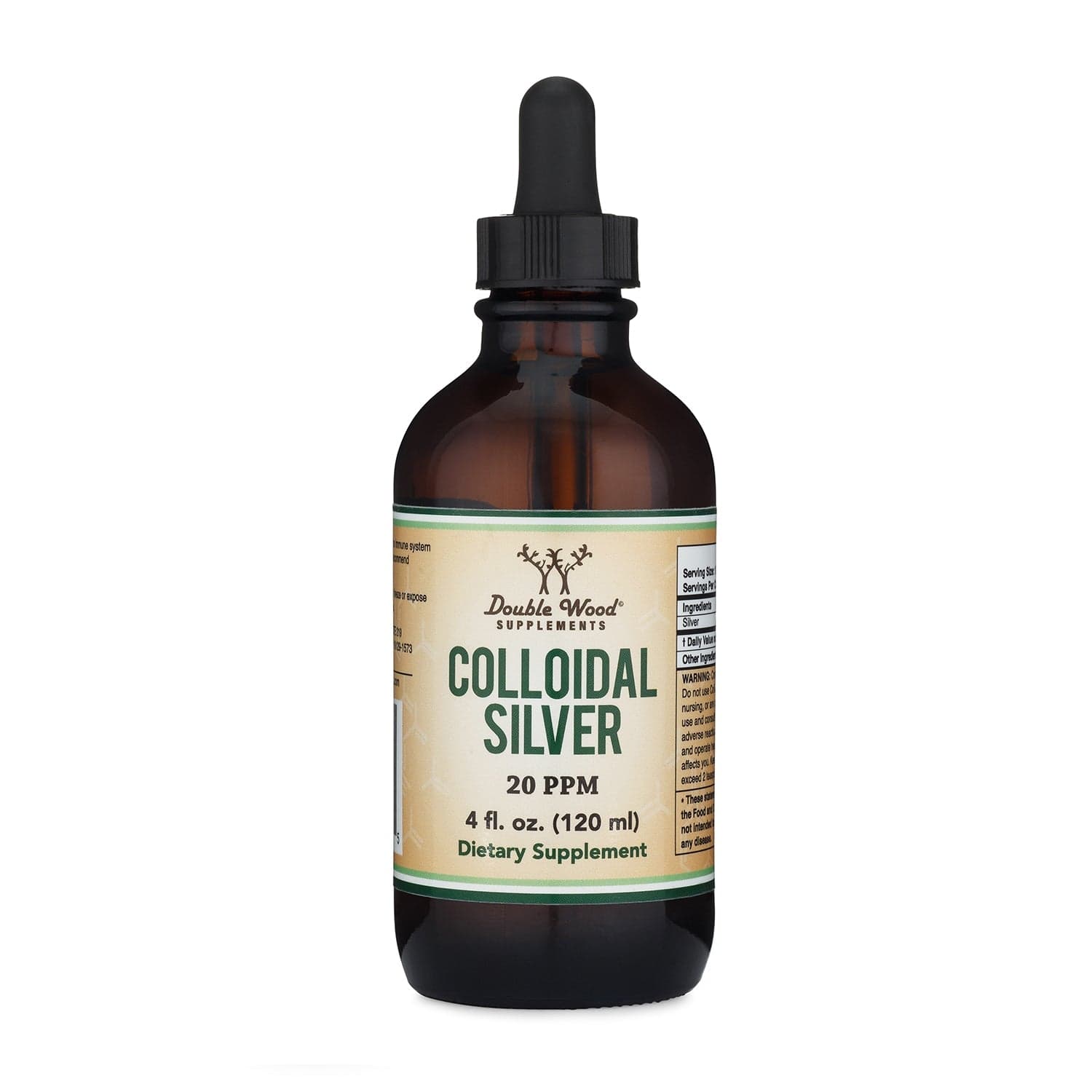
Best Value Option: Double Wood Colloidal Silver
Trace Minerals Colloidal Silver Spray, 30ppm - 118 ml
| Why This Product Was Selected |
Selected as the best overall option due to its clearly labelled 30ppm concentration, spray delivery for controlled application, and strong emphasis on purity and responsible manufacturing. |
| Product Description |
This colloidal silver spray contains 30 parts per million of silver suspended in purified water. The spray format allows measured, targeted use and reduces the likelihood of excessive intake. |
| Product Reviews |
Reviews frequently highlight ease of use, neutral taste, and confidence in the Trace Minerals brand. Feedback focuses on practicality rather than exaggerated health claims. |
| Product Price |
£24.22 |
| Where to Buy | |
| Pros |
Clearly stated 30ppm concentration Spray format allows controlled use Minimal ingredient list |
| Cons |
Not intended for long-term oral use Stock may be limited at times |
| How to Use |
Use strictly according to the product label. Typically positioned for short-term or occasional use rather than routine long-term ingestion. |
| Editor’s Comments |
Best for those who specifically want a spray format and a clearly labelled concentration, with a minimal ingredient profile. |
Colloidal Silver - 100ml - Higher Nature
| Why This Product Was Selected |
Chosen for its minimalist formulation and suitability for users seeking a straightforward colloidal silver option from a recognised UK supplement brand. |
| Product Description |
This liquid colloidal silver product contains silver suspended in purified water, with no added flavourings, preservatives, or additional ingredients. |
| Product Reviews |
Customer reviews commonly mention the clean presentation, mild taste, and reliability of the Higher Nature brand, with generally balanced feedback. |
| Product Price |
£23.01 |
| Where to Buy | |
| Pros |
Simple, no-frills formulation Reputable UK brand Easy to add to a short-term routine |
| Cons |
Liquid format can make dosing less precise than sprays Not designed for prolonged daily use |
| How to Use |
Follow the label directions carefully. Generally positioned for occasional use rather than continuous supplementation. |
| Editor’s Comments |
A straightforward option for buyers prioritising simplicity and a well-known UK supplement brand. |
Double Wood Supplements Colloidal Silver
| Why This Product Was Selected |
Included as a strong-value option with clear pricing and a simple, minimal-ingredient profile. |
| Product Description |
This colloidal silver solution contains silver particles suspended in purified water and is positioned as a simple, cost-conscious choice. |
| Product Reviews |
Reviews often reference affordability and ease of purchase. Some feedback focuses on value rather than specific outcomes. |
| Product Price |
£26.15 |
| Where to Buy | |
| Pros |
Simple ingredient list Good value for the category Popular option in the range |
| Cons |
Liquid format may increase dosing variability Not intended for long-term ingestion |
| How to Use |
Use only as directed on the label. Avoid prolonged use unless advised by a qualified clinician. |
| Editor’s Comments |
Best suited to shoppers who want a simple colloidal silver product and prioritise value. |
Features and Benefits of Colloidal Silver Products
Given the lack of evidence for oral benefits and the potential risks involved, the “benefits” of colloidal silver products should be interpreted as quality and safety features rather than promised health outcomes.
-
Clear concentration labelling: Responsible products clearly state ppm values, allowing consumers to understand exposure rather than assuming higher concentrations are better.
-
Minimal ingredient lists: Products typically contain only silver and purified water, without added botanicals or nutrients.
-
Packaging quality: Dark glass bottles and well-designed droppers or sprays help maintain product stability and reduce contamination risk.
-
Responsible positioning: The most appropriate products avoid disease-treatment claims and do not discourage conventional medical care.
Dr Zeeshan emphasises that colloidal silver should not be viewed as interchangeable with nutritional or herbal alternatives such as AHCC supplements, Agaricus mushroom products, or structured immune blends found in specialist ranges.
From a safety perspective, the primary concern with colloidal silver is accumulation in body tissues following repeated ingestion, which can lead to argyria — a permanent bluish-grey discolouration of the skin. For this reason, medical authorities advise against oral use, regardless of product quality.
Does Colloidal Silver Actually Work? What the Evidence Says
Colloidal silver is often marketed online as an “immune booster” or broad-spectrum antimicrobial. The problem is that high-quality human evidence for colloidal silver taken by mouth is lacking, while the risks are well documented. The U.S. National Center for Complementary and Integrative Health (NCCIH) states that colloidal silver is promoted as a dietary supplement, but “evidence supporting health-related claims is lacking.” NCCIH (NIH) overview
This evidence gap matters because many people confuse two very different uses of silver:
-
Clinical topical silver (medical context): specific wound dressings or clinician-guided products where benefits are related to local antimicrobial management.
-
Oral colloidal silver (“supplement” context): self-directed ingestion intended to treat internal infections or improve immunity, where credible evidence is weak and safety concerns are stronger.
The Mayo Clinic is explicit about this distinction, warning that taking colloidal silver by mouth is “not thought to be safe or effective” for the health claims commonly made. That is why this guide does not treat colloidal silver as a proven internal wellness supplement; instead, it evaluates products on labelling quality, responsible marketing, and harm-reduction considerations.
Colloidal Silver Safety in the UK: Key Risks You Must Understand
Colloidal silver’s primary safety issue is that silver can accumulate in the body over time. The best-known outcome is argyria, a blue-grey discolouration of the skin and nails caused by silver deposits in tissues. This is typically considered a permanent or long-lasting condition once established. The clinical literature describes generalized argyria as a slate-grey to blue pigmentation resulting from silver deposition, often linked to long-term ingestion of silver solutions. JAMA Dermatology discussion
Argyria is rare, but rarity is not reassurance when the effect can be irreversible. The Cleveland Clinic notes that argyria can be “irreversible and difficult to treat,” and it is associated with high or prolonged exposure to silver—including supplement use in some cases.
Beyond argyria, reputable sources caution that silver is not an essential nutrient and that routine ingestion is not a safe “daily supplement” behaviour. The NCCIH highlights the lack of evidence and the risk profile, while clinical and consumer medical sources continue to advise against oral use.
Colloidal Silver Side Effects & Interactions
Side effects associated with colloidal silver depend on exposure route (topical vs oral) and duration. Topical use may cause local irritation in sensitive individuals, while oral use raises the risk of systemic accumulation and tissue deposition.
Medication interactions are another concern. The Mayo Clinic warns that colloidal silver may interfere with the absorption of some medicines, including certain antibiotics and thyroid medication, which can reduce treatment effectiveness. This matters in the UK because many people searching colloidal silver are already managing long-term conditions, where subtle interactions can have outsized consequences.
Practical red flags include any new or worsening skin tone changes, nail discolouration, persistent gastrointestinal upset, or neurological symptoms after use. Where symptoms occur, the safest approach is to stop and seek clinician advice rather than escalating dose or stacking multiple “antimicrobial” products.
UK Regulation & Claims: Is Colloidal Silver Legal to Sell as a Supplement?
In the UK, what matters is not just what a product contains, but how it is marketed. If a seller implies that a product can treat, prevent, or cure disease, that can push it into “medicinal” territory and trigger a different regulatory framework. The UK government’s MHRA guidance explains how borderline decisions are made when products sit between foods/supplements and medicines. MHRA borderline products guidance (GOV.UK)
Advertising rules also draw a bright line. The UK Advertising Standards Authority (ASA) states that claims implying a food or supplement can prevent, treat, or cure human disease are not permitted. ASA guidance on food/supplement claims
For a real-world enforcement example, National Trading Standards has publicly stated that colloidal silver is “not authorised as a food supplement” and that it is illegal to sell it with the recommendation that it is ingested. National Trading Standards case summary
Bottom line: colloidal silver products may be sold in the UK in various forms, but medicinal claims are a major red flag. The “best” products are the ones that do not rely on prohibited claims to sell.
Types of Colloidal Silver Products in the UK (Which Is “Best”)?
UK shoppers typically see colloidal silver sold as sprays, liquids (dropper bottles), and sometimes gels. “Best” depends less on potency marketing and more on controlled-use practicality and transparency:
-
Sprays: allow targeted application and may reduce accidental overuse compared with free-pour dosing.
-
Drops/liquids: common but can encourage “dose escalation” behaviour because dosing is easier to increase.
-
Gels/creams: often positioned for topical use; still require ingredient scrutiny and realistic expectations.
Shoppers also see terminology like “colloidal” versus “ionic.” Marketing often implies one is superior, but most consumers cannot verify particle characteristics from label claims alone. That is why product evaluation should prioritise what can actually be checked (clear ppm, ingredients, batch details, responsible claims) rather than buzzwords.
How to Choose a Quality Colloidal Silver Product
Because the category attracts exaggerated claims, quality selection is largely a process of eliminating red flags. Dr Zeeshan’s evidence-led framework prioritises the following:
-
Transparent labelling: clear ppm (parts per million), bottle size, full ingredients, and manufacturer identity.
-
Responsible positioning: no claims to treat infections, replace antibiotics, cure viruses, or prevent disease (these are compliance and credibility warnings). ASA medicinal claims guidance
-
Batch/lot traceability: ideally a batch number and a way to contact the manufacturer.
-
Packaging: protective bottles (often amber/dark glass) and clean dispensing mechanisms to reduce contamination risk after opening.
-
Testing signals: any credible third-party quality or safety testing disclosures are a plus; vague “laboratory grade” claims without documentation are not.
Consumers should treat “highest ppm = best” as a marketing myth. Higher concentration simply increases silver exposure per serving; it does not prove efficacy and may increase risk if misused.
Colloidal Silver Dosage: What People Do vs What Safety Bodies Say
Many online sources provide informal “dosage protocols,” often encouraging daily ingestion. That is precisely where the category becomes highest risk. Major medical sources do not provide recommended oral dosing for colloidal silver as a supplement because it is not an essential nutrient and is not supported for internal health claims.
The Mayo Clinic cautions against oral use and highlights argyria risk, while the NCCIH notes the lack of evidence for health claims and safety concerns. Taken together, the safest interpretation is that “self-dosing” for internal benefits is not evidence-based and can be harmful over time.
A safer consumer approach is to avoid routine ingestion, avoid stacking multiple “antimicrobial” supplements, and speak to a qualified clinician if there is a genuine medical concern (especially infections, which require appropriate assessment and treatment).
Colloidal Silver vs Silver Dressings: What’s the Difference?
This is one of the most important clarifications in the entire guide. Silver has legitimate clinical use in certain wound-care contexts, particularly as part of regulated products designed for external application, where the goal is local antimicrobial management. That does not validate oral colloidal silver as a supplement.
Clinical discussions of silver-related skin deposition and argyria often emphasise that generalized argyria is associated with chronic exposure, commonly via ingestion. JAMA Dermatology overview of colloidal silver and argyria
In practice: a clinician-supervised topical product used for a defined period is not comparable to a self-prescribed oral “wellness protocol” taken indefinitely.
Who Should Avoid Colloidal Silver?
Colloidal silver is a poor choice for anyone at higher risk of harm or medication complications. Groups that should avoid it unless a qualified clinician specifically advises otherwise include:
-
Pregnant or breastfeeding individuals (risk-benefit is not favourable without medical oversight).
-
Children, including products marketed for paediatric “immune support,” because safety margins are narrower.
-
People with thyroid conditions or those taking thyroid medication (absorption interactions are a known concern). Mayo Clinic
-
People with kidney disease or impaired clearance, where long-term accumulation risk is more concerning.
-
Anyone taking antibiotics or essential long-term medications, where interactions or delayed care can worsen outcomes.
Safer Alternatives for Common Goals (UK-Relevant)
Most people searching “best colloidal silver UK” are trying to solve one of a few common problems: immune resilience, recurrent infections, sinus issues, or skin flare-ups. Safer alternatives depend on the goal:
-
For immune support: evidence-based fundamentals (sleep, nutrition, stress reduction, vaccination where appropriate) typically outperform “antimicrobial” supplement trends for real-world outcomes.
-
For suspected infections: prompt advice from a UK pharmacist, GP, NHS 111, or urgent care where needed is safer than self-treating with unproven oral products.
-
For skin or wound concerns: clinician-advised topical approaches and appropriate wound hygiene matter more than oral silver protocols.
Consumers should also be cautious of any product suggesting it can replace antibiotics or “kill viruses inside the body,” as these are not responsible claims and can delay appropriate care. ASA: disease-treatment claims not permitted
What Is the Difference Between Colloidal and Ionic Silver?
Colloidal silver and ionic silver are often grouped together in marketing, but they are chemically different. Colloidal silver consists of microscopic particles of elemental silver suspended in liquid, while ionic silver contains silver in charged ionic form dissolved in solution.
From a consumer perspective, this distinction matters less than product transparency and intended use. Both forms deliver silver into the body or onto the skin, and neither form is recognised as an essential nutrient. Importantly, the safety concerns associated with silver accumulation apply to both colloidal and ionic forms when ingested repeatedly.
Claims that one form is “safer,” “more effective,” or “bioavailable” than the other are largely marketing-driven and not supported by strong human clinical evidence.
Should I Consume Colloidal or Ionic Silver?
From an evidence-based and safety-led perspective, neither colloidal nor ionic silver is recommended for routine oral consumption. Health authorities do not recognise silver as a dietary supplement, and ingestion of either form can contribute to silver accumulation in body tissues over time.
Some online sources suggest that ionic silver is “less likely” to cause side effects than colloidal silver, but there is no high-quality evidence confirming this. Both forms introduce silver into the body, and long-term ingestion of silver—regardless of form—has been associated with adverse outcomes such as argyria.
For individuals seeking immune or antimicrobial support, consuming colloidal or ionic silver is not considered a safe or effective substitute for evidence-based nutrition, medical care, or regulated treatments.
Should I Use Products on My Skin That Contain Colloidal or Ionic Silver?
Topical use of silver-containing products is fundamentally different from oral consumption. When used externally, silver exposure is localised rather than systemic, which generally lowers overall risk when products are used appropriately.
Silver-containing topical products are commonly found in skincare, wound care, and hygiene contexts. In these cases, the choice between colloidal and ionic silver is less important than formulation quality, skin tolerance, and duration of use.
That said, silver-containing topical products are not intended for indefinite daily use. Prolonged or excessive application may still cause skin irritation or localised discolouration in sensitive individuals. Products making strong medical or infection-treatment claims should be approached cautiously unless used under professional guidance.
Why You Should Trust This Guide
This guide follows an evidence-led, safety-first methodology rather than influencer-style marketing. Dr Zeeshan’s review approach prioritises what a consumer can verify (clear ppm labelling, ingredient transparency, responsible claims) and what reputable authorities consistently warn about (lack of evidence for oral benefits and the risk of argyria).
Key reference points include the NCCIH evidence summary, the Mayo Clinic safety guidance, the UK government’s MHRA borderline products framework (GOV.UK), and UK advertising standards on prohibited medicinal claims (ASA). This combination ensures the guide reflects both scientific caution and UK-specific compliance realities.
Frequently Asked Questions About Colloidal Silver
What is colloidal silver?
Colloidal silver is a liquid containing tiny particles of silver suspended in purified water. It is not an essential nutrient.
Is colloidal silver a supplement?
Although often marketed as a supplement, silver is not recognised as a dietary nutrient and is not recommended for routine oral use.
Does colloidal silver boost the immune system?
There is no reliable clinical evidence showing that colloidal silver boosts immune function when taken orally.
Is colloidal silver safe to drink?
Health authorities advise against drinking colloidal silver due to the risk of silver accumulation and potential long-term side effects.
What is argyria?
Argyria is a condition caused by silver buildup in the body that leads to blue-grey discoloration of the skin and nails, which may be permanent.
Can colloidal silver interact with medications?
Yes. Colloidal silver may interfere with the absorption or effectiveness of certain medications, including antibiotics and thyroid drugs.
Is colloidal silver legal in the UK?
Colloidal silver products may be sold in the UK, but it is illegal to market them with claims that they treat or prevent disease.
Why do some colloidal silver products list ppm?
PPM stands for parts per million and indicates how much silver is present in the liquid. Higher ppm does not mean safer or more effective.
Is higher ppm colloidal silver better?
No. Higher ppm simply means greater silver concentration, which may increase risk without proven added benefit.
Can children take colloidal silver?
Colloidal silver is not recommended for children due to safety concerns and lack of evidence for benefit.
Is colloidal silver safe during pregnancy?
Colloidal silver should be avoided during pregnancy and breastfeeding unless specifically advised by a healthcare professional.
What is the difference between colloidal silver and silver dressings?
Silver dressings are regulated medical products used topically under clinical guidance, unlike oral colloidal silver products.
Can colloidal silver treat infections?
No. Colloidal silver should not be used to treat infections, and doing so may delay appropriate medical care.
How long does silver stay in the body?
Silver can accumulate in body tissues over time, especially with repeated ingestion, and is not easily eliminated.
Are topical colloidal silver products safer?
Topical use generally carries lower systemic risk than oral ingestion, but skin sensitivity and misuse are still possible.
What should I look for when buying colloidal silver?
Look for clear labelling, responsible marketing without medical claims, and transparent product information.
Are there safer alternatives to colloidal silver?
Yes. For immune support or infections, evidence-based approaches such as medical advice, proper hygiene, and approved treatments are safer.
Who should avoid colloidal silver completely?
People with thyroid disorders, kidney disease, pregnant individuals, children, and those on long-term medication should avoid colloidal silver.




 Rated Excellent by 28,951+ Reviews
 100% Money Back Guarantee