

Your cart is empty
This quantity of item cannot be added to the cart
Continue shopping
Athlete's Foot Treatments
4.8on Trustindex
browsing now
Order before 2pm for same-day dispatch
2766+ orders this week
-
 Quick view
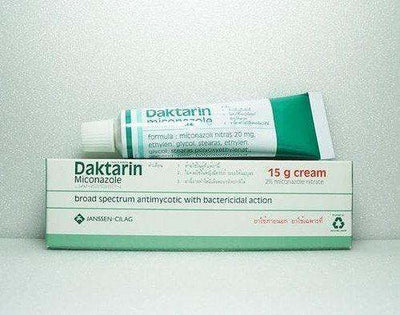
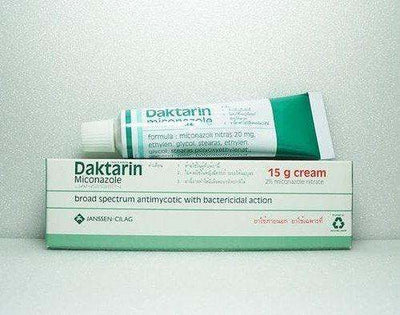
Daktarin
Daktarin Cream
Lotion & Moisturizer£ 7.04UK delivery soon
Order within 2h 14m
In Stock
Authentic 30-day returns 12 viewing -
 Quick view
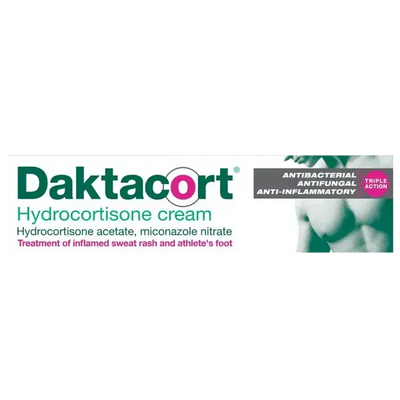
Daktacort
Daktacort Hc Cream 15g
Lotion & MoisturizerHydrocortisone & mi...£ 9.32UK delivery soon
Order within 2h 14m
In Stock
Authentic 30-day returns 12 viewing -
 Quick view
Daktarin
Daktarin Gold Cream 15g
Lotion & MoisturizerKetoconazole£ 9.32UK delivery soon
Order within 2h 14m
In Stock
Authentic 30-day returns 12 viewing -
 Quick view
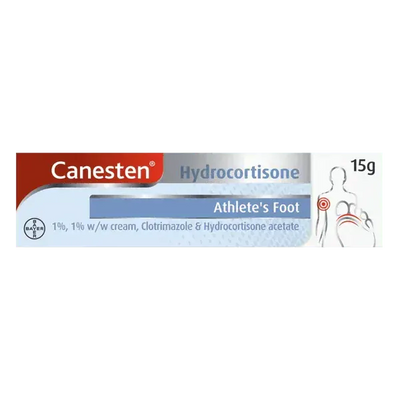
Canesten
Canesten Hydrocortisone Cream 15g
Medicine & Drugs1% w/w Hydrocortiso...£ 8.64UK delivery soon
Order within 2h 14m
In Stock
Authentic 30-day returns 12 viewing -
 Quick view
Daktarin
Daktarin Cream 15g
Lotion & Moisturizer£ 7.04UK delivery soon
Order within 2h 14m
In Stock
Authentic 30-day returns 12 viewing -
 Quick view
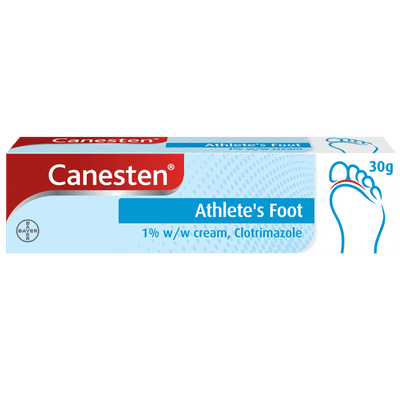
Canesten
Canesten Dual Action Athletes Foot Cream 30g
Medicine & Drugs1% w/w clotrimazole£ 7.52UK delivery soon
Order within 2h 14m
In Stock
Authentic 30-day returns 12 viewing -
 Quick view
Daktarin
Daktarin Powder 20g
Medicine & DrugsThe active ingredie...£ 7.85UK delivery soon
Order within 2h 14m
In Stock
Authentic 30-day returns 12 viewing -
 Quick view
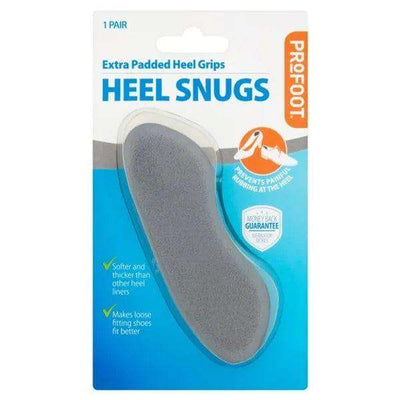
Profoot
Profoot Heel Snugs Extra Padded Heel Grips
Foot Care£ 4.09UK delivery soon
Order within 2h 14m
In Stock
Authentic 30-day returns 12 viewing -
 Quick view
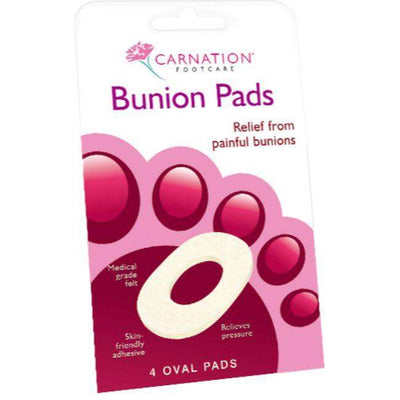
Carnation
Carnation Bunion Pads Oval Pack of 4
Bunion Care SuppliesNiacinamide£ 2.66UK delivery soon
Order within 2h 14m
In Stock
Authentic 30-day returns 12 viewing -
 Quick view
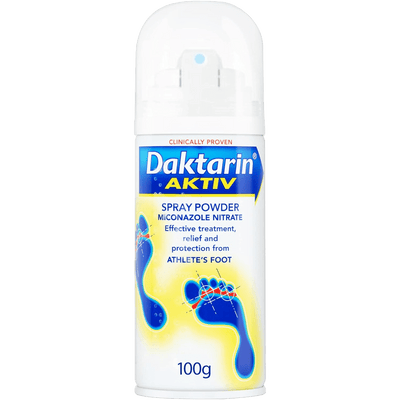
Daktarin
Daktarin Aktiv Spray Powder 100g
Medicine & Drugs£ 9.23UK delivery soon
Order within 2h 14m
In Stock
Authentic 30-day returns 12 viewing -
 Quick view
Daktarin
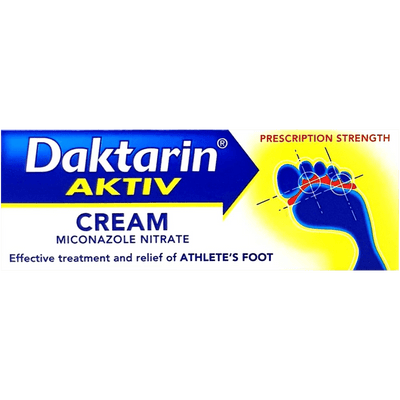
Daktarin Aktiv Cream 30g
Lotion & Moisturizer£ 9.32UK delivery soon
Order within 2h 14m
In Stock
Authentic 30-day returns 12 viewing -
 Quick view
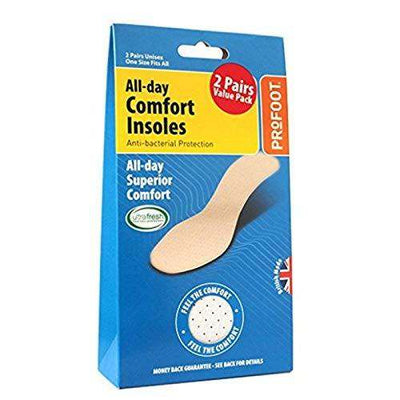
Profoot
Profoot All Day Comfort Insoles Pack of 2
Corn & Callus Care Supplies£ 3.98UK delivery soon
Order within 2h 14m
In Stock
Authentic 30-day returns 12 viewing -
 Quick view
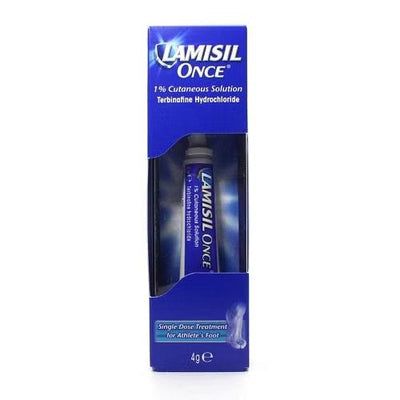
Lamisil
Lamisil Once Cutaneous Solution 4g
Medicine & Drugs£ 13.09UK delivery soon
Order within 2h 14m
In Stock
Authentic 30-day returns 12 viewing -
 Quick view
Daktarin
Daktarin Aktiv Cream 15g
Medicine & Drugs£ 6.28UK delivery soon
Order within 2h 14m
In Stock
Authentic 30-day returns 12 viewing -
 Quick view
Profoot
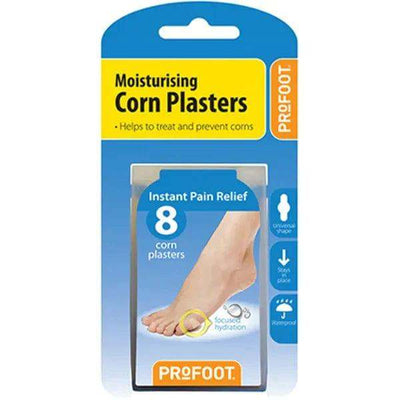
Profoot Moisturising Corn Plasters Pack of 8
Foot Care£ 5.24UK delivery soon
Order within 2h 14m
In Stock
Authentic 30-day returns 12 viewing -
 Quick view
Odor-eaters
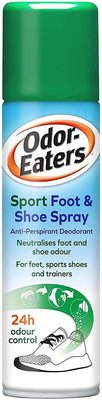
OdorEaters Sports Foot And Shoe Spray
Foot Odor Removers£ 6.22UK delivery soon
Order within 2h 14m
In Stock
Authentic 30-day returns 12 viewing -
 Quick view
Compeed
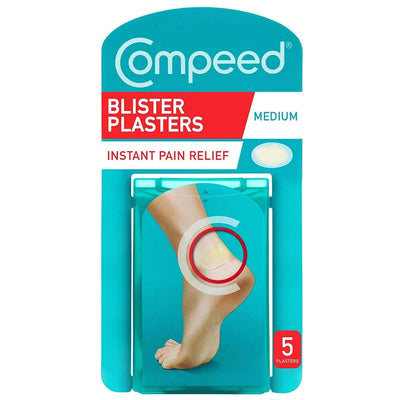
Compeed Blister Plasters Medium Pack of 5
Skin Care£ 7.78UK delivery soon
Order within 2h 14m
In Stock
Authentic 30-day returns 12 viewing -
 Quick view
Compeed
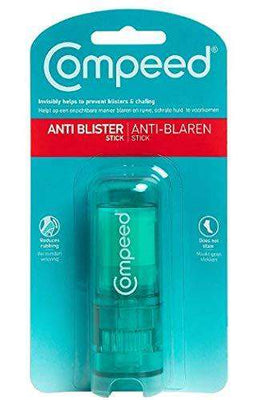
Compeed Anti-blister Stick 8ml
Skin Care£ 7.45UK delivery soon
Order within 2h 14m
In Stock
Authentic 30-day returns 12 viewing
Athlete's Foot Treatments
Athlete's foot (tinea pedis) is a common fungal infection that affects the skin between the toes, the soles of the feet and sometimes the sides of the foot. It often causes itching, burning, flaking and cracking of the skin. The Welzo athlete's foot collection brings together creams, sprays, powders and medicated solutions designed to clear infection, relieve symptoms and help prevent recurrence, all available to buy online with discreet delivery.
What Is Athlete's Foot?
Athlete's foot is usually caused by dermatophyte fungi that thrive in warm, moist environments such as sweaty socks, trainers and communal changing rooms. The infection can present as red, scaly or peeling skin, small blisters or soft white skin between the toes. It can spread to the toenails or other areas of the body if not treated. Because it is contagious, prompt treatment and good hygiene are important to limit spread to family members or housemates.
Key Symptoms and When to Treat
- Itching, burning or stinging between the toes or on the soles
- Red, flaky or peeling patches of skin
- Small blisters or oozing areas, sometimes with a strong odour
- Cracks or splits in the skin that can become sore or painful
Early treatment with antifungal products can help avoid complications such as secondary bacterial infection or spread to the toenails. If symptoms frequently recur, people may also benefit from targeted fungal condition support and foot-hygiene routines.
Types of Athlete's Foot Products Available
The Welzo athlete's foot range includes fast-acting products from leading pharmacy brands, as well as options for ongoing prevention:
- Antifungal creams and gels – Applied directly to affected areas, these are often first-line for mild to moderate infections and work well alongside more intensive foot-care products from brands such as Scholl.
- Sprays and powders – Useful for treating hard-to-reach areas, shoes and socks. These can help keep feet dry and reduce re-infection, particularly in people who exercise regularly or use sports supplements and train frequently.
- Intensive treatments – Products designed for more stubborn or recurrent cases can be combined with foot care routines, including regular exfoliation and moisturising.
- Multi-symptom relief – Some formulas relieve itching, soothe sore skin and support barrier repair, working well alongside gentle emollients from ranges such as eczema and dry-skin skincare.
How to Use Athlete's Foot Treatments Effectively
To get the full benefit from athlete's foot products, it is important to follow the recommended course, even if symptoms start to improve quickly. Wash and dry feet thoroughly, especially between the toes, before applying treatment. Many antifungal creams need to be continued for 1–2 weeks after visible symptoms clear to reduce the chance of recurrence. This routine can be combined with daily use of deodorant or foot sprays to help manage sweat, and with comfortable footwear that allows the feet to breathe.
Where athlete's foot is associated with other problems such as cracked heels or hard skin, pairing treatment with dedicated hard skin removal and foot creams can support overall skin integrity and comfort.
Prevention, Hygiene and Foot Health
Recurring athlete's foot is often linked to moisture and friction. Simple daily habits can help reduce risk:
- Change socks daily and choose breathable materials
- Rotate shoes so each pair has time to dry fully
- Wear flip flops in communal showers, pools and gym changing rooms
- Use powders or sprays in shoes to control moisture and odour
For individuals who also experience nail problems, pairing athlete's foot care with targeted nail health products can help maintain a healthier overall appearance of the feet and reduce fungal spread.
Related Collections on Welzo
Many people with athlete's foot benefit from a broader approach that supports skin and immune health. Welzo offers complementary ranges, including:
- Athlete's Foot – Core treatments for fungal infections of the feet.
- Fungal Conditions – Wider support for fungal issues affecting skin, nails and intimate areas.
- Foot Care – Cushions, insoles and aftercare for ongoing comfort.
- Corns, Callouses & Bunion Treatments – For people managing multiple foot complaints.
- Immunity Supplements – Nutritional support for general immune function.
Expert Tips and Clinical Insight
Pharmacists frequently emphasise that athlete's foot is manageable but often under-treated. Many people stop using their medication as soon as the itching improves, which can allow fungal spores to remain in the skin and lead to relapse. Continuing treatment for the full recommended period and treating shoes and socks at the same time can significantly improve long-term outcomes.
Healthcare professionals also note that well-controlled blood sugar, healthy circulation and good skin care can influence how quickly foot infections clear, particularly in people with diabetes or other long-term conditions. Pairing topical treatments with general vitamins, minerals and lifestyle support can be part of a broader foot-health plan.
Athlete's Foot FAQs
1. How long does it take for athlete's foot to clear?
Many mild cases improve noticeably within a week of consistent treatment, but creams and sprays often need to be continued for up to four weeks. Always check the specific product instructions in the athlete's foot collection and continue using as directed to help prevent the infection returning.
2. Can athlete's foot spread to my toenails?
Yes, the same fungi can infect the toenails, leading to thickened, discoloured nails. Treating athlete's foot promptly and keeping feet clean and dry helps reduce this risk. If nail changes develop, you may also need targeted products from our nail health or verruca and wart related ranges, depending on the problem.
3. Is athlete's foot contagious?
Athlete's foot is contagious and can spread via direct skin contact or from surfaces such as floors, towels and bath mats. Avoid sharing footwear or towels and consider using separate washcloths while the infection is active. Regular use of hand sanitisers & antibacterial hand gels can help maintain good hygiene when applying treatments.
4. Do I need to see a doctor for athlete's foot?
Many cases can be managed with over-the-counter products from the Welzo athlete's foot range. However, you should seek medical advice if symptoms are severe, spreading, not improving after treatment, or if you have underlying conditions such as diabetes or poor circulation. If necessary, your clinician may recommend prescription medication or additional investigations.
5. Can I use athlete's foot treatments during pregnancy or breastfeeding?
Some antifungal products may be suitable, but you should always check the patient information leaflet and speak to a pharmacist or doctor before use in pregnancy or while breastfeeding. Our pregnancy vitamins and women's health supplements ranges can also support overall wellbeing at this time.
6. How can I stop athlete's foot coming back?
Prevention focuses on keeping feet as dry and cool as possible. Change socks regularly, dry between the toes thoroughly after bathing and use sprays or powders in shoes to control moisture. Combining these habits with periodic use of products from our athlete's foot and foot care collections can help maintain long-term control.
7. Is athlete's foot linked to other skin conditions?
Some people with athlete's foot also experience dry skin, eczema or psoriasis. While these conditions are different, they can make the skin barrier more fragile and prone to infection. Supportive skincare from our skin care and eczema collections may be helpful alongside antifungal treatment.
8. Can children get athlete's foot?
Yes, active children who use communal changing rooms or play sports can develop athlete's foot. Always check age suitability on any product before use, and consider broader support from ranges such as children's health and baby & child toiletries for gentle everyday care.
9. Do I need to treat my socks and shoes as well?
Treating footwear is important because fungal spores can survive in warm, damp shoes. Washing socks at higher temperatures and using sprays or powders inside shoes while you use topical treatments from the athlete's foot range helps reduce the risk of re-infection and persistent odour.
10. Which supplements might support skin and immune health?
While athlete's foot is treated topically, maintaining a balanced diet and considering products from our multivitamins, immunity supplements and omega-3 collections may help support general skin and immune function as part of an overall wellbeing plan.
 Rated Excellent by 28,951+ Reviews
 100% Money Back Guarantee