

Your cart is empty
This quantity of item cannot be added to the cart
Continue shopping
Grass-Fed Protein
4.8on Trustindex
browsing now
Order before 2pm for same-day dispatch
2766+ orders this week
-
Sale-8%
 Quick view
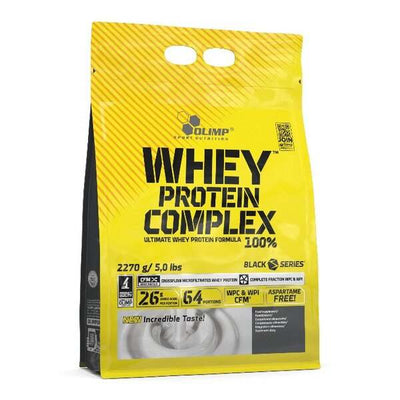
Olimp Nutrition
Olimp Nutrition Whey Protein Complex 100%
ProteinWPC Ultra-Filtered ...£ 27.79£30.06Lowest price in 30 days
UK delivery soon
Order within 2h 14m
In Stock
Authentic 30-day returns 12 viewing -
Sale-15%
 Quick view
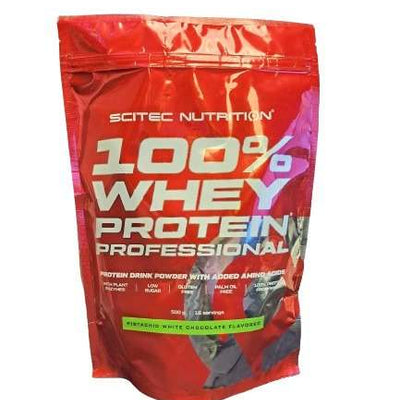
SciTec
SciTec 100% Whey Protein Professional
ProteinInstant Whey Protei...£ 15.49£18.24Lowest price in 30 days
UK delivery soon
Order within 2h 14m
In Stock
Authentic 30-day returns 12 viewing -
Sale-11%
 Quick view
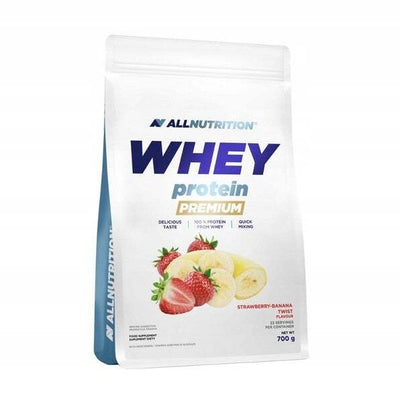
Allnutrition
Allnutrition Whey Protein Premium – 700 grams
ProteinEnergy£ 21.26£23.90Lowest price in 30 days
UK delivery soon
Order within 2h 14m
Only 5 left
Authentic 30-day returns 12 viewing -
 Quick view
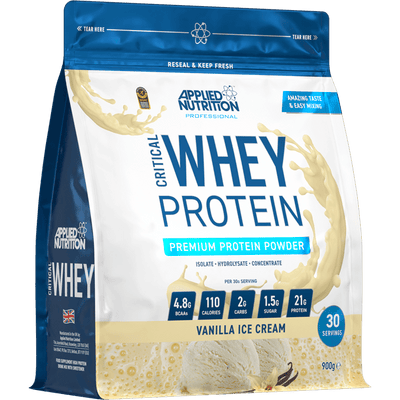
Applied Nutrition
Applied Nutrition Critical Whey Protein Powder
Vitamins & MineralsWhey Protein Concen...£ 31.79UK delivery soon
Order within 2h 14m
In Stock
Authentic 30-day returns 12 viewing -
 Quick view
Well Wisdom
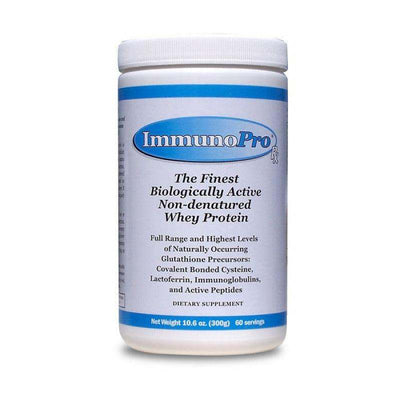
ImmunoPro, The Finest Biologically Active Non-Denatured Whey Protein, Natural, 10.6 oz (300 g) - Well Wisdom
SupplementsImmunoglobulins£ 64.51UK delivery soon
Order within 2h 14m
Only 2 left
Authentic 30-day returns 12 viewing -
 Quick view
Dr Mercola
Pure Power Organic Whey Protein (Vanilla) 20.60 oz (585g) - Dr Mercola
SupplementsOther: Organic Whey...£ 54.85UK delivery soon
Order within 2h 14m
Only 4 left
Authentic 30-day returns 12 viewing -
 Quick view
Weider
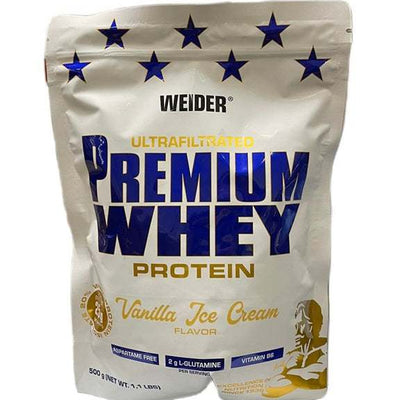
Weider Premium Whey Protein
ProteinEnergy£ 26.15UK delivery soon
Order within 2h 14m
Only 3 left
Authentic 30-day returns 12 viewing -
 Quick view
Per4m
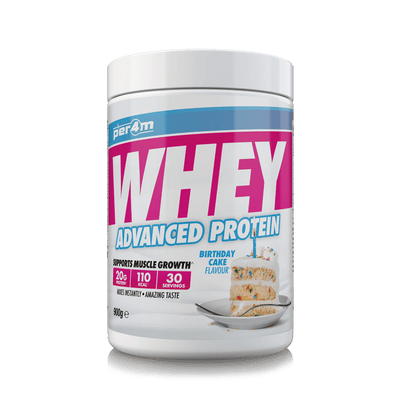
Per4m Advanced Whey Protein 900g
Vitamins & MineralsProtein Blend (88%)...£ 42.84UK delivery soon
Order within 2h 14m
In Stock
Authentic 30-day returns 12 viewing -
 Quick view
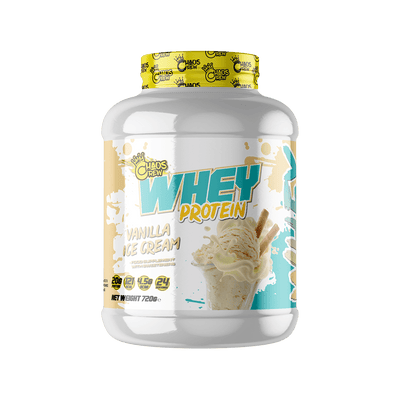
Chaos Crew
Chaos Crew Whey Protein 720g
Vitamins & MineralsProtein Blend (Whey...£ 29.13UK delivery soon
Order within 2h 14m
Only 3 left
Authentic 30-day returns 12 viewing -
 Quick view
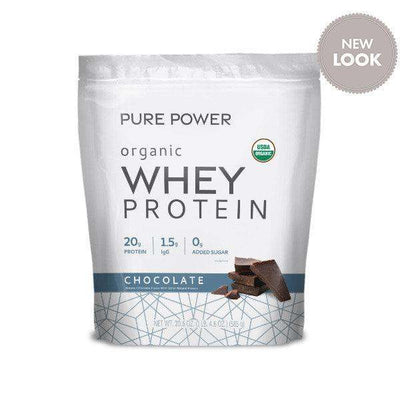
Dr Mercola
Pure Power Organic Whey Protein (Chocolate) 20.60 oz (585g) – Dr Mercola
SupplementsOther: Organic Whey...£ 54.85UK delivery soon
Order within 2h 14m
Only 1 left
Authentic 30-day returns 12 viewing -
 Quick view
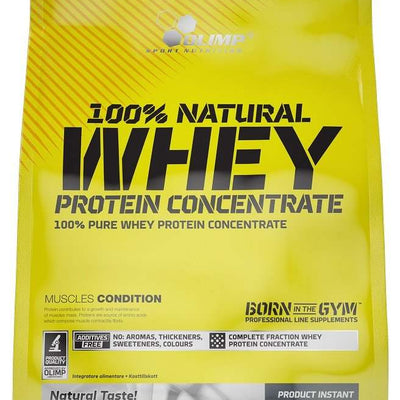
Olimp Nutrition
Olimp Nutrition 100% Natural Whey Protein Concentrate - 700 grams
ProteinCalories£ 31.85UK delivery soon
Order within 2h 14m
In Stock
Authentic 30-day returns 12 viewing -
Sale-57%
 Quick view
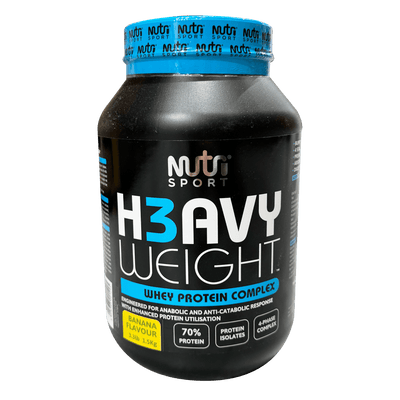
NutriSport
NutriSport H3avyweight Whey Protein Complex Banana
Vitamins & MineralsBuffered Whey (milk...£ 10.80£25.20Lowest price in 30 days
UK delivery soon
Order within 2h 14m
Only 2 left
Authentic 30-day returns 12 viewing -
 Quick view
Per4m
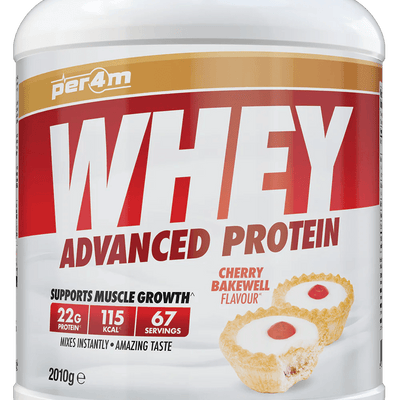
Per4m Advanced Whey Protein 2.01kg
Vitamins & MineralsAdvanced Whey Prote...£ 70.27UK delivery soon
Order within 2h 14m
In Stock
Authentic 30-day returns 12 viewing -
 Quick view
Applied Nutrition
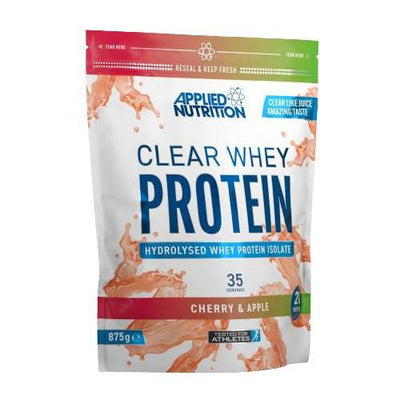
Applied Nutrition Clear Whey Protein – 875 grams
ProteinEnergy£ 52.30UK delivery soon
Order within 2h 14m
In Stock
Authentic 30-day returns 12 viewing -
 Quick view
Applied Nutrition
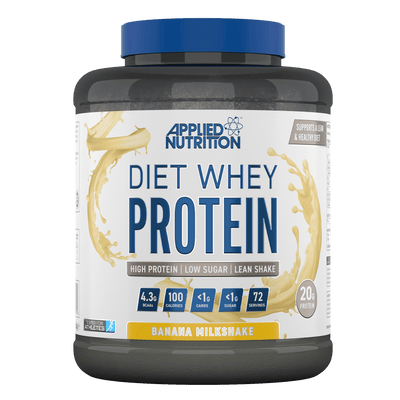
Applied Nutrition Diet Whey Protein Powder
Vitamins & MineralsWhey Protein Blend ...£ 33.51UK delivery soon
Order within 2h 14m
Only 2 left
Authentic 30-day returns 12 viewing -
 Quick view
Ghost
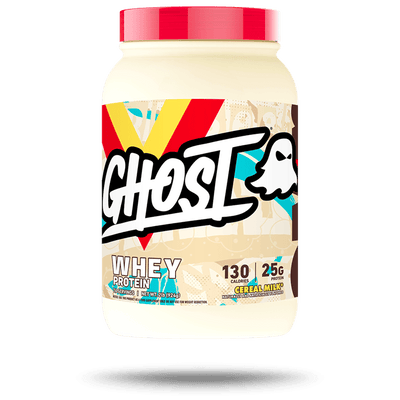
Ghost Whey Protein 924g Fruity Cereal Milk
Vitamins & MineralsWhey protein Isolat...£ 46.95UK delivery soon
Order within 2h 14m
Only 5 left
Authentic 30-day returns 12 viewing -
 Quick view
Olimp Nutrition
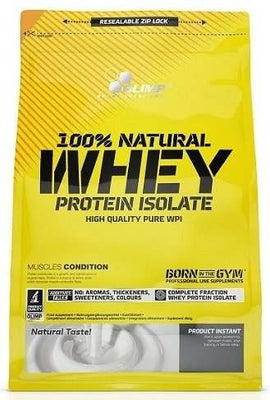
Olimp Nutrition 100% Natural Whey Protein Isolate, Natural - 600 grams
ProteinEnergy£ 50.39UK delivery soon
Order within 2h 14m
In Stock
Authentic 30-day returns 12 viewing -
 Quick view
The Protein Ball Co
The Protein Ball Co Whey Protein Balls 10x45g
Vitamins & MineralsPeanuts (36%)£ 18.00UK delivery soon
Order within 2h 14m
In Stock
Authentic 30-day returns 12 viewing
Grass-Fed Protein
Grass-fed protein is a premium style of whey protein made from the milk of pasture-raised, grass-fed cows. It’s often chosen by people who want a “cleaner source” approach to protein while still supporting muscle repair, strength training, recovery and everyday protein targets. At Welzo, you can buy grass-fed protein online in a range of powders and formats that fit both performance routines and simple daily nutrition.
If you’re comparing all protein types in one place, browse Protein Supplements.
What is Grass-Fed Protein?
Grass-fed protein typically refers to grass-fed whey protein—a dairy-derived protein supplement produced from milk sourced from cows that graze on pasture. Whey is a complete protein (contains all essential amino acids) and is commonly used post-workout or between meals to help increase daily protein intake.
Because “grass-fed” can vary by brand and region, it’s worth checking product labels for sourcing details and any third-party testing or certifications.
Benefits and Features of the Welzo Grass-Fed Protein Collection
Our grass-fed protein options are chosen for everyday usability, clear labelling, and training-friendly nutrition.
- High-quality whey protein: supports muscle recovery and lean mass goals.
- Popular for “clean label” routines: often preferred by customers who care about sourcing.
- Convenient daily use: easy to mix into shakes and smoothies.
- Performance-friendly: fits well into gym and sports nutrition stacks.
If you want a broader comparison across whey formats, explore Whey Protein.
Why is Grass-Fed Protein Important?
Protein consistency is what drives results—especially if you train regularly or want to maintain lean mass while dieting. Grass-fed protein is a popular option because it combines the convenience of whey with a sourcing preference that many customers actively look for when choosing supplements.
It’s commonly used to support:
- Recovery and muscle repair after resistance training
- Daily protein targets when food intake is inconsistent
- Satiety-focused routines where protein helps you feel fuller
Best products in Grass-Fed Protein
The best grass-fed protein depends on your goals (lean bulk vs cutting vs general wellness) and preferences (taste, texture, digestibility). Many customers compare:
- Whey isolate vs whey concentrate: isolate is often leaner per serving, while concentrate can feel more “whole” depending on the formula.
- Flavour and mixability: the key to consistency.
- Digestive comfort: enzyme-supported formulas can suit some people better.
If your routine includes pre-training energy and focus, you may also like Pre-Workout Supplements.
How to use Grass-Fed Protein
Always follow label directions. Most people use grass-fed protein in flexible, routine-friendly ways:
- Post-workout: a shake after training to support recovery and daily protein targets.
- Between meals: a convenient top-up when you’re short on protein.
- Breakfast support: blend into smoothies with oats, fruit, or yoghurt.
- Simple daily consistency: one serving daily can help keep intake predictable.
For strength-focused stacks, many people pair protein with Creatine.
What are the different types of Grass-Fed Protein available?
Grass-fed protein products commonly fall into these categories:
- Grass-fed whey concentrate: a classic whey format used for general training support.
- Grass-fed whey isolate: typically higher protein percentage per scoop and often leaner macros.
- Recovery blends: grass-fed whey combined with supporting ingredients aimed at post-workout recovery.
- Night-time protein routines: some people use slow-release options for evenings.
If you prefer slow-release protein for evenings, compare Casein Protein.
What are the most popular Grass-Fed Protein options?
Popular options tend to be the ones customers can stick with long-term: good flavour, easy mixing, and straightforward labelling. Common priorities include:
- Clear sourcing and quality standards
- High protein per serving
- Low sugar and transparent nutrition panels
If you want broader performance-focused products beyond protein, browse Sports Supplements.
Statistics, Research, Expert Information and Quotes on Grass-Fed Protein
Sports nutrition research commonly highlights that total daily protein intake—and distributing protein through the day—supports muscle repair and training adaptation. Grass-fed whey is used similarly to standard whey; the key difference is consumer preference around sourcing and processing. For most people, the biggest driver of results is choosing a protein you can take consistently and that fits your overall diet and training plan.
For a practical comparison of whey options (including grass-fed picks), read: The Best 15 Whey Protein Powders Reviewed and Tested.
How we select our Grass-Fed Protein Collection on Welzo:
We select grass-fed protein products with clarity, quality and routine-fit in mind:
- Transparent labelling: protein per serving, ingredients, and serving guidance.
- Trusted sourcing: reputable brands and vetted distributors.
- Routine usability: flavour variety and mixability for repeat use.
- Quality expectations: preference for strong standards and clear documentation where available.
If organic sourcing is also important to you, explore Organic Protein Supplements.
Trusted by Experts and Verified Supplement Quality on Welzo
Learn more about how we assess standards and supplement quality:
- Welzo Staff
- Ingredient Quality & Purity Certifications
- Supplement Quality Standards & Certifications
Grass-Fed Protein Reviews
Read verified customer feedback here: Welzo Reviews.
FAQs
What does “grass-fed” mean on a protein powder?
It generally means the milk source came from cows that graze on pasture for at least part of the year. Exact standards vary by brand and region, so check the label for sourcing details.
Is grass-fed whey better than regular whey?
Nutritionally, both can be effective. Many people choose grass-fed for sourcing preferences, but results mainly depend on total protein intake, training, and consistency.
Is grass-fed protein suitable for lactose intolerance?
Whey contains milk components, and tolerance varies. Some people do better with whey isolate, but lactose intolerance is individual—always check the product and start cautiously.
When is the best time to take grass-fed protein?
Any time it helps you reach your daily protein target. Common times are post-workout, breakfast, or between meals.
Can I use grass-fed protein for weight loss?
Protein can support satiety and help maintain muscle during a calorie deficit, but fat loss depends on overall calorie intake and activity.
What’s the difference between whey concentrate and whey isolate?
Whey isolate typically has a higher protein percentage per serving and may be lower in fat and carbs than concentrate, but both can support training goals.
Can I bake with grass-fed protein powder?
Yes—many people add it to oats, pancakes, or baking mixes. Texture can change depending on the product and recipe.
Who should speak to a professional before using protein supplements?
If you have kidney disease, are pregnant or breastfeeding, or have a medical condition requiring dietary management, it’s sensible to seek professional advice before significantly increasing protein intake.
 Rated Excellent by 26,523+ Reviews
 100% Money Back Guarantee