



Your cart is empty
This quantity of item cannot be added to the cart
Continue shopping
Baby Formula Supplements
4.8on Trustindex
browsing now
Order before 2pm for same-day dispatch
2766+ orders this week
-
 Quick view
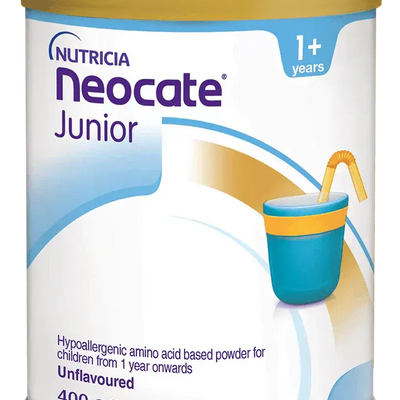
Neocate
Neocate Junior Unflavoured 400g
Vitamins & Supplements£ 50.70UK delivery soon
Order within 2h 14m
In Stock
Authentic 30-day returns 12 viewing -
 Quick view
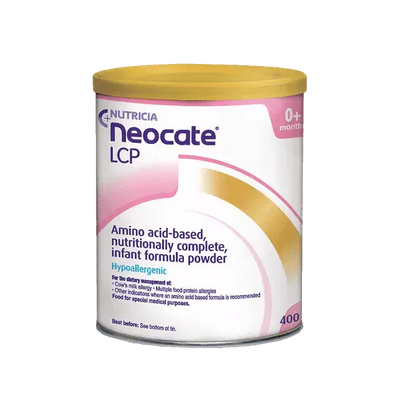
Neocate
Neocate LCP Tub 400g
Vitamins & Supplements£ 59.82UK delivery soon
Order within 2h 14m
Out of stock
Authentic 30-day returns 12 viewing -
 Quick view
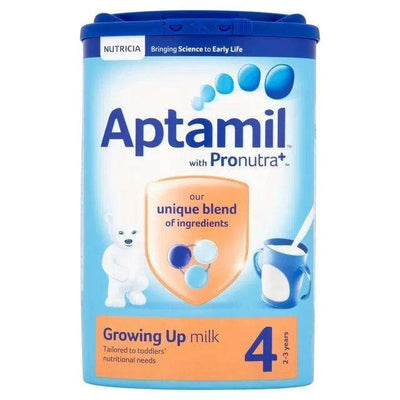
Aptamil
Aptamil Growing Up Milk
Toddler Nutrition Drinks & Shakes£ 1.50UK delivery soon
Order within 2h 14m
Out of stock
Authentic 30-day returns 12 viewing -
 Quick view
Aptamil
Aptamil Profutura Growing Milk 3
Toddler Nutrition Drinks & Shakes£ 32.00UK delivery soon
Order within 2h 14m
Out of stock
Authentic 30-day returns 12 viewing -
 Quick view
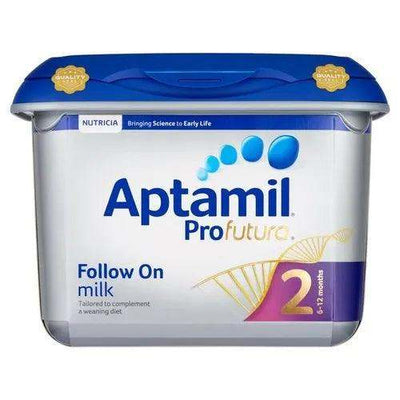
Aptamil
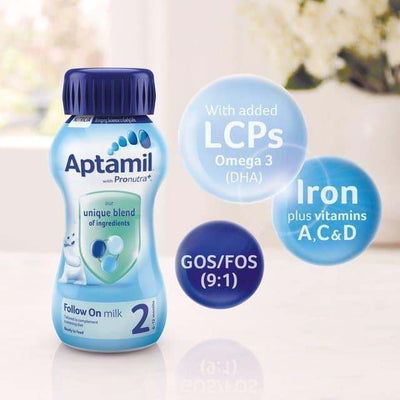
Aptamil Profutura Follow On Milk 2
Toddler Nutrition Drinks & Shakes£ 2.50UK delivery soon
Order within 2h 14m
Out of stock
Authentic 30-day returns 12 viewing -
 Quick view
Aptamil
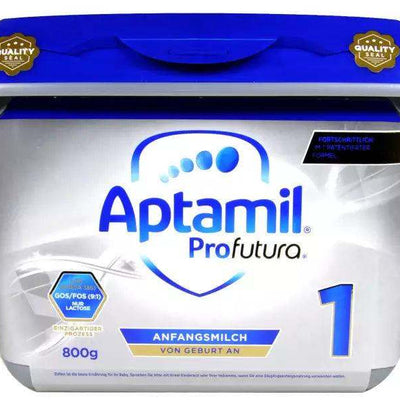
Aptamil Profutura First Milk S1
Toddler Nutrition Drinks & Shakes£ 2.50UK delivery soon
Order within 2h 14m
Out of stock
Authentic 30-day returns 12 viewing -
 Quick view
Aptamil
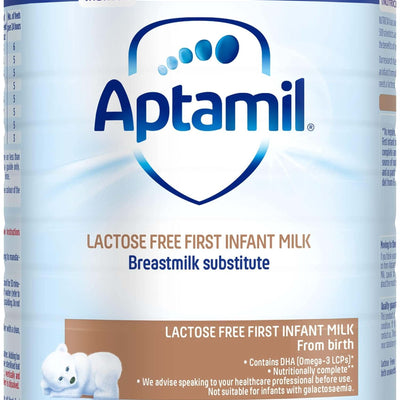
Aptamil Lactose Free Inf Stage 1
Toddler Nutrition Drinks & Shakes£ 17.50UK delivery soon
Order within 2h 14m
Out of stock
Authentic 30-day returns 12 viewing -
 Quick view
Aptamil
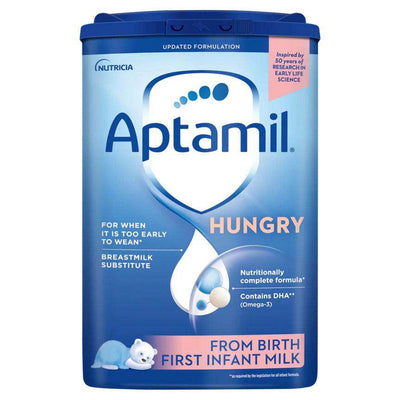
Aptamil Hungry Milk Powder
Toddler Nutrition Drinks & Shakes£ 25.50UK delivery soon
Order within 2h 14m
Out of stock
Authentic 30-day returns 12 viewing -
 Quick view
Aptamil
Aptamil Hungry Milk Liquid
Toddler Nutrition Drinks & Shakes£ 2.00UK delivery soon
Order within 2h 14m
Out of stock
Authentic 30-day returns 12 viewing -
 Quick view
Aptamil
Aptamil Growing Up Milk 24month
Toddler Nutrition Drinks & Shakes£ 26.50UK delivery soon
Order within 2h 14m
Out of stock
Authentic 30-day returns 12 viewing -
 Quick view
Aptamil
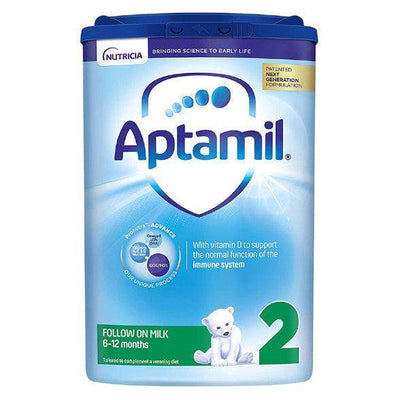
Aptamil Follow On Powder
Toddler Nutrition Drinks & Shakes£ 24.50UK delivery soon
Order within 2h 14m
Out of stock
Authentic 30-day returns 12 viewing -
 Quick view
Aptamil
Aptamil Follow On Milk Ready to Feed
Toddler Nutrition Drinks & Shakes£ 2.00UK delivery soon
Order within 2h 14m
Out of stock
Authentic 30-day returns 12 viewing -
 Quick view
Aptamil
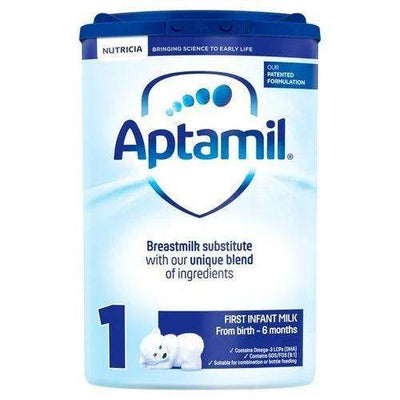
Aptamil First Milk Powder
Toddler Nutrition Drinks & Shakes£ 25.50UK delivery soon
Order within 2h 14m
Out of stock
Authentic 30-day returns 12 viewing -
 Quick view
Aptamil
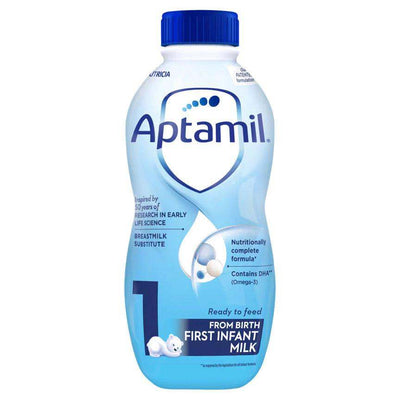
Aptamil First Milk Liquid
Toddler Nutrition Drinks & Shakes£ 2.00UK delivery soon
Order within 2h 14m
Out of stock
Authentic 30-day returns 12 viewing -
 Quick view
Aptamil
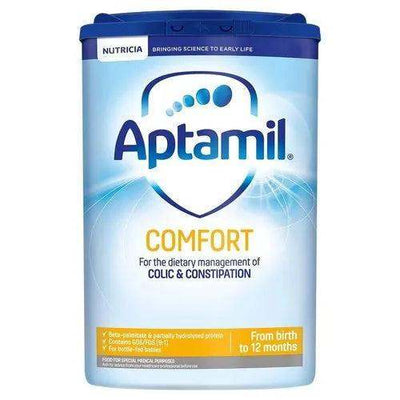
Aptamil Comfort Milk From Birth
Toddler Nutrition Drinks & Shakes£ 28.50UK delivery soon
Order within 2h 14m
Out of stock
Authentic 30-day returns 12 viewing -
 Quick view
Aptamil
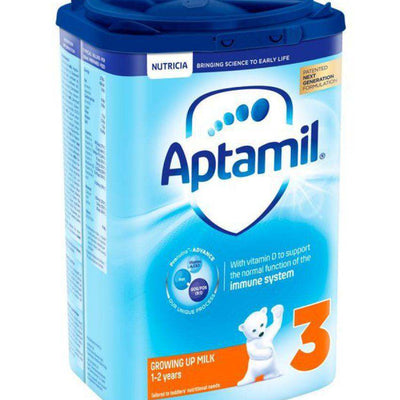
Aptamil 1-2yr Growing Up Milk No3
Toddler Nutrition Drinks & Shakes£ 24.50UK delivery soon
Order within 2h 14m
Out of stock
Authentic 30-day returns 12 viewing
Baby Formula Supplements
Baby formula is a nutritionally formulated milk substitute designed to feed infants when breastfeeding is not possible or when parents choose to combine feeding methods. Most baby formula is made to provide key nutrients such as protein, fats, carbohydrates, vitamins and minerals in amounts appropriate for early growth, and it is available in powder, ready-to-feed and concentrated liquid formats.
What is Baby Formula?
Baby formula (also called infant formula) is specially regulated nutrition created to support babies’ normal growth and development during the first months of life. In the UK, infant formula is designed to be suitable from birth, while some products are marketed as follow-on formula (from 6 months) or toddler/young child milks (typically from 12 months) as part of a varied diet.
Many families explore formula feeding alongside wider baby health needs—such as support for colic, teething routines, and everyday essentials in baby & child health.
Benefits and Features of the Welzo Baby Formula Collection
- Nutritionally designed for infants: formulated to provide essential nutrients in appropriate proportions for babies at different stages.
- Multiple formats for convenience: powder for value and flexibility, ready-to-feed for travel or night feeds, and concentrated liquid options depending on the brand.
- Options for specific feeding needs: including anti-reflux formulas, lactose-reduced options, and specialist formulas for medically guided feeding plans.
- Routine-friendly shopping: parents often stock up alongside practical baby-care categories like children’s first aid and thermometers.
- Supports modern family feeding choices: suitable for exclusive formula feeding or combination feeding depending on your routine.
Why is Baby Formula Important?
For many families, baby formula provides a safe and reliable way to nourish infants—whether it’s used from birth, introduced later, or used alongside breastfeeding. It can also help parents share feeding responsibilities, support planned routines, and ensure babies receive consistent nutrition when breastfeeding isn’t an option.
In some cases, babies may need additional support around digestion or comfort. Families often explore feeding plans in combination with supportive categories such as stomach & bowel relief (where appropriate for age and clinician guidance) or baby-specific wellbeing support through baby & child health.
Best Products in Baby Formula
The “best” baby formula is the one that matches your baby’s age, feeding needs, and tolerance, and that you can prepare consistently and safely. Many parents prioritise:
- Stage-appropriate formula: infant formula (from birth) vs follow-on (6+ months) vs toddler milks (12+ months).
- Format choice: powder for everyday feeds, ready-to-feed for convenience or travel.
- Specialist suitability: anti-reflux, lactose-reduced, or hypoallergenic options where advised by a healthcare professional.
- Practical packaging: tubs and refill packs that suit how frequently you feed.
How to Use Baby Formula?
- Follow the tin instructions exactly: formula preparation is precise—measure water and powder as directed and do not “eyeball” scoops.
- Use safe water and hygiene: wash hands, sterilise bottles/teats, and prepare feeds in a clean area.
- Check temperature before feeding: test on the inside of your wrist so it feels warm, not hot.
- Discard leftovers: any milk left in a bottle after a feed should be thrown away for safety.
- Plan for feeding challenges: some families keep essentials for colds and comfort in categories like children’s cough, cold & flu (age-appropriate only) to support overall routines.
Are there any side effects or interactions of Baby Formula?
Most babies tolerate standard infant formula well, but some may experience digestive changes when starting or switching formula. Common, usually mild issues can include changes in stool frequency/colour, wind, or temporary constipation as your baby adjusts.
- Digestive discomfort: gas, mild constipation, or spit-up can occur, particularly during transitions.
- Allergy considerations: some babies react to cow’s milk protein; this may require medical assessment and a specialist formula.
- Reflux support: frequent spit-up may be discussed with a clinician; anti-reflux formulas should be chosen carefully and used as directed.
If your baby has persistent vomiting, blood in stool, poor weight gain, significant eczema, or symptoms suggesting an allergy, seek clinical advice promptly. For skin-related concerns, parents often explore supportive care through baby & child skin conditions.
What Are the Different Types of Baby Formula Available?
- Infant formula (from birth): standard formula designed to be suitable for newborns.
- Follow-on formula (6+ months): marketed for older babies alongside weaning foods.
- Toddler/young child milks (12+ months): optional products used as part of a varied diet.
- Ready-to-feed formula: pre-mixed liquid formula for convenience.
- Anti-reflux (AR) formula: thickened formula designed to reduce spit-up (use under appropriate guidance).
- Lactose-reduced or lactose-free formula: designed for specific needs when advised.
- Hypoallergenic/specialist formulas: extensively hydrolysed or amino acid-based formulas (typically clinician-directed).
What Are the Most Popular Baby Formula Products Available?
Most families choose reliable, stage-appropriate infant formula in powder format for everyday feeding, then keep a ready-to-feed option for travel or emergencies. Where babies have reflux, suspected intolerance, or medically guided feeding needs, parents often look for specialist formulas that are clearly labelled and easy to prepare consistently.
Statistics, Research, Expert Information and Quotes on Baby Formula
Baby formula is tightly regulated to ensure it meets infant nutritional requirements, with clear rules around composition, labelling, and preparation instructions. Research in infant nutrition continues to focus on how early feeding interacts with growth patterns, gut comfort, and allergy risk, while reinforcing that safe preparation and appropriate formula choice are essential for healthy feeding routines.
“The most important factors in formula feeding are choosing the right type for your baby’s stage and preparing every feed safely and consistently.”
How We Select Our Baby Formula Collection on Welzo
- Stage clarity: products clearly labelled for the correct age range and feeding stage.
- Preparation guidance: formulas with straightforward instructions and practical packaging.
- Trusted manufacturing standards: reputable brands with consistent quality controls.
- Family-routine suitability: a mix of powder and ready-to-feed options to support day-to-day needs.
Trusted by Experts and Verified Baby Formula Quality on Welzo
- Meet the Welzo team
- Ingredient quality, purity & certifications
- Supplement quality standards & certifications
Customer Reviews
To read verified feedback from customers shopping on Welzo, visit:
Internal Linking to Other Relevant Welzo Categories
FAQs
What is baby formula used for?
Baby formula is used to feed infants when breastfeeding is not possible, when parents choose formula feeding, or when combination feeding is preferred.
What is the difference between infant formula and follow-on formula?
Infant formula is designed to be suitable from birth, while follow-on formula is marketed for babies from around 6 months as part of a varied weaning diet.
Is ready-to-feed formula the same as powder formula?
Both aim to provide similar nutrition for the intended stage, but ready-to-feed is pre-mixed for convenience, while powder must be prepared carefully with the correct measurements.
How do I safely prepare baby formula?
Use clean hands, sterilised bottles, and follow the product instructions exactly for water volume, scoops, mixing and temperature checking.
Can I switch baby formula brands?
Many babies tolerate a switch, but some experience temporary digestive changes. If your baby has persistent symptoms, consult a healthcare professional.
What formula is best for reflux?
Some babies may benefit from anti-reflux formulas, but persistent reflux symptoms should be discussed with a clinician to choose the safest approach.
What are signs my baby may not tolerate a formula?
Ongoing vomiting, poor weight gain, significant eczema, blood in stool, or severe distress may require medical review and possibly a specialist formula.
Can baby formula cause constipation?
Some babies experience changes in stool patterns when starting formula or switching. If constipation is persistent or severe, seek clinical guidance.
Do I need follow-on or toddler milk?
These products are optional for many families. A varied diet becomes increasingly important after 6–12 months; discuss feeding choices with a health professional if unsure.
Where can I buy baby formula online?
You can shop baby formula online by choosing a stage-appropriate option and selecting the format that best fits your family’s feeding routine.
 Rated Excellent by 28,951+ Reviews
 100% Money Back Guarantee