
Your cart is empty
This quantity of item cannot be added to the cart
Continue shopping
Car Boot Mobility Scooters
4.8on Trustindex
browsing now
Order before 2pm for same-day dispatch
2766+ orders this week
-
 Quick view
welzo-3
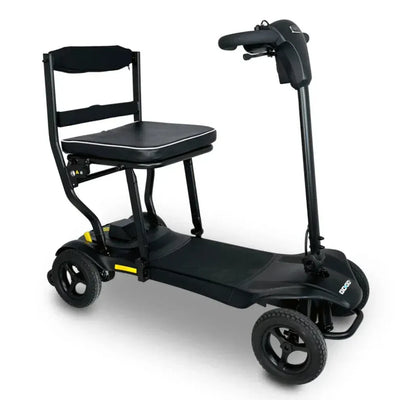
GoGo MG2 Lightweight Folding Mobility Scooter – 4mph, 14.7kg Portable Scooter
Mobility Scooter£ 2,199.00UK delivery soon
Order within 2h 14m
In Stock
Authentic 30-day returns 12 viewing -
Sale-26%
 Quick view
welzo-3
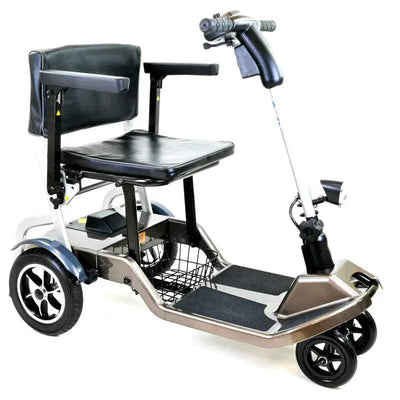
QFold Folding Mobility Scooter – Lightweight Portable Scooter
Mobility Scooter£ 1,399.00£1,899.00Lowest price in 30 days
UK delivery soon
Order within 2h 14m
In Stock
Authentic 30-day returns 12 viewing -
 Quick view
welzo-3
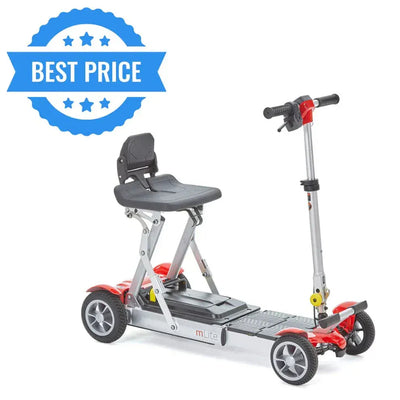
mLite Folding Mobility Scooter – Lightweight, Compact Scooter
Mobility Scooter£ 1,399.00UK delivery soon
Order within 2h 14m
In Stock
Authentic 30-day returns 12 viewing -
 Quick view
welzo-3
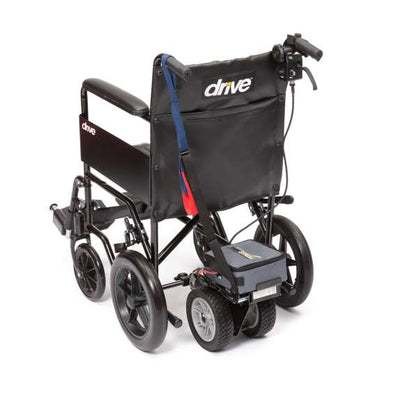
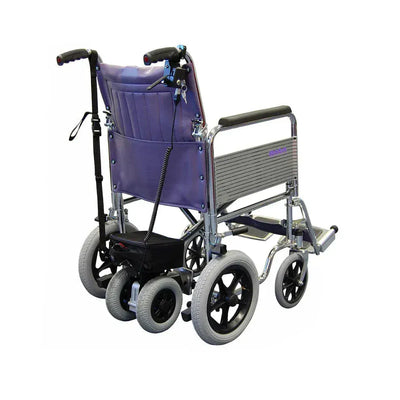
Drive Devilbiss Lightweight Powerstroll – Carer-Controlled Powered Wheelchair Assist, 10-Mile Range
Mobility Scooter£ 499.00UK delivery soon
Order within 2h 14m
Out of stock
Authentic 30-day returns 12 viewing -
 Quick view
welzo-3
Roma Powerpack Wheelchair Powerstroll – Attendant Controlled, 21 Stone Limit, 10-Mile Range
Mobility Scooter£ 499.00UK delivery soon
Order within 2h 14m
Out of stock
Authentic 30-day returns 12 viewing -
 Quick view
welzo-3
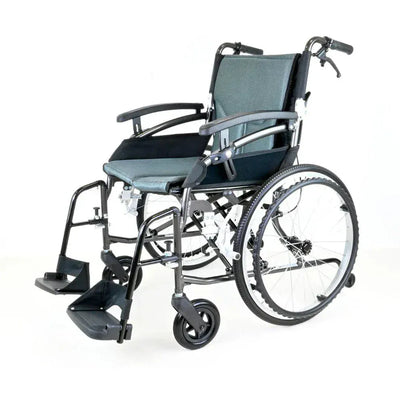
Gravity Lite Self Propel Wheelchair – Ultra Lightweight Aluminium Design
Mobility Scooter£ 399.00UK delivery soon
Order within 2h 14m
Out of stock
Authentic 30-day returns 12 viewing -
 Quick view
welzo-3
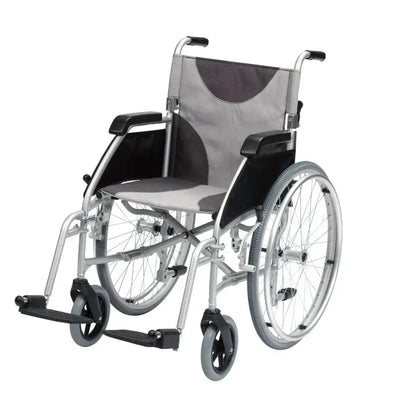
Ultra Lightweight Self-Propel Wheelchair – Drive DeVilbiss
Mobility Scooter£ 279.00UK delivery soon
Order within 2h 14m
Out of stock
Authentic 30-day returns 12 viewing -
 Quick view
welzo-3
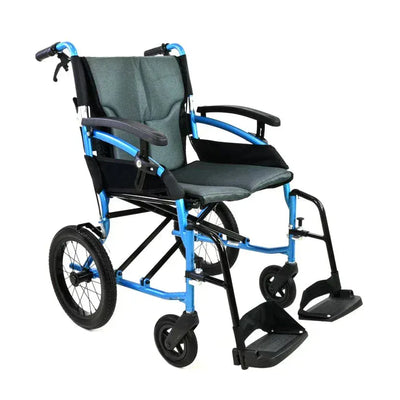
Gravity Lite Transit Wheelchair – Lightweight Mobility with Everyday Comfort
Mobility Scooter£ 350.00UK delivery soon
Order within 2h 14m
Out of stock
Authentic 30-day returns 12 viewing -
 Quick view
welzo-3
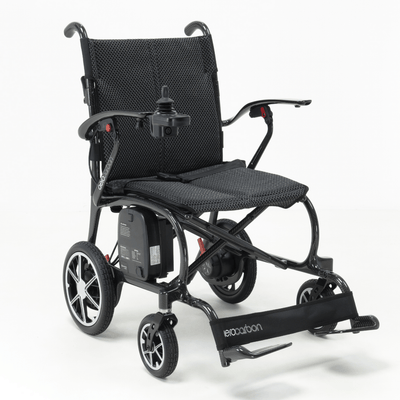
AeroCarbon Ultra Lightweight Folding Powerchair – Airline-Friendly Battery
Mobility Scooter£ 1,675.00UK delivery soon
Order within 2h 14m
Out of stock
Authentic 30-day returns 12 viewing -
 Quick view
welzo-3
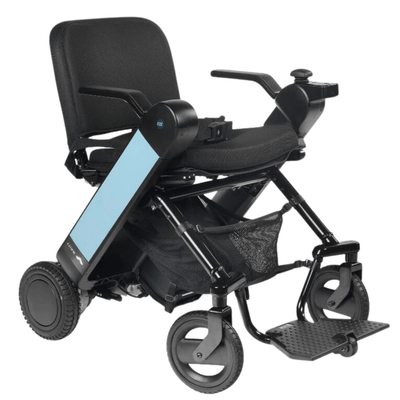
Whill F by TGA Mobility, Stylish Folding Lightweight Powerchair
Mobility Scooter£ 2,795.00UK delivery soon
Order within 2h 14m
Out of stock
Authentic 30-day returns 12 viewing -
 Quick view
welzo-3
Freedom Chair A11 Mini Folding Electric Wheelchair (for Youngsters)
Mobility Scooter£ 2,875.00UK delivery soon
Order within 2h 14m
Out of stock
Authentic 30-day returns 12 viewing -
 Quick view
welzo-3
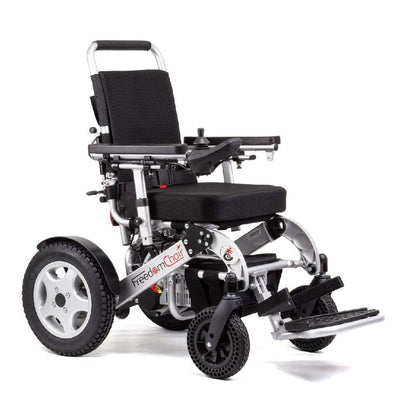
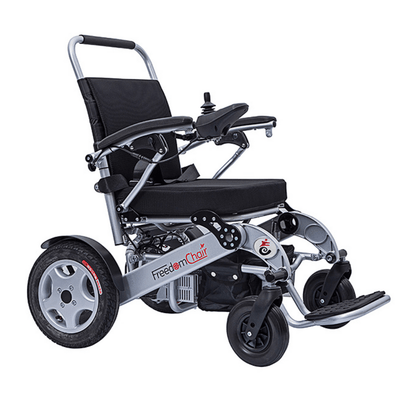
Freedom Chair A09 Powerchair Folding
Mobility Scooter£ 4,500.00UK delivery soon
Order within 2h 14m
Out of stock
Authentic 30-day returns 12 viewing -
 Quick view
welzo-3
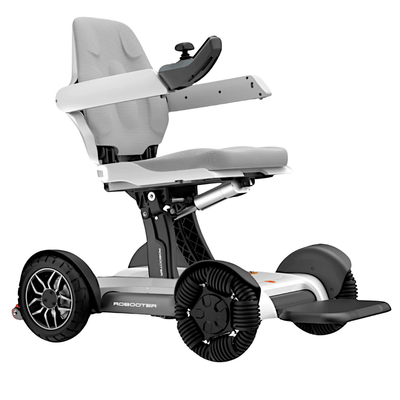
Robooter X40 Folding Electric Powerchair
Mobility Scooter£ 2,945.00UK delivery soon
Order within 2h 14m
Out of stock
Authentic 30-day returns 12 viewing -
 Quick view
welzo-3
Freedom DE08L Electric Folding Wheelchair
Mobility Scooter£ 2,599.00UK delivery soon
Order within 2h 14m
Out of stock
Authentic 30-day returns 12 viewing
Car Boot Mobility Scooters
Choosing a car boot mobility scooter starts with your boot, not the scooter. The scooter has to pack down small enough for the space you have and stay light enough for whoever loads it, and the words car boot in a product name do not settle either question.
This page covers the measurements to take, the weights to compare, and the routine for loading, securing and unloading a scooter for a car journey.
Start with your car
Measure the boot before you draw up a shortlist. Four figures do most of the work: the height and the width of the boot opening, the depth of the boot floor from the back edge to the rear seats, and the height of the lip you have to lift over.
The opening is usually the limiting figure, because a boot can be roomy inside and still have a narrow, sloping aperture. Measure with the parcel shelf removed and note how much extra length you gain by folding the rear seats.
Loading in one piece or in sections
A scooter goes into a car in one of two ways. Some fold into a single piece and go in whole. Others come apart into sections. Depending on the model, these may include the seat, battery and one or more frame sections, making each lift lighter but leaving several pieces to arrange in the boot.
One piece is quicker; sections are lighter. Which suits you depends on the boot opening and on what you can lift. Listings do not always state whether a model comes apart, so get that confirmed before ordering if you are counting on it. For how the fold mechanisms themselves work, see folding mobility scooters.
Total weight and the heaviest piece
Two weights matter, and they are not the same. The total weight is what goes into the boot if the scooter loads whole. The heaviest piece is what you actually lift when a scooter comes apart. Depending on the model, that may be the rear frame section containing the motor rather than the battery.
Stated weights are not all measured the same way: some include the battery, some leave it out, and some describe a frame on its own. Check which figure you are reading before you compare two models. Where a listing gives no weight for the heaviest piece, treat that figure as unconfirmed.
Seats and batteries that come off
Taking parts off before the lift makes a real difference. The seat lifts away on many scooters and is often the bulkiest single piece. A removable battery pack reduces the weight of the frame you have to lift, can be carried separately and can often be charged away from the scooter.
Other batteries are fixed in the frame, or held by a lock rather than lifting out by hand. Where a listing says nothing either way, treat it as unconfirmed rather than assuming the battery comes out.
Loading and unloading
Work out the routine before the first trip. Park where the boot opens fully and fold or separate the scooter on firm, level ground. Follow the scooter manufacturer's instructions for lifting points and the order in which parts should be loaded. Protect the boot surface, but do not rely on a liner or blanket to keep the load stable.
Be honest about what you can manage repeatedly rather than once. Some people load a scooter alone without difficulty; others prefer a second pair of hands, a ramp, or loading equipment fitted to the vehicle. If you are unsure, get help rather than lifting at full stretch over a high lip.
Securing the scooter for the journey
Secure the scooter and every removable part so they cannot move during the journey. Use suitable securing points and follow the scooter and vehicle manufacturers' instructions, because the correct method depends on the model and the car.
Secure removable batteries and other loose parts as instructed by the manufacturer. Do not place them where they can move, damage one another or obstruct the driver.
Checks after you unload
Put the scooter back together on level ground, then check it before riding away. Make sure the latches and locking pins are fully engaged, the seat is secure, the tiller is locked at the angle you want and the battery is connected. Look over the tyres and test the brakes, particularly after a long drive.
Range and charging away from home
Plan the distance you will cover at the other end, not just the drive. Compare it with the range stated for the model and leave a margin, because the distance you get falls with rider weight, hills, rough ground and cold weather.
If you are away overnight, decide where charging will happen. A removable battery can come indoors with you; a fixed battery means parking the scooter within reach of a socket.
Before you buy, confirm
- the height and width of your boot opening, and the depth of the boot floor
- the folded or dismantled dimensions of the scooter
- whether it loads whole or comes apart, and how many pieces that makes
- the total weight, and the weight of the heaviest piece you will lift
- what a stated weight includes: with the battery, without it, or the frame alone
- whether the seat lifts off and whether the battery can be taken out
- the maximum user weight and the stated range per charge
- how the scooter will be secured in your car
- which parts, charger and accessories come with the version you select
Car boot mobility scooter FAQs
Will a mobility scooter fit in my car boot?
That depends on the car and the model, so it is a measurement question rather than a yes or no. Compare the height and width of your boot opening with the folded or dismantled size of the scooter, and allow a few centimetres of clearance. Where a listing does not give those dimensions, get them confirmed before ordering.
What is the difference between a car boot scooter and a folding scooter?
The two overlap. Folding describes how a scooter packs down; car boot describes what it packs down for. A folding scooter is one way of getting a scooter into a car, and a scooter that separates into sections is another. If storage at home matters more than the car, start from the folding collection instead.
What is the heaviest part I will have to lift?
On a scooter that comes apart, the heaviest piece may be the rear frame section containing the motor, but this differs by model. On one that loads whole it is the folded scooter itself. Few listings state a heaviest-part weight at the moment, so treat it as something to confirm for the model you want rather than something you can compare across the range.
Can I take the battery out before loading?
On some models the battery sits in a pack that lifts or slides out, which takes weight out of the lift and lets you charge it indoors. On others it is fixed in the frame. Confirm this for any model you are choosing mainly on lifting weight.
Will I need help to load a car boot scooter?
Some customers manage alone; others use a second person, a ramp, or equipment fitted to the vehicle. It comes down to the weight of the pieces, the height of your boot lip and what you can lift comfortably more than once a day. If you think you need fitted loading equipment, get advice from a supplier who installs it.
Are car boot scooters suitable for rough or uneven ground?
Models designed for easier car transport may use smaller wheels or lighter suspension than larger pavement scooters, which can make uneven paving, grass and kerbs harder going. Check the wheel size, suspension and ground clearance given for the model, and if most of your riding is over rough ground, compare the full mobility scooter range.
 Rated Excellent by 26,523+ Reviews
 100% Money Back Guarantee