
Your cart is empty
This quantity of item cannot be added to the cart
Continue shopping
Botanical Perfumes
4.8on Trustindex
browsing now
Order before 2pm for same-day dispatch
2766+ orders this week
-
 Quick view
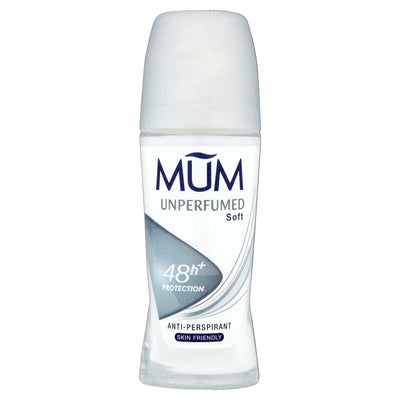
MUM
Mum Roll On 48H Unperfumed 50ml
Deodorant & Anti-Perspirant£ 2.12UK delivery soon
Order within 2h 14m
In Stock
Authentic 30-day returns 12 viewing -
 Quick view
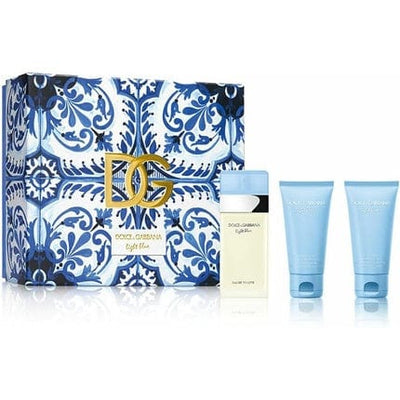
Dolce & Gabbana
Dolce & Gabbana Perfume Set for Women
Health & Beauty£ 59.12UK delivery soon
Order within 2h 14m
Out of stock
Authentic 30-day returns 12 viewing -
 Quick view
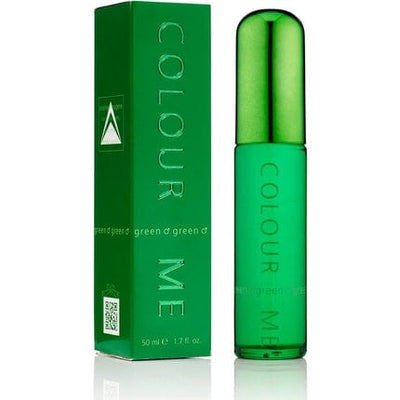
Colour Me
COLOUR ME Green Perfume for Men 50ml Eau de Toilette Luxury Fragrance Mens Aftershave ( Milton-Lloyd)
Health & Beauty£ 13.20UK delivery soon
Order within 2h 14m
Out of stock
Authentic 30-day returns 12 viewing -
 Quick view
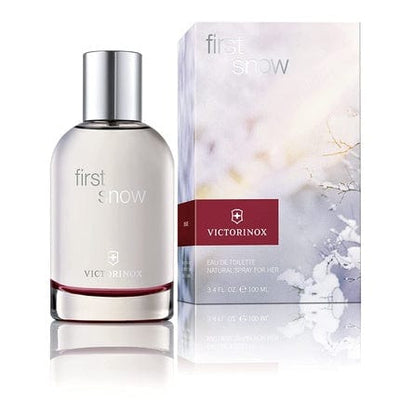
Victorinox
Victorinox First Snow Eau De Toilette For Women, Perfume With Vanilla And Musk 100ml
Health & Beauty£ 28.16UK delivery soon
Order within 2h 14m
In Stock
Authentic 30-day returns 12 viewing -
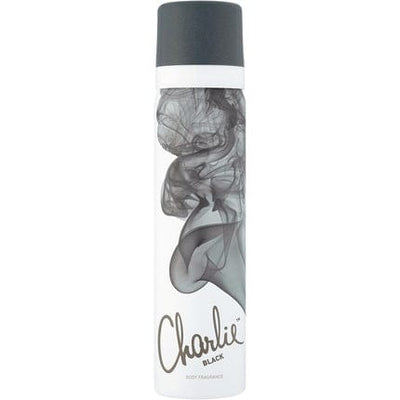
 Quick view
Revlon
Charlie Black Perfumed Body Fragrance 75ml
Health & BeautyAlcohol Denat.£ 3.16UK delivery soon
Order within 2h 14m
In Stock
Authentic 30-day returns 12 viewing -
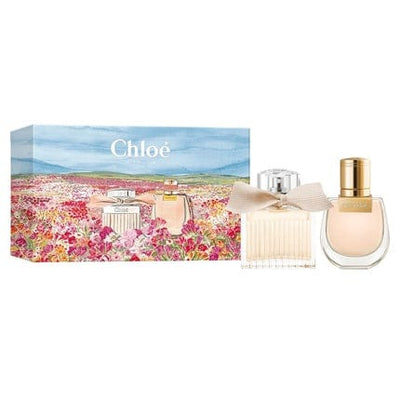
 Quick view
Chloé
Chloe Les Perfumes for Women 2 Piece Gift Set 0.67oz EDP Spray Nomade
Health & Beauty£ 46.32UK delivery soon
Order within 2h 14m
Out of stock
Authentic 30-day returns 12 viewing -
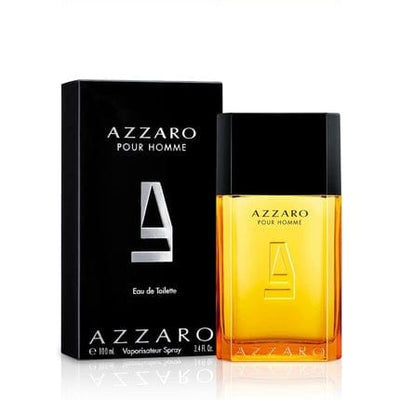
 Quick view
Azzaro
Azzaro Homme Eau de Toilette Woody Fragrance Perfume For Men 100ml
Health & Beauty£ 46.45UK delivery soon
Order within 2h 14m
In Stock
Authentic 30-day returns 12 viewing -
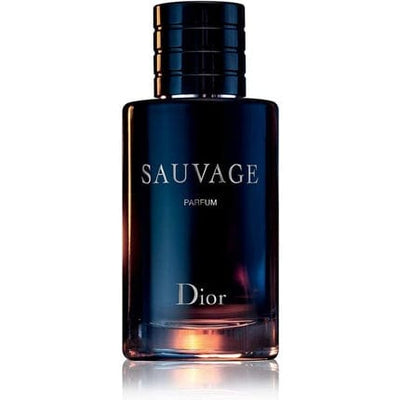
 Quick view
Dior
Dior Sauvage Perfume Spray 2.857kg
Health & Beauty£ 184.87UK delivery soon
Order within 2h 14m
Out of stock
Authentic 30-day returns 12 viewing -
 Quick view
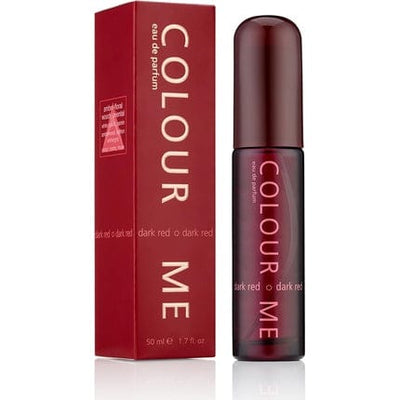
Colour Me
Colour Me Dark Red Perfume for Men and Women 50ml Eau de Parfum Luxury Fragrance
Health & Beauty£ 6.46UK delivery soon
Order within 2h 14m
Out of stock
Authentic 30-day returns 12 viewing -
 Quick view
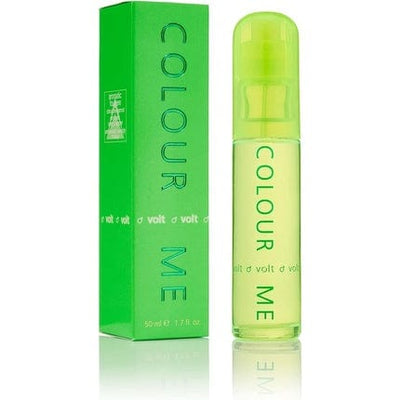
Colour Me
COLOUR ME Volt Perfume for Men 50ml Eau de Toilette Luxury Fragrance Mens Aftershave Long Lasting by Milton-Lloyd
Health & Beauty£ 10.00UK delivery soon
Order within 2h 14m
In Stock
Authentic 30-day returns 12 viewing -
 Quick view
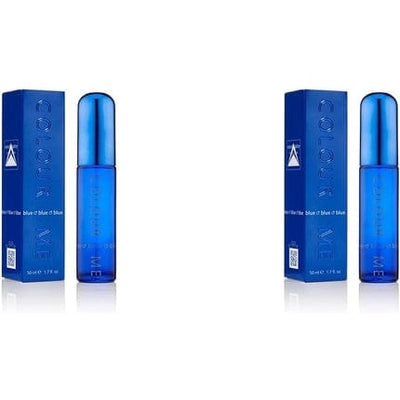
Colour Me
COLOUR ME Blue Perfume for Men 50ml Eau de Toilette Luxury Fragrance Mens Aftershave Long Lasting by Milton-Lloyd
Health & Beauty£ 6.00UK delivery soon
Order within 2h 14m
Out of stock
Authentic 30-day returns 12 viewing -
 Quick view
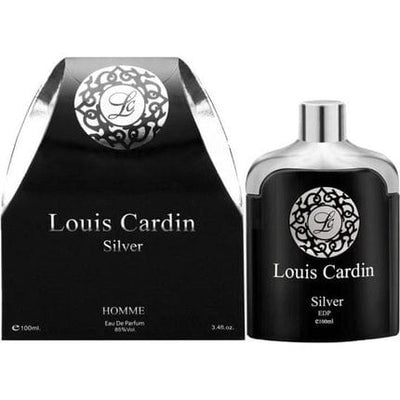
Louis Cardin
Louis Cardin "Silver" Eau De Perfume For Men 100 Ml
Health & Beauty£ 28.16UK delivery soon
Order within 2h 14m
Only 1 left
Authentic 30-day returns 12 viewing -
 Quick view
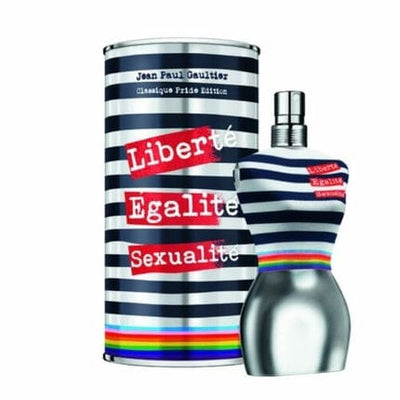
Jean Paul Gaultier
Jean Paul Gaultier Classic Eau De Toilette Women's Perfume 100ml
Health & Beauty£ 83.12UK delivery soon
Order within 2h 14m
Out of stock
Authentic 30-day returns 12 viewing -
 Quick view
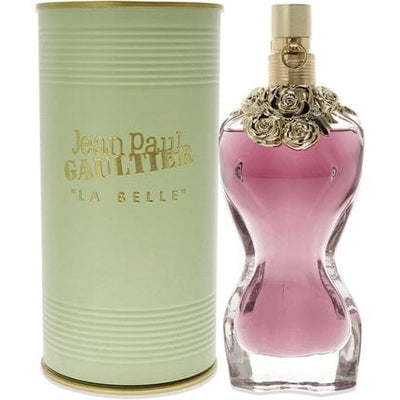
Jean Paul Gaultier
Jean Paul Gaultier La Belle Eau De Perfume Spray 50ml
Health & Beauty£ 95.00UK delivery soon
Order within 2h 14m
In Stock
Authentic 30-day returns 12 viewing -
 Quick view
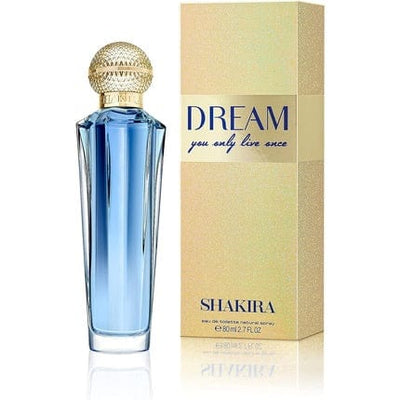
Shakira
Shakira Dream Perfume for Women Long Lasting Fresh and Feminine Vanilla Citrus and Floral Notes Ideal for Day Wear 80ml
Health & Beauty£ 15.09UK delivery soon
Order within 2h 14m
Out of stock
Authentic 30-day returns 12 viewing -
 Quick view
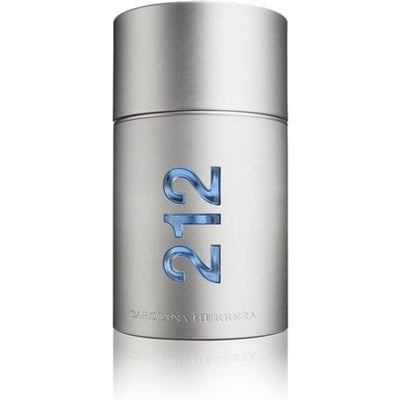
Carolina Herrera
Carolina Herrera Perfume 50ml
Health & Beauty£ 61.32UK delivery soon
Order within 2h 14m
In Stock
Authentic 30-day returns 12 viewing -
 Quick view
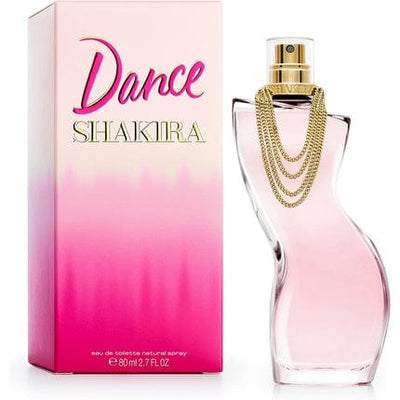
Shakira
Shakira Dance Perfume for Women Long Lasting Feminine Charming and Modern Fruity Floral Notes Ideal for Day Wear 80ml
Health & Beauty£ 30.51UK delivery soon
Order within 2h 14m
Out of stock
Authentic 30-day returns 12 viewing -
 Quick view
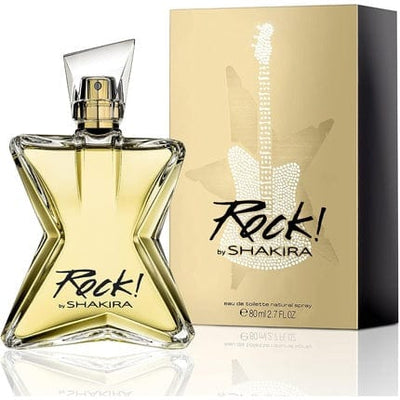
Shakira
Shakira Rock Perfume for Women Long Lasting Fresh and Dynamic Fragrance Floral and Fruity Notes Ideal for Day Wear 80ml
Health & Beauty£ 21.64UK delivery soon
Order within 2h 14m
Only 1 left
Authentic 30-day returns 12 viewing
Botanical Perfumes
Botanical perfumes are fragrances inspired by nature and built around plant-forward notes such as flowers, herbs, woods, resins and citrus—designed for people who love fresh, refined, garden-to-skin scent profiles.
These scents often feel more “true to ingredient” because they spotlight recognisable natural accords (think rose petals, crushed leaves, warm cedar, bright bergamot, aromatic lavender). Botanical fragrance styles can be light and airy for daytime, or deeper and more resinous for evenings—without losing that natural, outdoorsy character.
If you’re curating a signature scent wardrobe, botanical options are ideal for layering and seasonal switching: crisp green notes for spring, citrus botanicals for summer, woody aromatics for autumn, and richer balsamic resins for winter.
What is Botanical Perfume?
Botanical perfume is a fragrance style that centres on plant-inspired scent structures—floral bouquets, green herbaceous facets, citrus peels, aromatic woods and natural-smelling musks—blended to create a composition that feels fresh, grounded and nature-led. Botanical scents may be crafted using a mix of natural extracts (like essential oils) and carefully chosen aroma molecules that recreate botanical notes with consistency and longevity.
Rather than smelling “one-dimensional,” botanical perfumes typically move through a natural evolution: a bright top (citrus/green), a floral or aromatic heart, and a woody/ambery base that settles softly on skin.
Benefits and Features of the Botanical Perfumes Collection
Botanical perfumes are popular because they combine wearability with character—often smelling clean, modern, and effortlessly elegant while still having depth.
- Recognisable notes: Florals, herbs and woods that feel familiar and easy to love.
- Great for daily wear: Many botanical profiles are office-friendly and not overly heavy.
- Layering potential: Botanical perfumes pair beautifully with oils, mists and complementary scent formats.
- Seasonal versatility: Green/citrus for warm weather, woody/resinous botanicals for cooler months.
- Giftable and crowd-pleasing: Botanical scent families often appeal to a wide range of tastes.
Why Botanical Perfumes Are Important
Fragrance is personal identity in motion—what you wear can influence mood, confidence and memory. Botanical perfumes matter because they offer a nature-inspired alternative to overly synthetic or “loud” scent profiles, giving you a refined way to smell fresh, polished and distinctive.
They also help shoppers build a more intentional fragrance routine: a small rotation of botanical profiles can cover everyday, events, travel, and gifting—without needing dozens of bottles.
Best Products in Botanical Perfumes
“Best” depends on the botanical direction you love most. A smart way to choose is by your favourite natural atmosphere:
- Garden florals: Rose, jasmine, peony-style bouquets for a classic botanical feel.
- Green aromatics: Herbal, leafy, crisp profiles that feel clean and modern.
- Citrus botanicals: Bergamot, lemon, neroli-style brightness for daytime energy.
- Woody botanicals: Cedar, sandalwood-style warmth that feels grounded and elegant.
For a curated way to trial multiple botanical directions before committing to a full bottle, explore Scent Discovery Sets and build a rotation that suits your lifestyle.
How to Use Botanical Perfumes?
Botanical perfumes tend to shine when applied thoughtfully—especially because lighter green/citrus top notes can evaporate faster than heavier bases.
- Apply to pulse points: wrists, neck, behind ears and inner elbows help diffuse scent naturally.
- Don’t rub after spraying: rubbing can flatten top notes and disrupt the intended dry-down.
- Moisturise first: hydrated skin helps fragrance cling and last longer.
- Use a “halo” spray: mist once, then walk through for a softer, more botanical aura.
If you enjoy customising your scent intensity, pair your perfume with Perfume Extenders to improve longevity and projection without overpowering the natural character.
Side Effects or Interactions of Botanical Perfumes
Although botanical perfumes are often perceived as gentle, fragrance is still a common trigger for some people—especially those with very reactive skin or sensitivities. Consider the following:
- Skin sensitivity: Patch test on a small area if you’re prone to irritation.
- Headache triggers: Start with lighter application and avoid enclosed over-spraying.
- Layering caution: If combining oils/perfumes, keep the routine simple to reduce risk of irritation.
If you prefer minimal or no scent exposure in skincare or daily essentials, browse Fragrance-Free Products as a supportive alternative.
Different Types of Botanical Perfumes Available
Botanical perfumes aren’t one single smell—they span multiple scent “families,” all grounded in nature-inspired accords:
- Botanical florals: petal-like, soft and romantic.
- Green botanicals: leafy, crisp, dewy, garden-fresh.
- Aromatic botanicals: herbal, lavender-like, clean and spa-adjacent.
- Citrus botanicals: bright, sparkling, uplifting.
- Woody botanicals: cedar/forest warmth with a calm, elegant base.
If you love a more sustainable approach to nature-led perfumery, you may also like Eco-Friendly Perfumes and Organic Perfumes.
Most Popular Botanical Perfumes Products
Most shoppers gravitate toward botanical profiles that feel versatile and easy to wear. Popular “safe wins” tend to include:
- Citrus-green botanicals for everyday freshness
- Soft floral botanicals that feel clean and polished
- Woody botanicals for a warmer, more elegant signature
To build a well-rounded rotation (work, weekends, evenings), explore a structured scent capsule in Fragrance Wardrobe.
Statistics, Research, Expert Information and Quotes
Botanical scent notes are closely tied to lifestyle rituals—especially relaxation and self-care routines where aromatic profiles (like lavender, bergamot and herbal accords) are commonly chosen for their comforting, fresh feel. Many people also prefer botanical profiles in warmer seasons because they can feel lighter, cleaner and more breathable than heavy gourmand styles.
For readers who enjoy the aromatics side of botanical perfumery, a helpful guide is this Welzo article on essential oils used for relaxation and stress relief (linked here for deeper reading toward the end of this section): Best Essential Oils for Relaxation and Stress Relief.
How we select the Botanical Perfumes Collection on Welzo
We curate botanical perfumes to cover a wide range of nature-inspired preferences while staying wearable and giftable. Our selection focuses on:
- Note clarity: compositions that genuinely smell botanical rather than muddled.
- Wearability: scents suited to real routines—workdays, travel, evenings and gifting.
- Range diversity: coverage across floral, green, citrus and woody botanicals.
- Layering compatibility: options that pair well with oils and other fragrance formats.
If you enjoy building a customised signature, consider pairing botanical scents with Layering Fragrance Oils for a more personalised finish.
Trusted by Experts and Verified Botanical Perfumes Quality on Welzo
We focus on transparency and quality across the collections we offer. You can learn more here:
- Welzo Staff
- Ingredient Quality & Purity Certifications
- Supplement Quality Standards & Certifications
Customer Reviews
Read verified customer feedback here: Welzo Reviews
FAQs
What does “botanical” mean in perfume?
Botanical perfume refers to a nature-inspired scent style built around plant-forward notes—florals, herbs, woods, resins and citrus—often designed to smell fresh, clean and organically balanced.
Are botanical perfumes the same as natural perfumes?
Not always. “Botanical” describes the scent direction (plant-inspired notes), while “natural” refers to ingredients and formulation. Some botanical perfumes use a blend of natural extracts and aroma molecules for stability.
Do botanical perfumes last as long as other fragrances?
Longevity depends on concentration and base notes. Citrus/green botanicals can feel lighter, while woody/resinous botanical bases can last longer. Using a moisturiser or extender can improve wear time.
How do I choose a botanical perfume that suits me?
Pick by mood and setting: citrus-green for daytime freshness, soft florals for polished elegance, aromatics for clean calm, and woods/resins for a deeper signature.
Can I layer botanical perfumes without them clashing?
Yes—start with a simple base and add one complementary layer. Botanical profiles usually layer best within similar families (citrus with green, floral with soft woods).
Are botanical perfumes good for gifting?
They’re often excellent gifts because they feel refined and widely appealing. If you’re unsure of someone’s taste, discovery sets or gift boxes can be a safe option.
What’s the best way to apply botanical perfume for a subtle effect?
Use a single spray to the chest or back of the neck, or spray into the air and walk through. This creates a softer, more natural “botanical aura.”
Do botanical perfumes work well in warm weather?
Yes—many botanical styles (citrus, green, airy florals) feel lighter and more breathable in heat, making them popular choices for spring and summer routines.
What should I do if fragrance irritates my skin?
Stop use, rinse the area, and avoid applying to sensitive zones. If you’re fragrance-sensitive, consider fragrance-free alternatives and patch test new products before regular wear.
Can I build a “fragrance wardrobe” using botanical perfumes only?
Absolutely. A simple wardrobe could include: one citrus-green everyday scent, one soft floral for work and events, and one woody botanical for evenings or colder months.
 Rated Excellent by 28,951+ Reviews
 100% Money Back Guarantee