
Your cart is empty
This quantity of item cannot be added to the cart
Continue shopping
Contact Lens Solutions
4.8on Trustindex
browsing now
Order before 2pm for same-day dispatch
2766+ orders this week
-
 Quick view
Vizulize
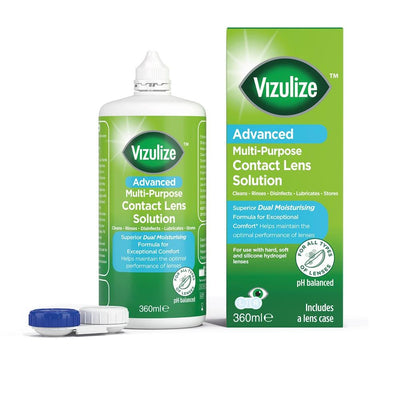
Vizulize Advanced Multi Purpose Contact Lens Solution 360ml
Eye Drops & Lubricants£ 8.37UK delivery soon
Order within 2h 14m
In Stock
Authentic 30-day returns 12 viewing
Contact Lens Solutions
Contact lens solutions ensure safe, hygienic lens wear by cleaning, disinfecting and rehydrating contact lenses between uses. Choosing the right system reduces the risk of irritation and infection while improving daily comfort and vision clarity. Pair solutions with related eye-care categories such as Eye Drops and Irritated Eyes products for a complete ocular-care routine.
What Are Contact Lens Solutions?
Contact lens solutions are sterile liquids formulated to clean, disinfect and store contact lenses safely. They remove proteins, lipids and environmental debris that accumulate during wear, and many include comfort agents to help maintain moisture and reduce friction. Different systems suit different lens types and wearer needs — from daily-rinse multipurpose solutions to deep-clean hydrogen-peroxide systems.
Benefits and Features of Contact Lens Solutions
- Effective disinfection: Kills or removes microbes to lower infection risk.
- Deposit removal: Clears proteins and lipids that blur vision and reduce comfort.
- Hydration and comfort: Rewetting agents preserve moisture for longer wear.
- Convenience: Multipurpose solutions combine cleaning, rinsing and storing in one product.
- Sensitivity-friendly options: Preservative-free or peroxide systems for reactive eyes.
- Compatibility: Formulations available for soft, rigid and specialist lenses.
Why Are Contact Lens Solutions Important?
Proper solution use is one of the most important factors for safe lens wear. Lenses that are not cleaned correctly collect deposits and microbes, which can cause redness, irritation or serious infections. Using the correct solution and following manufacturer guidance helps sustain clear vision, comfort and ocular health — especially for frequent wearers and those with dry or sensitive eyes.
How to Use Contact Lens Solutions Correctly
- Wash and dry hands thoroughly before handling lenses.
- Rub and rinse lenses if the product instructions recommend a rub step (even with many "no-rub" systems, a gentle rub improves cleanliness).
- Never top up the lens case — always use fresh solution and replace the case regularly (every three months minimum).
- Follow the neutralisation time exactly for hydrogen peroxide systems before inserting lenses.
- Use rewetting drops during the day if lenses feel dry — consult an optometrist for suitable options.
Types of Contact Lens Solutions Available
- Multipurpose solutions: Clean, disinfect, rinse and store in one step.
- Hydrogen peroxide systems: Powerful, preservative-free disinfection requiring neutralisation.
- Saline solutions: Rinsing and storage adjuncts (not disinfectants).
- Rewetting drops: Provide on-the-go moisture during wear.
- Protein-removal cleansers: For monthly maintenance of deposit-prone lenses.
Expert Insights & Research
Optometry research shows that most contact lens complications stem from poor hygiene practices rather than lens technology. Multipurpose solutions are effective for routine care when used correctly, while hydrogen peroxide systems are often recommended for wearers with sensitivities to preservatives. Studies also confirm that the simple practice of rubbing and rinsing lenses significantly reduces microbial load compared with no-rub approaches.
For nutritional support that can complement ocular comfort in some users, consider exploring vision supplements such as Vision Support Formulas or lutein-rich options like Lutein & Zeaxanthin Supplements.
How We Select Contact Lens Solutions on Welzo
Selection is based on clinical performance, ingredient transparency and manufacturer testing. We prioritise solutions that demonstrate effective disinfection, clear usage instructions, and compatibility with common lens materials. Products with strong optometrist endorsement and verifiable user feedback are favoured to ensure reliable comfort and safety.
Trusted by Experts — Quality & Safety Assured
All contact lens solutions listed meet recognised eye-care standards and include clear manufacturer guidance. For practical, evidence-based advice on product choice and safe lens wear, consult an optometrist or the product literature.
Contact Lens Solution Reviews
See verified customer experiences and product ratings on our reviews page: Welzo Reviews.
Trust & Quality Resources
Frequently Asked Questions
Can I use tap water to rinse my contact lenses?
No — tap water is not sterile and can introduce microbes that risk serious eye infections. Always use approved contact lens solutions.
How often should I replace my contact lens case?
Replace the case at least every three months and always use fresh solution; topping up old liquid increases contamination risk.
Are hydrogen peroxide systems better than multipurpose solutions?
Hydrogen peroxide systems provide stronger disinfection and are preservative-free, making them suitable for sensitive eyes — but they require correct neutralisation before use.
Can contact lens solution help with dry eyes?
Rewetting drops can relieve dryness during wear, but persistent dry-eye symptoms should be assessed by an optometrist.
Is it safe to switch solution brands frequently?
Most people can switch safely, but those with sensitive eyes should change gradually and monitor for irritation.
Do I need a different solution for rigid gas-permeable lenses?
Yes — rigid lenses often require specific cleaners and storage systems; follow your practitioner’s recommendation for those lens types.
What should I do if my eyes sting after inserting lenses?
Remove the lenses, rinse them with fresh solution and check for residue or damage. If stinging continues, seek professional advice immediately.
Can I store lenses in a saline solution overnight?
Saline solutions are for rinsing and short-term storage only; they do not disinfect. Use an appropriate disinfecting solution for overnight storage.
How long can I keep lenses in solution?
Follow the solution and lens manufacturer’s guidance; typically daily disposables are discarded after one use, while monthly lenses follow a strict replacement schedule.
Are preservative-free solutions necessary?
Preservative-free or peroxide systems are beneficial for wearers who experience irritation from preservatives; consult your optometrist if you suspect sensitivity.
 Rated Excellent by 28,951+ Reviews
 100% Money Back Guarantee